This site is supported by our readers. We may earn a commission, at no cost to you, if you purchase through links. This content is for general informational and educational purposes only and is not a substitute for professional medical, dermatological, or nutritional advice.

Shampoo strips. That’s its job. But for curly, coily, and dry hair types, that aggressive cleansing often removes the very oils your strands need to stay defined, elastic, and strong.
Co-washing, or conditioner-only washing, flips the script. Instead of detergent-based lather, it uses mild surfactants and conditioning agents to lift dirt and sebum without disturbing your scalp’s natural moisture barrier. The result? Softer hair, less breakage, and curl patterns that actually behave.
But co-washing isn’t for everyone, and doing it wrong can cause buildup, greasiness, or scalp irritation. Here’s everything you need to know to get it right.
Table Of Contents
- Key Takeaways
- What is Co-Washing and How Does It Work?
- What Are The Benefits and Risks of Co-Washing?
- Is Co-Washing Right for Your Hair Type?
- How Do You Co-Wash Hair Properly?
- How Do You Choose The Right Co-Wash?
- Frequently Asked Questions (FAQs)
- How do you properly co-wash your hair?
- How often should I use cowash?
- What is the difference between cowash and shampoo?
- Can I use regular conditioner as a CO-wash?
- What are the benefits of co-washing?
- Are there any products specifically designed for co-washing?
- Is co-washing suitable for color-treated hair?
- Are there any potential drawbacks to co-washing?
- How often should I co-wash my hair?
- Can you use co-washing on kids hair?
- Conclusion
Key Takeaways
- Co-washing cleanses your hair with conditioner-based formulas that use mild surfactants instead of stripping sulfates, making it ideal for curly, coily, dry, or damaged hair that needs moisture more than deep cleansing.
- Retaining your hair’s natural oils through co-washing directly improves elasticity and reduces breakage, since hydrated strands stretch and recover instead of snapping under tension.
- Co-washing isn’t a fit for everyone — fine, oily, or sensitive scalps are prone to buildup, greasiness, and even irritation, so your hair texture and oil production should drive the decision.
- Even when co-washing works well for you, periodically using a clarifying or sulfate-free shampoo every two to three washes is essential to clear accumulated residue and keep your scalp healthy.
What is Co-Washing and How Does It Work?

Co-washing means cleansing your hair with conditioner instead of shampoo, using mild surfactants to lift dirt without stripping your scalp’s natural oils. It’s a gentler swap that’s taken the textured hair world by storm. Here’s how it stacks up against the two things it’s most often confused with.
For coarse or textured hair especially, co-washing pairs beautifully with leave-in conditioners and protein treatments — explore coarse hair hydration and co-washing tips to build a routine that actually works for your strands.
Co-Washing Vs Shampooing
Most shampoos use sulfate-based surfactants that aggressively strip oil. Cowashing swaps those for gentler cleansers, keeping your hair cleansing routine kinder to your strands.
Here’s how they compare:
- Cleansing power: Shampoo lifts more oil; cowashing preserves natural lipids
- Scalp health: Sulfatefree formulas protect your acid mantle
- Moisture: Cowashing seals cuticles better
- Best fit: The conditioneronly method suits dry, textured hair
Co-Wash Vs Regular Conditioner
You might think a regular conditioner doubles as a co-wash, but cowashing actually cleanses your hair. The conditioner-only method uses mild surfactants to actively lift surface dirt and oil, something a standard conditioner simply can’t do.
Applying regular conditioner to your scalp clogs follicles and causes buildup, so a true co-wash keeps your hair cleansing routine both gentle and clean. In fact, conditioners lack cleansing ability, meaning they can’t remove grime, excess sebum, or residue the way a proper shampoo or co-wash formula can.
What Are The Benefits and Risks of Co-Washing?

Co-washing has real advantages, but it’s not without trade-offs. Whether it works for you depends on your hair type, your scalp, and how you use it. Here’s what you need to weigh on both sides of the equation.
Moisture And Lipid Retention
Think of your hair’s surface oils as a built-in shield. Every wash chips away at it. Cowashing preserves more of that shield, depositing conditioning agents along the cuticle that strengthen your moisture barrier and slow water evaporation. Pairing cowashing with a hair moisture barrier leave-in seals that cuticle protection even further between wash days.
That’s lipid retention actively at work. Less aggressive cleansing protects your natural oil balance, so hair moisture retention genuinely lasts between wash days.
Protective styling like cornrows for natural hair growth amplifies this effect, locking in moisture while minimizing daily manipulation and breakage.
Improved Elasticity And Strength
That retained moisture does more than keep hair soft. It directly helps hair elasticity and strength. Hydrated strands stretch under tension and spring back without snapping. Dry hair doesn’t have that give.
Hydrated hair stretches without snapping—moisture is the difference between elasticity and breakage
Cowashing deposits conditioning polymers that reduce friction between strands. Less friction means less shear stress during detangling, cutting down on breakage. Add proteins and you’ve got resilient hair.
Hair Type Suitability
For most hair types, co-washing works differently, and knowing which side you’re on makes a real difference. Curly and coily hair benefits most, since these textures crave conditioning and detangle more easily.
Wavy, dry, or damaged hair often responds well too.
Fine hair is the exception: its strands weigh down fast, so a lighter or clarifying option is usually smarter.
Buildup And Greasiness
For all its moisturizing perks, co-washing has a catch: product buildup. Because co-washes use gentler surfactants, they don’t clear oils, polymers, and conditioning residues like shampoo does. That leftover film accumulates, and roots start looking greasy fast. Over time, that residue calls for a clarifying shampoo for buildup to fully reset the scalp without stripping the lengths.
If you have oily hair, cowashing too often makes this worse. Periodic clarifying removes buildup and impurities before they settle on your scalp.
Scalp Irritation Risks
Imagine developing flaky, itchy patches after months of cowashing with zero issues. Scalp irritation can sneak up on you.
- Yeast overgrowth: residual lipids feed Malassezia, causing seborrheic dermatitis
- Follicle clogging: conditioner residue blocks pores, inflaming hair roots
- Contact allergens: incomplete rinsing keeps CAPB on your scalp
- Barrier disruption: without cleansing, pollutants compromise scalp health
Sulfate sensitivity doesn’t make cowashing risk-free.
Is Co-Washing Right for Your Hair Type?

Co-washing works brilliantly for some hair types and not at all for others. Your hair’s texture, porosity, and oil production determine whether it’s a savior or a grease trap. Here’s how to figure out which side you’re on.
Curly and Coily Hair
is where cowashing really shines. The tight coil shape creates more surface area per strand, so oils and styling products build up unevenly and fast.
Without cleansing, that coating blocks water and kills curl definition. Hair hydration stays more consistent because gentle cowashing doesn’t strip natural moisture, which is the whole point of natural hair care.
Wavy, Dry, or Damaged Hair
Wavy, dry, or damaged strands are cowashing’s sweet spot. When shampoo strips too much, your ends pay with frizz and breakage. Gentler cleansing keeps hair hydration intact.
The no poo approach works here because:
- Wavy hair can’t easily carry scalp oils to the ends
- Dry hair loses less lipid with conditioner-based cleansing
- Damaged strands respond better with less aggressive washing
Fine, Oily, or Sensitive Hair
Co-washing and fine or oily hair aren’t natural partners. Each strand weighs less, so buildup and greasiness show up fast. If your scalp over-produces sebum, a low-cleansing formula just makes things worse.
Sensitive scalps face different risks too. Even sulfate-free cleansing can cause scalp irritation when conditioning agents include fragrance. Adjust your hair cleansing frequency and pick a lighter co-wash.
How Do You Co-Wash Hair Properly?
Co-washing works when the technique and timing are dialed in. Get those right, and you’ll keep your hair moisturized, strong, and free of buildup without overthinking it. What follows covers everything you need to build a co-wash routine that actually holds up.
Step-by-Step Co-Washing Method

Before you jump in, technique matters. Proper scalp saturation is your starting point, so wet your hair thoroughly with warm water first.
- Work the co-wash into your scalp using your fingertips, not your nails.
- Massage for at least two minutes to lift buildup and boost circulation.
- Smooth the conditioner through your lengths, then let it sit briefly before rinsing.
Rinse until the water’s completely clear. Leftover residue ruins the whole purpose of washing your hair for hydration.
How Often to Co-Wash

Technique sorted, now comes timing. Your cowash frequency depends on your scalp’s oil production and how fast product buildup appears.
Oily scalps need more frequent cleansing; dry, curly, or coily hair thrives with more cowashing. Fine hair gets weighed down fast, so space it out.
If your scalp feels greasy or itchy, cut back. Sulfatefree cleansing works best with occasional deeper resets.
When to Use Shampoo
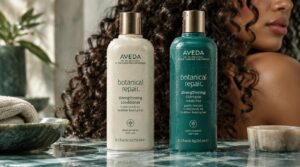
Those occasional deeper resets exist for good reason. Cowashing alone can’t always clear silicones, oils, and styling residue.
Watch for the signals: roots look greasy, your scalp feels itchy, or hair sits heavy right after washing. That’s product buildup talking. Work a sulfatefree shampoo into your sulfatefree hair care routine every two to three cowashes to fully reset your scalp.
How Do You Choose The Right Co-Wash?

Not every co-wash works for every head of hair. The right formula depends on what you’re putting in, what you’re leaving out, and how well it matches your texture. Here’s what to look for.
Ingredients to Look For
Think of the best co-wash ingredients as a conditioner’s greatest hits. Every good formula starts here. Look for:
- Humectants like glycerin or aloe to draw in moisture
- Emollients like cetyl alcohol for softness and slip
- Cationic conditioning agents to smooth the cuticle
- Flexible polymers that reduce tangling
- Plant oils that maintain protein balance
These moisturizers keep hair hydrated without stripping.
Ingredients That Cause Buildup
In a co-wash formula, certain ingredients work against you. Heavy oils and butters coat strands with each use, and without sulfates to cut through them, that layer compounds fast.
Silicones are cowashing’s biggest enemy. They’re film-forming and nearly impossible to rinse without a detergent. Conditioning polymers behave similarly, trapping sweat and sebum underneath and turning buildup gummy rather than greasy.
Matching Formula to Hair Type
Most people pick a co-wash based on scent. Don’t. Match it to your hair texture and porosity instead.
- Low porosity hair needs lightweight, water-based cowashing formulas
- High porosity hair benefits from richer, moisture-sealing blends
- Curls and coils crave extra slip for detangling
- Fine hair gets weighed down by heavy emollients fast
- Wash frequency determines how much buildup your hair tolerates
Frequently Asked Questions (FAQs)
How do you properly co-wash your hair?
Picture water flooding every strand, loosening oil and buildup at the root. Massage the scalp generously with a lowlather formula. Work conditioner packed with moisturizers through every section, then rinse completely. That’s cowashing done right.
How often should I use cowash?
Every 2-3 days is a solid starting point. Your scalp’s behavior guides the rest. If hair feels flat or greasy by day two, conditioner-only washing isn’t cutting it and a sulfate-free shampoo helps reset things.
What is the difference between cowash and shampoo?
Shampoo is a power wash for your scalp, stripping oil with strong surfactants. A conditioner-first formula flips the script entirely, cleaning gently while depositing moisture, so your hair stays soft instead of squeaky-clean and stripped.
Can I use regular conditioner as a CO-wash?
You can, but results vary. Regular conditioner often lacks enough cleansing power to lift oil and buildup. If yours is heavy on slip and oils, expect greasiness. True co-wash formulas are built to actually cleanse.
What are the benefits of co-washing?
Studies suggest up to 65% of women with naturally curly hair deal with chronic dryness daily. Co-washing preserves moisture and lipid balance, reducing frizz and breakage while leaving your scalp healthier and hair noticeably smoother.
Are there any products specifically designed for co-washing?
Of course there are, the haircare industry rarely misses a niche. Purpose-built co-wash products, often called cleansing conditioners, pack mild cleansing ingredients into a conditioning wash that cleans curly hair without stripping its natural moisture.
Is co-washing suitable for color-treated hair?
Co-washing is genuinely kind to color-treated hair. Its sulfate-free conditioning wash skips harsh detergents that strip pigment fast. Just choose the right formula though; heavy emollients build up quickly and dull your color over time.
Are there any potential drawbacks to co-washing?
Co-washing isn’t without its drawbacks. Product buildup can accumulate quickly from a cleansing conditioner, leaving hair limp, roots greasy, and your scalp irritated over time, especially if your natural hair type runs fine or oily.
How often should I co-wash my hair?
Imagine co-washing every other day and waking up to limp, greasy roots. That’s a clear sign your co-wash frequency is too high. Oily scalps always need less, but curly, coily hair can handle far more.
Can you use co-washing on kids hair?
A kid with tight curls? Co-washing fits right in. Choose gentle, age-appropriate products and keep a close eye on any scalp buildup or itchiness. If it’s greasy, alternate with a mild shampoo to stay balanced.
Conclusion
Softer curls, less breakage, a scalp that isn’t stripped bare. That’s what co-washing can give you when you match it to your hair’s actual needs. Understanding what is co-washing means understanding what your hair has been quietly missing.
It won’t work for everyone. But if your strands crave moisture more than they crave lather, this switch could genuinely change your whole routine. Start slow, clarify when needed, and let your hair tell you the rest.