This site is supported by our readers. We may earn a commission, at no cost to you, if you purchase through links.

Walk through any skincare aisle and you’ll see peptides, acids, oils, and miracle claims packed shoulder to shoulder. Most of them promise fast glow, fewer lines, and calmer skin, yet your barrier often pays the price when the formula misses your skin’s needs.
That’s why what skincare products do, dermatologists recommend, matters more than trendy packaging or a viral before-and-after. Dermatologists look for ingredients that repair, protect, and perform under scrutiny—ceramides, niacinamide, stable vitamin C, mineral sunscreen.
A smart routine doesn’t need twenty steps; it needs the right five, chosen for hydration, tone, texture, and long-term skin health every day.
Table Of Contents
- Key Takeaways
- What Skincare Products Do Dermatologists Recommend
- Top 5 Dermatologist-Approved Skincare Products
- Best Ingredients Dermatologists Recommend for Every Skin Concern
- What Do Dermatologists Use on Their Skin Daily
- Frequently Asked Questions (FAQs)
- Which skincare products are recommended by a dermatologist?
- What are the best skincare products?
- What are skin care products?
- How often should I exfoliate sensitive skin?
- Can I use retinoids during pregnancy or breastfeeding?
- What’s the best way to treat post-acne scars?
- Are natural or organic products safer for skin?
- How do I minimize sunscreen pilling under makeup?
- Conclusion
Key Takeaways
- Dermatologists recommend focusing on a few key products—gentle cleansers, barrier-repair moisturizers, antioxidant serums, retinoids, and broad-spectrum sunscreens—for daily skin health and protection.
- Ingredients like ceramides, niacinamide, hyaluronic acid, stable vitamin C, and mineral sunscreen are consistently chosen for their proven ability to repair, hydrate, brighten, and shield your skin.
- Medical-grade skincare often delivers higher concentrations, better ingredient stability, and more advanced delivery systems, but effective dermatologist-approved options exist at drugstore prices, too.
- Layering actives safely, using fragrance-free and non‑comedogenic formulas, and patch testing new products help prevent irritation and keep your skin barrier strong.
What Skincare Products Do Dermatologists Recommend
Dermatologists see hundreds of patients, and certain products keep coming up in every conversation. After years of clinical experience, there are clear patterns in what actually works versus what just sounds good on a label.
That’s why this dermatologist-recommended guide to the best skin care products for men feels especially useful for cutting through the hype.
Here are the five products dermatologists consistently point patients toward — and why they earn that trust.
Why Dermatologist Recommendations Matter for Your Skin
When your skin is your largest organ, guessing with it isn’t worth the risk. Dermatologist-recommended skincare products aren’t just popular picks — they’re chosen through safety screening, individualized tolerance testing, and evidence-based efficacy.
When it comes to your skin, trust products chosen for safety, tolerance, and results—not hype
That means long-term health, not short-term hype.
- Your skin type shapes everything about what works
- Clinical efficacy of popular skin care brands gets verified, not assumed
- Ingredient knowledge protects your barrier before problems start
Key Ingredients Dermatologists Look for in Every Product
Knowing what’s inside the bottle matters just as much as the brand on the label. Dermatologists scan for ceramides and barrier lipids first — they seal in moisture and protect your skin’s foundation.
Then comes humectant synergy: hyaluronic acid and glycerin working together to pull hydration deep.
Add anti-inflammatory actives like niacinamide, pore-refining acids, vitamin C, peptides, and sunscreen mineral filters, and you’ve got a genuinely effective formula.
Research highlights that mineral sunscreen filters receive near‑universal dermatologist agreement for effectiveness.
Drugstore Vs. Medical-Grade: What Dermatologists Actually Suggest
Price doesn’t always predict performance. Here’s what actually separates drugstore skincare options from medical-grade skincare:
- Active Concentration Levels – Medical-grade formulas generally use higher percentages of targeted actives like retinoids and vitamin C.
- Delivery System Differences – Sophisticated delivery systems help actives reach deeper skin layers.
- Formulation Stability – Tighter standards protect fragile ingredients from degrading.
- Testing Quality Standards – Clinical efficacy of popular skin care brands varies widely regardless of where they’re sold.
- Cost vs. Efficacy – Dermatologist recommended skincare brands exist at both price points.
Top 5 Dermatologist-Approved Skincare Products
Not every product earns a dermatologist’s stamp of approval, but these five have.
They’re backed by solid ingredients, real results, and the kind of formulas skin actually reacts to.
Here’s what made the cut.
Kiehl’s Midnight Recovery Facial Oil
Kiehl’s Midnight Recovery Facial Oil earns its place among dermatology recommended skincare products for good reason. Its squalane barrier support and evening primrose nourishment deliver essential fatty acids while you sleep, aligning with your skin’s natural repair cycle.
If body breakouts are part of the picture, these effective back acne treatment options complement its ceramide and niacinamide barrier support.
The lightweight absorbing texture disappears quickly, never feeling heavy.
Glass dropper packaging gives you precise control — just 2–3 drops.
That lavender aroma relaxation effect? A genuinely calming bonus.
Kiehl’s Ultra Facial Cream Squalane
If you’re building a solid, fuss-free moisturizer into your routine, the Kiehl’s Ultra Facial Cream Squalane checks every box.
It delivers squalane moisture and ceramides that work together for genuine skin barrier repair and hydration—without ever feeling heavy.
The non-greasy finish means day-night compatibility is smooth, and its sensitive skin suitability makes it one of the most trustworthy hydrating moisturizers for dry skin in dermatology-recommended skincare products.
1. Youth To The People Adaptogen Deep Moisturizer
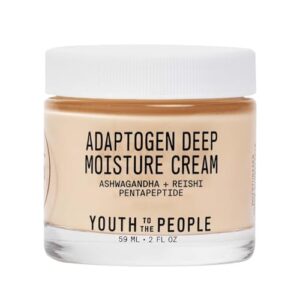
The Youth To The People Adaptogen Deep Moisturizer stands out for good reason.
It combines squalane, ashwagandha extract, and reishi mushroom — a trio that hydrates deeply while helping your skin recover from daily stress and environmental exposure.
Ceramides and niacinamide strengthen your barrier and calm uneven tone, while hemp seed oil and argan oil keep the formula lightweight rather than greasy.
It’s fragrance-free, vegan, and Leaping Bunny certified, which makes it a confident choice for dry or sensitive skin.
| Best For | Anyone with dry or sensitive skin who wants a clean, no-fuss moisturizer packed with skin-calming ingredients. |
|---|---|
| Hydration | Deep overnight hydration |
| Dermatologist Tested | Dermatologist recommended |
| Suitable Skin Types | Normal, dry, oily |
| Paraben Free | Paraben-free |
| Absorbs Quickly | Lightweight, fast absorption |
| Travel Friendly | Small glass bottle |
| Additional Features |
|
- Fragrance-free, vegan, and Leaping Bunny certified — great for sensitive skin and conscious shoppers
- Adaptogenic blend of squalane, ashwagandha, and reishi mushroom helps hydrate and soothe stressed skin
- Clean formula with none of the usual suspects — no PEGs, parabens, sulfates, or mineral oil
- Premium price can add up fast, especially since the travel-size jar runs out quickly with daily use
- Thick, creamy texture may feel too heavy for oily or acne-prone skin
- Glass jar packaging has been known to arrive damaged or unsealed when ordered online
2. TULA Cooling Brightening Eye Balm
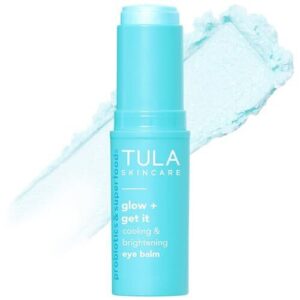
The TULA Cooling Brightening Eye Balm is one of those rare products that works on multiple levels at once.
The caffeine firms and tightens the periorbital skin, while hyaluronic acid pulls in moisture to smooth out fine lines and dryness.
Probiotic-derived lactococcus lysate strengthens your barrier from the inside out.
You get a subtle champagne sheen that instantly brightens dark circles — no heavy residue, no fragrance.
It’s travel-friendly, absorbs fast, and layers cleanly under makeup.
| Best For | Anyone who wants a quick, lightweight eye refresh that brightens dark circles and hydrates on the go — especially those who layer products under makeup. |
|---|---|
| Hydration | 24-hour hydration |
| Dermatologist Tested | Dermatologist recommended |
| Suitable Skin Types | All skin types |
| Paraben Free | Paraben-free |
| Absorbs Quickly | Quick absorption |
| Travel Friendly | Compact jar |
| Additional Features |
|
- Instant cooling sensation that wakes up tired eyes fast
- Hyaluronic acid and caffeine work together to hydrate and firm the under-eye area
- Fragrance-free, non-greasy, and plays nicely under makeup
- De-puffing results are modest at best — don’t expect dramatic changes
- $38 for 0.35 oz is a steep ask, especially if results take weeks to show
- The shimmer finish isn’t for everyone, and shade options are limited
3. True Botanicals Anti Aging Face Oil
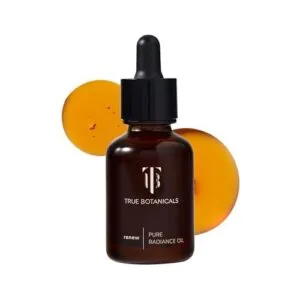
True Botanicals Renew Pure Radiance Oil is a blend of 14 small-molecule seed oils packed with omega-3 fatty acids, astaxanthin, and algae extract — ingredients that your skin genuinely recognizes and absorbs quickly.
clinically tested for hydration and fine-line reduction, dermatologist-tested, and even pregnancy-safe.
You apply 3–8 drops after your serum and before moisturizer.
The jasmine, neroli, and rose scent is subtle, never overwhelming.
At $120 for 1 oz, it’s an investment — but the barrier-nourishing results back it up.
| Best For | Anyone with dry or aging skin who wants a clean, pregnancy-safe face oil and doesn’t mind spending a little more for clinically backed ingredients. |
|---|---|
| Hydration | Deep hydration |
| Dermatologist Tested | Dermatologist recommended |
| Suitable Skin Types | Dry, sensitive |
| Paraben Free | Paraben-free |
| Absorbs Quickly | Absorbs well |
| Travel Friendly | Travel-size jar |
| Additional Features |
|
- Absorbs fast and layers well under makeup or moisturizer — no greasy residue
- Packed with skin-loving ingredients like omega-3s, astaxanthin, and algae extract that actually do something
- Clinically tested for hydration and fine-line reduction, and safe for use during pregnancy
- $120 for 1 oz is steep, and daily users will burn through it quickly
- The natural fragrance (jasmine, neroli, rose) reads as "musty" to some noses
- No SPF, so you’ll still need a separate sunscreen for daytime
Best Ingredients Dermatologists Recommend for Every Skin Concern
Not all ingredients are created equal, and dermatologists know exactly which ones actually move the needle for your skin. Whether you’re dealing with dryness, dark spots, breakouts, or signs of aging, the right actives can make all the difference.
Here are the five ingredients dermatologists consistently reach for, no matter the skin concern.
Ceramides and Hyaluronic Acid for Barrier Repair and Hydration
Think of ceramides and hyaluronic acid as your skin’s two-part defense system.
Ceramides provide Barrier Lipid Synergy alongside cholesterol and fatty acids, reinforcing the skin barrier repair process by sealing moisture in.
Hyaluronic acid—with its Molecular Weight Variants—pulls water into skin layers.
Hydration Layering Techniques mean applying hyaluronic acid first, then locking it in with ceramide-rich hydrating moisturizers.
Dermatologist recommended skincare like CeraVe pairs both, maximizing Moisturizer Texture Impact.
Niacinamide and Azelaic Acid for Redness and Uneven Tone
If redness and uneven tone are your main concerns, niacinamide and azelaic acid are your go-to duo.
Niacinamide for calming inflammation works through a barrier soothing strategy — supporting your skin’s defenses while improving tone.
Azelaic acid multifunctional treatment targets hyperpigmentation correction and flushing simultaneously.
Together, they create a redness reduction synergy and hyperpigmentation brightening effect that dermatologist recommended skincare routinely builds on.
Retinol and Adapalene for Anti-Aging and Acne Control
When calming redness is handled, the next challenge is often texture and breakouts. That’s where retinoids earn their reputation.
Differin Adapalene Gel 0.1 works through pore normalization, clearing acne at the source. Retinol serum helps texture improvement and collagen over time.
For application timing, nighttime is best. Start slowly for side effect management, and layer a moisturizer after.
Combination therapy covering both aging and acne — covered.
Vitamin C and Ferulic Acid for Brightening and Antioxidant Protection

Once you’ve tackled texture and acne, dullness becomes the next visible concern. That’s where a Synergistic Antioxidant Pairing like SkinCeuticals C E Ferulic genuinely shines. Ferulic acid strengthens Formulation Stability Strategies, keeping vitamin C active longer. Together, they deliver UV Oxidative Defense and support Skin Brightening Mechanisms through pH-Optimized Delivery.
Your skin benefits include:
- Fading dark spots and uneven tone visibly
- Neutralizing daily environmental oxidative stress
- Supporting long-term radiance with clinical grade vitamin C serum benefits
Broad-Spectrum SPF 30+ as a Non-Negotiable Daily Essential
No antioxidant serum does its full job without daily sunscreen backing it up. UVA/UVB Balance is the foundation—UVA drives photoaging, UVB causes burns, and broad-spectrum SPF 30+ blocks both.
| Factor | What It Means | Why It Matters |
|---|---|---|
| Application Amount | Enough to coat evenly | Thin layers cut real protection |
| Reapplication Timing | Every 2 hours outdoors | Coverage fades with sweat and time |
| Skin Type Suitability | Noncomedogenic sunscreen options | Won’t clog pores or trigger breakouts |
| Barrier Protection Synergy | Pairs with ceramides and niacinamide | Strengthens while shielding |
| UV Filtration | Zinc oxide formulas like EltaMD UV Clear Broad Spectrum SPF 46 | Transparent, lightweight, rosacea-friendly |
Sun protection isn’t seasonal—it’s daily.
What Do Dermatologists Use on Their Skin Daily
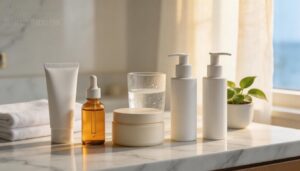
Knowing what dermatologists actually put on their own skin every day cuts through a lot of noise. Their routines aren’t complicated — they’re just consistent, intentional, and built around ingredients that work.
Here’s exactly how they structure their daily skincare, morning to night.
Morning Routine: Gentle Cleanser, Antioxidant Serum, and Sunscreen
Your morning routine is the foundation everything else builds on. Start with the CeraVe Hydrating Facial Cleanser and lukewarm water — non-foaming cleansers like this one clean without stripping. Here’s the order that works:
- Cleanse gently for 30–60 seconds
- Apply Skinceuticals C E Ferulic, allowing serum absorption time of 1–2 minutes
- Finish with EltaMD UV Clear Broad Spectrum SPF 46
- Reapply sunscreen every two hours outdoors
Evening Routine: Double Cleanse, Retinoid, and Barrier Moisturizer
Evening is when your skin does its deepest repair work — so don’t rush this routine.
Start with an Oil First Cleanse to dissolve sunscreen and makeup, then follow with a Water Phase Cleanser to finish the job.
Apply your over-the-counter retinoid next, using the Retinoid Sandwich method — ceramides-based moisturizer before and after — as a Moisturizer Buffer for barrier repair without irritation.
Fragrance-Free and Non-Comedogenic Formulas Dermatologists Trust
dermatologist-recommended skincare consistently prioritizes fragrance-free and noncomedogenic formulas — and for good reason. Fragrance is one of the most common irritants for sensitive skin.
Barrier-friendly textures, hypoallergenic actives, and lightweight moisturizers support skin barrier repair and hydration without triggering congestion or reactivity.
Ingredient compatibility matters just as much as clinical efficacy of popular skin care brands, so sensitive skin testing before committing to a full routine always pays off.
How to Layer Active Ingredients Without Irritating Your Skin
Layering active ingredients safely starts with one simple rule: introduce only one new active at a time. Use the Sandwich Method — apply a buffer moisturizer before and after your retinoid to protect your skin barrier.
Smart nightly rotation and careful active timing prevent over-exfoliation. Always patch test first, especially with clinical-grade antioxidant cocktails, to keep ingredient safety for compromised skin barriers as your top priority.
Frequently Asked Questions (FAQs)
Which skincare products are recommended by a dermatologist?
If you want skin that feels protected and healthy, look to Dermatologist Preferred Cleansers, Barrier Repair Moisturizers, Acne Fighting Actives, Eye Care Formulas, and Sun Protection Strategies—each chosen for clinical efficacy and skin-type-specific product recommendations.
What are the best skincare products?
The best skincare products balance clinical efficacy, packaging sustainability, and price accessibility.
Dermatologist-recommended skincare brands like Kiehl’s, La Roche-Posay, and SkinCeuticals consistently earn top consumer reviews, offer seasonal adjustments, and provide skin type-specific product recommendations with strong clinical trial data.
What are skin care products?
Every skincare product—whether a gentle cleanser, hydrating moisturizer, or broad-spectrum sunscreen—fulfills a distinct function, with formulation basics and packaging considerations customized to skin type.
Ingredient-focused skincare analysis reveals their clinical efficacy and aids dermatologist-recommended skincare routines.
How often should I exfoliate sensitive skin?
For sensitive skin, Exfoliation Frequency Guidelines suggest starting with a gentle chemical exfoliant, like a low‑strength alpha hydroxy acid, once weekly.
Skin Barrier Tolerance, adjust for seasonal exfoliation needs, and always follow with a dermatologist‑recommended skincare moisturizer.
Can I use retinoids during pregnancy or breastfeeding?
During pregnancy, retinoid usage—including over-the-counter retinoids—carries regulatory warnings due to pregnancy safety concerns.
Most dermatologists recommend stopping immediately and switching to alternative actives like azelaic acid or niacinamide, as clinical studies highlight uncertain lactation risk and ingredient safety.
What’s the best way to treat post-acne scars?
Picture your skin as a canvas—post-acne scars need layered approaches.
Microneedling Therapy, Subcision Technique, Fractional Laser Resurfacing, Chemical Peel Regimens, and Soft Tissue Fillers, plus dermatologist-recommended skincare with niacinamide and exfoliating acids, target texture and hyperpigmentation.
Are natural or organic products safer for skin?
Natural or organic products aren’t always safer—label misleading and ingredient purity matter more. Botanical irritation and preservative sensitivity can still occur, even with clean beauty.
ingredient-focused skincare analysis ensures clinical efficacy in dermatologist-recommended, nontoxic beauty routines.
How do I minimize sunscreen pilling under makeup?
To minimize sunscreen pilling under makeup, match textures between your moisturizer and sunscreen.
Allow full absorption (Application Timing).
Use gentle Layering Technique.
Limit Powder Use.
Choose dermatologist recommended, noncomedogenic formulas.
Especially ceramides for sensitive or acne-prone skin.
Conclusion
Your skincare routine is like a custom prescription – it needs the right ingredients to heal and protect. By focusing on what skincare products dermatologists recommend, you’ll reveal a radiant glow that’s more than skin-deep.
Look for products rich in ceramides, niacinamide, and stable vitamin C. With these essentials, your skin will thank you.
A smart routine is built on a few key products, not twenty; dermatologist-approved choices for long-term skin health and a luminous complexion every day.