This site is supported by our readers. We may earn a commission, at no cost to you, if you purchase through links. This content is for general informational and educational purposes only and is not a substitute for professional medical, dermatological, or nutritional advice.
Most guys blame genetics the moment they spot extra hair in the shower drain. Genetics matter, sure, but your plate might be working against you too. Follicles are metabolically active tissue, and they demand steady protein, iron, and zinc to keep producing keratin on schedule.
Skimp on those nutrients and hair shifts into a resting phase faster than it should, showing up as shedding weeks later.
A proper hair growth diet for men won’t outrun bad genetics, but it can stop diet-driven shedding in its tracks. Get the nutrients right, and you’ll give every follicle the raw material it needs to do its job.
Table Of Contents
- Key Takeaways
- Key Nutrients for Men’s Hair Growth
- Best Foods for Men’s Hair Health
- Build a Hair Growth Meal Plan
- Eating Habits That Reduce Shedding
- Supplements and Male Hair Loss Limits
- Frequently Asked Questions (FAQs)
- What should men eat for hair growth?
- Can a man’s hair grow back?
- What are the big 3 for hair regrowth?
- What diet makes hair grow faster?
- Do supplements and vitamins work to thicken hair?
- Is it possible to speed up hair growth?
- Which vitamin deficiency causes hair loss?
- Does biotin work for hair growth?
- How do you use rosemary oil for hair growth?
- How do hormones impact hair growth for men?
- Conclusion
Key Takeaways
- Your hair needs steady protein, iron, and zinc to keep growing on schedule, and skimping on any of them can push follicles into shedding mode weeks later.
- Pairing iron-rich foods with vitamin C (like lemon on spinach or peppers with lentils) dramatically boosts absorption, while zinc from oysters or pumpkin seeds keeps keratin production running smoothly.
- Crash diets and megadosing vitamin A can backfire fast, triggering the same shedding you’re trying to prevent, so steady eating habits beat extreme fixes every time.
- Diet can only do so much against genetics and DHT-driven hair loss, so sudden or heavy shedding calls for bloodwork and a dermatologist visit, not just a better meal plan.
Key Nutrients for Men’s Hair Growth
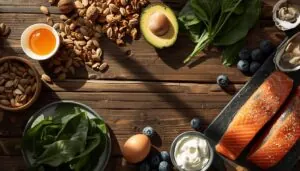
Your hair doesn’t grow in a vacuum—it needs raw materials, and your plate either delivers them or comes up short. Some nutrients matter more than others for keeping follicles active and strands strong. Here’s what your body actually needs to keep growth on track.
For a deeper dive into which vitamins and proteins fuel each growth phase, this guide to hair-healthy foods and nutrients breaks it all down.
Protein and Essential Amino Acids
Every strand you grow starts as protein, so shortchange your plate and your follicles feel it first.
Every strand of hair begins as protein, so a shortchanged plate means shortchanged follicles
Your body needs all nine essential amino acids from food, since it can’t make them. Eggs deliver these efficiently, fueling muscle protein synthesis and keratin production alike. These building blocks are also important for essential amino acid function throughout the body, not just for hair.
Chase dietary protein adequacy, not just grams. Diverse protein sources cover your bases better than one repetitive staple ever could.
Iron Paired With Vitamin C
Protein builds the strand, but iron feeds the follicle. Low iron starves hair roots of oxygen, slowing growth and fueling shedding.
The fix? Vitamin C boost. Pairing citrus with plant iron sources boosts non-heme absorption dramatically.
- Squeeze lemon on spinach
- Add bell peppers to lentils
- Drink OJ with fortified cereal
This Citrus Iron Boost maximizes iron bioavailability for real follicle health.
Zinc for Follicle Function
Iron gets the oxygen flowing, but zinc runs the machinery once it arrives. This mineral powers zinc enzyme activity behind keratin production and follicle repair.
| Zinc Level | Follicle Effect |
|---|---|
| Deficient | Shedding, weak growth |
| Balanced | Steady follicle recovery |
| Excessive | Delayed growth phase |
Oysters and pumpkin seeds are reliable zinc dietary sources. Maintaining zinc homeostasis balance matters more than megadosing.
Omega-3s for Scalp Health
Zinc controls the machinery, but omega-3s protect the roof over it. EPA and DHA calm scalp inflammation and strengthen the skin barrier, cutting dryness-driven shedding.
Fatty fish like salmon deliver both compounds directly. Can’t stomach fish twice weekly? Fish oil dosage around 1,000-1,500mg daily works, though oxidation prevention matters, check for encapsulated, unflavored formulas.
Biotin and Vitamins A, D, E
Behind every strand’s shine sits a quieter crew of vitamins working the supporting cast. Biotin’s enzyme role drives keratin-building carboxylation reactions, and true deficiency stays rare if you’re eating varied whole foods.
Vitamin A needs balance, too much backfires into shedding. Vitamin D levels affect follicle cycling, while vitamin E antioxidants guard against oxidative stress. These nutrient interactions matter more than any single supplement in your hair growth diet for men.
If you’re boosting biotin intake through food or supplements, it’s worth understanding whether biotin can trigger headaches before overdoing it.
Best Foods for Men’s Hair Health
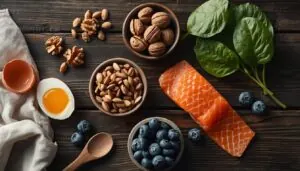
Knowing which nutrients your hair needs is only half the equation. The other half is putting them on your plate, and that’s where real food beats any supplement bottle. Here are five foods worth making regular players in your diet.
Eggs and Lean Proteins
Two eggs, cooked any way you like, hand you nearly complete building blocks for keratin. Amino acid availability matters more than total grams.
- Whole eggs: biotin, iron, choline
- Egg whites: lean protein, low fat
- Lean beef/poultry: iron without excess saturated fat
Protein digestibility ranks eggs among the most efficient sources your body actually uses, not just consumes.
Salmon and Fatty Fish
When your follicles feel starved, salmon delivers. This fatty fish packs EPA and DHA, omega-3s that calm scalp inflammation and boost circulation. A 3.5-ounce serving also covers major vitamin D and B12 needs.
Wild versus farmed changes the nutrient math slightly, but both count. Bake, grill, or pan-sear to 145°F. Aim for two fish servings weekly, your hair growth diet for men deserves the consistency.
Oysters and Zinc-Rich Shellfish
Few foods pack a zinc punch like oysters. Two medium ones can meet a man’s daily needs, fueling hair follicle repair, protein synthesis, and keratin production. Brittle strands or slow regrowth often signal zinc deficiency.
- Choose thoroughly cooked oysters (discard open shells before cooking)
- Pair with vitamin C foods for better zinc absorption
- Try mussels or crab as shellfish alternatives
- Aim for one serving weekly, not daily excess
Nuts, Seeds, and Legumes
Almonds, pumpkin seeds, chickpeas, lentils: your handful-of-power foods. Almonds bring healthy fats and vitamin E; pumpkin seeds add zinc, magnesium, and DHT-blocking compounds. Legumes deliver fiber-rich plant protein with almost no saturated fat.
Toss a nutrient-dense seed mix onto salads or yogurt for crunch and omega-3s. Small swaps, real follicle support, no supplements required.
Leafy Greens and Berries
Salads aren’t just a side dish, they’re follicle fuel. Spinach and kale deliver folate-rich leafy greens support for DNA synthesis, plus iron and vitamin K, which works better absorbed alongside fat.
Berries bring antioxidants and a solid vitamin C boost, protecting follicles from oxidative stress. Building a real hair growth diet for men means stacking these nutrient-dense foods daily, not chasing supplements.
Build a Hair Growth Meal Plan
Knowing which foods help your hair is one thing—actually eating them every day is another. That’s where a real meal plan comes in, turning nutrition science into something you can put on a plate.
Here’s how to structure breakfast, lunch, dinner, snacks, and even plant-based swaps around your hair goals.
High-Protein Breakfast Ideas

Load your morning plate with keratin’s raw materials. Aim for 30% of calories from protein right out of the gate: egg muffins, Greek yogurt bowls, tofu scramble, or a salmon bagel all deliver.
Mix a protein smoothie with milk, seeds, or nut butter when mornings run tight. Meal-prep these once, eat consistent all week.
Nutrient-Dense Lunch Options
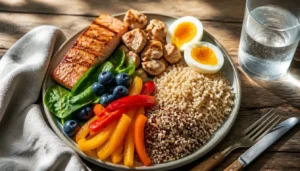
Midday is where a lot of guys coast on a sandwich and call it done. Build smarter instead: half your plate in bell peppers, berries, or other color, then add lean protein and a whole grain like brown rice.
Quick formula:
- Protein (salmon, chicken, eggs)
- Colorful veggies
- Whole grain
- Water, not soda
Balanced Dinners for Hair Health
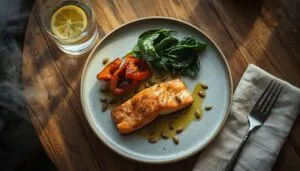
Dinner’s your last shot to close nutrient gaps, so make it count. Pair salmon (protein plus omega-3s) with spinach and bell peppers, the vitamin C boosts iron absorption. Add pumpkin seeds for zinc.
| Base | Add-On | Hair Boost |
|---|---|---|
| Salmon | Spinach | Iron+C |
| Chicken | Broccoli | Zinc |
| Tofu | Peppers | Vitamin C |
| Beans | Tomato | Iron+C |
Hair-Healthy Snacks
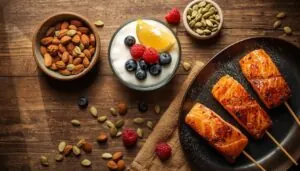
Between meals is prime real estate for hair nutrients, not just an excuse to raid the pantry. Try a zinc nut mix of almonds, pumpkin seeds, and sunflower seeds, or protein-rich yogurt topped with berries for an iron-berry pairing.
Omega-3 salmon bites and a biotin almond snack round things out. Small bites, real gains.
Plant-Based Food Swaps
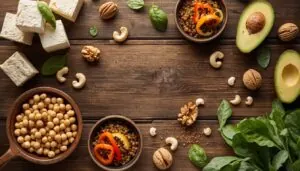
Skip meat some days without skipping muscle. Tofu, tempeh, and beans deliver solid protein sources for keratin production. Pair lentils with citrus or bell peppers, a smart iron pairing that boosts absorption. Chickpeas and cashews bring zinc boosters, while walnuts and flaxseed supply omega-3 fats. Add avocados and leafy greens for whole-food polish, real fuel, no gimmicks.
Eating Habits That Reduce Shedding
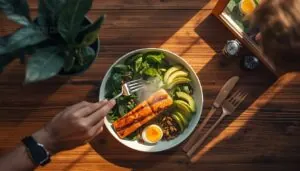
What you eat matters, but how you eat matters just as much. Certain habits quietly work against your follicles, even when your food choices look solid on paper. Here are five shifts worth making if you want to keep more hair on your head.
Avoid Crash Diets
Want thicker hair fast? A crash diet promises that and delivers the opposite. Rapid weight loss starves follicles of protein and nutrients, triggering hair thinning within weeks.
Extreme calorie cuts breed hunger, fatigue, and real nutrient deficiency risk, all fueling hair shedding concerns.
Skip the shortcuts. Sustainable eating habits, built on steady, protein-rich foods, protect scalp health far better than any 800-calorie gimmick ever could.
Meet Daily Protein Needs
Your hair is built from protein, literally. Every strand forms from amino acids, so shortchanging intake stalls repair. Use 0.8g per kilogram of body weight as your baseline, then spread it out:
- Eggs at breakfast
- Lean meats or legumes at lunch
- Fish or plant proteins at dinner
Mixing animal and plant sources covers your amino acid bases without overcomplicating meal planning.
Pair Iron With Vitamin C
Low iron zaps hair follicles of oxygen, and plant sources absorb poorly on their own. Boost iron bioavailability by pairing legumes or fortified grains with vitamin C, think citrus, bell peppers, or strawberries.
Lean meats already carry well-absorbed heme iron, so save vitamin C pairing for plant-based meals. A squeeze of lemon on spinach isn’t a garnish, it’s absorption strategy.
Choose Anti-Inflammatory Whole Foods
Chronic inflammation quietly starves follicles of nutrients. Build meals around whole food choices: leafy greens, berries, nuts and seeds, olive oil. This antiinflammatory diet approach means minimally processed foods over anything with a sugar- or oil-heavy ingredient list.
Plant-based fiber from legumes and whole grains matters too. Swap corn or soybean oil for healthy oil use like olive oil, balancing omega3 fatty acids from fatty fish.
Avoid Excess Vitamin A
More vitamin A won’t grow hair faster, past a point it does the opposite. Vitamin A toxicity triggers shedding, cracked lips, and weakened bones. Watch for:
- Retinol supplement limits (skip high-dose pills)
- Beta carotene risks (low for food, higher for smokers’ supplements)
- Multiple animal-source overlaps (liver, fortified milk)
- Vitamin A moderation over megadosing
Stick to food-first vitamin A effects.
Supplements and Male Hair Loss Limits

Food only gets you so far, and that’s worth knowing upfront. Supplements can help, but they come with real limits and real risks if you’re not paying attention. Here’s what to know before you start popping pills for thicker hair.
Test for Nutrient Deficiencies
Guessing wastes money. A blood draw pinpoints exactly which nutrient’s failing you, whether it’s iron, zinc, biotin, or vitamin D, so you fix the right problem.
Ask specifically about ferritin (inflammation can mask true iron deficiency), B12 with methylmalonic acid if levels look "normal" but symptoms persist, and fast 8-12 hours before zinc testing for accuracy.
Use Supplements With Guidance
Once bloodwork shows a real gap, supplements can help, but treat the label like a map, not a suggestion.
- Check dose against your deficiency, not internet averages
- Confirm FDA-registered manufacturing on the label
- Ask about biotin, vitamin D, or saw palmetto for your case
- Consult your provider before combining anything
Skip guesswork. Precision beats hype every time.
Diet and DHT Limitations
Supplements aside, food alone won’t shut down DHT. Diet offers only limited DHT blocking, small nudges to the enzyme that converts testosterone into DHT, not a switch-off. Pumpkin seed oil, omega-3s, and green tea show mild enzyme diet influence.
Sugar DHT risk is real too, sugary drinks were linked to higher pattern hair loss odds in young men.
Recognize Male Pattern Baldness
Diet has limits, so knowing the pattern matters. Male pattern baldness follows a script: hairline recession into an "M," crown thinning, then a horseshoe outline as follicles miniaturize.
- Receding "M" hairline
- Expanding crown thinning
- Shortened telogen-resistant growth cycles
- Horseshoe pattern from miniaturization
Recognizing androgenetic alopecia early beats guessing whether it’s diet, DHT, or hormonal balance at play.
Seek Help for Sudden Shedding
When shedding spikes fast, your body’s waving a flag. Shedding warning signs like widening parts or clumps in the drain for two-plus weeks deserve real answers, not guesswork.
See a dermatologist within two weeks. Expect a pull test, bloodwork (ferritin, TSH), maybe a scalp biopsy.
| Sign | Action |
|---|---|
| 100+ hairs/day | Get evaluated |
| Patchy loss | See dermatologist |
| Scalp redness | Check inflammation |
| Wide part | Assess follicles |
| Clumps 2+ weeks | Track shedding |
Frequently Asked Questions (FAQs)
What should men eat for hair growth?
Load up on protein-rich foods, oysters for zinc, salmon for omega-3, eggs for biotin, and spinach with citrus for iron. This combo fuels follicles, backs a balanced diet approach, and speeds your hair growth timeline.
Can a man’s hair grow back?
Yes, but only if the root’s still alive. Once follicle miniaturization finishes and roots detach, that door closes for good, no amount of biotin, protein, or omega3 reopens it.
What are the big 3 for hair regrowth?
Finasteride, minoxidil, and LLLT form the proven trio: finasteride blocks DHT, minoxidil prolongs anagen growth, and LLLT boosts density. Pair this combined treatment approach with protein, iron, biotin, salmon, and eggs, watching each drug’s side effect profile.
What diet makes hair grow faster?
Samson’s strength lived in his hair, but yours lives in your plate. Protein, iron, zinc, and omega-3s work together through micronutrient teamwork, while good gut health and hydration keep nutrients reaching follicles where growth actually happens.
Do supplements and vitamins work to thicken hair?
Supplements support hair thickening only when they correct real gaps, low zinc, iron, or vitamin D. Genetics and DHT-driven pattern loss won’t budge from pills alone, so get labs checked before chasing a bottle.
While you wait on lab results, volumizing hair styling techniques can make fine strands look fuller right away without waiting months for any supplement to work.
Is it possible to speed up hair growth?
Follicles run on fixed cycles, so you can’t rush biology. What you control is the terrain: protein, iron, biotin, omega3s, vitamin D, scalp massage, hydration, sleep, and stress management all sharpen growth conditions and limit shedding.
Which vitamin deficiency causes hair loss?
Your hair is a mirror of what’s missing inside. Iron deficiency, biotin deficiency, and vitamin D deficiency top the list, alongside low zinc, vitamin A, B12, and protein, each disrupting follicle function differently.
Does biotin work for hair growth?
Only if you’re actually deficient. Biotin fuels keratin production, but clinical trial results show no benefit for healthy men. It mainly helps rare conditions like biotinidase deficiency, not typical male pattern shedding.
How do you use rosemary oil for hair growth?
Dilute a few drops with a teaspoon of carrier oil like jojoba or coconut, then massage into your scalp for 10 minutes. Rinse out. Repeat 2-3 times weekly, always patch testing first for irritation.
How do hormones impact hair growth for men?
Your follicles answer to testosterone and its potent byproduct, DHT. Through androgen receptor signaling, DHT shrinks androgen-sensitive follicles, shortening growth phases. This hormonal hair cycle shift, alongside endocrine imbalance and prolactin-vitamin D links, drives thinning if left unchecked.
Conclusion
Skip protein for a month and you won’t just lose gains, you’ll watch your follicles wave a white flag one by one. That’s the honest stakes here.
A solid hair growth diet for men isn’t magic, but it’s real advantage, the kind that turns a stressed scalp into steady growth again. Eggs, salmon, oysters, greens: simple ingredients, real biology. Feed your follicles right, stay patient, and give your genetics the best possible fight.