This site is supported by our readers. We may earn a commission, at no cost to you, if you purchase through links. This content is for general informational and educational purposes only and is not a substitute for professional medical, dermatological, or nutritional advice.
Kitchens have quietly doubled as beauty counters for decades, and mayonnaise sits near the top of that list. Clients still ask about it: does mayonnaise hair mask work, or is it just a kitchen myth that stuck around? The answer isn’t a flat yes or no.
Egg yolks bring protein and fat, oil coats each strand, and vinegar helps smooth the cuticle, a combination that can leave dry or damaged hair softer and shinier for a few days. But results vary by hair type, and the risks (greasiness, allergic reactions, scalp irritation) matter as much as the shine.
Table Of Contents
- Key Takeaways
- What is a Mayonnaise Hair Mask?
- Does a Mayonnaise Hair Mask Work? Yes, Temporarily
- Which Hair Types Benefit Most?
- How to Use Mayonnaise on Hair
- Mayonnaise Hair Mask Risks and Frequency
- Frequently Asked Questions (FAQs)
- How long should I leave a mayonnaise hair mask on my hair?
- Should I put mayo on wet or dry hair?
- Is it okay to leave mayonnaise in your hair overnight?
- Should I apply mayonnaise to my hair before or after shampoo?
- Should you use a mayonnaise hair mask?
- Can I use mayonnaise on my hair?
- How do you use a mayonnaise mask?
- Can a mayonnaise hair mask treat dandruff?
- Can a mayonnaise mask make your hair greasy?
- How long can you leave homemade mayonnaise mask on your hair?
- Conclusion
Key Takeaways
- Mayonnaise’s egg yolk, oil, and vinegar can soften dry or damaged hair and add temporary shine, but the effects fade after a few washes and aren’t backed by strong long-term evidence.
- Your hair type matters a lot: dry, damaged, curly, or coarse hair tends to benefit, while fine or oily hair usually ends up greasier with more buildup.
- Applying it correctly makes all the difference—use plain full-fat mayo on damp hair, leave it on for 20 to 30 minutes, then rinse thoroughly to avoid weighing your hair down.
- It won’t grow hair, kill lice, or cure dandruff, and anyone with egg or soy allergies should patch test first or skip it entirely.
What is a Mayonnaise Hair Mask?
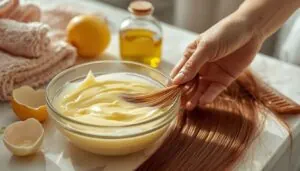
A mayonnaise hair mask sounds like a kitchen prank, but it’s built on real ingredients with real effects on hair. Each component brings something different to the table, from fats to acids. Here’s what’s actually doing the work when you smear it on.
Used consistently, it can rival other kitchen-cabinet treatments like the egg hair mask for curly hair, which tackles frizz and definition in a similar hands-on way.
Egg Yolks Provide Fats and Protein
Crack open a jar of mayo and you’re really looking at whipped egg yolk carrying the show. Yolks bring protein and fatty acids together, around 15% protein and 27% fat.
That combo matters for hair:
- Protein clings to the shaft, aiding strengthening
- Fats support moisture retention
- Amino acids help brittle strands
- Nutrients add hydration your hair craves
Egg yolks are also a notable source of choline, an essential nutrient that aids overall cellular health.
Vegetable Oils Coat Hair
Yolks handle protein, but oil is what actually coats the strand. Vegetable oil (canola, soybean, olive) spreads a thin lipid film across hair, giving surface lubrication rather than deep repair.
| Effect | What Happens | Result |
|---|---|---|
| Oil film | Coats shaft | Less friction |
| Moisture | Slows evaporation | Softer feel |
| Light | Even reflection | More shine |
Acidity May Smooth Cuticles
Oil isn’t the only active ingredient. Vinegar brings acetic acid, which helps pH balance restoration after harsh styling products leave hair too alkaline. Hair sits happiest around pH 4.5 to 5.5.
That acidity triggers cuticle layer sealing, closing rough edges so light reflects evenly. The result: a genuine cuticle smoothing effect, not just an oily coating.
Does a Mayonnaise Hair Mask Work? Yes, Temporarily

So does a mayonnaise hair mask actually work? The short answer is yes, but only for a while. Here’s what it can realistically do for your hair, and where the claims start to fall apart.
Softens Dry, Brittle Hair
Dry, brittle hair drinks up mayo’s oils fast. Egg yolks bring protein repair benefits, while canola or soybean oil creates oil film sealing that locks in hydration for days.
- Hair feels softer, not straw-like
- Less snapping when you brush
- Real moisture retention boost you can feel
Results are temporary, but consistent weekly use helps natural hair care for genuinely brittle strands.
For best results, massage the mixture from scalp to ends and follow this step-by-step methi hair mask guide to boost strength and shine over time.
Reduces Frizz and Roughness
When your cuticle lifts, hair reacts by puffing up and catching light unevenly. Vegetable oils in mayo coat each strand, supporting hair cuticle smoothing so the surface lies flatter. That flatter layer means reduced frizz and flyaways, especially through humid days.
Protein and fat from egg yolk add a light conditioning film, improving hair smoothness without heavy buildup. Think of it as smoothing rough shingles on a roof.
Improves Shine and Manageability
Shine comes down to light bouncing off a smooth surface, and that’s exactly what mayo delivers.
- Oil moisture barrier locks in hydration
- Egg protein fills in rough cuticle gaps
- Vinegar’s acidity helps a smoother cuticle
- Lecithin barrier support keeps strands flexible
Combined, this hair shine enhancement boosts manageability, softness, and hydration, though results fade after a few washes.
Evidence Remains Limited
Before you commit to this trend, know what the science actually says. Clinical trials on mayo hair masks run just 4-8 weeks, so there’s no long-term safety data. Strength measurements show no statistical significance beyond placebo.
Research comparing mayo to professional treatments sits at a 50:1 disadvantage, and no regulatory body has evaluated it for hydration, scalp moisturization, or hair strength claims.
Mayo trails professional treatments 50 to 1, and no regulator has ever backed its hair claims
Hair Growth and Lice Myths
Will mayo grow back thinning hair? No. The egg yolks do contain L-cysteine, which helps keratin, but that’s from eating it, not smearing it on your scalp.
The lice-suffocation theory is just as shaky:
- No clinical proof mayo kills lice or eggs
- Zinc may calm scalp itching, not infestations
- Egg allergy sufferers should skip this method entirely
Which Hair Types Benefit Most?
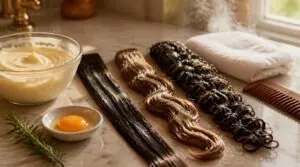
Not every head of hair reacts to mayonnaise the same way. Your results depend on your hair type, texture, and even your scalp’s condition. Here’s how different hair types tend to respond.
If you’re dealing with an oily scalp or buildup alongside your hair concerns, patchouli oil may be worth exploring as a natural balancing agent.
Dry or Damaged Hair
If your strands feel like straw, this is where mayo earns its keep. Dry and damaged hair soaks up the oil and egg protein, helping restore moisture retention and easing cuticle smoothing effects. According to hair care research, this combo softens brittle strands and boosts hydration, though results are temporary.
Weekly hair conditioning helps, but heat damage prevention still matters most long-term.
Curly, Coily, and Coarse Hair
Tight coils fight moisture the hardest, so coil definition enhancement matters here.
The oil coats each strand, aiding moisture sealing and cutting frizz on coarse, curly, or coily textures.
Egg protein temporarily firms the shaft, supporting curl pattern preservation through humidity.
Porosity retention improves for a few days, though effects fade without repeat treatments.
Fine or Oily Hair
Coily hair craves oil. Fine or oily hair usually doesn’t. Less surface area means sebum builds fast, so mayonnaise near the scalp adds to greasy hair, not away from it.
- Apply only mid-lengths to ends
- Wash with lukewarm water to limit oil production
- Try a lightweight alternative if buildup lingers
Do a patch test first. Not suitable for all hair types, and weekly use may overwhelm the hair shaft.
Protein-Sensitive Hair Considerations
Egg yolk brings real protein, and some heads of hair just don’t want more. Signs of protein overload include stiffness or straw-like texture, especially if keratin treatments are already in rotation.
Match protein type before adding mayo. If hair feels brittle afterward, that’s buildup, not an allergy to the dead strand itself. Skip a week, watch how hair responds, then decide.
Dandruff and Scalp Concerns
Buildup shifts from strands to scalp for some clients.
Mayonnaise won’t fix dandruff or an itchy scalp caused by Malassezia yeast or seborrheic dermatitis, and zinc content offers only mild flake reduction, not true antifungal remedies. For scalp moisturizing tips or real scalp inflammation relief, recommend medicated shampoo. Mayo can even disrupt scalp pH balancing, so keep it off already-irritated skin.
How to Use Mayonnaise on Hair
Getting real results from a mayonnaise hair mask comes down to technique, not just the ingredient itself. A few simple steps make the difference between shiny, soft hair and a greasy mess you regret. Here’s how to apply it the right way, step by step.
Choose Plain Full-Fat Mayonnaise
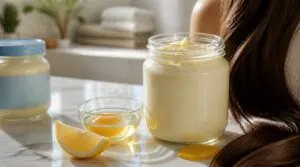
Not every jar in the fridge door will do the job. You want plain, full-fat mayonnaise with basic ingredients: oil, egg yolk, and vinegar or lemon juice, nothing more.
Skip flavored or "light" versions. Reduced-fat brands swap oil for starches and additives, which weakens the protein treatment benefit your dry, damaged, or brittle hair actually needs.
Apply Evenly to Damp Hair
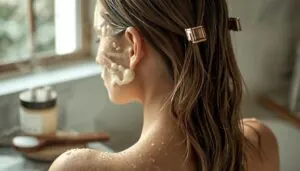
Before the mask goes on, hair should be towel-dried until damp, not dripping. Detangle first, then section your hair for full coverage.
Work the mayonnaise through with your fingers or a wide-tooth comb, starting at the ends. This even application technique pushes protein and amino acids into the hair shaft, focusing on mid-lengths where dryness hits hardest.
Leave on 15–30 Minutes

Timing matters more than most people think. Once your mayonnaise hair mask is on, cover strands with a shower cap or plastic bag and let heat build underneath, this opens cuticles for better protein absorption.
Within 15 minutes, egg proteins bind to keratin. By 25-30, vinegar balances scalp pH and smooths cuticles. That window delivers real moisture retention without risking greasy buildup.
Rinse and Shampoo Thoroughly

Once time’s up, step under lukewarm water and finger-comb from scalp to ends, this loosens trapped mayonnaise before shampoo touches it.
Massage a sulfate-free shampoo into your scalp first, then work down. Rinse until water runs clear, adding a second rinse if strands still feel coated. Skip clarifying shampoo here; it strips the moisture you just restored.
Customize With Honey or Avocado
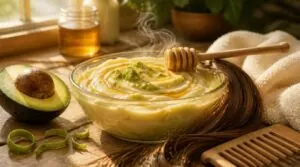
Plain mayonnaise works fine alone, but blending in honey or avocado boosts results. Honey acts as a humectant, pulling moisture into strands and sealing it with its sticky texture. Avocado adds monounsaturated fats and vitamin E, nourishing without weighing hair down.
Try one tablespoon honey or half an avocado per two tablespoons mayonnaise. Warm the mixture slightly before applying, this improves absorption and comforts sensitive scalps.
Mayonnaise Hair Mask Risks and Frequency
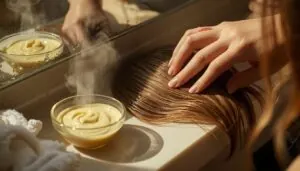
A mayonnaise hair mask isn’t risk-free, even though it sounds harmless enough. Your skin, hair type, and habits all play a role in how well it works out. Here’s what you should know before you spread it on.
Egg and Soy Allergies
Egg and soy hiding in mayonnaise can trigger real reactions, not just scalp itchiness. Read the label for "contains egg" or soy-derived names like lecithin. Watch for:
- Hives or swelling
- Stomach upset
- Trouble breathing
- Anaphylaxis
Do a patch test first. Keep epinephrine nearby if prescribed. Choose eggless mayonnaise if allergic, though egg yolk conditioning offers real nutrition otherwise.
Greasiness and Product Buildup
Mayo is 70-80% oil by weight, and that oil doesn’t just vanish after rinsing. Residue accumulation builds fast, leaving a greasy film within weeks of weekly use. If your strands lean high porosity, that residue can compound moisture issues even faster, so pairing mayo treatments with a moisture retention routine for high porosity hair helps keep buildup and frizz in check.
| Frequency | Result | Fix |
|---|---|---|
| Weekly | Buildup, oil migration | Clarify |
| Monthly | Manageable | None needed |
| Biweekly | Coarse hair only | Watch roots |
Rotate in clarifying treatments to keep your routine balanced.
Scalp Irritation or Breakouts
Buildup isn’t the only downside. Sensitive scalp skin can react to mayo’s oils and acids with burning or tingling, while clogged follicles trigger breakouts that mimic folliculitis, an infection needing different treatment entirely.
Watch for:
- Persistent itching or redness
- Small pus-filled bumps
- Burning after rinsing
- Symptoms lasting past 24 hours
Always patch test first. Egg allergies and disrupted scalp microbiome balance raise real risks, not just discomfort.
Start With Monthly Treatments
So how often should you actually do this? Once a month is the sweet spot for most hair types, giving hydration therapy time to work without tipping into protein overload. Severely damaged hair can handle 2-3 week intervals at first, then ease back to monthly once strength returns. Fine or oily strands should stick to monthly, no exceptions.
Consider Deep Conditioner Alternatives
Not sold on mayo? Natural oil blends offer similar hair hydration without the fridge smell.
- Coconut oil for deep repair
- Argan oil for lightweight shine
- Avocado mask for extra nourishment
- Honey treatment for moisture retention
- Yogurt rinse for gentle softness
Eggless options and standard deep conditioning treatments both deliver real hair softness, minus allergy risk or greasy buildup.
Frequently Asked Questions (FAQs)
How long should I leave a mayonnaise hair mask on my hair?
Less can mean more here. Give this DIY hair mask 20 to 30 minutes, covered with a cap for heat. Shorten it if hair feels greasy, then rinse and shampoo right away for balanced moisture retention.
Should I put mayo on wet or dry hair?
Damp, not soaking wet. Wetting hair first improves cuticle absorption rate and helps mayo spread evenly from roots to ends, supporting better hair shaft hydration than applying this DIY hair mask to fully dry strands.
Is it okay to leave mayonnaise in your hair overnight?
Skip the overnight soak. Most guidance caps a mayonnaise hair mask at 20 to 30 minutes to limit scalp oil buildup, hair odor persistence, and product removal difficulty, without adding extra hydration benefits worth the mess.
Should I apply mayonnaise to my hair before or after shampoo?
Before shampoo works best for most hair types, giving cuticles time to absorb protein and oils. Fine or oily hair, and color-treated strands, often do better with post-shampoo application to prevent buildup and stripping.
Should you use a mayonnaise hair mask?
By law, mayonnaise needs 65% vegetable oil plus egg yolk. That mix makes it a cheap, protein-rich DIY option for dry, damaged, or brittle hair. Skip it if you’re prone to greasiness, allergies, or lingering odor.
Can I use mayonnaise on my hair?
Raiding the fridge for a beauty fix isn’t as odd as it sounds. Yes, mayonnaise hair masks work as a hair repair treatment for dry, damaged or brittle hair, using oils and egg protein for real hydration and softness.
How do you use a mayonnaise mask?
Mix 1 cup of mayonnaise with a proteinpacked egg yolk, apply to damp hair from scalp to ends, cover with a shower cap, wait 20 to 30 minutes, then rinse and shampoo for real hair moisture retention.
Can a mayonnaise hair mask treat dandruff?
Not really. Dandruff comes from Malassezia yeast, and mayonnaise isn’t formulated to fight it. Vinegar may offer mild scalp pH adjustment, but there’s no real evidence of consistent flake reduction compared to medicated dandruff shampoo.
Can a mayonnaise mask make your hair greasy?
Yes, it can. Oil residue buildup and a lingering protein film weigh down strands if rinsing effectiveness falls short. Fine or naturally oily hair shows greasy hair fastest, so hair type sensitivity matters more than the mask itself.
How long can you leave homemade mayonnaise mask on your hair?
Twenty to thirty minutes is your sweet spot. Fine or oily hair should stop at 20 to prevent scalp buildup, while dry, damaged strands can push toward 30 for deeper hydration. Rinse thoroughly with shampoo once time’s up.
Conclusion
Yes, it might feel odd smearing a sandwich spread on your hair, but does mayonnaise hair mask work? For dry, damaged strands, the answer is often yes, though only for a short while. You’ll get temporary softness and shine, not lasting repair. Think of it as a spa day for your hair, not a lifestyle change.
Patch test first, rinse thoroughly, and skip it if allergies worry you. Used wisely, it’s a simple trick worth trying once.