This site is supported by our readers. We may earn a commission, at no cost to you, if you purchase through links. This content is for general informational and educational purposes only and is not a substitute for professional medical, dermatological, or nutritional advice.
You wash your hair on Sunday, and by Wednesday it’s a puffy mess you’re fighting with a scarf and a prayer. Sound familiar? Most of us learned wash day from trial and error, or a cousin who swore honey and yogurt fixed everything.
Here’s the truth: your curls aren’t the problem. The routine is.
A real natural hair styling guide for Black women isn’t about taming your texture into submission. It’s about working with your curl pattern, your porosity, your actual life, so wash day stops feeling like a chore and starts feeling like power. From pre-poo to protective styles, you’re about to build a routine that finally makes sense for your hair.
Table Of Contents
- Key Takeaways
- Prep Natural Hair for Easier Styling
- Build Moisture Into Every Style
- Master Everyday Natural Hairstyles
- Choose Protective Styles Safely
- Maintain Healthy Hair Between Styles
- Frequently Asked Questions (FAQs)
- How to style natural hair for a black woman?
- What hairstyle is best for headaches?
- What is a good hair care routine for black hair?
- Should African American hair be cut wet or dry?
- What are some natural hairstyles for black women?
- What is the 3 inch rule for hair?
- What hairstyle is good for alopecia?
- What haircut makes you look 10 years younger?
- Are natural hairstyles good for black women?
- What are the Best Hairstyles for black women?
- Conclusion
Key Takeaways
- Prepping hair with pre-poo, gentle cleansing, and sectioned detangling before styling prevents breakage and sets up better results for every style that follows.
- Matching your moisture routine (LOC vs. LCO order, product weight) to your hair’s porosity is essential, since low porosity needs lightweight products and high porosity needs quick sealing to retain hydration.
- Protective styles like knotless braids, box braids, flat twists, and cornrows only truly protect your hair when chosen with low tension in mind, and rotating them every six to eight weeks prevents scalp stress and buildup.
- Ongoing maintenance—scalp massages, satin sleep protection, avoiding tight hairline styles—supports long-term length retention.
Prep Natural Hair for Easier Styling

Great style starts long before you pick up a curl cream or reach for a twist. Your wash day routine sets the tone for everything that comes after, from definition to shine to how long your style actually lasts. Here’s how to prep your hair the right way, step by step.
Once your hair is clean and properly moisturized, working section by section becomes so much easier, especially if you’re following a guide like how to style layered hair with a curling iron to get lasting texture and bounce.
Pre-Poo Before Wash Day
Skipping pre-poo is like skipping stretches before a workout—your hair pulls, snags, and fights you the whole way. Wash day prep starts here.
Apply oils, butters, or a DIY honey-yogurt mixture to dry hair, then leave it 30 minutes minimum, or overnight under a scarf.
This creates a protective layer for hair to prevent strands from drying out during the washing process.
This softens strands, giving you detangling with slip and less breakage before shampoo even touches your scalp.
Cleanse Without Stripping Oils
Once your hair’s soaked in that pre-poo, don’t reach for anything stripping. Sulfate-free formulas or a co-wash keep your scalp clean without erasing the oils you just worked so hard to add back.
Use lukewarm water, massage your scalp with your fingertips for real circulation, and focus cleansing there—buildup lives at the roots, not your ends.
Detangle in Four Sections
Once your scalp’s squeaky clean, grab a comb before frustration grabs you. Split your hair into four sections, then work bottom-up with a wide-tooth comb, easing knots loose without yanking your roots.
Sectioning keeps tangles contained instead of spreading chaos everywhere. Secure each finished section as you go, so Black women dealing with dense curls avoid re-tangling what they just fixed.
Apply Leave-in on Damp Hair
Timing is everything now. Once detangled hair is towel-blotted with a microfiber towel, don’t let it fully dry, that’s your damp hair absorption window, roughly 2-5 minutes for leave-in to actually anchor into each strand.
Work leave-in through your four sections again, ends first. Humectants pull moisture in, giving your curls that hydrated bounce instead of straw-like frizz.
Stretch Hair Without Heat
Stretching your curls doesn’t require a single drop of heat. Try banding with foam ties along damp sections, or twist smaller pieces overnight for defined twist-outs. Roller sets with wider diameters loosen curl pattern gently.
African threading and stretch clips work too; just keep tension even, dry hair fully before removing, and protect ends from breakage.
Build Moisture Into Every Style

Moisture is what turns any style from stiff to stunning, and it starts long before you touch a product. Your porosity, your routine, even the mist you keep in your bag all play a part in keeping curls soft and happy. Here’s exactly how to lock that hydration in, step by step.
LOC Vs LCO Method
Two letters, one big difference: L-O-C locks in oil right after your liquid, while L-C-O saves oil for last.
Choosing between these methods often comes down to your hair type and climate, so if you’re also experimenting with facial hair styles, check out this guide to popular mustache styles and grooming tips for more inspiration.
Layering order changes everything—oil-first limits how long cream soaks in, while cream-first lets moisture absorb before oil seals it.
Watch for buildup or dullness with LOC; that’s your cue to flip the order. Your curls will tell you which one wins.
Low Porosity Product Picks
Low porosity strands are stubborn about letting moisture in, so lightweight is your magic word. Skip heavy butters and silicones—they just sit on top, causing buildup instead of hair hydration.
Reach for silicone-free leave-ins, humectant serums with light glycerin, and a protein-free mask weekly. These absorb fast, penetrating the cuticle without weighing curls down. Think water-based, not wax-based—your curls will thank you with bounce, not buildup.
High Porosity Sealing Tips
High porosity hair drinks water fast and loses it just as quick, so sealing right after moisturizing is non-negotiable.
Work on damp hair only, layer a thin coat of shea butter for real staying power, then finish with a light oil on your ends.
- Apply leave-in first
- Seal with butter
- Add light oil
- Focus on ends
- Avoid heavy layers
Daily Curl Refresh Sprays
Day two curls don’t have to sulk. A quick spritz of curl refresh spray brings that bounce right back in under five minutes, no rewash needed.
Look for aloe or chamomile for hydration without buildup, plus panthenol to keep curls soft. Mist lightly, scrunch, and let your wash-and-go glow again—fighting humidity frizz while keeping that fresh-washed scent all day long.
Protect Ends From Knots
Ends are the oldest, most fragile part of your hair—treat them like delicate lace, not rope.
- Seal with oils and butters for slip
- Sleep on satin to cut friction
- Stretch gently to reduce coiling
- Trim regularly to stop knots spreading
Detangling with real slip, working ends-up in sections, keeps breakage low and moisture retention high—protective care that actually protects.
Master Everyday Natural Hairstyles
Once your hair is moisturized and ready, it’s time to actually have some fun with it. Everyday styling doesn’t mean boring, it means finding go-to looks that fit your schedule and still turn heads. Here are five styles worth adding to your rotation.
Wash-and-Go Curl Definition
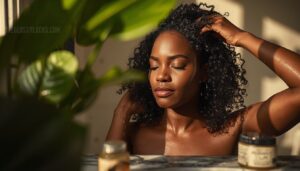
Wash-and-go hairstyling lets your natural texture shine, no reshaping required. Work curl cream through damp sections, clumping curls as you go, then air-dry or diffuse heatless. Skip the touching once definition sets.
Once dry, break the product cast gently, scrunching for softness. That’s curl definition rooted in moisture and patience, not straighteners.
Twist-Outs for Soft Volume
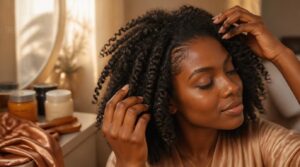
Twist-outs turn patience into pure, bouncy payoff. Smaller twists mean bigger volume, so section accordingly before layering leave-in, cream, and gel for lasting moisture retention.
Let twists dry completely; rushing this step flattens your results. A side sweatband keeps edges intact overnight.
Once dry, separate from the base of each twist first, that’s your root lift secret. Pick roots gently with fingers or a pick, then let them down bottom-up for soft volume without frizz.
Smooth a little oil at the roots while separating. Your twist-out rewards the effort every single time.
Braid-Outs for Fuller Texture
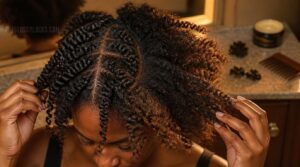
Braid-outs take your twist-out game and stretch it further. Braid size controls the payoff:
- Small braids = tight, dense ridges
- Medium braids = balanced fluff
- Large braids = fuller, looser waves
Braid close to the scalp for root lift, let them dry completely, then fluff bottom-up gently. Rushing take-down flattens everything you worked for.
High Puffs and Afro Puffs
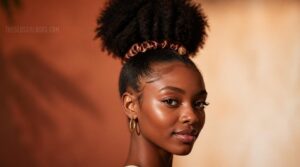
Sometimes low-manipulation means going up, not out. A high puff gathers hair upward for lifted volume, great for a high puff mohawk vibe, while a low afro puff elongates your neckline.
Smooth edges gently, secure with a scrunchie, and let coils stay textured within the shape. Dress it up with beads, ribbons, or a headband — texture amplification at its finest.
Headwraps for Quick Styling

Reaching for a headwrap is basically the five-minute miracle of natural hair styling. Stretch-knit fabric fits any head size without tight tying, while satin linings cut friction on your strands.
Center the fabric, do a turban knot at your crown, tuck loose ends, done. Crossing the scarf in back holds it snug — no pins, no drama, just quick coverage that protects your style all day.
Choose Protective Styles Safely
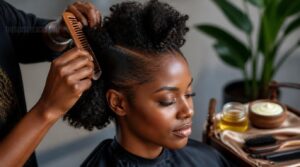
Protective styles only protect when you pick them with your hairline in mind, not just the calendar. Tension is the real enemy here, so the right choice depends on your texture, your scalp, and how much time you’ve got. Let’s break down five solid options and what makes each one worth your while.
Knotless Braids With Less Tension
No knot, no problem. Knotless braids use a feed-in technique, blending natural hair with extensions gradually instead of anchoring at the root.
That means:
- Less root tension
- Better scalp comfort
- Even weight distribution
- Lower traction alopecia risk
Your follicles stay relaxed, breakage drops, and your edges actually get to breathe. Comfortable protection, real retention.
Box Braids for Retention
Tucking your ends away is like putting your hair in a savings account; every day it’s protected is a day of growth you keep.
Tucking your ends away is like a savings account—every protected day is growth you keep
Box braids limit daily handling, reducing friction reduction damage while locking in moisture. That combo of moisture loss prevention and end protection strategies is exactly why box braids remain a go-to for real length retention.
Flat Twists for Low Manipulation
Flat twists lay your hair down flat, so your scalp finally exhales. Twist directionality matters most, guiding each section so twists stay smooth, not bubbled.
Keep sections small to control swelling as they set. Apply gel first for hold and detangling ease, then twist with minimal pinning, letting flatness do the work.
Bonus: take them down later for an instant twist-out.
Cornrows With Scalp Access
Cornrows braid close to the scalp, leaving visible parting lines you can actually reach. Parting line moisturizing becomes simple:
- Section hair into your chosen pattern
- Apply oil along each part
- Massage gently for circulation
- Repeat every few days
Geometric patterns create more access points, but watch tension-free edge care near the hairline. With proper care, cornrows last three weeks, keeping scalp health manageable throughout.
Wigs, Bantu Knots, Twists
Sometimes protection means switching things up entirely. Lace frontal wigs give you that natural hairline without any tension on your edges, while proper wig cap security keeps everything breathable underneath.
Bantu knots protect ends and turn into gorgeous curls later. Two-strand twist shine comes from sealing with light oil.
Choosing synthetic vs human hair? Human holds curls longer. Either way, these natural hair styles keep your hair maintenance routine flexible and fun.
Maintain Healthy Hair Between Styles

Protective styles do a lot of heavy lifting, but they still need your attention while they’re in. Your scalp and edges are working the whole time, so a little care keeps them happy. Here’s what that upkeep actually looks like day to day.
Even under a wig or braids, patience matters just like it does when growing out facial hair, so keep our beard trimming and shaping tutorial handy for when it’s finally time to clean things up.
Cleanse and Massage Scalp
Giving your scalp real attention before you shampoo changes everything. Soak with warm water 5-10 minutes, add a light oil for slip, then massage:
- Use fingertip pads, never nails
- Small circles, section by section
- Moderate pressure, no scrubbing
- Rinse thoroughly after
Apply sulfate-free formula at the roots. Consistent rhythm equals a happier scalp.
Moisturize Curls and Edges
Once your scalp’s clean and calm, feed your curls the same love. Mist strands with water first, since hydration starts with H2O, then layer a leave-in for softness. Prime edges with a dab of leave-in before your styler.
Seal with lightweight oil to lock moisture in, but don’t overdo it. Too much product leaves curls limp, not luscious.
Sleep With Satin Protection
Once your edges are moisturized, tuck everything under satin protection before bed. Satin’s smooth weave, whether silk, polyester, or rayon, cuts friction so hair glides instead of snagging.
- Fewer overnight tangles
- Locked-in moisture
- Softer curls by morning
- Less breakage at the ends
A satin bonnet or pillowcase keeps strands hydrated and your scalp barrier comfortable, protecting your progress while you rest.
Avoid Tight Hairline Styles
Your satin bonnet protects strands overnight, but daytime tension can undo that care fast. Tight ponytails, buns, and cornrows pull constantly on your hairline, risking traction alopecia.
If your styles already feel tighter than usual, it’s worth learning what disrupts the hair growth cycle, since stress and tension often compound other triggers like illness or fever.
Skip elastic bands that snag; choose gentle hair ties instead. Never style hair tight while wet. Keep tension light near roots, give edges breathing room, and your hairline stays strong, healthy, and thriving.
Rotate Styles Every Few Weeks
Rarely does one protective style suit your hair for months on end, so switching every six to eight weeks keeps things fresh. This style rotation benefit helps with scalp tension monitoring, traction alopecia prevention, and moisture reset cycles.
Each swap gives you:
- A fresh detangling session
- Hairline stress management check
- Chance to deep condition
- Buildup-free scalp reset
Rotating low-maintenance styles builds a hair care routine that actually prevents breakage.
Frequently Asked Questions (FAQs)
How to style natural hair for a black woman?
Think of your curls as your crown, worn how you please. Styling starts with prepping, moisturizing, and protecting — pre-poo, detangle in sections, then choose wash-and-goes, twist-outs, or protective braids matching your porosity and curl pattern.
What hairstyle is best for headaches?
Go for low-tension styles—loose braids or a low bun. Skip tight ponytails and restrictive headbands.
Choose gentle elastics, keep hair loosely secured, and loosen quickly if pressure builds. Comfortable, low-maintenance styles prevent traction pain and breakage while easing headache-prone scalps.
What is a good hair care routine for black hair?
A solid routine blends pre-poo prep, gentle cleansing, and detangling in sections, then layers moisture with LOC methods, essential oils, and leave-ins.
Rotate protective styles, prevent buildup with scalp detoxing, and finish with microfiber drying to lock in softness.
Should African American hair be cut wet or dry?
Water is a trickster, stretching your coils like taffy before letting them snap back. That’s why dry cutting wins for accuracy: it shows true shrinkage and curl pattern visibility upfront, preventing uneven length and breakage from unpredictable wet cutting risks.
What are some natural hairstyles for black women?
Your options run deep: box braids, wash and go curls, afro puffs, Bantu knots, faux locs, sculpted edges, and coily updos.
Each celebrates your texture, offers protection or definition, and fits your lifestyle, whether you’re chasing volume, low maintenance, or bold self-expression.
What is the 3 inch rule for hair?
Grab a pencil and ruler: hold the pencil under your chin, ruler at your ear. Under 3 inches signals short hair suitability; over it favors length, guiding your DIY haircut test for facial proportion balance.
What hairstyle is good for alopecia?
Give your edges a break with low-tension braids, scalp-safe wigs, or a layered pixie cut for volume. Strategic side parts and gentle texture camouflage add coverage while protecting fragile follicles from breakage and further thinning.
What haircut makes you look 10 years younger?
A chin-length bob, face-framing layers, or wispy curtain bangs can shave years off instantly. Add a tapered TWA, pixie crown lift, or curly bob for youthful, low-maintenance volume that celebrates your natural texture beautifully.
Are natural hairstyles good for black women?
Yes, absolutely. Braids, twists, and curls celebrate native texture while delivering real scalp health perks, reduced mechanical stress, and low-tension protective styling that prevents breakage, saves money, and honors generations of cultural pride.
What are the Best Hairstyles for black women?
Like Samson’s strength lived in his hair, yours lives in versatility: wash-and-goes, twist-outs, braid-outs, sleek buns, chignons, tapered cuts, curly bobs, and protective styles like faux locs — each one celebrating your natural texture while keeping growth and health thriving.
Conclusion
Your curls are a crown that never needed fixing, only the right hands to hold it. This natural hair styling guide for Black women was never about rules; it was about rhythm, learning when to twist, when to rest, and when to just let your puff breathe.
Wash day isn’t a battle anymore. It’s a ritual. Keep your ends tucked, your scalp fed, and your styles rotating. Your hair was always powerful. Now you know how to wear it.