This site is supported by our readers. We may earn a commission, at no cost to you, if you purchase through links. This content is for general informational and educational purposes only and is not a substitute for professional medical, dermatological, or nutritional advice.

Walk into any salon with a photo of "beachy blonde" and you might walk out with balayage, foilyage, or babylights—three completely different techniques that can produce a similar look. That’s the tricky part: blonde isn’t one shade or one method, it’s a whole toolkit.
Your skin’s undertone, your starting color, even your hair’s porosity all shape which route gets you there without fried ends or brassy regrowth six weeks later.
Get the technique right, and blonde hair color becomes low-maintenance magic instead of a monthly salon emergency. Here’s how each method works, and how to pick the one that’s actually built for your hair.
Table Of Contents
- Key Takeaways
- 5 Popular Blonde Hair Color Techniques Compared
- How to Choose Your Blonde Technique
- How Blonde Hair Coloring Works
- Professional Vs At-Home Blonde Techniques
- Blonde Hair Maintenance and Color Correction
- Frequently Asked Questions (FAQs)
- How often should I touch up my roots?
- Can I go blonde with dark hair naturally?
- Whats the cost difference between blonde techniques?
- Will blonde hair damage my natural texture?
- How long does each blonde process take?
- How much does professional blonde coloring typically cost?
- Can you swim or exercise after blonde coloring?
- How long does blonde hair color last overall?
- Conclusion
Key Takeaways
- Your undertone, starting hair color, and porosity determine which blonde technique will actually work for you, not just what looks good in photos.
- Balayage and babylights offer soft, low-maintenance grow-out (8-14 weeks between visits), while foil highlights and platinum blonde need more frequent touch-ups (4-8 weeks) but deliver bolder contrast.
- Skipping strand and patch tests before bleaching risks uneven color, breakage, or allergic reactions, so testing 24-48 hours ahead is essential whether you’re going pro or DIY.
- Keeping blonde vibrant long-term means pairing the right toning routine (purple shampoo, blue toner) with regular deep conditioning to fight brassiness and repair damage from lightening.
5 Popular Blonde Hair Color Techniques Compared
Blonde isn’t one-size-fits-all—the technique you choose shapes everything from cost to upkeep. Some methods build subtle warmth, while others go bold and dramatic in a single sitting. Here’s how five of the most popular options stack up against each other.
Balayage and Foilyage
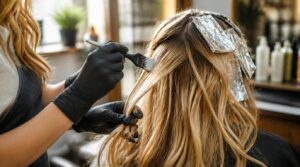
Think of balayage as freehand painting: soft, sun-kissed strands with zero harsh lines. Foilyage adds foil insulation, trapping heat for deeper lift and cooler tones. Both mix beautifully at the root, meaning your regrowth stays soft.
To keep those caramel and espresso tones looking rich between salon visits, try these warm hair color tone maintenance tips for extending your gloss.
For a closer look at how stylists blend these methods for a seamless, dimensional finish, check out this guide to natural hair color blending techniques.
Ask your colorist which suits your goals during your consultation—balayage for easy glow, foilyage when you want brighter, bolder dimension.
Traditional Foil Highlights
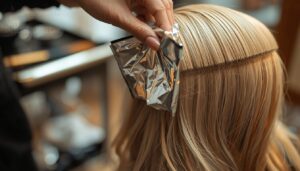
Foil highlights are the classics for a reason. Bleach goes straight onto ⅛- to ¼-inch sections, then gets folded snug—trapping heat for faster, more even lift than open air allows.
Weaves give soft mix; slices deliver bold contrast. Expect defined separation, not smooth glow. Retouch every 6-8 weeks as regrowth shows fast at the root. They are particularly effective for achieving cool-toned blonde shades without brassiness.
Babylights and Micro Highlights
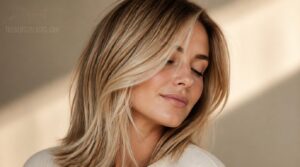
Want separation without the stripes? Babylights use pencil-thin strands, hand-painted or foiled, for soft dimension instead of bold lines.
They deliver a subtle lift effect and gorgeous face framing glow, with natural regrowth that barely shows. Touch-ups stretch 8-12 weeks—a genuinely low maintenance blonde win for fine or medium hair craving refined, believable brightness.
Ombré and Sombré
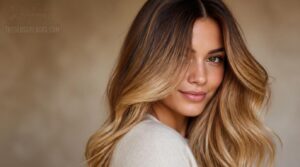
Craving a gradual fade instead of fine-line dimension? Ombré takes root-to-end change to the extreme, darker roots melting into lighter ends around mid-lengths. Sombré softens that gradient, keeping roots closer to natural for lived-in, low-maintenance color.
Both lean on blending over harsh lines, with placement suited to frame your face and flatter your undertones—balayage’s cousin, minus the scalp-adjacent painting.
All-Over Platinum Blonde
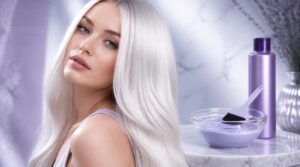
Icy, uniform, all-over brightness—that’s platinum’s promise, and it’s the boldest bleach and tone journey you can take.
Lift to level 10 with a controlled developer, strand-testing along the way to prevent damage.
Toner selection shapes your final shade: violet for icy silver, warmer options for champagne notes.
- Bleach and lift
- Tone and neutralize
- Maintain with purple shampoo
Root touch-ups every 8-12 weeks keep things perfect.
How to Choose Your Blonde Technique
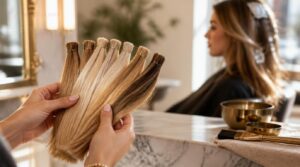
Now that you know your options, it’s time to figure out which one actually fits you. The right blonde technique depends on a handful of personal factors, not just what looks stunning on Pinterest. Here’s what you’ll want to weigh before booking your appointment.
Skin Tone and Undertones
Your skin has a hidden hue guiding every blonde choice you make. Check inner wrist veins: greenish means warm, bluish means cool. Gold jewelry loves warm undertones; silver flatters cool ones.
Once you know your undertone, you can take it further with subtle hair color ideas that complement warm and cool skin tones beautifully.
If your undertone leans warm, consider pairing your blonde with a reverse balayage technique to soften regrowth lines between salon visits.
| Undertone | Best Blonde Shades |
|---|---|
| Warm | Honey, caramel, golden |
| Cool | Ash, icy platinum |
| Neutral | Beige, wheat tones |
Neutral undertones? You’ve got flexibility most colorists envy.
Starting Hair Color
Dark roots and jet-black strands demand more work than a natural level 6 or 7. Base level assessment determines your lift path, while undertone consideration flags hidden red or orange pigment.
- Run a strand test first
- Match developer volume to your goal
- Protect strands with natural oils pre-wash
Hair color matching starts with honest hair analysis, not wishful thinking.
Hair Texture and Porosity
Your strands hold the real veto power here. Hair porosity determines how fast color enters and how long it stays put.
| Porosity | Processing Note |
|---|---|
| Low | Longer contact time |
| Medium | Balanced, predictable lift |
| High | Faster but uneven absorption |
| Damaged | Requires protein prep |
Coarse, low-porosity hair resists lift, while fine or high-porosity strands grab pigment fast.
Desired Contrast and Coverage
How bold do you want to go? Contrast level selection is really a coverage decision in disguise.
High contrast (dark roots, pale ends) needs frequent root touchups; low contrast, like live-in balayage, stretches longer between visits.
Factor in skin tone match—warm golds versus cool platinum—alongside your coverage placement strategy and root mix options.
A solid hair color consultation nails down realistic hair color longevity upfront.
Maintenance Time and Budget
Blonde is a relationship, not a one-time transaction—budget for the whole affair, not just the wedding day.
Blonde is a relationship, not a transaction—budget for the whole affair, not just the wedding day
Cost per session runs $90-400 depending on technique, with foilyage and platinum sitting higher.
- Root touchups every 4-6 weeks
- Toner refresh every 3-6 weeks
- Bond treatments every 6-12 weeks
Balayage stretches your salon visits to 8-14 weeks, saving serious cash long-term.
How Blonde Hair Coloring Works
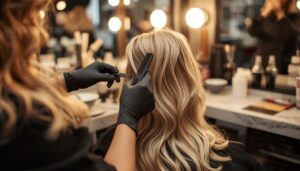
Blonde isn’t just picked from a bottle—it’s built, step by step, from root to tip. Every stunning result comes down to what happens behind the chair: the assessment, the placement, the formula, the timing. Here’s exactly how each stage shapes the final color you’ll walk out with.
Pre-Color Hair Assessment
Good color starts before the brush ever touches your hair. A hair strand test and porosity evaluation reveal how fast you’ll lift, while an elasticity test and scalp condition review catch red flags early.
| Check | Why It Matters |
|---|---|
| Moisture check | Predicts lift, reduces breakage |
| Chemical history | Guides safe processing |
Sectioning and Color Placement
Once your strands pass inspection, it’s time to map the canvas. Sectioning fundamentals control lift and placement—crown, nape, and face-framing zones each get separate treatment. Foil confines color for sharp contrast; freehand painting blends softly.
- Section your hair into 1–2 cm parts
- Apply dye in small sections, root to mid
- Use a comb to distribute evenly
- Feather edges to prevent harsh lines
Lightener and Developer Selection
With sections mapped, it’s time to pick your chemistry. Developer volume selection drives everything: 20-volume lifts two levels for average blonding, while 30 controls resistant hair. Hydrogen peroxide opens the cuticle for oxidation. Match lightener type to developer—powders need higher volumes, creams stay controlled.
Run a quick hair porosity test first; damaged strands demand gentler ratios and closer scalp monitoring.
Processing Time and Lift
With developer strength chosen, timing takes over. Processing duration usually runs 20-45 minutes, guided by strand testing, not the clock alone.
Watch your lift levels climb as hydrogen peroxide works—stopping at pale yellow prevents damage. Hair porosity dictates speed, so a quick porosity test before you start saves you from overprocessing surprises later.
Toning and Root Blending
Once you hit that pale yellow stage, toner takes the wheel.
Shadow root techniques deepen the crown 1-2 levels for a soft, rooted blonde. Root melt blends warm and cool tones seamlessly. A smudge diffuses color an inch past the line—demi-permanent works best. Finish with purple shampoo for lasting, maintenance-friendly, lived-in balayage results.
Professional Vs At-Home Blonde Techniques
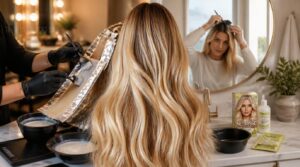
Going blonde isn’t just about picking a technique—it’s also about deciding who’s holding the brush. Salons bring precision and expertise you can’t always replicate at home, but that doesn’t mean DIY is off the table for everyone. Here’s what you need to know before you decide which path fits you best.
Benefits of Salon Blonding
Why risk it at home when a colorist can read your hair like a map? Salon blonding means custom formulas, precise application, and real damage prevention.
| Benefit | What It Means | Why It Matters |
|---|---|---|
| Expert precision | Made for your porosity | Even, predictable lift |
| Damage control | Bond builders, controlled timing | Healthier strands |
| Lasting tone | Custom toning + follow-ups | Vibrant color longer |
DIY Preparation and Supplies
Blonding at home isn’t guesswork—it’s mise en place. Gather a nonreactive mixing bowl, dye brush, wide-tooth comb, foil, gloves, and goggles before you crack a bottle.
| Category | Must-Haves | Purpose |
|---|---|---|
| Mixing | Bowl, brush, timer | Even formula |
| Protection | Gloves, goggles | Skin/eye safety |
| Placement | Foil, comb, clips | Clean sections |
Clean tools promptly; store developer upright, away from heat.
Strand and Patch Testing
Skip these two steps and you’re gambling with your hair—and your skin. Strand Test is Key: it’s your Processing Time Prediction and Damage Prevention Screening rolled into one, run 24-48 hours out. Patch Test 48 hours (plus a 96-hour recheck) is Allergy Risk Assessment for real.
| Test | Purpose |
|---|---|
| Strand | Color Formula Validation |
| Patch | Client Safety Protocol |
Read instructions carefully. Assess Your Base Color first.
Safe At-Home Application
Your kitchen counter isn’t a salon station—yet. Workspace Preparation means clearing a clean, non-slip surface first.
Grab gloves and old clothing, sanitize your tools, and keep cleanup supplies nearby.
| Step | Tool | Purpose |
|---|---|---|
| Prep | Non-slip surface | Protects skin |
| Apply | Mixing bowl/brush | Precise coverage |
| Finish | Color-safe cleanser | Residue removal |
Follow instructions carefully—your perfect blonde depends on it.
When to Avoid DIY Bleaching
Some heads just aren’t cut out for a box-dye adventure. Scalp sensitivity, eczema, or asthma flare-ups from fumes are red flags—call a pro instead.
| Warning Sign | Why It Matters | Next Step |
|---|---|---|
| Compromised scalp | Burn risk | Professional consultation |
| No patch test | Allergy risk | Test 48 hrs prior |
| Breakage/split ends | Damage worsens | Hair analysis first |
Blonde Hair Maintenance and Color Correction
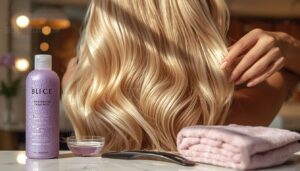
Getting the perfect blonde is only half the job—keeping it perfect is where the real work happens. Your maintenance routine depends on your technique, your hair’s condition, and how fast your roots decide to show up. Here’s what you need to know to keep your color looking salon-fresh between appointments.
Preventing Brassiness and Orange Tones
Once you’ve gone blonde, brass is the enemy hiding in your water and sun.
- Sulfate-free shampoo: preserves cool tones up to 6 weeks
- Purple shampoo: 2x weekly, left on 3-5 minutes
- Blue toner: targets orange, refreshed every 6 weeks
- UV spray: shields color from fading outdoors
Rinse cool, filter your shower, and you’ll dodge brassiness before it starts.
Technique-Specific Retouch Schedules
Every technique runs on its own clock, so your followup appointments depend entirely on what’s on your head.
Balayage touch-up timing stretches to 12 weeks since roots merge naturally. Foilyage maintenance cycle matches that window, while babylights refresh interval sits at 6-8 weeks. Platinum root retouch demands 4-6 weeks, and foil highlight upkeep falls around 8-12 weeks as regrowth shows.
Purple and Blue Shampoos
Between those appointments, toning shampoo does the heavy lifting. Purple shampoo cancels yellow brassiness on blondes; blue toner neutralizes orange on darker lightened hair. Pigments deposit during a 1-3 minute wash, so don’t rinse too fast.
Toning frequency guide: once weekly for mild brassiness, up to three times for stubborn warmth. Follow with conditioner—pigment deposition can dry hair out.
Repairing Dry, Damaged Hair
Toning keeps color true, but lightened strands still need repair.
Deep conditioning masks with ceramides restore moisture within 72 hours—use one weekly. Balance protein treatments (hydrolyzed keratin) with moisture, avoiding overload on fine hair.
Protect with heat sprays, sulfate-free cleansers, and lukewarm rinses. Track strand feel: softer, shinier hair signals your routine’s working, usually within 2–4 weeks.
Signs You Need Correction
Watch for brassiness that won’t quit—if toning treatments stop working between sessions, your hair color maintenance routine needs an upgrade.
Other red flags: patchy regrowth, uneven tone bands, or fading that looks dull instead of icy. These signal it’s time for professional color correction, not another purple shampoo fix. Catch it early, and you’ll save your strands from deeper damage.
Frequently Asked Questions (FAQs)
How often should I touch up my roots?
Plan on touch-ups every 4-6 weeks, guided by growth rate and root contrast. Fast growth or high-contrast blonde needs three to four weeks; low-contrast blends stretch further. A quick salon consultation nails your suited schedule.
Can I go blonde with dark hair naturally?
Dark strands resist lightening like rust resists a wire brush. Natural lightening limits mean sun exposure alone won’t cut it — you’ll need bleaching, high lift color, or a stylist consultation to reach true blonde.
Whats the cost difference between blonde techniques?
Your wallet feels this fast: balayage and foilyage run $150-$450+, babylights hit $180-$350, foil highlights land $100-$320, and all-over platinum climbs to $ A quick professional consultation nails down your real number.
Will blonde hair damage my natural texture?
Funny how chasing lighter strands can leave you feeling heavier with upkeep. Yes, bleaching raises porosity and dries texture, but bond-builders and consistent moisture retention methods keep curls, waves, and strength intact.
How long does each blonde process take?
Timing runs two to four hours total, combining application, lift development, and toning. Balayage and foilyage often take two to three hours, while foils or platinum bleaching sessions can stretch toward four, depending on your desired lift.
How much does professional blonde coloring typically cost?
Let’s talk investment, not expense. Pricing by technique runs 120-600 euros, shaped by salon tier, location, and hair length—so your colorist’s consultation and formulation expertise determine what that number actually becomes.
Can you swim or exercise after blonde coloring?
Hold off a week before diving in. Chlorine and saltwater fade color fast, and sweaty workouts irritate a sensitive scalp. Rinse hair first, condition well, and wear a cap to protect your fresh blonde.
How long does blonde hair color last overall?
It’s a mixed bag: permanent color runs 6-12 weeks, demi fades in 4-6, and semi washes out just as fast, while balayage holds its lift permanently between tonal refreshes.
If you’re weighing longevity against upkeep, this autumn hair color palette guide breaks down which shades age best between salon visits.
Conclusion
Think of blonde like a tailor sizing fabric: the same silk drapes differently depending on the body wearing it. Your blonde hair color technique works the same way—balayage drapes softly, foils build structure, babylights whisper, and ombré blends boldly across the ends. None is universally best.
The right one respects your undertone, your porosity, and your patience for touch-ups. Choose with intention, maintain with discipline, and blonde stops being a gamble. It becomes your signature.