This site is supported by our readers. We may earn a commission, at no cost to you, if you purchase through links. This content is for general informational and educational purposes only and is not a substitute for professional medical, dermatological, or nutritional advice.
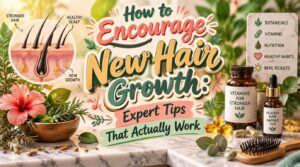
Most people grab a new shampoo or start taking biotin the moment they notice extra hair on the pillow. Both moves feel productive, but neither one treats what’s actually going on.
Hair loss rarely has one cause. It can trace back to low iron, a thyroid shift, stress from three months ago, or genetics quietly doing their thing. Getting that part right changes everything.
Once you know what you’re working with, there are real, evidence-based ways to encourage new hair growth, from targeted nutrition to clinical treatments that measurably improve density.
Table Of Contents
- Key Takeaways
- Identify What’s Causing Hair Loss Before Trying to Regrow Hair
- Build a Gentle Hair Care Routine That Prevents Breakage
- Support Hair Growth With Nutrition and Targeted Supplements
- Care for Your Scalp With Massage and Gentle Treatments
- Consider Evidence-Based Hair Regrowth Treatments
- Frequently Asked Questions (FAQs)
- How to trigger new hair growth?
- What are the big 3 for hair regrowth?
- What vitamin am I lacking if my hair is falling out?
- What is the Chinese secret for hair growth?
- Does wearing hats or caps cause hair loss?
- Can hard water affect hair growth rates?
- How does age impact natural hair growth?
- Are there genetic limits to hair length?
- Does hair grow faster in certain seasons?
- Can stress cause permanent or temporary hair loss?
- Conclusion
Key Takeaways
- Identifying the root cause of your hair loss—whether hormonal, nutritional, or genetic—is the essential first step, because every effective treatment depends on it.
- Low ferritin is the most commonly overlooked driver of diffuse shedding, and biotin only helps if you’re actually deficient—so get your labs done before buying supplements.
- Minoxidil and finasteride have the strongest clinical evidence for regrowth, but they require consistent use over three to six months before results become visible.
- Daily habits like scalp massage, gentle detangling, and heat avoidance directly protect your follicle environment and keep progress from stalling between treatments.
Identify What’s Causing Hair Loss Before Trying to Regrow Hair
Hair loss causes vary widely, and chasing regrowth before you understand what’s actually happening is like fixing a leak without finding the source. Your hair follicles respond very differently to androgenetic alopecia, telogen effluvium, or an autoimmune condition like alopecia areata. Each type calls for a completely different strategy.
Catching signs of severely damaged hair early can help you distinguish between temporary shedding and the kind of follicle stress that derails regrowth entirely.
Chasing regrowth without knowing your cause is like fixing a leak without finding the source
Start by tracking patterns. Diffuse shedding all over your scalp often points to nutritional deficiencies or hormonal balance issues, including thyroid dysfunction or conditions like PCOS. A receding hairline or clear midline widening usually signals genetic pattern loss instead.
A dermatologist consultation gives you blood work, hormone panels, and a proper diagnosis. Guessing just wastes time. Know your cause first, and you’ll actually be in control of what comes next.
Build a Gentle Hair Care Routine That Prevents Breakage

Once you know your diagnosis, the next lever you control is how you handle your strands day to day.
Choosing the right treatment—whether a mask or conditioner—is easier when you understand what your hair actually needs and why.
Start with detangling. Use a wide-tooth comb on slightly damp hair, always working from ends upward. Sectioning into smaller parts cuts tension per stroke and keeps breakage low.
Avoid heat styling as much as you can. Hot tools and bleach weaken keratin progressively, and no conditioner fully reverses that structural damage.
Wash with a shampoo and conditioner containing vitamins A, B, C, or E, and keep water lukewarm to reduce cuticle friction.
Apply a scalp mask once per week to calm irritation and reduce rough scalp handling.
Trim off split ends every three months before they travel higher up the shaft.
Support Hair Growth With Nutrition and Targeted Supplements

What you eat feeds your follicles. If your diet’s falling short, even the best daily routine won’t go far.
Prioritizing protein, in particular, makes a real difference—explore how protein supplements can strengthen beard growth when your meals don’t cover the gap.
Start with iron. Low ferritin is one of the most common, overlooked drivers of shedding. An iron supplement can restore normal growth patterns once levels are corrected. Check labs first.
A vitamin D supplement matters too. Insufficiency disrupts follicle cycling, and correcting it can shift things back on track.
Protein is the structural base of keratin. A protein supplement helps if your daily intake is low. Zinc balance is equally important since too little impairs follicle activity, but excess backfires.
One myth worth busting right now: a biotin supplement only works if you’re actually deficient. For most people, it changes nothing.
Care for Your Scalp With Massage and Gentle Treatments

Once your nutrition is in order, your scalp becomes the next focus. Think of it as the soil your follicles grow from. Tending to it directly matters.
Scalp massage is one of the simplest things you can do. A few minutes of light fingertip pressure each day can temporarily boost blood flow to follicles, creating a better environment for growth. Keep it gentle. Fingernails and aggressive rubbing cause microtrauma and inflammation, which actually increases shedding.
Scalp health also depends on how you wash. Lukewarm water, not hot, keeps irritation down. If you’re using hair growth serums or essential oils for scalp care, apply them to a clean scalp so they can actually absorb properly, not sit on top of buildup.
Consider Evidence-Based Hair Regrowth Treatments
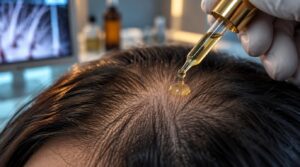
If lifestyle changes aren’t moving the needle fast enough, medical treatments can help. These options range from over-the-counter topicals to in-office procedures, and the evidence behind them is solid. Here’s what’s actually worth knowing.
Minoxidil and Prescription Medications
Two treatments have the strongest evidence behind them.
Topical minoxidil keeps follicles active by improving blood flow, but don’t expect overnight miracles, because three to six months is more realistic before you notice real change. Consistency matters most with this treatment, and browsing minoxidil formulas and routines can help you find the right fit for your hair type and lifestyle.
Finasteride works differently, targeting DHT inhibition to slow androgen-driven follicle shrinkage. Combining these two prescription medications is an option if one alone isn’t cutting it.
Laser Therapy and Microneedling
Stimulating your follicles with low-level laser therapy or microneedling helps scalp health without replacing what’s lost. Both work best when hair loss is partial, not complete.
Microneedling triggers growth factors through tiny controlled injuries. Needle depth and frequency drive results. Laser therapy shifts cellular activity with red light. Track hair regrowth over months, since the hair growth cycle is slow.
PRP and Hair Transplantation
Some PRP therapy trials report density improvements of 20 to 40% in eligible candidates. It works by injecting platelet-rich plasma into your scalp, releasing growth factors that push struggling hair follicles toward hair regrowth.
Hair transplantation moves healthy follicles into thinning zones. Adding PRP near surgery may improve graft survival rates, though your hair loss type and preparation shape outcomes.
Frequently Asked Questions (FAQs)
How to trigger new hair growth?
Hair growth happens when your follicles actually get what they need. Start by addressing nutritional support for hair, then carefully improve your scalp health. Add targeted follicle stimulation and, if appropriate, minoxidil for real results.
What are the big 3 for hair regrowth?
Ironically, the most talked-about regrowth combo isn’t complicated at all. Minoxidil stimulates follicles, finasteride blocks the DHT shrinking them, and a ketoconazole shampoo keeps scalp inflammation from quietly undermining both. That’s your real big 3.
What vitamin am I lacking if my hair is falling out?
Every single person immediately blames biotin supplements, but low iron stores are usually the real culprit. Vitamin deficiencies and hair loss are connected, yet low ferritin drives most diffuse shedding. Always get properly tested first.
What is the Chinese secret for hair growth?
Think of it less as a secret and more as a practical system. Traditional Chinese medicine promotes scalp massage, a healthy diet, and reducing stress. These simple basics hold real value, even without the mystique.
Does wearing hats or caps cause hair loss?
Your cap isn’t the culprit. Genetics and hormones drive true hair loss, not headwear. A tight fit can cause temporary breakage or scalp irritation, but your hair follicles stay completely unaffected. Just loosen the fit.
Can hard water affect hair growth rates?
Hard water doesn’t slow your follicles, but mineral buildup can irritate your scalp, increase shedding, and worsen breakage, making growth look stalled. The good news? That damage is usually reversible once you tackle the buildup.
How does age impact natural hair growth?
As you age, your hair follicles spend more time in the telogen phase and less in the anagen phase, which slows your hair growth timeline. Hormonal shifts and declining nutrient levels reduce density over time.
Are there genetic limits to hair length?
Yes, your genetics set a real ceiling here. Your hair growth cycle runs 2-6 years per strand, and that’s your biological maximum length. Hair follicles programmed with shorter active cycles simply can’t grow as long.
Does hair grow faster in certain seasons?
Turns out, the calendar doesn’t actually run your follicles. Research does show minor shedding in late autumn, but your genetics, nutrition, and lifestyle consistency shape your hair growth cycle far more than any season does.
Can stress cause permanent or temporary hair loss?
What if the answer is both? Stress-induced hair shedding is usually temporary, resolving within 3–6 months after your stress passes. Permanent hair loss only occurs when follicles scar from compulsive pulling or prolonged, unmanaged stress.
Conclusion
A patient once told me she’d tried eleven products before getting a single blood test. That test revealed low ferritin, and within months of addressing it, her shedding slowed noticeably.
That’s the real lesson. The right starting point matters more than the most expensive bottle on the shelf. Once you understand your hair, you can encourage new hair growth with treatments that actually fit your situation. Start there, and the rest follows.