This site is supported by our readers. We may earn a commission, at no cost to you, if you purchase through links.
Your scalp sheds roughly 500,000 cells daily, but when Malassezia yeast disrupts this natural process, those flakes become visible, itchy, and frustratingly persistent. Dandruff affects nearly half of adults worldwide, yet most people cycle through ineffective shampoos without addressing the underlying fungal overgrowth.
Natural treatments targeting this yeast—tea tree oil, coconut oil, aloe vera—offer antimicrobial action without the harsh chemicals found in conventional products.
Understanding what triggers your flaking, from stress to diet deficiencies, gives you control over a condition that often feels unpredictable. The right combination of topical remedies and lifestyle adjustments can restore your scalp’s balance and eliminate those telltale white specks for good.
Table Of Contents
- Key Takeaways
- What Causes Dandruff and Its Symptoms?
- How Can Tea Tree Oil Treat Dandruff?
- Is Coconut Oil Effective for Dandruff?
- How Does Aloe Vera Help The Scalp?
- Can Apple Cider Vinegar Reduce Flakes?
- What Role Do Probiotics Play in Treatment?
- Are Other Natural Remedies Worth Trying?
- How Do Diet and Lifestyle Affect Dandruff?
- When Should You See a Dermatologist?
- Frequently Asked Questions (FAQs)
- Conclusion
Key Takeaways
- Dandruff is driven by Malassezia yeast overgrowth, which disrupts your scalp’s balance and triggers flaking, itching, and redness.
- Natural remedies like tea tree oil, coconut oil, aloe vera, and apple cider vinegar help control dandruff by targeting fungal growth, soothing irritation, and clarifying buildup.
- Managing stress, improving your diet—especially zinc and omega-3 intake—and maintaining a gentle hair care routine can reduce flare-ups and support scalp health.
- If your symptoms persist beyond four to six weeks, spread beyond the scalp, or worsen despite consistent treatment, it’s time to consult a dermatologist for evaluation and prescription options.
Using sweet orange oil for dandruff-prone hair may help curb yeast growth while supporting a healthier scalp environment.
What Causes Dandruff and Its Symptoms?
Dandruff isn’t just about those white flakes on your shoulders—it’s a scalp condition with specific biological causes you can address. Understanding what triggers your symptoms gives you real control over treatment, whether you choose natural remedies or medical options.
Let’s break down the underlying mechanisms, common triggers, and telltale signs so you know exactly what you’re dealing with.
Role of Malassezia Yeast Overgrowth
Your scalp hosts Malassezia, a lipophilic yeast that thrives on sebum. In susceptible individuals, yeast overgrowth disrupts the scalp microbiome, metabolizing lipids into irritating byproducts that trigger inflammation, flaking, and itch—classic dandruff symptoms.
Dandruff stems from Malassezia yeast overgrowing on your scalp, breaking down oils into irritants that cause inflammation, flaking, and itching
This fungal imbalance explains why antifungal treatments work: they restore microbial harmony. Natural remedies for dandruff targeting Malassezia can reduce yeast burden without harsh chemicals, offering gentle control over persistent flakes.
Understanding scientific study summaries is essential for identifying effective treatments and preventing the recurrence of dandruff.
Common Triggers (Stress, Diet, Skin Conditions)
Beyond yeast, dandruff flares when stress, diet, and skin conditions converge. High stress elevates cortisol, boosting sebum—fuel for Malassezia. Western diets low in omega-3s and zinc worsen inflammation, while seborrheic dermatitis, psoriasis, and hormonal factors like elevated androgens increase flaking.
Managing stress and making dietary changes targeting inflammatory pathways can reclaim control over your scalp’s ecosystem and reduce persistent symptoms.
Typical Symptoms (Flaking, Itching, Redness)
Those triggers set the stage—now let’s pinpoint what you’re actually dealing with. Dandruff usually shows up as white or yellowish flakes scattered across your scalp, hair, and shoulders. Most people experience itching that drives scratching, plus redness in irritated patches. Flaking causes shift with humidity, seasonal changes, and oil levels.
For symptom management and itch relief:
- Monitor flake color and texture for clues about scalp irritation
- Track when itching worsens to identify patterns
- Note redness locations for targeted redness treatment
- Check clothing for flakes to gauge severity
- Assess scalp health regularly to measure progress
These signs guide your itching relief strategy and help determine if you need professional intervention for persistent flaking skin or itchy scalp issues.
How Can Tea Tree Oil Treat Dandruff?
Tea tree oil has become a popular natural treatment for dandruff, and the research backs its use. This essential oil contains compounds that directly target the fungal overgrowth responsible for most dandruff cases.
Here’s what you need to know about using tea tree oil safely and effectively on your scalp.
Antifungal and Antibacterial Properties
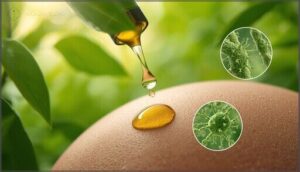
Tea tree oil works through fungal inhibition—its compound terpinen-4-ol punctures Malassezia cell walls, causing leakage and death. In vitro studies show strong natural antifungal activity at low concentrations. You also get bacterial control against Staphylococcus, helping rebalance your scalp microbiome. While conventional antifungal medications often outperform essential oils in severe cases, tea tree oil offers real antimicrobial power for mild to moderate fungal infections through these dual mechanisms.
| Mechanism | Target Effect |
|---|---|
| Membrane disruption | Fungal cell death |
| Ergosterol inhibition | Altered membrane integrity |
| Antibacterial action | Reduced pathogenic biofilms |
How to Use Tea Tree Oil Safely
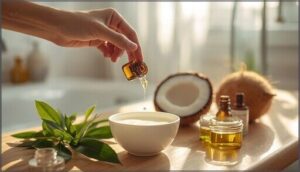
Proper dilution protects your scalp from irritation. Mix 2–3 drops of tea tree oil per teaspoon of carrier oil—coconut, jojoba, or almond work well. Always patch test on your inner forearm 24 hours before scalp application.
Massage the diluted solution into your scalp for 2–3 minutes, leave on for 10–20 minutes, then rinse thoroughly. Limit use to 2–3 times weekly.
Potential Side Effects and Precautions

Allergic reactions occur in roughly 1–5% of users, manifesting as redness or contact dermatitis. Skin irritation intensifies if you combine this essential oil with hair dyes or chemical treatments.
Pregnant individuals and young children should avoid topical applications due to limited safety data.
Misuse—ingesting or inhaling concentrated amounts—can trigger dizziness or confusion, undermining your natural remedies approach to dandruff treatment options and inflammation reduction.
Is Coconut Oil Effective for Dandruff?
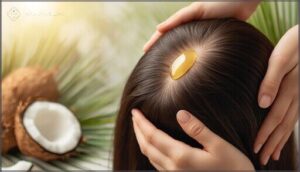
Coconut oil has gained attention as a potential dandruff treatment, but you need to understand what it actually does for your scalp. Research shows it offers both hydration benefits and antimicrobial properties that target the fungal overgrowth responsible for flaking.
Here’s what you should know about using coconut oil effectively, from its mechanism of action to proper application techniques.
Benefits for Scalp Hydration
Coconut oil excels at scalp moisturizing, delivering hydration therapy through natural humectants and fatty acids that penetrate the stratum corneum. This natural remedy promotes skin hydration by forming an occlusive layer, enhancing scalp health and wellness without the harsh chemicals found in conventional treatments.
You’ll notice improved barrier repair as it reduces transepidermal water loss, addressing the dryness that often accompanies flaking.
Antimicrobial Action Against Fungi
Beyond hydration, you gain powerful antimicrobial properties targeting Malassezia fungi—the culprit behind your flakes. Research confirms fungal inhibition through lauric acid disrupting yeast cell membranes, restoring microbial balance where conventional treatments like ketoconazole, zinc pyrithione, or selenium sulfide might irritate sensitive scalps.
Key antifungal mechanisms include:
- Direct disruption of fungal cell structure
- Prevention of fungal resistance development
- Synergistic effects when combined with tea tree oil
- Broad-spectrum activity against dandruff-causing yeasts
- Natural alternative to pharmaceutical antifungal agents
Application Methods for Best Results
Your application technique determines results. Start by blending coconut oil with tea tree oil—a 5% dilution protects against irritation while enhancing antifungal power through oil blending. Massage into your scalp for 2–5 minutes, targeting flaky areas with gentle exfoliation motions. Leave-on treatments work overnight if tolerated, but rinse thoroughly with lukewarm water on sensitive scalps.
If lice or nits are part of the concern, this guide to removing nits without a comb pairs well with these scalp-care steps for a more thorough routine.
| Method | Duration & Frequency |
|---|---|
| Scalp massage with diluted blend | 2–5 minutes, 1–2x weekly initially |
| Leave-on treatment | Overnight or 30 minutes, if skin tolerates |
| Rinse-out application | 15–20 minutes before shampooing |
Patch test on your inner forearm 24 hours before broader scalp protection measures begin.
How Does Aloe Vera Help The Scalp?
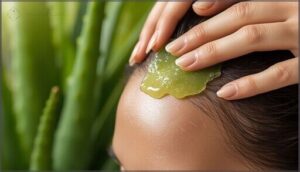
Aloe vera gel contains antifungal and antimicrobial compounds that target the organisms responsible for dandruff while reducing scalp inflammation. You can apply it directly to your scalp to soothe itching, improve moisture retention, and promote healing of irritated skin.
The following sections explain how to use aloe vera effectively, including application methods and recommended frequency for best results.
Soothing Itching and Reducing Inflammation
Aloe vera delivers measurable itch relief, reducing irritation by 20-30% in clinical trials—that’s real scalp comfort, not wishful thinking. Its anti-inflammatory compounds target NF-κB pathways, quieting the inflammatory cascade that drives redness and discomfort.
When you’re seeking natural anti-inflammatories for dandruff, aloe vera stands out as one of the most effective scalp soothers, offering gentle exfoliant properties alongside reducing itchiness and inflammation without harsh chemicals.
How to Apply Aloe Vera Gel
You’ll need fresh, pure aloe vera gel—95% concentration or higher—to minimize irritants and boost scalp health.
Section your hair to expose affected areas, then massage gel directly onto your scalp using gentle circular motions for one to two minutes per section.
This scalp massage technique improves absorption while the natural dandruff treatment works its soothing magic, calming inflammation and providing targeted relief.
Frequency and Tips for Use
For best results, apply aloe vera to your scalp two to three times weekly, leaving it on for 15–30 minutes before rinsing thoroughly. This treatment duration allows the gel’s antimicrobial compounds to work without causing buildup.
You can extend application overnight for stubborn flakes, but monitor for sensitivity. Pair aloe with gentle shampoos and consistent scalp preparation to optimize these natural dandruff treatments.
Can Apple Cider Vinegar Reduce Flakes?
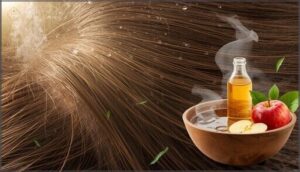
Apple cider vinegar acts as a natural clarifying agent, removing product buildup and dead skin cells that contribute to visible flaking.
The acidic pH helps restore your scalp’s natural balance, creating an environment less favorable for yeast overgrowth.
Proper dilution and application technique are essential to avoid irritation while maximizing benefits.
Clarifying The Scalp and Removing Buildup
You’re battling more than just flakes—dandruff-related buildup consists of shed skin cells, sebum, and microbial byproducts that cling to your scalp. Apple cider vinegar’s clarifying properties help cut through this residue when used correctly.
Gentle cleansing paired with scalp massage enhances flake removal without triggering compensatory oil production.
Regular scalp exfoliation prevents future buildup, supporting overall scalp care and health naturally.
Dilution and Safe Application Techniques
Proper dilution ratios protect your scalp from chemical burns while maximizing apple cider vinegar’s benefits. Essential oil safety principles apply here—never use undiluted.
This home remedy for dandruff requires the same care as tea tree oil or coconut oil treatments.
- Mix one part vinegar with two to four parts water for scalp preparation
- Pour into a spray bottle for controlled application methods
- Apply to damp, not soaking wet, hair after shampooing
- Massage gently for 1–2 minutes, then rinse thoroughly
- Store diluted mixture in dark glass bottles, labeled with preparation date
Risks and Considerations
Scalp irritation factors complicate apple cider vinegar use, particularly if you have eczema or atopic dermatitis. Essential oil risks apply here—undiluted vinegar causes chemical burns, and natural remedy interactions with other topicals can worsen inflammation. Treatment side effects include stinging on broken skin.
If dandruff persists despite home treatment, dandruff misdiagnosis may be masking seborrheic dermatitis or other dermatological conditions requiring prescription intervention for these scalp conditions.
What Role Do Probiotics Play in Treatment?

Probiotics work by balancing bacteria and yeast levels in your body, including on your scalp. This balance can help suppress Malassezia overgrowth, which triggers dandruff symptoms like flaking and inflammation.
You can take probiotics orally or apply them topically, depending on your preference and the specific strains you choose.
Balancing Scalp Microbiome
Your scalp hosts a complex community of bacteria and fungi that, when balanced, keeps dandruff in check. Probiotics work by restoring that equilibrium, crowding out excess Malassezia and supporting beneficial microbes. These microbial shifts reduce inflammation and flaking.
Tea tree oil can complement probiotic therapies by targeting fungal overgrowth, while natural remedies support overall scalp microbiome health through deliberate, targeted intervention.
Oral Vs. Topical Probiotics
You can take probiotics by mouth or apply them directly to your scalp, and each route offers distinct advantages. Oral probiotic strains like Lactobacillus reuteri may help restore internal microbial balance and modulate inflammation, while topical probiotics target fungal infections at the source—your scalp microbiome itself.
Small studies show mixed results for both, so managing dandruff symptoms with natural remedies and home remedies for dandruff often requires trial, patience, and realistic expectations about probiotic dosage effects.
Recommended Strains and Dosage
When selecting probiotic strains for dandruff, prioritize Lactobacillus rhamnosus GG and Bifidobacterium longum BB536 at 1 to 10 billion CFU daily—dosage guidelines supported by dermatological research on microbiome balance. Saccharomyces boulardii offers yeast-based benefits at 5 to 10 billion CFU.
Multistrain formulations improve treatment outcomes, while topical preparations deliver 10^6 to 10^9 CFU per gram. Strain selection matters when combining probiotics with tea tree oil, coconut oil, and other natural remedies for maximum probiotic effects.
Are Other Natural Remedies Worth Trying?

Beyond the remedies already covered, a few other natural options show promise for managing dandruff symptoms. These include lemongrass oil, baking soda, and omega-3 fatty acids, each working through different mechanisms to target flaking, inflammation, and scalp health.
Here’s what the research suggests about their effectiveness.
Lemongrass Oil for Dandruff Relief
Lemongrass oil carries antimicrobial properties that target Malassezia yeast, though clinical evidence remains limited. While lemongrass benefits include potential pathogen inhibition, don’t expect dramatic results without addressing underlying triggers.
You can try this essential oil for dandruff relief by following these steps:
- Dilute lemongrass oil in a carrier oil like coconut or jojoba, never apply it undiluted.
- Add 2-3 drops to your regular shampoo for easy incorporation.
- Perform a patch test on your inner arm 24 hours before scalp application.
- Massage gently into your scalp, allowing contact for 5-10 minutes.
- Discontinue immediately if irritation, redness, or increased flaking occurs.
Baking Soda as a Gentle Exfoliant
You might be surprised that baking soda’s mild abrasive action offers scalp exfoliation for flake removal, though evidence is mostly anecdotal. Baking soda benefits include temporary relief from visible dandruff through gentle scrubbing.
Mix a small amount with water into a paste, massage your scalp for 30-60 seconds once or twice weekly, then rinse. Watch for scalp irritation—discontinue if redness or burning develops, as it disrupts your skin barrier with overuse.
Omega-3 Fatty Acids for Skin Health
Omega-3 fatty acids modulate inflammatory pathways in skin, potentially reducing redness and itch through eicosanoid regulation. Randomized trials show modest improvements in skin hydration and barrier function with higher dietary intake, though results vary. You’ll find omega-3s in fatty fish, flaxseed, and supplements.
Essential fatty acids support overall hair and scalp health, offering natural remedies for scalp conditions.
High doses carry bleeding risk, so consult your provider before supplementation.
How Do Diet and Lifestyle Affect Dandruff?

Your diet and daily habits influence scalp inflammation more than you might expect. Research shows connections between what you eat, how you manage stress, and the severity of dandruff flare-ups.
Here’s what dermatologists want you to know about lifestyle factors that affect your scalp health.
Impact of Nutrition on Scalp Health
Your diet shapes more than just your waistline—it directly influences scalp inflammation and flaking. Nutrient deficiencies, particularly in zinc and essential fatty acids, compromise your scalp’s natural defenses.
Here’s what matters:
- Omega-3 fatty acids reduce inflammatory markers, potentially easing seborrheic dermatitis symptoms
- Zinc status correlates with skin immunity and dermatitis-like symptoms
- Adequate hydration maintains scalp barrier function and resilience
- Vitamin D levels show associations with dandruff prevalence in research
Dietary triggers like typical Western diets may worsen flare-ups in some individuals.
Stress Reduction Strategies
Chronic stress elevates cortisol and scalp sebum production, creating conditions favorable for Malassezia overgrowth. Stress management becomes a legitimate comprehensive approach to dandruff control.
Mindful meditation, aerobic exercise, and relaxation techniques like diaphragmatic breathing reduce inflammatory pathways affecting your scalp. Aim for 7–9 hours of sleep, practice cognitive-behavioral strategies for anxiety relief, and build social support networks.
These natural treatments address underlying triggers, offering emotional balance alongside home remedies for lasting relief.
Importance of Hair Care Routine
Beyond managing stress, your daily hair care routine directly influences scalp health and dandruff control. Regular cleansing removes oil buildup, while conditioning maintains hydration and prevents breakage. Consistent brushing distributes natural oils and stimulates circulation.
- Use sulfate-free, fragrance-free hair care products to minimize irritation
- Establish a fixed wash frequency to balance sebum production
- Practice scalp massage during gentle shampooing to boost circulation
- Avoid over-washing, which strips protective oils and worsens flaking
When Should You See a Dermatologist?

Natural remedies work well for mild dandruff, but they won’t fix every scalp problem. Some symptoms signal underlying conditions that need professional evaluation and prescription treatment. Recognizing when to escalate care can prevent complications and get you faster relief.
Signs Home Remedies Aren’t Enough
Your scalp won’t always heal on its own. When over-the-counter treatments fail after 4–6 weeks, or you notice thick buildup, oozing, or redness spreading beyond the hairline, your dandruff may signal seborrheic dermatitis or a scalp infection requiring dermatologist referral. Chronic flaking with nocturnal itching, patchy hair loss, or crusted scales indicates home remedy limits—professional dermatitis treatment and fungal infection treatment become essential.
| Warning Sign | What It Suggests |
|---|---|
| Persistent symptoms after 4–6 weeks of OTC care | Likely seborrheic dermatitis needing prescription antifungals |
| Thick crusting, oozing, or bleeding lesions | Possible bacterial scalp infection or complex dermatitis |
| Severe itching disrupting sleep or daily life | Contact dermatitis or allergic reaction requiring patch testing |
Identifying Severe or Persistent Dandruff
Persistence is your first red flag—severe dandruff that lasts beyond four weeks despite consistent antifungal shampoo use warrants dermatologist evaluation.
Visible scaling spreading to eyebrows, ears, or hairline suggests moderate to severe fungal overgrowth or seborrheic dermatitis requiring prescription treatment.
When frequent itching disrupts sleep, or you see scalp inflammation with redness, fissures, or recurring persistent flakes after standard remedies, professional dandruff diagnosis becomes essential.
Medical Treatments and Next Steps
When four weeks of consistent treatment fails, dermatology evaluation can adjust your formulation or introduce prescription options like ketoconazole or zinc pyrithione medicated shampoo.
Severe cases with circular patches or psoriasis-like scaling require medical therapy beyond standard anti-dandruff products.
Regular follow-ups help monitor response and fine-tune treatment adjustments, minimizing side effects while controlling symptoms effectively.
Frequently Asked Questions (FAQs)
Can hard water make dandruff worse?
Hard water can absolutely turn your scalp into a mineral-caked battlefield. Calcium and magnesium deposits interfere with shampoo effectiveness, trap flakes, and irritate skin—worsening existing dandruff through persistent buildup and reduced antimicrobial action.
Does wearing hats contribute to dandruff?
Yes, hats can worsen dandruff by trapping heat and sweat, creating conditions that favor Malassezia overgrowth. Tight-fitting styles increase scalp irritation through friction, while dirty hats transfer oils and microbes back to your skin.
How long until natural remedies show results?
You won’t see overnight miracles—most natural dandruff remedies take two to six weeks of consistent use to deliver noticeable flake reduction and scalp healing, though some respond faster.
Can dandruff spread to other body areas?
Dandruff itself rarely jumps to other body areas, but seborrheic dermatitis can affect oily zones like your eyebrows or chest.
Weak skin barrier function and fungal infection risk raise chances of secondary dermatitis, not direct contagion.
Is dandruff contagious between people?
No need to flake out over social contact risks—dandruff isn’t contagious. Malassezia, a skin fungus, thrives in your own human microbiome. Fungal transmission doesn’t drive dandruff spread, so public health implications remain minimal.
Conclusion
Nearly 50% of adults will battle dandruff at some point, yet most never discover how to treat it naturally. Targeting Malassezia yeast, adjusting your diet, and using remedies like tea tree oil or aloe vera can disrupt the cycle of flakes and itching.
If symptoms persist, severe redness or scaling signals it’s time to consult a dermatologist. Take control—your scalp’s health isn’t random. With evidence-based steps, you can restore comfort and leave dandruff behind for good.
- https://github.com/tugcekonuklar/msc-computer-science-notes/blob/main/research-methods/Home.md
- https://libguides.kean.edu/ResearchProcessGuide
- https://www.ai-literacy.se/research-prompts.html
- https://onlinepubs.trb.org/onlinepubs/nchrp/cd-22/manual/v1appendixb.pdf
- https://www.ncbi.nlm.nih.gov/pmc/articles/PMC9290732/