This site is supported by our readers. We may earn a commission, at no cost to you, if you purchase through links. This content is for general informational and educational purposes only and is not a substitute for professional medical, dermatological, or nutritional advice.

You slather on moisturizer every morning, but your skin still feels tight by noon. Or maybe it looks shiny within an hour, leaving you wondering if you’re doing something wrong. The truth is, not every moisturizer delivers on its promises, and your skin’s response tells you everything you need to know about whether yours is actually working.
When a moisturizer does its job, the changes go beyond just feeling good in the moment. Your skin develops a resilience that lasts throughout the day—dryness doesn’t creep back in, texture smooths out, and that uncomfortable tightness disappears. But recognizing these signs requires knowing what to look for and understanding the timeline your skin needs to show real improvement.
Learning to read your skin’s signals helps you separate products that genuinely work from those that simply sit on the surface doing nothing.
Table Of Contents
- Key Takeaways
- What Does an Effective Moisturizer Do?
- Visible Signs Your Moisturizer is Working
- Warning Signs Your Moisturizer is Not Effective
- How to Assess Moisturizer Effectiveness
- Choosing The Right Moisturizer for Your Skin
- Tips for Maximizing Moisturizer Results
- Frequently Asked Questions (FAQs)
- How do I know if moisturizer is working?
- How long does it take for moisturizer to show results?
- What are the signs of a good moisturizer?
- What should your skin feel like after moisturizing?
- How long before switching moisturizers if ineffective?
- Can moisturizer effectiveness change with seasonal shifts?
- Should moisturizer feel different on various face areas?
- Do expensive moisturizers work better than affordable ones?
- Can drinking water replace using a facial moisturizer?
- Conclusion
Key Takeaways
- A good moisturizer keeps your skin feeling comfortable, smooth, and hydrated from morning through evening, with no tightness or flakiness sneaking in.
- Skin should show lasting improvements like reduced dryness, softer texture, and a more even glow within two to four weeks of consistent use.
- If you experience stinging, new breakouts, or greasy buildup after applying moisturizer, it likely means the formula isn’t right for your skin.
- Tracking your skin’s daily feel, appearance, and comfort—plus using before-and-after photos—helps you see if a moisturizer is truly making a lasting difference.
What Does an Effective Moisturizer Do?
A good moisturizer does more than just feel nice on your skin. It performs specific, measurable functions that directly impact how your skin looks and feels day to day.
If you’re noticing dryness, irritation, or breakouts, it might be time to reassess whether your current moisturizer is right for your skin.
Let’s break down the three core jobs an effective moisturizer should be doing for you.
Hydration and Moisture Balance
The best sign your moisturizer is working? Your skin actually holds onto water. Ingredients like hyaluronic acid and glycerin pull moisture deep into your cells, boosting skin elasticity and plumpness.
When hydration techniques work, you’ll notice softer texture and fewer fine lines. A good moisturizer reduces transepidermal water loss by strengthening moisture barriers—so hydrated skin stays comfortable all day.
For more information, be sure to check out the differences between hydrating and moisturizing skin.
Supporting The Skin Barrier
Once your skin can hold water, the next job is keeping irritants out—that’s where barrier repair comes in. A working moisturizer restores lipid balance with ceramides, cholesterol, and fatty acids that fill gaps between cells and cut down water loss.
Look for these barrier function wins:
- Skin feels less tight and reactive over time
- You notice fewer flare-ups after cleansing or temperature changes
- Products with skin pH around 4.5 to 5.5 keep your acid mantle strong
Microbiome health also plays a role—probiotic moisturizers support helpful surface bacteria that work alongside your physical barrier. Many dermatologists recommend products for due to the essential role ceramides play in healthy skin.
Improving Texture and Appearance
A healthy barrier sets the stage for what you see in the mirror. When your moisturizer is truly effective, texture shifts become obvious—pores look refined as silicones and zinc PCA control oil, fine lines soften with retinoids promoting turnover, and surface brightening ingredients like niacinamide or vitamin C even out your complexion. These visible wins confirm your moisturizer is supporting overall skin health.
| Texture Concern | Active Ingredient | Timeline for Results |
|---|---|---|
| Rough patches & flaking | Urea (2–10%), glycerin | 1–2 weeks of daily use |
| Enlarged pores & shine | Zinc PCA, cyclopentasiloxane | Minutes (blurring); weeks (refinement) |
| Dullness & uneven tone | Niacinamide, vitamin C | 3–6 weeks with consistency |
| Fine lines & roughness | Retinoids, hyaluronic acid | 4–8 weeks for visible smoothing |
Visible Signs Your Moisturizer is Working
When your moisturizer’s doing its job, you’ll notice real changes in how your skin looks and feels. These improvements don’t happen overnight, but they’re pretty obvious once they start showing up.
Here are the key signs that tell you your moisturizer is actually working for you.
Softer, Smoother Skin
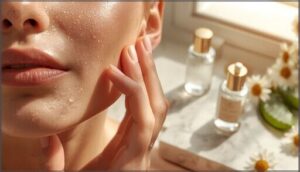
One of the first signs your moisturizer is working? You’ll notice smoother skin texture within days. Ingredients like glycerin and hyaluronic acid boost moisture levels and hydration balance, while emollients coat your skin to reduce friction.
If you have oily skin, focus on lightweight, oil-free moisturizers that hydrate without clogging pores or adding unwanted shine.
This texture refinement enhances skin barrier function and can even minimize the appearance of pores. Touch your cheek—if it feels softer and more supple, your moisturizing routine is paying off.
Reduction in Dryness and Flakiness

When your moisturizer works, flakiness disappears. Ingredients like urea and glycerin tackle dry skin causes by dissolving dead cells and boosting moisture retention, while occlusives seal hydration for effective skin barrier repair.
Within a week, you’ll see these hydrating skin improvements:
- White flakes vanish from your forehead and cheeks
- Rough patches soften noticeably with consistent hydration techniques
- Your moisturizer effectiveness shows through smoother, more uniform texture
That’s the difference between dry skin and truly hydrated skin health benefits.
Even Tone and Healthy Glow
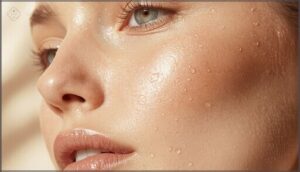
Uniformity marks real progress. When your moisturizer delivers proper tone correction and glow enhancement, you’ll notice light reflects evenly across your face—no patchy dullness or scattered dark spots disrupting your radiant complexion.
These skin brightening results signal genuine skin health benefits from hydrating skin properly. Your healthy skin habits create visible moisturizer effectiveness: that natural luminosity you see isn’t shimmer—it’s your barrier working right.
Lasting Comfort Throughout The Day

True all day hydration means your skin feels the same at 3 PM as it did at 8 AM—no sudden tightness or oily patches. When moisturizing delivers proper barrier support, you’ll experience steady comfort levels and skin flexibility.
- Your forehead stays soft through heated meetings
- Cheeks don’t itch under makeup by noon
- Dry skin around your nose stays calm
- No urge to reapply before evening
That daily skin balance proves your moisturizer works.
Warning Signs Your Moisturizer is Not Effective

Not every moisturizer works for every person, and that’s completely normal. Sometimes your skin will tell you loud and clear that a product isn’t the right fit.
Here are the warning signs that mean it’s time to switch things up.
Persistent Dryness or Tightness
When skin feels tight hours after moisturizing, something’s off. True hydration should feel comfortable all day, but ongoing tightness signals your moisturizer isn’t doing its job. This persistent discomfort often points to problems with moisture retention or skin barrier repair that need addressing.
| Dehydration Signs | What It Means | Action Needed |
|---|---|---|
| Tightness within hours | Poor moisture retention | Switch to occlusive-rich formula |
| Flaky patches persist | Weakened skin barrier repair | Add ceramides and fatty acids |
| Makeup catches on dry spots | Surface dehydration | Apply to damp skin |
| Itchy, uncomfortable feeling | Compromised skin pH balance | Use gentler cleanser |
| Tightness after cleansing | Stripped natural oils | Layer hydrating serum first |
If your dry skin never feels satisfied despite regular moisturizing, the formula might lack key humectants like glycerin or hyaluronic acid. Your skin needs ingredients that both attract water and lock it in—not just a surface coating that evaporates quickly.
Breakouts or Clogged Pores
If your skin suddenly sprouts new bumps or whiteheads after starting a moisturizer, you might be dealing with comedogenic ingredients that trap oil inside follicles. Here’s how to decode what’s happening:
- Breakout patterns: New pimples in your usual acne zones within days suggest pore clogging from heavy oils or butters
- Skin purging: Active ingredients like retinol cause temporary bumps for 2-4 weeks as they speed cell turnover
- Persistent clusters: Whiteheads that won’t quit after 6 weeks signal true comedogenic trouble, not adjustment
- Location matters: Sudden forehead or chin breakouts often point to occlusive formulas overwhelming sebum-rich areas
- Test pattern: Breakouts clear when you stop, return when you restart—that’s your smoking gun
For acne-prone skin or sensitive skin types, switching to non-comedogenic, water-based formulas helps prevent these acne triggers while maintaining proper skin care hydration.
Redness, Stinging, or Irritation
When your face starts burning the second you smooth on cream, that’s your skin waving a red flag. Dermatologist advice is clear: immediate stinging causes often mean your barrier is compromised or the formula contains irritant ingredients your skin can’t handle.
| Reaction Type | What You’ll Notice | Likely Cause |
|---|---|---|
| Immediate sting | Sharp burning within seconds | Fragrance, alcohols, damaged barrier |
| Delayed burn | Discomfort 5-10 minutes later | Acids penetrating cracked skin |
| Hot patches | Visible swelling, intense redness | Allergic reaction, essential oils |
| Persistent irritation | Redness that won’t fade | Contact allergy, wrong pH |
| Worsening symptoms | Reaction intensifies with use | Cumulative sensitivity buildup |
These sensitive reactions—especially redness signs paired with flaking—demand you stop immediately. Sensitive skin types need fragrance-free, minimal-ingredient formulas. Patch test new products for 24 hours, and when skin conditions flare, switch to bland moisturizers while consulting a dermatologist. Your comfort matters more than finishing that fancy jar.
Greasiness or Product Buildup
While irritation screams “wrong product,” greasiness whispers the same message in a different way. If your face looks shiny and feels slick fifteen minutes after applying moisturizer, that’s excess residue sitting on top instead of absorbing.
This product buildup often means the formula’s too heavy for your skin type—think occlusive ingredients like thick butters overwhelming oily zones, leading to pore congestion and that greasy texture you can’t ignore.
How to Assess Moisturizer Effectiveness
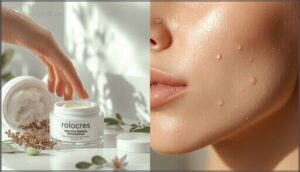
You can’t just guess whether your moisturizer is working—you need a clear-eyed way to track what’s actually happening with your skin.
The good news is that evaluating effectiveness doesn’t require fancy equipment or a dermatology degree. Here are three practical methods to objectively measure whether your moisturizer is delivering real results.
Before and After Photos
Photos capture what you might miss in the mirror. For the clearest read on moisturizer effectiveness, try these image comparison strategies:
- Photo lighting tips: Use soft, consistent light at the same time each day to reveal real changes in skin texture and hydration without shadows masking progress.
- Camera angles: Keep distance and framing identical so pore size and dryness stay comparable between shots.
- Moisturizer tracking: Snap weekly bare-face photos to document gradual improvements your skin type shows over time.
Monitoring Skin Changes Over Time
A week of snapshots sets the stage—now a daily rhythm reveals real progress. Check your face at the same time each morning in natural light, noting dryness, tightness, and comfort. Track moisture levels in a quick note on your phone.
After two weeks, you’ll spot hydration trends that photos alone can miss, and you’ll know whether your moisturizer truly enhances barrier repair and skin health.
| What to Track | What It Tells You |
|---|---|
| Tight or itchy spots | Barrier needs more support |
| Shine and comfort balance | Hydration is improving |
| Flakes or rough patches | Formula may not suit skin type |
| All-day softness | Moisturizer is working well |
Adjusting Application Technique
Tracking your skin is smart—adjusting how you apply moisturizer makes those insights actionable.
Application timing matters: smooth it on within three minutes of cleansing, while your face is still slightly damp, to lock in more water. Use gentle strokes and light skin massage in upward motions to boost absorption rates without irritating sensitive zones.
Product layering order counts too—serums first, then moisturizer, so lighter formulas don’t sit trapped under heavier creams.
Choosing The Right Moisturizer for Your Skin

The best moisturizer for you depends on understanding your unique skin needs and choosing the right formula to match.
When you know what to look for, selecting a moisturizer becomes straightforward rather than overwhelming.
Let’s break down how to find your perfect match.
Identifying Your Skin Type
Your skin type shapes which moisturizer actually works for you. To pinpoint yours, try these simple approaches:
- The bare face method – Cleanse, wait an hour, then notice if your skin feels tight (dry skin), shiny everywhere (oily skin), or shiny only on your T-zone while cheeks stay calm (combination skin).
- Blotting paper test – Press paper on different facial areas after cleansing to see where oil appears.
- Daily pattern clues – Track when shine or tightness develops throughout your day.
Moisture levels, pore size, and skin sensitivity all shift between skin types, so facial analysis gives you the clearest picture.
Key Ingredients for Different Needs
Different skin concerns call for different moisturizer ingredients. If you’re battling dehydration, look for humectant benefits from hyaluronic acid and glycerin—they pull water into your skin.
Very dry skin type needs occlusive properties like petrolatum to lock everything in. Rough texture reacts to emollient effects from squalane, while barrier repair ingredients such as ceramides and niacinamide rebuild what’s broken, strengthening your skin’s natural defenses.
Non-Comedogenic and Fragrance-Free Options
If you deal with skin sensitivity or acne, non-comedogenic and fragrance-free product labels become your best friends. These moisturizer choices minimize clogged pores and reduce allergy prevention concerns—fragrance ranks as one of the most common allergens in skincare.
Dermatologist recommendations often prioritize these fragrance-free formulas for sensitive skin and specific skin type needs, though you’ll still want to verify ingredient safety by checking the full list yourself.
Tips for Maximizing Moisturizer Results
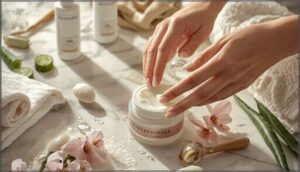
Even the best moisturizer won’t deliver results if you’re not using it correctly. Your application technique and skincare routine make a real difference in how well your skin responds.
Here are three proven strategies to get the most out of your moisturizer.
Applying to Clean, Damp Skin
Timing matters more than you might think. When you apply moisturizer to clean, damp skin—ideally within 60 seconds of cleansing—you trap that leftover water before it evaporates.
Apply moisturizer within 60 seconds of cleansing on damp skin to trap water before it evaporates
This simple step boosts moisturizer absorption and locks in hydration far better than slathering product onto completely dry skin. Pat your face gently, leave it slightly damp, then smooth on your cream using gentle application methods for maximum skin hydration tips.
Layering With Other Skincare Products
Your skincare routine works best when you layer in the right order. Apply serums before moisturizer—hyaluronic acid or niacinamide go first, then your cream. Wait 30 to 60 seconds between layers so each product absorbs properly.
This serum layering protects your skin barrier and helps maintain moisture levels. Always finish your daily routine with sunscreen as the final step for complete hydration and protection.
Consistency and Patience in Use
Most people expect instant results, but real moisturizer effectiveness takes time. You need at least two weeks of daily routine use to see genuine improvements in moisture levels and skin hydration.
Track your progress with skin tracking, and resist product testing every few days. The long term benefits of skincare routine optimization come from sticking with one moisturizer consistently—your skin care routine pays off when you commit.
Frequently Asked Questions (FAQs)
How do I know if moisturizer is working?
Your skin should feel comfortable and flexible, not tight or itchy.
Within two weeks, you’ll notice softer texture, less flakiness, and better moisture retention—clear signs of improved hydration levels and barrier repair.
How long does it take for moisturizer to show results?
You’ll feel softer skin within minutes, but meaningful hydration effects and skin barrier repair take about two to four weeks—roughly matching one complete cellular turnover cycle for true moisturizer effectiveness.
What are the signs of a good moisturizer?
The proof is in the pudding: a good moisturizer absorbs quickly, leaving skin soft and comfortable for hours without greasiness, stinging, or breakouts, while visibly improving texture and glow over time.
What should your skin feel like after moisturizing?
Right after you apply moisturizer, expect your skin to feel comfortably hydrated and supple within minutes. Tightness should ease quickly, leaving a soft, smooth texture that isn’t greasy or heavy.
How long before switching moisturizers if ineffective?
Give your formula about two to four weeks—that’s one complete skin renewal cycle. This timeline allows proper hydration levels and skin barrier repair to show.
Stop sooner only if you notice product irritation like stinging or new breakouts.
Can moisturizer effectiveness change with seasonal shifts?
Yes—your skin’s moisture levels shift with climate changes.
Cold, dry air weakens your skin barrier and increases water loss, while humidity affects how hydrating ingredients perform, making seasonal moisturizer adjustments essential for maintaining skin hydration year-round.
Should moisturizer feel different on various face areas?
Your face isn’t one big uniform canvas—it’s a patchwork of oil zones, dry spots, and sensitive patches. So yes, moisturizer should feel different on your T-zone versus your cheeks.
Do expensive moisturizers work better than affordable ones?
Not necessarily. Affordable moisturizers often contain the same core ingredients—glycerin, ceramides, hyaluronic acid—as luxury creams.
Price reflects marketing and packaging more than ingredient quality or moisturizer effectiveness, so choose based on your specific skin needs.
Can drinking water replace using a facial moisturizer?
Think of hydration levels like filling a bucket with a crack—your water intake refills it, but without a moisturizer sealing your skin barrier, transepidermal water loss drains facial hydration right back out.
Conclusion
Think of your moisturizer like a good pair of shoes—it shouldn’t announce itself after you’ve been wearing it all day. If your skin feels comfortable from morning to night, looks smooth and calm, and doesn’t send distress signals like tightness or flakiness, you’ve found your match.
Learning how to tell if your moisturizer is working comes down to listening to what your skin tells you consistently, not just in the first five minutes after application.