This site is supported by our readers. We may earn a commission, at no cost to you, if you purchase through links. This content is for general informational and educational purposes only and is not a substitute for professional medical, dermatological, or nutritional advice.
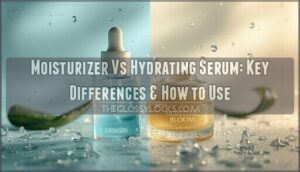
Most people assume moisturizer and a hydrating serum do the same thing—slap one on, call it done. But that’s a bit like thinking sunscreen and an umbrella are interchangeable just because both keep you dry. They solve related problems in completely different ways.
Skin can be moisturized but still feel tight and parched, or hydrated yet flaky—because hydration and moisture aren’t the same thing. Understanding the difference between moisturizer and hydrating serum means you stop guessing and start giving your skin exactly what it needs, in the right order, at the right time.
Table Of Contents
- Key Takeaways
- Moisturizer Vs Hydrating Serum: Key Differences
- What is a Moisturizer?
- What is a Hydrating Serum?
- How Moisturizers and Serums Benefit Skin
- Choosing The Right Product for Your Skin Type
- Application Order: Serum or Moisturizer First?
- Key Ingredients: What to Look For
- Top 4 Moisturizers and Hydrating Serums
- Expert Tips for Hydrated, Healthy Skin
- Frequently Asked Questions (FAQs)
- Is hydrating serum better than moisturizer?
- Can I use a hydrating serum as a moisturizer?
- Which is better, moisturizing or hydrating?
- Can you use serum without a moisturizer?
- How often should you replace these products?
- Do serums or moisturizers expire faster?
- Are drugstore options as effective as luxury brands?
- Can men benefit from using hydrating serums?
- Conclusion
Key Takeaways
- Serums hydrate by pulling water deep into your skin, while moisturizers seal that moisture in — you actually need both, not just one or the other.
- Always apply your serum first on slightly damp skin, wait 30–60 seconds, then follow with moisturizer to lock everything in and get the most out of both products.
- Your skin type should guide your formula choices — oily skin does best with lightweight, non-comedogenic options, while dry skin needs richer emollients and occlusives to stop moisture from escaping.
- Drugstore serums and moisturizers can work just as well as luxury ones since you’re mostly paying for packaging and marketing, not better ingredients.
Moisturizer Vs Hydrating Serum: Key Differences
These two products often get lumped together, but they actually do very different jobs for your skin. Understanding what sets them apart can save you money and get you better results. Here’s what you need to know.
If you’re figuring out where to start, checking out top-rated sunscreens picked for men’s skin can make the whole comparison a lot more concrete.
Definition and Purpose
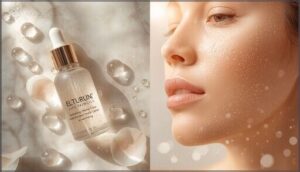
Think of your skin like a sponge inside a sealed bag. The hydrating serum fills that sponge with water — boosting skin hydration from within.
The moisturizer is the bag, maintaining moisture balance so nothing escapes. Both serve your skin barrier, but in completely different ways.
For a detailed explanation of how these products support various skin types and concerns, see expert recommendations.
| Hydrating Serum | Moisturizer | |
|---|---|---|
| Purpose | Boost water levels | Lock moisture in |
| Product Type | Lightweight hydrator | Cream or lotion |
| Key Benefit | Serum benefits skin deeply | Strengthens skin barrier |
How Each Product Works
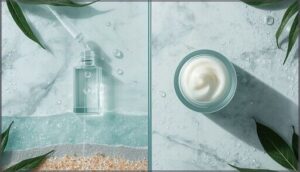
So now that you know what each product does, how do they actually work? A hydrating serum uses humectants like hyaluronic acid to pull water deep into skin — serum absorption happens fast, reaching below the surface.
A moisturizer then layers emollients and occlusives on top, locking that moisture in and reinforcing your facial barrier.
A helpful overview of the roles and differences between humectants, occlusives, and emollients can be found in this guide to moisturizer function.
| Step | Product |
|---|---|
| Pulls water in | Hydrating Serum |
| Locks moisture in | Moisturizer |
| Key ingredient | Hyaluronic Acid |
| Barrier support | Emollients & Occlusives |
Common Misconceptions
Even with solid product layering basics in hand, a few stubborn serum myths can quietly derail your routine. Many people believe a hydrating serum replaces their moisturizer — it doesn’t. Others assume only dry skin needs moisturizing. Not true.
| Misconception | The Real Deal | Fix |
|---|---|---|
| Serum replaces moisturizer | Serums hydrate; moisturizers seal | Use both |
| Only dry skin needs moisture | All skin types lose water daily | Match formula to skin type |
| Thick cream = more hydration | Thickness doesn’t equal humectants | Check ingredients, not texture |
| Oily skin skips moisturizer | Skipping triggers more oil | Choose a lightweight hydrator |
| Hydrating equals moisturizing | Different jobs, different products | Layer serum then moisturizer |
Avoiding these hydration mistakes keeps every skin type balanced.
What is a Moisturizer?
A moisturizer is your skin’s best defense against dryness, working on the surface to seal in hydration and keep moisture from escaping throughout the day. Think of it as a protective coat your skin wears to stay soft, calm, and comfortable.
Here’s what you need to know about how moisturizers are made, how they protect your skin, and which types might work best for you.
Typical Ingredients and Formulation
A good moisturizer is basically a three-part team working together. Your humectant profiles — glycerin and hyaluronic acid — pull water into the skin. Then emollient choices like squalane and jojoba smooth things over. Finally, occlusive ingredients such as shea butter seal everything in.
Most formulas land at a moisturizer pH between 4.5 and 6, keeping your skin barrier happy and balanced.
How Moisturizers Protect Skin
Your skin barrier is basically your body’s bouncer — and moisturizer is what keeps it working. By filling microscopic gaps with lipids, it locks hydration levels in and shuts irritants out. Occlusive ingredients like petrolatum can cut moisture loss by almost 99%. Emollients smooth the surface while supporting skin resilience over time.
Moisturizer is your skin’s bouncer — sealing hydration in and keeping irritants out
- Moisture Lock: Occlusives physically block evaporation, keeping skin supple
- Irritant Defense: A sealed barrier slows allergens and pollutants from sneaking in
- Daily Comfort: Consistent hydrator use means less tightness, flaking, and sensitivity
Types of Moisturizers
Not all moisturizers are built the same — and that’s actually a good thing. Humectant moisturizers, like gel moisturizers, pull water into your skin without any greasiness, making them perfect for oily types. Emollient creams soften and smooth drier skin by filling in surface gaps. And occlusive barriers seal everything in, preventing moisture loss.
Layering a hyaluronic acid serum underneath your moisturizer helps maximize skin hydration at a deeper level, no matter which moisturizer type you’re using.
Most formulas blend humectants, emollients, and occlusive ingredients together for balanced, all-day hydration.
What is a Hydrating Serum?
A hydrating serum is a lightweight formula packed with concentrated ingredients that absorb deep into your skin — not just sit on top. Think of it as the worker bee of your routine, doing the heavy lifting before your moisturizer seals everything in.
Here’s what makes these serums tick.
Common Ingredients in Serums
Think of a hydrating serum as a concentrated cocktail of active ingredients working hard beneath the surface. Hyaluronic acid pulls in moisture, while glycerin benefits your skin by keeping it soft without grease.
A ceramide complex rebuilds your barrier, niacinamide effects include brighter tone and balanced oil, and panthenol properties deliver lasting softness.
Many serums also include vitamin C for extra glow.
How Serums Deliver Hydration
Here’s what sets a serum apart: deep penetration. Its lightweight molecules slip through your outer skin layer and deliver humectant benefits right where it counts.
Hyaluronic acid — one of the best hydration boosters out there — can hold roughly 1,000 times its weight in water. That serum absorption happens fast, helping hydrate your skin and support skin barrier repair within minutes.
Types of Hydrating Serums
Not all hydrating serums are built the same. Water-based hydrating serums absorb roughly 20 percent faster than gel or oil-based options — great for layering.
Gel texture hydrating serums suit oily skin without greasiness. Oil-free hydrating serums keep pores clear.
Barrier repair hydrating serums rebuild with ceramides, while microbiome-friendly hydrating serums calm redness and support long-term hydration from the inside out.
How Moisturizers and Serums Benefit Skin
Both moisturizers and serums do real work for your skin — just in different ways. Understanding what each one actually does makes it a lot easier to know which one you need (and when).
Here’s a closer look at the benefits each brings to your routine.
Moisturizer Benefits Explained
Your skin barrier is basically the bouncer at the door — it decides what gets in and what stays out. A good moisturizer keeps that bouncer sharp.
You don’t need to spend a fortune to keep that barrier fortified — check out this guide to affordable men’s eye creams for budget picks packed with the same ceramides and hyaluronic acid as luxury brands.
Here’s what consistent moisturizing actually does for your facial health:
- Moisture Lock — Seals hydration so your skin doesn’t dry out between applications
- Barrier Repair — Replenishes ceramides and lipids that protect against irritants
- Hydration Boost — Plumps dry skin, softening fine lines caused by dehydration
- Reduced Sensitivity — Calms redness and reactive flare-ups on vulnerable skin
- Smoother Texture — Evens cell shedding for a naturally healthier glow
Hydrating Serum Benefits Explained
While moisturizers guard the surface, a good hydrating serum works deeper — pulling water into your skin like a sponge. Hyaluronic benefits are real: it holds up to 1,000 times its weight in water, giving your face that plump, bouncy feel. Better serum absorption also means facial radiance improves fast.
| Benefit | What You Notice |
|---|---|
| Deep Moisture | Tightness fades quickly |
| Skin Hydration | Smoother, softer texture |
When to Use Each Product
Knowing when to reach for each product is half the battle. Your Morning Routine calls for a hydrating serum first — skin loses moisture overnight, so a hydrator replenishes what was lost. Nighttime Care is where moisturizer really shines, sealing in repairs while you sleep.
- Use a serum when skin feels tight but looks oily — that’s dehydration, not dryness
- Layer moisturizer after your hydrator every single time for better Product Layering results
- Make a Seasonal Switch: richer moisturizer in winter, lighter gel in summer
- Daily Timing matters — Moisturizing and Hydrating both, morning and night, keeps your barrier strong
Choosing The Right Product for Your Skin Type
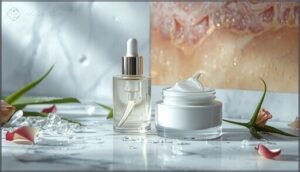
Not every skin type plays by the same rules, and using the wrong product can leave your skin worse off than before. The good news is that once you know what your skin actually needs, picking between a serum and a moisturizer gets a lot easier.
Here’s how to match the right product to your skin type.
Dry Vs. Dehydrated Skin Needs
Two different problems, two very different fixes. Dry skin lacks natural oils, so it needs a rich moisturizer with emollients and occlusives to seal in moisture and stop water loss. Dehydrated skin, though, is all about low moisture levels — a hydrator packed with hyaluronic acid draws water back in.
Dry flakes signal your skin barrier craves a cream; dullness and tightness often point to dehydration causes instead.
Oily and Combination Skin Considerations
Oily and combination skin types aren’t a lost cause — they just need smarter choices. A lightweight hydrating serum with glycerin or hyaluronic acid boosts hydration levels without adding grease.
Follow it with a non-comedogenic moisturizer aimed at oil control and shine reduction. For combination skin, focus richer layers on dry zones only.
Niacinamide helps with pore minimization and keeps skin balance in check.
Sensitive Skin Recommendations
Sensitive skin needs a little extra grace. Stick to simple, short ingredient lists — fewer actives mean fewer chances for irritation. Here’s what works:
- Use a fragrance free moisturizer with ceramides to rebuild your barrier
- Layer a gentle hydrating serum with hyaluronic acid underneath
- Patch test every new product before committing to your daily skincare routine
Less truly is more for your skin type.
Application Order: Serum or Moisturizer First?
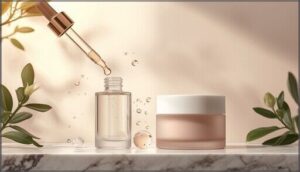
Getting the order right matters more than most people think. Apply your serum first, let it absorb for about 60 seconds, then follow with your moisturizer to lock everything in.
Here’s what to keep in mind to make that routine actually work.
Best Practices for Layering
Think of your skincare routine as getting dressed — you always put on a t-shirt before a jacket. The same logic applies to layering techniques for your facial routines. Apply your serum first, then moisturizer. That order facilitates better product absorption and helps hydrate effectively.
| Step | Product | Skin Texture Goal |
|---|---|---|
| 1 | Cleanser | Fresh, clean base |
| 2 | Hydrating Serum | Lightweight, dewy |
| 3 | Eye Cream | Smooth, firm |
| 4 | Moisturizer | Soft, nourished |
| 5 | SPF (AM only) | Protected, even |
Timing considerations matter too — wait 30 to 60 seconds between your serum and moisturizer so each layer actually settles into your skincare routine properly.
Tips for Maximum Absorption
Getting the most from your serum and moisturizer is really about a few smart skin hydration techniques layered together. Nail these, and your skin will thank you:
- Prep first — Skin preparation matters. Apply serum to slightly damp skin so humectants actually have water to grab onto.
- Use the right amount — 2–4 drops of serum, pea-sized moisturizer. Thin, even layers absorb faster.
- Try facial massage — Gentle pressing motions boost absorption techniques noticeably, helping product layering work deeper.
Common Mistakes to Avoid
Even small layering errors can undo a whole routine. Applying your moisturizer before your serum is a common product misuse — it blocks absorption. Skin type mistakes happen too, like oily skin skipping moisturizer entirely, which backfires.
Watch for ingredient incompatibility when mixing acids with hydrators.
And don’t forget daily protection oversights — sunscreen seals everything in and protects the work your serum and moisturizing techniques already did.
Key Ingredients: What to Look For
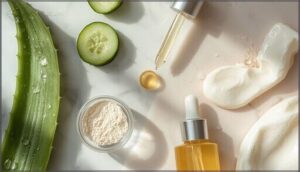
Once you understand how serums and moisturizers work, the next step is knowing what’s actually inside them. Ingredients are where the real differences show up — and where you can match a product to exactly what your skin needs. Here’s what to look for.
Humectants, Emollients, and Occlusives
Every moisturizer and hydrating serum relies on three workhorses: humectants, emollients, and occlusives — and knowing the difference changes how you shop. These ingredient interactions shape product texture and your skin’s moisture levels more than any marketing claim ever could.
- Humectants (like glycerin and hyaluronic acid) pull water into your skin barrier
- Emollients (like squalane and ceramides) smooth and soften by filling gaps between skin cells
- Occlusives (like dimethicone or petrolatum) seal everything in by forming a protective film on top
- Hydrators/serums lean humectant-heavy; moisturizers usually blend all three hydration types
Ingredients Suited for Different Skin Concerns
Your skin type is basically your roadmap for choosing the right ingredients.
For acne, salicylic acid and benzoyl peroxide are your go-to actives in a serum or moisturizer. Pigment faders like vitamin C and tranexamic acid target dark spots. Calming actives like niacinamide and cica soothe reactive skin.
And for oil control, zinc PCA keeps shine in check without stripping you dry.
Top 4 Moisturizers and Hydrating Serums
With so many products out there, narrowing it down can feel overwhelming. These four picks cover both moisturizers and hydrating serums worth knowing about.
Here’s a closer look at what makes each one stand out.
1. La Mer Moisturizing Cream
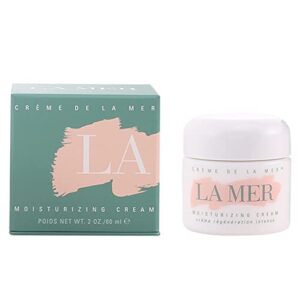
La Mer Moisturizing Cream is the kind of product that earns its legendary status — but only if it’s right for your skin. Central to it’s Miracle Broth, a fermented sea kelp elixir that takes three to four months to create.
It’s packed with occlusives like mineral oil and petrolatum, plus glycerin to draw in hydration. Best suited for dry or sensitive skin, this rich balm melts into a dewy finish and works beautifully as your final, sealing step.
| Best For | People with dry or sensitive skin who want a rich, deeply hydrating moisturizer they can use morning and night. |
|---|---|
| Hydration | Maintains moisture in cells |
| Anti-Aging | Improves skin texture and appearance |
| Skin Barrier | Nourishes and revitalizes skin |
| Skin Types | Sensitive skin suitable |
| Key Ingredients | Marine properties and vitamins |
| Price Range | Premium luxury pricing |
| Additional Features |
|
- The Miracle Broth formula (fermented sea kelp) is genuinely unique and hard to replicate
- Works great for sensitive skin — no parabens or phthalates, and the texture melts right in
- Pulls double duty as a day and night moisturizer, so you’re not buying two products
- It’s expensive, plain and simple — this is a splurge
- Counterfeit versions are out there, so you have to be careful where you buy it
- The rich formula can feel too heavy for oily or combination skin types
2. Augustinus Bader Face Cream
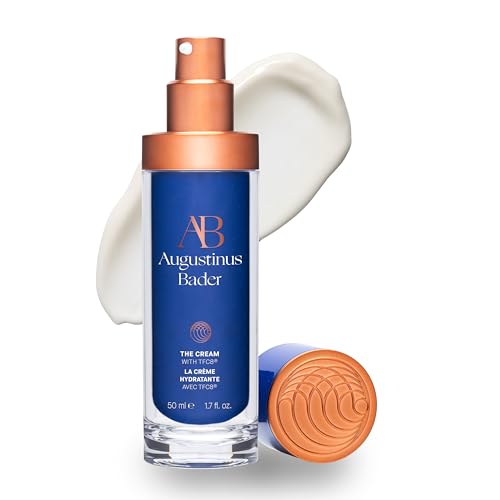
Where La Mer goes rich and balm-like, Augustinus Bader The Cream takes a lighter approach — and that’s exactly the point. At $315 for 1.7 oz, it’s an investment, but what you’re really paying for is the TFC8 technology, a blend of amino acids and vitamins designed to support your skin’s natural renewal process.
It absorbs quickly, sits beautifully under makeup, and works best for normal to dry or mature skin needing daily hydration, barrier support, and a gradual reduction in fine lines.
| Best For | Normal to dry or mature skin that needs daily hydration, barrier support, and help with fine lines — without a heavy, greasy feel. |
|---|---|
| Hydration | Long-lasting hydration and nourishment |
| Anti-Aging | Reduces fine lines and wrinkles |
| Skin Barrier | Skin barrier protection to lock in moisture |
| Skin Types | Normal to dry and mature skin |
| Key Ingredients | TFC8 technology complex |
| Price Range | $315.00 |
| Additional Features |
|
- TFC8 technology supports your skin’s natural renewal, so results feel earned, not just surface-level
- Lightweight texture absorbs fast and layers well under makeup
- Works on both men and women, tackling fine lines, redness, and uneven tone over time
- $315 for 1.7 oz is a real commitment — this isn’t an impulse buy
- Some repeat buyers noticed changes in consistency and hydration levels between batches
- The packaging can be fragile, with a few users dealing with broken caps before they even got started
3. Estee Lauder Night Repair Face Serum
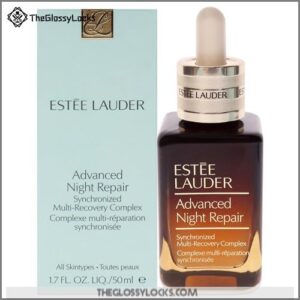
If creams aren’t your thing, the Estée Lauder Night Repair Serum might be your new best friend. At $130 for 1.7 oz, it punches well above its weight.
A few drops at night — or even in the morning — and it gets to work fast. It’s lightweight, absorbs quickly, and is packed with hyaluronic acid and a proprietary Night Peptide to visibly reduce fine lines and boost hydration.
Suitable for all skin types, including sensitive.
| Best For | Anyone who wants a lightweight, multi-tasking serum that tackles fine lines, dullness, and dryness all at once — works for all skin types and ages. |
|---|---|
| Hydration | Improves hydration and radiance |
| Anti-Aging | Visibly reduces multiple signs of aging |
| Skin Barrier | Strengthens and protects skin by day |
| Skin Types | All skin types and tones |
| Key Ingredients | Night peptide and hyaluronic acid |
| Price Range | $130.00 |
| Additional Features |
|
- Targets multiple signs of aging in one shot — lines, firmness, hydration, and radiance
- Lightweight formula absorbs fast, so no greasy or heavy feeling
- Works day or night, and suits all skin types including sensitive
- $130 for 1.7 oz is a tough pill to swallow for a lot of people
- Results can vary — not every skin type will see the same improvements
- The bottle runs out quicker than you’d hope at that price point
4. Lancome Advanced Genifique Face Serum
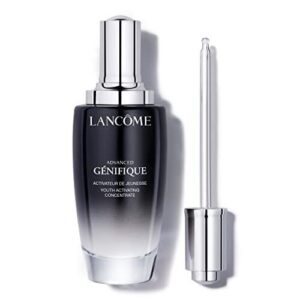
Want something that does a little bit of everything? Lancôme’s Enhanced Génifique Face Serum ($110 for 3.4 oz) covers a lot of ground. It blends 10% bifidus prebiotic with hyaluronic acid and vitamin Cg — brightening, hydrating, and strengthening your moisture barrier all at once.
The lightweight, silky formula absorbs fast and layers beautifully under your moisturizer. Clinical results showed a 52% boost in radiance after eight weeks. Suitable for all skin types, morning and night.
| Best For | Anyone who wants a multi-tasking serum that hydrates, brightens, and preps skin for the rest of their routine all in one step. |
|---|---|
| Hydration | Locks in moisture and hydrates |
| Anti-Aging | Improves elasticity and fine lines |
| Skin Barrier | Strengthens moisture barrier |
| Skin Types | Daily use, varied skin types |
| Key Ingredients | Bifidus Prebiotic and hyaluronic acid |
| Price Range | Premium pricing |
| Additional Features |
|
- Packs a solid trio of ingredients — bifidus prebiotic, hyaluronic acid, and vitamin Cg — that work together to hydrate and brighten
- Lightweight enough to layer under other serums and moisturizers without feeling heavy
- Clinically backed results for improved radiance, elasticity, and the look of fine lines
- At $110, it’s a real splurge compared to other serums on the market
- May not play well with sensitive skin types
- No clear guidance on how it interacts with stronger actives like retinol or acids
Expert Tips for Hydrated, Healthy Skin
Knowing the difference between a serum and a moisturizer is just the starting point. The real magic happens in how you actually use them together, day after day, season after season.
Here are a few expert tips to help you build a routine that keeps your skin genuinely happy.
Building an Effective Routine
Think of your skincare routine as a daily commitment — skip it too often, and your skin will let you know. Routine consistency is what actually moves the needle. A solid skincare routine keeps it simple:
- Morning Routines: Serum → Moisturizer → SPF
- Night: Serum → richer Moisturizer
- Product Layering: always thinnest to thickest by skin type
Daily hydration compounds over time.
Pairing Serums and Moisturizers
Pairing your serum and moisturizer correctly is where your skincare routine really starts to pay off. For best serum absorption, apply it first on slightly damp skin — humectants like hyaluronic acid pull water in more effectively that way.
Then seal everything with your moisturizer to boost moisture retention and improve skin texture over time. That’s product layering working exactly as it should.
Adapting to Seasonal Skin Needs
Your skin doesn’t stay the same all year — and your skincare routine shouldn’t either. Seasonal Skin Shifts are real. In winter, cold air and indoor heating drain moisture fast, so lean into richer moisturizers and hydrating serums for serious Winter Hydration Tips.
Summer calls for lighter textures. Think of Climate Adaptation and Humidity Control as your Skin Barrier Repair strategy — adjusting your routine keeps your overall skin health and hydration on track.
Frequently Asked Questions (FAQs)
Is hydrating serum better than moisturizer?
Neither wins outright. A hydrating serum boosts hydration levels deep down, while a moisturizer seals it in. For real skin health, your skin care routine needs both working together.
Can I use a hydrating serum as a moisturizer?
Sometimes, yes — but it depends on your skin type. If you’re oily or live somewhere humid, a hydrating serum alone can maintain healthy hydration levels without the extra moisture lock a moisturizer provides.
Which is better, moisturizing or hydrating?
Honestly? It’s not a competition. Your skin needs both — a serum to boost hydration levels and water retention, and a moisturizer to reinforce moisture barriers and support skin elasticity.
Together, they balance facial hydration perfectly.
Can you use serum without a moisturizer?
Yes, you can use a serum alone — but it depends on your skin type. Oily skin often fares fine, but dry or sensitive skin really needs that moisturizer to lock in hydration and support your skin barrier.
How often should you replace these products?
Think of skincare like leftovers — even good stuff goes bad. Most moisturizers and serums last 6 to 12 months after opening. When in doubt, check the PAO symbol and replace accordingly.
Do serums or moisturizers expire faster?
Neither expires faster by default — both usually last 6 to 12 months after opening. That said, serums with unstable active ingredients like vitamin C tend to lose effectiveness sooner.
Are drugstore options as effective as luxury brands?
Often, yes. For basic hydration, drugstore moisturizers and serums can match luxury ones ingredient-for-ingredient. The real price difference usually goes toward packaging and marketing, not product efficacy.
Can men benefit from using hydrating serums?
Absolutely — a hydrating serum fits right into any man’s daily skincare routine. It soothes post-shave irritation, fights male skin concerns like dullness, and delivers real serum benefits for smoother, healthier skin hydration.
Conclusion
Think of your skin as a sponge sitting under a sealed lid. The hydrating serum soaks the sponge—flooding cells with water from within. The moisturizer becomes the lid—locking every drop in place.
Once you truly grasp the difference between moisturizer and hydrating serum, guesswork leaves your routine for good. Serum first, moisturizer second, consistency always. Your skin doesn’t need more products—it needs the right ones, used the right way.