This site is supported by our readers. We may earn a commission, at no cost to you, if you purchase through links. This content is for general informational and educational purposes only and is not a substitute for professional medical, dermatological, or nutritional advice.

Working a night shift rewires more than your sleep schedule—it quietly dismantles your skin’s ability to repair itself. Your body expects darkness as a cue to boost ceramide production, accelerate cell turnover, and rebuild the lipid barrier.
When you’re under fluorescent lights at 2 a.m. instead, that repair window shrinks or disappears entirely.
Add dry hospital air, cortisol spikes from stress, and the dehydration that comes from forgetting to drink water mid-shift, and your skin takes a serious hit.
The right facial moisturizers for night shift workers don’t just add hydration—they compensate for a biological process your schedule keeps interrupting.
Table Of Contents
- Key Takeaways
- 10 Best Facial Moisturizers for Night Shift Workers
- 1. LANEIGE Lip Sleeping Mask
- 2. Grace Stella Vegan Under Eye Mask
- 3. ESARORA Ice Roller Face Eye Relief
- 4. CeraVe PM Facial Moisturizing Lotion
- 5. MAREE Collagen Retinol Hyaluronic Moisturizer
- 6. Eucerin Q10 Anti Wrinkle Night Cream
- 7. Cetaphil Night Hydrating Facial Moisturizer
- 8. Neutrogena Triple Age Night Cream
- 9. Burts Bees Calming Night Cream
- 10. Farmacy Ceramide Honey Face Moisturizer
- Night Shift Skin Problems
- Best Moisturizer Ingredients to Look For
- When to Apply Your Moisturizer
- Choosing The Right Formula
- Frequently Asked Questions (FAQs)
- Conclusion
Key Takeaways
- Night shift work disrupts your skin’s natural repair cycle by cutting into the window when your body normally boosts ceramide production and rebuilds the lipid barrier.
- Dry indoor air, dehydration, and elevated cortisol from sleep loss work together to weaken your skin barrier, drive breakouts, and leave skin looking dull and puffy.
- The best moisturizers for night shift workers should contain ceramides, hyaluronic acid, niacinamide, or glycerin — ingredients that actively repair your barrier rather than just sitting on top of it.
- Applying moisturizer within three minutes of cleansing on slightly damp skin dramatically improves how much hydration your skin actually holds onto.
10 Best Facial Moisturizers for Night Shift Workers
Your skin takes a real hit working overnight, and the right moisturizer makes a noticeable difference. These ten picks are chosen with night-shift skin specifically in mind — not just general hydration, but barrier support, fatigue recovery, and the kind of wear that holds up through long hours.
Pairing your moisturizer with smart hydration habits for dry, fatigued skin can help your barrier recover faster between shifts.
Here’s what’s worth your attention.
1. LANEIGE Lip Sleeping Mask
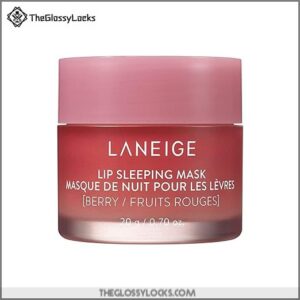
LANEIGE Lip Sleeping Mask is one small step that your nighttime routine actually needs.
Priced at $24 for 0.71 oz, it packs vitamin C, shea butter, murumuru butter, and a Berry Fruit Complex into a rich, balm-like texture that coats lips without feeling heavy.
The Moisture Wrap technology seals in hydration for up to eight hours — perfect when dry, climate-controlled air is stripping moisture all shift long.
Apply a small amount before bed, and you’ll wake up to noticeably softer, smoother lips.
| Best For | Anyone who deals with dry, chapped, or flaky lips and wants a simple overnight fix that actually works. |
|---|---|
| Price | $24.00 |
| Net Weight | 0.71 oz |
| Fragrance | Light berry scent |
| Skin Type | All lips |
| Key Ingredient | Vitamin C + shea butter |
| Texture | Rich and buttery |
| Additional Features |
|
- Wakes you up with noticeably softer, smoother lips after just one night
- Lightweight enough to wear without that heavy, goopy feeling most lip masks have
- Doubles as a subtle daytime gloss when you only need a little hydration
- $24 for 0.71 oz feels steep, especially compared to a basic drugstore balm
- The texture can feel thick or slightly sticky when you first apply it
- A small number of people experience dryness or sensitivity, so it’s worth patch testing first
2. Grace Stella Vegan Under Eye Mask
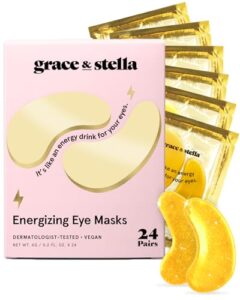
While your lips recover overnight, your under-eyes need the same attention.
The Grace & Stella Vegan Under Eye Masks come in 24 pairs per pack, each individually sealed for easy use on the go.
The gel patches combine glycerin, sodium hyaluronate, and allantoin to hydrate and soothe the thin, delicate skin under your eyes.
Wear them for 20–30 minutes, then pat in the remaining serum.
They won’t erase dark circles, but they do reduce puffiness and give tired eyes a noticeably fresher look.
| Best For | Anyone who wants a quick, easy way to de-puff tired eyes before a big event or as part of a morning routine. |
|---|---|
| Price | $16.99 |
| Net Weight | 2.4 oz |
| Fragrance | Unscented |
| Skin Type | All skin types |
| Key Ingredient | Cosmetic serum blend |
| Texture | Gel patch |
| Additional Features |
|
- Each pair is individually sealed, so they’re great for travel or tossing in your bag
- The cooling gel feels refreshing and gives under-eyes a noticeably brighter, more awake look
- Vegan and cruelty-free, with a solid mix of hydrating ingredients like hyaluronate and allantoin
- Won’t do much for dark circles — don’t expect a dramatic color change
- Sensitive skin types may feel some mild stinging, especially with the gold pads
- The patches can slip or not stick well depending on your face shape or if the gel is too wet
3. ESARORA Ice Roller Face Eye Relief
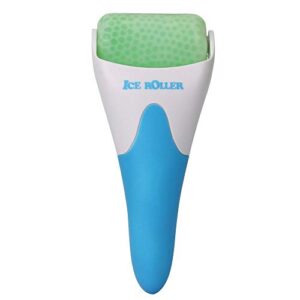
Cold therapy works differently than any serum or patch — and that’s exactly where the ESARORA Ice Roller steps in. Store the metal or gel-bead roller head in your freezer, and it’s ready to roll in minutes.
One pass across puffy cheeks or tired eyes delivers instant cooling that helps reduce swelling, calm redness, and close pores before you put on makeup. It won’t moisturize on its own, but paired with your serum routine, it makes a real difference.
| Best For | Anyone who deals with morning puffiness, migraines, or post-procedure redness and wants a quick, no-fuss cold therapy tool that fits into their skincare routine. |
|---|---|
| Price | $19.99 |
| Net Weight | 4.8 oz |
| Fragrance | Unscented |
| Skin Type | All skin types |
| Key Ingredient | Cold therapy (gel/metal) |
| Texture | Cooling roller |
| Additional Features |
|
- Two roller options (metal and gel-bead) so you can pick how fast it cools and how long it stays cold
- Silicone coating keeps it from tugging or sticking — just a smooth, comfortable glide
- Small and lightweight enough to use one-handed, even half-asleep in the morning
- You have to keep it in the fridge or freezer, so it’s not great for on-the-go use
- Some buyers have gotten defective units, which is frustrating given there’s no clear return policy
- The cold can feel pretty intense if your skin runs sensitive
4. CeraVe PM Facial Moisturizing Lotion
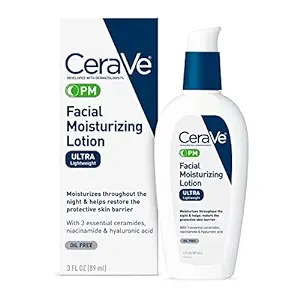
After soothing inflammation with cold therapy, your skin needs real hydration — and CeraVe PM delivers that without fuss. This oil-free lotion packs ceramides, hyaluronic acid, niacinamide, and glycerin into one fragrance-free formula that won’t clog pores.
Its MVE technology slowly releases moisture over several hours, so your barrier keeps getting support long after you’ve applied it.
At around $15 for a 3 oz bottle, it’s one of the most practical picks for any night shift routine.
| Best For | Anyone with sensitive, acne-prone, or rosacea-prone skin who wants a lightweight, no-fuss moisturizer that hydrates overnight without clogging pores. |
|---|---|
| Price | $14.97 |
| Net Weight | 3 oz |
| Fragrance | Fragrance-free |
| Skin Type | All skin types |
| Key Ingredient | Ceramides + hyaluronic acid |
| Texture | Ultra-lightweight lotion |
| Additional Features |
|
- Ceramides, hyaluronic acid, and niacinamide work together to rebuild your skin barrier and calm redness
- MVE technology keeps releasing moisture for up to 24 hours, so you’re not just hydrating once and done
- Oil-free, fragrance-free, and non-comedogenic — gentle enough for even the most reactive skin types
- The pump can get finicky near the end of the bottle, making it harder to get the last bit out
- Too light for very dry or severely compromised skin that needs something richer and more occlusive
- A small number of users have reported breakouts, so individual results can vary
5. MAREE Collagen Retinol Hyaluronic Moisturizer
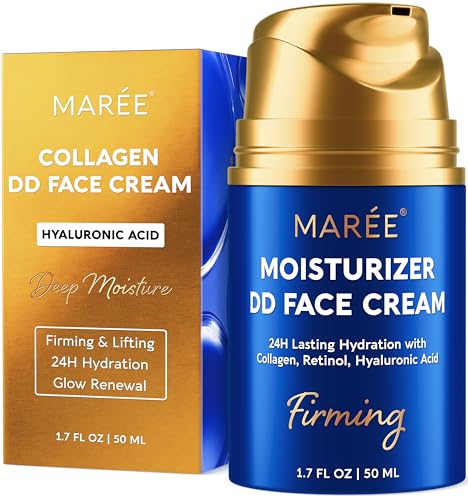
If your skin is starting to show the wear of overnight shifts, the MAREE Collagen Retinol Hyaluronic Moisturizer gives you a solid multi-tasker at just $9.99. It combines retinol for cell turnover, hyaluronic acid for moisture retention, and niacinamide to calm redness — all in a lightweight, non-comedogenic formula.
The avocado oil and panthenol add a nourishing cushion without heaviness.
One heads-up: retinol increases sun sensitivity, so always follow with SPF before your commute home.
| Best For | Anyone dealing with early signs of aging who wants a budget-friendly, lightweight moisturizer that pulls double duty day and night. |
|---|---|
| Price | $9.99 |
| Net Weight | 4.16 oz |
| Fragrance | Fragrance-free |
| Skin Type | Oily and dry |
| Key Ingredient | Retinol + collagen |
| Texture | Lightweight, non-greasy |
| Additional Features |
|
- Packs retinol, collagen, and hyaluronic acid into one $9.99 bottle — solid value for an anti-aging routine
- Lightweight and non-greasy, so it works under makeup or on its own without clogging pores
- Fragrance-free formula makes it a decent pick for sensitive skin
- Some users notice an odd smell despite the fragrance-free label
- Retinol can irritate sensitive skin, so a patch test is a smart move before going all in
- Not strong enough for serious dryness or deeper wrinkles — it’s more maintenance than correction
6. Eucerin Q10 Anti Wrinkle Night Cream
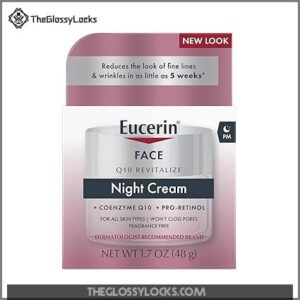
At $9.99, the Eucerin Q10 Anti-Wrinkle Night Cream punches well above its price.
Coenzyme Q10 works overnight to neutralize free radicals — the same ones your fluorescent work environment keeps generating — while Pro-Retinol aids cell renewal during sleep.
Macadamia nut oil and vitamin E round out the formula with barrier-nourishing fatty acids.
It’s fragrance-free, alcohol-free, and non-comedogenic, making it a safe pick for sensitive shift-worker skin.
Use it consistently every night, and you can expect smoother texture in about five weeks.
| Best For | Anyone with sensitive skin who wants an affordable, no-fuss anti-aging night cream they can use daily without irritation. |
|---|---|
| Price | $9.99 |
| Net Weight | 1.7 oz |
| Fragrance | Fragrance-free |
| Skin Type | Sensitive skin |
| Key Ingredient | Coenzyme Q10 + Pro-Retinol |
| Texture | Cream-gel |
| Additional Features |
|
- Packed with CoQ10, Pro-Retinol, and Vitamin E — solid anti-aging ingredients for under $10
- Fragrance-free, alcohol-free, and non-comedogenic — gentle enough for sensitive skin
- Consistent nightly use can visibly smooth skin texture in around five weeks
- Results on fine lines can be hit or miss — not everyone sees a noticeable difference
- The small 1.7 oz jar runs out faster than you’d hope for the price
- Texture leans a bit heavier, so it might not suit people who prefer a lightweight night cream
7. Cetaphil Night Hydrating Facial Moisturizer
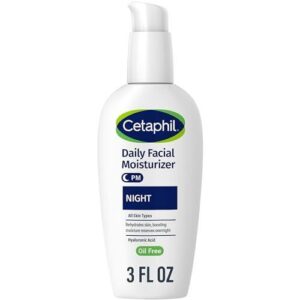
Cetaphil’s Night Hydrating Facial Moisturizer keeps things simple — and that’s exactly what your skin needs after a long overnight shift. At $14.24 for a 3 oz bottle, it delivers hydrolyzed hyaluronic acid and glycerin to pull moisture back into tired, depleted skin while you sleep.
The lightweight, oil-free formula absorbs without heaviness or pore congestion, making it practical for all skin types, including sensitive and acne-prone.
It won’t treat dark circles or fine lines, but reliable 24-hour hydration is a solid foundation for night-shift skin recovery.
| Best For | Night-shift workers and anyone with sensitive or acne-prone skin who wants no-fuss overnight hydration on a budget. |
|---|---|
| Price | $14.24 |
| Net Weight | 3 oz |
| Fragrance | Fragrance-free |
| Skin Type | All skin types |
| Key Ingredient | Hyaluronic acid |
| Texture | Lightweight lotion |
| Additional Features |
|
- Hyaluronic acid and glycerin work overnight to restore moisture without clogging pores
- Fragrance-free and gentle enough for sensitive or reactive skin
- Great value — $14.24 for a 3 oz bottle that lasts a while
- Too lightweight for very dry or mature skin that needs something richer
- No bonus actives like retinol or niacinamide if you want more than basic hydration
- A handful of users notice a slightly greasy feel despite the non-greasy claim
8. Neutrogena Triple Age Night Cream
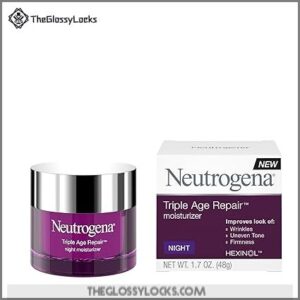
At $21.51 for 1.7 oz for Neutrogena Triple Age Night Cream packs a lot into a small jar. Its Hexinol technology targets wrinkle depth, uneven tone, and lost firmness — three issues night workers know well. Ascorbyl glucoside (vitamin C) helps fade the hyperpigmentation that builds up from constant screen and fluorescent light exposure.
Shea butter and dimethicone seal in overnight moisture without feeling greasy. One heads-up: the fragrance is strong, so if your skin is sensitive, patch-test first.
| Best For | Anyone in their 30s–50s dealing with fine lines, uneven skin tone, or dullness who wants an affordable, do-it-all night cream without a complicated routine. |
|---|---|
| Price | $21.51 |
| Net Weight | 1.7 oz |
| Fragrance | Strong fragrance |
| Skin Type | Normal to dry |
| Key Ingredient | Vitamin C + hexinol |
| Texture | Rich cream |
| Additional Features |
|
- Hexinol technology works on three aging concerns at once — wrinkle depth, firmness, and tone — so you’re not juggling multiple products
- Vitamin C helps fade dark spots and brighten skin over time, which is a nice bonus at this price point
- Shea butter and glycerin deliver real overnight moisture without that heavy, greasy feeling in the morning
- The fragrance is strong — if you’re sensitive to scent, it can cause irritation or headaches
- At 1.7 oz, the jar feels small for $21.51, especially if you use it generously every night
- A few buyers reported receiving unsealed or off-smelling product, so it’s worth buying from a trusted retailer
9. Burts Bees Calming Night Cream
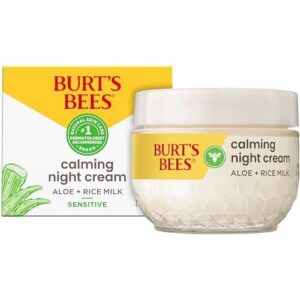
At $16.99, Burt’s Bees Sensitive Solutions Gentle Night Cream delivers solid value for tired skin on a budget.
Aloe and rice milk calm visible redness, while glycerin, squalane, and sunflower oil work together to restore your moisture barrier after a long shift.
It’s fragrance-free, non-comedogenic, and earned the National Eczema Association Seal — a meaningful credential for reactive skin.
One caveat: it’s not heavy enough for very dry skin types, so you may need an additional occlusive layer.
| Best For | Sensitive, combination, or acne-prone skin types looking for a clean, affordable night cream that hydrates without irritation. |
|---|---|
| Price | $16.99 |
| Net Weight | 1.8 oz |
| Fragrance | Fragrance-free |
| Skin Type | Sensitive skin |
| Key Ingredient | Aloe vera + squalane |
| Texture | Absorbs quickly |
| Additional Features |
|
- Nearly all-natural ingredients (98.8%) with aloe vera and rice milk to calm redness and restore your moisture barrier overnight
- Fragrance-free, paraben-free, and Leaping Bunny certified — great if you have reactive skin or care about clean formulas
- Lightweight and fast-absorbing, so it won’t clog pores or leave your face feeling greasy by morning
- Not rich enough for very dry skin — you may need to layer an occlusive on top
- Texture can vary between batches, with some users getting a runnier consistency than expected
- The 1.8 oz glass jar is small, breakable, and not the most travel-friendly option
10. Farmacy Ceramide Honey Face Moisturizer
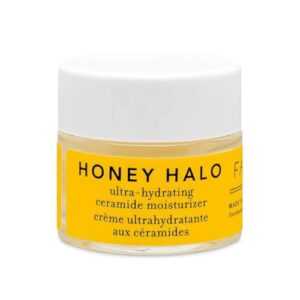
Honey isn’t just for tea. Farmacy’s Honey Halo packs buckwheat honey, ceramides, and glycerin into a rich, buttery formula that your barrier will genuinely thank you for after a brutal overnight shift.
Clinically, it delivers an 8x moisture boost after one use and improves barrier function within 8 hours — numbers that matter when dry air and fluorescent lights are working against you all night.
At $48 for 50 ml, it’s an investment, but a pea-sized amount goes a long way.
| Best For | Dry, mature, or treatment-sensitive skin that needs serious barrier support without a greasy finish. |
|---|---|
| Price | $13.00 |
| Net Weight | 1.45 oz |
| Fragrance | Light honey scent |
| Skin Type | Dry or mature |
| Key Ingredient | Buckwheat honey + ceramides |
| Texture | Rich and buttery |
| Additional Features |
|
- Buckwheat honey and ceramides work together to lock in moisture and rebuild your skin barrier over time.
- A little goes a long way — a pea-sized amount is genuinely enough, so the small jar lasts longer than you’d think.
- Sits nicely under sunscreen and makeup without pilling, and the light honey scent is pleasant without being overwhelming.
- At $13 for just 9 ml, the price-to-size ratio feels steep — especially if you’re using it daily.
- The rich texture can feel heavy on oily or acne-prone skin, and a few users reported breakouts from using too much.
- Some buyers ran into packaging issues like unsealed jars or formulas that were hard to scoop out cleanly.
Night Shift Skin Problems

Working nights takes a real toll on your skin, and it’s not just about looking tired. Your skin faces a specific set of challenges that most daytime routines simply aren’t built to handle.
Here’s what’s actually happening beneath the surface.
Dehydration During Long Overnight Hours
Dehydrated skin is one of the quietest problems night shift workers face. Cooler overnight temperatures blunt thirst, so your water intake drops without you noticing.
Watch your urine color as a simple check — dark yellow means you’re behind.
Build in a hydration break frequency of every hour, pair water with light electrolyte replenishment, and limit caffeine timing to your first few hours on shift.
Barrier Damage From Dry Indoor Air
While dehydration hits you from the inside, dry indoor air attacks from the outside — and hospitals, clinics, and office buildings are notorious for it.
Forced-air heating and cooling strip ambient moisture, triggering transepidermal water loss and weakening your skin barrier function faster than most people expect. Research shows stratum corneum water content can drop by nearly a third. Studies show that humidity below 30%RH accelerates transepidermal water loss and impairs skin barrier function.
Here’s what’s happening beneath the surface:
- Filaggrin downregulation reduces the proteins that hold your outer skin cells together
- Tight junction disruption loosens the seals between skin cells, letting irritants slip through
- Protein loss in the stratum corneum makes the surface rough and uneven
- Transepidermal water loss accelerates, leaving skin tight before it ever looks flaky
- Moisture retention drops even when ceramide levels stay normal — structure matters, not just lipids
Humidity control strategies like a small desk humidifier can limit this damage. Pair that with barrier repair moisturizers containing ceramides and glycerin, and your barrier restoration techniques actually have something to work with.
Dullness, Dark Circles, and Tired-looking Skin
Dry air weakens your barrier, but lost sleep dulls everything else. Sleep Quality Impact shows up fast — poor microcirculation leaves skin sallow, and Light Reflectance drops as dead cells accumulate.
Dark circles deepen when thin under-eye skin reveals vessels beneath.
| Sign | Cause | Fix |
|---|---|---|
| Dullness | Dead cell buildup | Overnight mask |
| Dark circles | Poor microcirculation | Eye cream with caffeine |
| Puffiness | Sleep deprivation | Eye Area Hydration serum |
Blue Light Shielding and a Microcirculation Boost from a hydrating serum make a visible difference.
Stress-related Oiliness and Breakouts
Lost sleep doesn’t just dull your skin — it also signals your body to pump out more cortisol. That cortisol-driven sebum floods pores, triggering the pore clogging pathway that turns into stress‑induced breakouts fast.
Lost sleep floods your pores with cortisol-driven sebum, turning stress directly into breakouts
Night shift workers deal with:
- CRH induced inflammation that makes blemishes angrier
- Microbiome imbalance feeding breakout cycles
- Delayed wound healing that keeps spots lingering
- Blocked pores demanding a noncomedogenic moisturizer for your skin barrier
Skin Disruption From Irregular Sleep Schedules
Your skin runs on a clock — and circadian rhythm disruption throws it completely off.
When your sleep schedule shifts constantly, barrier lipid synthesis slows, collagen production declines, and cellular repair delay means damage just stacks up.
Hormonal inflammation compounds the problem, raising increased water loss and skin dehydration.
| What Breaks Down | What You Notice | What Helps |
|---|---|---|
| Barrier repair | Tighter, rougher skin | Ceramide moisturizer |
| Collagen synthesis | Fine lines, less bounce | Peptide serum |
| Hydration retention | Dull, flaky patches | Hydration strategies at shift start |
Best Moisturizer Ingredients to Look For
Not all moisturizers are built the same, and for night shift workers, the ingredients list matters more than the brand name. Your skin faces a specific set of challenges — dehydration, barrier stress, disrupted repair cycles — so what’s inside the bottle has to actually address those issues.
Here’s what to look for.
Ceramides for Barrier Repair
Your skin barrier is basically a brick wall — ceramides are the mortar holding it together. After a night shift, that mortar wears thin.
Rebuilding that mortar doesn’t have to be expensive — a ceramide-rich anti-aging moisturizing cream can restore your barrier without breaking the bank.
Multi-ceramide formulas with the right ceramide lipid ratio (ceramide, cholesterol, and fatty acids) work best because they mirror your skin’s natural structure.
Look for ceramide type selection like NP, AP, or EOP.
Formulation stability factors and proper delivery mechanisms determine whether ceramides actually reach the barrier and do their job.
Hyaluronic Acid for Lasting Hydration

Think of hyaluronic acid as your skin’s water reservoir — it pulls moisture in and holds it there. Molecular weight effects matter here: lighter molecules penetrate deeper, while heavier ones stay on the surface. Cross-linked hyaluronic acid extends that hydration even longer.
Always apply to damp skin to boost overnight water retention, and pair it with a barrier moisturizer to reduce TEWL — especially useful during night shift hours.
Glycerin and Squalane for Moisture Retention

Glycerin and squalane work as a team, your skin actually needs. Glycerin is a humectant that draws water into the outer layers — a classic hydration layer formation move. Squalane, a lightweight lipid, manages the barrier sealing mechanism by mimicking your skin’s natural oils.
Together, they deliver:
- Humectant lipid synergy that keeps skin from drying out in air‑conditioned workplaces
- Lightweight occlusion benefits without clogging pores during long night shifts
- Extended moisture retention that holds up even when daytime sleep continues the repair cycle
Niacinamide for Oil Balance and Redness
Niacinamide does a lot of quiet work in your moisturizer. At 2–5% concentration, it regulates oil production, eases redness, and builds Barrier Strength — all things night shift skin needs.
| Benefit | What It Does |
|---|---|
| Oil Control | Reduces T-zone shine |
| Redness Relief | Calms stressed, reactive skin |
| Barrier Strength | Enhances ceramide production |
| Ingredient Pairing | Works well with hyaluronic acid |
| Ideal Concentration | 2–5% niacinamide is most effective |
Peptides for Overnight Recovery Support

Peptides are your skin’s overnight repair crew. Look for collagen peptides in night creams and overnight masks — Collagen Peptide Absorption improves with low molecular weight formulas, meaning they actually reach your skin cells.
Growth Hormone Peptides and Sleep Inducing Peptides support Circadian Peptide Timing, reinforcing your skin repair window while you rest.
Peptide Safety Limits in mind: stick to topical formulas for daily hydration.
Fragrance-free and Non-comedogenic Formulas
Beyond peptides, what you put on your skin matters just as much as what you leave out.
Label Verification is a smart habit — check for Ingredient Transparency and Simplified Formulas that skip added fragrance.
Fragrance-free, noncomedogenic moisturizers reduce Allergy Testing surprises and support your protective barrier without blocking pores.
Pore-Friendly Emollients keep hydration steady through every night shift, without the breakout risk.
Gel, Gel-cream, and Rich Cream Textures

Texture changes everything. Gels absorb fast, leave a matte finish, and keep oily skin comfortable through a long shift — solid portability factors for a bag that’s already full.
Gel-creams add a little more cushion without the weight. Rich creams offer stronger occlusion strength, locking moisture in dry or cold environments. Match your pick to how your skin feels after cleansing.
When to Apply Your Moisturizer

Timing matters just as much as what you put on your skin. Night shift schedules flip your routine upside down, so knowing exactly when to moisturize makes a real difference.
Here’s how to work it into each part of your day.
Pre-shift Moisturizing Routine
Before you head out, a quick pre-shift routine makes a real difference.
After cleansing — double-cleansing if you wore sunscreen — pat your skin dry gently, then layer your serum and moisturizer.
Warm the moisturizer between your palms first; it spreads more evenly. Let it absorb two to three minutes before sunscreen.
That serum-moisturizer synergy keeps hydration locked in through your entire shift.
Moisturizing Before Daytime Sleep
Daytime sleep brings its own challenge — dry indoor air pulls moisture from your skin while you rest. Before lying down, apply a hyaluronic acid serum on slightly damp skin, then seal it with an allergy-safe, fragrance-free moisturizer.
A hydrating mask once or twice weekly deepens nighttime skin hydration. Humidity management matters too — a portable facial mist nearby helps if you wake feeling tight.
Post-shift Cleansing and Hydration
After a long shift, your skin needs a reset. Start with the Double Cleanse Technique — an oil cleanser first, then a low-pH wash for Skin pH Balancing.
Pat dry with a Microfiber Towel; Use to avoid irritation. A Cool Down Roller reduces puffiness fast.
Follow with Mist Rehydration, then layer ceramides for skin barrier repair.
Your postshift skincare routine ends with a hydrating mask twice weekly.
Using The 3 Minute Rule
Think of your nighttime skincare routine like a pitch — you have three minutes, so make them count. Apply your moisturizer while your skin is still slightly damp for better moisture retention.
If you’re exfoliating before bed, these natural body exfoliation methods pair perfectly with a damp-skin moisturizer to lock in hydration overnight.
That’s your audience hook: damp skin absorbs hydration faster.
Keep the storytelling flow simple — cleanse, hydrate, seal. One clear takeaway, zero wasted time.
Smart time management means consistent skin barrier repair every shift.
Layering With Serums for Better Results
Serums work best when layered thin to thick — that’s the core of Serum Order Principles. Start with your antioxidant serum for a Morning Antioxidant Boost, then follow your Evening Repair Stack with hyaluronic acid before ceramides seal everything in. This Barrier-Boosting Sequence maximizes your postshift moisturizing results.
- Apply antioxidant serum first on clean skin
- Add hyaluronic acid while skin is still damp
- Use ceramide moisturizer to lock layers in
- Active Pairing Strategies mean one serum per concern — don’t stack too many actives
Pairing Moisturizer With Sunscreen for Commutes
Your moisturizer goes on first, sunscreen last — that’s the Layering Sequence that actually works. Let your moisturizer absorb fully for Quick Absorption before applying a broad-spectrum sunscreen with SPF 30 or higher.
SPF Compatibility matters here: don’t mix them or you’ll dilute the protection. Reapplication Frequency should be every two hours if you’re outside.
Travel-Friendly Packaging makes this easy to repeat.
Choosing The Right Formula
Not every moisturizer works the same way for every skin type, and that’s especially true when you’re running on a night shift schedule. Your skin has specific needs depending on whether it leans oily, dry, sensitive, or breakout-prone.
Here’s how to match the right formula to what your skin is actually asking for.
Best Picks for Oily Skin
Oily skin during night shifts is tricky — stress spikes sebum, and skipping moisturizer only makes it worse. Stick to non-comedogenic formulas with a gel-cream texture for lightweight hydration without the greasy finish.
Look for these sebum-regulating actives:
- Niacinamide for oil balance and redness control
- Hyaluronic acid for moisture retention without heaviness
- Glycerin for pore-friendly hydration
- Zinc PCA for active oil control
- Salicylic acid for balancing oil production and breakouts
Matte finish helps night shift workers stay comfortable through long hours.
Best Picks for Dry Skin
Dry skin and night shifts are a rough combination — your skin loses more water while you sleep during the day, and dry indoor air makes it worse. You need Deep Hydration Layers and Nightly Occlusive Options that actually seal moisture in.
| Ingredient | Role | Best For |
|---|---|---|
| Ceramides | Barrier‑Repair Boosters | Tight, flaky skin |
| Glycerin + Dimethicone | Moisture‑Locking Techniques | Long overnight wear |
| Squalane | Heavy Moisturizer Choice | Weather-beaten, rough patches |
Apply to damp skin for better moisture retention.
Best Picks for Sensitive Skin
Sensitive skin needs a simpler approach — fewer ingredients, fewer surprises. Look for Minimal Ingredient Lists with Calming Botanicals like centella asiatica, chamomile, or Soothing Oatmeal, which calm redness without stressing your barrier. Always follow Patch Testing Advice before committing to new night creams or hydrating serums.
- Fragrance-free and dye-free formulas
- Ceramides for barrier repair and moisture retention
- Gentle Use Tips: apply to clean, damp skin
- Sensitive skin care picks: colloidal oatmeal or panthenol base
Best Picks for Acne-prone Skin
Acne-prone skin during a night shift needs hydration without the pore-clogging risk. Look for Oil-Control Moisturizers and Matte Finish Gels that deliver barrier support without triggering breakouts.
| What to Look For | Why It Helps |
|---|---|
| Niacinamide + Barrier-Boosting Lotions | Balances oil, calms redness |
| Acne-Targeting Peptides | Promotes overnight repair |
| Pore-Refining Serums | Keeps pores clear during long shifts |
| Oil-free, non-comedogenic | Hydration without clogging |
Lightweight Vs Rich Moisturizers
Once you’ve nailed down your skin type, texture perception becomes your next guide. Lightweight gels absorb fast and won’t weigh you down mid-shift — ideal for oily types.
Richer creams lean on barrier occlusion and moisture retention techniques for dehydrated skin.
Seasonal swaps matter too:
- Gels suit humid summers
- Rich creams win in dry winters
- Gel-creams offer year-round formulation balance
- Both support skin hydration when hydrating ingredients match your skin’s needs
What to Avoid in Night Shift Skincare
Knowing what to reach for is half the battle — but knowing what to skip matters just as much.
Harsh cleansers, barrier strippers, and heavy fragrance can undo a solid routine fast. Strong actives layered together irritate already-stressed skin. Comedogenic triggers trap sweat and sebum, especially under mask friction.
Dry air and dehydration make all of this worse, turning small mistakes into real maskne flare-ups.
Frequently Asked Questions (FAQs)
How do you take care of your face at night shift?
Think of your skin as a night-guard clocking in without backup. Cleanse first, layer a humectant, and seal it.
Add Blue Light Protection, manage stress, and let your Sleep Environment do the rest.
What is the 3 minute rule for moisturizer?
Apply moisturizer within 3 minutes of cleansing while your skin is still slightly damp.
That short window matters more than most people realize, and understanding the best time of day to apply facial moisturizer can help you lock in hydration instead of letting it evaporate.
That brief moisture lock window seals in hydration before transepidermal water loss kicks in — a simple but effective skin barrier boost.
How often should night shift workers exfoliate?
Start with one to three times a week and adjust from there. Sensitive skin does better once weekly, while oily skin can handle two to three gentle sessions.
If you’re unsure which routine fits your skin type, this OARS + ALPS face and body wipes review breaks down how the formula’s caffeine and ginseng hold up across different skin types without causing irritation.
Do antioxidant serums help with shift work skin?
Yes. Night shift work increases oxidative stress, which dulls and damages skin. Antioxidant serums help with free radical scavenging, supporting skin brightening and hydration recovery after each shift.
Can diet improve skin health for shift workers?
Diet matters more than most people realize.
Omega-3-rich foods, antioxidant-rich meals, hydrating food choices, and low-glycemic snacks all support skin repair — making dietary recommendations for healthy skin just as important as what you put on your face.
Does poor sleep increase cortisol and cause breakouts?
Poor sleep triggers a cortisol surge that drives a sebum production spike, setting off an acne inflammatory cascade.
For night shift workers, circadian rhythm disruption and sleep deprivation hormones keep stress hormones elevated, making breakouts harder to control.
Conclusion
What’s the point of a solid skincare routine if your schedule keeps working against your skin? Night shift life isn’t changing anytime soon, but your skin doesn’t have to pay the price.
The right facial moisturizers for night shift workers do real work—rebuilding your barrier, locking in hydration, and supporting the recovery your body can’t fully complete on its own.
Pick the formula that fits your skin type and stay consistent. That’s what actually moves the needle.