This site is supported by our readers. We may earn a commission, at no cost to you, if you purchase through links. This content is for general informational and educational purposes only and is not a substitute for professional medical, dermatological, or nutritional advice.
Your razor takes 5 minutes a day. Your beard takes 20.
That gap adds up to over 90 hours a year, and $49 a month in oils, balms, and tools. Meanwhile, shaving irritates 57.6% of users, and a beard adds about 8 years to your perceived age. Neither choice comes free.
The clean shaven vs beard debate isn’t about which look wins. It’s about what each one costs you in time, skin, and first impressions, and what it gives back in confidence. Your face shape, your job, and your skin all vote. Here’s how to count the ballots.
Table Of Contents
- Key Takeaways
- Clean-Shaven Vs Beard: Key Differences at a Glance
- Beard Vs Clean-Shaven: Facial Features, Style, and Attractiveness
- Clean-Shaven Vs Beard: Skin Health and Irritation
- Shaving Vs Beard Care: Grooming Time, Tools, and Costs
- Choosing a Beard or Clean-Shaven Look for Your Lifestyle
- Frequently Asked Questions (FAQs)
- Is clean shaven better than beard?
- What is the 3-month rule for shaving?
- Do girls prefer beard or clean shaven?
- Why does clean shaven look better?
- Which is better, beard or clean shave?
- Do girls prefer clean-shaven or beard?
- Do beards attract females?
- Is it more hygienic to be clean-shaven?
- How does facial hair grooming affect confidence?
- What are the pros and cons of maintaining a beard?
- Conclusion
Key Takeaways
- Neither look wins outright, so let your face shape, your job, and your skin decide which one fits you.
- You’ll trade time for money either way: shaving takes about 5 minutes a day, while a beard takes 5 to 20 minutes and runs roughly $49 a month in oils, balms, and tools.
- Shaving irritates your skin (57.6% of users), and a beard needs regular washing and oil to avoid itch and acne, but both stay equally clean with good habits.
- A beard can make you look about 8 years older, and some jobs, like those requiring a tight-fitting respirator, mean you’ll need to stay clean-shaven.
Clean-Shaven Vs Beard: Key Differences at a Glance
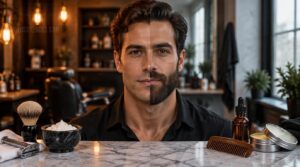
The choice between a beard and a clean shaven face comes down to trade-offs, and you should know them before you commit.
If you’re still weighing which tool suits your face, this shaver vs. trimmer vs. clipper comparison breaks down what each one does best.
Grooming time is the first split. A clean shaven look takes about 5 minutes a day. Beard styling averages 20. Cost flips the other way: beard care runs about $49 monthly in oils, balms, and tools, while shaving needs a quality razor, cream, and aftershave.
Skin health differs too. Shaving irritates 57.6% of users. Beards need washing 2 to 5 times weekly, but both styles hold similar bacteria when you keep them clean.
Professional perception matters. Corporate rooms still favor smooth faces, while creative fields welcome facial hair. Some jobs require a respirator seal, so you’ll shave daily.
Your face also changes with age, and a beard that looks patchy in your early twenties can enhance jaw definition once your bone structure matures in your late twenties or thirties.
Beard Vs Clean-Shaven: Facial Features, Style, and Attractiveness
Your face decides what works, and the right choice can sharpen everything you already have. Below, you’ll see how facial shape, age, attractiveness, and personal style shape the beard versus clean-shaven call. Use each point to find the look that feels like you.
Facial Shape and Definition
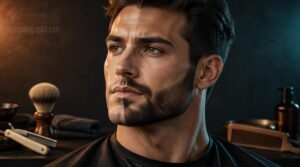
You can reshape your facial shape with beard styles, not your bones. A defined beard shape frames the jaw, hides asymmetry, and boosts facial symmetry. Want jawline enhancement? Follow your natural jaw.
| Face | Beard | Effect |
|---|---|---|
| Round | Longer chin | Elongates |
| Long | Fuller cheeks | Broadens |
Square jaws? Rounded edges soften them, while crisp edges sharpen them. Sparse cheeks limit what’s realistically possible.
Perceived Age and Masculinity

Your beard changes the story before you speak. Age perception shifts about 8 years older, and masculinity ratings climb with length.
If you’re weighing a trim against a full beard, this guide to how a beard can make you look older shows which lengths and styles add the most years.
| Look | Perception |
|---|---|
| Clean-shaven | Younger, friendlier |
| Stubble | Rugged, casual |
| Full beard | Mature, dominant |
That boosts leadership perception, but jawline enhancement still needs shape. Choose a length that matches the image you want to project at work. Wear it with confidence.
Attractiveness and Personal Preference

Looking older helps, but attractiveness depends on who’s looking. Your beard length shifts the odds.
| Look | Who leans toward it |
|---|---|
| Clean shaven | About 44% of women |
| Light stubble | Many women, short or long term |
| Heavy stubble | Rated top overall |
| Full beard | Older women, postmenopausal |
Your personal preference matters most. Test each look with solid grooming, then keep what feels sharpest.
Style and Self-Expression
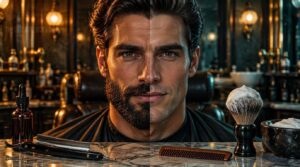
Identity shows up on your face before you say a word. Your facial hair choice is style you wear daily, and grooming makes it deliberate.
A simple routine built around washing, conditioning, and brushing, like this non-itchy beard care guide, keeps your beard soft and healthy.
Your facial hair is style you wear daily, announcing your identity before you speak, and grooming makes it deliberate
| Look | Signal | Upkeep |
|---|---|---|
| Beard | Experience, edge | Trim, oil |
| Clean-shaven | Approachable, sharp | Daily shave |
Pick the look that feels like you, then commit. Self-expression works best when it’s consistent, so sharpen your edges, and own it.
Clean-Shaven Vs Beard: Skin Health and Irritation
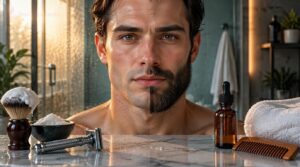
Your face takes the daily hit, whether you shave it or grow it out. Each look brings its own skin health trade-offs, and knowing them keeps you comfortable and confident. Here’s what to watch for with shaving irritation and ingrown hairs, then beard dryness, acne, and hygiene.
Shaving Irritation and Ingrown Hairs
Shaving costs your skin something. Razor burn stings, and ingrown hairs bump up fast.
| Habit | Result | Feeling |
|---|---|---|
| Dull blade | Skin irritation | Raw |
| Shave with the grain | Calm skin | Free |
Exfoliate before shaving, keep passes to two, and moisturize after. Use a sharp blade and slow strokes, about 30 to 45 degrees. Rush it, and you’ll pay for it tomorrow morning.
Beard Dryness, Acne, and Hygiene
Picture parched soil cracking under a sun-bleached thatch. That’s your jaw without moisture.
Beard dryness hurts skin health. Smart beard care means washing daily, then applying beard oils.
| Problem | Cause | Fix |
|---|---|---|
| Itch | Low sebum | Jojoba oil |
| Acne | Poor beard hygiene | Daily wash |
Skip scalp shampoo. It strips your skin’s acid mantle and leaves pores clogged. Use a gentle cleanser instead.
Shaving Vs Beard Care: Grooming Time, Tools, and Costs

One look demands a blade every morning. The other asks for a trimmer and patience.
Shaving costs you about 5 minutes daily, roughly 87 hours yearly of grooming time. Beard care runs 5 to 10 minutes, though you skip the blade entirely.
| Factor | Clean-Shaven | Beard |
|---|---|---|
| Daily time | 5 minutes | 5-10 minutes |
| Main tools | Razor, cream | Trimmer, oil |
| Yearly spend | ~$174 cartridges | ~$60-180 oils |
Switch to a safety razor and your product investment shrinks fast. The ~$55 starter setup pays for itself in about 26 weeks.
Over a lifetime, beard grooming averages 30 to 40% less than daily shaving, and fewer passes with a blade are kinder to your skin health. Pick the routine you’ll actually keep, and stick with it.
Choosing a Beard or Clean-Shaven Look for Your Lifestyle

Your face isn’t a fashion decision alone, it’s a daily fit with your work, comfort, and confidence. Three factors decide which look works best for you, and each one gets a quick check below. Run through them, and you’ll know whether to keep the beard, keep the razor, or move between both.
Workplace Grooming and Respirator Requirements
Your beard might stop at the job site gate. Tight-fitting respirators need skin contact, and OSHA doesn’t bend on that. Even a day of stubble breaks the seal.
Facing a respirator fit test? Shaving for it isn’t enough. You’ve got to stay clean-shaven every shift. Can’t shave? Ask about a PAPR or a reassignment.
Personal Style, Comfort, and Confidence
Your face isn’t a uniform. It’s the one piece of personal style you wear every day, so choose it on purpose.
Pick the look that feels like you. Light stubble reads approachable. A full beard signals authority. Clean-shaven keeps things neutral. Whichever you choose, a steady grooming routine builds confidence fast. Watch your skin health too, because comfort beats image every time.
Switching Between Beard and Clean-Shaven
Nothing says you have to pick one look forever. Switching between looks keeps your style fresh, but your skin needs a plan.
- Trim first: cut the beard short before shaving.
- Exfoliate gently, then apply pre-shave oil.
- Shave with the grain to limit razor burn.
- Moisturize daily while your skin recovers.
Growing out? Expect itch, so keep up your beard care.
Frequently Asked Questions (FAQs)
Is clean shaven better than beard?
Your face isn’t a contest with a winner. Neither look wins, because a clean shaven face and a beard are just two tools. Your skin health, grooming routine, and workplace rules decide which one fits you.
What is the 3-month rule for shaving?
Not a medical rule, and not about shaving more. The 3-month rule means you stop shaving for about three months before judging your beard. Patchy spots often fill in, so give it time before quitting.
Do girls prefer beard or clean shaven?
In one study, 19% of women preferred facial hair over clean-shaven faces. Beard attractiveness wins slightly, but grooming matters most. Trimmed lines beat scruff, and your skin health and confidence count too, so choose wisely.
Why does clean shaven look better?
Going cleanshaven puts your jaw and cheekbones on display. You get a youthful tidy impression, a sharper professional appearance, and better skin health. That’s confidence through appearance, and your razor does all the real work.
Which is better, beard or clean shave?
Why force a winner? Neither look wins outright. A beard adds maturity and edge, while a clean shaven face reads polished and flexible. Your skin health, grooming habits, and job should decide. Pick the one that boosts your confidence.
Do girls prefer clean-shaven or beard?
Women split on this, but the edge goes to well-groomed stubble. Heavy stubble tops attractiveness ratings, and fuller beards signal maturity. Your age, goals and grooming matter more than the facial hair itself.
Do beards attract females?
Yes, they can. Heavy stubble ranks highest for attractiveness, and polished facial hair signals masculinity and confidence.
But attraction isn’t universal. Your grooming and style matter, and preferences shift with each woman’s taste and context.
Is it more hygienic to be clean-shaven?
Not necessarily. Your hygiene habits matter more than your facial hair. A washed beard promotes skin health as well as a clean face, while shaving can cause razor burn and micro-abrasions that invite extra bacteria.
How does facial hair grooming affect confidence?
Think grooming is just vanity? It’s not.
Your routine shapes self-perception, and self-perception drives confidence. Whether you keep a beard or shave, consistent upkeep signals care, and that style makes your appearance feel like yours.
What are the pros and cons of maintaining a beard?
Your beard is a signature you rewrite daily. Done right, it frames your face and boosts attractiveness. But beard care, grooming costs, and constant maintenance add up, and slipping even briefly invites itchy, irritated skin.
Conclusion
A razor asks for minutes, a beard asks for devotion, yet both ask the same thing of you: commitment. The clean shaven vs beard choice isn’t permanent, so stop treating it like a verdict.
Let your face shape, your job, and your skin cast their votes. Grow it out for a season. Shave it off when work or winter calls. Your face is a draft, not a monument. Choose the one that feels like you.