This site is supported by our readers. We may earn a commission, at no cost to you, if you purchase through links. This content is for general informational and educational purposes only and is not a substitute for professional medical, dermatological, or nutritional advice.
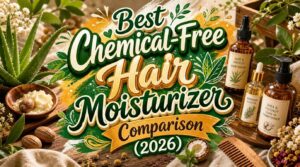
Chemical-free sounds reassuring until you realize water is a chemical. As a cosmetic chemist, I’ve watched that phrase sell a lot of products to people who deserved better information—and better moisturizers. What most labels actually mean is free from sulfates, silicones, and artificial fragrances, which is a genuinely useful distinction once you know what to look for.
Your hair type, porosity, and budget all shape which formula actually delivers, so a blanket "clean" claim won’t cut it.
This chemical-free hair moisturizer comparison breaks down five standout options by ingredients, performance, and real value.
Table Of Contents
Key Takeaways
- "Chemical-free is a marketing myth" — what actually matters is whether a formula skips sulfates, silicones, and synthetic fragrances, and whether the ingredient list backs that up.
- Your hair type, porosity, and scalp needs should drive your pick, not a clean-sounding label — fine oily roots, coils, color-treated strands, and sensitive scalps all need different formulas.
- Certifications like USDA Organic, Ecocert, Leaping Bunny, and B Corp aren’t interchangeable — each verifies a different part of the product’s story, from ingredients to manufacturing to ethics.
- Price per ounce, subscription savings, and long-term performance together tell the real value story — a $10 solid bar or a $28 custom cream can both win, depending on your routine.
Best Chemical-Free Hair Moisturizers Compared
Finding a truly clean moisturizer that actually works isn’t as simple as grabbing whatever says "natural" on the label.
Knowing which ingredients to look for—and which to avoid—makes all the difference, as this guide to moisturizers for dry skin breaks down clearly.
The five options below have been tested against real ingredient standards — no greenwashing, no vague claims. Here’s how they stack up.
Innersense Hydrating Hair Mask
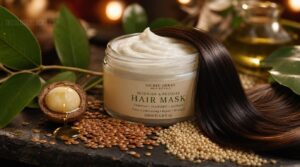
The Innersense Hydrating Hair Mask earns its spot honestly. Flaxseed omega acids and Tamanu frizz-fighting oils deliver truly deep hydration, while quinoa protein strengthens strands without stiffness. It’s vegan-friendly, silicone-free, and built on natural humectants your hair actually absorbs.
- Apply mid-length to ends
- Leave on 5–10 minutes
- Rinse thoroughly
- Repeat weekly for lasting hair moisture retention
Prose Custom Curl Cream
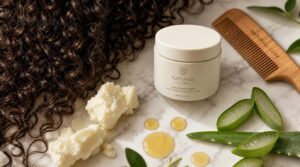
If you love the idea of a mask doing the heavy lifting, Prose Custom Curl Cream takes personalization further. Their Quiz Formula builds a Custom Oil Blend tailored to your curl pattern and porosity, while scent options are fully yours to choose or skip.
| Feature | Detail |
|---|---|
| Formula Type | Quiz-based custom formulas |
| Key Benefit | Curl definition + hair moisture retention |
| Vegan | Yes |
| Nontoxic products | Sulfate, paraben-free |
| Refresh Routine | Scrunch into damp hair |
Performance data demonstrates real frizz reduction without heaviness. The formula also includes a pre-shampoo scalp mask to support scalp health.
Sienna Naturals Moisturizers
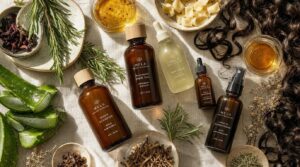
Sienna Naturals keeps things refreshingly honest. Their vegan formulations lean on botanical oils and plant-based humectants — real ingredient sourcing stories, not marketing fluff.
User trial results show genuine deep hydration without silicone buildup.
- Sulfate-free for hair moisture balance
- Organic ingredients, cruelty-free
- Nontoxic hair care safe for sensitive scalps
- Strong brand community engagement and transparent labeling
Briogeo Clean Hydrators
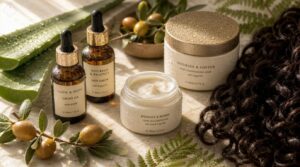
Briogeo takes a different angle — lightweight hydration that doesn’t ask your hair to compromise. Their Clean Hydrators skip silicones and parabens entirely, leaning on plant-derived humectants and an argan oil boost to deliver real moisture without the heavy afterfeel. You get that non-greasy finish curly and wavy types actually want.
| Feature | What It Means | Why It Matters |
|---|---|---|
| Silicone-Free Assurance | No coating agents | Prevents long-term buildup |
| Sulfate-Free Formula | Gentle cleansing base | Preserves scalp moisture balance |
| Lightweight Slip | Easy detangling texture | No residue on fine hair |
| Plant-Derived Humectants | Water-binding botanicals | Enhances deep hydration |
| Travel-Friendly Size | Compact packaging | Clean routine anywhere |
Ethique Zero-Waste Bars
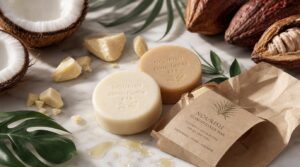
Solid bars might seem old-school, but Ethique’s zero-waste approach is genuinely smart chemistry.
Each bar replaces two to three bottled products, cutting water usage while delivering real conditioning through coconut oil and cocoa butter. Compostable packaging and plastic-free design eliminate checkout guilt.
Ingredient transparency—every component listed openly—makes them a trustworthy pick for vegan hair products on the go.
Clean Ingredient Criteria
Not every "clean" label on a moisturizer actually means clean — the ingredients list tells the real story. A few key markers separate the genuinely non-toxic formulas from the ones just riding a trend.
Here’s what to look for.
No SLS or SLES
SLS and SLES strip your scalp’s natural oils like a pressure washer on a flower bed — effective, sure, but way too aggressive. That’s why truly #SLSfree and #sulfatefree formulas swap in glucoside surfactants, like coco glucoside or decyl glucoside, for mild foaming that actually respects scalp sensitivity.
SLS strips your scalp like a pressure washer — glucoside surfactants clean without the damage
If you’re unsure, grab travel-size trials first. These allow you to test gentler cleansers without committing to full-size products.
Such silicone-free cleansers paired with nontoxic ingredients ensure your organic hair moisturizer works as intended, maintaining scalp health and product efficacy.
Sulfate-Free Moisture Support
Once you ditch sulfates, your scalp barrier finally gets a chance to breathe.
Pairing that switch with cruelty-free, sulfate-free hair care picks makes the whole routine feel better inside and out.
Sulfate-free formulas rely on ingredient synergy — pairing humectant properties from glycerin and betaine with lightweight oils like squalane for real moisture lock. That combination delivers deep hydration without buildup, even in high humidity.
Think of it as performance metrics you can actually feel: softer, bouncier hair from your organic hair moisturizer.
Plant-Derived Humectants
Glycerin and sorbitol — both pulled from plant sources — are the quiet workhorses of any good organic hair moisturizer. Their hygroscopic performance means they’re constantly pulling moisture from the air straight into your hair shaft. Here’s what makes plant-derived humectants worth understanding:
- Humectant Film Formation creates a light, clear barrier that slows water loss through daily humidity swings.
- Blend Ratios matter — formulators balance viscosity impact carefully so you get deep hydration without that sticky, heavy feeling.
- Sustainable Sourcing ensures natural ingredient sourcing from minimal-processing crops, which is a win for your hair and the planet.
Cold-Pressed Natural Oils
Cold-pressed carrier oils—argan, jojoba, rosehip—retain their nutrients because extraction occurs below 120°F without solvents. This low-heat process preserves omega fatty acids and natural antioxidants, delivering the nourishment hair needs.
You’ll notice flavor variability from batch to batch, a sign of real, minimally processed ingredients. Pair these oils with plant-derived humectants to enhance essential oil synergy, ensuring your organic hair moisturizer performs effectively.
Fragrance and Allergen Checks
Fragrance is sneaky — even "natural" scents like linalool and limonene can oxidize and become sensitizers. If you have a sensitive scalp, allergen labeling matters more than pretty packaging.
- Check the EU fragrance list for hydroxycitronellal sensitivity triggers
- Look for fragrance marker testing and patch test protocols on brand sites
- Choose fragrance-free over "hypoallergenic" — it’s the only term that actually means something
Clean formulation testing and allergen-free standards keep your scalp happy.
Moisturizer Benefits by Hair Type
Not every moisturizer works the same way for every head of hair, and that’s actually a good thing. The right formula depends a lot on your hair’s texture, density, and what it’s been through.
Here’s how different hair types stack up with clean moisturizers.
Curls and Coils
Curl porosity shapes moisture retention — especially for coils. Low porosity curls tend to resist water initially, making lightweight humectants like glycerin essential for effective hydration.
For enhanced coil definition and frizz control, an organic hair moisturizer with plant-based oils seals the cuticle beautifully. This approach ensures long-lasting manageability while nourishing the hair.
Heatless styling methods and dedicated nighttime care, such as the pineapple technique, safeguard curl moisturization during sleep, preserving your hair’s health and pattern.
Dry, Frizzy Hair
Coils need sealing — and so does dry, frizzy hair, just differently. When humidity hits lifted cuticles, moisture floods in unevenly, and that’s where frizz control falls apart. Heat styling damage makes things worse by stripping the lipid layer your hair depends on.
A good organic hair moisturizer rebuilds that barrier through real hydration and hair elasticity improvement.
- Environmental stressors like sun, wind, and chlorine raise cuticle roughness daily
- Hair nutrition from plant-based humectants boosts moisture retention by up to 28 percent
- Scalp hydration directly promotes healthier oil production and smoother strands
- Moisturizing hair with cold-pressed oils delivers both immediate shine and lasting protection
Fine, Oily Roots
Fine hair with oily roots needs a completely different approach. You’re not fighting dryness at the scalp — you’re managing sebum overload while still giving your lengths real hydration.
| Fine Hair Challenge | Smart Fix |
|---|---|
| Greasy roots fast | Lightweight Cleansing, silicone-free formulas |
| Flat, limp strands | Root Volume Boost techniques |
| Buildup between washes | Dry Shampoo Strategies + monthly Scalp Exfoliation Frequency |
| Oily mid-lengths | Paraben-free, organic hair moisturizer applied ends-only |
Oil control starts with placement — keep your organic hair moisturizer away from roots entirely.
Color-Treated Hair
Color-treated hair is a different beast. Dyeing lifts your cuticle, which means moisture escapes faster and pigment fade happens sooner than you’d expect.
That’s where sulfate-free hair care earns its place — it preserves dye depth, while an organic hair moisturizer with UV protection shields color from sun washout.
Paraben-free, Bond Repair formulas rebuild what processing weakened.
A good heat safeguard keeps your color longevity intact through styling.
Solid post-color hair care, simply put.
Sensitive Scalp Needs
A sensitive scalp is basically a compromised barrier — and the wrong moisturizer will make it angrier. Here’s what actually helps:
- Choose fragrance-free, hypoallergenic formulas to cut irritant exposure
- Look for pH balance around 4.5–5.5 for scalp comfort
- Use soothing botanicals like chamomile or Centella asiatica
- Try gentle exfoliation to clear buildup without stripping
- Always do a patch test before committing
Barrier repair, paraben-free ingredients, and real scalp hydration — that’s sensitive scalp care done right.
Price Per Ounce Comparison
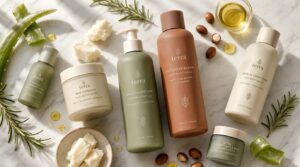
Price can be tricky with clean haircare, because the bottle cost doesn’t always tell the whole story. Breaking it down by ounce gives you a much clearer picture of what you’re actually paying for.
Here’s how the options stack up across every budget.
Budget-Friendly Options
You don’t need to spend a fortune to keep your natural hair routine clean and effective. Budget-friendly options usually run $0.20–$0.40 per ounce — real hydration without the premium markup.
| Product | Price Range |
|---|---|
| Sienna Naturals | $18–$28 |
| Ethique Bars | $10–$25 |
Affordable nontoxic products with organic ingredient sourcing genuinely deliver. Discount bundle savings push the value even further.
Mid-Range Clean Picks
Most mid-range clean picks land between $4–$9 per ounce — a sweet spot where performance benchmarks actually start getting interesting. You’re getting real plant-based ingredients, paraben-free and silicone-free formulas, and thoughtful fragrance options without overpaying.
| Product | Price Range |
|---|---|
| Innersense Hair Mask | $22–$30 |
| Prose Custom Curl Cream | $28 (subscription) |
| Briogeo Clean Hydrators | $12–$38 |
User experience improves noticeably here — better slip, longer shelf life, and travel compatibility in concentrated formats.
Premium Moisture Treatments
Premium picks exceed $4 per ounce — and honestly, you often get what you pay for. These formulas prioritize silicone-free bases, deep conditioning actives, and heat boosters that release extra moisture during styling. Lightweight humectants ensure balanced hydration without heaviness.
| Product | Key Feature | Price/oz |
|---|---|---|
| Lolavie Repair Treatment | Biomimetic peptides, silicone-free | ~$4.40 |
| 100% Pure Conditioner | Plant-derived humectants, argan oil | ~$4.20 |
| Prose Custom Curl Cream | Salon-quality, organic hair moisturizer | ~$4.00 |
Long-lasting slip and frizz control for 24 hours — that’s the real sell here.
Subscription Savings
Subscribing actually changes the math pretty quickly. Most brands drop prices 10–15% right away, and introductory pricing sweetens the first three months even further.
Loyalty points stack with bulk bundle discounts, so your affordable clean cosmetics habit gets cheaper over time. A price lock guarantee protects you from increases, and flexible delivery cadence means you’re never stuck overstocking.
| Brand | Subscription Saving | Extra Perk |
|---|---|---|
| Prose Custom Curl Cream | 15% off | Customization included |
| Briogeo Clean Hydrators | 10% off | Loyalty points earned |
| Sienna Naturals | 10–15% off | Flexible delivery cadence |
| Ethique Zero-Waste Bars | 10% off | Refillable hair product formats |
| 100% Pure Conditioner | 10% off | Bundle discount eligible |
Value Versus Performance
Price tells half the story. Long-term ROI means asking whether that organic hair moisturizer still performs three months in — not just on day one. Cost-benefit balance favors products with real product efficacy over flashy claims. Customer loyalty follows brands that deliver consistently, supporting sustainable growth for both your hair and your wallet.
| Brand | Price/oz | Value Payoff |
|---|---|---|
| Prose Custom Curl Cream | ~$3.50 | Individualized performance tradeoffs |
| Sienna Naturals | ~$2.80 | Budget-friendly skincare gains |
| Briogeo Clean Hydrators | ~$3.20 | Leave-in conditioner versatility |
| Ethique Bars | ~$2.00 | Zero-waste chemical-free shampoo value |
| 100% Pure Conditioner | ~$3.80 | Premium botanical efficacy |
Certifications Worth Comparing
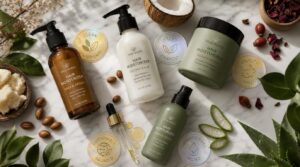
Not all certifications carry the same weight, and knowing which ones actually matter can save you from falling for greenwashing. A few key labels are worth looking up before you buy.
Here’s what each one tells you about the moisturizer in your hands.
USDA Organic Ingredients
The USDA Organic seal isn’t just a sticker — it’s a promise backed by real rules.
Here’s what it actually guarantees for your organic hair moisturizer:
- At least 95% certified organic processing with plant-based ingredients, free from synthetic farming inputs
- Full organic ingredient traceability across every supply chain step
- Annual audits enforcing non-synthetic farming rules and USDA seal guidelines
That’s genuine organic content percentages you can trust.
Ecocert Processing Standards
While the USDA seal certifies the ingredients of your organic hair moisturizer, Ecocert takes it further — verifying how it’s made.
This involves cleanroom handling to prevent contamination, strict traceability documentation from raw ingredient to finished jar, and the use of approved processing aids that won’t sneak unwanted residues into your formula.
Additionally, energy efficiency and waste management practices are audited, ensuring ingredient integrity throughout the entire process.
B-Corp Beauty Brands
B-Corp certification goes beyond how your organic hair moisturizer is made — it asks how the whole company behaves. Think Social Impact Metrics, Employee Benefit Programs, and Community Partnerships, all third-party verified.
BCorp brands also publish Supply Chain Transparency reports and Impact Reporting, ensuring accountability beyond just trusting the label.
For zero-waste and plant-derived humectants fans, it’s the certification that holds brands genuinely accountable.
Cruelty-Free Verification
B-Corp ensures brands remain honest on the business side, while cruelty-free labeling addresses a more personal concern: what happened before the product reached your hands. Certifications like Leaping Bunny and PETA enforce rigorous standards, including Supply Chain Transparency, Certification Audits, and Legal Market Restrictions compliance. These processes guarantee that labels reflect genuine practices.
Instant Logo Recognition on packaging signals a brand’s commitment to these ethical benchmarks. For consumers prioritizing clean beauty, vegan, and cruelty-free products, Ongoing Compliance checks ensure the certifications retain their integrity over time. This system transforms abstract values into tangible trust.
Sustainability and Packaging Differences
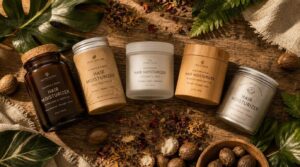
Choosing a clean moisturizer isn’t just about what’s inside the bottle — the bottle itself matters too. Brands are making very different choices regarding packaging, manufacturing, and where they source their ingredients.
Here’s how the options actually stack up.
Refillable Bottles
Refillable bottles are quietly changing the game for clean hair care. When you choose a brand that offers them, you’re cutting single-use plastic waste by up to 90% — and often saving money per ounce too.
Look for these features before buying:
- BPA-Free Materials that won’t leach chemicals into your organic hair moisturizer
- Standardized Cap Threads for cross-brand compatibility at any refill station
- Leak-Proof Seals with replaceable inner gaskets so nothing spills in your bag
- Refill Station Access at select retailers, lowering your cost per use over time
- Cleaning Guidelines recommending warm soapy water after each use to prevent buildup
Smart, sustainable packaging makes your chemical-free shampoo routine genuinely plastic-free.
Plastic-Negative Packaging
Plastic-negative packaging goes further than just using less plastic — it actively removes more from the supply chain than a product creates.
Brands back this up with Verified Offsets and Plastic Recovery Credits, funding real community cleanup projects.
Closed-Loop Systems, End-of-Life Design, and Transparent Material Reporting confirm the numbers aren’t just marketing.
For your organic hair moisturizer routine, that accountability genuinely matters.
Zero-Waste Moisturizer Bars
Switching to solid bars is one of the smartest moves for your zero waste routine. These compact bars ditch plastic-free packaging entirely, ship in compostable wrappers, and are genuinely travel-friendly.
- Solid Bar Benefits — concentrated, no water filler
- Application Emulsion Tips — rub between damp palms first
- Bar Shelf Life — 12–24 months stored dry
- Refill Incentive Programs — return tins for discounts
- Chemical-free, organic hair moisturizer ingredients with sustainable packaging
Their eco-conscious design combines practicality with sustainability, offering long-lasting performance without compromising on ethics or efficacy.
Carbon-Neutral Manufacturing
Some brands don’t just talk about being eco-friendly — they’ve rewired how their factories actually run. Carbon-neutral manufacturing means tackling emissions at every step, from Onsite Solar Integration to Green Hydrogen Adoption in processing.
| Manufacturing Practice | Emission Impact |
|---|---|
| Onsite solar panels | Cuts grid carbon up to 20% |
| Green electricity contracts | Reduces scope 2 emissions 30–60% |
| Electrified heating systems | Lowers process CO₂ by 15–40% |
| Energy Efficiency Audits | Trims waste energy 5–15% |
| Carbon Offset Strategies | Neutralizes remaining residual emissions |
Climate-neutral brands using Renewable Energy Sourcing give your organic hair moisturizer a cleaner backstory than most.
Regenerative Ingredient Sourcing
What you put on your hair starts in the soil. Regenerative ingredient sourcing relies on sustainable farming practices like cover crops and no-till fields, delivering real Cover Crop Benefits for soil carbon sequestration.
Regenerative Farm Audits verify these practices, while Blockchain Traceability empowers you to confirm them independently.
Farmer Income Premiums, fair trade sourcing, and organic certification ensure your plant-based ingredients carry a cleaner, fairer story from root to bottle.
How to Choose Yours
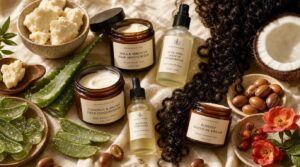
Picking the right moisturizer doesn’t have to feel overwhelming, even with so many solid options out there. A few key checkpoints can narrow things down fast and save you from buyer’s remorse.
Here’s what to look at before you commit.
Match Your Scalp Type
Oily Scalp Solutions lean on lightweight humectants like glycerin — no heavy oils needed.
Dry Scalp Hydration calls for richer plant-based ingredients like squalane.
Combination Scalp Strategy means targeting zones separately.
Sensitive Scalp Care needs fragrance-free formulas with soothing botanicals.
Normal Scalp Balance just needs consistency.
Get this right, and your organic hair moisturizer actually works.
Compare Hydration Claims
Once your scalp type is sorted, look closer at what brands actually promise — and whether they can back it up.
- Hydration index values can range from 0.9 to 1.6 depending on formulation
- Humectant potency matters: glycerin in plant-derived humectants draws and holds moisture effectively
- Water retention testing separates real results from marketing language
- Claim transparency means electrolyte dosage and ingredients align with the label
- Paraben-free and silicone-free don’t automatically equal better hydration in your organic hair moisturizer
Check Ingredient Transparency
Knowing what’s in your bottle matters just as much as what’s left out. Look for INCI Transparency — every ingredient listed by its international name, in order of concentration.
Better brands offer a Digital Ingredient Library, Sourcing Maps, and even Batch Traceability via QR Ingredient Scan codes on packaging.
| Transparency Feature | What to Look For |
|---|---|
| Ingredient Labeling | Full INCI names, allergens disclosed |
| Sourcing & Traceability | QR codes, lot numbers, supplier origins |
Balance Budget and Results
Once you know what’s in your product, the next question is whether it fits your life. Clean beauty doesn’t have to break the bank — it just needs smart Cost-Performance Alignment.
- Track your price-per-ounce for Budget Variance Analysis
- Factor in subscription savings (10–15%) for Revenue Forecast Accuracy
- Match Expense Tracking Efficiency by buying multi-use formulas
- Use hair health results as your Financial KPI Integration
Choose Your Best Formula
All the budget math means nothing if the formula doesn’t actually work for your hair. That’s where Ingredient Synergy comes in — matching your Hair Porosity to the right blend of plant-derived humectants, cold-pressed oils, and natural preservatives.
| Your Priority | Best Match |
|---|---|
| Curl definition | Vegan hair care with shea + cacao butter |
| Frizz control | Sulfate-free hair care with glycerin humectants |
| Sensitive scalp | Fragrance-free organic hair moisturizer |
| Seasonal Adjustments | Lightweight argan in summer, richer butters in winter |
| User Experience | Prose custom quiz for individualized Application Technique |
Frequently Asked Questions (FAQs)
Which is the best natural hair moisturizer?
No single product wins for everyone — your hair porosity, season, and scalp type all steer the answer.
A vegan hair care formula with plant-derived humectants and silicone-free, paraben-free ingredients usually leads the pack.
How long before results become noticeable?
Most people notice initial softness within one to two weeks.
Frizz reduction, visible shine, and cuticle hydration improvements follow around weeks two to four.
Scalp comfort, hair elasticity, and hair breakage reduction take four to eight weeks.
Do clean moisturizers expire faster than conventional ones?
Yes — but only sometimes.
A preservative-free, water-based organic hair moisturizer can expire in six months once opened, while an oil-based clean formula often outlasts conventional alternatives by remaining stable for years.
Can these products be layered with other styling products?
Most of these work beautifully in a layering order — moisturizer first, then leave-in, then a water-based gel for hold strength.
Match product compatibility to your hair porosity and finish consistency stays smooth, even in humidity.
Are chemical-free moisturizers safe during pregnancy?
Most "chemical-free" labels sound safe, but pregnancy changes your skin’s rules entirely.
Always do a patch test, review the ingredient list, and get a dermatologist consultation before using any organic hair moisturizer.
Conclusion
Funny how ‘chemical-free’ became the industry’s most chemical-laden promise—coated in vague claims and clever packaging.
But once you understand what actually matters, this chemical-free hair moisturizer comparison stops feeling overwhelming and starts feeling like a shopping list you can trust.
Your hair type, porosity, budget—those are the real filters.
Skip the marketing noise.
Match the formula to what your strands actually need, and the right moisturizer becomes less of a gamble and more of a given.