This site is supported by our readers. We may earn a commission, at no cost to you, if you purchase through links. This content is for general informational and educational purposes only and is not a substitute for professional medical, dermatological, or nutritional advice.
Razor bumps don’t discriminate—they show up whether you shave once a week or religiously follow a 10-step routine. I’ve seen it in my treatment room constantly: clients doing everything "right" and still dealing with those stubborn, painful little bumps that linger for weeks.
The frustrating truth is that preventing ingrowns isn’t about shaving harder or scrubbing more. It’s about using the right products, in the right order, with ingredients that actually target the problem at the follicle level. These ten picks cover every step of that process.
Table Of Contents
- Key Takeaways
- 10 Best Ingrown Prevention Products
- 1. Gillette Venus Soothing Post Shave Serum
- 2. Amazon Basic Hydrocortisone Cream
- 3. Tower 28 Hypochlorous Rescue Serum
- 4. Ingrown Hair Mist Treatment
- 5. HomeTop Classic Rubber Hot Water Bottle
- 6. Amazon Basics 99% Isopropyl Alcohol
- 7. Peach Lily KP Bump Body Scrub
- 8. Versed Retinol Body Firming Lotion
- 9. Starface Salicylic Acid Hydrocolloid Patches
- 10. Veet Sensitive Skin Hair Removal Cream
- What Causes Ingrown Hairs
- Ingredients That Prevent Ingrowns
- Best Formats by Body Area
- Post-Shave Prevention Routine
- When to See a Dermatologist
- Frequently Asked Questions (FAQs)
- Conclusion
Key Takeaways
- Preventing ingrown hairs comes down to using the right active ingredients — salicylic acid, glycolic acid, and retinol — in the right order, not scrubbing harder or shaving more often.
- Shaving with the direction of hair growth, warming skin beforehand, and keeping tools sanitized can cut ingrown formation by up to 70% before any product even enters the picture.
- Format matters as much as ingredients — sprays work best on large areas like legs, patches target active bumps, and lightweight serums are your go-to for sensitive zones like the bikini line.
- If bumps are spreading, filled with pus, leaving dark marks, or just not budging after two weeks of OTC treatment, it’s time to stop guessing and see a dermatologist.
10 Best Ingrown Prevention Products
Here’s what I’ve put together after years of seeing what actually works on real skin, not just in theory. These ten products cover everything from pre-shave prep to post-shave soothing, so you’re not left guessing which step matters most. Let’s get into it.
If you’re new to facial shaving, this guide to shaving unwanted facial hair breaks down the technique before you even uncap a product.
1. Gillette Venus Soothing Post Shave Serum
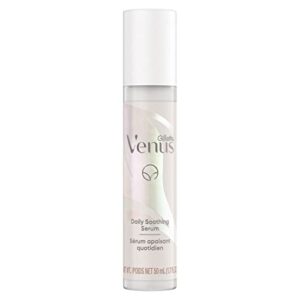
The Gillette Venus Soothing Post-Shave Serum is honestly one of the easiest additions to a bikini-line routine. It’s pH-balanced for the pubic area — which matters more than people realize — and the lactic acid gently exfoliates dead skin to keep ingrowns from forming. Jojoba oil, panthenol, and allantoin work together to calm irritation fast.
It’s fragrance-free, dye-free, and gynecologist-tested, so sensitive skin tolerates it well. Just know the texture runs slightly tacky compared to pricier serums.
| Best For | Anyone with sensitive skin who shaves or waxes the bikini area and wants a simple, clean-ingredient serum to prevent ingrowns and calm irritation. |
|---|---|
| Format | Serum |
| Size/Volume | 1.76 oz (52 ml) |
| Key Ingredient | Lactic Acid |
| Fragrance | Fragrance-Free |
| Cruelty-Free | Not Specified |
| Best For | Sensitive Skin |
| Additional Features |
|
- PH-balanced specifically for the pubic area, making it safer and more effective for that skin than regular body lotions
- Lactic acid exfoliation helps prevent razor bumps and ingrown hairs with regular use
- Fragrance-free, dye-free, and gynecologist-tested — a genuinely good fit for sensitive skin
- Texture can feel sticky or tacky compared to pricier alternatives
- Some users report inconsistent product quality between shipments
- May not noticeably reduce razor burn for everyone — results vary by skin type
2. Amazon Basic Hydrocortisone Cream
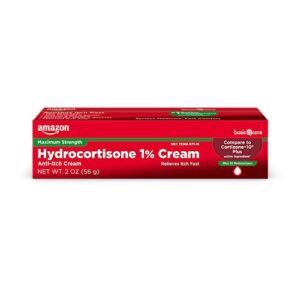
When irritation flares up after shaving, sometimes you just need something fast. That’s where this cream earns its place. The 1% hydrocortisone cuts redness and itching within minutes — and with vitamins A, D, E, and aloe added in, it soothes while it calms. It’s not a daily-use product; think of it as your emergency backup for reactive skin days.
Keep it short-term. A light greasy feel is normal, and avoid broken skin.
| Best For | Anyone with reactive or sensitive skin who needs a fast, reliable fix for itching and inflammation from eczema, insect bites, or post-shave irritation. |
|---|---|
| Format | Cream |
| Size/Volume | 2.4 oz (68 g) |
| Key Ingredient | Hydrocortisone 1% |
| Fragrance | Faint Medicinal Scent |
| Cruelty-Free | Not Specified |
| Best For | Itch Relief |
| Additional Features |
|
- The 1% hydrocortisone acts quickly to calm redness and itching, making it genuinely useful in a pinch
- Vitamins A, D, E, and aloe give it a moisturizing edge that most basic hydrocortisone creams skip
- Small and lightweight enough to toss in a travel bag or first-aid kit without a second thought
- Only meant for short-term use — not a solution for chronic skin conditions without a doctor’s input
- Leaves a slightly greasy residue and has a faint medicinal smell that some people find noticeable
- Can’t be used on open or heavily broken skin, which limits its use in more serious flare-ups
3. Tower 28 Hypochlorous Rescue Serum
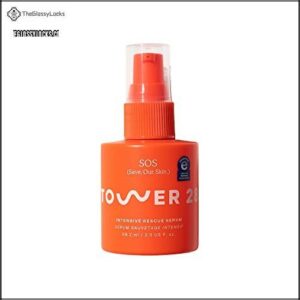
While the hydrocortisone cream mitigates the fire once it’s already burning, the Tower 28 SOS Serum is more about stopping the spark.
The hero here is hypochlorous acid — your skin actually produces this naturally to fight bacteria. The formula is pH-balanced at 4.5, alcohol-free, and lightweight enough for twice-daily use without clogging anything. Post-shave, that matters.
Fair warning: the pump splatter is real. Cup your hands, two to three pumps, and press it in.
| Best For | Anyone with sensitive, reactive, or blemish-prone skin who needs fast, lightweight relief from redness and irritation without disrupting their skin barrier. |
|---|---|
| Format | Spray |
| Size/Volume | 2.56 oz (76 mL) |
| Key Ingredient | Hypochlorous Acid |
| Fragrance | Fragrance-Free |
| Cruelty-Free | Not Specified |
| Best For | Reactive Skin |
| Additional Features |
|
- Hypochlorous acid formula mirrors what your skin naturally produces, making it genuinely gentle on reactive or post-shave skin
- Fragrance-free, alcohol-free, and pH-balanced — safe for twice-daily use without buildup or clogging
- Recognized by three leading U.S. skin-health organizations, so it’s not just marketing fluff
- The pump splatters, which makes precise application a bit of a mess
- Very lightweight texture won’t cut it if your skin also needs hydration — it soothes, it doesn’t moisturize
- For dry skin types, you’ll likely need to layer it under something more nourishing
4. Ingrown Hair Mist Treatment
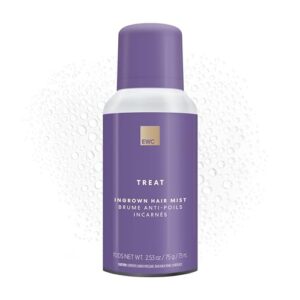
Sometimes you need coverage, not precision. That’s where the Ingrown Hair Mist Treatment earns its spot — especially on legs or your back where creams get messy fast.
It combines glycolic, lactic, and salicylic acids in a quick-drying spray you don’t need to rub in, so no extra friction on already-irritated skin. Tea tree oil, lavender, and chamomile handle the soothing side. Free of parabens, mineral oil, and hydroquinone. Spray it on two to three times weekly and let it work.
| Best For | Anyone who shaves or waxes larger areas like legs, back, or bikini line and wants an easy, hands-free way to fight ingrown hairs and irritation. |
|---|---|
| Format | Mist Spray |
| Size/Volume | 2.53 fl oz (75 mL) |
| Key Ingredient | Glycolic/Lactic/Salicylic Acids |
| Fragrance | Lavender & Tea Tree |
| Cruelty-Free | Yes |
| Best For | All Skin Types |
| Additional Features |
|
- The pressurized mist reaches tricky spots without rubbing, which means less irritation on freshly treated skin
- Triple-acid exfoliation (glycolic, lactic, and salicylic) tackles ingrowns at multiple levels, so it’s more thorough than single-acid alternatives
- Clean formula — no parabens, mineral oil, hydroquinone, or triclosan — plus cruelty-free and dermatologist-tested
- The bottle is bulky for its size, making it a poor travel companion
- On the pricier side for what amounts to 2.5 oz of product
- Very sensitive skin types may experience irritation, and some users find the results underwhelming
5. HomeTop Classic Rubber Hot Water Bottle
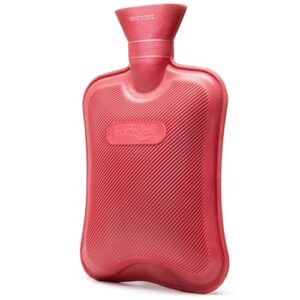
Before you even pick up a razor, warming your skin makes a real difference. The HomeTop Classic Rubber Hot Water Bottle is a surprisingly effective pre-shave prep tool — press it against legs, bikini area, or underarms for two to three minutes to soften follicles and open pores. That warmth cuts bacterial load and makes hair easier to cut cleanly.
It’s BS 1970:2012 certified, holds heat for up to four hours, and weighs just 7 ounces. Fill it to two-thirds with water no hotter than 80°C. Simple, reusable, no electricity needed.
For hair that’s been chemically weakened and struggles to retain moisture, pairing this routine with a hair mask for chemically damaged hair can help rebuild softness without heat or harsh ingredients.
| Best For | Anyone who wants a simple, electricity-free way to warm skin before shaving for a smoother, more comfortable experience. |
|---|---|
| Format | Hot Water Bottle |
| Size/Volume | 7.02 oz (200 g) |
| Key Ingredient | Natural Rubber |
| Fragrance | Mild Rubber Odor |
| Cruelty-Free | Not Specified |
| Best For | Cramps & Soreness |
| Additional Features |
|
- BS 1970:2012 certified for safety, so you can use it with confidence against sensitive skin areas
- Retains heat for up to four hours, giving you plenty of time for a relaxed pre-shave routine
- Lightweight at just 7 oz and requires no electricity — easy to use anywhere, from home to travel
- Water must stay at or below 80°C, so you’ll need a thermometer or careful cooling time to avoid damaging the bottle or burning skin
- New bottles can have a noticeable rubber smell that takes a little time to air out
- Rubber degrades with regular use and needs replacing around the two-year mark, adding a recurring cost
6. Amazon Basics 99% Isopropyl Alcohol
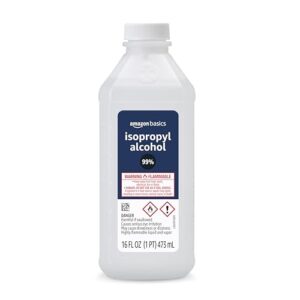
One step most people skip? Sanitizing your tools before shaving. Wiping your tweezers, razor head, or extraction tools with Amazon Basics 99% Isopropyl Alcohol takes ten seconds and dramatically cuts the bacterial load that turns an ingrown into an infected, angry bump.
At 99% pure concentration, it evaporates fast and leaves no residue — perfect for metal tools and non-porous surfaces. Just let everything dry completely before it touches your skin. This isn’t a skin product, but keeping your tools clean is non-negotiable ingrown prevention.
| Best For | Anyone who wants to keep their shaving tools properly sanitized to prevent ingrown hairs and skin infections. |
|---|---|
| Format | Liquid Alcohol |
| Size/Volume | 16 fl oz (473 ml) |
| Key Ingredient | 99% Isopropyl Alcohol |
| Fragrance | Unscented |
| Cruelty-Free | Not Specified |
| Best For | Surface Cleaning |
| Additional Features |
|
- 99% pure concentration evaporates quickly and leaves zero residue on metal tools and surfaces
- Versatile beyond grooming — works for electronics cleaning, lab surfaces, and DIY projects
- Affordable, no-frills option that does exactly what it promises
- Small 16 oz bottle runs out fast if you’re using it regularly across multiple purposes
- Not safe for direct skin contact, so you must wait for tools to fully dry before use
- Highly flammable, requiring careful storage away from heat sources and open flames
7. Peach Lily KP Bump Body Scrub
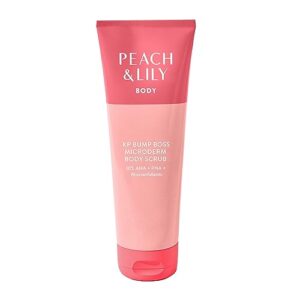
If rough, bumpy skin is what’s trapping your hairs beneath the surface, this scrub gets to the root of it. The Peach Lily KP Bump Boss combines a 10% AHA/PHA blend with micro-crystal exfoliants to dissolve dead skin buildup — the exact barrier that causes ingrowns to curl back in.
What I love most is the soothing backup: centella asiatica and tea tree oil calm irritation while squalane keeps skin soft, not stripped. Use it 2–3 times weekly on legs, arms, or thighs before shaving.
| Best For | Anyone dealing with keratosis pilaris, ingrown hairs, or persistently rough, bumpy skin on their arms, legs, or thighs who wants a treatment-level scrub rather than a basic exfoliant. |
|---|---|
| Format | Gel Scrub |
| Size/Volume | 8.11 oz (231 g) |
| Key Ingredient | AHA/PHA Blend |
| Fragrance | Tea Tree Scent |
| Cruelty-Free | Yes |
| Best For | Keratosis Pilaris |
| Additional Features |
|
- The 10% AHA/PHA blend paired with micro-crystal exfoliants delivers a deeper clean than most body scrubs, making it genuinely effective against KP bumps and ingrown hairs
- Soothing ingredients like centella asiatica, squalane, and hyaluronic acid balance out the strong acids so skin feels soft rather than irritated after use
- Versatile enough to double as a brief mask for body breakouts or a pre-shave treatment to reduce post-shave irritation
- The thick gel formula can be frustratingly hard to squeeze out of the tube
- The high acid concentration may cause redness or irritation for sensitive skin types, and it’s not suitable for facial use
- Tea tree oil gives it a polarizing scent, and the price is noticeably higher than everyday body scrubs
8. Versed Retinol Body Firming Lotion
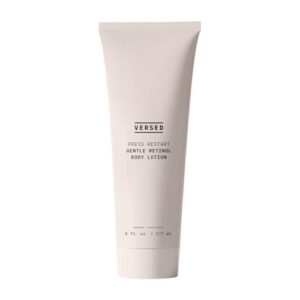
Most people don’t think of retinol as an ingrown-hair tool — but it absolutely is. The Versed Retinol Body Firming Lotion uses encapsulated retinol to quietly accelerate cell turnover beneath the surface, keeping follicles clear before hairs get a chance to curl inward.
The cocoa butter and squalane blend seals in moisture without greasiness, while vitamin E keeps irritation in check. Apply it nightly after exfoliating. Sensitive to retinol? Start every other night and build up gradually.
| Best For | Anyone prone to ingrown hairs who wants to combine cell-turnover benefits with serious hydration in a single nightly step. |
|---|---|
| Format | Lotion |
| Size/Volume | 7.04 oz (200 ml) |
| Key Ingredient | Encapsulated Retinol |
| Fragrance | Fragrance-Free |
| Cruelty-Free | Yes |
| Best For | Rough, Dark Spots |
| Additional Features |
|
- Encapsulated retinol steadily clears follicles and smooths rough patches on knees, elbows, and chest without a harsh hit
- Cocoa butter and squalane lock in moisture without leaving a greasy film, making it comfortable enough for nightly all-over use
- Vegan, cruelty-free, and free of parabens, sulfates, and artificial fragrance — a clean pick for sensitive skin
- Pricier than most body lotions, so the cost adds up as a daily staple
- Can feel slightly dry on first contact; very dry skin may need a second layer until it fully absorbs
- Retinol-sensitive skin will need a slow introduction — jumping straight to nightly use can cause mild irritation
9. Starface Salicylic Acid Hydrocolloid Patches
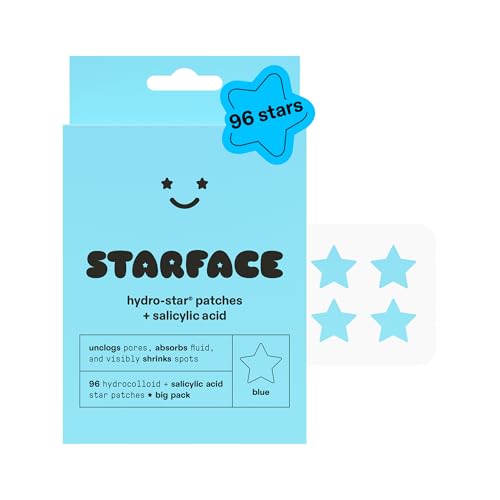
Think of these as tiny bodyguards for active bumps. Starface’s star-shaped patches combine 1% salicylic acid with hydrocolloid to dissolve dead skin buildup while absorbing fluid from the lesion — shrinking redness and size overnight.
Press one on a fresh ingrown after shaving and leave it for six-plus hours. The adhesive stays put, blocks bacteria, and physically stops you from picking. Use them one to three times weekly so the BHA keeps follicles clear without over-drying.
| Best For | Anyone dealing with active surface pimples who wants an overnight treatment that protects against picking while shrinking redness and size. |
|---|---|
| Format | Patches |
| Size/Volume | 0.63 oz (18 g) |
| Key Ingredient | Salicylic Acid |
| Fragrance | Unscented |
| Cruelty-Free | Yes |
| Best For | Active Blemishes |
| Additional Features |
|
- The 2× stronger adhesive and salicylic acid combo works double duty — pulling out fluid while dissolving dead skin buildup at the source
- Discreet enough to wear during the day, and the perforated sheet design makes them easy to peel and apply without fumbling
- Dermatologist-tested and suitable for all skin types, including sensitive skin, so there’s little risk of irritation
- You need to buy the separate Starface "Big Blue" compact to store and use them, which adds to the overall cost
- The star shape can leave larger blemishes partially uncovered, so it’s not a perfect fit for every pimple
- Deep cystic or hormonal acne won’t respond well — these are really only effective on surface-level breakouts
10. Veet Sensitive Skin Hair Removal Cream
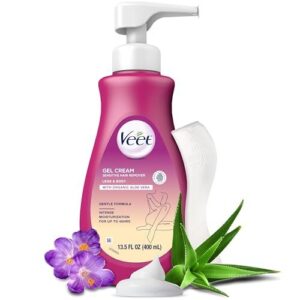
Razors are off the table for some skin types — and that’s exactly where Veet Sensitive Skin Hair Removal Cream earns its spot. Instead of cutting hair, it dissolves hair chemically just below the surface using potassium thioglycolate, which means zero razor drag, zero nicks, and a much lower chance of hairs curling back in.
The aloe vera and glycerin blend keeps skin hydrated for up to 24 hours post-removal. Leave it on 5–10 minutes, wipe clean, and you’re done.
| Best For | Anyone with sensitive skin who wants smooth, hair-free results without the irritation, nicks, or razor burn that come with shaving. |
|---|---|
| Format | Depilatory Gel |
| Size/Volume | 13.5 fl oz (400 mL) |
| Key Ingredient | Aloe & Violet Blossom |
| Fragrance | Light Floral Scent |
| Cruelty-Free | Not Specified |
| Best For | Sensitive Skin Hair Removal |
| Additional Features |
|
- Dissolves hair in as little as 5 minutes with no cuts or razor drag, making it a genuinely quick and painless routine
- Leaves skin soft and moisturized for up to 24 hours thanks to aloe vera and glycerin — a nice bonus over traditional razors
- Formulated with 35% fewer chemicals than the previous formula, so it’s gentler on reactive or sensitive skin
- Results can be hit or miss on thick or coarse hair, and you may need more than one application to get full coverage
- Leaving it on too long can cause redness or itching, so timing matters and a patch test is smart before first use
- The chemical scent, while milder than older formulas, is still noticeable and may bother fragrance-sensitive users
What Causes Ingrown Hairs
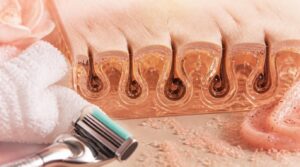
Ingrown hairs don’t just happen randomly — there’s usually a pretty specific reason your skin keeps reacting this way. Once you understand what’s triggering them, prevention gets a lot more straightforward. Here are the five most common culprits.
Curly or Coarse Hair
If you have curly or coily hair, you’re already fighting an uphill battle against ingrowns. Your strands naturally curl back toward the skin as they regrow, especially with Type 4 patterns where regrowth direction challenges are most intense. Addressing the iron deficiency link can help improve the health of coarse strands.
- Tight curl patterns increase follicle friction risks
- Coarse strands need consistent coarse strand hydration
- Higher porosity means faster moisture loss
- Managing curl shrinkage keeps regrowth more predictable
- Chemical exfoliation helps bump reduction long-term
Shaving Too Closely
Even if your hair isn’t naturally coily, shaving too closely still puts you at real risk. When a blade cuts hair below the skin’s surface, those tiny microcuts let regrowth curl inward instead of out — triggering trapped hair inflammation and razor bumps fast. Heavy blade pressure or a dull blade drags instead of glides, worsening shaving irritation every single pass.
| Shaving Mistake | Why It Causes Ingrowns | Fix It With |
|---|---|---|
| Excess blade pressure | Creates microcuts and raises infection risk | Light, even strokes only |
| Shaving against the grain | Forces cut hair to curl back inward | Follow your hair regrowth direction |
| Dull blade use | Drags skin instead of cutting cleanly | Replace blades every 5–7 shaves |
Dead Skin Buildup
Blade habits aren’t the only culprit. When keratinized cell accumulation slows your skin’s natural shedding cycle, those lingering dead cells physically block follicular openings — trapping regrowth beneath the surface before it ever sees daylight.
Barrier moisture loss makes this worse, leaving your skin rough and congested. Regular chemical exfoliation with exfoliating acids keeps that surface clear so hairs grow out cleanly.
Tight Clothing Friction
Dead skin isn’t your only enemy here. Tight clothing friction is a serious trigger — when snug waistbands and leggings stay pressed against freshly shaved skin, they generate constant shear and heat.
Sweat makes fabric cling harder, and wet-skin friction can nearly double compared to dry skin. That repeated rubbing inflames follicles before hairs even get a chance to surface normally.
Waxing and Depilatories
Waxing pulls hair from the root, which sounds ideal — but the technique matters a lot.
Soft wax on short hair won’t grip properly, leading to breakage rather than clean removal, and that snapped-off hair curls right back under.
Hard wax is gentler on sensitive areas and works on shorter lengths.
Always wax in the direction of hair growth, then follow up with a salicylic acid product to keep follicles clear.
Ingredients That Prevent Ingrowns
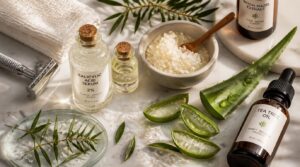
Not all ingredients are created equal regarding keeping ingrown hairs away. The right ones work by targeting the actual problem — clogged follicles, dead skin buildup, and post-shave irritation — before a bump ever forms. Here’s what you actually want to see on the label.
Salicylic Acid for Pores
Salicylic acid is the one ingredient that actually gets inside the problem. As a BHA, it’s oil-soluble — meaning it moves through sebum and keratin buildup deep in the follicle, not just across the surface.
Here’s what that means practically:
- It loosens the "sticky" dead skin trapping hairs
- Keeps follicles clear before bumps form
- Calms surrounding redness simultaneously
Stick to 0.5%–2% leave-on formulas.
Glycolic Acid Exfoliation
Unlike salicylic acid, glycolic acid works at the surface — and that’s exactly where trapped hairs start.
As an alpha hydroxy acid, its tiny molecular size lets it absorb quickly, dissolving the bonds between dead skin cells without scrubbing. It also pulls moisture in while accelerating cell turnover, smoothing texture and keeping follicles clear before ingrown hairs even form.
Lactic Acid for Sensitivity
If your skin throws a fit at the first hint of acids, lactic acid is your starting point. At 5–10% concentration, it exfoliates gently by loosening dead skin cells without stripping your barrier.
Pair it with ceramides or niacinamide for extra protection — and always patch test first. Smoother skin, fewer ingrowns, zero drama.
Retinol for Cell Turnover
Retinol works like a reset button for clogged follicles. Your skin converts it into retinoic acid, which signals keratinocytes to shed faster — so dead cells don’t pile up and trap hairs beneath the surface.
Encapsulated retinol is gentler for body use. Start two nights a week, always moisturize after, and add SPF during the day.
Niacinamide for Calming
Niacinamide is the peacemaker of your post-shave routine. It reduces visible redness, strengthens your lipid barrier, and helps skin hold onto moisture — all without stinging irritated skin.
- Calms flare-ups fast
- Promotes barrier repair after shaving
- Reduces dehydration-related sensitivity
- Minimizes lingering red marks
- Pairs well with exfoliants
Use it daily in a serum or lotion on freshly shaved, reactive skin.
Best Formats by Body Area
Not every product works the same on every body part — what clears bumps on your legs might be too harsh for your underarms or neck. The format matters just as much as the ingredients. Here’s what actually works, broken down by area.
Underarm Bump Care
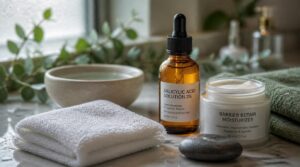
The underarm area is tricky — deodorant sensitivity and constant arm movement create a perfect storm for irritation.
Give your skin a break from shaving when bumps are active, and swap mechanical removal for a salicylic acid treatment to clear follicles without added friction.
A warm compress for 2–3 minutes daily plus a barrier-repairing moisturizer keeps bacterial load down and speeds recovery.
Leg Ingrown Prevention

Legs are a bit more forgiving than underarms, but dead skin buildup is still the real culprit here.
Exfoliate 1–2 times weekly before shaving, always shave with the hair’s growth direction, and switch to a single-blade razor.
Afterward, skip tight leggings for a few hours — that friction alone can push new hairs right back under.
Face and Neck Care

The face and neck need a lighter touch than your legs. Keep chemical exfoliation to once weekly — a salicylic acid formula works well to clear follicles without overwhelming thinner skin.
Follow up with ceramide-rich moisturizer and a morning antioxidant serum, then lock it in with broad-spectrum sunscreen.
At night, introduce retinoid gradually to support cell turnover and keep bumps from forming.
Sensitive Skin Options

Sensitive skin changes everything about your routine. Fragrance-free formulas are non-negotiable here — added scents can trigger redness before the acids even get a chance to work.
Start with hypochlorous mist post-removal, then layer a ceramide barrier moisturizer. Try lactic acid over glycolic if your skin stings easily.
- Fragrance-free serum
- HOCl calming spray
- Lactic acid lotion
Post-Shave Prevention Routine
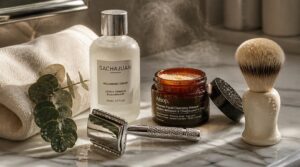
Getting your shave routine right is honestly half the battle for preventing ingrowns. A few small habit shifts — done consistently — make a bigger difference than any single product. Here’s exactly what your post-shave routine should look like.
Warm Skin Before Shaving
Think of warm prep as setting the stage — when your skin and hair are properly softened, the blade does a fraction of the work.
Hold a warm washcloth for 2–3 minutes before shaving. That brief window hydrates the hair shaft, loosens dead skin, and opens follicles so your blade glides cleanly. Warm — not hot — keeps sensitive skin comfortable and cuts irritation risk before you even pick up the razor.
Shave With Hair Growth
Going against the grain feels like it gives a closer shave — and it does, but at a cost. Shaving with hair growth cuts the hair cleanly at the surface instead of pulling it back toward the follicle.
That single direction shift reduces ingrown formation by up to 70%. Use short, light strokes and rinse your blade often.
Shaving with the grain cuts ingrown formation by up to 70% — a single direction shift with lasting results
Apply Soothing Treatment
Reach for your soothing treatment the moment you set down your razor — that window matters. Pat it on gently, never rub, because rubbing aggravates already-sensitized follicles.
I love a hypochlorous acid serum here; it calms bacterial load without stinging.
Cooling the skin immediately cuts visible redness fast. Ingredients like aloe or niacinamide help your barrier start recovering right away.
Moisturize After Exfoliating
Exfoliating strips away dead skin — but it also leaves your barrier a little raw and thirsty. Moisturize immediately after to lock in hydration before that window closes.
Reach for something with ceramides or hyaluronic acid and pat it on gently. No rubbing.
A light lotion absorbs fast and won’t clog follicles while your skin quietly rebuilds itself underneath.
Avoid Friction Afterward
Your skin’s still vulnerable after shaving — treat it like it is. Let skin dry completely before getting dressed, because damp skin plus fabric equals friction damage waiting to happen.
Stick to breathable cotton or moisture-wicking fabrics and skip tight waistbands against freshly shaved skin. Apply a thin layer of petrolatum or dimethicone to high-rub zones like inner thighs or underarms.
Skip intense workouts that first day.
When to See a Dermatologist

Most ingrown hairs clear up on their own, but some need a professional eye. Knowing when to step back from the drugstore aisle and book a derm appointment can save your skin — literally. Here’s what should prompt that call.
Painful Swollen Bumps
Sometimes what looks like an ingrown hair is actually something more serious. A boil, inflamed cyst, or carbuncle needs professional attention — not another at-home treatment.
Watch for these urgent signs:
- Bump rapidly enlarging within days
- Deep, hot tenderness beneath the skin
- Hardness that won’t respond to warm compresses
- Fever or chills alongside local swelling
See a dermatologist immediately.
Pus or Spreading Redness
Pus is your body waving a red flag. If you notice a yellowish or milky fluid oozing from a bump, that’s not a normal ingrown — that’s infection. Same goes for redness that spreads beyond the original spot or forms a streak radiating outward.
After 14 days without improvement, stop the OTC products and call a dermatologist.
Recurring Dark Marks
Infection isn’t the only reason to call a derm. Postinflammatory hyperpigmentation — those stubborn dark marks left behind after bumps heal — can become a cycle that’s hard to break alone.
Three reasons it keeps recurring:
- UV triggers more melanin production in already-sensitized skin
- Ongoing friction keeps inflammation pigment cycles active
- A damaged barrier re-darkens easily after minor irritation
A dermatologist can prescribe targeted hyperpigmentation fade treatments faster than OTC options.
Failed OTC Treatments
Dark marks are frustrating, but failed OTC treatments tell a different story entirely.
If you’ve used hydrocortisone, a topical steroid meant for short-term itch relief, alongside salicylic acid for weeks with zero improvement, the product isn’t the problem — the diagnosis might be.
Persistent skin irritation from mismatched concentrations or wrong timing signals your skin needs prescription‑strength intervention, not another over‑the‑counter remedy.
Laser Hair Removal Options
When OTC products stop working, laser hair removal becomes worth the conversation.
It targets melanin in the follicle using wavelengths between 600–1200 nm — Nd:YAG at 1064 nm works well for darker skin tones, while Alexandrite suits lighter ones. Pulse duration settings and built-in cooling comfort systems make treatments more tolerable than you’d expect. Fewer follicles means fewer ingrowns. Simple.
Frequently Asked Questions (FAQs)
Can ingrown hairs cause permanent scarring or damage?
Yes — untreated or repeatedly irritated ingrown hairs can cause permanent scarring and even follicle destruction. Picking at them makes it worse. Lingering inflammation often leads to hyperpigmentation that outlasts the bump itself.
Are ingrown hairs contagious or linked to poor hygiene?
Think of an ingrown hair like a door that swings inward — nobody catches it from you. Ingrown hairs aren’t contagious, but poor hygiene can invite bacteria into irritated follicles, quietly raising your infection risk.
Do hormonal changes increase ingrown hair frequency?
Hormonal shifts — especially rising androgen levels from PCOS or menopause — make hair coarser and more prone to curling back into skin. That’s a direct setup for ingrown hairs and follicle inflammation.
How long does an ingrown hair take to heal?
Picture a tiny splinter working its way out. Mild ingrown hairs clear in 7–14 days. Deeper ones? Up to 8 weeks untreated. With care, most resolve in 5–14 days.
Can diet or nutrition affect ingrown hair development?
Diet does quietly influence your skin’s ability to fight off ingrowns. Low zinc and vitamin A can thicken follicle plugging, while high-sugar diets spike inflammation that makes bumps worse.
Conclusion
right tool for the right job—that’s the whole point of this list.
best products for ingrown prevention aren’t about doing more—they’re about doing the right things, consistently.
Exfoliate consistently before shaving, soothe right after, and let actives like salicylic acid handle the real work between sessions.
Your skin doesn’t need more steps—it needs smarter ones.
Pick two or three products from this list, stay consistent, and let the results speak.