This site is supported by our readers. We may earn a commission, at no cost to you, if you purchase through links. This content is for general informational and educational purposes only and is not a substitute for professional medical, dermatological, or nutritional advice.

Most people blame their skin type when bumps keep showing up—but the real culprit is usually the first twenty minutes of their day. The order you cleanse, the temperature of your water, the moment you reach for a razor—each decision either protects or quietly dismantles your skin’s barrier before you’ve had your first cup of coffee.
Pseudofolliculitis, keratosis pilaris, closed comedones: these conditions share one thing in common—they worsen when the stratum corneum is already compromised by the time products hit your skin.
A morning routine to prevent bumps isn’t about adding more steps; it’s about doing the right ones in the right sequence, so your barrier stays intact long enough to defend itself.
Table Of Contents
- Key Takeaways
- Morning Routine to Prevent Bumps
- Use Lukewarm Water First
- Choose Gentle, Low-Foam Cleansers
- Add Smart Morning Exfoliation
- Prevent Razor Bumps While Shaving
- Layer Treatments Without Clogging Pores
- Dress to Reduce Morning Friction
- Top 10 Morning Bump-Prevention Products
- 1. The Beauty of Dirty Skin Book
- 2. Vichy Normaderm Salicylic Acid Acne Cleanser
- 3. Neutrogena Hydro Boost Hydrating Gel Cleanser
- 4. Dickinson’s Original Witch Hazel Pore Perfecting Toner
- 5. Pixi Glow Tonic Glycolic Acid Toner
- 6. Paula’s Choice Clear Exfoliating Solution
- 7. Olay Radiance Multi Benefit Serum
- 8. Revitalift Pure Hyaluronic Serum
- 9. Roc Multi Correxion Anti Aging Eye Cream
- 10. Kiehl’s Ultra Facial Cream Moisturizer
- Know When Bumps Need Help
- Frequently Asked Questions (FAQs)
- Conclusion
Key Takeaways
- Your skin barrier is most vulnerable in first twenty minutes of your morning, so water temperature, cleansing order, and product sequencing directly determine whether you protect or compromise it before any treatment touches your skin.
- Lukewarm water, a pH-balanced sulfate-free cleanser, and damp‑skin application of humectants like hyaluronic acid work together to preserve the stratum corneum’s lipid structure, which is the foundation every other step depends on.
- Exfoliants like salicylic acid and glycolic acid clear follicular plugs effectively, but only when introduced gradually and followed immediately by a ceramide‑containing moisturizer to prevent the rebound sebum production that worsens breakouts.
- When bumps are deep, painful, cyclically timed to your hormonal cycle, or unresponsive after weeks of consistent topical care, they’re signaling a clinical issue — folliculitis, cystic acne, or hormonal dysregulation — that requires dermatological evaluation rather than more product layers.
Morning Routine to Prevent Bumps

Bumps don’t show up randomly; they’re often the result of small missteps in the first ten minutes after you wake up. Your skin responds directly to the order and timing of each step you take, from cleansing to that final layer of sunscreen. Here’s exactly how to structure your morning so your skin stays clear, calm, and protected.
Following the right sequence — especially letting your morning skin care routine fully absorb before applying makeup — is what separates clear skin days from frustrating ones.
Cleanse Before Product Layering
Because oil and sweat collect on your skin overnight, your morning routine has to start with a cleanser, not a serum. Skipping this step means actives sit on residue instead of clean skin.
A quick double cleanse lifts surface impurities thoroughly, protects your skin barrier, and locks in proper layering order for everything that follows. According to experts, double cleansing benefits include thorough removal of overnight pollutants and improved serum absorption.
Treat Damp Skin Early
Once your skin is clean, don’t let it air dry. Damp skin holds water that speeds humectant absorption, supporting your skin barrier—apply within three minutes, the soak and seal window.
- Pat, don’t rub, to protect skin
- Mist dry patches with a damp cloth
- Apply hyaluronic acid serum in thin layers
- Layer thin to prevent runoff
- Follow with a hydrating moisturizer
Moisturize to Protect Barrier
Sealing in that hydration now stops barrier function impairment before it starts.
A noncomedogenic moisturizer pairs moistureretaining humectants with ceramide lipid replenishment and emollient surface smoothing, balancing barrier layers for steady skin hydration.
| Mechanism | Effect |
|---|---|
| Humectant Water Pulling | Hydrates outer layer |
| Occlusive Moisture Blocking | Stops water loss |
| Ceramide Lipid Replenishment | Repairs barrier |
This trio fuels true skin barrier repair, daily.
Finish With Daily Sunscreen
That barrier repair work means nothing without protection on top of it.
Finish every routine with a broad-spectrum SPF 30 sunscreen, applied last, after moisturizer. Use a full shot glass amount, covering ears, hairline, and neck—commonly missed spots. Choose oil-free, non-comedogenic chemical sunscreen for acne-prone skin.
Reapply every two hours outdoors to maintain consistent UV protection.
Keep Steps Consistent
Every product change you make resets your skin’s tolerance, so routine timing benefits come from repetition, not novelty. Keep your product layering order, dosing amounts, and absorption timing gaps identical each morning. Consistency matters most for:
- Cleanser-to-serum gap timing
- Sunscreen application amount
- Application pressure and technique
- Wake-up and wash time
Daily routine consistency trains your barrier to expect predictable hydration, reducing acne flare-ups over time.
Use Lukewarm Water First

Water temperature is the first decision you make every morning, and it matters more than most people realize. Get this one step wrong, and you set the tone for irritation before you’ve even touched a cleanser. Here’s what lukewarm water does for your skin, zone by zone.
Avoid Hot Water Irritation
That morning shower might feel soothing, but scalding water risks cause lipid barrier damage.
Hot water damages skin, triggering skin oil depletion, transepidermal water loss, and temperature‑induced redness.
A lukewarm water rinse protects skin barrier hydration, supporting dermal barrier repair instead of stripping it.
If you have heightened skin sensitivity, the heat turns a morning rinse into irritation and redness.
Rinse Sweat and Oil
Overnight sweat dries into a salty residue that blends with sebum, leaving an oily film plain water can’t dissolve on its own. Cleanser surfactants reduce surface tension, forming micelles that trap and lift oil away for rinsing.
Effective rinse coverage across your hairline, neck, and chest matters as much as daily shower hygiene timing, keeping sweat and sebum from resettling.
Protect The Lipid Barrier
Think of your stratum corneum as a brick wall: ceramides, cholesterol, and fatty acids form the mortar, organized into lamellar lipid bilayers that block water loss.
Hot water disrupts this proteolipid complex assembly; lukewarm water preserves it.
Lamellar bodies, built during keratinocyte differentiation, rely on hydration-linked lipids to keep barrier health and skin hydration intact.
Focus on Bump-prone Zones
Not all skin reacts identically to a rinse.
Jawline sensitivity and neck razor irritation flare fastest under heat, while underarm hair patterns and bikini line friction trap residue that fuels body acne.
Linger a few extra seconds over these zones, plus legs where follicle debris collects, protecting skin barrier hydration within your morning acne treatment routine.
Pat Skin Gently Dry
Pat, don’t rub: friction worsens bump-prone skin, while patting limits mechanical irritation. Choose a microfiber towel over rough cotton—it absorbs faster, keeping contact brief and friction low.
Always use clean towels only, factoring in skin sensitivity considerations; reused fabric harbors bacteria, risking bacterial transfer onto fresh skin. This daily shower hygiene habit protects skin barrier hydration before damp-skin moisturizing.
Choose Gentle, Low-Foam Cleansers
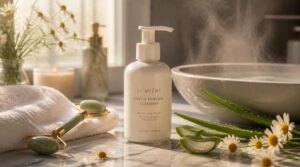
Your cleanser choice sets the tone for everything that follows in your routine. The wrong formula strips your skin before you’ve even finished breakfast, undoing every other step you take. Here’s what actually makes a cleanser worth keeping in your shower.
Look for Balanced PH
Your skin’s acid mantle thrives near pH 4.5 to 5.5, and maintaining this skin pH balance protects barrier lipid stability instead of disrupting it.
Because pH level variability changes by body area, a pH-balancing toner helps recalibrate skin that’s been over-cleansed.
This enhances acidic skin benefits and microbiome health impact, while minimizing cleanser residue risks that linger after thorough rinsing.
Avoid Stripping Formulas
The squeaky clean myth tricks you into trusting tightness as proof of a truly deep wash, but that’s acid mantle disruption, not cleanliness. Choose a nonfoaming cleanser with sulfate‑free benefits and a non‑drying formula to protect skin barrier hydration daily.
This pH balanced cleansing approach, paired with a pH balancing toner, prevents skin tightness indicators while avoiding active overload entirely.
Massage for 30 Seconds
Once you’ve chosen a pH-balanced, non-stripping cleanser, how you apply it matters just as much as what’s in it. Work the product onto slightly damp skin using fingertips — never nails — with upward, outward strokes for 30 seconds, dividing your face into three zones:
- Forehead for 10 seconds, using small circular movements
- Central face outward toward the jawline, with light, consistent pressure
- Chin and neck with gentle, directional strokes avoiding inflamed bumps
Clean hands before touching your face prevent bacterial transfer that worsens acne. If the skin feels draggy, add a few drops of water to improve product glide without increasing friction on your barrier.
Rinse Cleanser Residue Fully
Rinse cleanser fully using fingertip emulsification and lukewarm water for 20–60 seconds, optimizing rinse time.
This protects skin barrier hydration, supporting daily shower hygiene, morning hygiene, and your acne treatment routine.
Run a dry towel test, then control cleanser quantity:
| Towel Test Sign | Action |
|---|---|
| White streaks | Re-rinse skin |
| Slick, filmy feel | Extend rinse time |
| Tight, dry skin | Reduce cleanser amount |
Support The Skin Microbiome
Because trillions of microbes live on your skin’s surface, every cleansing choice either feeds or starves them. Maintaining skin pH near 4.5–5.5 prevents microbial dysbiosis and protects microbiome diversity.
Prebiotic skincare benefits and postbiotic metabolite function reinforce microbial barrier defense and skin barrier hydration, helping resident bacteria guard against pathogens. Skip harsh probiotic body wash claims; consistency matters more than buzzwords here.
Add Smart Morning Exfoliation

Exfoliation clears the dead cells and oil that clog follicles before they turn into bumps, but the wrong approach does more harm than good. Your skin needs a precise balance of acids and frequency, not aggressive scrubbing. Here’s how to build that balance into your morning routine.
Use Salicylic Acid Carefully
Salicylic acid powers effective chemical exfoliation in any acne treatment routine, but rushing it backfires.
- Spot test before adding it to your morning routine
- Start with gradual application—every other day
- Avoid combinations with other actives
- Practice monitoring irritation: burning, peeling, dryness
- Stop near broken or inflamed skin
Smart breakout management means respecting limits, not risking systemic toxicity.
Try Glycolic Acid Weekly
Glycolic acid delivers effective chemical exfoliation, but because it raises sun sensitivity, evening application benefits your skin more than morning routine use. Start with 5-10% concentrations twice weekly, easing toward three sessions as tolerance builds.
If peeling appears, reduce frequency immediately. Balancing exfoliation protects skin barrier hydration and promotes long-term acne management. Pair sessions with moisturizer to manage dryness fully.
Avoid Harsh Daily Scrubbing
More pressure never means better results. Aggressive scrubbing creates micro-tears, disrupting your barrier and triggering inflammation. Gritty particles worsen this risk under excessive force, while cumulative friction from daily scrubbing strips protective lipids your acne treatment routine depends on.
Watch for barrier disruption signs like redness or tightness.
Use gentle circular motions instead, and respect exfoliation frequency to preserve skin barrier hydration—your cleanser and moisturizer can’t undo daily damage alone.
Prevent Clogged Follicles
Think of your follicles as narrow drains — even small accumulations of oil and dead skin cells can create a blockage that salicylic acid helps dissolve by penetrating the pore lining.
After cleansing, air dry rather than towel-rub bump-prone areas, since friction re-inflames follicle openings.
Choose lightweight, noncomedogenic gel textures to prevent occlusive residues that stall your acne treatment routine.
Moisturize After Exfoliating
Exfoliation temporarily strips away surface lipids, leaving your barrier more vulnerable to transepidermal water loss — so moisturizing immediately afterward isn’t optional.
Apply a ceramide-containing, fragrance-free moisturizer while skin is still slightly damp to seal hydration in before it escapes.
Formulas with urea actively support barrier recovery, preventing the rebound dryness that can paradoxically worsen acne by triggering excess sebum production.
Prevent Razor Bumps While Shaving
Shaving is one of the most common triggers for razor bumps, but the technique matters far more than most people realize. Small adjustments to how you prepare your skin and handle the razor can dramatically cut down on irritation and ingrown hairs. These steps will walk you through exactly what to do.
For a deeper dive into the process, these step-by-step razor bump prevention techniques break down every stage of a shave that keeps skin smooth and irritation-free.
Soften Hair Before Shaving

Before your razor ever touches skin, the hair itself needs to be ready. Warm water softens the hair shaft, making stubble far more pliable and easier to cut cleanly.
Press a warm, damp towel against the area for two to three minutes — this hydrates the follicle directly and reduces the mechanical drag that causes irritation and bumps.
Shave With The Grain
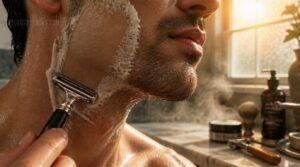
Once stubble is softened, mapping hair grain matters first. Run a finger across the skin in different directions—smoother feel with the grain, sharper feel against it, since grain direction shifts across the neck and jaw.
Cutting along this path consistently reduces skin friction, preventing the mechanical irritation, ingrown hairs, and body acne flare-ups that aggressive shaving against the grain triggers.
Use Light Razor Pressure

Light pressure lets the blade do the cutting. Forcing it raises blade friction, deepens micro-trauma, and invites blade digging—fueling mechanical irritation and body acne.
- Let the blade glide, don’t push
- Hold a steady shaving angle
- Stop shaving if skin stings
- Rinse and re-lather, never force
- Judge progress by glide comfort
Replace Dull Blades Often
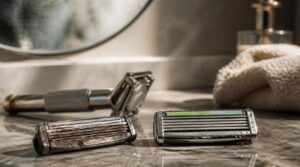
Glide alone can’t fix a worn-out edge.
Detecting blade tugging, fading lubrication strips, or rust spots means it’s time to swap—dull blades force extra passes, raising mechanical irritation, nicks, and uneven results.
Rinse and dry blades after every shower, storing them away from steam to prevent blade rust within your body shaving routine.
Apply Alcohol-free Balm

Reaching for an alcohol-free balm immediately after rinsing closes the loop on post-shave care. Ethyl alcohol evaporates fast, but strips moisture, so formulas built around aloe vera, allantoin, and panthenol calm irritation without disrupting your skin barrier.
Warm a pea-sized amount between your palms, then massage it evenly across shaved skin before layering your niacinamide serum on top.
Layer Treatments Without Clogging Pores
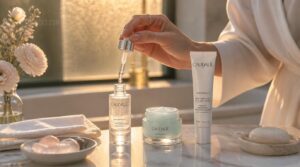
Getting your treatments to actually work comes down to order and formulation — the wrong combination can block pores just as easily as skipping skincare altogether.
The goal is to build a lightweight stack that delivers active ingredients without creating occlusion or interfering with barrier repair.
Here’s how to layer each step correctly.
Apply Niacinamide Serum
Niacinamide is one of the most reliable tools in an acne treatment routine. Apply 1 to 2 drops to damp skin right after cleansing, using a patting motion rather than rubbing to distribute it evenly. Wait 30 to 60 seconds before layering moisturizer, so the serum absorbs fully without pilling.
- Start with a 5 to 10 percent concentration for daily use
- Focus extra drops on oil-prone zones like the T-zone
- Keep this step consistent to regulate sebum over time
Consider Azelaic Acid
If your skin is dealing with both bumps and lingering dark marks, azelaic acid earns its place in your morning skincare routine steps.
It targets acne through antibacterial and anti-inflammatory action, inhibits tyrosinase to slow melanin buildup, and normalizes keratin flow to prevent microcomedo formation — all without clogging pores.
Pair it with sunscreen protection, since post-inflammatory pigmentation responds poorly to unguarded UV exposure.
Use Lightweight Hydration
After actives like azelaic acid, your barrier needs a moisture buffer that won’t undo your work.
Apply a gel-cream or lightweight lotion to damp skin directly after serums, because humectants like glycerin pull ambient water into the stratum corneum most efficiently while the surface is still moist. Oil-free formulas absorb quickly, preventing pilling when sunscreen follows.
Choose Non-comedogenic Sunscreen
Sunscreen is the non-negotiable final layer — skip it, and UV-induced inflammation darkens existing bumps and undoes your entire routine. Choose a broad-spectrum SPF 30+ formula labeled non-comedogenic and fragrance-free to avoid pore occlusion and reactive follicle irritation.
- Opt for mineral filters (zinc oxide, titanium dioxide) for reliable UVA/UVB coverage without greasy residue
- Chemical filters like avobenzone spread thinner, reducing occlusion risk
- Gel or fluid lightweight vehicles absorb fastest over serums
- Check for "parfum" or plant oils — both act as hidden irritants
- Reapply every two hours outdoors; sweating degrades SPF quickly
Dress to Reduce Morning Friction

What you wear after your morning skincare routine matters more than most people realize. Fabric choices, collar fit, and how long you stay in sweaty clothes can all quietly undo the work you’ve just put into your skin. Here’s what to keep in mind when getting dressed.
Choose Breathable Fabrics
What you wear right after your morning routine matters more than most people realize. Breathable fabrics like cotton, linen, or moisture-wicking synthetics create airflow pathways that let sweat evaporate rather than pool against your skin.
When vapor can’t escape — due to occlusion — trapped heat and dampness raise friction and follicular irritation. Fabric construction, not just fiber type, determines how effectively moisture moves away from bump-prone areas.
Avoid Tight Collars
Fabric choice doesn’t stop at fiber — fit matters just as much. A collar that sits too snugly creates sustained contact pressure, concentrating friction on a narrow strip of neck skin rather than distributing it across a wider surface. That localized pressure disrupts the skin barrier, raising inflammation and occlusion risk in areas already prone to follicular blockage.
Use the two-finger rule: slide two flat fingers beneath your collar — if they don’t fit comfortably, loosen it. Beyond skin irritation, an overly tight collar can trigger numbness, tingling, or shoulder discomfort, signaling nerve and vessel compression. If adjusting doesn’t resolve those symptoms, remove the garment immediately.
Reduce Strap Irritation
Straps — whether from a bag, bra, or backpack — create repetitive localized friction that steadily degrades your skin barrier. Unlike a collar’s static pressure, straps move, compounding irritation with every shift.
Choose breathable strap fabrics that wick moisture away, apply a protective barrier cream beforehand, and use moisture-wicking liners to reduce direct contact.
Change Sweaty Clothes Quickly
Sweat left sitting against your skin is more than uncomfortable — it’s a setup for body acne. Once moisture-wicking fabrics become saturated, they stop pulling sweat away and instead trap it, creating warm, damp conditions where bacteria multiply rapidly and block follicles.
Change out of sweaty clothes within 30 minutes to break that cycle before sweat residue and friction can trigger a breakout.
Skip Fabric Softeners
What you wash your clothes with matters as much as what you wash them in. Fabric softeners deposit cationic residue onto fibers — a chemical coating that reduces moisture-wicking performance, alters how fabric grips skin, and transfers fragrance directly onto acne-prone surfaces with every wear.
Skip them entirely. Use only fragrance-free detergent, and ditch dryer sheets too.
Top 10 Morning Bump-Prevention Products
Finding the right products doesn’t have to mean guessing your way through a crowded shelf. These ten options are chosen because they support barrier health, control sebum, and reduce the friction that triggers bumps in the first place. Here’s what’s worth adding to your morning routine.
1. The Beauty of Dirty Skin Book
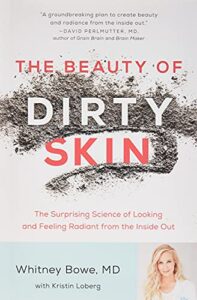
If you’re looking for a resource that targets bumps at their root — not just the surface — The Beauty of Dirty Skin by dermatologist Whitney Bowe is worth keeping on your shelf.
Published by Little, Brown Spark, this 288-page guide centers on the gut-brain-skin axis, explaining how internal factors like microbiome imbalance and diet drive persistent skin concerns.
It’s both science‑grounded and practical, making it genuinely useful alongside your daily topical routine.
| Best For | Anyone dealing with stubborn acne, rosacea, or eczema who wants to understand and address the internal root causes rather than just treating symptoms on the surface. |
|---|---|
| Product Type | Book |
| Key Ingredient | Gut-Skin Science |
| Skin Concern | Acne, Rosacea, Eczema |
| Skin Type | All Types |
| Fragrance Status | N/A (Book) |
| Routine Step | Education |
| Additional Features |
|
- Grounded in real science, explaining the gut-brain-skin connection in a way that actually makes sense of why skin issues happen
- Goes beyond skincare products with a 21-day program, nutritional guidance, and DIY recipes you can put to use right away
- Valuable for both everyday readers and healthcare professionals looking to expand their understanding of skin health
- The early chapters are dense and science-heavy, so it can take some patience to get to the practical parts
- Some sections feel repetitive, which can slow down the reading experience
- Results from the program will vary depending on your genetics and lifestyle, so it’s not a guaranteed fix for everyone
2. Vichy Normaderm Salicylic Acid Acne Cleanser
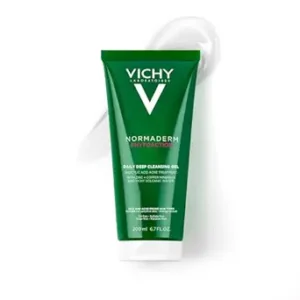
Few cleansers deliver salicylic acid as cleanly as the Vichy Normaderm Acne Cleanser. Its soap-free, sulfate-free gel formula lathers lightly, dissolving excess oil and dead-cell buildup without stripping the lipid barrier — because salicylic acid works inside the follicle, not just on the surface.
Zinc minerals help regulate sebum production, while Vichy volcanic water bolsters skin resilience throughout cleansing. At $23, it’s a clinically grounded daily option for oily, bump-prone skin.
| Best For | People with oily or acne-prone skin who want a gentle, clinically-backed daily cleanser that tackles breakouts, blackheads, and clogged pores without harsh sulfates or soap. |
|---|---|
| Product Type | Face Wash |
| Key Ingredient | Salicylic Acid + Zinc |
| Skin Concern | Acne, Blackheads, Pores |
| Skin Type | Oily, Acne-Prone |
| Fragrance Status | Light Herbal Fragrance |
| Routine Step | Cleanse |
| Additional Features |
|
- Salicylic acid works deep inside pores to clear out oil, dirt, and dead skin — not just on the surface
- Soap-free, sulfate-free formula means effective cleansing without stripping your skin’s natural moisture barrier
- Zinc minerals help control excess sebum, making it a solid long-term option for managing oily and acne-prone skin
- Can cause dryness with regular use, so pairing it with a moisturizer isn’t optional — it’s necessary
- Contains a light herbal fragrance, which may be a concern for those with very sensitive or reactive skin
- Some users with persistent acne may need a fuller dermatologist-recommended routine to get the best results
3. Neutrogena Hydro Boost Hydrating Gel Cleanser
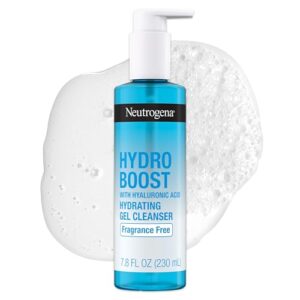
Where the Vichy formula targets oil, the Neutrogena Hydro Boost Hydrating Gel Cleanser takes a different approach — prioritizing moisture retention during the cleanse itself. Its hyaluronic acid base attracts water into the skin rather than stripping it away, which matters most when your barrier is already compromised by morning dryness or prior exfoliation.
The soap-free, sulfate-free gel transforms into a silky lather on contact with water, cleansing effectively without occluding pores — making it a sound daily choice for dry or sensitive, bump-prone skin.
| Best For | Dry, sensitive, or barrier-compromised skin types that need a gentle daily cleanser that hydrates while it cleans. |
|---|---|
| Product Type | Face Wash |
| Key Ingredient | Hyaluronic Acid |
| Skin Concern | Hydration, Cleansing |
| Skin Type | Normal, Dry, Sensitive |
| Fragrance Status | Fragrance-Free |
| Routine Step | Cleanse |
| Additional Features |
|
- Hyaluronic acid actively draws moisture into the skin, so your face feels hydrated rather than tight after washing
- Fragrance-free, paraben-free, and sulfate-free formula makes it one of the safer options for reactive or sensitive skin
- The gel-to-lather texture cleanses effectively without clogging pores — great for morning and nighttime use
- May fall short for very oily skin types that need a more thorough, deep-cleansing formula
- Using too much product can leave a slightly sticky residue, so a little goes a long way
- Despite being labeled fragrance-free, some users notice a mild soapy scent
4. Dickinson’s Original Witch Hazel Pore Perfecting Toner
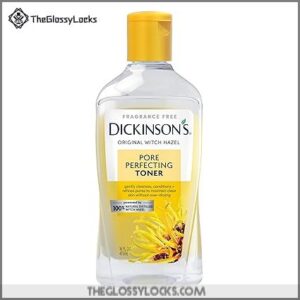
After cleansing, your pores still hold residual oil and debris — that’s where Dickinson’s Witch Hazel Toner earns its place. Its 100% natural Hamamelis Virginiana extract delivers a soothing astringent effect, tightening pore appearance and removing excess sebum without synthetic additives or dyes.
The 14% natural grain alcohol content helps dissolve surface oil efficiently, while remaining dermatologist-recommended for sensitive skin. Sweep it across a cotton pad post-cleanse, before serums, to prep skin for better ingredient absorption.
| Best For | Anyone with oily or sensitive skin looking for a clean, natural toner to tighten pores and balance skin after cleansing — including expectant mothers. |
|---|---|
| Product Type | Toner |
| Key Ingredient | Witch Hazel |
| Skin Concern | Pores, Redness, Bumps |
| Skin Type | All, Sensitive |
| Fragrance Status | Strong Natural Scent |
| Routine Step | Tone |
| Additional Features |
|
- 100% natural formula with no dyes or synthetic additives, making it gentle enough for sensitive and pregnancy-safe skincare routines
- Dermatologist-recommended astringent that visibly refines pores and cuts through excess oil without stripping moisture
- Versatile use — works on face and body, and soothes irritation from shaving or redness
- The natural scent is strong and distinctive, which some users may find off-putting
- The 14% alcohol content can cause redness or irritation for those with especially reactive skin
- Packaging appearance may vary, so what arrives might look different from product images
5. Pixi Glow Tonic Glycolic Acid Toner
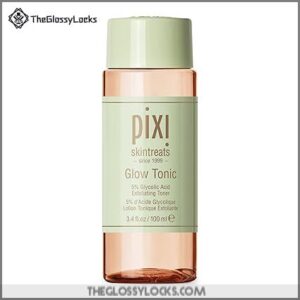
Glycolic acid earns its reputation as a daily resurfacing workhorse, and Pixi Glow Tonic puts it to work at a 5% concentration — effective enough to loosen intercellular bonds and accelerate epidermal turnover without provoking excessive irritation. Aloe vera and glycerin counterbalance that exfoliating action by drawing moisture back into the stratum corneum, so barrier integrity stays intact.
Sweep it across a saturated cotton pad after cleansing, avoiding the eye area, then follow with SPF — glycolic acid increases photosensitivity.
| Best For | Anyone looking to brighten their skin, fade dark spots, and refine pores without a harsh formula — especially those new to chemical exfoliants. |
|---|---|
| Product Type | Exfoliating Toner |
| Key Ingredient | 5% Glycolic Acid |
| Skin Concern | Exfoliation, Hyperpigmentation |
| Skin Type | All Types |
| Fragrance Status | Fragrance-Free |
| Routine Step | Exfoliate |
| Additional Features |
|
- The 5% glycolic acid concentration is strong enough to deliver real results — smoother texture, more even tone, and visibly smaller pores — without being overly aggressive on skin.
- Aloe vera and a clean, alcohol-free formula keep irritation in check, making it gentler than many AHA toners at a similar strength.
- Versatile enough for both morning and evening routines, and can be used on the face, neck, chest, and hands for all-over brightening.
- Dry skin types may find the exfoliation drying and will need to layer on a heavier moisturizer afterward to stay comfortable.
- Like all glycolic acid products, it increases sun sensitivity — daily SPF becomes non-negotiable, which adds a step some users would rather skip.
- Some long-term users report the toner feels less effective over time, suggesting the skin may adapt and results can plateau with consistent use.
6. Paula’s Choice Clear Exfoliating Solution
Where glycolic acid resurfaces broadly, salicylic acid works deeper — and Paula’s Choice Clear Exfoliating Solution delivers it at 2% in a leave-on liquid that penetrates inside the follicle rather than simply abrading the surface.
At a pH of approximately 3.9, the molecule stays in its active, lipid-soluble form, dissolving the sebum-and-keratin plugs that trigger bumps.
Apply it after cleansing onto damp skin, follow with a non-comedogenic moisturizer, and introduce it every other day to avoid barrier disruption.
| Best For | Anyone dealing with acne, clogged pores, or post-blemish redness — especially those with sensitive, oily, or blackhead-prone skin who need a gentle but effective daily exfoliant. |
|---|---|
| Product Type | BHA Exfoliant |
| Key Ingredient | 2% Salicylic Acid |
| Skin Concern | Acne, Enlarged Pores |
| Skin Type | Sensitive, Acne-Prone |
| Fragrance Status | Fragrance-Free |
| Routine Step | Exfoliate |
| Additional Features |
|
- The 2% salicylic acid formula works inside the pore to dissolve the plugs that cause breakouts, not just on the surface
- Fragrance-free and hydrating, so it exfoliates without stripping — a rare combination for acne-focused products
- At pH 3.9, the active ingredient stays in its most effective form, meaning you’re getting real results, not just the idea of them
- Can cause dryness or irritation if you jump straight to daily use — easing in every other day is a must for most people
- Not an option if you have a salicylate allergy or extremely reactive skin, which rules it out for a small but real group of users
- The full-size bottle is known to leak, so it’s worth double-checking the cap or decanting before tossing it in a bag
7. Olay Radiance Multi Benefit Serum
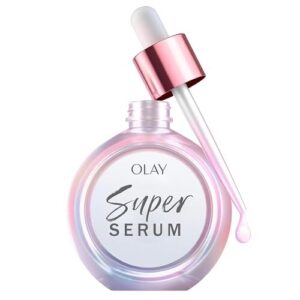
Where salicylic acid clears the path, your skin still needs active support — and Olay Radiance Multi Benefit Serum delivers that through five actives: Activated Niacinamide, Vitamin C, AHA, Collagen Peptide, and Vitamin E.
Niacinamide reinforces barrier function while reducing uneven tone, because it modulates melanin transfer within the epidermis.
Apply it to damp skin immediately after cleansing; its lightweight, fast-absorbing texture layers cleanly under moisturizer and SPF without pilling or occlusion.
| Best For | Anyone looking to simplify their anti-aging routine with one lightweight serum that brightens, firms, and hydrates — especially those who already use a BHA cleanser or salicylic acid treatment and need complementary active support. |
|---|---|
| Product Type | Serum |
| Key Ingredient | Niacinamide + Vitamin C |
| Skin Concern | Fine Lines, Dullness |
| Skin Type | All Types |
| Fragrance Status | Fragrance-Free |
| Routine Step | Treat |
| Additional Features |
|
- Five actives in one bottle tackle multiple skin concerns at once — tone, texture, hydration, firmness, and dullness — without a complicated routine
- Lightweight, fast-absorbing formula layers easily under moisturizer and SPF without pilling or feeling heavy
- Clinically tested with visible results starting in as little as one week, making it easy to see whether it’s working
- Contains AHA, which increases sun sensitivity — daily sunscreen is non-negotiable, adding an extra step for some users
- The thin, runny consistency can be tricky to dispense without waste, which may frustrate users used to thicker serums
- Very sensitive skin types may need to ease in gradually, as the combination of actives can cause irritation at first
8. Revitalift Pure Hyaluronic Serum
Once your barrier is active-ingredient-ready, it needs water retention to stay resilient — and the Revitalift Pure Hyaluronic Serum delivers that through a 1.5% blend of low- and high-molecular-weight hyaluronic acid, which hydrates at multiple skin depths simultaneously. Macro-weight molecules lock moisture at the surface, while smaller-weight fractions penetrate deeper to plump fine lines.
Apply it to damp skin after actives; the fragrance-free, gel texture absorbs without tackiness, layering cleanly under SPF.
| Best For | Anyone with dry, sensitive, or mature skin who wants a lightweight, fragrance-free serum to boost hydration, plump fine lines, and create a smooth base for makeup. |
|---|---|
| Product Type | Serum |
| Key Ingredient | 1.5% Hyaluronic Acid |
| Skin Concern | Wrinkles, Dehydration |
| Skin Type | All Types, Sensitive |
| Fragrance Status | Fragrance-Free |
| Routine Step | Treat |
| Additional Features |
|
- Multi-depth hydration from a dual-weight hyaluronic acid blend targets both surface dryness and deeper fine lines
- Clean, fast-absorbing gel formula works for all skin types and layers effortlessly under SPF or makeup
- Clinically shown to reduce visible wrinkle depth by up to 47% after six weeks of consistent use
- Pricier than most drugstore hyaluronic acid serums at $26.96 for just 1 oz
- Can actually draw moisture away from skin in dry climates if not sealed with a moisturizer on top
- Results take several weeks of daily use to become noticeable — don’t expect overnight changes
9. Roc Multi Correxion Anti Aging Eye Cream
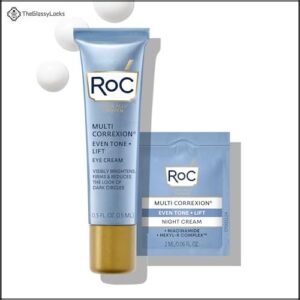
The periocular zone is often the last area people address in a bump‑prevention routine, yet post‑inflammatory hyperpigmentation and congestion around the orbital rim are real concerns. RoC Multi Correxion Eye Cream combines hexylresorcinol and niacinamide to target pigmentation and reinforce barrier function simultaneously.
Apply it with your ring finger using light dabbing pressure — tugging this thin skin accelerates collagen breakdown. Its non-comedogenic, fast‑absorbing formula layers cleanly before SPF without migrating into the eye.
| Best For | Anyone looking to reduce dark circles, puffiness, and fine lines around the eyes, especially those who want a lightweight formula that fits seamlessly into a morning and evening skincare routine. |
|---|---|
| Product Type | Eye Cream |
| Key Ingredient | Niacinamide |
| Skin Concern | Dark Circles, Puffiness |
| Skin Type | All Types |
| Fragrance Status | Has Fragrance |
| Routine Step | Eye Care |
| Additional Features |
|
- The Hexyl-R Complex and niacinamide work together to brighten dark circles and improve skin firmness, with visible results in as little as 4–8 weeks
- Lightweight and fast-absorbing, so it layers easily under makeup and sunscreen without feeling heavy or greasy
- Non-comedogenic, hypoallergenic, and free of parabens — plus it’s been tested by dermatologists and ophthalmologists, making it a solid pick for sensitive skin types
- The fragrance can be a bit much for people with scent sensitivities
- It’s not a heavy moisturizer, so those with very dry skin may need to follow up with an additional cream or lotion
- There are occasional reports of eye irritation, so it’s worth doing a patch test before committing to daily use
10. Kiehl’s Ultra Facial Cream Moisturizer
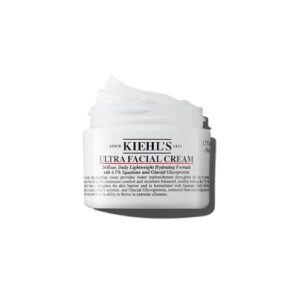
Rounding out this routine is a moisturizer built for consistency. Kiehl’s Ultra Facial Cream delivers 72-hour hydration through Pro-Ceramides and 4.5% squalane, reinforcing your lipid barrier without occluding follicles — a critical balance for bump-prone skin.
Its quick-absorbing, non-comedogenic formula layers cleanly beneath SPF without pilling.
Because ceramides directly restore the stratum corneum’s structural integrity, repeated use visibly reduces surface roughness. Apply a dime-sized amount each morning and let it work as your barrier’s daily foundation.
| Best For | Anyone with sensitive, eczema-prone, or bump-prone skin who wants a reliable daily moisturizer that layers well under makeup and SPF. |
|---|---|
| Product Type | Moisturizer |
| Key Ingredient | Pro-Ceramides + Squalene |
| Skin Concern | Dryness, Barrier Damage |
| Skin Type | All Types, Sensitive |
| Fragrance Status | Fragrance-Free |
| Routine Step | Moisturize |
| Additional Features |
|
- Delivers up to 72-hour hydration with Pro-Ceramides and 4.5% squalane to strengthen and restore your skin barrier
- Non-comedogenic and fragrance-free, making it a safe pick for sensitive or acne-prone skin types
- Absorbs quickly and sits smoothly under sunscreen or makeup without pilling
- At $39 for just 3.9 oz, it’s pricier than many comparable drugstore options
- The lightweight texture may not provide enough moisture for very dry skin in harsh winter conditions
- The small tube size means you’ll be repurchasing more often than with larger moisturizers
Know When Bumps Need Help

Even the most diligent morning routine has its limits, and some bumps are sending a signal that topical products alone can’t answer.
Knowing the difference between routine skin texture and something that needs clinical attention is one of the most useful things you can learn.
Watch for these five patterns that mean it’s time to bring in a dermatologist.
Persistent Painful Bumps
Not every bump reacts to your morning acne treatment routine — and some demand more than a cleanser or moisturizer can offer.
Deep cystic nodules feel firm and tender beneath the surface, lasting weeks and risking permanent scarring. Boils signal bacterial infection, while hidradenitis suppurativa causes recurring painful tunnels in friction‑prone areas.
When bumps persist, swell, or cause fever, seek medical evaluation promptly.
Signs of Folliculitis
Folliculitis is easy to mistake for ordinary body acne, but a few signs set it apart.
The bumps are follicle-centered clusters — small, red, pus-filled blisters grouped tightly around individual hair follicles, often accompanied by itchy, burning sensations and tender, inflamed spots.
After blisters rupture, crusty lesion patterns appear, signaling active bacterial overgrowth within the follicle itself.
Severe Inflamed Acne
When your morning routine isn’t enough, the bumps you’re dealing with may be severe inflamed acne rather than surface-level congestion.
Deep nodules sit beneath the skin — hard, tender, and slow to resolve — while cysts risk pitted scarring by damaging deeper structures.
These lesions demand more than salicylic acid or benzoyl peroxide alone; prescription treatment targeting inflammatory cytokines is often necessary.
Hormonal Breakout Patterns
Hormonal acne follows a predictable rhythm: late luteal phase flares — the 7 to 10 days before menstruation — occur because dropping estrogen reduces control over sebaceous gland activity, allowing androgens to drive increased sebum production and pore congestion.
| Cycle Phase | Hormonal Activity | Skin Effect |
|---|---|---|
| Ovulation/early luteal | Progesterone rises | Mild oiliness, early pore swelling |
| Late luteal | Estrogen drops, androgens elevated | Sebum surge, lower-face clustering |
| Menstruation onset | All hormones low | Dullness, residual breakouts |
Lower-face clustering — particularly along the jawline — signals androgen-driven congestion rather than product buildup, which is why your standard acne treatment routine may feel inconsistent across the month. Life stage shifts, including perimenopause and postpartum periods, can reactivate these patterns even with disciplined morning skincare routine steps in place. That’s when dermatology guidelines recommend hormonal evaluation.
Jawline breakouts often signal hormones, not habits—and no morning routine can outpace your cycle
Routine Irritation Warning Signs
Your skin is already communicating — the challenge is learning its language. When a product causes burning or stinging that persists beyond a few minutes after rinsing, that signals a compromised barrier, not normal adjustment. Here are five warning signs to recognize:
- Spreading redness beyond the original bump indicates active irritation progressing.
- Persistent tightness after moisturizing means protective lipids remain insufficient.
- Sandpapery texture suggests inflamed stratum corneum from over-exfoliation.
- Itching with flaking confirms the barrier isn’t staying intact.
- Swelling plus warmth points to inflammatory escalation requiring product withdrawal.
Frequently Asked Questions (FAQs)
What is the best morning routine for acne?
The best acne routine layers cleanser, treatment, moisturizer, and sunscreen in that order every morning. Apply actives to damp skin for better absorption, then seal with a non-comedogenic SPF 30+.
Can diet changes reduce morning facial bumps?
Yes — cutting high-glycemic foods lowers insulin and IGF-1 spikes, which directly reduces sebaceous activity. Less dairy, more omega-3s, and lower sodium can visibly calm inflammation-linked morning bumps.
Does stress directly trigger new skin bumps?
Stress doesn’t just make you anxious — it practically rewires your skin’s chemistry overnight. Cortisol surges drive sebaceous gland overactivity, trigger adrenergic urticaria, and fuel inflammatory cascades that push new bumps to the surface.
How does sleep quality affect bump formation?
Poor sleep raises cortisol and sebum production, increasing follicular blockage. Reduced melatonin lowers your skin’s oxidative defense, while barrier hydration drops, making bumps slower to heal and easier to trigger.
Are bump-prone areas different for men and women?
Yes — men tend to get bumps on shaved areas like the jaw and neck, while women often see them along the bikini line. Hormones and sebum levels shift where breakouts concentrate.
Can hard water worsen bumps during cleansing?
Hard water is truly hard on skin. Mineral residue buildup reacts with your cleanser, forming soap scum that clogs follicles and disrupts your skin barrier hydration, worsening bumps despite consistent daily shower hygiene.
Conclusion
Barriers built before breakfast determine whether your skin spends the day defending or deteriorating. A disciplined morning routine to prevent bumps doesn’t demand complexity—it demands consistency, correct sequencing, and products that respect your stratum corneum rather than strain it.
When cleansing, exfoliation, hydration, and protection align in the right order, your follicles stay clear and your barrier stays functional.
That’s not a promise—it’s physiology working exactly as designed.