This site is supported by our readers. We may earn a commission, at no cost to you, if you purchase through links.
You find a clump of hair in the shower drain and your stomach drops. Then a strand snaps between your fingers while you’re just combing it out. Your mind jumps straight to the worst-case scenario.
Here’s the reassuring part: hair breakage and thinning almost always have clear, identifiable causes. Sometimes it’s mechanical stress from towel-drying or tight ponytails. Other times it’s hormonal shifts, low ferritin, or heat tools cranked too high.
Once you know what’s actually damaging your strands, you can stop guessing and start fixing it—one habit at a time.
Table Of Contents
- Key Takeaways
- What Causes Hair Breakage
- Why Hair Gets Thin
- Heat and Chemical Damage
- Nutrition and Medical Triggers
- Styling Habits That Weaken Hair
- Top 5 Breakage Repair Treatments
- How to Prevent Hair Thinning
- Frequently Asked Questions (FAQs)
- Why is my hair so thin and breaking off?
- What vitamin deficiency causes hair breakage?
- How to fix breakage and thinning hair?
- What is the biggest cause of hair breakage?
- How long does it take for hair to regrow after breakage?
- Can hair breakage and thinning be reversed completely?
- How often should you get professional trims for damaged hair?
- When should you see a dermatologist for hair loss?
- Conclusion
Key Takeaways
- Hair breakage usually stems from mechanical stress and moisture loss, like rough towel-drying, tight hairstyles, wet brushing, and heat or chemical damage that weaken the cuticle.
- Thinning is a separate issue rooted in follicles and hormones, driven by factors like DHT-related miniaturization, thyroid imbalance, PCOS, or stress-induced telogen effluvium.
- Nutritional gaps, especially low iron, protein deficiency, and vitamin D deficiency, can directly cause diffuse shedding and weakened hair strands.
- Repairing damaged hair works best through gentle daily habits, like using wide-tooth combs, heat protectants, and bond-repair treatments, paired with regular trims and prompt dermatologist visits for warning signs.
What Causes Hair Breakage
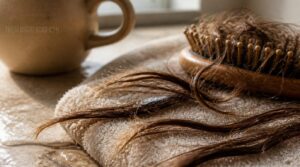
Hair breakage rarely happens for just one reason. Your daily habits, from towel drying to brushing, often play a bigger role than you’d think. Let’s break down the five main culprits behind those snapped strands.
If you’re ready to tackle these habits head-on, this guide on how to repair hair breakage naturally walks through gentler alternatives for drying, brushing, and styling.
Dry, Brittle Hair Strands
Ever run your fingers through your hair and felt straw instead of silk? That’s moisture retention loss talking. Without enough hydration, your cuticle surface weakens, elasticity drops, and strands turn dry and brittle.
Keratin protein breaks down over time, leaving hair rough, dull, and prone to snapping. Your hair shaft integrity depends on moisture—lose that, and breakage follows fast. Factors like excessive heat use and chemical treatments can further exacerbate this dryness.
Split Ends and Snapping
That dry, brittle texture doesn’t just sit there—it splits. Once the cuticle frays, split end migration starts creeping up the shaft, weakening everything below it.
Here’s the mechanics: damaged strands snap under normal tension, especially at tangled spots. Each break shortens hair length, creating that stubborn "it won’t grow" illusion. Cuticle friction from daily movement only speeds up the damage.
Rough Towel Drying
Wet hair stretches easily, so scrubbing it with a towel creates real mechanical damage to the cuticle. Rubbing back and forth causes friction and tangling.
Try this instead:
- Blot, don’t rub
- Use a microfiber towel
- Avoid repeated passes
Gentler drying protects the hair shaft and cuts down breakage before it starts.
Aggressive Brushing Habits
Towels aren’t the only culprit—your brush might be doing just as much harm. Yanking through knots creates knot fracture points, where hair snaps instead of releasing. Stiff bristles add tension; each pass becomes a stress cycle pushing strands past their elastic limit.
Skip brushing wet hair when possible. Detangle from ends upward with wide-tooth combs to ease detangling force and protect hair strand strength.
Weak Hair Cuticles
What’s really going on beneath the frizz? Your hair cuticle works like roof shingles, and damage causes cuticle scale lifting, exposing the hair shaft.
Your hair cuticle works like roof shingles, and damage lifts those scales, exposing the shaft beneath
Once lifted, lipid barrier erosion sets in, triggering porosity moisture loss and dryness. Add friction-induced damage or mineral scale buildup from hard water, and hair protein structure weakens—straining hair elasticity until strands snap under normal handling.
Why Hair Gets Thin

Thinning is a different problem than breakage, even though people mix them up all the time. It’s less about damaged strands and more about what’s happening under the surface, at the follicle and hormone level. Here’s what actually drives hair to thin out over time.
Shedding Versus Breakage
Grab a shed strand and check the tip: a tiny white bulb means it’s completing its normal hair growth cycle, not breaking. Broken strands show no bulb, just a frayed, fractured end.
Quick checklist for distinguishing hair patterns:
- Identifying root bulbs at the base
- Analyzing strand length for uneven fragments
- Checking cuticle integrity along the shaft
Follicle Miniaturization
Ever notice hair that seems to be growing "thinner" strand by strand? That’s follicle miniaturization at work.
DHT binds to receptors in sensitive hair follicles, shrinking them gradually. Each cycle shortens the anagen phase, so follicles produce finer shafts with less melanin. Dermal papilla health declines too, weakening the follicle’s ability to regenerate strong, terminal-quality hair.
Hormonal Hair Changes
Your hormones write a lot of your hair’s story. DHT conversion shrinks sensitive follicles over time, while estrogen fluctuations during pregnancy, postpartum, and menopause shift shedding patterns. Prolactin influences hair cycling too, especially around pregnancy.
Thyroid hormones regulate metabolism and follicle activity, so imbalance often means thinning. PCOS’s androgenic effects add another layer of risk for hormone-driven hair loss.
Stress-related Shedding
Ever notice more hair in the drain after a rough month? That’s cortisol at work, shortening the growth phase and pushing follicles into shedding mode early.
This shows up as telogen effluvium, diffuse shedding starting roughly three months after emotional or physical stress—grief, surgery, illness, or fast weight loss. Chronic stress also fuels scalp inflammation, disrupting your regrowth cycle. Good news: it’s usually temporary once the trigger resolves.
Genetic Thinning Patterns
Genetic thinning isn’t random—it follows a map written into your DNA. Anagen phase shortening means hair spends less time growing, more time resting, so strands thin gradually through follicle miniaturization.
That’s why loss often targets your hairline or crown first, a patterned scalp distribution tied to localized androgen sensitivity pathways. With polygenic inheritance risks, multiple genes—not just one—shape your odds and timeline.
Heat and Chemical Damage

Your hair goes through a lot in the name of style. Every flat iron pass, color session, and chemical treatment leaves its mark on the strand. Here’s where the damage really starts.
Flat Irons and Curling Tools
What’s happening under the clamp when you flat iron your hair? Heat above 420°F strips moisture fast, causing thermal damage to the cuticle.
- Match temperature to hair type
- Use heat protectant spray always
- Pick ceramic or tourmaline plates
- Choose barrel size for curl goals
- Let tools cool before storing
Ideal styling temperatures run 300-400°F. Ionic technology reduces frizz. One pass, lowest effective heat, protects strands from excessive heat styling damage.
Bleach and Hair Color
Heat isn’t the only thing that opens your hair’s cuticle—bleach does it chemically. Oxidative chemistry strips melanin using hydrogen peroxide, raising the cuticle so it can reach the cortex. Higher developer volumes mean deeper penetration, but also more internal bond degradation.
Repeated sessions leave the cuticle permanently raised. That’s why bleached hair drinks up water fast, then loses it just as quick—leaving strands dry, porous, and prone to snapping.
Relaxers and Perms
Bleach opens the cuticle chemically, but relaxers and perms go further, restructuring the hair shaft itself. Lye relaxers run pH 12 to 14, breaking bonds to straighten hair, while perms use thioglycolate reactions around pH 9.
Skipping neutralization lets chemicals keep working past their limit. Scalp contact risks burns at high alkalinity. Without proper timing, cuticle damage and breakage follow quickly.
Missing Heat Protectant
Skipping heat protectant leaves strands exposed to raw tool heat, speeding up moisture loss and drying the shaft too fast. This roughens the cuticle, raising cuticle friction and snag risk.
Tools also create uneven hot spots, causing patchy texture and keratin weakening. Without a heat-protecting spray, damage compounds session after session—one of the most common haircare mistakes behind everyday breakage.
Protein Overload Risks
Can too much of a good thing wreck your strands? Yes. Overdoing protein treatments causes protein overload, leaving hair stiff and prone to snapping along the hair shaft.
- Straw-like texture
- Reduced elasticity
- Increased breakage
- Dull appearance
- Stiff, brittle ends
Excess protein strains keratin protein balance, while high intake elsewhere raises kidney filtration burden, dehydration, and mineral shifts affecting hair health.
Nutrition and Medical Triggers

Sometimes hair breakage has nothing to do with your styling routine at all. What’s happening inside your body can show up in your strands before you notice anything else. Here are five nutrition and medical factors worth checking with your doctor.
Low Iron Levels
Your hair needs oxygen to grow, and iron is what carries it there. Low ferritin (your iron storage) can drop before hemoglobin does, so labs may look "normal" while stores run low.
Causes include menstrual blood loss, poor gastrointestinal iron uptake, or absorption barriers like low stomach acid. Result: fatigue, weakness, and diffuse shedding tied to nutritional deficiencies affecting your follicles.
Protein Deficiency
Ever wonder why your hair feels straw-like even with a solid haircare routine? The answer might be on your plate, not in your bathroom.
Your hair is mostly keratin, built from amino acids in dietary protein. When intake drops, your body shifts priority to essential organs, starving keratin synthesis. This weakens hair shaft integrity, causing dryness and breakage. Severe cases mirror protein-energy malnutrition. Skip harsh protein treatments—rebuild through balanced meals instead.
Chemotherapy compounds this further—certain drugs like taxanes and anthracyclines aggressively disrupt follicle activity, making post-chemotherapy hair loss recovery strategies essential for rebuilding strength from the root up.
Thyroid Imbalance
Your thyroid runs your body’s metabolism, and hair follicles feel it first when things go off balance.
Hypothyroidism slows everything down, thinning hair alongside fatigue and dry skin. Hyperthyroidism speeds it up, leaving strands fine and brittle.
Common culprits:
- Hashimoto’s thyroiditis (underactive)
- Graves’ disease (overactive)
- Thyroiditis with fluctuating hormone swings
Any hormonal imbalance disrupts follicle health and density—so persistent thinning deserves a thyroid check, not just a haircare fix.
Vitamin D Deficiency
Sunlight builds vitamin D in your skin, but winter days, sunscreen, or darker pigmentation can all limit that supply.
Low levels raise inflammation around follicles, disrupting the hair regrowth cycle. A blood test checking 25-hydroxyvitamin D confirms deficiency, usually below 20 ng/mL.
Food alone rarely covers the gap. Supplements help, but talk to your doctor first—too much vitamin D can raise calcium levels dangerously.
PCOS-related Hair Loss
PCOS throws hormones off balance, and hair often shows it first. Excess androgens bind to receptors in your follicles, shrinking them over time—this is follicle miniaturization.
Insulin resistance makes it worse by raising free androgen levels, while low progesterone lets those effects dominate. Add scalp inflammation and genetic thinning susceptibility, and hair density drops gradually at your hairline or crown.
Styling Habits That Weaken Hair
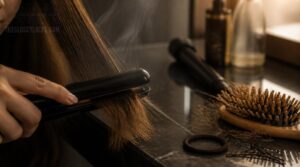
Your daily routine matters just as much as your diet or your genes. Some habits seem harmless but put real strain on your strands and scalp over time. Here’s what to watch for in how you style and care for your hair.
Tight Ponytails and Buns
Pulling your hair back tight enough to leave your scalp aching? That’s traction alopecia risk in action. Constant pull at the hairline, temples, and crown—plus elastic tension points—stresses follicles and causes breakage.
Watch for:
- Redness at the hairline
- Soreness after removing your style
- Thinning near elastics
- Breakage at the bun’s base
Loosen up before mechanical stressors cause lasting hair follicle damage.
Braids and Extensions
Braids and extensions get called "protective," but that name only holds if the install and take-down are done right. Traction alopecia often starts at the parting rows and hairline, where tension concentrates.
| Risk Factor | What Helps |
|---|---|
| Heavy extensions | Choose lighter, shorter lengths |
| Synthetic fiber tangling | Detangle gently, wash regularly |
| Prolonged wear | Remove on schedule, condition roots |
Watch your scalp for itching or soreness—early warning signs matter.
Wet Hair Brushing
Water swells the hair shaft and lifts the cuticle, so wet strands stretch further before snapping. Brushing then adds comb tooth friction against that raised surface.
Skip the brush. Use a wide-tooth comb, starting at the ends. Apply conditioner first for slip, work upward slowly, and hold sections near the scalp to prevent root pull and reduce breakage.
Hard Water Buildup
Your shower water might be quietly sabotaging your strands. Hard water carries calcium and magnesium that leave mineral residue on hair, blocking moisture retention and raising hair porosity issues.
Calcium carbonate buildup makes strands feel coated and stiff, while soap scum keeps cleansers from rinsing clean. The result: dry hair prone to breakage. A chelating shampoo monthly helps strip that buildup away.
UV and Weather Stress
Ever wonder why summer leaves hair feeling straw-like? UV bond damage breaks down hair’s protein structure, causing oxidative stress that weakens strands. Solar noon risks peak when the sun sits highest.
Wind adds mechanical abrasion, roughing up cuticles. Combined with scalp moisture loss and moisture cycling from humidity swings, this trio drains hair hydration fast—leaving hair dry, brittle, and prone to snapping.
Top 5 Breakage Repair Treatments
Once you know what’s damaging your hair, the next step is fixing it. Not every treatment on the shelf actually repairs broken bonds, so it helps to know which ones do. Here are five products worth adding to your routine.
1. K18 Leave-In Molecular Repair Hair Mask
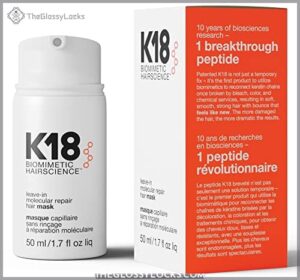
K18 Leave-In Molecular Repair Hair Mask works differently than a typical mask—it reconnects broken keratin chains inside the cortex using patented K18PEPTIDE technology. Just four minutes, no rinsing, and it targets disulfide bonds damaged by bleach, color, or heat.
It’s leave-in, so skip conditioner that day. Works on coily, curly, and color-treated hair alike, restoring elasticity and softness from within rather than just coating strands temporarily.
| Best For | Anyone with bleach, color, chemical, or heat-damaged hair—especially coily and curly textures—who wants deep repair without a rinse-out step. |
|---|---|
| Hair Type Suitability | All hair types |
| Targets Damage | Yes |
| Repairs Breakage | Yes |
| Color Safe | Yes |
| Application Type | Leave-in treatment |
| Usage Frequency | Occasional |
| Additional Features |
|
- Repairs hair at the molecular level by reconnecting broken polypeptide chains and disulfide bonds
- Fast 4-minute treatment with no rinsing required
- Works well across all hair types, including coily and curly textures
- Conditioner must be skipped on application days, which adds a step to plan around
- Contains alcohol as a penetration enhancer, which may be a concern for some hair types
- Results can vary depending on hair type and severity of damage
2. Olaplex High Shine Bonding Oil
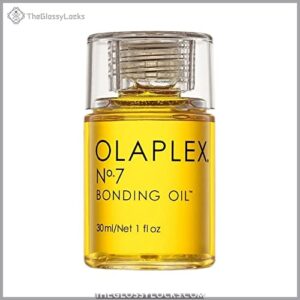
Think of it as glass finish in a bottle. This lightweight oil uses Bond Building Technology to relink broken disulfide bonds while adding serious shine—studies show 125% more shine and 77% less breakage.
Just 2-3 drops handle damp or dry hair, protecting up to 450°F during styling. It won’t fix severely damaged strands alone, but for daily frizz control and color vibrancy, it’s a smart, low-effort addition to your routine.
| Best For | Anyone who wants glossy, healthier-looking hair with an easy, low-effort styling step—especially those with fine, curly, or color-treated hair dealing with frizz. |
|---|---|
| Hair Type Suitability | All hair types |
| Targets Damage | Yes |
| Repairs Breakage | Yes |
| Color Safe | Yes |
| Application Type | Finishing oil |
| Usage Frequency | Daily |
| Additional Features |
|
- Delivers noticeably more shine (up to 125%) and significantly less breakage (77%) with regular use
- Doubles as a heat protectant up to 450°F, so it fits right into your styling routine
- Just a couple drops keep frizz and flyaways controlled for up to 72 hours, even in humidity
- Small 1.06 oz bottle means it may need frequent repurchasing for daily users
- Won’t fully repair severely damaged or extremely porous hair on its own
- Can be tricky to apply evenly on very dry hair, and using too much may leave a greasy feel
3. Bumble and bumble Bond Building Treatment
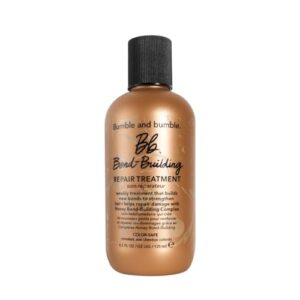
Honey doesn’t just smell good—it’s a genuine bond-repair ingredient. This weekly treatment uses a Honey Bond Building Complex, blending wildflower honey and honey ferment to rebuild bonds deep in the cortex, then strengthen the cuticle against future damage.
Apply it after shampooing, let it sit, then rinse. It’s rated for heat, color, and chemically processed hair across all textures and thicknesses. Expect improved elasticity and less snapping during styling—real repair, not just a temporary coating.
| Best For | Anyone with heat-, color-, or chemically-damaged hair looking for a weekly deep treatment to rebuild strength and elasticity rather than just smooth things over on the surface. |
|---|---|
| Hair Type Suitability | All hair types |
| Targets Damage | Yes |
| Repairs Breakage | Yes |
| Color Safe | Yes |
| Application Type | Deep treatment |
| Usage Frequency | Weekly |
| Additional Features |
|
- Honey Bond-Building Complex works to repair bonds inside the cortex, not just coat the hair
- Color-safe formula works across curly, wavy, and straight hair types
- Improves elasticity and helps prevent future breakage with regular use
- Meant for weekly use only, so it’s not a fit for anyone wanting a daily treatment
- Formulated specifically for damaged hair, so it may be unnecessary for healthy hair
- Small 4.2 oz size means frequent repurchasing for regular users
4. Color Wow Money Masque Treatment
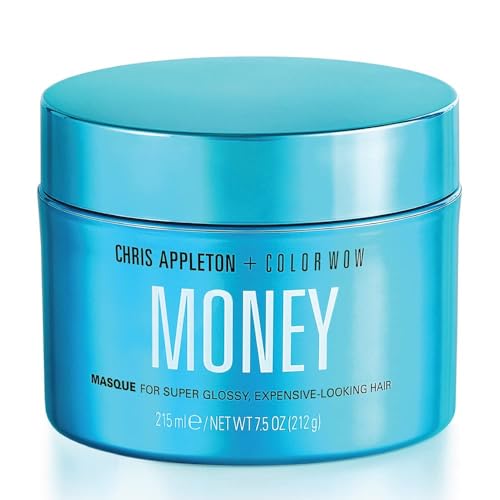
Waxy buildup is the enemy of shine, and this masque skips it entirely. Blue Sea Kale strengthens weakened keratin bonds, while a Mediterranean Sea Kelp mix locks in moisture without weighing hair down.
Apply mid-length to ends after shampooing. Leave it 3-5 minutes for a quick refresh, or up to 30 for deeper repair. Fine, curly, and color-treated hair all benefit—expect softer, glossier strands that stay hydrated for days.
| Best For | Anyone with fine, curly, or color-treated hair who wants to ditch waxy buildup and get softer, glossier, longer-lasting hydration. |
|---|---|
| Hair Type Suitability | All hair types |
| Targets Damage | Yes |
| Repairs Breakage | Yes |
| Color Safe | Yes |
| Application Type | Conditioning treatment |
| Usage Frequency | Regular use |
| Additional Features |
|
- Deep penetration technology strengthens and repairs hair from within
- Vegan formula developed by celebrity stylist Chris Appleton
- Flexible use—just 3-5 minutes for a quick refresh or up to 30 for deeper repair
- Single-step preparation tool only, so it doesn’t cover a full hair care routine
- Best results likely require pairing with the matching shampoo and mist from the same line
- At $45.00, it’s a pricier option compared to standard conditioning treatments
5. Briogeo Birthday Cake Deep Conditioning Mask
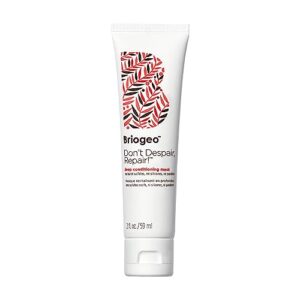
Sometimes repair smells like cake, and this one actually delivers. Briogeo’s limited-edition mask blends rosehip, algae extract, and B5 to hydrate strands while reinforcing weak spots along the shaft.
Plant proteins fill in gaps left by damaged keratin, and clinical testing shows breakage reduction in just 10 minutes. Use it weekly on dry, color-treated, or heat-styled hair for noticeably softer, more elastic strands—no sulfates, no cruelty, just consistent repair with a sweet, nostalgic scent worth celebrating.
| Best For | Anyone with dry, brittle, color-treated, or heat-damaged hair looking for a weekly deep-conditioning treatment that repairs and softens without sulfates or animal testing. |
|---|---|
| Hair Type Suitability | All hair types |
| Targets Damage | Yes |
| Repairs Breakage | Yes |
| Color Safe | Yes |
| Application Type | Deep treatment |
| Usage Frequency | Weekly |
| Additional Features |
|
- Clinically shown to reduce breakage in just 10 minutes
- Made with 97% naturally derived ingredients, including rosehip, argan oil, and biotin
- Vegan, cruelty-free, and safe for color-treated hair
- Limited-edition scent may not be available long-term
- Requires a full 10 minutes of application to see clinical results
- Designed for weekly use, so it’s not a substitute for daily conditioning
How to Prevent Hair Thinning
Thinning hair can feel scary, but small daily habits make a real difference. Your wash routine, your comb, and your awareness of warning signs all play a part. Here’s what actually helps, starting with the basics.
Gentle Wash Routine
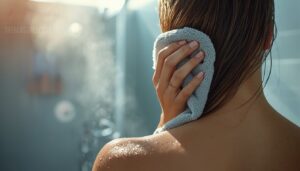
Every wash day either protects your hair or quietly wears it down.
Use lukewarm water instead of hot, then pat strands with a microfiber towel—no rubbing.
- Fewer split ends
- Softer, calmer strands
- Less shower-drain shedding
- Real progress you can see
Gentle handling while hair is wet lowers breakage risk a lot.
Scalp-focused Shampooing
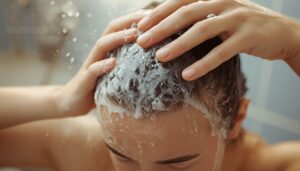
Where you shampoo matters more than how much. Focus shampoo on your scalp, using fingertips in slow circles for a minute or two—never nails.
Dilute a small amount with water first so it spreads evenly and lathers without stripping.
Let it sit 3-5 minutes so it can actually work, supporting scalp health and a balanced microbiome, calming inflammation before you rinse.
Regular Conditioner Use
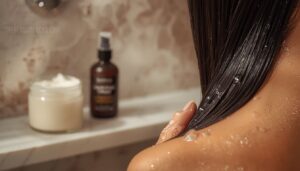
Once your scalp’s clean, don’t skip the ends. Conditioner rebuilds the moisture barrier shampoo strips away, smooths the cuticle, and cuts static and friction.
Four wins from regular use:
- Better hydration retention
- Easier detangling
- Less breakage from snagging
- Softer, more resilient strands
Apply from mid-shaft to ends. Rotate in a leave-in conditioner or deep-conditioning mask weekly for extra protection.
Wide-tooth Comb Detangling
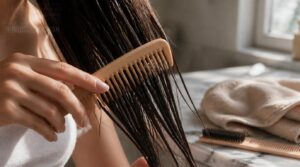
Grab a wide-tooth comb before your brush. Rounded tips glide instead of catching, and wide spacing pulls tangles apart with less snapping.
Work bottom-up on wet or dry hair—clear the ends first, then move higher. Dual-sided combs add options for thick, curly textures. This small swap protects hair health and keeps breakage from creeping into your daily hair care regimen.
Dermatologist Warning Signs

When should you stop self-treating and call a professional? If you notice persistent scalp itching past two weeks, red patches, or smooth bald spots, book a dermatologist.
- Persistent Scalp Itching
- Red Scalp Patches
- Thick Scaly Buildup
- Smooth Bald Patches
- Scalp Infection Signs
These point toward alopecia or scalp inflammation—issues trichology targets through proper dermatological health evaluation, not home remedies.
Frequently Asked Questions (FAQs)
Why is my hair so thin and breaking off?
Think of your hair as a rope fraying at both ends: moisture loss, nutrient deficiencies, and heat damage weaken strands, while hormonal shifts and mechanical tension pull hair loose at the root.
What vitamin deficiency causes hair breakage?
Biotin, zinc, and vitamin A deficiencies weaken hair structure through disrupted biotin metabolism, impaired zinc protein synthesis, and poor vitamin A absorption.
Low iron ferritin and reduced vitamin D receptor activity also contribute, making nutrient deficiencies a common root cause of breakage.
How to fix breakage and thinning hair?
Like roots seeking water, your hair heals when you feed it right.
Balance moisture-protein levels, ease mechanical stress, treat scalp inflammation, and restore elasticity through gentle care, proper nutrition, and consistent protein treatments—your strands rebuild strength gradually, not overnight.
What is the biggest cause of hair breakage?
Dryness combined with mechanical friction damage tops the list. Wet hair fragility, rough brushing, and heat leave the cuticle layer vulnerable, causing structural shaft fractures.
Moisture retention issues make it worse, so gentle handling and consistent conditioning matter most for preventing breakage.
How long does it take for hair to regrow after breakage?
Rome wasn’t built in a day, and neither is a full head of hair. Scalp growth averages 5 inch monthly, so noticeable regrowth visibility takes 1–3 months, with real thickness returning around 6–12 months if follicles stay healthy.
Supporting that follicle health along the way is easier than you might think, especially with plant-based hair growth supplements for vegetarians that deliver the biotin, iron, and zinc your strands need to thrive.
Since crash diets under 1,200 calories can rob hair follicles of the protein and iron they need, pairing patience with a nutrient-focused approach makes all the difference — this guide on restoring hair growth after weight loss breaks down exactly how to support regrowth from the inside out.
Can hair breakage and thinning be reversed completely?
Breakage often improves fully as damaged strands grow out.
Thinning depends on follicle recovery limits — reversible shedding triggers respond well, but permanent follicle damage caps regrowth. Growth cycle restoration helps, though results may be cosmetic rather than biological, improving hair health without fully restoring original density.
How often should you get professional trims for damaged hair?
Split ends won’t heal, so trim every 6 to 8 weeks if hair’s moderately damaged, or 4-6 weeks if severely brittle. Milder damage can stretch to 8-12 weeks. Professional trims remove splits precisely, protecting length and overall hair health.
When should you see a dermatologist for hair loss?
Some signs shouldn’t wait for a follow-up appointment.
Sudden shedding, patchy baldness, or scalp irritation alongside failed retail treatments often signal deeper follicle or medical triggers—see a dermatologist promptly to protect long-term hair health and reverse thinning before it worsens.
Conclusion
You don’t need a lab coat to fix this. What causes hair breakage and thinning usually comes down to a few habits: rough drying, tight styles, low iron, or heat without protection. None of that’s permanent.
Your strands rebuild when you stop the damage and start feeding the follicle again. Think of hair like a garden—pull weeds first, then water consistently. Give it a few months. Patience, not panic, grows it back.