This site is supported by our readers. We may earn a commission, at no cost to you, if you purchase through links.

I still remember my first blackhead extraction facial: my esthetician wielded a little metal tool and I nearly levitated off the table. Turns out, you don’t need appointments or ouch-worthy tools to get clear pores. A well-formulated salicylic acid peel at home can dissolve that gunk gently, no metal instruments required.
Salicylic acid loves oil, which means it slides right into clogged follicles and breaks up debris before it ever hits your dermatologist’s schedule. But strength, timing, and skin prep make the difference between glowing results and an angry, flaky mess.
Grab your stopwatch. I’ll walk you through picking the right percentage, prepping your skin, and timing each step like a pro.
Table Of Contents
- Key Takeaways
- Salicylic Acid Peel Benefits
- Choosing The Right Peel Strength
- Patch Test and Skin Prep
- Step-by-Step At-Home Peel Method
- Aftercare for Healthy Skin Barrier
- How Often to Use Peels
- Risks, Side Effects, and Contraindications
- Retinol, Sunscreen, and Active Pairing
- Top 10 At-Home Peel Products
- 1. L Oreal Bright Reveal Exfoliant
- 2. Tri Clarity Acid Peel Pads
- 3. PowerGlow Exfoliating Facial Peel
- 4. Professional 30% Salicylic Acid Peel
- 5. LOreal Revitalift Bright Peel Pads
- 6. Dennis Gross Universal Daily Peel
- 7. Biore Bubbling Pore Refining Mask
- 8. Biore Deep Cleansing Pore Strips
- 9. Paula Choice BHA Exfoliating Pads
- 10. Olay Regenerist Night Peel Serum
- Frequently Asked Questions (FAQs)
- Conclusion
Key Takeaways
- Choose your salicylic acid strength based on experience level: beginners should start with buffered 3% pads, work up to 10-20% for real exfoliation, and leave anything above 25-30% to professionals.
- Always patch test on your inner arm for 24 hours and pause retinol for a week before peeling to avoid stacking irritation on an unprepared skin barrier.
- Time your peel with a stopwatch (capping stronger concentrations like 20% at 3-5 minutes), rinse thoroughly, and stop immediately if you notice burning, frosting, or spreading redness instead of mild tingling.
- Protect your results afterward by skipping strong actives for 24-48 hours, wearing SPF 30+ daily, and avoiding peels altogether if you’re pregnant, nursing, or allergic to aspirin/NSAIDs.
Salicylic Acid Peel Benefits
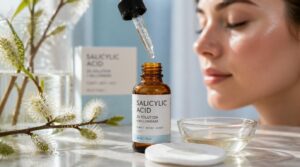
Salicylic acid isn’t just another skincare buzzword, it actually earns its spot in your routine. As a lipophilic BHA, it slips right into oily pores and gets to work where other acids can’t reach. Here’s what that means for your skin, one benefit at a time.
That deep-cleaning power is exactly why dermatologists recommend pairing it thoughtfully with other actives, a balance you can master with this complete guide to building a skincare routine.
Clears Clogged Pores
Picture oil and gunk hiding deep in your pores, out of reach of regular soap. That’s where salicylic acid shines: it’s lipophilic, meaning it dives into sebum, dissolving plugs and dislodging follicular debris.
This keratolytic action means fewer clogged pores over time. Since salicylic acid is oil-soluble, it cleans from within, not just the surface, giving you genuine deep pore cleansing instead of a quick cosmetic fix. Using gentle exfoliating cleansers helps dissolve excess oil and clear dead skin cells.
Targets Blackheads
Ever wonder why blackheads look dark? It’s oxidation, not dirt. That trapped mix of sebum and dead cells darkens once it hits air.
Salicylic acid’s BHA solubility lets it slip into the follicle before oxidation sets in, triggering blackhead plug dissolution at the source. Regular pore lining exfoliation means fewer new plugs forming, so blackheads (and that gritty texture) fade with consistent acne treatment.
Reduces Excess Oil
That same follicle-dissolving action that clears blackheads also targets shine. Because salicylic acid is lipophilic, it penetrates oily buildup directly, breaking up sebum plugs before they trap excess oil at the surface.
This brings real T-zone shine control, easing pore congestion so oil-debris mix stops pooling. For oily, acne-prone skin, that’s where BHA oil control genuinely shows up day to day.
Smooths Rough Texture
Once oil stops pooling, the next thing you’ll notice is texture. Salicylic acid softens keratin plugs and speeds desquamation, so dead cells shed evenly instead of building into bumps.
Less microcomedone congestion means fewer rough patches, especially on cheeks and forehead. After a peel, expect temporary smoothing as skin recovers, with consistent at-home exfoliation gradually flattening that "sandpapery" feel for good.
Helps Acne-prone Skin
If breakouts are your main concern, this is where salicylic acid earns its keep. As a BHA, it works below the surface, clearing pore congestion and follicular debris before they turn into inflamed bumps.
For acne-prone skin, that means fewer flare-ups over time. Consistent at-home peel sessions support sebum regulation and inflammatory acne reduction—a one-two punch for calmer, clearer-looking skin.
Choosing The Right Peel Strength
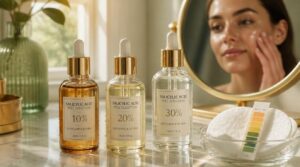
Not every salicylic peel is created equal, and picking the wrong strength is how good intentions turn into red, flaky regret. Your skin type, experience level, and tolerance all play a role in what percentage and format work best for you.
Let’s break down exactly what to look for, from beginner concentrations to the pH science behind why buffering matters.
Beginner-friendly Concentrations
Starting low isn’t playing it safe; it’s just smart chemistry. Look for buffered formulas around 3%, packaged as single-use pads for consistent, short-contact application. These pH-balanced options minimize stinging while your skin builds tolerance.
If you feel more than mild tingling, rinse immediately.
Sensitive or reactive skin? Stick with low-percentage starts until you know how your face actually responds—no exceptions.
10% to 20% Peels
Once your skin gives the green light, the 10% to 20% range is where salicylic acid, a beta hydroxy acid, really earns its keep against acne-prone skin.
This is the best concentration balance: strong enough for real exfoliation, mild enough to stay superficial.
- Expect noticeable flaking, not peeling in sheets
- Redness fades within a day or two
- Best used every 1-2 weeks
- Watch tolerability vs results closely
Avoiding Overly Strong Formulas
More isn’t better here. Formulas above 25%-30% salicylic acid, a beta hydroxy acid, belong in a professional’s hands, not your bathroom cabinet.
The FDA has flagged chemical burn risks from overly strong at-home peels, and permanent marks aren’t worth the shortcut. Build tolerance gradually instead.
Your skin rewards patience, not intensity, and sensitive types, especially, should resist the urge to reach for the strongest bottle on the shelf.
PH and Buffering
pH is chemistry doing the heavy lifting behind the scenes. Salicylic acid, a beta hydroxy acid, works best buffered near pH 2.1—lower pH means more free acid, more irritation.
Buffer capacity resists sudden swings, protecting your skin barrier resistance.
- Fear of chemical burns
- Relief from predictable results
- Confidence in gentler formulas
- Trust in clinical safety guidelines
Higher pH shifts salicylic acid toward its gentler, dissociated form.
Pads, Gels, and Serums
Format matters as much as strength. Pre-soaked pads offer grab-and-go convenience, no measuring required, while gels spread thin for lightweight, targeted zone application on oily T-zones.
Serums give you dosing control, applying gradually to avoid over-saturating skin. All three often include barrier-soothing humectants to offset dryness—so your beta hydroxy acid peel exfoliates without triggering unnecessary skin irritation.
Patch Test and Skin Prep
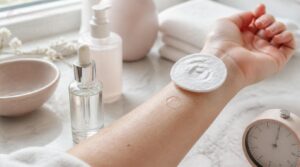
Skipping prep is where most at-home peels go sideways, so let’s not skip it. A few small steps now save you from a red, angry face later. Here’s exactly what you need to check off before that peel touches your skin.
24. hour Patch Test
Skip this peel until you’ve patch tested — trust me, it’s non-negotiable.
Dab a dime-size amount on your inner arm, then leave it uncovered or lightly taped for 24 full hours. Check redness or itching immediately, then again at hour 24, since reactions can hide.
- No redness? Proceed.
- Mild fade? Low risk.
- Persistent redness? Skip it.
- Blistering? Never use.
Stop Retinoids First
Passed your patch test? Good, but check one more thing before mixing actives: are you still on retinol?
Retinoids speed up cell turnover, so your barrier needs recovery time first. Pause retinol for about a week before peeling — stacking a BHA on freshly-turned-over skin invites redness, stinging, and serious post-peel irritation. Give your skin that cool-down window, and salicylic acid will behave far better.
Cleanse Without Acids
Retinol’s resting, so now wash with a plain, soap-free cleanser — nothing exfoliating. Syndet formulas clean without disrupting your skin’s natural pH, keeping the barrier calm before acid even touches it.
Massage gently, rinse with lukewarm water, and pat dry. No post-wash tightness, no stripped feeling — just balanced skin, ready for salicylic acid to unclog pores and fight acne without extra irritation stacked on top.
Protect Sensitive Areas
Now grab a plain moisturizer and pre-treat your danger zones: eye corners, lip line, nostril edges, and mouth creases. Salicylic acid is a beta hydroxy acid that doesn’t discriminate between clogged pores and thin, reactive skin.
A thin barrier there blocks acid drift without smothering treatment areas. Skip barrier product inside your target zone, or you’ll dilute results.
Avoid Broken Skin
Before any peel touches your face, check for cuts, scabs, or raw patches, because salicylic acid on broken skin spells trouble fast.
- Fresh shaving nicks
- Popped pimples
- Peeling sunburn
- Retinol flakes
- Scratched scabs
Acid seeping into micro-cuts causes stinging burns, delays wound healing, and damages your skin barrier. Postpone treatment until skin’s fully closed and calm—your future glow will thank you.
Step-by-Step At-Home Peel Method
Alright, patch test done, skin prepped, now comes the part everyone gets nervous about: actually applying the peel. This is where precision matters more than confidence, so don’t wing it. Here’s exactly how to move through each step without turning your face into a science experiment gone wrong.
Apply With Cotton Pad
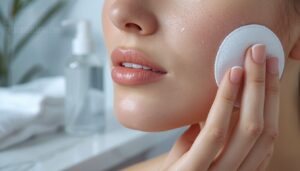
Cotton pads aren’t just for makeup removal here—they’re your control tool.
Saturate the pad evenly with your salicylic acid solution, then press (don’t rub) onto skin to avoid friction and streaking. Use the treated side first, keep pressure gentle, and grab a fresh pad for larger areas so coverage stays consistent as the first one dries out.
Avoid Eyes and Lips
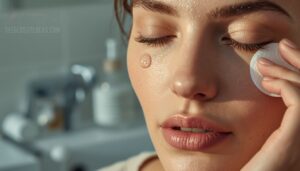
Your eyelids and lip line are the thinnest skin on your face, and this beta hydroxy acid doesn’t discriminate. Keep a full finger’s width of clearance, since product migration happens quickly near creases.
Never reload a used pad against fresh skin—that’s how applicator transfer sneaks acid where it shouldn’t go. If contact happens, rinse immediately with cool water to limit irritation.
Time With Stopwatch
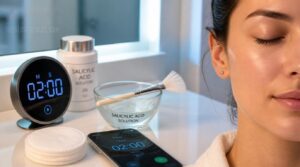
Set a stopwatch before you even mix your solution—guessing at seconds is how mild exfoliation turns into a burn. Use the lap function for timing accuracy on each face zone, or split time to track total exposure without losing your place.
Millisecond precision doesn’t matter here, but consistent starts and stops absolutely do, especially on sensitive skin.
How Long for 20%
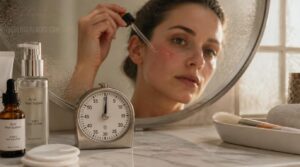
Twenty percent salicylic acid isn’t beginner territory, so timing precision matters more here than at any lower strength.
Cap contact at 3–5 minutes, max, and only once your skin’s proven it can handle lower concentrations first.
- Start at 30 seconds if you’re new to 20%
- Watch for burning, not just tingling
- Factor in heat or humidity—both intensify sensation
- Dry skin patches sting faster
- Never exceed your predetermined stopping point
Rinse Thoroughly

Rinsing isn’t optional—it’s your peel neutralizer, so don’t rush it. Use lukewarm water and gently sweep away residue until nothing feels filmy or tacky, especially along your nose and jawline.
Avoid letting runoff hit your eyes, tilt your head forward, and skip vigorous rubbing. Pat-dry with a soft towel. If stinging continues, keep rinsing gently rather than stopping early.
Aftercare for Healthy Skin Barrier
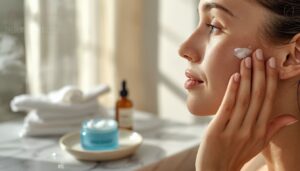
Rinsing off the peel isn’t the finish line, it’s the starting gun for the next 48 hours. Your skin barrier is basically wide open right now, so what you do next matters just as much as the peel itself. Here’s exactly how to treat your skin so it heals calm, bright, and irritation-free.
Use Gentle Cleanser
Once your peel time’s up and you’ve rinsed with cool water, reach for a non-foaming, pH-balanced cleanser—not your regular face wash. Freshly peeled skin is basically raw real estate, and harsh surfactants will sting like crazy.
- Skip sulfates and alcohol
- Look for niacinamide or panthenol
- Choose cream or gel textures
- Avoid fragrance
- Cleanse gently, no scrubbing
This protects your skin barrier post-peel.
Apply Plain Moisturizer
Right after cleansing, while skin’s still a little damp, smooth on a noncomedogenic moisturizer—damp skin locks in more water. Use a pea-sized amount, patting gently up the face and down the neck. Give it a minute to absorb before layering anything else.
| Do | Skip |
|---|---|
| Damp skin | Dry rubbing |
| Pea-sized amount | Heavy layers |
| Gentle patting | Aggressive massage |
Skip Strong Actives
Now’s not the time to reach for retinoids, vitamin C, or another acid — your skin just went through a lot. Stacking actives invites irritation and barrier damage, sometimes chemical burns.
Give it 24–48 hours minimum before layering anything strong again.
Skip these post-peel:
- Retinol or retinoids
- Benzoyl peroxide
- Other AHAs/BHAs
- Vitamin C serums
- Physical scrubs
Wear SPF 30+
Your freshly exfoliated skin is basically wearing a "kick me" sign for UV rays, so broad spectrum SPF 30+ isn’t optional now.
| Sunscreen Habit | Why It Matters Post-Peel |
|---|---|
| Apply 30 min before sun | Prevents gaps in protection |
| Reapply every 2 hours | Wear-off happens faster on treated skin |
| Use ~1 ounce, full body | Under-application weakens SPF power |
Water-resistant formulas help, but sweat still calls for touch-ups.
Avoid Picking Flakes
Fingers off, no matter how tempting those flakes look. Picking causes mechanical skin disruption, creating micro-tears that invite bacteria and prolong post-peel irritation.
- Blot gently, don’t scrape
- Let hydration guide natural release
- Watch for uneven shedding patterns
Barrier repair takes time. Forcing chemical exfoliation results can backfire fast, especially on sensitive skin—leave attached flakes alone and let your skin barrier heal on its own schedule.
How Often to Use Peels
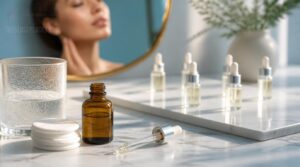
More isn’t better here, your skin needs recovery time between sessions to actually show results. How often you peel depends on your skin type, your experience level, and how your face reacts the first few times. Here’s how to figure out your ideal schedule.
Beginner Peel Schedule
Slow and steady wins this race. Start with a 3% peel once every two weeks, watching for redness that lingers past an hour.
| Week | Action |
|---|---|
| 1–2 | 3% peel, patch test first |
| 3–4 | Repeat if calm |
| 5–6 | Try 10% |
| 8+ | Space by tolerance |
Gradual strength increases protect your barrier long-term.
Oily Skin Frequency
Oily, acne-prone skin can often handle salicylic acid peels every 1–2 weeks, since excess sebum keeps clogged pore turnover cycling fast.
Watch for seasonal oil shifts—summer humidity and hormonal sebum spikes may call for more frequent sessions.
But don’t overdo it: rebound oil production can strike if you strip skin too often. Blotting between washes helps manage shine without disrupting your peel schedule.
Sensitive Skin Spacing
Sensitive skin needs breathing room—think every 3–4 weeks, not days. Since beta hydroxy acid can trigger stinging or burning on reactive barriers, always patch test 24–48 hours first on your inner arm.
Skip scented formulas, and stick to lukewarm water post-peel. Climate shifts (dry winters, humid summers) can worsen reactivity, so adjust spacing accordingly and prioritize barrier recovery between sessions over frequency.
Signs to Wait Longer
Your skin talks—learn to listen. Redness lasting more than 24 to 48 hours means you jumped back in too soon.
Stinging, ongoing peeling, or that weird overheated feeling? All signs your barrier needs more recovery time. Don’t push through discomfort hoping it’ll toughen up; that’s how irritation snowballs. When in doubt, wait it out, protect with SPF, and let calm skin be your green light.
When to Stop Peeling
Here’s the truth: your peel timer isn’t the only clock that matters—your skin’s reaction is the real stop signal.
Your peel timer isn’t the real stop signal—your skin’s reaction is
Stop immediately if you see:
- Blotchy or uneven frosting
- Sharp, escalating burning
- Heat spreading beyond the treated zone
- Product pooling or streaking unevenly
Rinse with lukewarm water, no scrubbing. Skip reapplying that day—restacking exposure only stresses an already-irritated skin barrier.
Risks, Side Effects, and Contraindications

Let’s be real, salicylic acid is powerful stuff, and powerful stuff comes with rules. Knowing what’s normal versus what means "stop right now" can save your skin, literally. Here’s what you need to watch for before and during every peel.
Burning Versus Tingling
Since your skin’s already talking to you during a peel, learn its language fast. A light tingle from the BHA is normal; sharp, spreading burning isn’t.
| Sensation | Action |
|---|---|
| Mild tingle | Continue timing |
| Hot sting | Rinse now |
| Spreading redness | Stop, don’t reapply |
| Blistering | Seek care |
| Numbness | Reassess barrier |
Aspirin Allergy Warning
Here’s the one warning I won’t let you skip: salicylic acid is chemically a cousin of aspirin, so if you’ve ever reacted to NSAIDs, hives, asthma, or nasal polyps, this peel’s off-limits.
Cross-reactivity is real, and reactions can escalate fast, from itchy welts to breathing trouble.
Anaphylaxis is rare but serious. If aspirin’s ever been a problem for you, please ask your doctor before trying this at home.
Pregnancy and Breastfeeding
Pregnant or nursing? Skip this peel altogether, no exceptions.
Salicylic acid is a beta hydroxy acid that can cross into your bloodstream, and pregnancy already heightens skin barrier sensitivity while shifting oil production. Nursing adds its own wrinkle: nipple stimulation triggers oxytocin, tied to uterine contractions.
Three reasons to wait:
- Systemic absorption risk
- Infant contact exposure
- Unpredictable hormonal reactions
Ask your OB first.
Dark Skin Precautions
Got melanin-rich skin? Read this before your peel.
Higher melanin means more post-inflammatory hyperpigmentation risk once irritation hits, and BHAs can trigger that fast. If you’re higher on the Fitzpatrick scale, skip retinoids 1-2 weeks beforehand, patch test religiously, and prime skin gently. Protecting your barrier matters more here than anywhere else, since one harsh session can leave marks lasting months.
Chemical Burn Signs
Something feels off after your peel? Trust that instinct. A true chemical burn goes past normal tingling—watch for:
- Blistering or eschar
- Deep redness or numbness where skin should feel normal
- Stinging eyes if the acid splashes near them
Any of these mean stop immediately, rinse well, and skip actives until your barrier calms down.
Retinol, Sunscreen, and Active Pairing
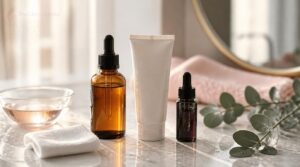
Your peel doesn’t work alone; it’s part of a whole routine, and what you pair it with matters just as much as the peel itself. Mix it with the wrong actives at the wrong time, and you’ll trade glowing skin for angry, irritated skin fast.
Here’s exactly how to space out retinol, sunscreen, and everything else in your lineup so your skin stays happy.
Retinol Timing Rules
Retinol and salicylic acid are both hardworking actives, but they don’t play well together on the same night. Avoiding ingredient stacking prevents compounded irritation and protects your skin barrier.
Save retinol for non-peel nights, applied to fully dry skin before bed. If you’re already managing an irritation schedule, skip retinol for 24–48 hours post-peel, then resume gradually once redness settles.
Benzoyl Peroxide Caution
Ever ruin a pillowcase and not know why? Benzoyl peroxide’s the culprit, and it doesn’t stop at fabric.
Skip combining it with your salicylic acid peel, since both fight acne but stack up irritation fast.
- Bleached towels or collars
- Lightened hair strands
- Stinging near mucous membranes
Watch for allergic reaction signs—hives, swelling, trouble breathing—and stop immediately if they appear.
AHA and BHA Stacking
Two acids, double the work? That’s the appeal of stacking alpha hydroxy acids (AHAs) with beta hydroxy acid (BHA)—AHAs handle surface texture while salicylic acid clears pore debris.
Layering order matters: apply your rinse-off peel first, then leave-on acids after, spaced by minutes, not layered wet-on-wet.
Watch for cumulative irritation—stinging, tightness—and dial back frequency if your skin barrier starts protesting.
Red Light Mask Use
Pairing your peel week with a red light mask session? Give skin a rest day between them, since freshly exfoliated skin is extra sensitive.
- Gentle warmth, not harsh tingling
- Calmer, less reactive-looking skin
- A soothing, spa-like wind-down
- Visible support for collagen over time
Keep eyes closed, follow intensity settings, and pair with a bland moisturizer for true skin barrier protection.
Daily Sunscreen Importance
Fresh, peeled skin has zero defense against UV rays, cloudy day or not. Salicylic acid strips away the surface layer that normally shields you, so skipping SPF 30+ after a peel invites sunburn, dark spots, even collagen damage that undoes your results.
Make it non-negotiable, rain or shine, all year. Your skin barrier’s healing depends on it.
Top 10 At-Home Peel Products
Shopping for a peel can feel like standing in front of a wall of options, all promising the same glow. I’ve tested plenty, and some genuinely earn their spot on your bathroom shelf while others just look pretty. Here are ten worth your money, from gentle beginner formulas to serious professional-strength stuff.
1. L Oreal Bright Reveal Exfoliant
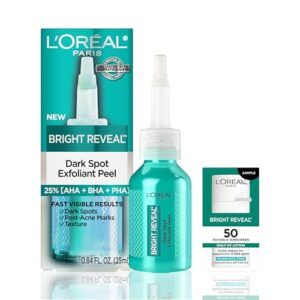
If you want a multi-acid peel without the professional price tag, this one’s a solid pick. It blends glycolic, lactic, and mandelic acids with a touch of PHA and low-dose salicylic acid, totaling around 25% active acids.
Niacinamide rounds things out for barrier support. Start every other night, patch test first, and expect brighter, smoother skin within weeks—not overnight miracles, but steady, visible progress your mirror will thank you for.
| Best For | Anyone dealing with dark spots, post-acne marks, or uneven texture who wants noticeable brightening without booking a professional peel. |
|---|---|
| Active Acid Type | Multi-acid (AHA/BHA/PHA) |
| Format | Liquid Solution |
| Sun Sensitivity | Requires SPF 30+ |
| Skin Type Suitability | All Skin Types |
| Primary Benefit | Brightening |
| Usage Frequency | Up to 4x Weekly |
| Additional Features |
|
- Visible brightening reported after just one use, with continued improvement over weeks
- Gentle multi-acid blend (AHA/BHA/PHA) suits all skin types, including sensitive skin
- Comes with a free SPF sample, making it easy to follow the required daily sun protection
- Strong fragrance may irritate those with fragrance sensitivities
- Can cause mild tingling, redness, or peeling for the first day or two
- Melasma or deep age spots may take several months of consistent use to show real results
2. Tri Clarity Acid Peel Pads
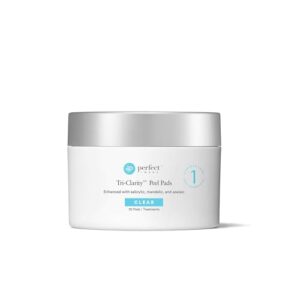
If glycolic-lactic-mandelic blends feel like a lot, these pads simplify things while still bringing serious power. Pre-soaked and mess-free, they combine salicylic, mandelic, and azelaic acids at a 25% total strength, buffered to a pH around 2.5–3.0 for effective but manageable exfoliation.
Tea tree and green tea extracts calm inflammation while the acids dissolve pore-clogging debris. Azelaic acid’s the standout here, fading discoloration other blends skip. Rated Level 1 for first-timers, but don’t let that fool you: patch test regardless.
| Best For | People dealing with blemishes, blackheads, and uneven skin tone who want a convenient, pre-soaked peel pad for at-home exfoliation. |
|---|---|
| Active Acid Type | Salicylic + Mandelic |
| Format | Soaked Pads |
| Sun Sensitivity | Requires Sun Protection |
| Skin Type Suitability | Sensitive Patch-Test |
| Primary Benefit | Pore Clearing |
| Usage Frequency | As Directed |
| Additional Features |
|
- Combines salicylic (BHA) and mandelic (AHA) acids for dual-action exfoliation
- Tea tree oil and green tea extract help calm skin and fight bacteria while providing antioxidant support
- Versatile enough to use on the face and body, including underarms, thighs, and groin
- Contains SD alcohol, which may irritate very sensitive or alcohol-intolerant skin
- Can cause burning, tingling, dryness, or peeling, especially with first use
- Requires diligent sun protection afterward since skin becomes more UV-sensitive
3. PowerGlow Exfoliating Facial Peel
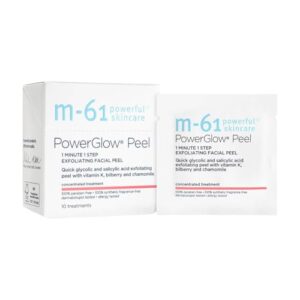
If those pads felt intense, PowerGlow eases you in without skimping on results. This one-minute treatment blends 7% glycolic and 7% salicylic acid with vitamin K, bilberry, chamomile, and lavender, applied via cotton pad for a quick brighten-and-smooth session.
In trials, 97% of users saw refined pores, 91% noticed smoother texture. Rinse after sixty seconds, follow with moisturizer and SPF. It’s forgiving enough for oily or combination skin craving that instant glow without the sting.
| Best For | PowerGlow is best for those with oily, combination, or acne-prone skin who want a quick, at-home exfoliating treatment to refine pores and improve skin tone without a lengthy routine. |
|---|---|
| Active Acid Type | Glycolic + Salicylic |
| Format | Soaked Pads |
| Sun Sensitivity | Requires Sun Protection |
| Skin Type Suitability | All Skin Types |
| Primary Benefit | Texture Refinement |
| Usage Frequency | Weekly |
| Additional Features |
|
- Fast, single-step treatment that takes about one minute per use
- Blends glycolic and salicylic acids with soothing ingredients like chamomile and lavender to calm irritation
- Gluten-free, vegan, paraben-free, and dermatologist-tested formulation
- May cause irritation on very sensitive skin, especially with overuse
- Increases sun sensitivity, so daily SPF is required afterward
- Clinical results are based on a small 30-participant study, so individual outcomes may vary
4. Professional 30% Salicylic Acid Peel
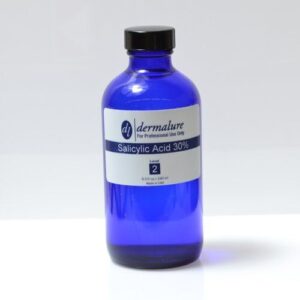
Now we’re in different territory. This 30% strength Pro Size peel, sold in an 8 oz bottle, is built for clients who’ve already got a few peels under their belt, not weekend warriors.
Reserve it for once every two to three weeks, max. It delivers dramatic clarity, but at that concentration, timing and technique matter way more than enthusiasm. Skip the beginner mindset here.
| Best For | Experienced peel users looking to tackle stubborn acne, dark spots, and uneven texture with a professional-grade treatment. |
|---|---|
| Active Acid Type | Salicylic Acid |
| Format | Liquid Solution |
| Sun Sensitivity | High Irritation Risk |
| Skin Type Suitability | Experienced Users Only |
| Primary Benefit | Deep Pore Penetration |
| Usage Frequency | Weekly |
| Additional Features |
|
- Powerful 30% concentration penetrates deep to clear pores and reduce breakouts
- Helps fade sun damage and discoloration for a more even skin tone
- Noticeable improvements in texture and pore appearance with consistent use
- Too intense for first-time peel users and can trigger purging
- Higher risk of irritation, burning, or redness at this strength
- No printed expiration date, so freshness needs to be checked before each use
5. LOreal Revitalift Bright Peel Pads
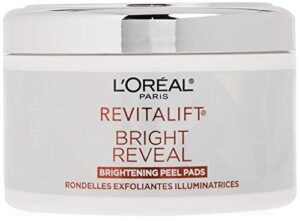
If your budget skews drugstore, these are worth a look. Glycolic acid takes the lead here, paired with ascorbyl glucoside for brightening and a touch of antioxidant support.
They’re gentle enough for daily or near-daily use, though I’d still watch for tingling if you’re sensitive. The alcohol denat in the formula can dry out already-parched skin, so don’t skip moisturizer.
Think of it as a light polish, not a deep peel, best for tone and mild texture concerns.
| Best For | Budget-conscious shoppers who want an easy, drugstore-friendly way to brighten skin and smooth mild texture or fine lines without committing to a deep peel. |
|---|---|
| Active Acid Type | Glycolic Acid |
| Format | Soaked Pads |
| Sun Sensitivity | Requires SPF |
| Skin Type Suitability | All Skin Tones |
| Primary Benefit | Wrinkle Reduction |
| Usage Frequency | Daily |
| Additional Features |
|
- Glycolic acid pads deliver daily chemical exfoliation to brighten and even out skin tone
- Gentle enough for daily or near-daily use, with dermatologist testing across skin types and tones
- Convenient pre-soaked format fits easily into a daytime routine ahead of SPF
- May cause tingling or mild irritation, particularly for sensitive skin
- Not suitable for broken, sunburned, or already irritated skin
- Daily use may be too frequent for very sensitive users, so alternating days might be needed
6. Dennis Gross Universal Daily Peel
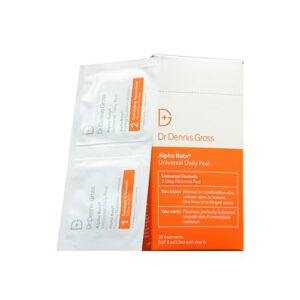
Five acids, one two-step ritual: glycolic, lactic, mandelic, salicylic, and citric team up here, buffered with potassium hydroxide and calmed by witch hazel so skin doesn’t riot.
Step 1 exfoliates, Step 2 hydrates and soothes, no rinsing required. That dual-step design makes it genuinely beginner-friendly, especially if last time you tried a peel and regretted it by morning.
Sold in 5-pair boxes, it’s a low-commitment way to test whether daily peeling fits your routine before scaling up.
| Best For | Anyone new to at-home peels who wants a beginner-friendly, two-step routine that exfoliates and hydrates without rinsing, and who has oily, combination, normal, dry, or sensitive skin. |
|---|---|
| Active Acid Type | Salicylic + Retinol |
| Format | Soaked Pads |
| Sun Sensitivity | Standard Precaution |
| Skin Type Suitability | Oily-Sensitive Range |
| Primary Benefit | Fine Line Reduction |
| Usage Frequency | Daily |
| Additional Features |
|
- Combines five acids plus salicylic acid, retinol, and resveratrol for exfoliation, hydration, and brightening in one simple routine
- No-rinse, two-step design makes it easy to use even for peel beginners
- Vegan and PETA-certified cruelty-free, with no parabens
- Daily use may still irritate very sensitive skin types
- Leaving pads to dry on skin without rinsing can feel inconvenient for some users
- Not recommended for pregnant or nursing individuals due to the retinol and salicylic acid content
7. Biore Bubbling Pore Refining Mask
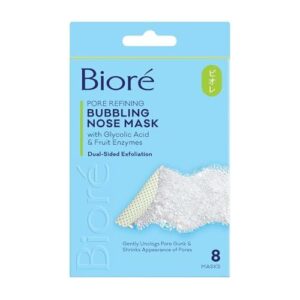
If your nose could use a spa day without the actual spa, this one delivers. Glycolic acid and fruit enzymes team up with silicone scrubbers for a two-in-one chemical-plus-physical clean, while hyaluronic acid keeps skin from feeling stripped.
The fizzing isn’t just theater, it helps lift gunk from pores in about five minutes flat. Use it 2-3 times weekly, and skip it if your skin’s already feeling raw or reactive.
| Best For | People with oily or blackhead-prone skin, especially around the nose, who want an extra deep-clean step without overdoing it on daily cleansing. |
|---|---|
| Active Acid Type | Glycolic + Enzymes |
| Format | Bubbling Serum |
| Sun Sensitivity | Moderate Risk |
| Skin Type Suitability | Sensitive Skin OK |
| Primary Benefit | Pore Minimizing |
| Usage Frequency | 2-3x Weekly |
| Additional Features |
|
- Combines chemical (glycolic acid fruit enzymes) and physical (silicone scrubbers) exfoliation for a thorough clean
- Fizzing action helps loosen pore-clogging gunk in about five minutes
- Hyaluronic acid layer helps prevent that tight, stripped feeling post-exfoliation
- Bubbling intensity can be inconsistent, so results may feel underwhelming for some
- Contains glycolic acid, which may irritate very sensitive or compromised skin
- Only meant for 2-3 uses per week, so it’s not a stand-in for regular cleansing
8. Biore Deep Cleansing Pore Strips
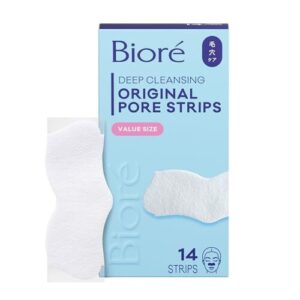
Ever peel off a strip and gasp at what your nose was hiding? That’s the appeal here.
These use a patented binding technology that grabs blackheads, not skin, pulling debris from pores in about 10 minutes. Oil-free and non-comedogenic, they’re gentle enough for weekly use but strictly nose-only, so don’t expect help with cheek congestion or cystic acne.
One strip per use, no reapplying. Follow with a light moisturizer and SPF, and skip strips if skin feels raw or broken.
| Best For | Anyone with oily skin and visible nose blackheads who wants a quick pore refresh before an event or photoshoot. |
|---|---|
| Active Acid Type | N/A (Adhesive) |
| Format | Strips |
| Sun Sensitivity | Low Risk |
| Skin Type Suitability | Oily Skin Only |
| Primary Benefit | Blackhead Removal |
| Usage Frequency | Weekly |
| Additional Features |
|
- Patented C-Bond technology grabs blackheads without irritating surrounding skin
- Fast results — noticeably clearer pores in about 10 minutes
- Oil-free, non-comedogenic formula suited to oily skin types
- Single-use strips mean ongoing repurchases, unlike reusable tools
- Can cause mild irritation or redness on sensitive or broken skin
- Only works on the nose — no help for cheeks, chin, or deep cystic acne
9. Paula Choice BHA Exfoliating Pads
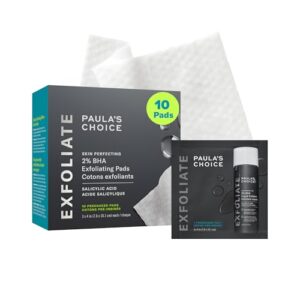
No-fuss and dermatologist-approved sums up why these pads have such a loyal following.
Each pack gives you ten pre-soaked pads with 2% salicylic acid, plus soothing green tea extract for the skin barrier. They’re vegan, fragrance-free, and gentle enough for daily use on face, neck, or body.
Wipe over clean, dry skin, skip the rinse, and let it dry before moisturizer. Avoid pairing with retinoids or other acids that same day.
| Best For | People who want a simple, no-rinse way to work salicylic acid into their routine for smoother, brighter-looking skin. |
|---|---|
| Active Acid Type | Salicylic Acid |
| Format | Soaked Pads |
| Sun Sensitivity | Mild Sensitivity |
| Skin Type Suitability | Sensitive-Friendly |
| Primary Benefit | Pore & Line Reduction |
| Usage Frequency | As Needed |
| Additional Features |
|
- Convenient pre-soaked pads make application quick and travel-friendly
- 2% salicylic acid helps reduce pore size and fine lines with regular use
- Gentle enough for daily use on face, neck, and body
- May cause tingling or dryness for those with sensitive skin
- Shouldn’t be combined with strong exfoliants like high-strength AHAs
- Not a replacement for prescription acne treatments
10. Olay Regenerist Night Peel Serum
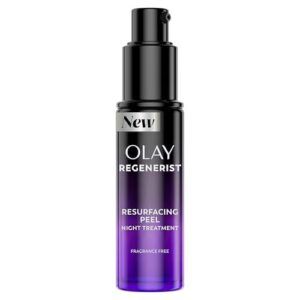
Not every peel needs to sting to work, and this one proves it. Olay swaps salicylic acid for lactic acid paired with peptides, making it a gentler nightly resurfacer for texture and tone rather than deep pore-clearing.
Apply a thin layer to clean, dry skin, starting every other night. Skip other actives those first weeks, and always follow with SPF come morning. Great pick if straight BHA feels like too much, too fast.
| Best For | Anyone with mature or sensitive skin who wants gentler resurfacing benefits without the intensity of a stronger acid like salicylic or glycolic. |
|---|---|
| Active Acid Type | Lactic Acid |
| Format | Serum |
| Sun Sensitivity | Requires Sunscreen |
| Skin Type Suitability | Mature Skin |
| Primary Benefit | Texture & Tone |
| Usage Frequency | Nightly |
| Additional Features |
|
- Combines lactic acid with peptides and niacinamide for exfoliation plus visible repair
- Lightweight, fragrance-free formula absorbs quickly and layers well into a routine
- Noticeable texture and hydration improvements within about a week
- Increases sun sensitivity, so daily SPF isn’t optional
- Deeper wrinkles may take well over a month to show real improvement
- Pricier than basic moisturizers, and it’s not a substitute for sunscreen or retinol
Frequently Asked Questions (FAQs)
How long to leave 20% salicylic acid peel on face?
Stick with 5 to 10 minutes for most first-timers, though oilier skin can push toward 15 to 20 if there’s no burning. Rinse with lukewarm water the moment stinging turns sharp, not soothing.
Can salicylic acid peels help with wrinkles?
Yes—by shedding dead surface cells, these peels smooth rough texture so fine lines look less noticeable. It’s cosmetic softening, not collagen rebuilding, so pair peels with consistent SPF and gentle aftercare for best results.
Is it normal for skin to peel visibly?
A little flaking is your skin’s way of saying "mission accomplished" — dead cells lifting off as the acid works. Expect it 5-7 days post-peel, but blistering or spreading redness means stop and call your derm.
Can I apply makeup after a peel?
Give your skin a breather first. Wait at least 24 to 72 hours, longer if you’re still flaking or red. Applying makeup too soon can trap bacteria, clog healing pores, and irritate that freshly exfoliated barrier—patience pays off here.
How long until I see visible results?
Patience pays off here. Texture often looks smoother within 1-2 weeks, but blackheads and oil control usually need 2-4 weeks of consistent use. Give acne-prone skin 4-8 weeks before judging results—breakouts cycle, so don’t quit early.
Can salicylic acid peels be combined with microneedling?
Combining them works, but never on the same day. Do microneedling first, wait about a week to heal, then peel — or peel first and wait before needling. Spacing prevents overstressing skin and cuts your risk of excess redness.
Conclusion
Funny enough, the tool I once feared most turns out to be the one you never actually need. Your kitchen counter, ten quiet minutes, and a well-timed stopwatch can outperform that scary metal extractor every single time.
A proper salicylic acid peel at home clears pores, calms breakouts, and builds real skin confidence. Respect the percentage, protect your barrier, and your skin will thank you louder than any esthetician’s compliment ever could.
- https://www.platinumskincare.com/salicylic-peel-3-15-25
- https://www.elevationderm.com/blog/salicylic-acid-peels-the-ideal-peel-for-acne-and-rosacea-prone-skin
- https://www.healthline.com/health/beauty-skin-care/salicylic-acid-peel
- https://www.allure.com/story/at-home-chemical-peel
- https://curology.com/blog/skincare-at-home-chemical-peels