This site is supported by our readers. We may earn a commission, at no cost to you, if you purchase through links. This content is for general informational and educational purposes only and is not a substitute for professional medical, dermatological, or nutritional advice.

You peel the mask from its foil packet, smooth it over your face, and feel instantly pampered. Then comes the nagging question: is this helping, or are you overdoing it?
The answer shapes your results. Too few masks and dry skin stays thirsty. Too many and oily or sensitive skin can answer with stinging, flaking, and fresh breakouts. So how often should you use facial sheet masks? It depends on your skin type, the ingredients in the formula, and even the season.
As an esthetician, I’ll show you how to match frequency to your skin, so every mask leaves you glowing instead of irritated.
Table Of Contents
- Key Takeaways
- How Often Should You Use Facial Sheet Masks?
- How Does Skin Type Affect Sheet Mask Frequency?
- Which Ingredients Affect Sheet Mask Frequency?
- Can You Use Sheet Masks Every Day?
- When Should You Adjust Sheet Mask Frequency?
- How Should Sheet Masks Fit Your Routine?
- Frequently Asked Questions (FAQs)
- Conclusion
Key Takeaways
- Start with a sheet mask once or twice a week, then let your skin’s response tell you whether to do more or less.
- Dry, dehydrated skin can handle three to five hydrating masks a week, while oily or acne-prone skin does best with one or two, and sensitive skin with no more than two.
- Gentle humectant masks (hyaluronic acid, glycerin, aloe) can suit frequent use, but exfoliating acids, retinol, clay, and fragranced formulas should be limited to once a week or less.
- Keep each mask on for 10 to 20 minutes, follow with moisturizer, and cut back if you notice stinging, flaking, or new breakouts.
How Often Should You Use Facial Sheet Masks?

How often to use facial masks is one of the most common questions in skincare, and the honest answer is that it depends. There’s no single dermatologist-recommended frequency for every product, so your best guide is the label on the one in your hands.
Since masks work best alongside a steady routine, it’s worth learning how often you should use facial cleanser and adjusting it as your skin changes through the seasons.
Many sheet masks are designed to give a quick hydration boost, and some formulas suit repeated use. Others contain fragrance or exfoliating acids that can irritate if you overdo them. Your skin type, your other products, and the directions all play a part.
Think of a mask as a bonus step. It can support your routine, but it doesn’t replace cleansing and moisturizing. Start gently, watch how your skin responds each time, and adjust from there.
A sheet mask is a bonus step that supports your routine, never a replacement for cleansing and moisturizing, so start gently and adjust
How Does Skin Type Affect Sheet Mask Frequency?
Your skin type is one of the biggest clues to how often a sheet mask will actually help you. Some skin loves frequent hydration, while other skin does best with a lighter touch. Here’s how it often breaks down for dry and dehydrated, oily and acne-prone, and sensitive skin.
Dry and Dehydrated Skin

How much moisture does your skin truly need? If it often feels tight or looks dull, sheet masks can give it a real hydration boost. Aim for three to five times a week, choosing a humectant-rich formula with hyaluronic acid, ceramides, or aloe.
Dehydrated skin often responds especially well to hyaluronic acid sheet masks, while acne-prone skin may benefit from other targeted ingredients. Daily sheet masking can work too if your mask is gentle.
Leave it on 15 to 20 minutes, then seal with moisturizer for skin barrier repair.
If you’re still building out the rest of your evening steps, this simple daily skin care routine shows how masks fit alongside cleansers and moisturizers.
Oily and Acne-Prone Skin

Oily or acne-prone skin still needs hydration, just with a lighter touch. So, how often should you use face mask sheet products? Start with once or twice a week and choose a noncomedogenic formulation.
A mask with salicylic acid or niacinamide can help, but skip other acids on those days. Remove it before it dries, and keep targeted treatments separate.
Sensitive and Easily Irritated Skin
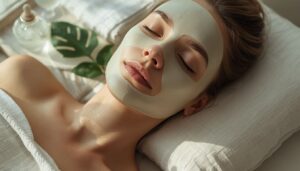
If your skin flares up easily, the picture changes. With sensitive skin, once a week is a safer start, and twice is the ceiling. Reach for fragrance-free skincare with Centella Asiatica or other gentle hydrators, and patch test first.
Stop if you feel burning or tightness. Soothing irritation matters more than any glow, so keep it short, about ten to twenty minutes.
Which Ingredients Affect Sheet Mask Frequency?

Some ingredients are gentle enough for daily use, while others need a longer break between sessions. Hydrators like hyaluronic acid, glycerin, centella, and aloe usually suit every day, but ingredient concentration matters. Niacinamide above 5% can bother sensitive skin, so you may want to scale back.
Once you know whether you’re dealing with dullness, dehydration, or dark marks, this guide to the best facial skin care products for your skin concerns makes matching formulas much easier.
Actives are different. Vitamin C and brightening masks work best two to three times weekly, while retinol, peptides, and exfoliating acids fit once or twice. Clay, charcoal, alcohol denat., and fragrance belong at once weekly or less.
Wondering about active ingredient compatibility? Don’t layer acids and retinol on the same night, and keep mask wear time to the label’s 10 to 20 minutes. If your skin type is reactive, a dermatologist consultation can help.
Can You Use Sheet Masks Every Day?

You can, but it depends on the type of mask.
Simple hydrating sheet masks, the kind built around humectants, can often work daily for short stretches if your skin tolerates them. Overnight or leave-on versions are designed for everyday use, since they act like a rich moisturizer. Exfoliating formulas are different. Anything with glycolic acid or retinol raises your risk of irritation when used daily.
Here’s what daily use might look like:
- A fragrance-free hyaluronic acid mask for 15 minutes
- A leave-on sleeping mask in place of your night cream
- A glycolic acid mask, saved for one night a week
Keep your mask wear time under 20 minutes, since longer sessions can backfire, and let your skin type guide frequency.
When Should You Adjust Sheet Mask Frequency?

Your skin isn’t the same every week, so your sheet mask routine shouldn’t be either. Two situations most often call for a change: shifts in your environment or schedule, and the signals your skin sends when you’ve done too much. Let’s walk through both so you can adjust with confidence.
Seasonal Changes, Travel, and Occasional Use
Does your skin feel different when the weather turns? Seasonal skincare adjustment helps: try hydrating masks two or three times weekly in winter, and lighter clarifying ones once or twice weekly in summer, especially if you have oily or acne-prone skin.
Flying or facing city grime? Occasional treatments can often support post-flight skin recovery and ease pollution and urban exposure.
Signs of Overuse and Irritation
Picture a limp, soggy sheet sliding off a face that feels tight and raw. That’s your cue to pause. Skin irritation signs often start quietly, so watch for:
- Stinging from products you once loved
- Flaking, even on dry skin that’s been moisturized
- New breakouts, especially if you have oily or acne-prone skin
Skin sensitivity and potent ingredients can compound it.
How Should Sheet Masks Fit Your Routine?

Where does a sheet mask actually belong in your skincare routine? Right in the middle, not at the end.
Cleanse and tone first, then apply the mask for 15 to 20 minutes. Afterward:
- Pat in leftover serum instead of rinsing it off.
- Follow with eye cream and moisturizer to seal in hydration.
- Skip extra serums, since the mask already delivers plenty.
- Patch-test along your jawline 24 hours ahead if the formula is new.
- Match the formula to your skin type, not the calendar.
Most people do well with twice a week, while exfoliating masks fit once a week. Following the dermatologist-recommended frequency for your formula helps you get results without irritation. Isn’t steady, gentle use better than doing too much?
Frequently Asked Questions (FAQs)
Do dermatologists recommend sheet masks?
Not exactly. A sheet mask is optional. No dermatologist-recommended frequency exists, so how often to use facial masks depends on tolerance. Oily or acne-prone skin may need fewer, and moisturizer provides skin barrier function support.
Do I still put moisturizer after a face mask?
Think of a mask as a drink and moisturizer as the lid. After cleansing and toning, pat in leftover topical serums, then seal skin hydration with moisturizer to support your moisture barrier.
Leave-on masks vary.
Can you overdo hydrating face masks?
Hydrating" sounds harmless, so overdoing it might seem impossible. It’s not. How often to use facial masks matters because frequent masking can expose your skin to fragrance and irritating active ingredients, disrupting your moisture barrier.
How long should you leave a sheet mask on?
Your skin is a sponge that fills fast. Hydrating masks need 10 to 20 minutes, so follow the label.
Remove the sheet mask while damp, then apply moisturizer; pause exfoliation if your skin barrier stings.
Can you reuse a sheet mask?
Most sheet masks are a singleuse product, built for one application. Reusing one invites bacteria buildup and irritation. Only reusable sheet masks are meant for repeat wear, so patch test them and follow the directions.
Is it safe to sleep in a sheet mask?
A sheet mask is a sponge that eventually turns thirsty. Sleeping in one overnight can leave sticky residue, bacteria buildup, and irritation.
Skip it; remove your mask after 15 to 20 minutes, per the label.
How long do unopened sheet masks last?
A sealed packet isn’t a time capsule, but it holds up well. Most unopened sheet masks last one to three years, and the printed date is your guide. Without one, count three years from purchase.
Where should sheet masks be stored?
Keep unopened masks in a cool, dry place, like a closed drawer or cupboard. Heat and external factors can shorten shelf life, so skip windowsills and cars. Refrigerated masks feel soothing, but chilling is optional.
Conclusion
Picture your skin after a mask: calm, dewy, and quietly satisfied, like a plant after a slow afternoon rain. That feeling is your goal every time.
So, how often should you use facial sheet masks? Start with once or twice a week, then let your skin set the pace. Dry skin may ask for more, while oily or sensitive skin often prefers less. Watch for stinging or flaking, ease back, and enjoy a calmer ritual.