This site is supported by our readers. We may earn a commission, at no cost to you, if you purchase through links. This content is for general informational and educational purposes only and is not a substitute for professional medical, dermatological, or nutritional advice.
Most people start retinol too late or too early, and both mistakes cost them. A 13-year-old buys a trendy serum and ends up with red, peeling cheeks. A 38-year-old waits for her first wrinkle, then wonders why results feel slow.
Timing matters because your skin changes with age. Collagen production starts to slip in your mid-20s, and young skin already renews itself quickly.
So what age should you start using retinol? Dermatologists have a clear answer, and it depends on your skin, not a birthday. Here’s how to find your starting point and use retinol with confidence.
Table Of Contents
- Key Takeaways
- What Age Should You Start Using Retinol?
- Can Children and Teens Start Using Retinol?
- Is 30 Too Late to Start Retinol?
- How Should Beginners Start Using Retinol Safely?
- When Should You Avoid Starting Retinol?
- How Soon Will You See Retinol Results?
- Frequently Asked Questions (FAQs)
- What age is too early to use retinol?
- Is 30 too late to start using retinol?
- Is it okay to start retinol at 25?
- Can my 12 year old use retinol?
- Can you use retinol around the eyes?
- Does retinol actually thin your skin?
- Can you apply retinol on your neck and chest?
- Should you stop retinol before waxing or facials?
- How long does an opened retinol product last?
- Conclusion
Key Takeaways
- You’ll get the best preventive results starting retinol in your mid-to-late 20s, but you’re not too late at 30 or beyond, since it still smooths texture and softens fine lines.
- Skip retinol if you’re a tween or teen, because your young skin renews itself fast and reacts badly, and use adapalene 0.1% gel or see a dermatologist if acne is the issue.
- Start low and slow with a 0.1%–0.3% strength (or 0.025% once a week if your skin is sensitive), build up from twice weekly, buffer with moisturizer, and wear SPF 30+ every day.
- Pause retinol when you’re pregnant, trying to conceive, or breastfeeding, and don’t pair it with AHAs, BHAs, or benzoyl peroxide, then give it 8–12 weeks for fine-line results and up to a year for peak results.
What Age Should You Start Using Retinol?
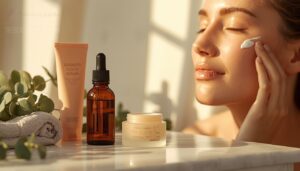
When should you begin? Most dermatologists suggest your mid 20s, when collagen production starts to slow. The American Academy of Dermatology recommends starting then as a preventive step, before lines show up.
If you also struggle with breakouts, anti-aging skincare for acne-prone skin can help you fight early wrinkles without clogging your pores.
Think of it as protection, not repair. Early use helps keep your skin firm and smooth.
Retinol is protection rather than repair, and starting early keeps your skin firm and smooth
You don’t need to rush at the age of 30, either. Starting later still works. Whatever your age, start low and slow, and remember that SPF is nonnegotiable. Retinol makes your skin more sensitive to sun.
Tweens and teens, on the other hand, should skip it, since thinner, more sensitive skin is prone to redness, burning, or peeling with no benefit for young, developing skin.
Can Children and Teens Start Using Retinol?

Retinol isn’t just for adults, but younger skin plays by different rules. Below, you’ll see how teen acne treatment differs from standard retinol use, and what to know if your child is only 12. Read both points before you buy anything.
Retinol Versus Retinoids for Teen Acne
Many teens grab retinol first, but it isn’t your best move for acne.
Retinol is one of several retinoids, and it’s the gentlest. Your skin has to convert it twice before it works, so results are slow and uneven. Over-the-counter retinol also isn’t approved for acne treatment.
For teenage skincare, adapalene 0.1% gel is the smarter pick. It’s FDA-approved from age 12 and works directly on clogged pores. If it falls short, a dermatologist can step you up to prescription strength retinoid therapy. Give it time.
Can a 12-Year-Old Use Retinol?
Short answer: skip it. A 12-year-old doesn’t need cosmetic retinol, even if social media says otherwise.
For older teens or adults curious about it later, this step-by-step guide to introducing retinol into your skincare routine shows how to start slowly.
Young skin already renews itself fast, so there’s nothing to fix. Skin sensitivity runs higher at this age, and vitamin A derivatives can trigger an inflammatory skin response, plus sun sensitivity. Pediatric safety data is also thin.
Here’s what helps teenage skincare more:
- A gentle cleanser
- A fragrance-free moisturizer for barrier repair
- Daily SPF 30 or higher
Got acne? See a dermatologist.
Is 30 Too Late to Start Retinol?

Younger skin has its own rules, but adults get a much simpler answer. No, 30 isn’t too late.
Most dermatologists see the mid-to-late 20s as the ideal window to begin, yet your early 30s work well too. Collagen has started to decline and cell turnover is slowing, which is exactly what retinol helps with. You’ll still get smoother texture and softer fine lines.
For antiageing results, stay consistent and patient. Book a dermatologist consultation if you’re unsure where to begin.
How Should Beginners Start Using Retinol Safely?
Starting retinol the right way keeps your skin calm and your results steady. Here are three simple steps to follow, so you stay in control from your first night. Work through them in order, and you’ll know exactly what to do.
Choosing Your Starting Strength and Frequency

Start low and go slow. Gradual introduction protects your skin.
Pick a 0.1%–0.3% retinol. Formulation matters more than the percentage on the label. Save prescription retinoids for later, after a dermatologist consultation.
- Weeks 1–2: twice weekly
- Weeks 3–4: every other night
- Use moisturizer buffering if you sting
- Stay at one strength for 2–4 months
Skin cell turnover simply takes time.
Building a Moisturizer and Sunscreen Routine
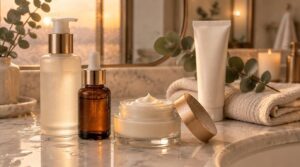
The right routine keeps retinol effective and comfortable. Cleanse at night, apply retinol, then moisturize. If your skin is new to this, try moisturizer buffering: apply a layer before and after. Each morning, finish with broad-spectrum SPF 30+ and reapply every two hours in daylight.
Your cleanser, moisturizer and sunscreen support skin barrier repair and longterm skincare. Gradual introduction helps.
Adjusting for Sensitive or Mature Skin

Sensitive skin needs patience, not flawlessness. Slow down, and your skin cell turnover still improves.
Here’s the dermatologist-approved method:
- Start with 0.025% retinol.
- Apply once weekly at first.
- Buffer with moisturiser first.
- Stop if redness and sensitivity persist.
Protect your skin barrier, and you’ll build tolerance gradually. Mature skin often tolerates more once it’s hydrated, so please don’t rush ahead.
When Should You Avoid Starting Retinol?

Retinol works well for most people, but a few situations call for a pause. Knowing them upfront keeps your skin safe and your routine on track. Here are the two main times to hold off.
Pregnancy and Trying to Conceive
Planning a baby? Stop retinol before you start trying.
Doctors advise pausing about a month ahead, because any vitamin A derivative adds a theoretical risk during early pregnancy. Topical absorption is low, but caution is the safest call.
| Avoid | Try instead |
|---|---|
| Retinol, tretinoin | Bakuchiol |
| Adapalene, tazarotene | Azelaic acid, niacinamide |
Switch to gentle hydration and protect your skin barrier while you wait. Stay patient. Not conceiving after 12 months, or 6 if you’re over 35? Ask your doctor. Skip retinol while breastfeeding too, and restart after weaning.
Irritated Skin and Conflicting Active Ingredients
Think retinol plays nicely with everything? It doesn’t. Pair it with the wrong products and you’ll feel it.
Skip retinol if you have irritated skin, and watch for conflicting active ingredients. Here’s what to avoid:
- Retinol with AHAs or BHAs: expect redness, peeling, and a damaged barrier.
- Retinol with vitamin C: use vitamin C in the morning, retinol at night.
- Retinol with benzoyl peroxide: it deactivates your retinol and dries you out.
That isn’t always retinol purging. Follow the dermatologist-approved method, and your skin thanks you.
How Soon Will You See Retinol Results?
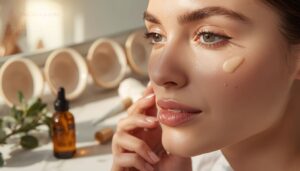
Patience pays off. Retinol works on a schedule, and you can’t rush it.
Here’s what to expect:
- Days 3-10: brighter, more even tone
- Weeks 4-6: smoother texture
- Weeks 8-12: softer fine lines and wrinkles
- Months 4-6: firmer skin as collagen production organizes
Expect some retinol purging early on. It’s temporary. Stay consistent, since ingredient efficacy depends on steady use. Treat early signs of aging now, and you’ll see peak results at 6 to 12 months. Your skin will thank you.
Frequently Asked Questions (FAQs)
What age is too early to use retinol?
Picture a 13-year-old copying her favorite influencer’s nightly routine, retinol included. Her skin doesn’t need it. Teenagers don’t need a preventive measure like this, since collagen production is strong. Ask for dermatological consultation first.
Is 30 too late to start using retinol?
Not at all. Collagen production slows, and early signs of aging appear. Retinol works as a preventive measure. Start low, go slow: it’s a dermatologist-approved method.
Is it okay to start retinol at 25?
Congratulations, you’re officially old enough to worry about wrinkles. Yes, retinol at 25 is fine. The mid-to-late 20s are ideal for tackling early signs of aging. Use the dermatologist-approved method: a pea-sized amount, twice weekly.
Can my 12 year old use retinol?
Put that jar down right now! Your 12 year old doesn’t need over-the-counter retinol, since young skin burns easily and invites sun sensitivity.
If acne is the issue, see a dermatologist. That’s the dermatologist-approved method.
Can you use retinol around the eyes?
Yes, you can, with care. Dab a pea-sized amount of a gentle eye retinol around the orbital bone, using your ring finger. Skip the lash line and eyelids. Expect some sun sensitivity, so wear sunscreen daily.
Does retinol actually thin your skin?
Think of retinol as a scaffolding crew, not a sander. It won’t thin your skin. Retinoid receptors trigger collagen synthesis, which counters dermal thinning. Early peeling is temporary, just barrier function adjusting, so stay consistent.
Can you apply retinol on your neck and chest?
Yes, you can use retinol on your neck and chest. Go gently, since this skin is thinner.
Start two nights weekly with a pea-sized amount. It helps stimulate collagen and smooths uneven tone and texture.
Should you stop retinol before waxing or facials?
Worried a pause will undo your progress? It won’t. Stop retinol 5–7 days before waxing, since it speeds skin cell regeneration and thins the surface. Pause longer for prescription strength, and skip it before facials too.
How long does an opened retinol product last?
Plan on six months for an opened retinol product last window. Retinol stability drops fast with light, air, and heat, so shelf life shrinks once you open it. Write the date on the bottle.
Conclusion
Think you’ve missed your window? You haven’t. Skin reacts to retinol at any adult age, just more gradually the later you begin.
So what age should you start using retinol? Usually when your skin shows early signs of aging, in your late 20s or 30s. Start with a low strength, apply it just twice a week, and always wear sunscreen. Patience and consistency matter most. Begin gently, stay steady, and your skin will reward you.