This site is supported by our readers. We may earn a commission, at no cost to you, if you purchase through links. This content is for general informational and educational purposes only and is not a substitute for professional medical, dermatological, or nutritional advice.
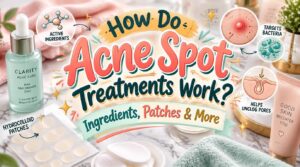
Reach for a spot treatment and you expect results, not a chemistry lesson. But knowing what’s actually happening inside that pimple changes how you choose your product and how well it works.
Acne spot treatments concentrate active ingredients directly at the blemish, targeting bacteria, excess oil, or blocked pores depending on the formula. A benzoyl peroxide gel attacks the bacteria driving inflammation. A salicylic acid serum dissolves the plug clogging your follicle. A hydrocolloid patch draws out fluid while protecting the skin.
Understanding how do acne spot treatments work gives you the clarity to pick the right tool for each blemish.
Table Of Contents
- Key Takeaways
- How Do Acne Spot Treatments Work?
- What Do Common Spot Treatment Ingredients Do?
- How Do Hydrocolloid Pimple Patches Work?
- Which Blemishes Respond to Spot Treatments?
- How Should You Use Spot Treatments Safely?
- When Should Spot Treatments Show Results?
- Frequently Asked Questions (FAQs)
- Do acne spot treatments actually work?
- How long does it take for acne spot treatment to work?
- Do pimple patches work on unpopped zits?
- How do pimple patches pull gunk out?
- Can spot treatments be used during pregnancy?
- Do spot treatments work on body acne?
- Are spot treatments safe for sensitive skin?
- Can you apply spot treatments under makeup?
- Do prescription spot treatments outperform over-the-counter options?
- Conclusion
Key Takeaways
- Spot treatments work by concentrating active ingredients directly at the blemish, not by spreading across your whole face — that localized contact is what makes them more effective than full-face products.
- Match the ingredient to the blemish type: benzoyl peroxide kills bacteria in inflamed pimples, salicylic acid dissolves the plug in clogged pores, and hydrocolloid patches draw out fluid from pustules that have already surfaced. If you’re not sure which spot you’re dealing with, this guide to acne ingredients that treat different spots fast helps you pick the right product sooner.
- Don’t expect overnight results — redness can ease within 24–48 hours, but full clearance typically takes 3–7 days, and deep cystic lesions may need up to two weeks of consistent use.
- Spot treatments can’t reach deep nodules or cysts, and they’re not designed for widespread breakouts — if a blemish doesn’t respond within two weeks, see a dermatologist.
How Do Acne Spot Treatments Work?
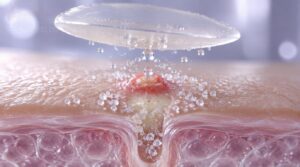
Why do spot treatments work when a full-face product can’t? It comes down to concentration. When you apply a topical medication directly to a lesion, the active ingredient builds up at the pore opening rather than spreading across unaffected skin. That localized contact lets the ingredient penetrate the superficial layers where comedones and inflammation originate.
For best results, apply your best acne spot treatment overnight to clean, dry skin so the concentrated active ingredient reaches the pore directly, without dilution.
Most spot actives, including benzoyl peroxide and salicylic acid, shift local skin chemistry in ways that disrupt the conditions acne needs to thrive. Applying them to your whole face isn’t necessary, and it causes unnecessary dryness.
That stinging sensation you sometimes feel is actually the actives at work — as why acne spot treatments sting and what it means for your skin explains, these ingredients chemically disrupt the skin’s surface, which is reason enough to keep them targeted rather than spread across your whole face.
Hydrocolloid pimple patches take a different approach. Rather than delivering a chemical active, they seal the blemish physically, absorbing fluid and blocking outside irritation while the lesion resolves beneath.
What Do Common Spot Treatment Ingredients Do?
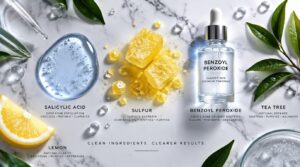
Not all spot treatments work the same way. The active ingredient determines which type of blemish it targets and how it acts on your skin. Three ingredients cover most of what you’ll find on the shelf.
Benzoyl Peroxide for Inflamed Pimples
Targets inflamed pimples by releasing free radicals that oxidize acne bacteria in the follicle. This antibacterial action reduces the inflammatory signals driving redness and swelling, so you’ll often see improvement before the lesion fully resolves.
For stubborn breakouts where bacteria keep fueling inflammation, exploring affordable benzoyl peroxide acne treatments can make consistent use far easier to maintain.
As an acne spot treatment, benzoyl peroxide delivers targeted therapy where it matters. Higher concentrations increase potency but raise the risk of dryness and irritation.
Salicylic Acid for Clogged Pores
Where benzoyl peroxide targets bacteria, salicylic acid targets clogged pores directly. It’s oil-soluble, so it penetrates sebum-filled follicles where comedones form.
As an acne spot treatment, it works through: 1. Dissolving the plug inside the follicle 2. Softening keratin to loosen debris 3. Supporting pores cleansing via exfoliation 4. Reducing closed comedones over time
Apply it consistently, since exfoliation prevents the follicle from re-plugging.
Sulfur for Oily Blemishes
Sulfur works differently. Where salicylic acid clears follicular plugs, sulfur targets surface sebum and bacteria. Its keratolytic action loosens dead skin cells; its antimicrobial effect reduces bacterial load on the lesion. A targeted sulfur acne spot treatment works quickly on oily, surface-level blemishes by combining both actions in one step.
It’s best suited for oily blemishes with visible surface oil. Use this acne spot treatment on smaller, localized pimples. Avoid it on compromised skin, where irritation risk is higher.
For persistent breakouts beyond a single spot, full-face acne prevention strategies pair lower-concentration retinoids or salicylic acid with your targeted treatment for more complete control.
How Do Hydrocolloid Pimple Patches Work?
While most acne spot treatments rely on chemical action, hydrocolloid patches work through fluid absorption. They create an occlusive seal over a weeping pimple, drawing out exudate while shielding the area from friction and contamination.
That sealed environment does more than absorb fluid. It helps wound healing by keeping the lesion hydrated, which reduces scab cracking and aids skin barrier repair. Pimple patches turn white and gel-like as they fill, signaling it’s time to swap them out.
Here’s what that process means for your skin:
- Less surface cracking as the lesion drains naturally
- Reduced contamination from hands and clothing
- A contained environment that helps healing
- Localized absorption without disturbing surrounding skin
Replace the patch once it turns cloudy, not before.
Which Blemishes Respond to Spot Treatments?
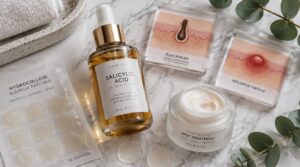
Spot treatments work best when they’re matched to the right lesion type. Red, tender papules and pustules are the clearest candidates, since the inflammation sits close enough to the surface for active ingredients to reach it. Blackheads and whiteheads respond well to salicylic acid, which dissolves the plug blocking the follicle.
Pimple patches are a good match for pustules that have already come to a visible head, drawing out fluid and protecting the area. If the blemish you’re treating lacks a clear plug or obvious inflammation, don’t expect much visible change.
Deep nodules and cysts don’t respond well; they’re too far below the surface. Widespread breakouts are also beyond what spot treatments can address, since they cover too much area.
How Should You Use Spot Treatments Safely?
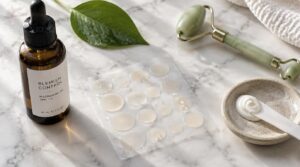
Think of your skin as a surface already under stress. Piling on too many actives at once is like scrubbing a bruise. Less really is more here.
Layering too many actives on stressed skin is like scrubbing a bruise—less is more
- Apply the treatment only to the blemish itself, not the surrounding skin
- Let each product dry fully before layering another on top
- Use overthecounter formulas only as directed, matching the frequency to the label
Skin sensitivity varies considerably, so start with a lower-strength option if you’re new to these ingredients. Stinging or visible peeling shortly after application signals you’re pushing too hard. For sensitive skin, a gentle acne spot treatment with low-concentration salicylic acid or sulfur tends to calm blemishes without tipping into irritation.
During the day, always use a lightweight noncomedogenic sunscreen over treated areas. Some ingredients increase how quickly your skin burns. Skipping sun protection worsens skin irritation and slows the healing process.
When Should Spot Treatments Show Results?
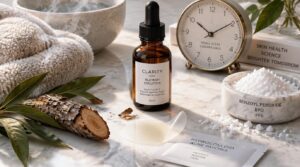
If you’ve been dabbing on benzoyl peroxide for two days and staring at your mirror expecting a miracle, here’s what you actually need to know about realistic timelines. Most acne spot treatments work gradually, not overnight. Redness and swelling usually reduce within 24 to 48 hours, but full resolution of a blemish usually takes 3 to 7 days.
A practical results timeline to keep in mind:
- 24–48 hours: Benzoyl peroxide visibly reduces inflammation in active, red pimples.
- 3–5 days: Salicylic acid loosens congestion so clogged pores begin to clear.
- 7–14 days: Deeper lesions, like cysts, show gradual improvement with consistent use.
If you notice new breakouts forming shortly after starting treatment, that’s likely skin purging, not a bad reaction. Your skin’s turnover cycle is just accelerating.
Persistent blemishes that don’t respond within two weeks are a sign it’s time to move beyond over-the-counter options and consult a dermatologist.
Frequently Asked Questions (FAQs)
Do acne spot treatments actually work?
Nothing clears a pimple overnight. But an acne spot treatment does work well on inflamed pustules, where benzoyl peroxide or salicylic acid can concentrate directly. Cystic lesions and closed comedones commonly respond far less predictably.
How long does it take for acne spot treatment to work?
Most acne spot treatments show visible improvement within 24 to 72 hours for small, inflamed blemishes. Deeper cystic lesions usually take longer because the inflammation runs deeper and active ingredients need more time to penetrate.
Do pimple patches work on unpopped zits?
Open skin responds. Closed skin doesn’t. Unpopped zits keep their barrier intact, so pimple patches can’t absorb much. Reach for an acne spot treatment with salicylic acid or benzoyl peroxide to penetrate the follicle instead.
How do pimple patches pull gunk out?
Pimple patches use hydrocolloid gel absorption to capture surface fluid from a draining lesion, acting as a physical barrier over the blemish. That white, cloudy material you’ll see is surface skin exudate, not deep pus.
Can spot treatments be used during pregnancy?
About 50% of pregnant women experience significant acne flares. Benzoyl peroxide and sulfur acne spot treatments are generally considered safer choices. Avoid salicylic acid, tretinoin, and hydroquinone, as their systemic absorption raises concern during pregnancy.
Do spot treatments work on body acne?
They can, but with real limitations. Body areas like the back and chest sweat more and cause friction, which shortens contact time. When lesions spread across a large area, widespread treatment consistently outperforms spot-only application.
Are spot treatments safe for sensitive skin?
Someone with sensitive skin who applies high-strength benzoyl peroxide or salicylic acid often develops contact dermatitis instead of clearing the blemish. Start with the lowest concentration available, apply once nightly, and follow with a moisturizer.
For a deeper look at how these two actives compare, salicylic acid vs benzoyl peroxide breaks down their differences in treating blackheads, pustules, and sensitive skin types.
Can you apply spot treatments under makeup?
Yes, but timing matters. Let your acne spot treatment dry completely before applying anything over it. Skipping this step causes pilling and uneven foundation coverage.
A thin hydrocolloid patch creates a cleaner surface for makeup.
Do prescription spot treatments outperform over-the-counter options?
They don’t always. Prescription acne treatments can use higher active-ingredient concentrations, but they only outperform over-the-counter acne products when the stronger formula actually matches your specific blemish type. Otherwise, outcomes tend to be quite similar.
Conclusion
Most breakouts don’t need a full skincare overhaul. They need the right ingredient, applied to the right blemish, at the right time.
Once you understand how acne spot treatments work, choosing between benzoyl peroxide, salicylic acid, or a hydrocolloid patch stops feeling like guesswork. Each one targets a specific problem. Match the treatment to what’s actually happening in your skin, and you’ll clear blemishes faster with far less frustration.