This site is supported by our readers. We may earn a commission, at no cost to you, if you purchase through links. This content is for general informational and educational purposes only and is not a substitute for professional medical, dermatological, or nutritional advice.
You dab on your spot treatment before bed, hoping to wake up with clearer skin, and instead you feel a sharp sting the moment it touches the blemish. That sensation isn’t random, and it isn’t always a sign something’s wrong.
Acne treatments sting because they work aggressively. Ingredients like salicylic acid and benzoyl peroxide penetrate the skin and disrupt its surface to fight bacteria and clear pores. When your skin barrier is already irritated or inflamed, those same ingredients hit nerve endings faster and harder.
Knowing why your spot treatment stings helps you tell the difference between a normal reaction and one you should take seriously.
Table Of Contents
- Key Takeaways
- Why Does My Acne Spot Treatment Sting?
- Which Acne Ingredients Can Cause Stinging?
- Why Does Irritated Skin Sting More?
- When is Spot Treatment Stinging Concerning?
- How Can I Reduce Spot Treatment Stinging?
- Frequently Asked Questions (FAQs)
- Is it normal for acne spot treatment to burn?
- Does salicylic acid burning mean it’s working?
- What are the signs that your acne is healing?
- Is it normal for acne to sting?
- Does stinging mean my spot treatment is working?
- How long should I leave spot treatment on?
- Can I apply spot treatment under my makeup?
- Can I use spot treatment on sensitive skin?
- Conclusion
Key Takeaways
- Acne spot treatments sting because active ingredients like salicylic acid and benzoyl peroxide chemically disrupt your skin’s surface, directly stimulating nerve endings — especially when your skin barrier is already inflamed or compromised.
- Brief stinging is normal, but worsening discomfort across consecutive uses, persistent burning, or symptoms like hives, swelling, or spreading redness are signals to stop the treatment and see a dermatologist.
- A weakened skin barrier — from over-washing, friction, or layering too many exfoliants — lets treatments penetrate deeper and sting harder, so rebuilding that barrier with a fragrance-free moisturizer is a practical first line of defense.
- Stinging doesn’t confirm your treatment is working; it signals irritation, and strategies like applying to dry skin, using short contact therapy, and spacing out sessions every other night can reduce discomfort without sacrificing results.
Why Does My Acne Spot Treatment Sting?

Why does something meant to help your skin cause that familiar stinging, tingling, or mild burning the moment you apply it? It’s a fair question. Active ingredients in topical acne treatments work by disrupting your skin’s surface to fight inflammatory acne, and that process naturally stimulates nerve endings in your skin.
Sensitivity tends to be even more pronounced with facial exfoliators formulated for oily skin, since their active ingredients work more aggressively to clear congested pores.
Your skin’s outermost layer acts as a protective barrier. When a spot treatment penetrates it, nerve endings respond to the chemical activity, which you feel as that telltale sting. Higher skin sensitivity means those signals tend to be stronger.
What matters is the intensity and how long it lasts. A brief sensation after applying is usually normal. Skin barrier repair and smarter application habits can meaningfully reduce that discomfort. In some cases, persistent or worsening reactions may signal allergic contact dermatitis symptoms that require prompt attention.
Which Acne Ingredients Can Cause Stinging?

The active ingredients themselves are usually the main culprits behind that familiar sting. Salicylic acid, a beta-hydroxy acid, penetrates pores and increases cell turnover, triggering stinging, tingling, or mild burning on contact. Higher concentrations make that effect more pronounced. A targeted salicylic acid acne spot treatment can work faster than a full-face formula, but that concentrated dose also intensifies the sting on inflamed skin.
For sensitive or compromised skin, choosing a gentler formula matters — the best ingrown hair serums for sensitive skin rely on lower salicylic acid concentrations that exfoliate effectively without overwhelming exposed tissue.
Benzoyl peroxide works differently. It releases oxygen to kill acne-causing bacteria, but that oxidative process can irritate surface skin tissue, especially when your barrier is already weakened. Using a stronger formula, or leaving it on longer than directed, raises skin irritation a lot.
Retinoids accelerate cell renewal and temporarily disrupt the outer barrier, making stinging more likely, particularly with alcohol-based formulas. Fragrance and certain preservatives in your product can also produce a burning sensation that lingers well after the product is applied.
Why Does Irritated Skin Sting More?
The ingredients matter, but so does the overall condition of your skin when you apply them. When your skin barrier is already compromised from over-washing, prior friction, or stacking multiple exfoliating products, the same spot treatment penetrates deeper and hits nerve endings faster. That’s why stinging, tingling, or mild burning shows up sooner and feels sharper than it would on intact, healthy skin. Rebuilding that protective layer with a skin barrier repair moisturizer before reapplying any treatment can significantly reduce that compounding sting.
A compromised skin barrier lets spot treatments strike deeper, turning ordinary stinging into something sharper
Nerve ending stimulation also ramps up when inflammation is present. Inflamed skin releases key chemical mediators that lower your pain threshold, which is why a topical antiinflammatory can sometimes help calm things before you reapply. Without enough recovery time between uses, each new application compounds the effect, and skin irritation often build rather than gradually fade.
Choosing a gentle, anti-inflammatory approach—like those outlined in this guide to grapefruit essential oil for skin soothing and hair removal—can help interrupt that cycle of compounding irritation before it takes hold.
When is Spot Treatment Stinging Concerning?

A little stinging is usually nothing to worry about, but some reactions are a sign you need to stop and reassess. Knowing when to pause or quit a treatment can save your skin from unnecessary damage. Here’s what to watch for.
When to Stop Using It
Say you apply your spot treatment two nights running and the stinging gets noticeably worse, not better, each time. That’s your cue to stop.
Understanding how chemical exfoliants work and when to back off can save your skin from unnecessary irritation.
Persistent burning, skin tenderness, or discomfort that lasts for hours all signal that your skin barrier is breaking down. Pushing through those symptoms won’t build tolerance, and continuing will only deepen contact dermatitis or long-term irritation.
Reaching for a soothing aloe vera calming gel during recovery can help quiet redness and give your barrier a chance to heal.
When to Seek Medical Help
How serious is too serious? See a dermatologist urgently if your stinging tingling or mild burning tips into any of these:
- Hives, lip, or facial swelling
- Spreading redness, pus, or fever
- Eye pain or blurred vision after accidental contact
- Intense burning that breaks down your skin barrier
These aren’t your typical acne medication side effects and may signal contact dermatitis.
How Can I Reduce Spot Treatment Stinging?
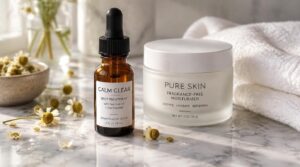
How do you calm that stinging tingling or mild burning without giving up on your treatment? The good news is that a few adjustments make a real difference. Start by applying to dry skin, not freshly washed or damp skin, since a weakened skin barrier absorbs more of the irritant. Pairing this habit with a gentle moisturizer for sensitive skin helps reinforce your barrier before irritation even gets a chance to set in.
- Try short contact therapy: apply the product, wait 5 to 10 minutes, then rinse off rather than leaving it on overnight.
- Follow every use with fragrance-free moisturizers to cushion the skin and lower irritation between applications.
- Cleanse with a gentle cleanser only, avoiding physical scrubs that raise baseline sensitivity.
Spacing out your sessions helps. Every-other-night use cuts the irritation load and gives your skin time to recover.
Frequently Asked Questions (FAQs)
Is it normal for acne spot treatment to burn?
Yes, a mild burning or stinging sensation when you apply an acne spot treatment is completely normal. It happens because the active ingredients are making direct contact with your skin’s surface and activating sensory nerves.
Does salicylic acid burning mean it’s working?
Think of stinging as a smoke alarm, not proof of a real cure. Salicylic acid’s chemical exfoliation temporarily disrupts your skin barrier, and that sensation signals irritation.
It doesn’t reliably confirm your inflammation is clearing.
What are the signs that your acne is healing?
As acne inflammation settles, the lesion shrinks and softens, tenderness eases, and redness gradually fades from angry red toward pink or brown. That flat discoloration is postinflammatory hyperpigmentation, a completely normal sign of skin healing.
Is it normal for acne to sting?
That sharp little zap when you dab on a spot treatment? Completely normal. Mild stinging from topical treatments like benzoyl peroxide just signals the active ingredient is cutting through skin inflammation, not really harming you.
Does stinging mean my spot treatment is working?
Stinging is more of a warning sign than a green light. It signals skin irritation or poor barrier function, not results. Benzoyl peroxide and topical retinoids can sting and still worsen your breakouts over time.
How long should I leave spot treatment on?
Leaving it on all night sounds thorough, but the label governs everything. Benzoyl peroxide and short contact therapy products rinse off in minutes; other leave-on topical treatments vary widely. Always follow your product’s directions exactly.
Can I apply spot treatment under my makeup?
Imagine applying a benzoyl peroxide spot treatment, then immediately putting on foundation: it pills and irritates. Wait 5 to 10 minutes, then layer a noncomedogenic moisturizer first. Your makeup will sit better and sting less.
Can I use spot treatment on sensitive skin?
You can, but sensitive skin needs a gentler approach. Choose lower-concentration formulas and apply sparingly. If it stings repeatedly or noticeably worsens the inflammation, your skin likely can’t tolerate that ingredient. Consider a dermatologist consultation.
Conclusion
Think of your skin as a bruised peach: the slightest pressure stings more when it’s already tender. Most of the time, why does my acne spot treatment sting comes down to chemistry meeting inflammation. That reaction is usually brief.
But if the burn spreads or lingers well past application, it’s a signal worth heeding. Dial back, patch test, and give your skin gentler conditions. Clearer skin is worth it, and it shouldn’t require tolerating pain.