This site is supported by our readers. We may earn a commission, at no cost to you, if you purchase through links. This content is for general informational and educational purposes only and is not a substitute for professional medical, dermatological, or nutritional advice.
Clearing a breakout feels like a win. But three weeks later, another one appears in almost the exact same spot, and you’re back to square one. That’s not bad luck. That’s biology working against you.
Acne doesn’t return because your cleanser stopped working. It returns because the conditions that caused it, excess oil, dead skin buildup, bacterial overgrowth, never fully cleared. Your skin is constantly resetting that cycle.
Understanding what drives repeat breakouts changes everything about how you treat them. The right acne treatment to prevent future breakouts targets the cycle itself, not just the blemish in front of you.
Table Of Contents
- Key Takeaways
- Why Acne Breakouts Keep Coming Back
- Daily Skincare Routine to Prevent Acne
- Best Topical Acne Treatments for Prevention
- Prescription Treatments for Persistent Acne
- Acne Treatment Timeline and Professional Help
- Frequently Asked Questions (FAQs)
- How to prevent future acne breakouts?
- How do Koreans clear acne?
- How to stop acne from progressing?
- Does Accutane prevent future breakouts?
- Can acne products cause initial skin purging?
- How long until treatments show visible results?
- Should I continue treatment after acne clears?
- Can I combine different acne treatments safely?
- Does sunscreen worsen acne or cause breakouts?
- Can gut health or probiotics improve acne?
- Conclusion
Key Takeaways
- Acne keeps coming back because the root causes — excess oil, dead skin buildup, and bacterial growth — never fully clear, so treating just the visible blemish won’t break the cycle.
- A daily routine built around salicylic acid, benzoyl peroxide, an oil-free moisturizer, and non-comedogenic sunscreen does more to prevent future breakouts than any single spot treatment ever will.
- When over-the-counter options stop working, prescription treatments like retinoids, hormonal therapy, or isotretinoin target the specific drivers behind your acne — whether that’s oil production, hormones, or bacteria — rather than just masking symptoms.
- Most topical treatments take 6 to 16 weeks to show real results, and stopping too soon — or skipping maintenance once your skin clears — is one of the most common reasons breakouts return.
Why Acne Breakouts Keep Coming Back

Acne doesn’t keep coming back by accident — there are real, specific reasons it shows up again and again, and most of them are happening beneath the surface of your skin. Understanding what’s actually driving those breakouts is the first step toward stopping the cycle for good. Here are the main culprits worth knowing about.
If breakouts keep returning despite your best efforts, it may be time to explore acne treatment options for dark spots and stubborn skin concerns that go beyond what a basic skincare routine can address.
Clogged Pores and Excess Oil
Your skin produces oil, called sebum, to stay hydrated. When too much builds up, it mixes with dead skin cells and clogs your pores. That’s where breakouts usually begin.
Oil-free moisturizers and gentle cleansers with salicylic acid help keep pores clear without stripping skin. Retinoids, vitamin A derivatives, stop dead cells from piling up inside follicles before problems can start. Understanding the types of clogged pore lesions — from blackheads to deep cysts — can help you choose the most effective treatment for your skin.
Hormones, Bacteria, and Inflammation
Clogged pores set the stage, but androgen receptor signaling pushes your oil glands to produce even more sebum. That excess oil feeds bacteria, triggering cytokine-driven inflammation deep inside follicles.
- Bacterial biofilm formation protects C. acnes from treatment
- Sebum fuels bacterial growth deep inside pores
- Immune cells flood in, worsening redness
- Hormonal surges restart this cycle repeatedly
That’s why it persists.
Acne Types and Severity
Not every breakout looks the same, and knowing which type you’re dealing with changes how you treat it. Comedonal acne shows up as blackheads and whiteheads. Inflammatory acne brings red, tender papules and pustules. Severe cases mean nodulocystic acne, deep nodules and cysts.
Severity is counted by lesions. Fewer than 30 is mild; more than 5 cysts is severe acne.
Diet, Stress, and Sweat Triggers
What you eat, how stressed you are, and whether you shower after the gym all affect how much oil your skin produces.
High glycemic foods like white bread and soda spike insulin and IGF-1 levels, pushing your oil glands into overdrive. Dairy can do the same. Stress raises cortisol, which amplifies inflammation. Leaving sweat on after exercise clogs pores fast.
Medications and Comedogenic Products
Some products and medications quietly fuel breakouts without you realizing it. Comedogenic product labels aren’t regulated, so "non-comedogenic" doesn’t always guarantee truly pore-safe ingredients.
Three common culprits worth watching:
- Heavy oils and waxes in moisturizers or creams
- Oral medications that boost sebum production
- Corticosteroids and certain hormonal therapies that worsen hormonal acne
Always check ingredient lists before adding anything new.
Daily Skincare Routine to Prevent Acne
Your daily skincare habits can either keep breakouts in check or quietly set them off — it really comes down to consistency. The good news is that a simple, well-chosen routine does most of the heavy lifting. Here’s what that looks like in practice.
Skipping the urge to pick — which spreads bacteria and weakens your skin barrier — is one habit that pairs well with learning how to fade dark spots left behind by past breakouts.
Gentle Cleansing After Sweating
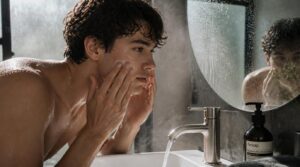
After a workout, sweat mixes with oil and dead skin cells, clogging your pores surprisingly fast. Cleanse within 30 minutes to stop bacteria from burrowing deeper into your skin.
Use lukewarm water and a salicylic acid cleanser, applying it with gentle circular motions for about 20-30 seconds. Hot water strips natural oils and worsens irritation, so keep the temperature moderate.
Oil-Free, Non-Comedogenic Moisturizing
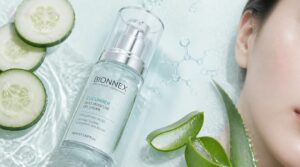
Skipping moisturizer because your skin feels oily is a trap. Oily skin still needs hydration, and when it’s dehydrated, it produces even more oil to compensate.
Pairing the right moisturizer with a solid cleansing routine is one of the most underrated breakout prevention habits for oily and combination skin.
Look for an oil-free moisturizer with humectant ingredients like hyaluronic acid or glycerin. A lightweight gel or gel-cream texture won’t clog pores, and barrier-supporting emollients like dimethicone or niacinamide help your skin retain moisture without triggering breakouts.
Sunscreen for Acne-Prone Skin
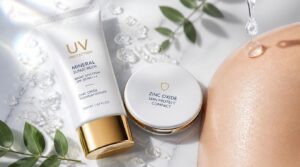
Sunscreen isn’t optional for acne-prone skin. UV exposure darkens post-acne marks and worsens active breakouts.
Choose a broad-spectrum SPF 30 or higher labeled non-comedogenic and oil-free. Mineral formulas with zinc oxide or titanium dioxide sit on the skin surface rather than penetrating it. A water-based gel texture absorbs fast and won’t clog pores like chemical sunscreens can.
Makeup and Product Hygiene
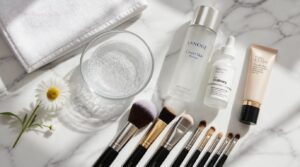
Dirty brushes are bacteria delivery systems. Clean foundation and concealer brushes two to three times weekly, eye brushes once weekly, and replace sponges after each use.
Wash your hands before applying makeup and keep product lids tightly closed. Never share face products, and discard palettes with crumbled pans. Choose oil-free, fragrance-free formulas labeled non-comedogenic.
Avoid Picking and Harsh Scrubs
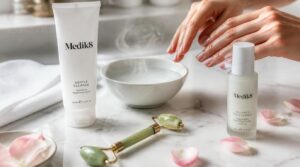
Picking a pimple spreads bacteria and raises your scarring risk. Gentle cleansing with fingertips is the safer approach.
- Use a noncomedogenic, non-abrasive cleanser
- Apply with fingertips, not scrubs or sponges
- Rinse with lukewarm water
- Avoid toners, astringents, and harsh exfoliants
- Apply an oil-free moisturizer right after washing
Limiting face touching protects your skin barrier and keeps breakout prevention on track.
Best Topical Acne Treatments for Prevention
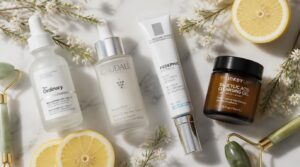
Choosing the right topical treatment can make a real difference in keeping breakouts from coming back. Each option works in a different way, so knowing what’s out there helps you find what fits your skin. Here are the most effective topical treatments worth considering.
Benzoyl Peroxide for Bacteria
Benzoyl peroxide destroys Cutibacterium acnes by flooding pores with oxygen, a process called bactericidal action. Unlike topical antibiotics, it won’t cause resistance. Higher concentrations aren’t always more effective, either.
| Strength | Bactericidal Kill Time |
|---|---|
| 2.5% | 15 minutes |
| 5% | 30 seconds |
| 10% | 30 seconds |
Start at 2.5%, apply it nightly to clean dry skin, and increase frequency only as your skin adjusts.
Salicylic Acid for Clogged Pores
Where benzoyl peroxide targets bacteria, salicylic acid goes straight after the clog itself. It’s oil-soluble, meaning it penetrates sebum-filled pores and dissolves the dead skin cells and debris forming comedones. This keratolytic exfoliation also helps reduce sebum buildup over time.
Start at 0.5% to 2%, a few times weekly, and build up slowly to avoid irritation or dryness.
Adapalene and Other Retinoids
Retinoids work a step earlier than salicylic acid. These vitamin A derivatives bind to retinoic acid receptors inside skin cells, changing how they grow and shed to prevent new comedones from forming.
Adapalene (Differin) is the accessible over-the-counter option at 0.1% gel. Prescription options like Retin-A and Tazorac offer more intensity. Expect dryness and peeling as your skin adjusts.
Azelaic Acid for Sensitive Skin
If your skin simply can’t handle the dryness retinoids cause, azelaic acid offers a gentler path. This topical treatment fights bacteria, reduces inflammation, and fades post-inflammatory hyperpigmentation from old breakouts, with low irritation risk.
What it does for sensitive skin:
- Kills acne-causing bacteria
- Calms redness and swelling
- Fades post-breakout dark marks
- Rarely causes significant irritation
- Available at 15% or 20%
Spot Versus Full-Area Treatment
Think of it as offense versus defense. Spot treatments apply concentrated benzoyl peroxide, around 2-10%, directly onto a blemish to cut redness within 24-48 hours.
Full-area treatments spread lower concentrations of retinoids or salicylic acid across your whole face, stopping new breakouts before they start.
Dermatologists recommend using both: daily full-area prevention, with spot treatment on standby for advancement lesions.
Prescription Treatments for Persistent Acne
When over-the-counter options stop working, prescription treatments give your skin a stronger level of support.
A dermatologist can match the right option to your specific acne type, whether it’s driven by bacteria, hormones, or excess oil
Here are the prescription treatments most commonly used to keep persistent breakouts under control.
Topical Antibiotic Combinations
When bacteria fuel your breakouts, clindamycin benzoyl peroxide targets two acne drivers at once. Pairing antibiotics with benzoyl peroxide also curbs antibiotic resistance.
Your main options:
- Clindamycin benzoyl peroxide gel
- Erythromycin zinc acetate lotion
- Dapsone for inflammatory lesions
- Triple therapy gel with retinoids, vitamin A derivatives
- Consistent combination therapy adherence
Don’t skip applications. Steady daily use is what drives real results.
Oral Antibiotics for Inflammation
Oral antibiotics go deeper than topical treatments, targeting bacterial overgrowth and early inflammation before a pimple surfaces. Doxycycline is most prescribed, with low-dose options cutting resistance risk.
| Antibiotic | Key Benefit |
|---|---|
| Doxycycline | Most prescribed; low-dose option |
| Minocycline | Less photosensitizing |
| Tetracycline | Anti-inflammatory effects |
| Erythromycin | Macrolide alternative |
| Azithromycin | Short-course option |
Tetracyclines also block proinflammatory cytokines, acting on inflammation, not just P. acnes. Combine with benzoyl peroxide to prevent resistance and shorten your course.
Hormonal Birth Control Options
For hormonal acne, combined oral contraceptives work by lowering androgen activity, cutting oil gland stimulation at the source.
Pills containing estrogen and progestin raise sex hormone binding globulin, reducing free androgens in your blood. FDA-approved birth control pills include Yaz and Estrostep.
Progestin-only methods can vary widely in their acne effects. Consistent use matters, since hormonal cycle regulation builds gradually.
Spironolactone for Hormonal Acne
If breakouts keep appearing along your jawline and chin, spironolactone may be the next step your doctor recommends.
As an antiandrogen medication, it blocks hormonal signals that push your oil glands into overdrive, cutting sebum production at the source.
Doctors often start at 50 to 100 mg daily, and it may take 3 to 5 months to see real improvement.
Isotretinoin for Severe Acne
When nothing else works, isotretinoin steps in as the option that actually delivers lasting results. It shrinks your oil glands directly, cutting sebum at the source.
When nothing else works, isotretinoin shrinks oil glands directly, delivering lasting results where all else fails
A typical course runs 5 to 8 months, and about 4 in 5 patients see long-term improvement after completing it.
Dryness is very common, and if you can become pregnant, two negative pregnancy tests are required before starting.
Acne Treatment Timeline and Professional Help
Starting a new acne treatment can feel uncertain, especially when you’re not sure what to expect or when to ask for help. Knowing the right timeline and warning signs makes all the difference in staying on track. Here’s what you need to know as you work toward clearer skin:
Early Dryness, Irritation, and Purging
When you first start using retinoids or benzoyl peroxide, dryness, stinging, and redness are common. Your skin barrier is adjusting, not failing.
Purging can look like new pimples appearing where acne already forms. A calming, non-irritating moisturizer helps buffer early sensitivity, and switching to a gentle cleanser limits extra irritation.
If stinging worsens, simply reduce how often you apply the product.
When Results Usually Appear
Once the purging phase settles, improvement follows a predictable pattern based on your acne severity:
- Mild acne shows noticeable improvement by weeks 3 to 6.
- Moderate acne usually requires 12-16 weeks before significant clearing appears.
- Severe or cystic acne can take 4-6 months to reach best results.
After three months of consistent use, most plans shift toward a maintenance phase.
Signs Treatment Needs Adjustment
If three months pass without visible clearing, your treatment plan isn’t working well.
Persistent facial redness, burning, or constant irritation often signals barrier damage from using too many active ingredients at once.
Deep, painful cysts that won’t respond require a dermatologist, not more product experimenting.
And if you’re breaking out in new areas, that’s likely an allergic reaction, not purging.
Pregnancy and Breastfeeding Safety
When adjusting care during pregnancy, knowing what’s pregnancy-safe matters most. Your options are limited, but these three topical treatments are generally considered lower-risk:
- Benzoyl peroxide for bacteria control
- Azelaic acid to ease inflammation
- Topical erythromycin or clindamycin for bacterial management
For breastfeeding medication safety, doctors perform an infant exposure assessment before any recommendation.
Preventing Scars and Dark Marks
Keeping skin moist speeds healing and limits scabbing, so apply petroleum jelly to blemishes rather than letting them dry out. Avoid picking, since that prolongs inflammation and raises your scarring risk.
Postinflammatory hyperpigmentation, the dark marks acne leaves behind, can last two years. Sun protection prevents darkening. Benzoyl peroxide used early reduces the chance lesions grow severe enough to scar.
Frequently Asked Questions (FAQs)
How to prevent future acne breakouts?
It’s no coincidence that your skin care routine and cleansing technique determine whether comedones keep forming. Using salicylic acid or benzoyl peroxide daily, paired with an oil-free moisturizer, helps keep pores clear and breakouts away.
How do Koreans clear acne?
Korean skincare starts with the double cleansing routine: an oil-based cleanser breaks down sebum and sunscreen, then a water-based cleanser clears leftover debris. Gentle exfoliation and targeted products with niacinamide or salicylic acid come next.
How to stop acne from progressing?
Want to stop acne dead in its pores? Early intervention using benzoyl peroxide or salicylic acid, staying consistent with your routine, and managing known triggers keeps breakouts from snowballing into something much harder to control.
Does Accutane prevent future breakouts?
Accutane shrinks your oil glands by up to 90%, and for many people, that means long-term remission. But relapse rates vary widely, somewhere between 6% and 52%, so the results aren’t guaranteed for absolutely everyone.
Can acne products cause initial skin purging?
Yes, certain acne products can trigger skin purging when you first start using them. Retinoids and exfoliating acids speed up cell turnover, pushing hidden breakouts to the surface. This often lasts two to six weeks.
How long until treatments show visible results?
Picture starting adapalene in January and noticing clearer skin by March. Topical medications show early visible changes around six to eight weeks, following the skin’s renewal cycle.
Oral medications, like isotretinoin, often need three to four months.
Should I continue treatment after acne clears?
Clearing your skin doesn’t mean stopping treatment. Most dermatologists recommend maintenance therapy even after breakouts disappear, using lower-strength topicals to support long-term skin maintenance and prevent relapse. Taper any prescription medications gradually with your provider.
Can I combine different acne treatments safely?
Safely stacking skin actives takes strategy. Layering acne actives works, but timing matters. Use benzoyl peroxide mornings and retinoids at night to avoid irritation, and pair treatments with an oil-free moisturizer to buffer sensitivity.
Does sunscreen worsen acne or cause breakouts?
Sunscreen itself doesn’t cause acne, but the formula matters. Comedogenic ingredients in heavy creams can clog pores. Choose oil-free, non-comedogenic SPF products, and use double cleansing at night to clear any residue.
Can gut health or probiotics improve acne?
Imagine cutting back on sugar and noticing fewer breakouts within weeks. Your gut microbiome balance can influence acne through immune system modulation, but probiotics show only modest, mixed results and work best as an adjunct.
Conclusion
You could try every product ever formulated and still wake up to a fresh breakout next Tuesday. That’s not pessimism. It’s what happens when treatment targets symptoms instead of the cycle.
The right acne treatment to prevent future breakouts takes care of oil, bacteria, and cell turnover before they build up again.
Build a consistent routine, adjust when your skin signals it, and stay patient through the process. Clear skin isn’t luck. It’s a system that works.