This site is supported by our readers. We may earn a commission, at no cost to you, if you purchase through links. This content is for general informational and educational purposes only and is not a substitute for professional medical, dermatological, or nutritional advice.
The pimple fades in a week. The mark it leaves can stick around for months.
That’s the frustrating part of acne nobody warns you about. Your skin heals the breakout, then overproduces melanin as a defense response, leaving flat brown or red spots long after the bump is gone. Darker skin tones feel this even more, and picking only makes it worse.
The good news? The right acne treatment for dark spots can speed up fading, using ingredients dermatologists actually recommend. Here’s what works, and how to build a routine around it.
Table Of Contents
- Key Takeaways
- Why Acne Causes Dark Spots
- Best Ingredients for Acne Dark Spots
- Top 8 Acne Treatments for Dark Spots
- 1. La Roche Posay Acne Treatment
- 2. Differin Acne Treatment Retinoid Gel
- 3. Dr Dennis Gross Daily Peel Treatments
- 4. Neutrogena Acne Spot Treatment Cream
- 5. Bubble Skincare Acne Spot Treatment
- 6. Starface Salicylic Acid Pimple Patches
- 7. Mario Badescu Drying Lotion Treatment
- 8. CeraVe Acne Control Salicylic Acid Gel
- Skincare Routine for Fading Acne Spots
- Professional Treatments and Safety Considerations
- Frequently Asked Questions (FAQs)
- What is the best treatment for dark spots on acne?
- What is best for acne dark spots?
- What is the best treatment for dark spots after acne?
- How to get rid of dark acne spots fast?
- How do I get rid of acne dark spots?
- How can I prevent dark spots & scars?
- Can acne cause dark spots?
- What are effective treatments for dark spots?
- How to prevent dark spots from developing due to acne?
- How can I prevent dark spots on my face?
- Conclusion
Key Takeaways
- Dark spots aren’t leftover acne, they’re your skin overproducing melanin as it heals, and picking or skipping sunscreen makes them stick around even longer.
- Ingredients like retinoids, azelaic acid, niacinamide, vitamin C, and gentle AHAs each target pigment differently, so pairing a few together works better than relying on just one.
- Daily broad-spectrum SPF 30 isn’t optional here, since active ingredients raise sun sensitivity and unprotected UV exposure can undo weeks of fading progress.
- If darker skin tones consider laser or peel treatments, they should work with an experienced dermatologist first, since aggressive procedures carry a higher risk of rebound or permanent pigment changes.
Why Acne Causes Dark Spots
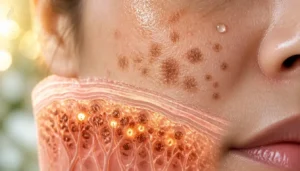
Those dark marks left behind after a breakout aren’t random, they follow a clear biological pattern. Your skin’s healing response, your habits, and even the sun all play a part in how visible they become. Here’s what’s actually driving that discoloration.
Getting ahead of post-breakout marks starts with consistent care, so building a best skin care routine for oily skin can make that fading process far more effective.
Post-Inflammatory Hyperpigmentation
A blemish fades, yet your skin keeps a record of it. That mark left behind is post-inflammatory hyperpigmentation, a common pigment change that follows any inflamed acne blemish, and it can stick around for months.
A blemish fades, but your skin keeps a record of it in the form of post-inflammatory hyperpigmentation
A few things drive how bad it gets:
- Melanin production ramps up during healing
- Picking acne prolongs inflammation and risk
- Darker skin tones show higher susceptibility
- Deep lesions trigger more intense discoloration
The good news? Most dark spots improve on their own, even without treatment, though patience matters here. Broad-spectrum sunscreen is considered a key part of strict photoprotection measures since ongoing UV exposure can worsen these dark spots.
Inflammation and Excess Melanin
Under the surface, inflammation sets off a chain reaction. Keratinocytes and fibroblasts release cytokines like IL-18 and prostaglandin E2, which switch on melanocyte activity. That’s melanin overproduction in action, the raw material behind post-inflammatory hyperpigmentation.
Not every cytokine pushes pigment up, some actually inhibit it. But when UV exposure joins the mix, melanocyte activation intensifies, deepening spots that were already forming.
Picking and Squeezing Acne
That cytokine cascade gets worse with one habit: picking and squeezing acne. Pressure ruptures the pore wall, pushing bacteria deeper and prolonging inflammation.
This raises risks of pimple popping, including infection and scarring. Try pimple patches instead, a simple behavioral swap that curbs touching and gives blemishes room to heal without new dark spots forming.
Deep Acne Lesions
Not all acne blemishes are equal. Cystic acne and nodules form when sebaceous gland obstruction runs deep, triggering severe inflammation beneath the skin.
That depth matters: deep lesion healing takes longer, and postinflammatory hyperpigmentation lingers longest here. Retinoids, benzoyl peroxide, or salicylic acid help early, but severe cases often need a dermatologist’s guidance to limit lasting discoloration.
Sun Exposure and Skin Tone
Sunlight makes everything worse. UV radiation ramps up melanin production, and skin phototypes with more baseline pigment darken faster and longer. That immediate darkening fades, but it delays healing underneath.
This is why acne treatment for dark spots always includes sun protection. Daily SPF 30 sunscreen helps skin tone evening and boosts melanin-reducing ingredients’ effectiveness.
Best Ingredients for Acne Dark Spots

Not every ingredient on the shelf actually fades dark spots, so it helps to know which ones do the real work.
The right formula can speed up your skin’s natural repair process and calm active breakouts at the same time.
Here are five proven ingredients worth looking for on your next label check.
Retinoids for Cell Turnover
Think of retinoids as your skin’s reset button. They speed up epidermal cell renewal, pushing pigmented cells out faster while signaling new ones to form evenly. This retinoid receptor binding triggers gene transcription changes that regulate melanin output.
Consistency matters more than strength here, since visible skin brightening from acne treatment for dark spots usually takes several weeks of steady use.
Azelaic Acid for Pigmentation
If one ingredient does double duty on acne and pigment, it’s azelaic acid. It works through tyrosinase inhibition, calming overactive melanocytes without harsh bleaching.
Azelaic acid therapy also brings:
- Anti-inflammatory effects
- Comedolytic activity
- Antibacterial action
- Antioxidant support
- Melanin reduction
Available as 15-20% gels or creams, it’s a gentle workhorse for postinflammatory hyperpigmentation and gradual skin brightening.
Niacinamide and Vitamin C
Pair niacinamide with vitamin C and you get real niacinamide teamwork, calming redness while vitamin C brightening helps fade dark spots.
| Ingredient | Main Role | Typical Strength |
|---|---|---|
| Niacinamide | Anti-inflammatory | 2-10% |
| Vitamin C | Antioxidant combo | 10-20% |
| Both | Skin tone even | Varies |
Layer thinner serums first, then sunscreen SPF 30, to fade postinflammatory hyperpigmentation safely.
AHAs for Gentle Exfoliation
Exfoliation doesn’t have to sting to work. Alpha hydroxy acids like glycolic acid and mandelic acid dissolve the "glue" holding dead cells together, brightening tone over time.
- Try wash-off AHA cleansers, rinsed after 30 seconds
- Start every other day to build tolerance
- Choose 5-10% concentration with balanced pH
Mandelic acid suits sensitive skin better than glycolic. Gentle exfoliation, done consistently, fades marks without irritation.
Ceramides for Barrier Support
Your skin barrier isn’t just packaging, it’s protection. Ceramides make up a large chunk of your outer layer, forming a "brick and mortar" seal that locks in moisture and blocks irritants.
Acne treatments like retinoids and AHAs can thin this barrier. That’s why pairing them with a ceramide-rich moisturizer helps skin barrier repair, alongside gentle cleansers and daily sunscreen.
Top 8 Acne Treatments for Dark Spots
Knowing which ingredients work is one thing, but finding them in a product you’ll actually use is another. The options below span drugstore staples to derm-favorite brands, covering different budgets and skin sensitivities. Here’s a closer look at eight treatments worth adding to your routine.
1. La Roche Posay Acne Treatment
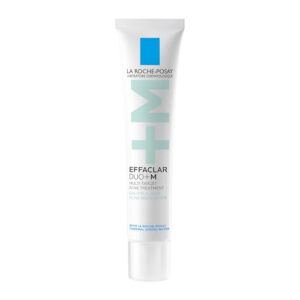
La Roche Posay’s Effaclar line takes a different approach, leaning on salicylic acid to clear pores and dissolve excess oil rather than just sitting on top of blemishes.
Their Effaclar Serum uses a Triple Acid Complex, pairing 1.5% salicylic acid with glycolic acid and lipo hydroxy acid to clear existing breakouts and help prevent new ones. It’s built for adult acne specifically, which usually responds differently than teenage breakouts do.
La Roche Posay recommends building it into a full routine, cleanser, serum, moisturizer, rather than using it alone. That layered approach is what makes pores easier to keep clear long term.
| Best For | Adults with mild to moderate acne-prone, oily, or combination skin who want a lightweight, non-greasy treatment that also helps fade post-acne marks over time. |
|---|---|
| Active Ingredient Type | Salicylic Acid |
| Skin Type | Oily, Combination |
| Application Frequency | Daily |
| Sun Sensitivity Risk | Moderate |
| Fragrance | Fragranced |
| Best For | Adult Acne |
| Additional Features |
|
- Targets existing blemishes while helping prevent new ones, with visible results in as little as 8 hours
- Lightweight, non-comedogenic gel-cream absorbs quickly, mattifies, and layers well under makeup
- Niacinamide and Procerad help fade post-acne marks and refine texture with continued use
- Fragrance may be too strong for those with sensitive or scent-sensitive skin
- Not well suited for severe or cystic acne, and some users need to pause use during flare-ups
- Requires consistent, long-term use to see real improvement in post-acne marks
2. Differin Acne Treatment Retinoid Gel
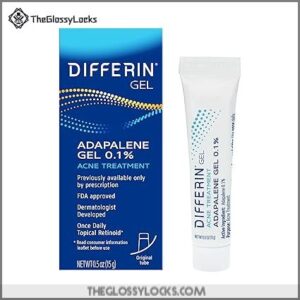
If salicylic acid didn’t fully clear things up, Differin Gel brings out the bigger guns. It’s the first FDA-approved over-the-counter retinoid, built around adapalene, which speeds up cell turnover and calms inflammation at the same time.
Consumer guidance points to once-daily use, morning or night, applied as a thin layer across your whole face rather than dabbed on spots. Wash first with a gentle, non-medicated soap.
Expect some dryness or peeling early on. That’s normal, and it usually settles as your skin adjusts to the retinoid.
| Best For | People dealing with stubborn inflammatory acne (like cysts, nodules, and pustules) who’ve already tried gentler options like salicylic acid and are ready for a stronger, dermatologist-backed treatment. |
|---|---|
| Active Ingredient Type | Adapalene (Retinoid) |
| Skin Type | Acne-Prone, All |
| Application Frequency | Once Daily |
| Sun Sensitivity Risk | High |
| Fragrance | Fragrance-Free |
| Best For | Cystic Acne |
| Additional Features |
|
- Contains Rx-strength adapalene 0.1%, clinically shown to cut breakouts by up to 87% after 12 weeks
- Water-based, oil-free, alcohol-free, and fragrance-free formula that’s non-comedogenic
- Improves skin texture and tone over time while also preventing new blackheads and whiteheads
- Can cause purging, dryness, peeling, or irritation during the first few weeks
- Increases sun sensitivity, so daily sunscreen becomes non-negotiable
- Not suitable for eyelids, lips, or other thin-skinned areas, and waxing treated skin should be avoided
3. Dr Dennis Gross Daily Peel Treatments
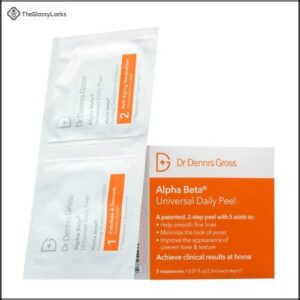
Retinoids work over weeks, but Dr. Dennis Gross Daily Peel offers a faster resurfacing route using five hydroxy acids at once: glycolic, lactic, malic, citric, and salicylic.
Step 1 is massaged onto clean, dry skin until it dries, then you wait two minutes before repeating with Step 2’s antioxidant-rich pad, which calms the acid and helps firmness. The whole thing takes under five minutes.
First-time users should start every other day, ramping up to daily once skin adjusts. Follow with your usual serum and moisturizer, and never skip daily sunscreen, since these acids raise sun sensitivity.
| Best For | Anyone wanting a quick, at-home resurfacing treatment to smooth texture, minimize the look of pores, and boost radiance without committing to a longer retinoid routine. |
|---|---|
| Active Ingredient Type | 5 Hydroxy Acids |
| Skin Type | Most Skin Types |
| Application Frequency | Every Other Day |
| Sun Sensitivity Risk | High |
| Fragrance | Unspecified |
| Best For | Texture Resurfacing |
| Additional Features |
|
- Combines five hydroxy acids in one two-step system for noticeable exfoliation and glow in under 5 minutes
- Step 2’s antioxidant blend helps calm acidity while firming skin, making it gentler than a single-step peel
- Delivers visible improvements in texture, pore appearance, and fine lines with consistent use
- Can cause irritation, redness, or a warm/tingling sensation, especially if used too often
- Higher price point may feel steep given the amount of product you get
- First-time users need to ease in gradually (every other day) and stay diligent about sunscreen, since the acids increase sun sensitivity
4. Neutrogena Acne Spot Treatment Cream
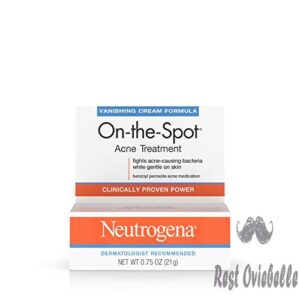
Not every acne fix needs five acids working overtime. Sometimes you just want to hit a pimple where it lives, and that’s where this 2.5% benzoyl peroxide cream earns its keep.
The formula absorbs fast, leaving no greasy film behind, so it layers fine under moisturizer or makeup. Neutrogena built it for acne-prone, drier skin, aiming to fight bacteria without stripping you raw.
Clean skin first, then a thin layer, up to three times daily. Start with once, though, since dryness can sneak up. And don’t forget sunscreen afterward, benzoyl peroxide makes skin more sun-sensitive than usual.
| Best For | People with acne-prone, dry, or sensitive skin who want a targeted spot treatment that fights breakouts without the harshness of stronger acid-based formulas. |
|---|---|
| Active Ingredient Type | Benzoyl Peroxide |
| Skin Type | Dry, Acne-Prone |
| Application Frequency | Up to 3x Daily |
| Sun Sensitivity Risk | High |
| Fragrance | Unspecified |
| Best For | Spot Treatment |
| Additional Features |
|
- Fast-absorbing, lightweight formula that leaves no greasy residue and layers well under makeup or moisturizer
- Starts reducing pimple size and redness in as little as 6–8 hours
- Gentler 2.5% benzoyl peroxide concentration formulated to fight bacteria without over-drying skin
- Can still cause dryness, peeling, or irritation, especially with frequent use
- Increases skin’s sun sensitivity, requiring diligent sunscreen use
- Not suitable for broken or severely inflamed skin without a patch test first
5. Bubble Skincare Acne Spot Treatment
This one leans on 1.8% salicylic acid and wintergreen extract, a natural analog that helps purify skin and cut excess sebum.
Willow bark extract adds gentle exfoliation while calming redness, so blemishes settle down instead of flaring worse. Developed with dermatologists, the vegan, cruelty-free serum stays alcohol-free too.
Packaged in a 0.33 fl oz bottle, it’s built for spot treatment, not full-face coverage. Think of it as dabbing out a single ember rather than dousing the whole fire.
| Best For | People with early-stage blemishes, oily skin, or occasional breakouts who want a travel-friendly spot treatment and don’t have very sensitive or dryness-prone skin. |
|---|---|
| Active Ingredient Type | Salicylic Acid |
| Skin Type | Oily, Not Sensitive |
| Application Frequency | As Needed |
| Sun Sensitivity Risk | Low-Moderate |
| Fragrance | Alcohol-Free |
| Best For | Early Blemishes |
| Additional Features |
|
- Targets blemishes with 1.8% salicylic acid alongside soothing willow bark and elderberry extracts
- Vegan and cruelty-free formula suitable for all skin types, including sensitive skin
- Compact size makes it easy to toss in a bag for on-the-go touch-ups
- Can cause dryness or flaking, so you may need to follow up with moisturizer
- The applicator can be tricky to control, especially once the tube starts running low
- Not guaranteed to work on every acne type, particularly more severe breakouts
6. Starface Salicylic Acid Pimple Patches

If you’re someone who picks at breakouts without realizing it, these little stars might save your skin. Each patch pairs 1% salicylic acid with hydrocolloid, drawing out fluid overnight while forming a barrier your fingers can’t get past.
That barrier matters more than people think, since picking prolongs inflammation and drives up hyperpigmentation risk. Apply to clean, dry skin for six or more hours, using them 1 to 3 times weekly.
The Big Blue compact holds 32 patches and includes a mirror, making it easy to toss in a bag. Adhesion varies, some patches slip off overnight, but the concealment and picking deterrence alone make them worth trying.
| Best For | People prone to picking at breakouts who want a discreet, portable way to cover blemishes and keep their hands off. |
|---|---|
| Active Ingredient Type | Salicylic Acid |
| Skin Type | All Skin Types |
| Application Frequency | 1-3x Weekly |
| Sun Sensitivity Risk | Low |
| Fragrance | Unspecified |
| Best For | Picking Prevention |
| Additional Features |
|
- Combines hydrocolloid with 1% salicylic acid to absorb fluid and calm redness overnight
- Compact case with built-in mirror makes it easy to carry and apply on the go
- Physical barrier helps break the picking habit and reduces hyperpigmentation risk
- Adhesion can be inconsistent, with some patches slipping off overnight
- Treatment efficacy is mixed—some users see little improvement in actual healing
- Some buyers feel the price doesn’t match the results compared to other options
7. Mario Badescu Drying Lotion Treatment
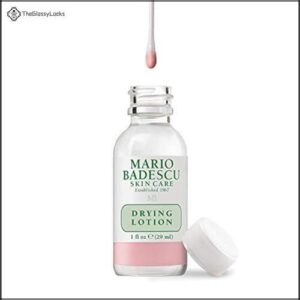
This one’s a bit unusual, and that’s the point. The bottle separates into a clear layer and pink sediment, so skip the shake and dip your cotton swab straight into that settled pink layer.
Salicylic acid, sulfur, and calamine team up to dry surface blemishes overnight, and Ulta’s crowned it a best-seller for good reason. Dab it on, let it sit, rinse in the morning. Just watch for irritation since isopropyl alcohol can be drying with overuse.
| Best For | Anyone dealing with occasional whiteheads, pustules, or mild cystic breakouts who wants a targeted overnight spot treatment rather than an all-over acne product. |
|---|---|
| Active Ingredient Type | Salicylic Acid, Sulfur |
| Skin Type | Oily, Combination |
| Application Frequency | Overnight |
| Sun Sensitivity Risk | Low-Moderate |
| Fragrance | Contains Alcohol |
| Best For | Overnight Spots |
| Additional Features |
|
- Dries out surface blemishes and visibly reduces pimples overnight
- Also works well on mosquito bites, calming itch and inflammation within a day
- A little goes a long way, so one small bottle can last for months
- Isopropyl alcohol content can cause irritation, rash, or dermatitis if overused
- Leaves a temporary pink residue and can cause flaking or dryness
- Sediment is tricky to scoop from the bottle, often requiring a cotton swab to get enough product
8. CeraVe Acne Control Salicylic Acid Gel
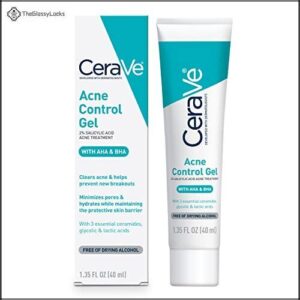
Rounding out the list is a gel that treats acne while working on the marks it leaves behind. CeraVe pairs 2% salicylic acid with glycolic and lactic acid to unclog pores and smooth texture, then adds niacinamide to calm skin and ceramides to protect your barrier.
Apply a thin layer once daily at first, since it can dry skin out with overuse, and always follow with sunscreen. It’s alcohol-free, fragrance-free, and non-comedogenic, making it a practical, budget-friendly pick for oily or sensitive skin dealing with mild to moderate breakouts.
| Best For | This gel is best for people with oily, acne-prone, or sensitive skin who are dealing with mild to moderate breakouts and want an affordable, no-frills addition to their routine. |
|---|---|
| Active Ingredient Type | Salicylic + AHAs |
| Skin Type | Oily, Sensitive |
| Application Frequency | Daily |
| Sun Sensitivity Risk | Moderate |
| Fragrance | Fragrance-Free |
| Best For | Pores, Blackheads |
| Additional Features |
|
- Combines salicylic acid with glycolic and lactic acid to unclog pores, exfoliate, and smooth texture
- Contains ceramides to support and protect the skin’s natural barrier while treating acne
- Alcohol-free, fragrance-free, and non-comedogenic, making it gentle enough for sensitive skin
- Can cause dryness or irritation if used too often or on more reactive skin types
- May not be strong enough to tackle deep or bacterial acne for everyone
- Results and overall value seem to vary quite a bit from person to person
Skincare Routine for Fading Acne Spots
Picking the right product is only half the job, your daily habits do the rest. A steady, simple routine gives those ingredients room to actually work. Here’s what that routine should look like, step by step.
Gentle Morning Cleansing
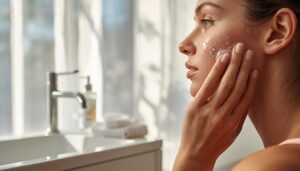
Think of morning cleansing as pressing reset, not scrubbing away yesterday.
Use lukewarm water and a pH-balanced, gentle surfactant cleanser once daily.
Five quick wins:
- Massage 20-30 seconds
- Rinse thoroughly
- Pat dry, don’t rub
- Try micellar water if skin’s sensitive
- Follow with hydration
This protects your skin barrier while calming inflammation, not stripping it.
Targeted Evening Treatments
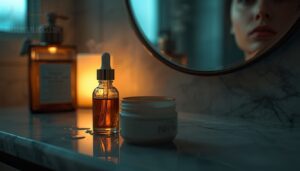
Your skin repairs itself fastest overnight, which is why nighttime is prime time for active ingredients.
Apply retinoids or azelaic acid after cleansing, then layer niacinamide and vitamin C serums beneath moisturizer.
Salicylic acid or benzoyl peroxide can target active breakouts, but skip retinol those nights.
Finish with hydration to lock in actives and support repair while you sleep.
Daily Broad-Spectrum Sunscreen
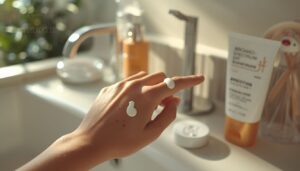
All those overnight actives work hard, but they also make your skin more sensitive to UV rays. That’s why morning calls for broad-spectrum sunscreen, SPF 30 minimum, applied generously and reapplied every two hours. Choose water-resistant formulas if you’ll sweat.
Skipping this step undoes your nighttime progress and can deepen the very spots you’re treating.
Lightweight Non-Comedogenic Moisturizer
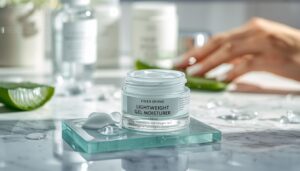
Sunscreen protects, but you still need moisture underneath it. Look for a water-based gel texture labeled noncomedogenic, with niacinamide or hyaluronic acid for hydration without clogging pores.
Ceramides support barrier repair, letting active treatments work without over-drying skin. Fragrance-free options lower irritation risk, especially while you’re already treating acne and healing dark spots.
Avoid Picking and Over-Exfoliating

Picking a blemish feels satisfying, but it restarts the inflammatory response and delays skin healing. Hands off, always.
Same goes for scrubbing too hard. Exfoliate just 1-2 times weekly, using gentle circular motions for 30 seconds. Redness, tightness, or stinging signal over-exfoliation. When that happens, scale back and let skin cell turnover happen naturally, undisturbed.
Professional Treatments and Safety Considerations

Sometimes at-home products only get you so far, and that’s okay. Dermatologists have stronger tools for stubborn dark spots, each working a bit differently. Here’s what those options actually involve, plus who should think twice before trying them.
Chemical Peels
Think of chemical peels as a controlled "reset button" for damaged skin. They use acids like glycolic acid or salicylic acid to remove outer layers, speeding fading of dark spots.
Options range from light to deep, with light peels needing several sessions and TCA peels demanding longer recovery.
Prep skin beforehand and skip picking. Dr Dennis Gross Daily Peel offers a gentler at-home start.
Microdermabrasion
Sandpaper for your face, minus the harshness. Crystal microdermabrasion sprays fine crystals while a vacuum lifts away dead cells, treating only the outermost layer.
Sessions run 30 minutes and boost collagen stimulation and cell turnover. Space treatments 2 to 4 weeks apart, needing 6 to 8 for real fading.
Skip it if you have rosacea or eczema. Expect redness for two to three days after.
Laser Resurfacing
When creams and peels stall out, lasers go deeper. Ablative laser resurfacing removes the epidermis, vaporizing damaged tissue to trigger fresh collagen growth.
CO2 lasers tackle stubborn postacne marks, while erbium options offer gentler recovery. Expect antiviral prophylaxis, numbing cream or sedation, and eye protection throughout. One session often evens discoloration, though your dermatologist may recommend a fractional approach for texture and pigment together.
Darker Skin Tone Risks
If you have darker skin, your melanin sensitivity raises the stakes with any aggressive procedure. Lasers and peels can trigger rebound hyperpigmentation or, worse, permanent lightening.
That’s why treatment caution matters here. Choose dermatologists experienced with deeper skin tones, ask about test spots first, and never skip strict sun protection during recovery, since UV exposure worsens both risks fast.
When to See a Dermatologist
At what point does at-home care stop being enough? Watch for persistent acne breakouts, changing skin spots, or new skin growths that won’t quit. Lingering symptoms often mean specialist treatment is needed.
A board-certified dermatologist can offer prescription creams, in-office procedures, and proper follow-up care, guidance no drugstore product can match.
Frequently Asked Questions (FAQs)
What is the best treatment for dark spots on acne?
Your best bet combines retinoids or azelaic acid with brighteners like vitamin C and niacinamide, layered into an evening routine. Add daily SPF 30 sunscreen and non-comedogenic hydration, and give it eight to twelve weeks before judging results.
What is best for acne dark spots?
A mix of azelaic acid, niacinamide, and vitamin C works best, layered with nightly retinoids. Budget picks like CeraVe or Differin fade spots in 8-12 weeks, especially paired with daily SPF and gentle exfoliation.
What is the best treatment for dark spots after acne?
No single product works alone. Real fading combines topical brightening agents like azelaic acid, niacinamide, and vitamin C with gentle exfoliation, daily sunscreen, and barrier repair, all working together to calm inflammation and prevent new marks.
How to get rid of dark acne spots fast?
Fast fading means retinoids or vitamin C at night, niacinamide by day, and daily sunscreen. Spot-treat with azelaic acid, skip picking, and stay consistent. Real fading takes weeks, not days, but this speeds it up.
How do I get rid of acne dark spots?
Roughly 65% of acne patients develop dark spots afterward. Apply retinoids, vitamin C, or azelaic acid each evening after gentle cleansing, then reapply broad-spectrum sunscreen every morning, since these actives increase sun sensitivity and can worsen unprotected skin.
How can I prevent dark spots & scars?
Prevention comes down to gentle habits: avoid picking or squeezing blemishes, cleanse morning and evening, apply daily broad-spectrum sunscreen, and use retinoids or niacinamide consistently to calm inflammation before it turns into lasting dark marks.
Can acne cause dark spots?
Yes. Acne inflammation triggers melanin overproduction during healing, leaving flat dark marks called post-inflammatory hyperpigmentation.
Picking worsens spots, deeper lesions raise your risk, and sun exposure darkens marks further, so daily sunscreen, vitamin C, and niacinamide help fade them faster.
What are effective treatments for dark spots?
The right combination matters more than any single product. Retinoids, vitamin C, and azelaic acid target melanin production, while gentle chemical exfoliants like glycolic acid smooth tone, and daily sunscreen locks in your progress.
How to prevent dark spots from developing due to acne?
Keep breakouts under control, and avoid picking or squeezing blemishes. Treat pimples early with gentle, non-comedogenic products, apply daily sunscreen, and use niacinamide or vitamin C consistently to calm inflammation before it deepens into lasting pigment.
How can I prevent dark spots on my face?
Your skin can’t undo a dark spot once it forms, so the real work happens beforehand. Stick with gentle cleansers, daily sunscreen, niacinamide or vitamin C, and consistent application, and always resist picking.
Conclusion
Dark spots fade like footprints in wet sand, slowly, but only if you stop retracing them.
The right acne treatment for dark spots gives your skin room to heal instead of fighting new breakouts and old marks at once.
Pick your ingredients, protect with sunscreen, and let cell turnover do its quiet work.
Patience isn’t passive here. It’s your most active ingredient, and it’s the one that actually works.