This site is supported by our readers. We may earn a commission, at no cost to you, if you purchase through links. This content is for general informational and educational purposes only and is not a substitute for professional medical, dermatological, or nutritional advice.
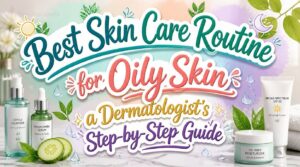
That midday shine you keep blotting away? It’s not a hygiene failure. Oily skin runs on genetics and hormones, and no amount of scrubbing changes that biology—it just damages your barrier and backfires with more sebum.
The fix isn’t stripping oil away. It’s working with your skin’s chemistry: the right cleansers, actives, and timing.
Below, you’ll find a dermatologist-approved routine, morning through night, plus the exact ingredients and products that keep oily skin balanced instead of battling it.
Table Of Contents
- Key Takeaways
- Best Morning Routine for Oily Skin
- Best Night Routine for Oily Skin
- Best Ingredients for Oil Control
- Top 10 Products for Oily Skin
- 1. CeraVe Foaming Facial Cleanser For Oily Skin
- 2. Murad Clarifying Toner Witch Hazel
- 3. La Roche Posay Effaclar Clarifying Clay Mask
- 4. Naturium Tranexamic Acid Brightening Serum
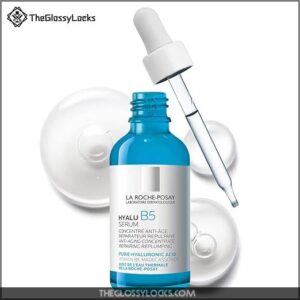
- 5. La Roche Posay Hyaluronic Acid Serum
- 6. PanOxyl Acne Wash 10 Benzoyl Peroxide
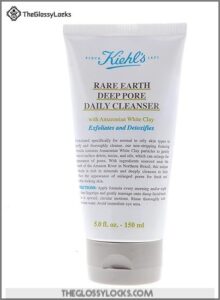
- 7. Kiehl’s Rare Earth Deep Pore Cleanser
- 8. Caudalie Premier Cru Anti Aging Cream
- 9. EltaMD UV Clear Face Sunscreen
- 10. Cetaphil Oil Removing Foam Wash
- Oily Skin Mistakes to Avoid
- Frequently Asked Questions (FAQs)
- What is the 4 2 4 rule in skincare?
- What should my skincare routine be while on accutane?
- Does DHT make skin oily?
- What do Koreans use for oily skin?
- What is the best skincare routine for oily skin?
- Which skincare products are best for oily skin?
- Do and don’ts for oily skin?
- What skin treatment is best for oily skin?
- Does oily skin need retinol?
- What skincare to avoid for oily skin?
- Conclusion
Key Takeaways
- Oily skin is driven by genetics and hormones, so aggressive scrubbing only damages the skin barrier and triggers rebound oil production.
- A balanced routine uses gentle, pH-balanced cleansers, alcohol-free toners, and oil-free hydrating products instead of stripping away natural oils.
- Targeted actives like salicylic acid, niacinamide, retinoids, and benzoyl peroxide control oil and acne effectively when introduced gradually and not overused together.
- Common mistakes like over-cleansing, skipping moisturizer, over-exfoliating, and ignoring dermatologist guidance often worsen oiliness rather than improve it.
Best Morning Routine for Oily Skin
Your morning routine sets the tone for how your skin behaves the rest of the day. Get it right, and you’ll fight shine before it starts instead of chasing it at noon. Here’s exactly what that five-step routine should look like.
If you want the full breakdown of each step, this complete skincare routine guide walks through the order and reasoning behind every product.
Gentle Foaming Cleanse

Every oily-skin routine starts here: a pH-balanced foaming cleanser using mild amino acid surfactants, not harsh sulfates. This preserves your skin’s barrier while lifting excess sebum.
Look for sodium cocoyl glycinate on the label. The light foam texture cleans thoroughly without over-stripping, keeping skin pH between 4.5–5.5—critical for preventing rebound oil production and maintaining healthy facial hygiene. Using a gentle foam cleanser helps to effectively remove impurities while nourishing the skin.
Alcohol-free Toner

Once your cleanser rinses clean, skin pH sits slightly off balance—an alcohol-free toner brings it back to that ideal 4.5–5.5 range.
Look for witch hazel distillates for gentle astringent action, plus humectants like glycerin to attract moisture.
Skip alcohol-based versions; they irritate and dry out oily, sensitive skin alike.
Fragrance-free formulas work best in any skincare routine for oily skin.
Lightweight Hydrating Serum

Hyaluronic acid is your next step, drawing water into the skin without a drop of oil. Sodium hyaluronate, its smaller-molecule form, penetrates deeper for lasting moisture.
Layer it with panthenol to soothe and lock in hydration. Squalane beats heavy oils here—light, non-greasy, and fast-absorbing. This water-based texture sinks in within seconds, no residue left behind.
Oil-free Moisturizer
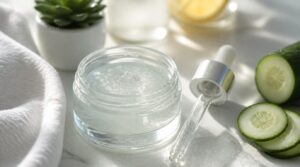
Oil-free moisturizer locks in that hydration without adding shine. Look for non-comedogenic labeling and water-based textures—these support sebum regulation while strengthening your skin barrier.
Your morning pick should:
- List "oil-free" or "non-comedogenic" on the label
- Use glycerin or hyaluronic acid as humectants
- Skip heavy oils and butters entirely
- Absorb within 1-3 minutes
- Feel weightless, never greasy
Non-comedogenic SPF
Skipping sunscreen is the fastest way to undo every step before it. Choose a broad-spectrum SPF 30 with zinc oxide—it forms a protective film without clogging pores. Look for lightweight gel or fluid textures over creams.
| Type | Texture | Best For |
|---|---|---|
| Zinc oxide | Lightweight lotion | Sensitive, oily skin |
| Chemical UV filter | Gel-fluid | Oil-free wear |
| Tinted mineral | Matte finish | Reduced shine |
Reapply after sweating.
Best Night Routine for Oily Skin

Nighttime is when your skin does its real repair work, so your routine needs to support that process, not fight it. Oily skin still needs a careful, step-by-step approach at night, even without sunscreen and makeup to worry about. Here’s exactly what your evening routine should include, in order.
Each product pulls its weight like a targeted skin care routine built around a specific concern, so knowing why each step exists helps you stick with it.
Remove Sunscreen and Makeup
Skipping this step lets sunscreen and makeup sit on your skin all night, feeding excess sebum. Use the Oil Cleansing Method first, then double cleanse with micellar water or a gentle wash.
- Massage oil cleanser 30–60 seconds
- Emulsify with lukewarm water
- Follow with micellar water
- Avoid harsh makeup wipes
- Rinse until water runs clear
Cleanse Without Stripping
Once makeup’s gone, reach for a pH-balanced gel or foaming cleanser and massage with light, circular pressure for 30–60 seconds—no scrubbing. Rinse with lukewarm water; hot water strips oils and triggers rebound sebum.
Gentle surfactants clean without that tight, squeaky feel that signals barrier damage. Short contact time protects your skin’s pH balance while still lifting away buildup.
Apply Targeted Treatments
This is where the real work happens. Once skin is clean, apply targeted actives while pores are receptive.
If you’re layering a mask into this step, timing matters even more for oily skin, so check out this guide on whether to mask before or after showering to maximize absorption.
- Salicylic acid (0.5–2%) nightly for pore exfoliation
- Niacinamide serum to pair with retinoids, easing irritation
- Retinoids 2–3x weekly initially, building tolerance gradually
- Azelaic acid for post-inflammatory marks
- Alternate benzoyl peroxide and retinoids—never same spot, same night
Introduce one active at a time. Watch for redness before adding another.
Use Lightweight Moisturizer
Your barrier needs water, not weight, after actives. Reach for a water-based, oil-free moisturizer with hyaluronic acid or glycerin—these humectants pull hydration into skin without clogging pores.
Apply to slightly damp skin for better absorption and less pilling. Non-comedogenic formulas support your skin barrier while drying down fast, leaving no greasy residue behind, so you wake up hydrated, not shiny.
Avoid Heavy Creams
That thick jar of night cream might feel luxurious, but it’s working against you. Occlusive textures sit on oily skin, trapping sebum and slowing water loss until you wake up shinier than you went to bed.
Layering rich creams over serums adds product load, congesting pores further. Stick with oil-free, lightweight, water-based formulas for real sebum control—your skin breathes, absorbs, and stays balanced overnight.
Best Ingredients for Oil Control
Your routine can only do so much without the right ingredients behind it. Certain actives target excess oil at its source, working on pores, sebum, and cell turnover in different ways. Here’s what actually earns a spot in an oily skin regimen.
Salicylic Acid for Pores
Why does salicylic acid outperform most exfoliants for oily, pore-clogged skin? It’s oil-soluble, so it dives straight into sebum and dissolves debris other acids can’t reach.
- Unclogs pores at the source
- Smooths texture within weeks
- Works at 0.5–2% OTC strength
- Pairs well with moisturizer and SPF
- Avoid with aspirin sensitivity
Start once daily to gauge tolerance.
Niacinamide for Sebum Balance
Pair salicylic acid with niacinamide and you get oil control from two angles. At 2–5% concentration, niacinamide calms sebaceous glands directly, cutting sebum output over roughly 4–8 weeks.
It also rebuilds barrier function, so skin stops overproducing oil to compensate for dryness. Bonus: pores look smaller, and it layers safely with acids, retinoids, or benzoyl peroxide.
Retinoids for Cell Turnover
Retinoids work deeper than surface oil control. Once retinol converts to retinoic acid, it binds nuclear receptors that drive epidermal renewal, speeding cell turnover and unclogging pores.
Start with 0.1% adapalene, pea-sized, every other night on dry skin to ease irritation. Expect smoother texture within weeks. Sunscreen isn’t optional here—retinoids increase UV sensitivity, so morning SPF becomes non-negotiable.
Benzoyl Peroxide for Acne
Where retinoids renew skin over weeks, benzoyl peroxide (BPO) attacks acne bacteria directly. It’s an oxidizing agent that kills C. acnes on contact—no resistance risk, unlike antibiotics.
Start at 2.5-5%, once daily. Higher strengths don’t mean better results, just more irritation.
Combine BPO with retinoids (morning/night split) for faster clearing. Expect dryness initially; a gentle moisturizer helps. It bleaches fabric, so use white pillowcases.
Hyaluronic Acid for Hydration
Oily skin still needs water, not just oil control. Hyaluronic acid is a humectant, pulling moisture into the skin’s upper layers rather than adding grease.
Apply it to damp skin after cleansing, before your moisturizer, to boost absorption. Look for formulas blending molecular weights for balanced hydration.
Layer under oil-free moisturizers to lock in moisture and support your skin barrier without heaviness.
Top 10 Products for Oily Skin
Knowing which ingredients work is one thing—finding them in the right formula is another. You don’t need a ten-step shelf to control oil, just a handful of products that actually earn their spot. Here are ten I recommend to patients dealing with excess shine and breakouts.
1. CeraVe Foaming Facial Cleanser For Oily Skin
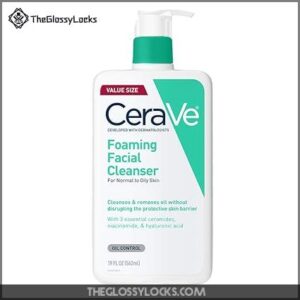
CeraVe Foaming Facial Cleanser strips oil without stripping your barrier — a balance many gel cleansers miss. Its foaming formula lifts excess sebum while three essential ceramides and hyaluronic acid keep skin from feeling tight afterward.
Niacinamide rounds out the formula, calming irritation and supporting your moisture balance as you cleanse. Fragrance-free and non-comedogenic, it’s built for daily morning-and-evening use on oily, acne-prone skin without triggering breakouts or over-drying.
| Best For | People with oily or acne-prone skin who want a daily cleanser that clears excess oil without leaving their skin feeling tight or over-dried. |
|---|---|
| Product Type | Cleanser |
| Key Ingredient | Niacinamide |
| Fragrance Free | Yes |
| Skin Type Focus | Oily Acne-Prone |
| Usage Frequency | Twice Daily |
| Non-Comedogenic | Yes |
| Additional Features |
|
- Foaming formula effectively lifts excess sebum and impurities
- Ceramides and hyaluronic acid help maintain the skin barrier while cleansing
- Fragrance-free, non-comedogenic formula suitable for twice-daily use
- Foaming cleansers can feel too drying for those with combination or sensitive skin
- Niacinamide, while beneficial, may not suit those already using multiple active ingredients
- Not formulated with SPF, so daytime sun protection still needs to be applied separately
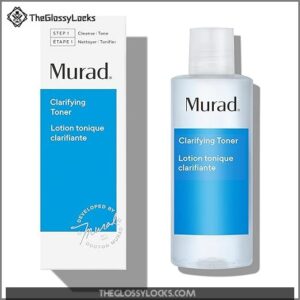
2. Murad Clarifying Toner Witch Hazel
Skip the alcohol-laden astringents that leave skin tight. Murad’s Clarifying Toner leans on witch hazel as a natural astringent, dissolving surface oil and tightening pore appearance without that harsh, stripped feeling.
Algae extract joins in to curb excess sebum and even out shine, while grape seed extract and vitamin E offer antioxidant defense against daily environmental stress.
Butylene glycol keeps things hydrated so you’re not left dry. Cucumber and calendula extracts round it out, calming and soothing as they clarify.
| Best For | People with normal to oily, blemish-prone skin who want a gentle, alcohol-free way to clarify pores and control shine without stripping their skin. |
|---|---|
| Product Type | Toner |
| Key Ingredient | Witch Hazel |
| Fragrance Free | Not Specified |
| Skin Type Focus | Oily Blemish-Prone |
| Usage Frequency | Daily |
| Non-Comedogenic | Not Specified |
| Additional Features |
|
- Witch hazel naturally tightens the look of pores and clears surface oil without the harshness of alcohol-based astringents
- Algae extract helps manage excess sebum, while grape seed extract and vitamin E add antioxidant protection
- Butylene glycol, cucumber, and calendula keep the formula soothing and hydrating rather than drying
- Not formulated with dry skin in mind, so those with dry or dehydrated skin may find it too clarifying
- Contains multiple active plant extracts, which could be a consideration for those with sensitivities
- Best suited to oil control, so it may not address other specific skin concerns like deep hydration or anti-aging
3. La Roche Posay Effaclar Clarifying Clay Mask
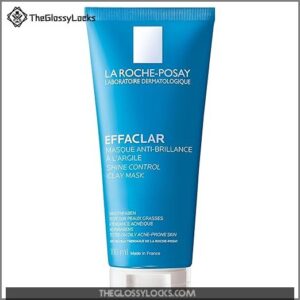
Think of this mask as a weekly reset button for oily, congested skin. Kaolin clay draws excess oil straight from the surface, while magnesium aluminum silicate boosts absorption and refines texture as it dries.
Panthenol soothes so you’re not left tight or irritated, and glycerin keeps moisture intact throughout.
Use it 1–2 times weekly—rinse with lukewarm water once it sets to a matte film. Expect visibly tighter pores and reduced shine within a few applications, without the harsh dryness clay masks often cause.
| Best For | People with oily or congested skin who want a weekly clarifying treatment that tightens pores and cuts shine without the harsh dryness typical clay masks leave behind. |
|---|---|
| Product Type | Mask |
| Key Ingredient | Kaolin Clay |
| Fragrance Free | Not Specified |
| Skin Type Focus | Oily Congested |
| Usage Frequency | 1-2x Weekly |
| Non-Comedogenic | Not Specified |
| Additional Features |
|
- Kaolin clay draws out excess oil and refines texture as it dries
- Panthenol and glycerin help maintain moisture, so skin isn’t left tight or irritated
- Visibly tightens pores and reduces shine after just a few uses
- Only meant for 1–2 uses per week, not a daily treatment
- Requires letting the mask set to a matte film before rinsing, which takes extra time
- May not suit those looking for a lighter, leave-on clarifying product
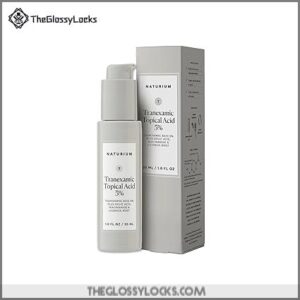
4. Naturium Tranexamic Acid Brightening Serum
Dark spots lingering after a breakout? This serum targets them directly with 5% tranexamic acid, pairing it with niacinamide to calm redness and regulate oil.
Kojic acid joins in to block excess pigment production, while hyaluronic acid keeps things hydrated without any greasy residue.
Apply a thin layer once daily to clean skin—before moisturizer, after toner. Give it a few weeks, and you’ll notice more even tone, especially when paired with consistent SPF use.
| Best For | This serum is best for anyone dealing with lingering dark spots or uneven tone from past breakouts and wants a lightweight, non-greasy way to fade them over time. |
|---|---|
| Product Type | Serum |
| Key Ingredient | Tranexamic Acid |
| Fragrance Free | Not Specified |
| Skin Type Focus | Post-Breakout |
| Usage Frequency | Once Daily |
| Non-Comedogenic | Not Specified |
| Additional Features |
|
- Contains 5% tranexamic acid alongside niacinamide and kojic acid to target pigmentation from multiple angles
- Hyaluronic acid adds hydration without leaving a heavy or oily feel
- Simple daily application that fits easily into an existing skincare routine
- Results take several weeks of consistent use, so it’s not a quick fix
- Must be paired with daily SPF to actually see and maintain improvement
- May not be strong enough for deeper or more stubborn pigmentation issues
5. La Roche Posay Hyaluronic Acid Serum
Oily skin needs hydration too—skipping it just triggers more oil production. La Roche Posay’s Hyalu B5 uses a dual hyaluronic acid system, pairing high and low molecular weight forms to hydrate both surface and deeper layers.
Madecassoside calms irritation, while panthenol reinforces the barrier without adding grease. The lightweight, fast-absorbing texture layers cleanly under sunscreen or moisturizer, morning or night.
Apply a few drops after cleansing. It’s a smart way to keep oily, acne-prone skin balanced instead of stripped.
| Best For | People with oily or acne-prone skin who want lightweight hydration without a greasy feel or clogged pores. |
|---|---|
| Product Type | Serum |
| Key Ingredient | Hyaluronic Acid |
| Fragrance Free | Not Specified |
| Skin Type Focus | Oily Acne-Prone |
| Usage Frequency | Daily |
| Non-Comedogenic | Not Specified |
| Additional Features |
|
- Dual hyaluronic acid system hydrates both surface and deeper layers of skin
- Madecassoside and panthenol calm irritation while strengthening the skin barrier
- Lightweight, fast-absorbing texture layers easily under sunscreen or moisturizer
- Only addresses hydration, so it still needs to be paired with other targeted treatments
- Best results likely require consistent daily use over time
- May not provide enough richness for those with very dry skin
6. PanOxyl Acne Wash 10 Benzoyl Peroxide
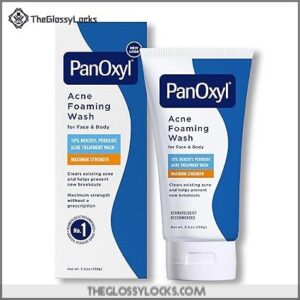
Serum takes care of hydration—now for the heavy artillery against active breakouts. PanOxyl’s foaming wash uses 10% benzoyl peroxide, the maximum strength available over-the-counter, and kills over 99% of acne-causing bacteria in just 15 seconds of contact time.
It’s formulated for face, chest, and back, with glycerin and dimethicone worked in to offset benzoyl peroxide’s drying reputation.
Start with a few times weekly. Your skin needs time to adjust before daily use becomes tolerable.
| Best For | People dealing with active breakouts on the face, chest, or back who want a fast-acting, maximum-strength treatment to knock out acne-causing bacteria. |
|---|---|
| Product Type | Cleanser |
| Key Ingredient | Benzoyl Peroxide |
| Fragrance Free | Not Specified |
| Skin Type Focus | Face Chest Back |
| Usage Frequency | Few Times Weekly |
| Non-Comedogenic | Not Specified |
| Additional Features |
|
- Uses 10% benzoyl peroxide, the highest OTC strength available, for serious acne-fighting power
- Kills over 99% of acne-causing bacteria in just 15 seconds of contact time
- Includes glycerin and dimethicone to help offset the drying effects benzoyl peroxide is known for
- Benzoyl peroxide can still be drying or irritating, especially with frequent use early on
- Requires a gradual introduction (starting a few times weekly) before daily use is tolerable
- Maximum strength formulas aren’t ideal for those with very sensitive or reactive skin
7. Kiehl’s Rare Earth Deep Pore Cleanser
Not everyone tolerates benzoyl peroxide’s drying effects, and that’s where clay-based options earn their keep.
Kiehl’s Rare Earth Deep Pore Cleanser uses Amazonian white clay to absorb excess oil while binding debris from clogged pores. Low-concentration salicylic acid adds gentle exfoliation without harsh scrubbing, and aloe barbadensis calms skin post-cleanse.
Mild surfactants keep the formula non-stripping. Massage onto damp skin, focusing on the T-zone, then rinse with lukewarm water morning or night.
| Best For | Oily and acne-prone skin types who want deep pore cleansing without the harsh, drying effects of benzoyl peroxide. |
|---|---|
| Product Type | Cleanser |
| Key Ingredient | Salicylic Acid |
| Fragrance Free | Not Specified |
| Skin Type Focus | Oily Acne-Prone |
| Usage Frequency | Daily |
| Non-Comedogenic | Not Specified |
| Additional Features |
|
- Amazonian white clay absorbs excess oil and draws out debris from clogged pores
- Low-concentration salicylic acid gently exfoliates without irritating or over-scrubbing skin
- Aloe barbadensis and mild surfactants soothe skin and keep the formula from feeling stripping
- May not provide enough deep cleansing for very oily or acne-heavy skin compared to stronger treatments
- Clay-based formulas can still feel too drying for those with naturally dry or sensitive skin
- Requires consistent, focused massaging on the T-zone to get the full pore-clearing benefit
8. Caudalie Premier Cru Anti Aging Cream
Oily skin ages too, and Leading Cru combats that directly. Built on viniferine to brighten dark spots, plus a natural plumping filler and hyaluronic acid for hydration without grease.
Sesame seed and olive-derived emollients nourish minus heaviness, while magnolia bark extract adds antioxidant support. Apply a pea-sized amount mornings after serum, massaging upward. This rich formula suits mature, aging-prone skin needing anti-aging benefits alongside oil control.
| Best For | This cream is best suited for those with mature, oily, or aging-prone skin who want anti-aging benefits alongside oil control and hydration without heaviness. |
|---|---|
| Product Type | Cream |
| Key Ingredient | Viniferine |
| Fragrance Free | Not Specified |
| Skin Type Focus | Mature Oily |
| Usage Frequency | Daily |
| Non-Comedogenic | Not Specified |
| Additional Features |
|
- Contains viniferine to help brighten dark spots and even skin tone
- Combines hyaluronic acid and a natural plumping filler for hydration without excess grease
- Enriched with antioxidant-rich magnolia bark extract and lightweight, nourishing plant emollients
- Rich formula may be too heavy for those with very oily or acne-prone skin
- No mention of SPF, so additional sun protection is needed during daytime use
- Premium formulation may come with a higher price point compared to standard anti-aging creams
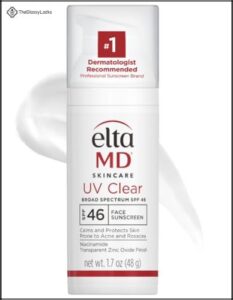
9. EltaMD UV Clear Face Sunscreen
EltaMD UV Clear solves the sunscreen dilemma oily skin sufferers know well: broad-spectrum protection without the greasy cast. SPF 46 comes from 9% zinc oxide, a mineral filter that reflects UV rays rather than absorbing them chemically.
5% niacinamide calms redness and evens tone, while hyaluronic acid hydrates without weight. Fragrance-free, non-comedogenic, and water-resistant for 40 minutes, it layers cleanly under makeup with a sheer, non-white finish—ideal for daily wear on acne-prone, rosacea-sensitive skin.
| Best For | People with oily, acne-prone, or rosacea-sensitive skin who want daily broad-spectrum sun protection without a greasy or white cast. |
|---|---|
| Product Type | Sunscreen |
| Key Ingredient | Zinc Oxide |
| Fragrance Free | Yes |
| Skin Type Focus | Oily Acne-Prone Rosacea |
| Usage Frequency | Daily |
| Non-Comedogenic | Yes |
| Additional Features |
|
- Mineral SPF 46 from 9% zinc oxide protects without a chemical-absorption feel
- Contains 5% niacinamide and hyaluronic acid to calm redness and hydrate
- Fragrance-free, non-comedogenic, and layers well under makeup
- Zinc oxide formulas can sometimes feel slightly heavier than pure chemical sunscreens
- Water resistance is limited to 40 minutes, requiring reapplication after swimming or sweating
- Higher price point compared to many drugstore sunscreen options
10. Cetaphil Oil Removing Foam Wash
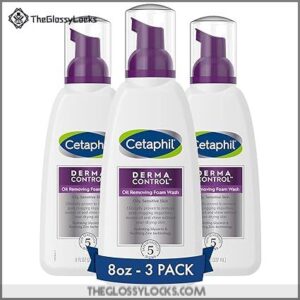
Zinc-based cleansers are rare, and that’s what sets this one apart. Cetaphil Pro’s foam wash uses Zinc Coceth Sulfate as its primary surfactant, lifting excess oil while glycerin keeps the barrier from tightening up.
It’s noncomedogenic, paraben-free, and hypoallergenic—built for oily, combination, or sensitive skin. The pH-balanced, light-foaming formula rinses clean without that squeaky, stripped feeling. Use it morning and night as your first step, then follow with an oil-free moisturizer to lock in hydration.
If those cleansed pores are still dealing with leftover dark spots from past breakouts, pairing this routine with an enzyme treatment for dark spots can help fade the discoloration faster.
| Best For | People with oily, combination, or sensitive skin who want a gentle daily cleanser that controls shine without drying out their face. |
|---|---|
| Product Type | Cleanser |
| Key Ingredient | Zinc Technology |
| Fragrance Free | Not Specified |
| Skin Type Focus | Oily Combination |
| Usage Frequency | Daily |
| Non-Comedogenic | Yes |
| Additional Features |
|
- Zinc-based formula helps reduce surface oil and shine throughout the day
- Gentle, light-foaming texture cleanses without stripping or over-drying skin
- Hypoallergenic, noncomedogenic, and paraben-free—safe for sensitive, acne-prone skin
- Formulated specifically for oily and combination skin, so it may not suit dry skin types
- Meant for daily use only as a first cleansing step, requiring additional products to complete a routine
- Zinc Coceth Sulfate is an uncommon ingredient, so results may vary compared to more traditional cleansers
Oily Skin Mistakes to Avoid

Even with the right products, oily skin can still misbehave if your habits work against it. Some of the most common setbacks come from good intentions gone wrong, not from bad products. Here are the mistakes you’ll want to fix first.
Over-cleansing The Skin
More washing doesn’t mean less oil — it often backfires into rebound oil production. Stripping natural oils triggers transepidermal water loss and ceramide barrier damage, leaving skin reactive and irritated.
- Stick to a pH-balanced cleanser, twice daily
- Skip harsh, over-the-counter scrubs
- Watch for stinging, a key skin reactivity sign
- Protect skin barrier function, don’t punish it
- Less is more with oily skin
Skipping Daily Moisturizer
Here’s a paradox worth remembering: skipping moisturizer to control oil often backfires into rebound oiliness. Without it, transepidermal water loss climbs, triggering compensatory sebum production and barrier function impairment.
Skipping moisturizer to control oil often backfires, triggering the very rebound oiliness you’re trying to avoid
The fix? A lightweight moisturizer twice daily helps maintain hydration, reduces dehydration-induced fine lines, and keeps oily skin balanced—not greasy, not parched. Skin hydration isn’t optional; it’s foundational.
Over-exfoliating Active Ingredients
More acid isn’t better acid. Stacking salicylic acid with AHAs and retinoids nightly overwhelms your skin barrier, causing redness, stinging, and paradoxically, more breakouts.
- Alternate actives every other night
- Watch for persistent burning as a stop signal
- Choose chemical exfoliants over gritty scrubs
Recovery means pausing acids and layering in ceramides and niacinamide until skin calms.
Ignoring Dermatologist Advice
Skipping follow-ups or quitting prescribed treatments early isn’t harmless—it’s how mild oiliness turns into stubborn, cystic acne.
Treatment nonadherence lets bacteria persist and delays remission by months. Self-treating with random forums instead of a board-certified dermatologist risks chemical burns and misdiagnosis.
Repeated noncompliance erodes clinical trust, often prompting doctors to limit future prescriptions. Consistent dermatological consultation remains your safest path to lasting sebum regulation.
Frequently Asked Questions (FAQs)
What is the 4 2 4 rule in skincare?
Ten minutes of deliberate timing can outperform a rushed 30-second wash.
The 4 2 4 rule structures cleansing: 4 minutes oil-based emulsification, 2 minutes water-based cleanse, then a 4-minute warm-to-cold rinse—supporting double cleansing logic, pore refinement, and proper post-cleanse hydration for oily skin.
What should my skincare routine be while on accutane?
Accutane calls for barrier repair, not oil control: switch to gentle, fragrance-free cleansing, skip actives and exfoliation, moisturize with ceramides and hyaluronic acid, protect lips daily, and prioritize sun protection since your skin sensitizes easily.
Does DHT make skin oily?
Yes, DHT drives it, DHT fuels it, DHT feeds it. This androgen binds sebaceous glands, boosting sebum production via androgen receptor sensitivity and the 5-alpha-reductase enzyme—key hormonal oil triggers behind facial and scalp sebum production, plus hormonal acne.
What do Koreans use for oily skin?
Korean routines favor low pH foaming cleansers, alcohol-free toners, and lightweight hydration layering over heavy creams.
Sebum-regulating ingredients like niacinamide and salicylic acid target oily skin, while matte-finish sunscreens keep pores clear without that greasy midday shine.
What is the best skincare routine for oily skin?
Cleanse gently, treat precisely, hydrate wisely: that’s the rhythm of controlling oily skin. A dermatologist-recommended routine balances pH, prevents pore congestion, and uses noncomedogenic products with salicylic acid to manage sebum without stripping essential hydration.
Which skincare products are best for oily skin?
Look for noncomedogenic, oil-free labels first. Gel formulas beat creams for balancing skin pH without grease.
Add salicylic acid cleansers, a lightweight oilfree moisturizer, and mineral sunscreen for hydration without breakouts—true excess oil control starts with smart ingredient choices.
Do and don’ts for oily skin?
Do: wash with lukewarm water, blot oil midday, cleanse post-workout.
Don’t: over-wash, skip noncomedogenic moisturizer, touch your phone to your face, or eat high-glycemic foods—these sabotage excess oil control and acne prevention every dermatologist-recommended routine relies on.
What skin treatment is best for oily skin?
Salicylic acid and niacinamide-based topical treatments work best, paired with weekly clay masks for deep pore cleaning. For hormonal or persistent acne, dermatologist-guided options like retinoids or oral contraceptives offer more reliable oil-control results.
Does oily skin need retinol?
Retinol will make my oily face oilier," said no dermatologist ever. Yes, it needs retinol: it drives cell turnover, refines pores, and regulates sebum—improving acne management and retinol tolerance when introduced gradually into your skin care routine.
What skincare to avoid for oily skin?
Steer clear of comedogenic oils like coconut and isopropyl myristate, harsh physical scrubs, and high alcohol toners—all trigger irritation and overactive oil glands.
Skip heavy occlusive waxes, pore-clogging esters, and high-glycemic foods; choose an alcohol-free toner instead.
Conclusion
Less really does control more: fighting oil with harsher products only makes your skin produce more of it.
The best skin care routine for oily skin isn’t about elimination, it’s about balance.
Salicylic acid, niacinamide, and a lightweight moisturizer work with your skin’s chemistry, not against it.
Your face isn’t the enemy.
Treat it with consistency, not aggression, and that midday shine fades into something calmer: skin that finally trusts you.
- https://cosmeticplastics.com/medical-spa/skincare-treatments-medical-spa/how-to-build-an-effective-medical-grade-skincare-routine-2026-what-to-buy-when-to-use-it-and-why-it-matters
- https://www.allure.com/story/2026-readers-choice-mature-skin-recs-dermatologists
- https://www.ulta.com/discover/skin/best-skin-care-for-oily-skin