This site is supported by our readers. We may earn a commission, at no cost to you, if you purchase through links. This content is for general informational and educational purposes only and is not a substitute for professional medical, dermatological, or nutritional advice.

Your skin sheds dead cells every day, but dark spots refuse to leave with them. That’s because pigmented cells cling to the surface longer than normal skin, building up layer after layer of stubborn discoloration. Sunspots, acne marks, melasma… they all start the same way: excess melanin trapped in cells that won’t let go.
Enzyme treatment for dark spots works differently than scrubs or acids. Papain, bromelain, and subtilisin break the bonds holding those pigmented cells in place, so they lift away instead of piling up. Your skin renews faster. Brightening actives sink deeper. And that dullness fades on its own schedule, one gentle exfoliation at a time.
Table Of Contents
Key Takeaways
- Dark spots stick around because pigmented cells cling to your skin’s surface longer than normal, and enzymes like papain, bromelain, and subtilisin break the bonds holding them there so they lift away naturally.
- Results build fast, with smoother texture often visible within a week and noticeable tone-evening effects by around eight weeks, though melasma typically needs three to six months to fully clear.
- Enzymes work best alongside daily broad-spectrum SPF 30+ sunscreen and brightening actives like niacinamide or tranexamic acid, which target the pigment underneath after enzymes clear away buildup.
- Start slow with once-weekly use, patch test if you’re sensitive to fruit allergens, and skip pairing enzymes with retinol, AHAs, or BHAs on the same night to avoid over-exfoliating your skin.
What Causes Dark Spots to Form?

Dark spots don’t just show up for no reason. Your skin flags every trigger, from sun damage to hormones to a single popped pimple. Here’s what’s really driving those stubborn patches.
Once you’ve pinpointed the culprit, this guide on how to lighten dark spots on skin breaks down targeted treatments for each specific cause.
UV Exposure and Excess Melanin
Sun exposure hits skin, and melanocytes fire up fast. UV radiation damage triggers melanin overproduction, first darkening existing pigment, then building new stores over days. That extra melanin acts as your body’s photoprotection, absorbing rays and fighting oxidative stress.
Trouble is, it lands unevenly. Uneven pigmentation patterns settle in, calling for real hyperpigmentation treatment: chemical exfoliation and enzyme treatment for dark spots.
Post-inflammatory Hyperpigmentation
UV isn’t the only trigger. Acne, eczema, cuts, even harsh peels can leave post-inflammatory hyperpigmentation behind, flat brown or black marks where skin got angry.
- Darker skin tones see it more often, more severe
- Marks can outlast the original breakout by months
- PIH differs from melasma, injury-driven, not hormonal
- Repeat irritation keeps pigment cycling back
Most cases fade on their own, though strict photoprotection with sunscreen is considered first-line management for speeding resolution. Enzymebased exfoliant routines plus niacinamide support skin tone evening. Sunscreen stays non-negotiable.
Hormonal Melasma Triggers
Not every dark spot traces back to injury. Hormonal melasma answers to a different clock: pregnancy, oral contraceptives, hormone therapy, even stress-driven cortisol spikes. Genetics loads the gun, too.
Symmetric brown-gray patches often appear on cheeks and forehead, fading slowly as hormones settle. Enzyme Treatment for Dark Spots works alongside brightening actives to support tone, though hormonal triggers need their own management plan.
Aging and Slower Cell Turnover
Hormones settle eventually. Time doesn’t wait for anyone.
Slower cell turnover builds year by year. Your epidermal cell cycle drags, stem cell support declines, and senescent cell buildup blocks fresh cells from surfacing.
Four culprits behind aging skin turnover:
- Cells linger longer in each cycle stage
- Regeneration slows as stem cell activity dips
- Non-dividing cells accumulate and stall renewal
- Pigment clearance drags without fresh cell replacement
Enzyme Treatment targets exactly this.
Irritation and Barrier Damage
Push your skin too hard and it pushes back with dark spots.
Harsh scrubs, hot water, and fragrance strip the skin barrier, sparking irritation that lingers as pigmentation.
Fix it: gentle cleansing, pH-balanced products, and soothing ingredients like ceramides. Always patch test new actives, especially on sensitive skin. Daily sunscreen use locks in repair and blocks further damage while you heal.
How Enzyme Treatments Fade Dark Spots
Enzymes don’t just sit on your skin. They get to work breaking things down, cell by cell, layer by layer. Here’s exactly how that process fades dark spots.
Breaking Down Dead Skin Cells

Think of dead skin cells as tiny locked boxes. Protease enzymes act like keys, targeting keratin bond breakdown and dissolving desmosome proteins that hold corneocytes together. This stimulates skin renewal while protecting your barrier.
Enzymatic exfoliation offers:
- Non-abrasive resurfacing for sensitive skin
- Enhanced pore minimization
- Smoother, brighter texture in weeks
Shedding Surface-level Pigmentation

Once desmosomes break apart, pigmented cells sit right at the surface, ready to go. Enzyme peel benefits show here most: papain and bromelain speed pigmented cell removal, exposing brighter skin fast.
| Method | Speed |
|---|---|
| Gentle acid blends | 1-2 weeks |
| MultiAcid Enzyme Peel | 1 week |
| Standard exfoliator | 3-4 weeks |
| Dark Spot Corrector serum | 4+ weeks |
That’s chemical exfoliation working with your skin, not against it.
Improving Brightening Ingredient Absorption

Clear the dead cell pileup and everything else absorbs better. That’s the real magic behind Enhancing Ingredient Penetration.
Gentle exfoliation before applying your serum clears away buildup so nutrients can actually sink in, which is why this DIY vitamin E facial serum recipe works so well on freshly prepped skin.
Papaya enzyme opens the door. Niacinamide, Bakuchiol, and the ProAcid Enzyme Complex walk right through, Boosting Skin Permeability instead of sitting on top of skin doing nothing. Smarter Optimizing Product Layering and Active teamwork mean brightening actives actually reach cells that need them.
Supporting Faster Skin Renewal

Renewal isn’t magic. It’s biology, sped up.
Enzymes trigger a cell turnover boost, pairing with glycolic, lactic and salicylic acids for exfoliation-enhanced renewal. Papaya enzyme and the ProAcid Enzyme Complex fuel your renewal cycle:
- Slough dulling buildup
- Speed pigment shedding
- Support barrier-aided renewal
- Boost nighttime renewal teamwork
Consistent use, not single sessions, drives real results.
Enzymes Versus Chemical Exfoliants
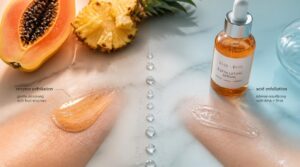
Not all exfoliation works the same way. Enzymes target keratin, breaking it down so dead cells release, gentle and surface-focused. Acids dissolve intracellular bonds, going deeper.
| Type | Action | Intensity |
|---|---|---|
| Enzyme | Keratin breakdown | Gentle |
| AHA | Bond dissolution | Moderate-strong |
| Peel | Deep resurfacing | Intense |
Choose enzymes for gentle resurfacing without the irritation acids sometimes bring.
Best Enzymes and Brightening Ingredients
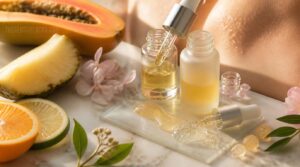
Not every enzyme works the same way on your skin. Some target buildup, others boost absorption, and a few pair perfectly with brightening actives. Here’s what actually earns a spot in your routine.
Papain for Gentle Exfoliation
Papaya’s gift to your skin, papain digests dead protein instead of stripping pH like acids do. It works best around pH 5-7, matching skin’s natural surface.
- Gentle keratin breakdown loosens dull cells
- Concentration range: 0.1-1% depending on formula
- Patch test first if you’re sensitive to papaya or fruit allergens
Mild, effective, dermatologist-approved exfoliation.
Bromelain for Pigmented Buildup
Pineapple brings its own muscle to exfoliation. Bromelain is a complex enzyme mix, not one purified compound, and it digests proteins holding pigmented, dead cells together.
Fruit and stem versions vary in strength, so check labels. This enzyme targets surface buildup, boosting texture and brightening without directly altering melanin production. Fruit-allergy sufferers should patch test first.
Subtilisin in Leave-on Formulas
Bacillus fermentation gives us subtilisin, a protease built for staying power. Stabilizer systems keep it active across pH 5.5-11.0, so leave-on peel treatments work overnight without breaking down.
Formulators run compatibility testing to protect shelf life and enzyme activity. Patch test first. Subtilisin can trigger irritation or allergy in sensitive skin, especially with Bacillus sensitivities.
Multi-acid Enzyme Complexes
One enzyme working alone is good. Pair it with acids and you get something better.
Multi-acid enzyme complexes combine glycolic acid, lactic acid, and PHA with protease activity for layered exfoliation. Acids prep the surface. Enzymes break down protein bonds holding dead cells together. This synergistic acid-enzyme action delivers gentle exfoliation without the harshness of acid-only peels, making leave-on peel treatments easier on sensitive skin.
Niacinamide and Tranexamic Acid
Enzymes clear the debris. Niacinamide and tranexamic acid fix the pigment underneath.
This duo blocks melanin transfer and calms inflammation-driven dyschromia. One formula pairing 5% niacinamide with 3% tranexamic acid outperformed vehicle control and beat sunscreen alone for pigmentation reduction. Melanin index scores dropped noticeably by week 12. Melasma and post-inflammatory hyperpigmentation both respond well, with tolerability holding steady throughout.
When Dark Spot Results Appear
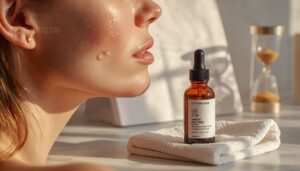
Patience pays off with enzyme treatments, but timing still matters. Some changes show up fast, others take weeks to fully unfold. Here’s what to expect at each stage, from day one to long-term melasma management.
First-week Texture Improvements
Patience isn’t required here. Enzyme Treatment delivers within days, not months.
Enzyme treatments work fast, delivering visible skin improvements within days, not months
- Smoother texture, no micro-tears
- Refined pores, less discoloration
- Stronger barrier, better hydration
Skin Cell Turnover accelerates fast: 70% notice smoother skin by week one. Pores shrink roughly 12%. Absorption jumps 40%, so brightening actives work harder against Dark Spots from day one.
Eight-week Tone-evening Results
Week eight is where hyperpigmentation treatment really proves itself. Clinical efficacy studies show 100% visible tone improvement, with 86% reporting stubborn spots noticeably faded. Pigment reduction progress compounds as tyrosinase inhibitors keep melanin production in check.
Consumer perception results back this up too. Texture smoothing effects paired with consistent use outcomes deliver a genuine skin radiance boost, not just subtle change.
Melasma Treatment Timelines
Melasma plays by its own rules. Full clearance usually takes 3 to 6 months, not weeks. Chemical peels run 3-6 sessions, spaced 4-6 weeks apart.
Hydroquinone, kojic acid, azelaic acid, and vitamin C speed things along, but stubborn cases stretch to 24 weeks. Skip maintenance and melasma often returns within 3 to 6 months.
Factors Affecting Fading Speed
Not all spots fade at the same speed. Spot depth decides a lot: shallow spots drop 30-40% in four weeks, deep ones only 10-15%.
Daily use beats every-other-day by 2x. Add SPF 50+, healthy barrier function, and matched enzyme type (papain for surface cells, bromelain for tyrosinase activity) and fading accelerates further.
When to See Dermatologists
Enzymes work wonders, but they know their limits.
See a dermatologist if:
- A spot changes shape, size, or color
- Melasma pigmentation concerns persist past 8 weeks
- Hard to treat acne or persistent rashes itching won’t quit
Concerning skin changes deserve real evaluation, not just serum. A dermatologist-developed plan targets stubborn hyperpigmentation and confirms your melanin inhibition approach matches clinical efficacy study standards.
Top 7 Products for Brighter Skin
Knowing the science is one thing. Finding products that actually deliver is another. Here are seven picks worth adding to your routine.
1. Nano Retinol Serum for Face Eyes
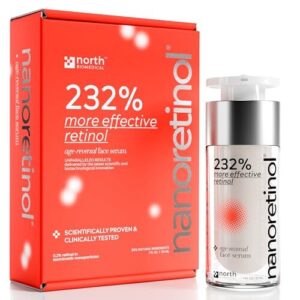
Tiny capsules, big payoff. This nano retinol serum wraps retinol in biomimetic phospholipid nanoparticles, delivering actives straight to target cells instead of letting your barrier block them. Result: 232% more collagen recovery than ordinary retinol, without the typical burn.
Clinical testing backs it up. Skin firmness jumped 61%, elasticity climbed 56%, and dark spots faded, all in 56 days. Fragrance-free and vegan, it’s gentle enough for daily use on face and eye contour alike.
| Best For | People who want visible anti-aging results from retinol but have sensitive skin that reacts poorly to traditional formulas like tretinoin. |
|---|---|
| Targets Dark Spots | Yes |
| Net Volume | 6.38 oz |
| Fragrance Free | Yes |
| Key Active | Encapsulated Retinol |
| Suitable Skin Types | All types |
| Usage Frequency | Daily |
| Additional Features |
|
- Delivers 232% more collagen recovery than ordinary retinol thanks to nano-encapsulation technology
- Causes significantly less irritation than tretinoin and other traditional retinoids
- Formulated with 99% natural ingredients, fragrance-free and vegan, safe for daily use on face and eye contour
- Comes at a higher price point compared to standard retinol serums
- Some customers have reported inconsistent fill levels in the packaging
- A small number of users notice an unpleasant odor similar to rancid oil
2. Paula’s Choice BOOST C15 Vitamin C Serum
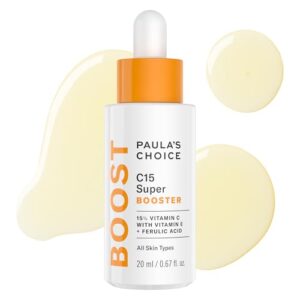
Nanoparticles aren’t your only option. Paula’s Choice BOOST C15 packs 15% pure L-ascorbic acid into a lightweight, fast-absorbing serum, paired with ferulic acid and vitamin E for antioxidant staying power.
Niacinamide and hyaluronic acid round out the formula, tackling tone and hydration at once. Low pH keeps the vitamin C stable and effective.
Apply a few drops each morning before sunscreen. Expect brighter, more even-looking skin with consistent daily use.
| Best For | This serum is best for people with normal to resilient skin who want a potent, fragrance-free vitamin C treatment to brighten tone and fade dark spots as part of a consistent morning routine. |
|---|---|
| Targets Dark Spots | Yes |
| Net Volume | 0.67 fl oz |
| Fragrance Free | Yes |
| Key Active | L-Ascorbic Acid |
| Suitable Skin Types | All types |
| Usage Frequency | Daily (AM) |
| Additional Features |
|
- Contains a high 15% concentration of pure L-ascorbic acid alongside ferulic acid, vitamin E, and ergothioneine for strong antioxidant protection
- Fragrance-free formula suitable for all skin types, including sensitive skin
- Opaque dropper bottle helps limit light exposure and preserve the formula
- Thin, watery texture can run before it absorbs, so it requires careful application
- Prone to oxidation and may lose effectiveness faster if exposed to light, air, or heat
- Some users report irritation, breakouts, or minimal visible results after extended use
3. iS Clinical Super Serum Advance Plus
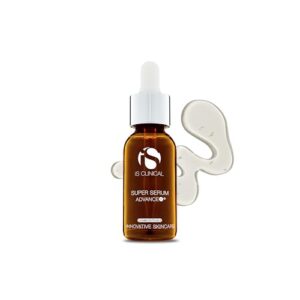
Serious results come with a serious price tag. iS Clinical Super Serum Advance+ combines 15% L-ascorbic acid with Copper Tripeptide-1, a growth factor clinically shown to stimulate collagen and boost protein accumulation in dermal wounds.
Centella Asiatica adds antioxidant backup, fading uneven tone while defending against environmental stress.
Apply 3-4 drops morning and night, dabbing gently over face and neck. At $177 an ounce, it’s an investment, but scar reduction and stretch mark benefits justify the splurge for many users.
| Best For | Anyone dealing with acne scars, stretch marks, or uneven tone who wants a potent, clinically-backed vitamin C serum and doesn’t mind paying a premium for results. |
|---|---|
| Targets Dark Spots | Yes |
| Net Volume | 1 fl oz |
| Fragrance Free | Not specified |
| Key Active | L-Ascorbic Acid |
| Suitable Skin Types | Sensitive, acne-prone |
| Usage Frequency | Not specified |
| Additional Features |
|
- Powerful 15% L-ascorbic acid and Copper Tripeptide-1 blend supports collagen production and visibly reduces scarring and fine stretch marks
- Gentle enough for all skin types, including sensitive and acne-prone skin
- Botanical antioxidants help brighten skin tone while guarding against environmental damage
- Very expensive at $177 per ounce, which may not fit every budget
- Tall, narrow glass bottle can tip over easily, risking spills
- Some users don’t notice the tingling sensation they expect from a vitamin C serum
4. Aveeno Positively Radiant Night Cream 1.7 oz
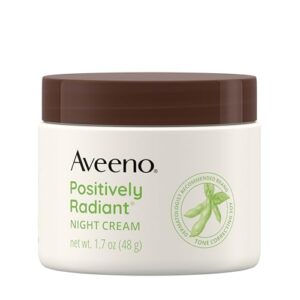
Not every budget stretches to $177 an ounce, and that’s okay. Aveeno Positively Radiant Night Cream delivers tone-correcting soy and niacinamide in a wallet-friendly jar.
Smooth it over face and neck at bedtime. It’s oil-free, hypoallergenic, and non-comedogenic, built for normal to dry, sensitive skin.
Don’t expect miracles on stubborn hyperpigmentation. Fragrance runs noticeable too, so patch test first if you’re scent-sensitive.
| Best For | People with normal to dry, sensitive skin who want an affordable nightly treatment to even out tone and add hydration without dealing with harsh oils. |
|---|---|
| Targets Dark Spots | Yes |
| Net Volume | 1.7 fl oz |
| Fragrance Free | No |
| Key Active | Niacinamide |
| Suitable Skin Types | Normal to dry, sensitive |
| Usage Frequency | Nightly |
| Additional Features |
|
- Tone-correcting formula with soy and niacinamide helps even skin tone and reduce dullness over time
- Oil-free, paraben-free, phthalate-free, and dye-free, making it gentle enough for sensitive skin
- Delivers deep overnight hydration without leaving skin feeling greasy
- Contains a noticeable fragrance that may be too strong for scent-sensitive users
- Not very effective on deep or stubborn hyperpigmentation without extra treatments
- May cause breakouts or irritation for those with very sensitive or acne-prone skin
5. Paula’s Choice Azelaic Acid Booster Cream
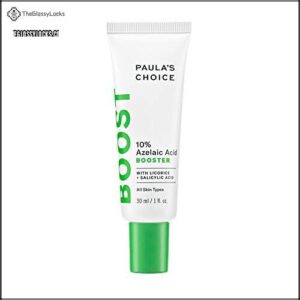
Booster cream, meant for mixing. Paula’s Choice packs 10% azelaic acid into a base built to mix right into your favorite serum or moisturizer.
That flexibility matters for uneven tone and post-inflammatory marks left behind by breakouts. The cream spreads evenly, skips the tacky feel, and keeps tolerability high while still delivering real results.
Mix a pump into your night cream. Simple, adaptable, effective.
| Best For | People dealing with uneven skin tone, acne scars, or post-breakout dark spots who want a flexible product they can mix into their existing skincare routine. |
|---|---|
| Targets Dark Spots | Yes |
| Net Volume | 1 fl oz |
| Fragrance Free | Yes |
| Key Active | Azelaic Acid |
| Suitable Skin Types | All types |
| Usage Frequency | Twice daily |
| Additional Features |
|
- Contains 10% azelaic acid plus salicylic acid to fade dark spots and unclog pores
- Lightweight, oil-free, fragrance-free formula that absorbs quickly without feeling greasy
- Mixes easily into moisturizer or serum for a customizable routine, twice daily
- Small 1 fl oz size may not feel worth the price to some users
- Can cause burning or irritation, especially on sensitive skin
- Some users notice an odd or acidic smell
6. The Ordinary Azelaic Acid Suspension 10%
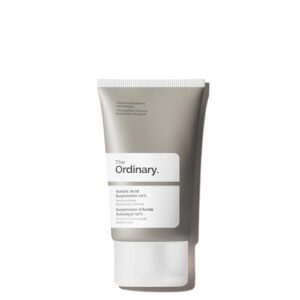
A cult classic, and for good reason. The Ordinary’s suspension delivers 10% azelaic acid in a lightweight cream gel, no frills attached.
Blemish-prone skin responds well here. Uneven tone smooths out, texture refines, results build with daily use, morning or night.
Apply to face only, skip the eye area and mouth. Sunscreen isn’t optional. Azelaic acid raises sun sensitivity, so daytime SPF protects your progress.
| Best For | People dealing with uneven skin tone, redness, or post-acne marks who want a fragrance-free option that’s gentle enough for sensitive or rosacea-prone skin when introduced slowly. |
|---|---|
| Targets Dark Spots | Yes |
| Net Volume | 1.06 oz |
| Fragrance Free | Yes |
| Key Active | Azelaic Acid |
| Suitable Skin Types | Rosacea-prone, sensitive |
| Usage Frequency | AM and PM |
| Additional Features |
|
- Contains 10% azelaic acid to visibly improve tone, texture, and redness over time
- Fragrance-free formula suitable for both AM and PM use
- Gentle enough for sensitive and rosacea-prone skin with gradual introduction
- May pill or clump if over-applied or rubbed in too much
- Can cause temporary tingling or irritation when you first start using it
- Increases sun sensitivity, so daily SPF is a must
7. Innisfree Green Tea Vitamin C Serum
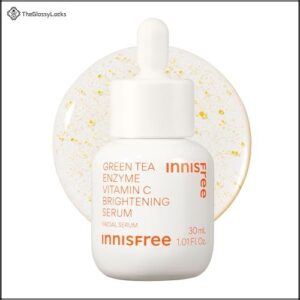
Green tea meets vitamin C in a formula built for daily brightening. This lightweight, water-based serum pairs antioxidative enzymes with a vitamin C derivative to fade dullness and support gentle exfoliation.
Niacinamide and panthenol round things out, strengthening your barrier while calming irritation. No sticky residue, no heavy feel, just a non-sticky finish that layers well.
Consistency matters here. Use it daily, and you’ll notice smoother, more even-toned skin over time.
If your scalp feels tight or irritated after shaving, this guide to the best moisturizers for a bald head shows gentle, fragrance-free options worth trying.
| Best For | This serum is best for anyone dealing with dark spots, sun damage, or uneven skin tone who wants a lightweight, daily brightening treatment that layers easily under other products. |
|---|---|
| Targets Dark Spots | Yes |
| Net Volume | 1.01 fl oz |
| Fragrance Free | Not specified |
| Key Active | Green Tea Enzyme |
| Suitable Skin Types | Not specified |
| Usage Frequency | Regular use |
| Additional Features |
|
- Contains Green Tea-derived enzyme along with Vitamin C and niacinamide to brighten and even out skin tone
- Hydrating formula with tangerine peel extract and hyaluronic acid that absorbs quickly without pilling
- Clinically studied to improve dark spots and skin tone within 4 weeks of regular use
- Requires consistent use over several weeks before visible results appear
- Some users feel the price is high for a 30 ml bottle
- A small number of users reported seeing no noticeable effects
Use Enzyme Treatments Safely

Enzymes work fast, but fast doesn’t mean careless. Getting real results means using them the right way, from formula choice to frequency to sun protection. Here’s exactly how to build a routine that’s both safe and effective.
Choosing Leave-on or Wash-off Treatments
Leave-on or wash-off? Match it to your skin.
Sensitive skin wins with wash-off, rinsed clean before irritation builds. Oily, acne-prone, or dry skin tolerates leave-on formulas and their controlled enzyme release.
| Type | Best Format | Why |
|---|---|---|
| Sensitive | Wash-off | Limits contact time |
| Oily/Combo | Leave-on | Controlled release |
| Dry | Leave-on | Extended hydration |
Your dark spots and skin cell turnover determine which fits.
Starting With Weekly Applications
Patience beats potency here.
Start any enzyme treatment for dark spots at once weekly. This weekly applications baseline gives skin recovery days for barrier repair between sessions, while you run a skin tolerance check.
- Week 1-2: Watch for redness or peeling
- No irritation: hold steady
- Skin adjusts: gradual frequency increase
- Redness persists: pull back immediately
Tyrosinase inhibition and skin brightening take time. Rushing invites hyperpigmentation, not results.
Patch Testing for Fruit Allergies
Papaya and pineapple enzymes work wonders on dark spots, but fruit allergies can turn brightening into burning. Patch test first: apply diluted product to inner forearm, wait 48 hours, check for redness or itching.
| Timing | What to Watch | Action |
|---|---|---|
| 0-48 hrs | Redness, itching | Monitor closely |
| 48-96 hrs | Delayed reactions | Reassess skin |
| Post-test | No irritation | Proceed safely |
Patch testing prevents surprises before full application.
Avoiding Incompatible Active Ingredients
Passing your patch test doesn’t mean anything goes. Skip retinol on enzyme nights, different pH needs, guaranteed redness. Same goes for AHAs, BHAs, and benzoyl peroxide, over-exfoliation risk skyrockets.
Pairing enzymes with niacinamide, hyaluronic acid, or azelaic acid? Smart move. Vitamin C, kojic acid, hydroquinone? Space them out. pH layering mistakes undo your results fast.
Wearing Daily Broad-spectrum Sunscreen
Skip sunscreen and enzymes work against you. Fresh skin burns fast, undoing every gain.
Daily sunscreen use means broad spectrum, SPF 30+, applied 20-30 minutes before you step out.
- Use a nickel-size sunscreen quantity per use for your face
- Reapply every 2 hours outdoors
- Seek shade 10 a.m. to 2 p.m.
- Layer hats, sunglasses, long sleeves
Frequently Asked Questions (FAQs)
Can enzyme treatments be used with retinol?
Mixing retinol and enzymes head-on is like pouring gasoline on a campfire. Space them out instead: use enzymes some nights, retinol others. This timing separation keeps your exfoliation load balanced and irritation risk low while still fading dark spots.
Are enzyme treatments safe during pregnancy?
Pregnancy safety isn’t guaranteed. Papain and bromelain raise concerns for fruit allergies and unknown absorption risks. Patch test first, then talk to your healthcare provider before treating hyperpigmentation or dark spots, since brightening goals shouldn’t outweigh caution.
Can enzyme exfoliation help acne scars too?
Think of scars as craters, dark marks as shadows.
Enzyme exfoliation only lifts shadows. It fades surface pigment through gentle exfoliation, aiding acne mark treatment, but hits real scar texture limits since true atrophic scars need deeper dermatology-grade solutions.
How long do enzyme treatments stay effective?
Enzyme activity peaks fast, lasting 6-8 hours in leave-on formulas. Formulation impact matters: cream bases boost stability 3-4 times. Use 3 times weekly for lasting melanin inhibition and brighter, more even-toned skin over time.
Can oily or acne-prone skin use enzymes?
Yes, gentle by nature. Enzymes work like a light broom, not a scrub. Acne-safe exfoliation without stripping. Great for sebum balance, but always patch test first to protect a compromised skin barrier.
Conclusion
Give it six weeks, and your mirror will start telling a different story. That’s the quiet promise behind enzyme treatment for dark spots: patience rewarded with visible proof.
Papain and bromelain don’t bleach or burn your skin. They simply clear the path, cell by cell, until buried brightness resurfaces.
Pair the right enzyme with daily sunscreen and consistency, and dullness stops calling the shots for good. Clearer skin isn’t luck. It’s chemistry, timed and trusted.