This site is supported by our readers. We may earn a commission, at no cost to you, if you purchase through links. This content is for general informational and educational purposes only and is not a substitute for professional medical, dermatological, or nutritional advice.

That faint brown mark on your cheek didn’t show up overnight, even though it feels that way every time you catch it in the mirror. Sun exposure from a decade ago, a stubborn breakout you picked at in high school, even a birth control pill can all leave their signature behind, and once melanocytes overproduce pigment, they don’t exactly ease off on their own.
As far as fixing it goes, the skincare aisle throws a hundred promises at you, but not every "brightening" serum earns its claim. Learning how to lighten dark spots on skin comes down to knowing which ingredients actually interrupt pigment production, and which ones just sit pretty on a label while your sunscreen does the real work.
Table Of Contents
- Key Takeaways
- What Causes Dark Spots on Skin?
- How to Lighten Dark Spots Safely
- Best Ingredients for Lightening Dark Spots
- Professional Treatments for Stubborn Dark Spots
- How to Prevent Dark Spots Returning
- Frequently Asked Questions (FAQs)
- Can dark spots be lightened?
- How to instantly lighten dark spots?
- How can I fade dark spots in 3 days?
- Does anything really fade dark spots?
- What is the fastest way to fade dark spots?
- Can dark spots on skin be lightened?
- What lightens dark spots the fastest?
- Can dark spots be removed naturally?
- How long does it take for dark spots to fade?
- Can dark spots be prevented from reappearing?
- Conclusion
Key Takeaways
- Dark spots come from different triggers—sun exposure, acne inflammation, hormones, medications, or skin injuries—so identifying the cause helps you pick the right treatment.
- Your daily routine matters more than any single product: patch test new actives, cleanse gently, apply one brightening treatment at night, moisturize, and always finish mornings with broad-spectrum SPF 30+.
- Ingredients like vitamin C, niacinamide, azelaic acid, tranexamic acid, kojic acid, retinoids, and hydroquinone each target melanin production differently, and combining them thoughtfully often beats relying on just one.
- When at-home care plateaus, professional options like chemical peels, IPL, lasers, and microneedling can speed up fading, but lasting results still depend on consistent daily sun protection.
What Causes Dark Spots on Skin?

Before you can fade a dark spot, it helps to know why it showed up in the first place. Dark spots don’t all come from the same source, and treating them the right way depends on pinpointing the cause. Here are the five most common culprits behind hyperpigmentation, or excess pigment in the skin.
Once you’ve identified the trigger, pairing it with the right skin-care ingredients for hyperpigmentation and dark spots can make a real difference in how evenly your tone fades back to normal.
Sun Exposure and Age Spots
Under the sun, your skin’s pigment cells kick into overdrive, and that’s how age spots form. Years of UV exposure, not one afternoon, cause these flat, tan-to-brown patches on your face, shoulders, and hands.
Medically termed lentigo solaris or solar lentigines, these benign lesions form when melanocytes in the epidermis produce excess melanin. Anyone over 50 is prone to them, but fair skin that burns easily speeds things up.
Daily broad-spectrum SPF 30+ is your best defense.
Post-Inflammatory Hyperpigmentation
That angry pimple finally fades, so why’s the mark still there? That’s post-inflammatory hyperpigmentation, your skin’s way of overreacting to acne, eczema, or rashes by dumping extra melanin into healed skin. It’s especially stubborn in darker skin tones.
Treat it with niacinamide, vitamin C, or retinoids, and never pick at blemishes. Sunscreen prevents scars from darkening further.
Melasma and Hormonal Changes
Pregnancy brings its own pigment puzzle: melasma, often nicknamed the "pregnancy mask," shows up as symmetric brown-gray patches on cheeks and forehead.
Hormonal triggers melasma by amplifying UV effects. Estrogen and progesterone don’t cause dark patches alone, they need sunlight to synergize.
- Contraceptive use raises melasma risk
- Genetics predispose some skin
- Recurrence is common
Tranexamic acid and broad spectrum sunscreen help manage flares.
Medications and Skin Irritation
Hormones aren’t the only internal trigger. Certain medications make skin hypersensitive to sunlight, causing phototoxic reactions (sunburn-like rashes within hours) or photoallergic responses (itchy, delayed rashes) from drugs like tetracycline or fluoroquinolones.
Topical chemotherapy irritation, retinol use, and hydroquinone can also leave discoloration behind.
Combine these with azelaic acid, kojic acid, or niacinamide to fade drug-induced hyperpigmentation safely, always under medical guidance.
Injuries, Rashes, and Eczema
Scratch that itch and you’ll pay for it later. Eczema flares bring red, weepy patches that dry out, peel, and if left untreated, thicken and crack, an inflammatory response that often leaves eczemamarks behind.
Skin irritation from contactdermatitis works the same way. Protecting your skin barrier and practicing flare management (avoiding known eczema triggers) prevents new postacnemarks-style discoloration from forming.
How to Lighten Dark Spots Safely
Once you know what’s causing your dark spots, the next step is building a routine that actually respects your skin. Fading pigment takes patience, but the order you apply things in matters just as much as the ingredients themselves. Here’s a simple five-step approach to follow every time you treat a spot.
Patch Test Every Active

Before any brightening product touches your face, test it on your inner forearm for 24 hours. Watch for redness, itching, or burning.
- Test hydroquinone separately (watches for rare ochronosis)
- Repeat testing twice daily for 7-10 days
- Keep leave-on formulas dry and uncovered
- Stop immediately if irritation appears
Patience here prevents irritation later, especially with sun-sensitive actives.
Cleanse With a Gentle Formula

Your cleanser sets the stage for every active that follows, so skip anything foaming or scrubby. Pick a fragrance-free, mild cleanser with balanced pH to protect your skin barrier.
Cleansers with glycerin or hyaluronic acid keep skin conditioned, not stripped. Massage gently, rinse thoroughly with lukewarm water, then pat dry. Clean, calm skin absorbs treatments better.
Apply One Brightening Treatment

One active, applied with intention, beats a shelf full of half-used serums competing for attention.
Wait a few minutes after cleansing, then press (don’t rub) 2-3 pumps into skin for real melanin inhibition. Night is prime time for pigmentation correction, since cell turnover peaks while you sleep.
- Apply serum at night for best absorption
- Use targeted application on stubborn spots
- Press gently for deeper penetration
Moisturize to Limit Irritation

Active ingredients can leave skin feeling tight or reactive, so moisturizer isn’t optional, it’s damage control. A good formula pairs humectants with occlusives to lock in hydration and support barrier repair, easing transepidermal water loss right when your skin needs it most.
Understanding how under-eye creams work differently from regular moisturizers helps you target barrier repair where skin is thinnest and most vulnerable.
Apply gently, never rub, and reach for fragrance-free, noncomedogenic options. Think of it as insurance against irritation before sunscreen.
Finish With SPF 30+

Skip sunscreen and every brightening ingredient you just applied is working against you. Broad spectrum SPF 30+ blocks 97% of UVB rays, but only if you:
- Apply as your final AM step
- Use about a nickel-sized amount
- Wait 15-30 min for chemical formulas (mineral works instantly)
- Reapply every 2 hours outdoors, sooner after swimming
Under makeup? Let it set first.
Best Ingredients for Lightening Dark Spots

Once you’ve got the safety basics down, the real question becomes which ingredients actually work. Not every brightening product on the shelf pulls its weight, and knowing what to look for can save you months of trial and error. Here’s a rundown of the ingredients dermatologists reach for most for fading dark spots.
Vitamin C and Niacinamide
Think of vitamin C and niacinamide as your skin’s dream team. Vitamin C blocks melanin production by targeting tyrosinase, while niacinamide calms irritation and helps your barrier function.
| Ingredient | Role |
|---|---|
| Vitamin C | Antioxidant, brightening |
| Niacinamide | Barrier support, calming |
| Together | Even tone, less irritation |
| Layering | Vitamin C first, niacinamide second |
Apply vitamin C first, let it absorb, then follow with niacinamide.
Azelaic and Tranexamic Acids
Once your barrier’s settled, bring in azelaic acid and TXA, the duo dermatologists reach for on stubborn melasma. Azelaic acid inhibits tyrosinase while calming redness, great for post-inflammatory hyperpigmentation. TXA interrupts pigment signaling from another angle entirely.
Together, they create real skin brightening teamwork, though evidence for TXA alone still needs more research.
Kojic Acid and Licorice
Kojic acid, derived from fermented rice or fungi like Aspergillus oryzae, inhibits tyrosinase for melanin inhibition at the source.
Pair it with licorice extract (glabridin) and you get calming, tone-evening support alongside brightening.
Why this combo works:
- Fades stubborn dark patches
- Calms angry, reactive skin
- Evens out blotchy tone
- Feels gentle, not harsh
- Builds visible confidence over time
Retinoids for Overall Brightening
While kojic acid and licorice work at the surface, retinoids reach deeper, speeding cell turnover and fading spots from within.
| Retinoid Type | Strength | Best For |
|---|---|---|
| Encapsulated retinol | Low | Beginners |
| Retinaldehyde | Moderate | Sensitive skin |
| Tretinoin | Prescription | Stubborn pigmentation |
Start slow, moisturize well, and never skip sunscreen.
Hydroquinone Benefits and Risks
Call it the standard with an asterisk. Hydroquinone works by inhibiting tyrosinase, the enzyme driving melanin synthesis, and shows results in weeks. Even so, it’s not OTC-approved in the U.S. above 2%.
- Use twice daily for 3 months
- Patch test first
- Watch for dryness or irritation
- Pair with kojic acid for combination therapy
Banned in Japan, Australia, and the EU.
Professional Treatments for Stubborn Dark Spots

Sometimes your at-home routine just isn’t enough muscle for stubborn discoloration, and that’s completely normal. When topicals plateau, a board-certified dermatologist has several in-office tools that work faster and go deeper. Here’s what those options actually look like.
Chemical Peels by Skin Type
Not all peels suit all skin. Depth matters most: light peels (glycolic, salicylic) exfoliate gently and fit sensitive or darker skin, while medium-depth options tackle stubborn pigment but carry more risk.
| Peel Type | Best For |
|---|---|
| Glycolic/Lactic | Sensitive, deeper skin tones |
| Salicylic | Acne-related spots |
| Medium-depth | Lighter skin, stronger pigment |
Always patch test, and wait six months post-isotretinoin before peeling.
IPL and Laser Pigment Treatments
When peels aren’t cutting it, light-based devices step in. IPL (intense pulsed light) and lasers target melanin directly, using specific wavelengths, adjusted fluence, and precise pulse durations to break down pigment safely.
- Sunspots fading like erased pencil marks
- Treated areas darkening, then crusting within 48 hours
- Crusts flaking off by day seven
- Multiple sessions spaced roughly a month apart
- Deeper filter cutoffs reaching stubborn pigment
Microneedling for Stubborn Pigmentation
Tiny needles, big payoff. Microneedling creates controlled micro-injuries at adjustable depths, triggering collagen induction therapy while boosting skin cell turnover and easing hyperpigmentation.
| Benefit | Why It Matters |
|---|---|
| Enhanced drug delivery | Serums penetrate deeper |
| Lower PIH risk | Safer for deeper skin tones |
| Gradual fading | Multiple sessions, real results |
Microdermabrasion for Mild Discoloration
Think of it as a gentle sandblast for your face. A handheld device sprays fine crystals across skin while suction lifts debris into a reservoir, exfoliating the stratum corneum in controlled passes.
- Crystal flow rate adjusts intensity
- Multiple passes deepen results
- Debris gets wiped away
- Moisturizer locks in calm
Mild, quick, and budget-friendly for uneven tone.
Dermatologist-Guided Combination Treatment Plans
No single treatment fixes stubborn pigmentation, which is why dermatologists build combination therapy plans. Your visit starts with VISIA imaging and Fitzpatrick classification, then sequences IPL with fractional laser, adds tranexamic acid microneedling, and layers medical-grade hydroquinone or azelaic acid.
Follow-ups every 4-6 weeks track progress photographically. Initial phases run 8-12 weeks, followed by quarterly maintenance, because lasting results demand patience and consistency.
How to Prevent Dark Spots Returning
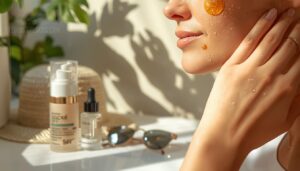
Here’s the honest truth: even the best treatment won’t stick if new spots keep popping up behind it. Prevention is less about one magic step and more about a handful of daily habits working together. Let’s break down exactly what that looks like in practice.
Even the best dark spot treatment fails if you don’t back it up with consistent daily prevention habits
Use Sunscreen Every Morning
Every dark spot treatment you use overnight can be undone by five minutes of unprotected sun the next morning. That’s why broad-spectrum sunscreen with SPF 30 or higher belongs as the final step in your routine, before makeup, on all exposed skin.
The AAD backs this daily habit, since UV exposure drives both sunburn and the pigment production you’re working so hard to fade.
Reapply After Swimming or Sweating
That morning SPF doesn’t hold up once you’re in the pool or dripping sweat at the gym. Water and rubbing strip it fast, and "water-resistant" isn’t waterproof, so reapply after swimming or sweating, following the water-resistant timing window on your label.
Towel drying leaves coverage uneven. Cleanse first, then recoat exposed skin with broad-spectrum SPF 30+ before continuing outdoors.
Avoid Picking Pimples and Scabs
Sunscreen protects the surface, but your hands can undo that work fast. Picking pimples spreads bacteria, raising infection risk and disrupting your skin barrier. Popping a scab reopens wounds, delaying healing and inviting more bacterial spread.
Understanding how habits like picking interact with your skin’s biology can guide better choices — targeted acne treatments that prevent future breakouts address both the bacterial and hormonal triggers that keep the cycle going.
The payoff for hands-off patience? Less postinflammatory hyperpigmentation, fewer acne scars, and a calmer inflammatory response overall.
Introduce Active Ingredients Slowly
Keeping your hands off blemishes only helps so much if you’re layering five new actives at once.
Patch test first, then introduce one active at a time, starting low and slow.
Watch how skin responds over several days before adding another.
Gentle exfoliation and moisturizer afterward buffer irritation while your barrier adjusts.
See a Dermatologist When Needed
Sometimes the smartest move is knowing when to stop DIYing it. See a dermatologist if a spot won’t fade, changes shape, or shows ABCDE warning signs.
| Sign | What to Watch | Action |
|---|---|---|
| Asymmetry | Uneven halves | Get checked |
| Color | Multiple shades | Book visit |
| Size | Bigger than an eraser | Don’t wait |
Frequently Asked Questions (FAQs)
Can dark spots be lightened?
Yes, dark spots respond well to topical brightening agents like vitamin C, plus professional treatments such as peels or lasers. Combination therapy, pairing hydroquinone with niacinamide or azelaic acid, often works best for stubborn hyperpigmentation, melasma, and PIH.
How to instantly lighten dark spots?
No magic wand exists here. An instant brightening serum with vitamin C power or a tranexamic acid combo can smooth tone fast, but true fading takes weeks. Chemical peels and retinoids still work quickest for lasting results.
How can I fade dark spots in 3 days?
Three days won’t cut it. Pigment sits deep, so real fading needs weeks of consistency: gentle exfoliation, a vitamin C serum or azelaic acid, moisture barrier support, and daily sunscreen.
Patch test first, rushing with retinol or peels risks more irritation than results.
Does anything really fade dark spots?
Real fading does happen, just not overnight. Retinoids, niacinamide, and hydroquinone show visible change in weeks, not days. Combined with daily sunscreen and patient consistency, hyperpigmentation genuinely improves, though lasers and peels work faster for stubborn spots.
What is the fastest way to fade dark spots?
If you want a shortcut to smoother skin, professional in-office care wins the race. Chemical peels and laser treatments speed up lightening within weeks, while prescription hydroquinone paired with a vitamin C serum delivers noticeable fading in 8-12 weeks.
Can dark spots on skin be lightened?
Yes. Hyperpigmentation responds well to consistent care: Vitamin C, hydroquinone, and retinoids fade dark spots at home, while chemical peels or laser therapy speed things up when paired with daily sunscreen and gentle exfoliation.
What lightens dark spots the fastest?
Funny enough, your quickest fix mirrors your skin type: IPL laser treatment and rapid chemical peels fade spots within weeks, while fast-acting hydroquinone and vitamin C-retinol combos need months of patient, consistent use.
Can dark spots be removed naturally?
Partially, yes. Natural remedies like a turmeric-yogurt mask or diluted lemon juice can gently fade discoloration over months, but they won’t erase stubborn spots the way professional treatments and proven actives like vitamin C can.
How long does it take for dark spots to fade?
Good things take time to reveal themselves. Surface hyperpigmentation often lightens in four to six weeks, but deeper melasma or aged spots may need three to six months, sometimes longer, especially without daily sunscreen protecting your progress.
Can dark spots be prevented from reappearing?
Absolutely, with the right maintenance routine. Daily SPF 30+, gentle product introduction, and avoiding irritation keep pigment signals quiet. Sarah proved it: two melasma-free years after pairing sunscreen with vitamin C serum and consistent reapplication.
Conclusion
Your skin’s little souvenirs from the sun don’t have to stay forever. Learning how to lighten dark spots on skin takes patience, not flawlessness: consistent SPF, the right actives, and realistic timelines matter more than any miracle serum.
Some spots fade in weeks, others take months, and that’s completely normal. Stick with your routine, protect your progress daily, and trust the process. Clear, even skin isn’t luck. It’s the quiet reward of showing up for your skin, day after day.