This site is supported by our readers. We may earn a commission, at no cost to you, if you purchase through links. This content is for general informational and educational purposes only and is not a substitute for professional medical, dermatological, or nutritional advice.

Oily skin and vitamin C have a complicated history. Get the wrong formula, and you’re left with a greasy film sitting on top of already-shiny skin, clogged pores, and zero brightening payoff. That’s the trap so many people fall into, chasing glow while ignoring texture and stability.
The truth is, not all vitamin C works the same way on oily skin. Derivatives like sodium ascorbyl phosphate and tetrahexyldecyl ascorbate behave differently than pure L-ascorbic acid, and packaging (think airless pumps versus clear bottles) can make or break potency.
Below, you’ll find ten dermatologist-informed picks built for your skin type, each broken down by formula, texture, and what makes it work.
Table Of Contents
- Key Takeaways
- Top 10 Vitamin C Serums for Oily Skin
- 1. La Roche-Posay Vitamin C Serum
- 2. TruSkin Brightening Vitamin C Serum
- 3. Vanicream Vitamin C Serum for Sensitive Skin
- 4. Ascorbyl Glucoside Vitamin C Serum
- 5. Naturium Vitamin C Hyaluronic Serum
- 6. Korean Brightening Vitamin C Serum
- 7. CeraVe Vitamin C Serum with Hyaluronic Acid
- 8. Eva Naturals Vitamin C Serum With Retinol
- 9. COSRX Pure Vitamin C 23% Serum
- 10. Minimalist 10% Vitamin C Serum
- How We Chose These Serums
- Key Ingredients for Oily Skin
- Beneficial Complementary Ingredients
- What to Consider When Choosing
- Ideal Vitamin C Concentrations
- Texture and Packaging Matter
- Benefits for Oily, Acne-Prone Skin
- Using Vitamin C on Oily Skin
- Frequently Asked Questions (FAQs)
- Conclusion
Key Takeaways
- Not all vitamin C forms suit oily skin equally—gentler derivatives like sodium ascorbyl phosphate and tetrahexyldecyl ascorbate brighten without the irritation or greasiness that pure L-ascorbic acid can cause.
- The right concentration matters more than going as high as possible, since 10-15% works well for daily use while anything above 20% raises your risk of irritation and oxidation.
- Pairing vitamin C with ingredients like niacinamide, salicylic acid, and ferulic acid boosts results by controlling oil, clearing pores, and keeping the formula stable.
- Packaging plays a bigger role than most people realize, so look for dark, airless bottles that protect vitamin C from light and air, both of which break down its potency fast.
Top 10 Vitamin C Serums for Oily Skin
Finding a vitamin C serum that actually works with oily skin, instead of against it, takes some know-how. You want a formula that brightens and protects without leaving you shiny or clogging your pores by midday. Here are ten standout options worth putting on your radar.
If your skin also runs sensitive or flaky beyond just oily, it’s worth checking out this guide to building a gentle routine for dry, flaky skin before layering in a new serum.
1. La Roche-Posay Vitamin C Serum
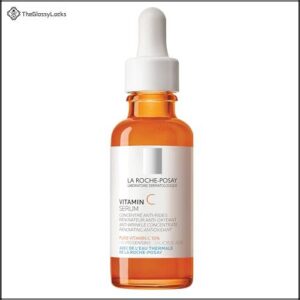
If your skin runs oily but reacts to everything, this one’s worth a look. La Roche-Posay’s serum blends 10% pure vitamin C with hyaluronic acid and salicylic acid, so you get brightening, hydration, and gentle pore refinement in one bottle.
Neurosensine calms reactive skin, while the fragrance-free, non-comedogenic formula won’t clog pores or trigger irritation. The opaque bottle and dropper limit air exposure, keeping the vitamin C stable. It’s dermatologist-recommended for good reason.
| Best For | This serum is best for those with sensitive skin who want antioxidant protection along with gentle brightening and anti-aging benefits. |
|---|---|
| Vitamin C Type | Ascorbic Acid |
| Volume | 30 ml |
| Hydration Booster | Hyaluronic Acid |
| Fragrance Free | No |
| Layers Under Sunscreen | Yes |
| Patch Test Advised | Yes |
| Additional Features |
|
- Combines vitamin C and hyaluronic acid for brightening and hydration
- Includes salicylic acid for gentle exfoliation and clarity
- Absorbs quickly and layers well under moisturizer and sunscreen
- May change color when exposed to air or light over time
- Some users report a tingling sensation upon application
- Dropper packaging may lead to product wastage or overexposure to air
2. TruSkin Brightening Vitamin C Serum
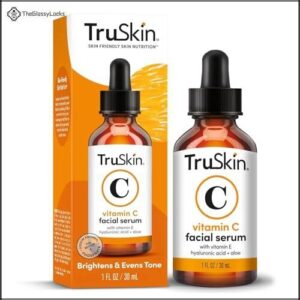
Want brightening without the sting of pure L-ascorbic acid? TruSkin pairs a stabilized vitamin C with hyaluronic acid and vitamin E, so your skin gets antioxidant support and a hydrating feel without greasiness.
Methylsulfonylmethane smooths texture over time, and the fragrance-free formula suits sensitive, oily, and combination types alike. Packaged in a dark bottle with a dropper, it guards against light degradation. Apply 3-5 drops nightly; most people notice brighter tone within several weeks.
| Best For | This serum is best for people looking to even out skin tone and fade dark spots while boosting hydration with a gentle, non-irritating formula. |
|---|---|
| Vitamin C Type | Sodium Ascorbyl Phosphate |
| Volume | 30 ml |
| Hydration Booster | Hyaluronic Acid |
| Fragrance Free | Yes |
| Layers Under Sunscreen | Yes |
| Patch Test Advised | Yes |
| Additional Features |
|
- Uses a stable form of Vitamin C combined with Hyaluronic Acid, Vitamin E, Aloe Vera, and Jojoba Oil for hydration and antioxidant support
- Free from parabens, dyes, and harsh additives, and it’s cruelty-free and made in the USA
- Versatile enough for daily use on the face, neck, hands, knees, and feet
- Requires a 24-hour patch test before regular use to check for skin compatibility
- Some users may notice mild tightening or tingling when applying it
- Results build gradually with consistent use, so it’s not meant for quick or dramatic changes
3. Vanicream Vitamin C Serum for Sensitive Skin
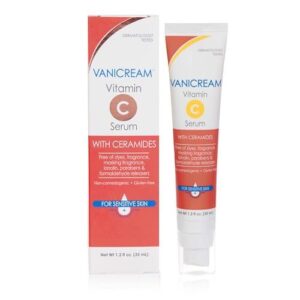
If tingling and redness are dealbreakers, Vanicream earns its spot here. It relies on tetrahexyldecyl ascorbate, an oil-soluble vitamin C form that’s gentle enough for reactive skin while still fighting dullness.
Ceramides support your moisture barrier, and the milky, lightweight texture absorbs fast without residue. Housed in an airless pump, the formula stays stable and oxidation-resistant.
At 1.2 fluid ounces, it’s fragrance-free and dermatologist-tested, ideal for sensitive, oily skin craving brightness without any sting.
| Best For | People with sensitive, reactive, or rosacea-prone skin who want gentle brightening without irritation. |
|---|---|
| Vitamin C Type | THD Ascorbate |
| Volume | 35.5 ml |
| Hydration Booster | Ceramides |
| Fragrance Free | Yes |
| Layers Under Sunscreen | Yes |
| Patch Test Advised | No |
| Additional Features |
|
- Uses stable, oil-soluble THD ascorbate that’s gentle on reactive skin
- Ceramides help support and strengthen the moisture barrier
- Lightweight, fast-absorbing texture with no fragrance, dyes, or other common irritants
- Airless pump can require extra shakes and pumps to dispense product
- Brightening results are gradual, not a quick fix for dark spots or discoloration
- Higher price point relative to the small 1.2 oz volume
4. Ascorbyl Glucoside Vitamin C Serum
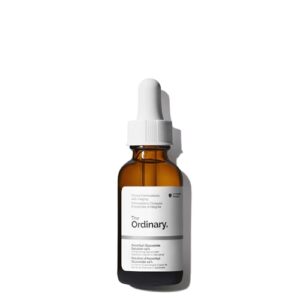
For anyone who wants brightness without any fuss, this serum leans on ascorbyl glucoside, a water-soluble vitamin C derivative that converts to active form once enzymes on your skin get to work.
At 12% concentration, it’s housed in an opaque glass dropper bottle that guards against light-triggered breakdown. The fragrance-free, water-based formula layers easily under sunscreen and makeup, making it a solid pick for sensitive, reactive, or acne-prone skin craving gradual, low-irritation results.
| Best For | Anyone with dull, uneven-toned, or sensitive skin who wants a gentle, gradual brightening boost without added fragrance or greasy texture. |
|---|---|
| Vitamin C Type | Ascorbyl Glucoside |
| Volume | 30 ml |
| Hydration Booster | N/A |
| Fragrance Free | Yes |
| Layers Under Sunscreen | Yes |
| Patch Test Advised | Yes |
| Additional Features |
|
- Water-soluble formula converts to active vitamin C for effective, gentle brightening
- Lightweight, fragrance-free texture layers easily under sunscreen and makeup
- Opaque glass dropper bottle protects the formula from light-triggered breakdown
- Results take several weeks of consistent use to become noticeable
- Requires daily sunscreen to fully maximize protective benefits
- May cause mild tingling or irritation for first-time users
5. Naturium Vitamin C Hyaluronic Serum
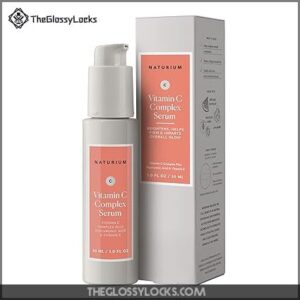
When hydration and brightening need to happen at once, this gel-based formula pairs a stabilized vitamin C complex with sodium hyaluronate for lightweight moisture that never turns greasy.
The fast-absorbing texture dries down clean, making it a smart layer under sunscreen or makeup without any shine. Ferulic acid keeps the vitamin C stable while boosting antioxidant power, and the fragrance-free formula sits in a dark, airless pump bottle to protect potency. For oily or combination skin, it’s a genuinely dependable pick.
| Best For | This serum is best for those with normal, dry, combination, or sensitive skin who want to brighten their complexion, fade dark spots, and soften fine lines over time. |
|---|---|
| Vitamin C Type | L-Ascorbic Acid |
| Volume | 30 ml |
| Hydration Booster | Hyaluronic Acid |
| Fragrance Free | Yes |
| Layers Under Sunscreen | Yes |
| Patch Test Advised | Yes |
| Additional Features |
|
- Clinically shown to improve fine lines and wrinkles within 4 weeks
- Formulated with a stable, high concentration of L-ascorbic acid alongside Kakadu plum, hyaluronic acid, and vitamin E
- Vegan, cruelty-free, paraben-free, and packaged in a protective airless pump
- Can cause breakouts or irritation for very oily or acne-prone skin
- Thicker texture may feel heavy for daytime wear, so many prefer using it at night
- Requires a patch test for sensitive skin, plus daytime sunscreen use
6. Korean Brightening Vitamin C Serum
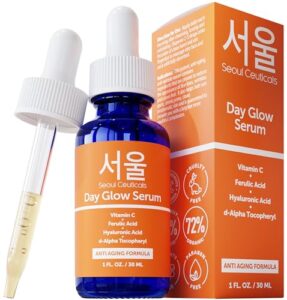
K-beauty fans know this formula’s charm: a mix of sodium ascorbyl phosphate and ethyl ascorbic acid delivers brightening power without the sting straight vitamin C often causes.
Salicylic acid works quietly in the background, clearing pores while the gel texture absorbs fast and leaves a matte finish. Opaque packaging guards potency against light.
For oily, acne-prone skin craving glow without grease, it’s a smart, gentle option.
| Best For | This serum is best for those with oily or combination skin who want a brightening, anti-aging boost and are comfortable with a short absorption wait. |
|---|---|
| Vitamin C Type | Vitamin C + CE Ferulic |
| Volume | N/A |
| Hydration Booster | N/A |
| Fragrance Free | No |
| Layers Under Sunscreen | Yes |
| Patch Test Advised | Yes |
| Additional Features |
|
- Delivers potent anti-aging benefits with 20% Vitamin C and CE Ferulic, reducing wrinkles and fading sun spots
- Lightweight, fast-absorbing formula that layers well under makeup
- Helps minimize pores and prevent breakouts, making it great for oily or acne-prone skin
- May irritate sensitive skin, so a patch test is recommended before regular use
- Citrus scent could bother those who are fragrance-sensitive
- Needs about 15 minutes to fully absorb, which may not suit quick morning routines
7. CeraVe Vitamin C Serum with Hyaluronic Acid
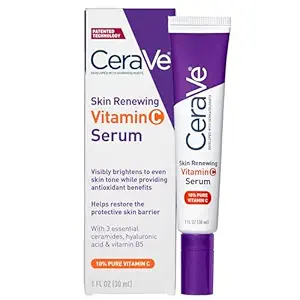
If you love a brand that dermatologists actually recommend, CeraVe’s version earns its spot here. It pairs 10% L-ascorbic acid with a patented triple ceramide mix (NP, AP, EOP) that rebuilds your barrier while brightening tone.
Its airless, opaque packaging also helps protect that potent vitamin C from light and air exposure, and if you’re curious how storage habits affect potency across your routine, this guide on getting the most out of your serum’s shelf life breaks it down further.
Hyaluronic acid keeps things hydrated without weight, and panthenol softens skin further. The fragrance-free, non-comedogenic formula suits oily and sensitive skin alike.
It’s a winning combination for anyone searching for the best setting spray for oily skin that hydrates while keeping shine in check all day.
Use it each morning before moisturizer—your skin gets antioxidant defense and a smoother, more even complexion over time.
| Best For | This serum is best for anyone with sensitive, dry, oily, or acne-prone skin who wants a gentle, dermatologist-recommended way to brighten their complexion and strengthen their skin barrier. |
|---|---|
| Vitamin C Type | L-Ascorbic Acid |
| Volume | 1 oz |
| Hydration Booster | Hyaluronic Acid |
| Fragrance Free | Yes |
| Layers Under Sunscreen | Yes |
| Patch Test Advised | No |
| Additional Features |
|
- Combines 10% L-ascorbic acid with three essential ceramides (1,3,6-II) to brighten skin while restoring the barrier
- Lightweight, fragrance-free gel absorbs quickly and layers well under moisturizer and sunscreen
- Well-tolerated across skin types, including sensitive and acne-prone skin
- May cause temporary dryness, so following up with a moisturizer is often necessary
- Visible results take several weeks of consistent, daily use
- The 1 oz size is small and may need frequent repurchasing
8. Eva Naturals Vitamin C Serum With Retinol
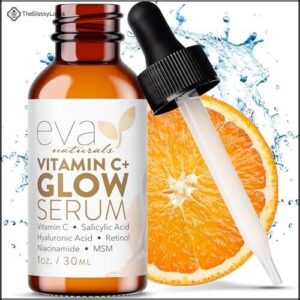
Want brightening and anti-aging in one bottle? Eva Naturals pairs a stable vitamin C derivative with retinol, hyaluronic acid, and niacinamide for a dual-action approach on oily skin.
The lightweight formula absorbs fast, controls shine, and helps fade dark spots over time. Retinol boosts cell turnover to smooth texture and unclog pores, though it’s meant for evening use only.
Sunscreen becomes non-negotiable during the day, since both actives raise photosensitivity. Start slow to let skin adjust.
| Best For | People with oily, acne-prone skin dealing with dark spots and early signs of aging who want a multi-tasking evening treatment. |
|---|---|
| Vitamin C Type | Sodium Ascorbyl Phosphate |
| Volume | 30 ml |
| Hydration Booster | Hyaluronic Acid |
| Fragrance Free | Yes |
| Layers Under Sunscreen | Yes |
| Patch Test Advised | Yes |
| Additional Features |
|
- Combines vitamin C, retinol, hyaluronic acid, and niacinamide for brightening, anti-aging, and hydration in one step
- Lightweight, fast-absorbing texture that layers well under moisturizer or makeup
- Salicylic acid helps control breakouts and congestion, ideal for oily or blemish-prone skin
- Can cause purging, redness, or irritation, especially for sensitive skin types
- Increases sun sensitivity, so daily sunscreen is a must
- Shouldn’t be paired with other retinol, salicylic acid, benzoyl peroxide, or sulfur products
9. COSRX Pure Vitamin C 23% Serum
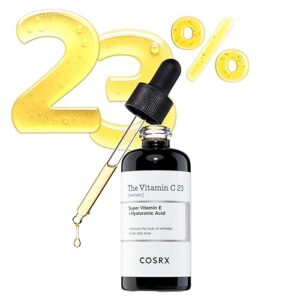
Potency lovers, take note: this serum packs 23% pure L-ascorbic acid, one of the strongest concentrations on this list. Tocotrienol (a vitamin E form) and sodium hyaluronate round out the formula, adding antioxidant punch and lightweight hydration without greasiness.
That strength comes with trade-offs. Expect a metallic, fishy odor and a required trip to the fridge after opening. Patch testing isn’t optional here—it’s essential. If your skin tolerates it, though, dark spots and dullness fade noticeably with consistent use.
| Best For | Experienced skincare users chasing serious brightening and dark spot correction who don’t mind a strong scent or an extra fridge step in their routine. |
|---|---|
| Vitamin C Type | Ascorbic Acid 23% |
| Volume | 20 g |
| Hydration Booster | Hyaluronic Acid |
| Fragrance Free | N/A |
| Layers Under Sunscreen | Yes |
| Patch Test Advised | Yes |
| Additional Features |
|
- Delivers a high 23% concentration of pure ascorbic acid for noticeable results against dullness and hyperpigmentation
- Lightweight, fast-absorbing texture layers well with hyaluronic acid for hydration without feeling greasy
- Tocotrienol adds antioxidant support to help defend skin against daily environmental stress
- Strong metallic, fishy odor that can be off-putting during application
- Requires refrigeration and prompt use to avoid oxidation, adding extra maintenance to your routine
- No ferulic acid means less formula stability, plus a real risk of irritation even with a patch test
10. Minimalist 10% Vitamin C Serum
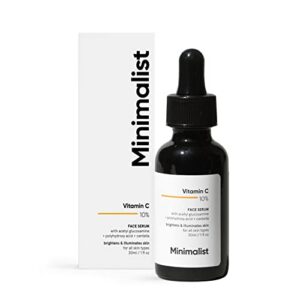
Sometimes less really is more. Minimalist’s 10% formula leans on ethyl ascorbic acid, paired with glycerin and dimethyl isosorbide for fast penetration into a velvety, non-greasy finish. The dropper bottle keeps dosing precise, while dark glass guards against light degradation.
This one’s beginner-friendly territory—gentle enough for daily use, gradual enough to avoid overwhelming reactive skin. Pair it with niacinamide if oil control’s your goal, then follow with sunscreen. Budget-conscious and straightforward, it’s proof simple formulas can still deliver real brightening results.
| Best For | Beginners and those with sensitive or reactive skin looking for a gentle, budget-friendly introduction to Vitamin C brightening. |
|---|---|
| Vitamin C Type | Ethyl Ascorbic Acid |
| Volume | 30 ml |
| Hydration Booster | Centella Water |
| Fragrance Free | Yes |
| Layers Under Sunscreen | Yes |
| Patch Test Advised | No |
| Additional Features |
|
- Stable, well-tolerated formula with Centella water that suits sensitive, acne-prone, and combination skin types
- Lightweight, fast-absorbing texture that layers easily under moisturizer and sunscreen without feeling greasy
- Delivers real results over time, with 88% of users noticing improved skin tone and brightness
- Some users need extra moisturizer afterward since the formula doesn’t feel very hydrating on its own
- A small number of users report irritation like redness, itching, or swelling
- Visible brightening takes about 4 weeks of consistent use, so it’s not a quick fix
How We Chose These Serums
Not every vitamin C serum deserves a spot on your shelf, especially when you’re dealing with oily or acne-prone skin. We put each formula through a careful evaluation process, weighing ingredients, texture, and real-world skin compatibility. Here’s exactly what went into narrowing down this list.
Formula Evaluation and Skin Compatibility
Every serum on this list earned its spot through five practical filters: pH balance assessment, ingredient interaction safety, non-comedogenic verification, fragrance-free formulation, and patch testing protocol.
- Water-based formula, no greasy residue
- pH between 3.5-4.5
- Sebum-regulating actives included
- Noncomedogenic, oily skin tested
- Stable, gentle on acne-prone areas
L-ascorbic acid stability demands anhydrous bases or low-pH buffers (citric acid) to prevent oxidation, as detailed in skin care formulation stability principles.
Expert Medical Insights
Formulation checks only tell half the story, which is why dermatologist recommendations shaped our final list.
Clinical trial results back this up nicely: 10% L-ascorbic acid paired with niacinamide shows measurable sebum regulation within weeks. Safety guidelines and treatment interactions mattered too, especially for acne-prone skin.
The La Roche-Posay Vitamin C12 Oil Control Serum stood out for its noncomedogenic formula and genuine oil control capabilities.
Key Ingredients for Oily Skin

Not all vitamin C is created equal, especially when your skin already leans oily. Some forms sit heavy and clog pores, while others work with your skin instead of against it. Here’s what to look for on that ingredient label.
Sodium Ascorbyl Phosphate
Three things make sodium ascorbyl phosphate the go-to pick for oily, breakout-prone skin: it’s gentle yet stable, non-comedogenic, and effective in low doses.
- Stays stable in water-based formulas
- Rarely irritates reactive skin
- Works at just 0.5-5%
You’ll find it in products like La Roche-Posay Vitamin C12 Oil Control Serum, prized for oil-control capabilities and brightening without the sting pure ascorbic acid causes.
Ethyl Ascorbic Acid
Ethyl ascorbic acid takes stability even further, resisting light and air degradation across a pH range of 3.0 to 6.0. It penetrates skin efficiently, pairs well with niacinamide, and offers lasting antioxidant persistence.
For a vitamin C serum, oily skin types can trust, look for it at 0.5-3%—noncomedogenic and rarely irritating, even on reactive complexions.
Tetrahexyldecyl Ascorbate
Oil meets oil here. Tetrahexyldecyl ascorbate is lipid soluble, so it slips through skin’s fatty layers for enhanced skin penetration other forms can’t match, while staying gentle on oily, acne-prone complexions.
It’s genuinely non-comedogenic, offers strong antioxidant stability, and helps gradual hyperpigmentation reduction. Bonus: that antioxidant protection indirectly encourages collagen support. Look for it around 1-10% concentration for real sebum control without greasiness.
Magnesium Ascorbyl Phosphate
A gentle workhorse, magnesium ascorbyl phosphate is water-soluble and stays stable in serums without breaking down fast. It brightens gradually, helps collagen, and rarely irritates oily or acne-prone skin.
Why it earns a spot:
- Steady antioxidant release
- Fades acne scars over weeks
- Won’t clog pores
- Pairs well with niacinamide
- Usually formulated at 0.5–5%
L-Ascorbic Acid Considerations
When formulated right, L-Ascorbic Acid remains the top choice, but it demands a low pH balance (around 3.5) for stability and skin absorption. That acidity can trigger irritation on sensitive, oily complexions, so start slow.
Look for non comedogenic, oil-control formulas like La Roche-Posay Vitamin C12 Oil Control Serum, which pairs antioxidant protection with sebum-friendly texture and dependable formulation stability.
Beneficial Complementary Ingredients
Vitamin C rarely works alone, and the ingredients standing next to it on the label matter just as much as the vitamin C itself.
For oily skin, the right supporting cast can mean better hydration, fewer breakouts, and a serum that actually stays stable in the bottle.
Here’s what to look for on the ingredient list before you check out.
Niacinamide for Sebum Control
Think of niacinamide as your oil-control partner in this routine. Studies show it can cut sebum output by up to 60% after eight weeks, with a 2-4% concentration delivering noticeable results within a month.
- Regulates oil production
- Shrinks visible pore size
- Pairs safely with vitamin C
Apply it after your serum for best absorption.
Hyaluronic Acid Hydration
Water and oil aren’t enemies here—hyaluronic acid binds up to 1,000 times its weight in water without adding grease, which is why it pairs so well with oil control.
Lightweight, non comedogenic formulas like La Roche-Posay Vitamin C12 Oil Control Serum layer well under occlusives, balancing surface moisture and improving texture over time, even in humid climates where hydration needs shift.
Salicylic Acid Exfoliation
Clogged pores don’t just sit there—they need help clearing out, and that’s where salicylic acid earns its spot in a vitamin C routine. This beta hydroxy acid works inside the pore lining, dissolving debris and dead skin that trap oil.
Salicylic acid works inside the pore lining, dissolving debris and dead skin that trap oil
For acne-prone, oily skin, start with 1–2 weekly uses to build tolerance before increasing frequency, supporting smoother texture without overwhelming your barrier.
Ferulic Acid Stability Boost
Once your pores are clear, protecting what you’ve put on your skin matters just as much. Ferulic acid stabilization extends vitamin C’s photostability, slowing oxidation so your serum stays potent longer.
- Boosts antioxidant protection
- Extends formulation shelf life
- Improves light stability
- Allows lower vitamin C percentages
That teamwork means better sebum control and fresher serum, batch after batch.
Ceramides for Barrier Support
Oil-free doesn’t mean barrier-proof. Even oily skin relies on an intact lipid layer, and ceramides support that structure alongside cholesterol and fatty acids.
| Benefit | How It Helps | Why It Matters |
|---|---|---|
| Barrier support | Reinforces lipid layer | Locks in hydration |
| Irritation reduction | Buffers actives | Comfortable daily use |
| Sebum balance | Works with, not against, oil | Balanced complexion |
Pair with a noncomedogenic vitamin C serum for lasting comfort.
What to Consider When Choosing
With so many options on the market, picking the right vitamin C serum for your oily skin comes down to a handful of key factors. You don’t need to memorize every ingredient list, but knowing what actually matters will save you time and money. Here’s what to check before you add one to your cart.
For smoother application, keep professional hair styling tools nearby to section hair away from your face.
If you’re also stocking up for the family, it’s worth pairing your serum routine with a gentle, dermatologist-approved baby-safe sunscreen lotion to keep everyone’s skin protected during those long pool days.
Concentration
Percentage matters more than most shoppers realize. Concentration levels for oily skin generally run 5-20%, and going higher isn’t automatically better.
- 10%: gentle daily brightening, minimal irritation
- 12-15%: balanced sebum regulation
- 20%: stronger pigment fading, needs patch testing
- Above 20%: irritation risk climbs
- Stable derivatives work well even at lower doses
Start low, increase gradually, and prioritize formula stability in oil control serum picks.
Type of Vitamin C
Concentration only tells half the story; the type of vitamin C behind it matters just as much.
L-ascorbic acid delivers potent results but can irritate reactive skin. Gentler options like sodium ascorbyl phosphate, ethyl ascorbic acid, and magnesium ascorbyl phosphate suit oily, breakout-prone types well. Tetrahexyldecyl ascorbate and ascorbyl glucoside offer steadier, less irritating alternatives worth exploring too.
Additional Ingredients
A good vitamin C serum rarely works alone. Look for niacinamide to regulate sebum, salicylic acid for clearer pores, and hyaluronic acid for lightweight hydration.
Ferulic acid stabilizes the formula, while ceramides and zinc strengthen your skin barrier. Together, these ingredients round out results without adding grease.
Packaging
Before you even open the bottle, check the outside of it. A dark amber bottle with an airless pump blocks UV light and limits air exposure, both of which degrade vitamin C fast.
Look for:
- Tamper-evident seals
- Travel-size compliant sizing
- Refillable container options
- Recyclable, sustainable materials
Water-based, fragrance-tested formulas in solid packaging stay potent longer.
Value
Sixty dollars sounds steep until you count what you’re not buying anymore. Price range runs $10–$40, but a serum blending niacinamide with vitamin C replaces two products.
Check ingredient transparency, return policies, and packaging quality (dark, airless bottles extend longevity). La Roche-Posay Vitamin C12 Oil Control Serum earns its dermatologist recommended status through a noncomedogenic formula built for oily skin’s oil-control needs.
Ideal Vitamin C Concentrations
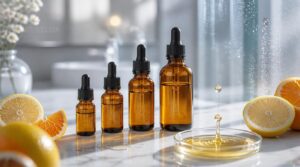
Picking the right vitamin C serum isn’t just about the ingredient list—it’s also about how much of it you’re actually putting on your skin. Concentration plays a huge role in how your skin reacts, especially when you’re dealing with oiliness or a tendency toward breakouts. Here’s how the percentages break down, so you know exactly what you’re getting into at each level.
10% for Beginners
New to vitamin C? Start at 10%. It’s gentle enough for daily use while still delivering antioxidant protection, and a water-based texture keeps oily skin from feeling greasy.
Try the Minimalist 10% Vitamin C Serum or La Roche-Posay Vitamin C12 Oil Control Serum each morning. Pairing with niacinamide helps regulate sebum.
Always patch test first, and introduce gradually to build tolerance.
12. 15% Balanced Range
Think of this range as your skin’s sweet spot. The 12-15% Balanced Range offers balanced efficacy with minimal irritation, using stable formulation derivatives for gradual brightening on oily skin.
- Sodium ascorbyl phosphate stays gentle and non comedogenic
- Pairs well with niacinamide for tolerance
- Works in La RochePosay Vitamin C12 Oil Control Serum
Patch test first, then enjoy steady, oily skin friendly results.
20% for Brightening
Ready for real results? A 20% vitamin C serum brings serious brightening power, targeting dark spots within two to four weeks.
L-ascorbic acid or gentler ethyl ascorbic acid variants tackle uneven tone while supporting oil control capabilities—no greasy residue. Look for airless packaging and ferulic acid for stability.
Oily skin tolerates this concentration well in water-based, non-comedogenic formulas. Start every other day, always follow with SPF 30.
Above 20% Risks
More isn’t always better. Push past 20%, and you’re courting irritation potential—22% L-ascorbic acid stings 28% of oily-skin users on first use.
Oxidation risks climb too, breeding free radicals that spike sebum peroxidation by 18%. Photosensitivity concerns rise 14% with sunscreen alone. Stability challenges plague clear packaging.
Pairing with retinol? Peeling jumps 40%.
Texture and Packaging Matter
The right ingredients only work if the formula and bottle actually protect them, so texture and packaging deserve just as much attention. A serum that feels heavy or comes in a clear bottle can undo all the good vitamin C is supposed to do for your oily skin. Here’s what to look for before you commit to a bottle.
For facial hair, a lightweight scented beard oil in Stockholm works best when massaged into the skin after showering.
Opt for a formula that skips denatured ethanol, since even gentle, barrier-friendly bases like those found in an alcohol-free after-shave lotion for sensitive skin show how soothing ingredients can absorb quickly without stripping moisture.
Water-Based, Oil-Free Formulas

While thick creams sink into oily skin like a stone into mud, water-based formulas glide on and vanish. Hydration without shine comes from glycerin drawing moisture in, not oil sitting on top.
- Fast absorption texture
- Oil control capabilities
- Matte finish
- Oil-free layering compatibility
- Lightweight emulsion feel
That’s why oil-free stays your safest bet for breakout-prone, shine-heavy skin.
Non-Comedogenic Textures

Non-comedogenic" simply means a formula won’t clog your pores, which matters most across your T-zone.
| Texture Trait | What It Does | Why It Helps |
|---|---|---|
| Lightweight texture | Fast absorption rate | Prevents residue buildup |
| Non-sticky finish | Oil control texture | helps sebum production balance |
| Silicone-free options | pH balanced formula | Reduces shine without irritation |
A water-based formula stays your foundation for breakout prevention.
Dark, Airless Packaging
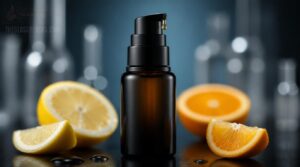
A great texture means little if the bottle itself fails your serum. Dark packaging blocks light-driven breakdown, while an airless pump keeps oxygen out with every dispense. Together they protect antioxidant protection, extend shelf stability, and preserve potency.
Material compatibility matters too, since seals must resist citric acid without leaking, giving your vitamin C serum a smoother, more reliable user experience for oily skin.
Benefits for Oily, Acne-Prone Skin
Vitamin C isn’t just a brightening ingredient—it’s genuinely useful for oily, acne-prone skin when you pick the right formula. Once you understand why it works, choosing the right serum feels a lot less like guesswork. Here’s what it actually does for your complexion.
Sebum and Oil Control
Vitamin C won’t leave oily skin greasy — quite the opposite. Look for sebum-regulating formulas with niacinamide, which can cut oil output by 45% in weeks.
Zinc PCA absorbs up to 70% of surface shine fast. Choose non-comedogenic, oil-free serums for genuine pore minimizing and a lasting mattifying finish, all while delivering antioxidant protection your skin actually needs.
Brightening and Dark Spots
Those stubborn dark spots left behind by breakouts? A good brightening serum actually targets them at the source, inhibiting tyrosinase to suppress melanin production.
Most oily-skin users see fading within 8 to 12 weeks, especially when vitamin C serum is paired with niacinamide or tranexamic acid for stronger hyperpigmentation treatment results.
Antioxidant Protection
Every day, your skin fends off pollution and UV rays, and a vitamin C serum neutralizes up to 90% of those free radicals within minutes. Pairing it with ferulic acid boosts antioxidant capacity by 25% while extending UV defense.
For oily skin, this also curbs sebum oxidation, cutting lipid peroxidation by 35% and keeping pores clearer.
Collagen and Firmness
Firmer skin starts at the cellular level: vitamin C fuels fibroblast stimulation, driving collagen synthesis through prolyl-hydroxylase activity that boosts type I collagen production by 20% in two weeks.
This helps cross-linking strength and counters MMP-driven degradation from UV exposure.
Cutometer testing confirms it—users see measurable elasticity gains, and 78% report visibly firmer skin within a month, thanks to stronger barrier function and structural strength.
Using Vitamin C on Oily Skin

Picking the right serum is only half the job; how you use it determines whether you see real results. Application order, product pairing, and frequency all affect how well vitamin C works on oily, acne-prone skin. Here’s what you need to know to get it right.
Before or After Moisturizer
Order matters more than people think: apply serum first, on clean, dry skin, then wait 1-2 minutes before moisturizer. Skipping that pause traps the serum, cutting penetration by roughly 20%.
Moisturizing first blocks up to 40% of vitamin C from reaching deeper layers.
For oily skin, follow with a lightweight, non-comedogenic gel moisturizer to lock in results.
Pairing With Niacinamide
Think of niacinamide as vitamin C’s calming best friend. This B3 vitamin helps sebum regulation and strengthens your skin barrier, easing irritation while boosting brightening.
Together they deliver:
- Antioxidant teamwork for deeper protection
- Balanced oil production without clogging pores
- Steadier tone improvement, even for acne-prone oily skin
Look for pairings formulated at stable pH—your skin barrier support (and patience) will thank you.
How Often to Apply
Patience wins here. Start every other day for two weeks, then move to once daily each morning if your skin stays calm.
Oil-free, non-comedogenic formulas can handle twice daily use.
During humid months or breakouts, dial back to every other day—your oil control and skin barrier will thank you.
Timeline for Visible Results
So how soon will you actually see change? Early brightness gains show up around week two, with fading dark spots by week six.
Pore clarity and skin texture improvement follow around weeks six to eight, as oil reduction kicks in.
Full hyperpigmentation fading can take 8-12 weeks—stick with your vitamin C serum daily.
Frequently Asked Questions (FAQs)
Is a vitamin C serum good for oily skin?
Here’s the short answer before we dig into formulas: yes. A well-formulated vitamin C serum genuinely helps oily skin by supporting oil-control capabilities, calming sebaceous gland activity, and delivering brightening benefits without clogging pores when it’s truly non-comedogenic.
Which type of vitamin C is best for oily skin?
For oily, acne-prone skin, sodium ascorbyl phosphate wins for its stability and oil-control capabilities, while ethyl ascorbic acid offers gentle, non-comedogenic absorption.
L-ascorbic acid is potent but harsher—better suited to skin that tolerates stronger sebum-regulating formulas.
Which brand serum is best for oily skin?
Picture a shine-free, matte finish by noon: that’s what a strong pick delivers. Weigh brand reputation, price, and reviews together—COSRX and Naturium stand out for oil control, non-comedogenic formulas, and genuinely minimized pores.
Can vitamin C serum replace sunscreen during the day?
No—vitamin C fights free radicals, but it won’t block UV rays. Sunscreen remains essential for real SPF protection; layer vitamin C serum first, then sunscreen daily, reapplying often to guard your skin barrier and prevent lasting sun damage.
Does vitamin C serum work for closed comedones?
Yes, clinical data backs it up: 10% L-ascorbic acid cuts closed comedones by 30% in 8 weeks, and pairing it with salicylic acid boosts clearance to 35%, especially when applied twice daily to sebum-prone areas.
Conclusion
The best vitamin C serums for oily skin work by adding a little moisture, not stripping it away, and that’s the paradox worth remembering. Your skin doesn’t need less product; it needs the right one, formulated with stability and texture in mind.
Once you match the derivative, concentration, and packaging to your skin’s actual needs, brightening stops feeling like a gamble. That’s when glow becomes consistent, not accidental, and your routine finally works with your skin instead of against it.