This site is supported by our readers. We may earn a commission, at no cost to you, if you purchase through links. This content is for general informational and educational purposes only and is not a substitute for professional medical, dermatological, or nutritional advice.

Your skin can pull off a sneaky trick: it looks totally fine while quietly begging for water. That tight feeling after cleansing, the dull cast under your makeup, those fine lines that seem to show up out of nowhere, none of it happens by accident.
Most people blame these moments on aging or bad luck, when really, they’re signs your face needs more moisture and nothing else. Your skin talks to you constantly, through texture, tone, and even how it reacts to your favorite serum.
Once you know what to look for, the clues practically shout at you. Let’s break down the seven signals your face sends when it’s running on empty, and what actually fixes them.
Table Of Contents
- Key Takeaways
- Tightness After Cleansing Signals Moisture Loss
- Flaky Patches Keep Returning
- Dull Skin Loses Its Natural Glow
- Fine Lines Look More Noticeable
- Rough Skin Feels Itchy or Sensitive
- Shiny Skin Can Still Lack Water
- Check Your Face’s Moisture Balance
- Restore Moisture Without Overloading Skin
- Frequently Asked Questions (FAQs)
- Conclusion
Key Takeaways
- Tightness after cleansing, flaky patches, dullness, and fine lines are your skin’s way of signaling dehydration, not just signs of aging or bad luck.
- Shiny skin can still be thirsty, since oil and water are two different things, and your face may pump out extra sebum to compensate for a moisture shortfall.
- The pinch test on the back of your hand is a quick, reliable way to check hydration, since skin that snaps back slowly is asking for water.
- Fixing dehydration works best in order: gentle cleansing, then a humectant like hyaluronic acid on damp skin, then a moisturizer to seal it all in.
Tightness After Cleansing Signals Moisture Loss

If your face feels like it’s shrink-wrapping itself right after you rinse, that’s not just "normal skin," that’s your moisture barrier waving a little flag. This tightness shows up in specific spots and specific ways, and once you know what to look for, you’ll never second-guess it again. Here’s exactly how it usually shows its face.
You’ll usually feel it first around your cheeks and jawline, and this oily skincare routine that still hydrates properly can help calm that tightness for good.
Stretched Cheeks and Forehead
That stretched, mask-like feeling after washing your face? That’s cheek skin stretching talking. Try the snap-back test: pinch your cheek, count. Slow return means dehydration.
- Forehead tension lines deepen with expressions
- Collagen volume loss makes skin less bouncy
- Face never feels settled, even after moisturizer
Your skin barrier function needs backup, stat. Left unaddressed, chronic dehydration can weaken your skin’s protective barrier function, making it easier for irritants to trigger the kind of inflammation that breaks down collagen over time.
Tightness Without Visible Flakes
Here’s the tricky part: your skin can feel tight with zero flaking in sight. That’s transepidermal water loss talking, not dead skin buildup.
This happens fast when your skin barrier function is already stressed by winter air, stress hormones, or hormonal shifts. Try humectant layering right after cleansing, since humectants in skincare grab water before it escapes, supporting real moisture retention.
Hot Water Worsens Dryness
If your shower feels like a hug from the sun, your skin barrier is quietly paying for it. Hot water causes real hot water barrier damage, stripping lipids and spiking transepidermal water loss.
Quick fixes:
- Keep water at 38°C or below
- Limit showers to 5-10 minutes
- Moisturize within minutes, before it disappears instantly
Flaky Patches Keep Returning
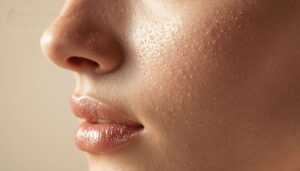
If your foundation keeps catching on dry patches no matter how many times you exfoliate, your skin’s basically waving a little white flag. Flaking isn’t random, it shows up in the same stubborn spots and for pretty specific reasons. Here’s what’s actually going on under the surface.
Nose and Mouth Flaking
Your nose and mouth take the brunt of dry indoor air, plus lip licking makes mouth dryness worse. A humidifier helps replace lost moisture.
Skip harsh soaps around your nose, and use gentle cleansing with fragrance-free products near your mouth. Avoid picking flaky patches. Instead, moisturize consistently and consider gentle exfoliation once your skin barrier feels stronger.
White or Grayish Scales
Those pale flakes aren’t all the same animal. Dehydration scales sit tiny and uniform, mostly on your forehead, while eczema patches cluster smaller than a millimeter and psoriasis scales grow thick, silvery, and stubborn.
Low humidity and hot water speed things up fast. Targeted moisture to flaky patches can cut scale count by 80% in five days, so consistency actually pays off quickly.
Poor Dead Skin Shedding
Blame it on lazy enzymes. When skin’s dry, hydrolytic enzymes can’t break down corneodesmosomes, so cells clump instead of shedding solo, causing corneocyte clumping and rough texture.
That buildup dulls your glow further, but simple habits like natural ways to boost skin radiance can help cells shed smoothly again.
That buildup means:
- Flaking and skin texture irregularities
- Product pilling under makeup
- Dull light reflection from trapped cells
It’s a barrier cycle: poor shedding worsens moisture loss, deepening the problem until hydration breaks it.
Dull Skin Loses Its Natural Glow

When your skin feels thirsty, it stops bouncing light back the way it should, and your glow just kind of checks out. That flat, tired look isn’t in your head, and it’s not about needing more sleep, either. Here’s what’s actually happening under the surface when your complexion loses its spark.
Flat or Ashen Complexion
When your complexion looks flat and grayish instead of rosy, that’s dehydration talking. This ashen complexion often shows up around heated indoor air or long hot showers, both stripping moisture fast. Smoking makes it worse too.
If dullness lingers alongside fatigue, mention it to your doctor, since anemia or heart issues sometimes wear the same gray disguise.
Reduced Light Reflection
Ever notice how healthy skin seems to glow from within, while dull skin just sits there flat? That’s light scattering across surface unevenness instead of bouncing back smoothly.
Skin dullness happens when a rough, dehydrated surface breaks up light reflection into scattered directions. Weirdly, skin looks shiny not oily on dry patches too, since uneven texture creates glare instead of that even, dewy sheen you’re after.
Tired-looking Facial Skin
Here’s the thing about tired skin: it’s not always about sleep. Dehydration mimics fatigue by teaming up with elasticity and collagen loss, midface volume decline, and cell turnover slowdown, so skin looks dull and worn out even after a full eight hours.
Add under eye hollowing or eye area fine lines, and your face reads exhausted no matter how rested you actually are.
Fine Lines Look More Noticeable

If your skin feels thirsty, those little lines can start throwing a whole production. They show up where your face moves the most, and dehydration just makes them louder. Here’s where they tend to sneak in, and why plumping things back up makes such a difference.
Dehydration Lines Around Eyes
Those little lines fanning out from your eyes after cleansing? Often just temporary fine lines, not permanent wrinkles. Thin under-eye skin dries fast, drawing moisture from the surface and leaving creases behind.
- Apply hydrating serum immediately after washing
- Pat, don’t rub, for under-eye hydration boost
- Watch for eye area plumpness returning within days
Consistent care brings real hydration line reduction and restores under-eye moisture balance.
Creases Near The Mouth
If your eyes tattle on dehydration, your mouth isn’t far behind. Smile lines and nasolabial folds deepen when skin feels tight after cleansing, and lip line visibility increases too. Marionette line treatment works best paired with hydration, since dryness (not just aging) drives mouth wrinkle causes.
Watch smile line prevention: hydrated skin resists creasing during expressions, maintaining moisture balance.
Hydration Restores Skin Plumpness
Here’s the good news: those lines aren’t permanent tattoos.
When cells plump back up, the cellular hydration effect smooths creases fast. Water retention cells swell, giving you a skin plumpness boost and real moisture elasticity gain. That’s hydration-induced firming in action, restoring moisture balance so skin looks rested, not just dehydrated. Hyaluronic acid speeds it along beautifully.
Rough Skin Feels Itchy or Sensitive
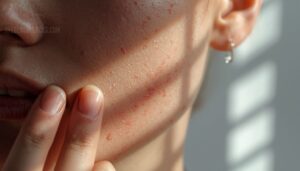
If your skin starts feeling like sandpaper instead of, well, skin, that’s not just a texture quirk, it’s a cry for help. When your usual products suddenly sting or itch on contact, your barrier is waving a little red flag. Here’s what that irritated, unhappy skin is actually trying to tell you.
Papery or Scratchy Texture
When your skin feels rough under your fingertips, like paper left out in the sun, that’s dehydration talking. Roughness or flaking shows up as your barrier struggles to hold water.
Skip hot showers, use a gentle cleanser, and follow with a hydrating serum plus moisture-locking cream. This post-cleansing routine helps barrier repair so skin feels smooth again, not scratchy.
Stinging After Product Application
If your usual products suddenly burn, that’s a red flag, not a fluke. When skin gets irritated easily, a stinging sensation signals barrier trouble, not just "sensitive skin."
Common culprits:
- Alcohol irritation from toners
- AHA sensitivity at high concentrations
- Fragrance reactions in scented products
- Retinol burn from overuse
Skip hot water too, since temperature stinging compounds everything before barrier repair even starts.
Weakened Skin Barrier Clues
Think of your barrier as a tiny brick wall, and when it’s crumbling, your face drops hints everywhere. Skin gets irritated easily, makeup clings to dry areas by noon, and skin feels tight within minutes of touching it.
These aren’t random annoyances. They’re barrier damage causes showing up on your skin, begging for moisture retention methods and gentle repair instead of another round of harsh actives.
Shiny Skin Can Still Lack Water
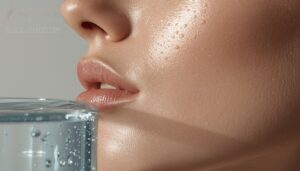
If your face looks like it’s glowing but feels tight underneath, that shine might be misleading you. Oily and dehydrated skin can actually look pretty similar on the surface, which trips up even the most attentive skincare fans. Here’s what’s really going on when your skin decides to fake it.
Dehydrated Versus Oily Skin
Here’s a plot twist: shiny doesn’t mean hydrated. Oily skin and dehydrated skin aren’t opposites, they’re often roommates. Your oily skin hydration balance can tip sideways when water content drops while sebum stays put.
That’s the real dehydration vs oiliness confusion. A quick water content assessment (does skin feel tight under the shine?) reveals what’s actually happening beneath your skin barrier.
Oil Compensating for Moisture Loss
When your barrier senses trouble, it panics and floods your face with sebum, trying to patch the leak. That oil slick sitting on top? It’s a distress signal, not proof of health.
That oily shine isn’t proof of healthy skin, it’s your barrier panicking and flooding your face with sebum to patch a moisture leak
Real relief comes from lipid barrier repair, not extra shine. Ceramide moisturizers and squalane hydration rebuild what’s missing, so skin stops feeling suffocated and finally calms down.
Makeup Separating by Midday
By noon, foundation clings to fine lines instead of your face. Dehydrated skin drinks the water from your foundation, leaving pigment stranded and patchy near your nose and mouth.
Fix it fast: press a damp sponge touch-up over trouble spots, thirty seconds and you’re smoothed out again. Long term, match your product base compatibility and use thin foundation layers so nothing separates by midday.
Check Your Face’s Moisture Balance
By now you know the warning signs, but figuring out whether your skin is dry, dehydrated, or maybe even a little too hydrated takes a closer look. Your face gives you clues if you know where to check, from how it reacts to a gentle pinch to how it reacts with the seasons. Here’s how to read what your skin is actually telling you.
Dry Versus Dehydrated Skin
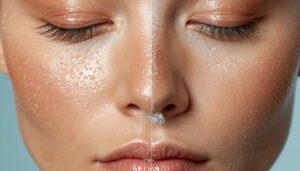
Dry and dehydrated skin feel like cousins, not twins. Dry skin lacks oil (a skin type). Dehydrated skin lacks water (a temporary condition), even under oily patches.
- Dry: rough, itchy, flaky
- Dehydrated: tight, dull, dehydration lines
- Dry: skin type, lasts
- Dehydrated: condition, fluctuates
- Both: worsened by hot water
Simple Skin Pinch Test

Want a quick skin turgor check? Pinch the back of your hand for two to three seconds, release, and watch. Skin snapping back within a couple seconds means good hydration; anything past five signals a real fluid loss indicator.
This pinch test skips the guesswork, giving you an honest read on dehydrated skin and elasticity in seconds.
Seasonal Hydration Changes

Your pinch test results shift with the seasons, so don’t panic if winter numbers look worse. Cold weather hits hard, stripping moisture fast, while in-between seasons bring extra sensitivity as skin adapts. That adjustment window can last weeks. A humidifier helps immensely here, sometimes boosting hydration within the hour.
Signs of Product Overload
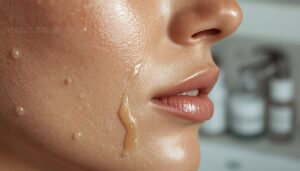
Humidifiers help, but layering ten products doesn’t. If your moisturizer disappears instantly or makeup starts sliding by noon, you’re overloading, not hydrating.
Watch for sticky residue, clogged pores, or breakouts in odd new spots. Skin feels suffocated under all that surface buildup, begging for fewer, smarter steps instead of more.
Puffiness, Bumps, and Stickiness
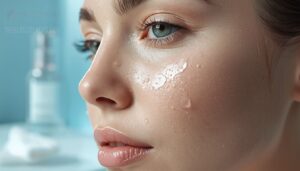
So all that overloading? It shows up fast.
Facial puffiness causes range from too much salt to sleeping flat, but layered products cause puffy, sticky skin with tiny bumps.
If your face feels gummy and makeup starts sliding, or your moisturizer disappears instantly, your skin’s begging for lighter, smarter care.
Restore Moisture Without Overloading Skin

Once you know your skin’s hydration is off, fixing it comes down to a few simple habits done in the right order. It’s not about piling on more products, it’s about giving your skin what it actually needs, when it needs it. Here’s how to bring that balance back, step by step.
Choose Gentle Facial Cleansers
Your cleanser sets the tone for everything after it.
Skip foaming, fragranced formulas and reach for mild surfactants with barrier support, ceramides or glycerin work wonders. Fragrance-free means low irritation, not "unscented" (that’s a trick).
Match texture to your skin: cream for dry, gel for oily. If it leaves skin tight or puffy, it’s too much.
Apply Humectants After Cleansing
When skin feels tight right after washing, that’s your cue to act fast, not reach for a towel.
Apply humectants like glycerin or hyaluronic acid onto damp skin application within 60 seconds.
- Traps water before it evaporates
- Boosts water retention instantly
- Helps barrier repair
- Preps skin for next steps
- Fights dehydrated skin fast
Seal Hydration With Moisturizer
Once your humectant sinks in, don’t let all that water wander off. A ceramide moisturizer locks the door, rebuilding your lipid barrier and sealing moisture in place.
Think occlusive layering: richer creams at night trap serum benefits while you sleep, so tight, dehydrated skin wakes up soft, plump, and genuinely quenched instead of thirsty again by morning.
Limit Daily Face Washing
Twice a day works for most faces, but if yours leans dry, nighttime cleansing alone might be plenty. Over-washing shows up as tightness, puffy patches, or a dull complexion with tiny bumps, classic undermoisturized skin cues.
Adjust your frequency, skip harsh scrubbing, and keep it gentle. Your skin isn’t lazy, it’s just asking for a lighter touch.
Seek Professional Skin Guidance
Sometimes your face needs more than a routine tweak, it needs an expert eye. If tightness, flaking, or stinging won’t quit, book a professional facial or consult a dermatologist for a real skin typing assessment.
They’ll build a custom skincare regimen, guide product choices, and schedule follow-up care so your epidermal barrier function actually heals instead of guessing in the dark.
Frequently Asked Questions (FAQs)
How does travel affect your skins hydration levels?
Picture your skin as a houseplant stuck in a desert for hours. Cabin humidity can dip to 5%, pulling moisture out fast. Add sweat, dry air conditioning, and low water intake, and your barrier weakens, leaving skin tight and thirsty.
Can hormonal changes in your 40s cause dehydration?
Yes. Estrogen dips mess with your body’s fluid balance and mute thirst signals, so hormonal shifts water loss goes unnoticed, leaving skin dehydrated, less elastic, and prone to fine lines even before dryness looks obvious.
Does daily stress impact your skins moisture retention?
Your face isn’t dramatic, it’s just honest. Daily stress spikes stress hormones that sabotage barrier repair and epidermal turnover, throwing off water channel regulation. Result? Lower epidermal hydration levels, more skin sensitivity triggers, and a skin barrier that just can’t hold moisture.
How often should you exfoliate dehydrated skin safely?
Once or twice weekly keeps dehydrated skin safe. Stick with gentle AHAs like lactic acid, skip daily use, and watch for stinging or tightness, your cue to pull back and protect the skin barrier.
What does an esthetician check during a skin consultation?
An esthetician cleanses your skin, then uses magnified visual analysis to check elasticity, sensitivity, and hydration. Expect questions on lifestyle, allergies, and goals, distinguishing dehydrated vs dry skin before mapping out your suited treatment plan.
Conclusion
Funny thing: the same week you started noticing tightness, dullness, and those sneaky little lines, your skin was already trying to tell you something. That’s not bad luck. Those are classic signs your face needs more moisture, showing up right on cue. Your face isn’t being dramatic, it’s being honest. Listen to it, treat it gently, and give it water before wrinkles before serums. Do that, and glowing skin stops feeling like luck and starts feeling like yours.