This site is supported by our readers. We may earn a commission, at no cost to you, if you purchase through links. This content is for general informational and educational purposes only and is not a substitute for professional medical, dermatological, or nutritional advice.
You wash your hair, the flakes vanish, and you feel victorious for about two weeks. Then they’re back, dusting your black sweater like a bad sequel.
I see this in my clinic constantly, and it’s rarely about hygiene. Malassezia yeast lives on nearly every scalp, and in some of us it irritates the skin and speeds up cell turnover. That’s why dandruff keeps coming back: you’re managing the yeast, not curing it.
Stress, hormones, winter air, and even your own scratching can tip the balance. Once you know the triggers, you can finally stay ahead of them.
Table Of Contents
- Key Takeaways
- Why Does Dandruff Keep Coming Back?
- What Triggers Recurring Dandruff Flare-Ups?
- Top 3 Shampoos for Recurring Dandruff
- How Can You Prevent Dandruff Recurrence?
- When Does Recurring Dandruff Need Medical Care?
- Frequently Asked Questions (FAQs)
- How to stop recurring dandruff?
- Why does my dandruff keep returning?
- How to tell if dandruff is fungal?
- What naturally kills dandruff?
- Can dandruff be cured permanently?
- Is dandruff contagious to other people?
- Does washing hair less often cause dandruff?
- How is dandruff different from dry scalp?
- Can changing shampoos make dandruff worse?
- Conclusion
Key Takeaways
- Dandruff comes back because Malassezia yeast lives on nearly every scalp, so you’re managing it, not curing it, and your flakes return whenever you stop treating it.
- Stress, hormones, winter dryness, summer sweat, product buildup, and scratching can all tip your scalp out of balance, so knowing your triggers helps you stay ahead of flare-ups.
- Medicated shampoos with ketoconazole, selenium sulfide, or pyrithione zinc keep the yeast in check when you use them consistently, leave them on for 3-5 minutes, and rotate actives.
- You should see a doctor if flakes last past four weeks despite medicated shampoo, or if you notice bleeding, pus, fever, patchy hair loss, or a spreading itchy rash.
Why Does Dandruff Keep Coming Back?
Why do those flakes return the moment you relax? Because dandruff isn’t a one-time infection you beat and forget. Malassezia, the yeast behind it, lives on nearly every scalp, feeding on your natural oils. Your scalp microbiome keeps it around for good.
Since the yeast never fully leaves, keeping flakes away comes down to steady scalp care, and these natural hair treatment remedies can help calm irritation between flare-ups.
In susceptible scalps, the yeast irritates skin and speeds up cell turnover, so flakes show.
Antifungal treatment only suppresses Malassezia. Inconsistent treatment lets it repopulate, and your flakes follow. You’re managing it, not curing it.
Antifungal shampoo only keeps the yeast in check, so skip your treatment and the flakes return; you’re managing dandruff, not curing it
What Triggers Recurring Dandruff Flare-Ups?

Once the yeast is settled in, a few things decide whether it stays quiet or throws a party on your scalp.
Stress-related flare-ups are the classic culprit. Stress can stir up inflammation, so a rough week often shows up on your shoulders.
Hormonal changes matter too, since oil production rises after puberty and feeds yeast overgrowth. Winter heating dries you out, while summer sweat does the opposite.
Product buildup and scratching irritate skin. Add inconsistent treatment, and flakes return fast.
Top 3 Shampoos for Recurring Dandruff
Once you know what’s feeding the flakes, picking a shampoo gets much easier. I’ve narrowed it down to three that I trust for recurring dandruff, each built to keep the yeast in check. Here’s how they stack up, so you can choose the one that fits your scalp and your routine.
If product buildup is part of what’s holding your flakes in place, a best clarifying shampoo can occasionally reset your scalp before you return to your regular routine.
1. Nizoral Anti-Dandruff Shampoo 1% Ketoconazole
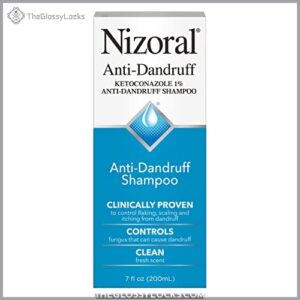
Ever wonder why your dandruff shampoo works for a week and then quits on you? Nizoral goes after the fungus behind the flakes with 1% ketoconazole, so you’re treating the cause, not just the snow on your shoulders.
Use it once or twice a week for maintenance. It can leave hair dry or brittle, and some people notice shedding, so watch how your scalp responds. Skip it for young children.
| Best For | People dealing with persistent dandruff, scaling, or itchy scalp caused by fungus who want a treatment that works on the root cause and is gentle enough for color-treated or gray hair. |
|---|---|
| Dimensions | 1.54 x 2.99 x 7.17 inches |
| Weight | N/A |
| Size/Volume | 7 fluid ounces |
| Main Benefit | Treats and prevents dandruff |
| Key Material | 1% ketoconazole |
| Main Drawback | Dryness, possible shedding |
| Additional Features |
|
- Contains 1% ketoconazole, a clinically proven antifungal that targets the fungus behind dandruff
- Treats and prevents dandruff, scaling, and itching, with maintenance use of just 1–2 times per week
- Gentle enough for color-treated, chemically processed, or gray hair
- May cause dryness or brittleness in hair for some users
- Mixed reports on hair loss, with some users experiencing shedding
- Not recommended for use on young children
2. Head & Shoulders Clinical Strength Shampoo
 View On Amazon
Nizoral not doing it for you? Try a different active. Head & Shoulders Clinical Strength uses 1% selenium sulfide, and the twin pack adds a manuka honey conditioner for dryness. Each bottle holds 13.5 ounces, so it lasts.
It helps with scalp flaking and seborrheic dermatitis symptoms. The scent is strong, though, and a few people itch more. Patch test first, and judge the value yourself.
| Best For | People with dandruff, dry scalp flaking, or seborrheic dermatitis symptoms who want a selenium sulfide shampoo with a soothing conditioner included. |
|---|---|
| Dimensions | 8.58 x 6.14 x 1.93 inches |
| Weight | N/A |
| Size/Volume | 13.5 fluid ounces each |
| Main Benefit | Relieves dry scalp flaking |
| Key Material | 1% selenium sulfide |
| Main Drawback | Strong scent, itching |
| Additional Features |
|
- Contains 1% selenium sulfide for dandruff control
- Twin pack includes both shampoo and conditioner, with manuka honey to soothe the scalp
- Large 13.5-ounce bottles that last, with clinically proven protection against visible flakes
- Some users find the scent strong and unpleasant
- May increase itching in certain individuals
- Customers have mixed feelings about the value for the price
3. CeraVe Hydrating Anti-Dandruff Shampoo 12oz

Ceramides are what set this CeraVe formula apart. Alongside 1% pyrithione zinc, which targets the yeast behind flaking, it adds niacinamide and hyaluronic acid to calm and hydrate your scalp. It’s sulfate-free, fragrance-free and pH-balanced, so sensitive or color-treated hair is fine.
Expect a slower payoff, though. You’ll need regular use, ideally with the matching conditioner, and some people find their hair feels greasy.
| Best For | People with dandruff and an itchy scalp who want a gentle, fragrance-free shampoo that is safe for sensitive skin and color-treated hair of any type or curl pattern. |
|---|---|
| Dimensions | 1.05 x 2.91 x 7.87 inches |
| Weight | 13.76 ounces |
| Size/Volume | 12 ounces |
| Main Benefit | Eliminates flakes, reduces itch |
| Key Material | 1% pyrithione zinc |
| Main Drawback | Can feel greasy |
| Additional Features |
|
- Contains 1% pyrithione zinc to help eliminate flakes and reduce scalp itching
- Adds ceramides, niacinamide, and hyaluronic acid to hydrate and calm the scalp
- Sulfate-free, fragrance-free, dye-free, paraben-free, pH-balanced, and allergy-tested
- May leave hair feeling greasy for some users
- Needs regular use before flakes are fully controlled
- Works best when paired with the matching conditioner, which means an extra purchase
How Can You Prevent Dandruff Recurrence?

How do you keep dandruff from creeping back once your scalp finally calms down? Treat it as longterm management, not a one-time fix. Malassezia never fully leaves, so keep using your medicated shampoo and rotate actives. Recurrence is largely driven by sebum and oleic acid, since Malassezia feeds on excess oil and its byproducts irritate sensitive scalps.
Three habits matter most:
- Lather your scalp and leave it on 3-5 minutes before rinsing
- Wash with lukewarm water and dry your scalp well
- Clarify occasionally to clear product buildup
Manage stress and sleep too, since scalp inflammation and yeast overgrowth love a frazzled you.
A simple wind-down routine with calming sleep support aids like herbal tea or a comfortable sleep mask can make steady, restful nights easier to protect.
When Does Recurring Dandruff Need Medical Care?
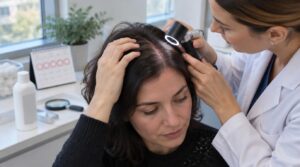
About half of adults deal with dandruff at some point, but most flareups settle with the right shampoo.
See a doctor if flakes last past four weeks despite medicated shampoo. Hormonal changes, an immune response, or a microbial imbalance can drive stubborn cases, and you may need prescription-strength shampoo.
| Sign | What it may mean | Next step |
|---|---|---|
| Bleeding, pus, or fever | Infection | Seek care now |
| Patchy hair loss | Fungal infection | Ask about antifungals |
| Spreading itchy rash | Seborrheic dermatitis | Book a dermatologist |
Frequently Asked Questions (FAQs)
How to stop recurring dandruff?
Scrubbing harder never cures dandruff, ironically. Flakes return when you quit treating them.
Use ketoconazole or zinc pyrithione for maintenance shampoo use, two or three times weekly. Add gentle scalp exfoliation and manage stress-related flare-ups.
Why does my dandruff keep returning?
Congratulations, you’ve been winning the war against flakes, and the yeast just didn’t get the memo. Malassezia lives on your scalp naturally, so treating dandruff only quiets it; the susceptibility stays, and flakes return once you stop.
How to tell if dandruff is fungal?
Look for greasy, yellowish flakes that clump, plus redness and stubborn itching. If zinc pyrithione, ketoconazole, or selenium sulfide shampoo helps within two to four weeks, Malassezia overgrowth is likely your culprit.
What naturally kills dandruff?
Picture flakes as yeast crumbs left on a dinner plate. Natural antifungals like tea tree oil and diluted apple cider vinegar rinses can help clear them, but zinc pyrithione and ketoconazole usually work much stronger.
Can dandruff be cured permanently?
Not really, and that’s okay. Dandruff is a chronic, relapsing scalp condition, so long-term control is the realistic goal. Antidandruff shampoos quiet the malassezia and fungal overgrowth, but your scalp’s susceptibility stays put.
Is dandruff contagious to other people?
Is dandruff contagious? Relax, it isn’t. Malassezia lives on most scalps anyway, so it’s your own reaction, not scalp hygiene or sharing hats.
Scalp ringworm, though, is a fungal infection and a contagious skin condition.
Does washing hair less often cause dandruff?
Most dandruff-prone scalps need washing at least 2 to 3 times weekly.
Washing hair less often lets oil production pile up, feeding Malassezia yeast. Poor scalp hygiene can then easily trigger repeat seborrheic dermatitis flare-ups.
How is dandruff different from dry scalp?
Roughly half of adults get dandruff, a mild form of seborrheic dermatitis fueled by Malassezia and oil, with greasy, itchy flakes.
Dry scalp lacks moisture, so flakes are fine and dry. Tailor your scalp care.
Can changing shampoos make dandruff worse?
Yes, it can. Switching from an effective anti-dandruff shampoo to a regular one lets malassezia rebound within days, so flaking and seborrheic dermatitis return. Your shampoo didn’t fail; stopping it did.
Conclusion
Maybe you’re thinking, "If it always returns, why bother?" Because control beats cure here. Once you know the triggers, the question why does dandruff keep coming back stops being a mystery and becomes a pattern you can predict.
Rotate your medicated shampoo, protect your scalp when winter hits, and keep your nails off the itch. Steady habits win, every time. Your scalp isn’t broken. It just needs a simple routine, and now you have one.