This site is supported by our readers. We may earn a commission, at no cost to you, if you purchase through links.

Walk into any barbershop in a Latino neighborhood on a Saturday morning, and you’ll likely spot someone pulling out their phone to show a photo of the takuache haircut.
Blunt fringe cut straight across the forehead, skin fade on the sides, sharp lineup connecting it all—it’s a look that carries serious cultural weight.
What started as an identity marker tied to Indigenous Jumano communities and later woven into Mexican-American truck culture has grown into one of the most recognized styles in youth fashion today.
Whether you know it as the Edgar, the cuh cut, or just fade with the straight fringe, this guide breaks down everything you need to know before your next barber visit.
Table Of Contents
- Key Takeaways
- What is The Takuache Haircut?
- Popular Takuache Haircut Variations
- Who Should Try The Takuache Haircut?
- How to Get and Maintain The Takuache Cut
- Takuache Haircut in Modern Culture
- Frequently Asked Questions (FAQs)
- What is the takuache haircut called?
- What is a takuache CuH haircut?
- What is takuache hairstyle?
- What is a takuache CuH haircut 2024?
- What is a takuache buzz cut?
- What hairstyle goes with a takuache hat?
- Is a takuache haircut suitable for a formal occasion?
- What’s the Takuache haircut called?
- What is a Takuache Cuh?
- Why are they called Takuache?
- Conclusion
Key Takeaways
- The takuache haircut — defined by its blunt fringe, skin fade, and sharp lineup — carries deep cultural roots stretching from Indigenous Jumano communities all the way through Mexican-American truck culture and into today’s mainstream youth fashion.
- Known by several names (the Edgar, the cuh cut, or takuache), the style means different things depending on where you’re from, but they all point to the same bold, identity-driven look.
- Your face shape and hair texture matter when choosing a variation — oval and square faces tend to wear it best, and thick or straight hair holds that signature blunt line the cleanest.
- Keeping the cut sharp means committing to a real maintenance routine: fringe trims every two to three weeks, fade touch-ups just as often, and the right product (pomade for shine, matte clay for texture) to hold everything in place daily.
If you’re unsure whether your features fit the mold, this step-by-step guide to frosted tips for men breaks down styling tweaks for every face shape and hair type.
What is The Takuache Haircut?
The Takuache haircut is one of those styles that turns heads and sparks conversations the moment you walk into a room.
It’s bold, clean, and carries a real sense of identity behind it. Here’s what makes this cut stand out, where it comes from, and what people actually call it.
Whether you’re working with a receding hairline or just want a sharp, low-maintenance look, these best hairstyles for receding hairlines prove that less hair can mean more style.
Key Features and Characteristics
The takuache haircut is built around five signature details that make it instantly recognizable:
- Blunt Fringe — a straight, horizontal line cut sharp across the forehead
- High Fade Contrast — skin fade or taper cuts that keep sides clean
- Sharp Lineup — crisp corners connecting the front fringe to the sides
- Texture Versatility — works on straight, wavy, or curly hair
- Product Finish — pomade or gel keeps everything polished and defined
Origins and Cultural Roots
This cut didn’t start in a barbershop — it grew from something much deeper. The Takuache haircut carries real roots, stretching back through Mexican‑American truck culture, Sinaloa ranchera aesthetics, and even Indigenous Jumano influence, where men shaped their hair into cap‑like fringes as early as the 1620s.
The Takuache haircut traces its roots beyond barbershops, back to Indigenous Jumano fringes worn as identity since the 1620s
| Influence | Region | Cultural Significance |
|---|---|---|
| Indigenous Jumano Influence | Southwestern US / Northern Mexico | Straight fringe worn as identity marker |
| Sinaloa Ranchera Aesthetics | Northern Mexico | Blended ranchero style with youth subculture |
| Mexican‑American Truck Culture | Texas Rio Grande Valley | Symbol of pride tied to mamalonas lifestyle |
| Corridos Music Connection | Northern Mexico / US Southwest | Haircut linked to nuevo corridos gatherings |
| Latino Subculture Identity | US Southwest / Border Communities | Reclaims cultural identity through bold self-expression |
The word takuache itself is Spanish slang for opossum — street humor that young Mexican‑American men eventually wore as a badge of pride. By 2019, this cultural identity had fully shifted from mockery to movement, powered by Latino subculture and social media. The cultural significance of Takuache runs deeper than any fade line. popular Chevy Silverado trucks
Alternative Names (Edgar, Cuh Haircut)
Depending on where you’re from, you might hear this style called three different things — and all of them stick.
- Edgar haircut — the most widespread name, born from an Edgar Origin Myth linking it to baseball memes
- Cuh haircut — Cuh Slang Usage, rooted in Rio Grande Valley, Texas, where “cuh” means cousin
- Takuache cuh — truck culture’s favorite label
- Mexican haircut — a broader regional nickname variants catch‑all
The Cultural Naming Debate is real, but Meme Name Spread made all three basically interchangeable. The style showcases precision styling expertise.
Popular Takuache Haircut Variations
The Takuache haircut isn’t a one-size-fits-all look — it comes in a handful of styles, each with its own personality. Some variations lean clean and sharp, while others mix in length or texture for something more unexpected.
Whether you go textured or tight, knowing how to cut your own hair for men can help you maintain whichever takuache variation suits your personality.
Here are the most popular ways guys are wearing it right now.
Classic Takuache (Edgar)

The Edgar is the blueprint — sharp fringe geometry, precision fade on the sides, and a blunt top that means business.
This classic Takuache haircut carries real cultural symbolism rooted in Mexican American identity.
Barber communication matters here: ask for a high skin fade with a straight fringe.
Your hair texture adaptation depends on thickness, but dense hair holds that iconic line best.
Takuache Mullet and Taper Fade

The mullet remix of the classic Takuache haircut variations is where tradition meets something wilder. A Taper Takuache Haircut keeps that straight fringe up front while letting the back grow past the collar — two vibes in one cut. Fade Shift Techniques make or break it, so your barber needs a smooth low taper that blends without hard lines.
Here’s what defines this style:
- Fringe Styling Options — flat, forward brush or blow‑dried for a sharp line
- Takuache Mullet tail — trimmed just above the collar, visible but manageable
- Hair Texture Adaptations — thick hair holds the fringe; curly hair shines in the tail
- Edge‑Up Frequency — every 3–4 weeks keeps the fade crisp
- Seasonal Product Choices — matte paste in summer, light cream in winter for hold without stiffness
Bowl Takuache and Caesar Influence

Two classic shapes come together in the Bowl Takuache and Caesar haircut variations, giving you more ways to own your look.
The Takuache Bowl Cut rounds the top into a smooth bowl shape with straight blunt fringe, while the Caesar Edge keeps everything short and crisp with soft Temple Fades.
Hybrid Styling blends both — think Bowl Volume up top with Caesar structure at the sides, making it a strong statement of cultural identity.
Styles for Different Hair Textures
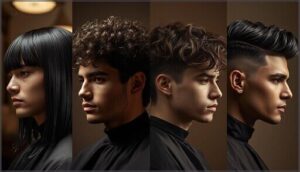
hair texture shapes everything about how a Takuache haircut comes to life.
Straight hair naturally holds a clean blunt fringe, so Straight Fringe Tips are simple — a light pomade does the job.
Curly Volume Hacks like texturizing shears and curl cream keep curly hair from going bulky.
Wavy Wave Boost styling with sea salt spray adds great dimension, while Coarse Edge Definition and Fine Textured Lift round out the hairstyle variations.
Who Should Try The Takuache Haircut?

The Takuache haircut isn’t just for one type of person — but it does fit some better than others.
A few things, like your face shape, hair texture, and personal style, can help you figure out if this cut is a good match for you. Here’s a look at who’s most likely to wear it best.
Best Face Shapes and Hair Types
Not every cut works on every face — but the Takuache comes pretty close. Oval Face Matching is easy here, since the blunt fringe adds width without fighting your natural proportions. Square Jaw Balance comes from softening the fringe edges with a mid fade. Round Height Boost? Stack volume on top, sharpen those angles.
- Oval faces carry almost any variation cleanly
- Square faces benefit from textured tops and low tapers
- Round faces need that extra height and skin fade on the sides
- Straight and thick hair deliver the best Straight Hair Precision and Thick Hair Volume for crisp, sharp results
Curly hair adds texture, but face shape suitability and hair texture together determine your perfect fit.
Age and Lifestyle Suitability
This cut belongs to youth, but it doesn’t stop there.
Teen Sports Fit is real — short sides stay out of the way during practice, and the look holds up under helmets.
College Casual works naturally with streetwear.
Professional Boundaries tighten around client‑facing roles, but creative offices are more forgiving.
| Life Stage | Fit Level | Best Variation |
|---|---|---|
| Teens (13–20) | High | Classic Edgar fade |
| College/Early 20s | High | Taper or curly Edgar |
| Office Adults (25+) | Moderate | Soft taper, trimmed fringe |
Style Personality and Self-Expression
The takuache isn’t just a haircut — it’s a statement about who you are. It carries Edgar Confidence, cultural heritage, and a rebellious aesthetic all in one clean line. If your personality leans toward urban identity and subculture fashion, this signature look fits like it was made for you. Ask yourself which vibe matches yours:
- Bold and unapologetic — classic Edgar for maximum personal branding impact
- Creative Flair — curly or mullet variations for self‑expression with texture
- Rooted and proud — straight bangs honoring your cultural heritage while staying fresh
How to Get and Maintain The Takuache Cut
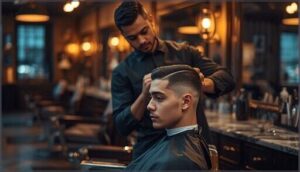
Getting the takuache cut right comes down to a few key steps, starting before you even sit in the barber’s chair.
Knowing how to communicate what you want, keep it fresh at home, and stay on top of trims makes all the difference.
Here’s what you need to know to get it done and keep it looking sharp.
Communicating With Your Barber
walking into your barber consultation prepared makes all the difference.
two or three reference photos showing the fringe lineup and fade height you want — it removes all the guesswork.
specify your fade specifications clearly: low, high, or drop.
squared, straight-across fringe at eyebrow level for that authentic look.
check-ins midway through, and confirm regular trims every two weeks.
Home Vs. Professional Cuts
Once you’ve got your barber communication down, the next question is simple: do you go pro or grab the clippers yourself?
- Cost Comparison: Professional cuts run $35–$50, but a botched home attempt means a correction visit anyway.
- Tool Requirements: Barbers use zero-gapped clippers, detail trimmers, and proper lighting — most home kits can’t match that.
- Hygiene Practices and Fixability Options: Pros disinfect tools between clients and can fix mistakes; home cuts often make them worse.
Daily Styling and Product Tips
Once your barber nails the shape, keeping it fresh is on you.
Start your Morning Fringe Routine on slightly damp hair — mist it, comb straight down, then blow dry on low for that sharp, boxy line.
For Pomade vs Clay, water-based pomade gives shine and hold, while matte clay adds texture without grease.
Texture Powder Usage lifts fine hair all day.
Maintenance and Trimming Frequency
Even the sharpest styling product can’t save a grown-out fringe.
Your Fringe Trim Schedule depends on texture — straight hair needs regular trims every two to three weeks, while curly styles stretch to four to six weeks.
Fade Refresh Timing runs every two to three weeks, and Lineup Frequency Rules call for edge-ups every one to two weeks.
Adjust for Seasonal Growth during summer heat.
Takuache Haircut in Modern Culture

The Takuache haircut isn’t just a style — it’s become a full-on cultural moment.
From viral TikToks to street corners, it’s showing up everywhere and sparking real conversations. Here’s a look at how it’s making its mark in modern culture.
Social Media Trends and Memes
The Takuache haircut didn’t just grow in barbershops — it exploded across social media platforms like TikTok and Pinterest, turning a regional style into a global conversation. Here’s how the buzz built:
- TikTok challenges and viral haircut filters pushed Edgar cut transformations to 32K+ likes per clip.
- Meme slang evolution turned “cuh” into everyday internet language, spreading Takuache culture fast.
- Cross-platform meme sharing carried influencer meme collaborations from Instagram straight to your feed.
Influence in Youth and Street Fashion
regional look has quietly reshaped youth fashion across the U.S. The Takuache haircut now shows up far beyond the Southwest — in lookbooks, truck meets, and street culture moments that blur the line between local pride and national trend.
| Fashion Element | Style Connection | Cultural Significance |
|---|---|---|
| Streetwear Pairings | Graphic tees, Jordans, flannels | Blends urban and rancho aesthetics |
| Truck Meet Style | Mechanic shirts, bold belt buckles | Visual identity for trokiando crews |
| Social Media Virality | TikTok edits, Instagram lookbooks | Amplifies regional identity branding |
| Gender‑Fluid Adaptations | Bowl cuts across all genders | Expands beyond traditional male grooming |
| Modern Street Style | Gen Z lookbooks, designer shoots | Moves cut into mainstream fashion spaces |
You don’t need to explain the cut — people already know what it signals.
Controversy and School Policies
Not everyone’s a fan. The Edgar cut has sparked real controversy — from cultural stereotypes tied to gang associations, to outright ban enforcement in El Salvador’s public schools since 2025.
Here’s where the pushback shows up:
- Students face grade deductions for non-compliance
- San Antonio restaurants posted no-entry signs in 2024
- Critics call bans classist attacks on Latino cultural expression
- Community reactions remain divided on grooming norms vs. subculture fashion
Frequently Asked Questions (FAQs)
What is the takuache haircut called?
Most people know it as the Edgar cut, but in the Mexican American community, you’ll hear cuh haircut just as often. Regional terminology varies, though all three names point to the same sharp, fringe-forward style.
What is a takuache CuH haircut?
A cuh haircut is a bold statement from the Mexican American community — blunt fringe, high fades, and sharp edges that scream individuality.
“Cuh” is a cultural slang for “bro,” making it more than just a cut.
What is takuache hairstyle?
The takuache hairstyle trend blends cultural heritage with bold modern men’s hairstyles — think high fades, a slicked-back top, and a sharp blunt fringe that makes a statement the moment you walk in.
What is a takuache CuH haircut 2024?
Bold on top, nearly shaved on the sides—that’s the takuache CuH haircut in
It blends a blunt fringe with clean fade techniques, making it one of the sharpest modern men’s hairstyles around.
What is a takuache buzz cut?
takuache buzz cut keeps the sides razor-short using buzz guard levels as low as a number 1, while the blunt fringe stays forward.
The skin fade and sharp fade change types complete the look.
What hairstyle goes with a takuache hat?
A sharp fringe with a high fade is your best bet. The blunt line mirrors a flat brim perfectly, while clean sides keep any hat sitting flush without bulk.
Is a takuache haircut suitable for a formal occasion?
Think of a lion walking into a library — striking, but out of place.
The takuache’s bold fringe and high fade can clash with formal dress codes, raising professional perception risks in corporate settings.
What’s the Takuache haircut called?
You’ll hear it called by a few names — the Edgar cut, Cuh haircut, or just Takuache.
All three point to the same style: blunt bangs, faded sides, and clean edges rooted in Mexican-American culture.
What is a Takuache Cuh?
Cuh” is slang for cousin, used among close friends in Takuache culture. It signals crew identity and belonging — less about blood, more about your circle.
Why are they called Takuache?
The name comes from tlacuache, the Nahuatl word for opossum. It spread as Spanglish slang along the Texas border, rooting itself in Mexican-American subculture as a badge of street-savvy identity.
Conclusion
flag doesn’t choose its colors—but the person who carries it decides what it means. takuache haircut works the same way. It arrived carrying history, culture, and street credibility, and now it sits in your hands to own however you see fit.
Find the variation that matches your face, your texture, your vibe. Tell your barber exactly what you want.
When the cape comes off and the mirror turns around, that reflection should feel completely yours.