This site is supported by our readers. We may earn a commission, at no cost to you, if you purchase through links. This content is for general informational and educational purposes only and is not a substitute for professional medical, dermatological, or nutritional advice.
Your low porosity hair drinks up water in the shower, then feels dry and straw-like an hour later. That’s because tightly closed cuticles refuse to let moisture in, and most oils just sit on top like plastic wrap.
Mafura oil works differently. Its oleic and linoleic fatty acids form a lightweight film that locks water into the shaft for 6–12 hours without the heavy, greasy buildup that sinks fine strands.
If you’ve been asking is mafura oil good for low porosity hair, the answer hinges on how you apply it. Here’s the science, the technique, and the pitfalls to dodge.
Table Of Contents
- Key Takeaways
- Is Mafura Oil Good for Low Porosity Hair?
- How Mafura Oil Benefits Low Porosity Hair
- How to Apply Mafura Oil for Better Absorption
- How to Prevent Mafura Oil Buildup
- Top 3 Mafura Oil Alternatives for Low Porosity Hair
- Frequently Asked Questions (FAQs)
- What is the best oil for low porosity hair?
- Which brand of oil is best for low porosity hair?
- Is mafura oil good for your hair?
- What oils to avoid with low porosity hair?
- Can mafura oil cause buildup on hair?
- How often should I apply mafura oil?
- Does mafura oil work on color-treated hair?
- Whats the shelf life of mafura oil?
- Can I use mafura oil on wet hair?
- Can mafura oil cause scalp irritation?
- Conclusion
Key Takeaways
- Mafura oil can work for low porosity hair, but only when applied sparingly to damp hair after a water-based moisturizer—its oleic and linoleic fatty acids seal in moisture for 6–12 hours without heavy buildup.
- Application technique matters: warm the oil between your palms to thin its viscosity, work in sections over damp strands, and cover with a plastic cap for 20 minutes to boost absorption.
- Overuse causes waxy buildup that weighs strands down, so stick to a dime-sized amount two to three times weekly, skip the scalp, and clarify with a sulfate shampoo every two to three weeks.
- If mafura oil isn’t working for you, lighter alternatives like jojoba oil (which mimics scalp sebum) or argan oil absorb better on tightly sealed cuticles, while thick oils like coconut, castor, and shea butter should be avoided.
Is Mafura Oil Good for Low Porosity Hair?
How well does mafura oil actually work for low porosity hair? The short answer: it can, but you’ve got to use it right.
If you’re layering oils into a broader routine, these evening skin care tips can help you time everything so nothing sits on your strands overnight.
Your cuticle structure is the main issue. Low porosity hair has tightly bound, overlapping cuticles that resist penetration, so your oil absorption rate is naturally sluggish. Mafura oil’s mix of oleic and linoleic fatty acids helps moisture retention by forming a seal over the strand, but that same richness becomes a liability when overused. Too much and it sits on your hair like wax on a car hood, adding weight without any real benefit.
Used sparingly on damp hair after a water-based moisturizer, mafura oil can genuinely work for you.
How Mafura Oil Benefits Low Porosity Hair

Mafura oil doesn’t just sit on your strands—it works. For low porosity hair specifically, it targets the exact friction points that make moisture management so frustrating. Here’s what it actually does for you.
Enhanced Moisture Retention
For low porosity hair, moisture retention is a sealing problem, not a hydration one. Mafura oil’s fatty acids form a lightweight occlusive barrier over the cuticle structure, slowing water loss for 6–12 hours.
Apply it to damp strands right after towel-drying, when the oil absorption rate peaks. Overdo it and you’ll block moisture exchange entirely.
Improved Hair Shine
The sealed cuticle you just protected also doubles as a mirror. Mafura oil fills micro-gaps along the cuticle surface, reducing light scatter and producing real gloss.
On low porosity hair, this works in your favor: the oil stays exterior, smoothing the optical surface rather than disappearing inside the strand.
Use a light hand and even distribution beats volume every time.
Stronger Hair Strands
That gloss isn’t just aesthetic. Mafura oil’s exterior film lowers cuticle friction, which directly reduces the mechanical load each strand faces during detangling and regular combing.
If you want to layer in even more slip, a homemade olive oil hair treatment works the same way, coating strands so the comb glides instead of tugs.
Three ways this translates to hair strength:
- Fewer snapped ends from reduced drag while styling
- Lubricated cuticle structure stops fibers from catching and fracturing mid-shaft
- Lower surface dryness aids moisture retention, protecting tensile strength
Reduced Moisture Loss
Water evaporates from the hair shaft constantly, and low porosity hair’s tightly packed cuticles don’t help.
Mafura oil’s emollient fatty acids form a hydrophobic surface film that slows this process, keeping moisture where it belongs. Think of it as cling wrap over a damp sponge. Apply it to damp strands so the oil has actual surface moisture to lock in.
Manageable Product Buildup
Buildup is manageable when you keep applications light. Low porosity hair resists cuticle penetration with thick oils, so excess Mafura oil sits on the shaft and weighs your strands down.
Apply to damp mid-lengths and ends twice weekly, skip the scalp, and layer a water-based moisturizer underneath. You’ll keep product buildup minimal without compromising hair absorption or moisturization.
How to Apply Mafura Oil for Better Absorption
Think of your hair cuticles as tightly shut window blinds. Getting anything through them takes the right conditions, not more product.
Low porosity cuticles are like tightly shut blinds—getting moisture through takes the right conditions, not more product
Start with warm oil application: rub Mafura between your palms for 30 seconds until it feels fluid. This lowers viscosity so it spreads across the strand instead of pooling. For even better results, try oil blending with a lighter carrier like jojoba to improve spread before applying to damp, detangled sections.
- Divide hair into four sections so every strand gets proper contact time
- Mist lightly first, then layer oil on top to boost cuticle penetration
- Cover with a plastic cap for 20 minutes to deepen hair absorption
Product layering stays simple: one light leave-in, then the oil. That’s it.
How to Prevent Mafura Oil Buildup
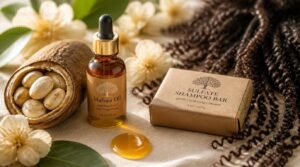
Congratulations, you’ve found the perfect recipe for dull, weighed-down low porosity hair: slather on mafura oil generously, skip clarifying, and repeat. Nobody actually wants that outcome, but it’s where many people land without a prevention plan.
Here’s how to stay ahead of it:
- Clarify every two to three weeks with a sulfate-based shampoo to cut through lipid buildup before residue compounds.
- Use warm oil application by heating mafura oil slightly; it thins viscosity and spreads more evenly, so less sits on the cuticle.
- Limit to a dime-sized amount on low porosity hair, where product buildup accumulates faster because the cuticle absorbs little.
Spacing out applications keeps moisture retention strong. More oil doesn’t mean better results; it feeds the buildup cycle.
Top 3 Mafura Oil Alternatives for Low Porosity Hair
Mafura oil isn’t your only option, and sometimes it’s not the right one for your hair. If buildup keeps winning or you can’t get your hands on it, you need backups that behave on tightly sealed cuticles. Here are three solid alternatives worth your shelf space.
1. Josie Maran Argan Oil Deluxe Sample
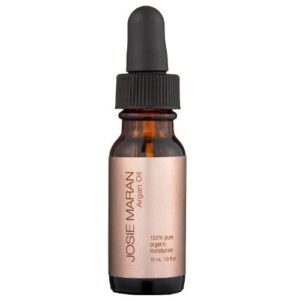
Here’s the deal: argan oil is one of the lightest heavyweight moisturizers you can put on low porosity hair. Josie Maran’s deluxe sample gives you certified organic, 100% pure argan oil in a trial size, so you’re not gambling on a full bottle.
The fatty acid profile (oleic and linoleic) plus vitamin E smooths the cuticle and adds shine without the waxy film heavier oils leave behind. Start with 1–2 drops on damp mid-lengths and ends, never the scalp.
Fair warning: it’s pricey per ounce, some users report mixed fragrance feedback, and a few find the sample stingy. But at 0.8 ounces, it’s a low-risk test before you commit.
| Best For | People with low porosity hair or normal, dry, and sensitive skin who want to try certified organic argan oil in a small, low-risk size before committing to a full bottle. |
|---|---|
| Organic Certified | Certified Organic |
| Ingredient Purity | 100% Pure Argan Oil |
| Hair Benefit | Smooths Cuticle, Adds Shine |
| Absorption | Lightweight, No Waxy Film |
| Skin Use | Moisturizes Skin |
| Bottle Size | 0.8 oz |
| Additional Features |
|
- Certified organic, 100% pure argan oil that’s lightweight and absorbs quickly
- Highly moisturizing without leaving a waxy film, adding shine to hair and skin
- Sample size lets you test the product before buying a full bottle
- Pricey per ounce compared to other argan oil brands
- Mixed customer feedback on fragrance, with some reporting an unscented formula
- Some customers find there’s very little product in the bottle
2. Cliganic Organic Jojoba Oil with Pump
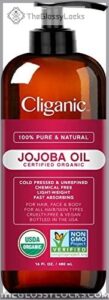
Here’s a bulk buy that actually earns its shelf space. Cliganic’s USDA-certified organic jojoba oil comes in a 16-ounce bottle, dropping the per-ounce cost dramatically compared to boutique sizes. Non-GMO verified, vegan, cruelty-free, and 100% single-ingredient, so you know exactly what’s touching your hair.
Why jojoba works for your low porosity strands: its wax ester structure mimics your scalp’s natural sebum, so it layers near the cuticle instead of sitting on top like a plastic raincoat. Translation, glide without grease.
Use the pump applicator for precise dosing: 1–2 pumps on damp mid-lengths and ends, two to three times weekly. Fair warning, the scent divides reviewers, ranging from nearly odorless to oddly earthy.
| Best For | People with low porosity hair who want an affordable, certified-organic oil for regular moisturizing of skin and hair. |
|---|---|
| Organic Certified | USDA Certified Organic |
| Ingredient Purity | 100% Pure Jojoba Oil |
| Hair Benefit | Reduces Frizz, Adds Glide |
| Absorption | No Greasy Residue |
| Skin Use | Moisturizes Skin |
| Bottle Size | 16 oz |
| Additional Features |
|
- USDA-certified organic, non-GMO, vegan, and 100% single-ingredient with no synthetic additives
- 16 oz bulk size offers significantly lower per-ounce cost than smaller boutique bottles
- Lightweight wax ester structure absorbs quickly without greasy residue, making it suitable for hair and skin
- Scent receives mixed feedback, ranging from nearly odorless to an odd, earthy smell
- Skin reactions vary, with some users reporting rashes while others experience no irritation
- Mixed customer feedback on scent and skin tolerance means it may not suit everyone
3. Cliganic Organic Baobab Oil For Skin
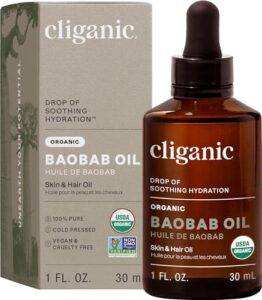
If jojoba felt like a splurge in bulk, this one’s the lightweight closer. Cliganic’s baobab oil is USDA-certified organic, 100% single-ingredient, non-GMO, vegan, cruelty-free, and third-party tested for purity. At 2.89 ounces, it’s a sample-size experiment, not a commitment.
Baobab’s unsaturated fatty acids form a thin hydrophobic film, boosting shine and cutting frizz, but low porosity hair holds residue, so use 3–4 drops max on damp ends. Wipe excess, clarify monthly, and expect fast absorption.
| Best For | People with dry skin or frizzy hair who want a lightweight, certified-organic oil to experiment with before committing to a full-size bottle. |
|---|---|
| Organic Certified | USDA Certified Organic |
| Ingredient Purity | 100% Pure Single-Ingredient |
| Hair Benefit | Hydrates, Reduces Frizz |
| Absorption | No Greasy Feel |
| Skin Use | Soothes Dry Skin |
| Bottle Size | 2.89 oz |
| Additional Features |
|
- USDA-certified organic, 100% single-ingredient, non-GMO, vegan, and cruelty-free
- Third-party tested for purity
- Absorbs quickly without a greasy feel while boosting shine and reducing frizz
- Packaging may vary, and some customers report damaged or unsealed bottles
- Low porosity hair can hold residue, requiring careful application and monthly clarifying
- Some users may need to wipe away excess after applying
Frequently Asked Questions (FAQs)
What is the best oil for low porosity hair?
Jojoba oil wins for low porosity hair. It mimics your scalp’s natural sebum, so it absorbs instead of sitting on top like heavier oils. Run a hair porosity test first, then rotate in lighter oils.
Which brand of oil is best for low porosity hair?
Which brand of oil is best? For low porosity hair, Cliganic Organic Jojoba Oil wins. It mimics sebum, absorbs fast, and won’t sit like a raincoat. Mafura oil works too, but choose reputable, unrefined suppliers.
Is mafura oil good for your hair?
Yes, if you use it right. Mafura oil works as a sealant and emollient, smoothing the cuticle and boosting moisture retention. But low porosity hair absorbs slowly, so apply it over damp hair, lightly.
What oils to avoid with low porosity hair?
What oils to avoid with low porosity hair? Skip coconut oil, shea butter, castor, and cocoa butter. These thick, waxy films slow your hair absorption rate, blocking moisture retention and forcing constant clarifying.
Can mafura oil cause buildup on hair?
Mafura oil can cause product buildup, especially on low porosity hair. Its thick fatty acids sit on tightly closed cuticles instead of absorbing, leaving a waxy film. Apply sparingly on damp hair, and clarify regularly.
How often should I apply mafura oil?
How often should I apply mafura oil? For low porosity hair, use 1-2 teaspoons two to three times weekly, sealing after a water-based leave-in. If strands feel coated or re-wet slowly, cut back frequency.
Does mafura oil work on color-treated hair?
Can one oil protect your color without dulling it? Mafura oil can, sealing cuticles to lock in moisture and shine. But do a strand test first, since dye residues may react. Apply 1–2 drops to ends only.
Whats the shelf life of mafura oil?
Expect 12 to 24 months from properly stored mafura oil. Keep it sealed in dark glass, away from heat and light; refrigeration buys extra months. Sour or stale smell? It’s rancid, discard it.
Can I use mafura oil on wet hair?
Yes, absolutely. Why apply oil to dry strands when damp hair drinks moisture faster? Towel-dry until damp, warm 1–2 drops of mafura oil between your palms, then smooth through mid-lengths and ends. It seals in hair hydration before water evaporates.
Can mafura oil cause scalp irritation?
Can mafura oil cause scalp irritation? Yes, in sensitive people. Pure mafura oil’s antiinflammatory properties lower risk, but added fragrance or essential oils trigger contact dermatitis. Patch test behind your ear for 48 hours first.
Conclusion
Here’s a number worth remembering: studies show low porosity hair can absorb up to 40% less moisture than high porosity strands in a single wash.
That gap is exactly why is mafura oil good for low porosity hair keeps coming up, and why the answer is yes, when you apply it to damp hair with gentle heat.
Your cuticles aren’t broken, just guarded. Work with them, seal water in, and your strands finally hold what you give them.