This site is supported by our readers. We may earn a commission, at no cost to you, if you purchase through links. This content is for general informational and educational purposes only and is not a substitute for professional medical, dermatological, or nutritional advice.
That fresh copper glow can turn brassy in two weeks, while your friend’s black dye still looks rich months later. It’s not luck. It’s chemistry.
If you’ve wondered what hair color fades the slowest, the answer comes down to pigment size, porosity, and how the dye bonds inside your hair. Dark shades pack denser molecules that sink deep into the cortex and stay put, while bright warm tones slip out fast.
Knowing this changes how you choose and care for your color. Here’s what lasts longest, what fades first, and how to stretch every shade.
Table Of Contents
- Key Takeaways
- What Hair Color Fades The Slowest?
- Why Do Black and Dark Brown Hair Dyes Last Longer?
- Which Hair Colors Fade The Fastest?
- How Long Do Different Hair Dye Types Last?
- How Can You Keep Hair Color From Fading?
- Frequently Asked Questions (FAQs)
- What hair color takes the longest to fade?
- What color fades the least in hair?
- Which hair color fades the fastest?
- What hair dye never fades?
- Does water temperature really affect color fading?
- Can sun exposure change my hair color?
- Why does red dye fade so quickly?
- Is chlorine safe for color-treated hair?
- How often should I touch up my roots?
- Conclusion
Key Takeaways
- Black and dark brown dyes fade the slowest because their small pigment molecules sink deep into the hair cortex, while bright reds and coppers fade fastest due to their tiny, easily washed-out molecules.
- Hair porosity and damage matter as much as shade: low-porosity hair locks color in well, while bleaching raises porosity and lets pigment escape faster.
- Permanent dye lasts the longest (root touch-ups every 4–6 weeks), demi-permanent fades over 4–6 weeks, and semi-permanent lasts just 4–12 washes.
- To stretch your color, wash 2–3 times a week with cool water and sulfate-free shampoo, use heat protectant, and add UV protection since sun and hot water oxidize dye molecules.
What Hair Color Fades The Slowest?
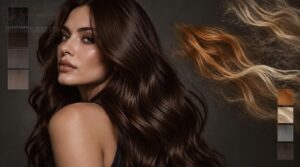
How long your hair color lasts comes down to the shade you choose more than most people realize. The hair color that fades the slowest is almost always dark brown or black, and these deep shades consistently outlast lighter and warmer options.
If you’re weighing your options, this guide to which hair colours fade the least breaks down exactly how each shade holds up over time.
Cool ash tones are another strong choice for hair dye longevity. Warmer shades tend to show brassiness quickly as they lift, making color fade more obvious. On a bleached or lightened base, pale ashy results can actually extend your color’s perceived life because there’s less contrast between the faded shade and your natural base.
For the longest-lasting hair color, dark pigments and cooler tones give you the best foundation, and smart aftercare keeps that color going even longer.
Why Do Black and Dark Brown Hair Dyes Last Longer?

Black and dark brown dyes aren’t just darker—they’re built differently at a molecular level. A few key factors explain why these shades hold longer than lighter colors do. Here’s what’s behind that staying power.
Pigment Size and Penetration
Most of your dark hair dye’s staying power comes down to pigment molecule size. Smaller color molecules push through the hair cuticle. They don’t stop at the surface; they settle deep inside the hair cortex.
Dark dye’s secret to staying power: small pigment molecules sink deep into the hair cortex, not just the surface
- Small pigments achieve deeper dye penetration depth
- Deep-set pigments resist fading through washes
- Large pigment molecules stay near the cuticle
- Surface-bound color fades out fast
Starting Color and Porosity
Your starting color matters more than you’d think. A rich, dark base gives pigment molecules less ground to cover, so fade stays nearly invisible for weeks after coloring.
This guide to choosing a beard dye that takes years off breaks down which shades hold their depth longest and how to stretch the time between touch-ups.
Hair porosity is the other half. Low-porosity hair has a tighter hair cuticle that locks dye in well. High-porosity hair grabs color fast but releases it just as quickly, shortening color retention.
Bleaching and Hair Damage
Bleaching is where things get more complicated. Bleach works by oxidizing melanin, and that oxidative stress on hair weakens the structure underneath. Each session chips away at hair cuticle integrity, leaving gaps that let pigment escape faster.
Bleach damage also raises porosity a lot. More porosity means shorter color life and a higher risk of hair breakage during any future processing.
Which Hair Colors Fade The Fastest?
Why do some colors disappear so quickly? Red pigments are the biggest culprits. Red dye molecules are smaller than blue or violet ones, so they wash right out of the hair shaft much faster. Lighter reds like copper and strawberry fade even quicker than deep burgundy shades.
The good news is that silk protein’s UV-filtering properties can cut color fade by half, since blocking those 280-340 nm rays keeps fragile red pigments from oxidizing.
Orange and warm tones aren’t far behind. They’re pure primary colors that break down fast under UV exposure, meaning oxidation of hair color kicks in hard. That process is exactly what turns a bright copper into brassy tones in just a few weeks.
So which hair color fades the fastest overall? Vivid reds and warm coppers win that race. Color fade hits them hard within weeks, especially without a solid care routine.
How Long Do Different Hair Dye Types Last?
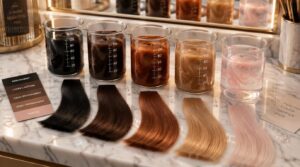
Not all dyes are created equal, and how long your color lasts depends largely on the type you choose. Each formula works differently inside the hair shaft, so the staying power can range from a few washes to permanently. Here’s what you can expect from each one.
Permanent Hair Dye
is your best bet if you want hair color that fades the slowest. It embeds pigment deep into the hair cortex, so it holds on far longer than lighter formulas. You’ll usually need a touch-up every 4-6 weeks for roots, not because the color has washed out.
Here’s what helps keep color preserved:
- Use a sulfate-free shampoo designed for color-treated hair.
- Rinse with cool water to slow pigment breakdown.
- Apply a heat protectant every time you style.
- Limit washing to 2-3 times weekly.
- Add a color-depositing gloss between salon visits.
Understanding basic hair dye chemistry helps you make smarter choices that keep your color lasting longer.
Demi-Permanent Hair Dye
Think of demipermanent dyes as a raincoat, not armor. They coat the hair without forcing pigment deep inside, so color fade happens gradually over 4 to 6 weeks.
Darker shades like espresso and burgundy last longest because hair dye chemistry favors larger pigment molecules.
For better color preservation, use sulfate-free shampoo, avoid heavy heat, and try hair cuticle sealing conditioners between appointments.
Semi-Permanent Hair Dye
Picture your hair wrapped in a sheer veil of color, one that glows for a few weeks, then quietly rinses away. That’s semipermanent hair dye. It coats the cuticle instead of penetrating deep, so the color fading process is gentle and predictable.
Expect it to last 4 to 12 washes, sometimes stretching toward eight weeks if you wash sparingly. Darker shades like black and deep brown hold on longer because their color molecules are denser and saturate the surface more thoroughly. Bright pinks and pastels leach out fastest.
To stretch your color, wash with cool water, use a sulfate-free shampoo, and limit washing to once or twice weekly. Plan touch-ups every 4 to 6 weeks, and your hair longevity and vibrancy stay on track without damage.
How Can You Keep Hair Color From Fading?

You can’t stop fading completely, but you can slow it down a lot. The biggest culprits are heat, sun, and harsh washing, so target those first. A good heat protectant spray for color treated hair shields your strands every time you blow-dry or style.
Here’s your quick game plan:
- Rinse with cool water to keep the cuticle closed.
- Switch to a colorsafe shampoo and wash every two to three days.
- Add UV protection for hair with leave-in sprays or hats outdoors.
- Prioritize hair moisture retention with weekly deep conditioners.
Dry hair loses dye faster because a parched cuticle lifts and leaks pigment. Consistent conditioning keeps moisture retention steady and keeps color locked in. A weekly deep conditioning mask for color treated hair gives parched strands the intense moisture boost regular conditioner can’t.
These hair color maintenance tips work together, not alone. Master them and you’ll stretch every salon visit, whether you wear black, dark brown, or something bolder.
Frequently Asked Questions (FAQs)
What hair color takes the longest to fade?
Like ink pressed deep into paper, black and dark brown hold their ground longest. These dark colors offer the best pigment stability, making them the longest-lasting hair color you can choose.
What color fades the least in hair?
Ever notice some shades seem to stick around forever? Black hair dye fades the least. Darker, pigment-rich colors resist washing and sun, making them your longest-lasting hair color choice.
Which hair color fades the fastest?
Here’s the theory: pale shades lack pigment density, so they lose tone quickly. It holds up. Bright fashion colors like pastels and vivid reds fade fastest, while lightened blondes show yellowing fast.
What hair dye never fades?
You might hope a truly permanent dye exists, but none does. All hair dye fades eventually. Permanent color lasts longest, 4 to 6 weeks visibly, then dulls gradually and needs root touch-ups.
Does water temperature really affect color fading?
Yes, it does. In salon tests, some dyes fade 15–30% faster in hot water versus cold. Hot water swells your cuticle, letting pigment molecules escape. Wash with tepid water to protect your moisture barrier.
Can sun exposure change my hair color?
Sunlight absolutely changes your color. UV rays oxidize melanin and break down dye molecules, so your hair color fades and shifts toward brassiness. Wear hats, use UV-protective products, and rinse after swimming.
Because hair is non-living tissue, the photobleaching of melanin can’t be reversed on existing strands and lasts until new growth appears.
Why does red dye fade so quickly?
Red hair dye fades fast because its pigment molecules are small, so they slip out of the cuticle easily. Red chromophores also break down under light and oxidation, and frequent washing speeds up color loss.
Is chlorine safe for color-treated hair?
Chlorine is like a slow leak in your boat, quietly draining color. It’s not safe for color-treated hair; it oxidizes pigment and opens the cuticle. Use color safe hair products, a sulfate free shampoo, and barrier sprays.
How often should I touch up my roots?
Funny how your color holds for months, yet hair root regrowth betrays you in weeks. Plan touchups every 4–6 weeks with permanent dye. Strong contrast means more frequent salon visits; matching undertones buys time.
Conclusion
Picture your hair as a sponge soaked with pigment. Big, dark molecules lodge deep and linger. Small, bright ones sit near the surface and rinse away. That’s the whole story behind what hair color fades the slowest: black and dark brown win, chemistry decides, and you can’t argue with molecule size.
But you can outsmart fading. Choose your shade wisely, wash less, use cool water, and guard against sun. Your color stays richer, longer.