This site is supported by our readers. We may earn a commission, at no cost to you, if you purchase through links. This content is for general informational and educational purposes only and is not a substitute for professional medical, dermatological, or nutritional advice.

Your scalp produces sebum, a natural oil, at a rate determined by genetics, hormones, and environment—and that rate varies wildly from person to person. What works for your friend with pin-straight hair might leave your curls stripped and brittle, while your coworker’s three-day rotation could have you looking like you haven’t showered in weeks.
The truth is, there’s no universal answer to how often you should wash your hair. Your scalp tells its own story through oil production, flaking, itchiness, and texture changes, and learning to read these signals separates healthy hair from a cycle of overcompensation and damage.
The right washing frequency balances cleansing with preservation of your scalp’s protective barrier.
Table Of Contents
- Key Takeaways
- How Often Should You Wash Your Hair?
- Hair Type and Washing Frequency
- Factors That Affect Hair Washing Frequency
- Lifestyle Factors Impacting Wash Schedule
- Scalp Health and Washing Frequency
- How to Extend Time Between Washes
- Choosing The Right Hair Washing Products
- Top 3 Shampoos for Different Washing Needs
- Hair Washing Mistakes to Avoid
- Creating Your Personalized Hair Washing Schedule
- Frequently Asked Questions (FAQs)
- Can I wash my hair every day if I have oily hair?
- How can I maintain the cleanliness of my hair and scalp in between washes?
- Is it safe to use dry shampoo regularly?
- What should I do if I notice excess oil just around my hairline?
- When should I see a dermatologist for scalp or hair issues?
- Can I train my hair to need less washing?
- Should I wash differently after swimming in chlorinated pools?
- Can certain medications change how often I wash hair?
- Conclusion
Key Takeaways
- Your scalp’s sebum production—driven by genetics, hormones, and environment—determines your ideal washing frequency, which typically falls between every 1-4 days depending on whether you have oily, dry, or balanced scalp conditions.
- Over-washing strips 20-40% of your scalp’s natural oils and triggers rebound sebum production, while under-washing allows buildup after 2-4 days, so watch for signs like persistent itchiness, greasiness, or flaking to adjust your routine.
- Hair texture dictates oil distribution speed: fine hair shows grease within 1-2 days and needs washing 2-3 times weekly, while thick, coarse, or curly hair thrives on 1-3 washes per week since sebum travels slower down the shaft.
- External factors like exercise frequency, climate humidity, pollution exposure, and water hardness all influence how quickly oil accumulates, meaning your washing schedule should flex with your lifestyle rather than follow rigid rules.
How Often Should You Wash Your Hair?
You’ve probably heard conflicting advice about hair washing—some experts say daily, others say weekly, and the truth is somewhere in between. The right frequency depends on your unique scalp chemistry, hair texture, and lifestyle factors that affect oil production.
Let’s start with the baseline guidelines most trichologists recommend, then look at the warning signs that tell you when to adjust your routine.
General Guidelines for Hair Washing Frequency
Here’s the truth: there’s no universal rule for hair washing frequency that works for everyone. Your ideal schedule depends on your scalp’s sebum production, hair texture, and lifestyle factors.
Most adults benefit from washing every 2–3 days, though that range can stretch from daily to every 3–4 days depending on your scalp condition. If you have an oily scalp, you’ll likely need more frequent cleansing. Drier scalps thrive with longer intervals between washes.
The goal isn’t following a rigid schedule—it’s finding what maintains your scalp health while keeping your hair looking its best.
Signs You’re Washing Too Often or Not Enough
Finding the right washing frequency isn’t guesswork—your scalp and hair send clear signals when something’s off.
Over-washing strips your scalp’s natural oils, reducing lipid levels by 20-40% in some individuals. This triggers increased sebum production as your scalp tries to compensate, creating a frustrating cycle. You’ll notice scalp irritation, redness, or persistent itchiness even after washing.
Over-washing strips 20-40% of your scalp’s natural oils, triggering a frustrating cycle where your skin overcompensates by producing even more sebum
Under-washing allows sebum buildup, usually visible after 2-4 days on naturally oily scalps. Signs include:
- Greasy roots with noticeable shine
- Dandruff-like flaking from microbial imbalance
- Scalp discomfort or heaviness
Both extremes disrupt your oil balance and scalp health. Pay attention—your hair’s telling you exactly what it needs.
Hair Type and Washing Frequency
Your hair’s texture determines how quickly oil travels from your scalp to your ends, and that affects how often you need to wash. Thicker, coarser strands trap less oil and stay cleaner longer, while fine hair shows grease within a day or two.
Here’s how to match your washing schedule to your specific hair type.
Fine or Thin Hair

Surprisingly, your fine hair texture doesn’t need daily washing—twice or three times weekly works best. Frequent cleansing triggers rapid oil rebound, flattening strands and robbing you of hair volume tips that actually work.
Choose gentle shampoos over harsh formulas, and add a clarifying treatment every week or two. This hair care routine protects scalp health while thin hair care focuses lightweight conditioner on mid-lengths, keeping roots fresh for daily styling without the grease.
Thick or Coarse Hair

Thick or coarse hair thrives on a lighter schedule—one to three washes weekly prevents moisture loss. Your coarse texture has lower hair porosity, so sebum doesn’t travel down shafts as quickly, keeping scalp health and hygiene in check without daily intervention.
- Pre-shampoo oil treatments reduce friction and protect strands during cleansing
- Focus shampoo only on your scalp, preserving moisture balance in lengths
- Rich conditioners support thick hair styling without weighing down coarse hair care
- Co-washing between shampoos maintains your hair care routine while locking in hydration
Curly or Coily Hair

Your curly or coily texture demands a completely different approach to hair washing frequency—every four to seven days protects curl definition and moisture balance. Coily texture has high hair porosity, so scalp health and hygiene require sulfate-free formulas that won’t strip your curly hair care routine.
Co-washing between shampoos preserves natural oils, while deep conditioning treatments every one to two weeks support hair type-specific needs.
Wavy Hair
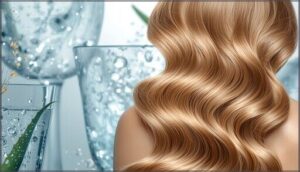
Your wavy hair care routine usually needs washing two to four times per week, depending on your scalp’s sebum production and hair texture.
After each wash, apply hydrating conditioner to maintain your wave pattern and moisture balance, then finish with a cool rinse for frizz control.
Lightweight leave-in products support curl enhancement without weighing down your hair type or compromising scalp health.
Straight Hair

Straight hair texture shows oiliness faster than other hair types, so you’ll usually need washing two to three times per week for ideal oil control and scalp health.
Balance your daily routine with these hair care tips:
- Focus shampoo on scalp only to prevent length over-drying
- Use lightweight conditioner on mid-lengths, avoiding roots
- Apply monthly clarifying treatments for styling product buildup
- Consider hair porosity when selecting straight styling products
Factors That Affect Hair Washing Frequency

Your hair type matters, but it’s not the only thing that shapes your washing schedule. Several biological, environmental, and lifestyle factors influence how quickly your scalp produces oil and how often you need to cleanse.
Let’s break down the key variables that determine your ideal washing frequency.
Scalp Oiliness and Sebum Production
Your scalp produces sebum—a natural oil blend of triglycerides, wax esters, and squalene—that shields against bacteria, locks in moisture, and maintains your scalp’s protective barrier. When sebaceous glands overproduce, you’ll notice greasy roots, clogged follicles, and even scalp conditions like seborrheic dermatitis.
Understanding your oil balance helps you tailor your hair washing frequency for ideal scalp health and hygiene. Maintaining a healthy scalp involves managing sebum production levels to prevent issues like clogged pores and hair loss.
| Sebum Level | Washing Frequency Guideline |
|---|---|
| High oil production | Every 1-2 days |
| Moderate sebum regulation | Every 2-4 days |
| Low scalp oil output | Once weekly or as needed |
Age and Hormonal Changes
Your hormone balance shifts throughout life, directly affecting your sebum glands and washing needs. During puberty changes, androgen impact ramps up oil production, often demanding daily cleansing for scalp health. As menopause effects and aging skin reduce sebaceous activity, you’ll notice drier strands and longer intervals between washes. Understanding these fluctuations puts you back in control of your hair hygiene and hair growth outcomes.
- Puberty’s androgen surge can turn your scalp into an oil factory overnight
- Pregnancy hormones may temporarily shift your entire hair cycle, altering perceived washing needs
- Menopause often grants the freedom of less frequent washing as glands slow down
- Hormonal contraception can dial sebum production up or down, changing your ideal hair washing frequency
Hair Length Considerations
Length maintenance becomes your secret weapon in controlling hair washing frequency and scalp health. Your longer strands trap sebum closer to the roots, so you can safely stretch wash days to every 2–3 days, preventing damage and product buildup.
Shorter cuts expose more scalp surface, accelerating visible oiliness and requiring tighter wash schedules.
Hair growth goals thrive when you master this balance through smart styling tips and consistent hair hygiene.
Activity Level and Exercise Habits
Your fitness hair regimen demands attention, because exercise-induced sweat triggers sebum release faster than you’d expect.
Athletes need customized hair care tips: post-workout rinses with cool water flush salt and oil without full shampooing.
Sweat reduction tips include scalp-only cleansing every 2–3 intense sessions, protecting hair health while honoring your body’s natural response.
Your hair washing frequency should flex with your training schedule, not fight it.
Climate and Humidity
While sweat matters, where you live reshapes your hair washing frequency just as dramatically. Humidity effects drive sebum production higher in muggy climates, forcing more frequent cleansing for scalp comfort. Climate control becomes essential because:
- Moisture levels expand hair strands, amplifying frizz
- Microbial growth accelerates, affecting odor between washes
- Pollution clings faster in humid air
- Dry environments allow longer intervals without visible oiliness
Your hair moisture needs shift with your zip code.
Lifestyle Factors Impacting Wash Schedule

Your hair doesn’t exist in a vacuum—it reacts to the world around you every single day. The air you breathe, the water you wash with, and even the season outside your window all influence how quickly your scalp produces oil and how often you need to cleanse.
Let’s break down the external factors that dictate your ideal washing rhythm.
Environmental Exposure and Pollution
Living in the city changes everything about your scalp health and hygiene. Air pollution, specifically particulate matter and environmental toxins, settles on your scalp daily, triggering increased oil production and potential scalp irritation.
Urban exposure accelerates hair damage and buildup, which means you’ll likely need more frequent washing to maintain proper scalp care and hair protection—your hair washing frequency should reflect your environment.
Seasonal Changes and Hair Needs
Your climate shifts throughout the year, and your scalp health shifts with it. Seasonal shedding peaks in spring and fall due to hormonal fluctuations, while winter’s dry air demands reduced washing to preserve moisture. Consider these climate adaptation strategies:
- Summer heat increases oiliness, prompting more frequent cleansing
- Cold months reduce scalp blood flow, affecting hair growth cycles
- Humidity effects alter sebum distribution, changing your hair washing frequency needs
Water Quality and Hard Water Effects
Your tap water’s mineral content matters more than you think. Hard water effects include calcium and magnesium deposits that roughen hair, reduce shine, and limit shampoo effectiveness—forcing you to wash more often.
Mineral buildup disrupts scalp pH balance and traps oils, creating false greasiness.
Water filtration or chelating shampoos containing disodium EDTA remove deposits, letting you extend time between washes while improving scalp health.
Scalp Health and Washing Frequency

Your scalp’s health dictates how often you should reach for that shampoo bottle, and ignoring its signals can lead to a frustrating cycle of overcompensation.
Specific scalp conditions—from excess oil production to inflammatory disorders—require customized washing frequencies that work with your biology, not against it.
Let’s break down the most common scalp concerns and how they should influence your wash schedule.
Managing Oily Scalp Conditions
Your scalp’s natural oil production, or sebum control, isn’t the enemy—it’s about finding the right balance. When your oily scalp feels out of control, regular cleansing becomes your most powerful tool for maintaining scalp health and oil balance.
Here’s what actually works for oily scalp care:
- Wash every one to two days with gentle cleansing formulas that won’t trigger rebound oiliness
- Target the scalp specifically during shampooing, leaving hair lengths alone to prevent overdrying
- Choose pH-balanced products with mild surfactants that remove excess sebum without stripping your scalp’s protective barrier
- Consider scalp exfoliation monthly to clear buildup and refresh oil glands
- Adjust your hair washing frequency based on environmental factors like humidity and physical activity
Over-washing can actually backfire, causing your scalp to produce more oil as compensation. That’s the trap many people fall into—stripping away natural oils signals your glands to work overtime. Instead, consistency matters more than frequency.
Your oily hair responds best when you establish a predictable routine. Temperature and hormones influence sebum production, so don’t be surprised if your needs shift seasonally or during hormonal changes. The goal isn’t to eliminate oil entirely—your scalp needs some sebum for protection—but to maintain a comfortable baseline that keeps greasiness at bay without causing irritation.
Watch how your scalp responds over two weeks, then adjust accordingly.
Dry Scalp and Moisture Retention
Your dry scalp actually loses moisture through transepidermal water loss, and over-washing accelerates this problem by stripping protective lipid barriers. That’s where moisture retention strategies matter most.
Hair hydration tips start with reducing your hair washing frequency to two or three times weekly, then adding scalp moisturizers containing humectants like glycerin or urea for scalp barrier repair and dry scalp treatment.
Dandruff and Seborrheic Dermatitis
You’re dealing with dandruff causes like Malassezia fungal infections when you notice persistent flaking and scalp inflammation. Seborrheic symptoms include greasy, yellowish scales that signal something more than simple dryness.
Your hair washing frequency becomes essential here—washing every one to three days with medicated shampoos containing ketoconazole or zinc pyrithione reduces hair flaking while controlling the condition over two to four weeks.
Psoriasis and Eczema Considerations
If you’re living with psoriasis or eczema, your scalp irritation likely worsens with daily washing—these skin and scalp conditions demand a gentler approach.
Wash two to three times weekly using fragrance-free medicated shampoos to prevent flare-ups while maintaining scalp health. Apply emollients post-wash for itch relief, and consider tar-based or corticosteroid treatments prescribed by your clinician to support hair wellness and manage sensitive skin effectively.
How to Extend Time Between Washes

You don’t need to wash your hair every day to keep it looking clean and healthy. With the right techniques, you can train your scalp to produce less oil over time, extend your wash intervals, and reduce unnecessary stress on your hair strands.
Here’s how to make it work for your routine.
Using Dry Shampoo Effectively
Between washes, dry shampoo absorbs sebum at your roots—but only when you use it right. Apply from 6–8 inches away, let it sit one to two minutes, then brush through to distribute evenly.
- Choose tinted formulas for dark hair to avoid chalky residue and visible white cast
- Limit use to 2–3 days maximum before a full cleansing to prevent product buildup
- Apply after workouts to quickly absorb sweat and oil at the scalp
- Follow with a clarifying wash every 1–2 weeks to maintain long-term scalp health
Proper Shampooing Technique for Scalp Only
When you shampoo, focus on your scalp—not your ends. Wet thoroughly, then massage a small amount into your roots with your fingertips, using gentle circular motions for 30–60 seconds. This scalp massage lifts buildup without aggressive scrubbing.
Rinse with lukewarm water until no residue remains, protecting your scalp from dryness. That targeted shampoo application keeps your hair washing frequency balanced and your scalp health intact.
Conditioning Correctly to Avoid Greasiness
After shampooing your scalp, apply conditioner to mid-lengths and ends only—never your roots. This simple shift protects your scalp balance and prevents that weighed-down, greasy look.
If you’ve recently had a keratin treatment, wait out that crucial 72-hour window before washing, then check this guide on how often to use keratin shampoo to keep your results looking smooth for longer.
- Choose lightweight formulas designed for your hair type to avoid product buildup
- Rinse thoroughly with cool water to remove residue that sabotages grease control
- Condition every wash or every other wash, depending on your hair’s moisture needs
That targeted conditioning approach keeps your hair washing frequency working for you, not against you.
Reducing Heat Styling and Product Use
Heat styling cranks up your hair’s porosity, inviting frizz and breakage that demand more frequent washing. By swapping your flat iron for air-drying and cutting back on styling products, you’ll preserve your scalp oil balance and dodge the buildup that forces extra cleansing.
That shift toward gentle hair care and heat styling alternatives directly aids your hair washing frequency goals while strengthening strand integrity.
Choosing The Right Hair Washing Products

The right shampoo can make or break your washing routine, no matter how perfect your schedule is. Your scalp has a natural pH between 4.5 and 5.5, and choosing products that work with this balance—not against it—determines whether your hair thrives or just survives.
Let’s break down the product types that actually matter for your specific needs.
Sulfate-Free and Gentle Shampoos
Your scalp deserves better than harsh detergents stripping away its natural defenses. Sulfate-free shampoos use mild surfactants that cleanse effectively without triggering irritation, making them ideal for sensitive skin and color-treated hair.
These gentle formulas maintain hair pH balance around 4.5-5.5, supporting scalp comfort while reducing how often you need to wash. The result? Healthier hair washing frequency and improved scalp health long-term.
Clarifying Shampoos for Buildup Removal
Every one to two weeks, you need a deeper cleanse to reset your scalp. Clarifying shampoos contain stronger surfactants like ammonium laureth sulfate to dissolve mineral deposits and product buildup that regular shampooing misses.
This scalp detox restores hair washing frequency effectiveness and improves scalp health. Follow with hydrating conditioner to prevent moisture loss.
Overusing these formulas strips protective oils, so treat clarifying as targeted hair maintenance, not daily routine.
Co-Washing for Curly Hair Types
Your curl definition depends on preserving natural oils, which sulfate shampoos strip away. Co-washing—cleansing with conditioner—maintains moisture balance for curly hair care, reducing frizz and breakage. This hair care tip adjusts your hair washing frequency to match your hair type’s porosity needs while protecting scalp health.
Co-wash benefits include enhanced elasticity and improved hair maintenance.
- Massage your scalp gently with fingertips
- Finger-comb product through lengths
- Rinse thoroughly to prevent buildup
- Follow with lightweight leave-in conditioner
- Clarify every few weeks to refresh curl pattern
PH-Balanced and Scalp-Specific Formulas
Your scalp pH sits naturally between 4.5 and 5.5, so choosing pH-balanced shampoos protects that delicate hair cuticle and regulates natural moisture.
Scalp-specific formulas with zinc or salicylic acid target oil regulation without stripping, which minimizes daily moisture loss.
This gentle cleanser approach improves scalp health across all hair types, reducing irritation while adjusting your hair washing frequency to match your scalp’s actual needs—not marketing claims.
Top 3 Shampoos for Different Washing Needs

The right shampoo matches your washing frequency and scalp needs, not just your hair type. Your choice should address whether you’re managing buildup, dryness, or specific scalp conditions like dandruff.
Here are three dermatologist-recommended formulas that cover the most common washing scenarios.
1. K18 Detox Clarifying Shampoo
When buildup robs your hair of life, K18 Detox Clarifying Shampoo offers a reset. This gentle, sulfate-free formula removes 99% of product buildup, 95% of sebum, and 76% of copper without stripping color.
Use it once or twice weekly as your detox method to prep for treatments and restore hair health. Follow with conditioner, because clarifying benefits work best when moisture balance follows.
- Removes up to 99% of buildup without stripping color, making it safe for color-treated hair
- Contains K18PEPTIDE to help maintain hair integrity while deeply cleansing
- Preps hair perfectly for treatments and maximizes the effectiveness of follow-up products
- Not meant for daily use—overuse can lead to dryness
- Requires a good conditioner afterward to restore moisture balance
- May cause temporary color fade if used too soon after dyeing
2. Amika Hydro Rush Moisture Shampoo
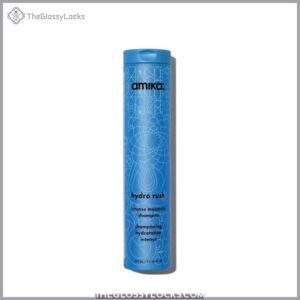
When dry scalp steals your moisture, Amika Hydro Rush Moisture Shampoo delivers sulfate-free, gentle cleansing that locks in hydration for 72 hours.
This liquid formula boosts hair hydration three-fold with hyaluronic acid, supporting moisture retention without heavy buildup.
Use it every two to four days for dry or dehydrated hair, adjusting your hair washing frequency based on scalp health and how your strands respond.
- Boosts hydration for up to 72 hours with hyaluronic acid, making hair 3x more moisturized
- Sulfate-free formula cleanses gently without stripping natural oils or causing scalp dryness
- Works well for chemically treated or color-treated hair that needs moisture restoration
- Some users report it leaves hair feeling greasy or weighed down, especially on low-porosity hair
- Small bottle size (10.88 oz) paired with a high price point may not justify the cost for many customers
- Not ideal for all hair types—results vary depending on individual scalp condition and porosity
3. Jupiter Dandruff Shampoo
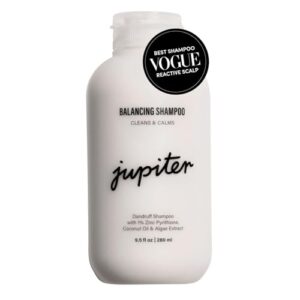
When dandruff causes constant flaking and itching, Jupiter Dandruff Shampoo delivers 1% zinc pyrithione to target fungal infections and regulate sebum at the root.
This scalp treatment combines squalane and aloe vera with proven shampoo ingredients, reducing desquamation within two to four weeks of regular shampooing.
Use it two to three times weekly, adjusting your hair washing frequency based on symptom resolution and scalp health response.
- Combines 1% zinc pyrithione with hydrating ingredients like squalane and aloe vera, so it treats dandruff without leaving your scalp feeling stripped or dry.
- Works across different hair types and is vegan, cruelty-free, and color-safe, making it a solid choice if you have dyed hair or specific product preferences.
- Most people see real improvement in flaking and itching within 2-4 weeks when used 2-3 times per week.
- At $29.99, it’s pricier than drugstore dandruff shampoos, which might be a dealbreaker if you’re on a tight budget.
- The scent is pretty subtle—some people love that, but if you prefer a stronger fragrance, you might find it underwhelming.
- A few users mention the bottle quality could be better, and it may not work for everyone with extreme scalp sensitivity or specific allergies.
Hair Washing Mistakes to Avoid

Even with the right washing schedule, you can still damage your scalp and hair if your technique is off. Small mistakes—like water temperature, product placement, or skipping certain steps—can quietly undermine your hair’s health over time.
Here are the most common missteps to watch out for and correct.
Over-Washing and Stripping Natural Oils
Shampooing too often strips sebum, your scalp’s natural moisture barrier, which paradoxically triggers compensatory oil production and shortens intervals between washes.
This cycle disrupts oil balance, increases transepidermal water loss, and compromises hair porosity. You’ll notice increased dryness, irritation, or limp strands.
Gentle cleansing with sulfate-free formulas protects scalp health while maintaining natural moisture, so adjust your hair washing frequency based on these signs.
For 2C waves especially, understanding how 2C hair’s lifted cuticles affect moisture retention can help you fine-tune your washing routine before frizz sets in.
Using Hot Water and Heat Damage
Water temperature matters more than you think. Hot water above 104°F strips natural oils, increases hair porosity, and opens the cuticle, leaving strands vulnerable to heat damage. When you add thermal styling tools above 356°F, you’re doubling down on cuticle protection failure.
Use lukewarm water for washing, limit heat styling to twice weekly, and always apply a protectant—your hair washing frequency won’t fix damage from excessive heat.
Applying Conditioner to The Scalp
Just because conditioner works wonders on your strands doesn’t mean your scalp needs it. Standard conditioner formulas are designed to moisturize hair, not follicles, and slathering them on your roots leads to buildup that clogs hair follicles and throws off your scalp health.
- Skip conditioner application on your first two inches near the scalp
- Choose lightweight, scalp-specific conditioner formulas if you need root moisture
- Rinse thoroughly to prevent residue accumulation affecting hair washing frequency
- Consider scalp treatments instead of regular conditioner for targeted scalp care
Skipping Clarifying Treatments
While avoiding conditioner on your scalp is wise, neglecting clarifying treatments altogether creates another problem. Product residue, minerals, and environmental pollutants accumulate over weeks, dulling your hair and irritating your scalp. You need a clarifying shampoo 1–2 times monthly to reset your hair care routine, prevent buildup, and maintain ideal scalp health without stripping natural oils.
| Buildup Type | Clarifying Frequency |
|---|---|
| Light styling products | Every 4–6 weeks |
| Heavy serums/oils | Every 2–3 weeks |
| Hard water minerals | Every 3–4 weeks |
| Chlorine exposure | After each swim |
| Daily product use | Every 2 weeks |
Creating Your Personalized Hair Washing Schedule

You’ve learned what works for different hair types, what throws your scalp off balance, and how to avoid common washing mistakes.
Now it’s time to take all that knowledge and build a routine that actually fits your life. Here’s how to create a washing schedule that keeps your scalp healthy without making you second-guess every shower.
Evaluating Your Hair and Scalp Needs
Your scalp tells you what it needs—you just have to listen. Start with a scalp analysis: observe oil production at your roots within 24 hours, note any itching or flaking, and assess your hair texture.
Once you know your scalp type, this guide on how often to wash dreads can help you build a washing routine that keeps buildup in check without stripping your locs dry.
These signals guide your wash frequency and shampoo schedule. Your hair type and scalp health determine the ideal hair care routine, not arbitrary rules.
Adjusting Frequency Based on Results
Generally, you’ll reassess your wash intervals every 1 to 2 weeks during shifts in oil production or styling products. If your scalp feels tight or your hair texture becomes brittle within 2 weeks, you’re over-washing—push your shampoo schedule back a day.
Notice persistent itch or visible sebum after 3 days? Increase frequency. Most people find scalp health stabilizes with 2 to 4 days between washes.
When to Consult a Professional
Sometimes you’ll need a medical referral—it’s a smart move when at-home tweaks to your hair washing frequency and scalp health don’t resolve persistent issues. Book a dermatologist or trichologist if you notice:
- Severe scalp symptoms (burning, swelling) lasting beyond 4 weeks
- Hair loss exceeding 100–150 strands daily
- Patchy baldness or sudden texture changes
- Visible infections with oozing or spreading redness
- No improvement after 8–12 weeks of adjusted hair care routine
Frequently Asked Questions (FAQs)
Can I wash my hair every day if I have oily hair?
Less is more, unless your scalp disagrees. Yes, you can wash oily hair daily using gentle, sulfate-free shampoos that control oil without stripping your scalp’s natural barrier, maintaining scalp balance through smart daily washing habits.
How can I maintain the cleanliness of my hair and scalp in between washes?
You can use dry shampoo to absorb oil between washes, focus scalp massages to redistribute sebum, and apply hair serums only to ends.
Scalp refreshers and oil absorbers keep your hair looking clean longer.
Is it safe to use dry shampoo regularly?
Dry shampoo won’t rain on your parade when used correctly. It’s safe between regular cleanses, absorbing oil without harming hair.
Just avoid prolonged buildup—pair it with routine shampooing to prevent scalp irritation and maintain a healthy hair care routine.
What should I do if I notice excess oil just around my hairline?
Target your hairline oil control with a gentle cleanser and fingertip scalp massage during each wash.
Between shampoo sessions, blot excess sebum with blotting paper or apply oil-absorbing dry shampoo directly to the hairline.
When should I see a dermatologist for scalp or hair issues?
Sometimes your scalp tells you it needs expert attention. Persistent itching beyond four weeks, sudden hair loss exceeding 100 strands daily, or painful scalp lesions warrant a dermatologist consult for proper medical diagnosis and targeted treatment.
Can I train my hair to need less washing?
Yes, your scalp can adapt to less frequent washing over four to six weeks. Gradually extend intervals using dry shampoo between washes, and expect temporary oiliness as your scalp adjusts oil regulation naturally.
Should I wash differently after swimming in chlorinated pools?
Think of chlorine like a thief stealing your hair’s natural moisture. Rinse immediately post-swim, use a clarifying shampoo, and follow with deep conditioning to restore hydration and prevent dryness, frizz, and damage.
Can certain medications change how often I wash hair?
Hormonal medications, retinoids, and anticholinergic drugs can alter sebum production and scalp sensitivity, shifting your shampoo schedule.
Monitor oil regulation changes, adjust your hair care routine accordingly, and consult your prescriber if scalp sensitivity worsens unexpectedly.
Conclusion
The irony? Obsessing over how often you should wash your hair keeps you from noticing what your scalp’s already telling you. Your follicles don’t run on a schedule—they respond to oil levels, friction, product buildup, and a dozen other signals that shift daily.
Stop chasing universal rules. Start tracking your scalp’s feedback: itchiness, grease patterns, flaking, texture. That biological data matters more than any generalized timeline ever will.
Your washing frequency is whatever keeps your scalp balanced, comfortable, and functioning optimally.