This site is supported by our readers. We may earn a commission, at no cost to you, if you purchase through links. This content is for general informational and educational purposes only and is not a substitute for professional medical, dermatological, or nutritional advice.

You’ve got a box of L’Oréal Hair Color Remover in one hand and a bottle of bleach in your mind, and you’re wondering if they’re the same thing. They’re not, but the difference matters more than the label suggests.
So, is L’Oréal Hair Color Remover bleach? It uses persulfates to break down artificial dye, while bleach attacks your natural melanin. That’s why bleach can strip over 30% of your hair’s protein, and the remover stays under 15%.
Still, your hair can end up orange, dry, or stressed if you misuse it. Here’s what the formula actually does and how to protect your strands.
Table Of Contents
- Key Takeaways
- Is L’Oréal Hair Color Remover Bleach?
- How Does L’Oréal Hair Color Remover Work, and Which Ingredients Matter?
- How Does L’Oréal Hair Color Remover Compare With Color Oops?
- What Results Can You Expect From L’Oréal Hair Color Remover?
- L’Oréal Hair Color Remover: Damage Risks and Safe Use
- Frequently Asked Questions (FAQs)
- Conclusion
Key Takeaways
- L’Oréal Hair Color Remover isn’t bleach, because it uses persulfates to break down artificial dye molecules instead of lifting your natural pigment like bleach does.
- You’ll lose far less protein with the remover (under 15%) than with bleach (over 30%), but "gentler" still isn’t risk-free, so you should strand test and patch test before you start.
- Expect warm orange, yellow, or red undertones rather than your natural shade, since the remover only clears artificial dye and won’t make your hair lighter than it already was.
- You’ll protect your strands by shampooing three times, using a deep conditioning mask, and waiting about 48 hours before you recolor, especially if your hair feels porous.
Is L’Oréal Hair Color Remover Bleach?
Short answer: no, L’Oréal Hair Color Remover isn’t bleach, but it’s also important to remember that that the word "bleach" means different things.
Colour remover only shrinks artificial dye molecules, while bleach lifts your natural pigment too, and this colour remover vs bleach breakdown explains which one suits your hair goals.
Before you decide how safe it’s for your hair, you’ll want to understand two points below.
Let’s look at hair bleach versus household bleach first, then at why the exact formula matters.
Hair Bleach Vs. Household Bleach
The word "bleach" means two very different things. Hair bleach uses hydrogen peroxide and persulfates as oxidizing agents, and its oxidation process lifts pigment from keratin fibers. Household bleach is sodium hypochlorite, made for disinfecting surfaces.
It’s also important to remember that household bleach never belongs on your head. Household bleaches are far more toxic and corrosive than hair bleach, which is why hair bleach safety precautions matter even with products made for hair. For hair damage prevention, stick only to products formulated specifically for hair.
Why The Exact Formula Matters
So where does Colorist Secrets fit? It’s a different product with a different formula, and that matters for your hair health safety.
If you’re weighing how any dye might affect your strands over time, this guide to whether hair dye can cause hair loss explains which ingredients and habits deserve the most caution.
It uses persulfates as oxidizing agents, paired with ammonium chloride, for dye molecule breakdown. It doesn’t lift your natural pigment much. EDTA keeps water minerals from interfering, so results stay consistent. There’s no ammonia either, which means gentler hair shaft penetration.
How Does L’Oréal Hair Color Remover Work, and Which Ingredients Matter?
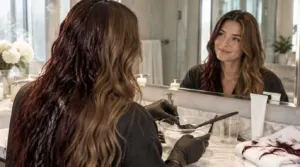
Now that you know it isn’t bleach, let’s look at what it actually does. L’Oréal Hair Color Remover uses oxidizing agents, mainly sodium and potassium persulfates, to target artificial dye. This causes dye molecule breakdown, so the color rinses out instead of being lightened.
You should know that you mix the powder with a hair color remover developer, which helps activate the formula. Hydrogen peroxide may also support the reaction, depending on the kit. Alkaline helpers open the cuticle, so color lifting happens more evenly.
Here’s what that can mean for you:
- You can finally stop hiding that dark, patchy dye job.
- You can feel confident again when you look in the mirror.
- You can take back control today.
How Does L’Oréal Hair Color Remover Compare With Color Oops?
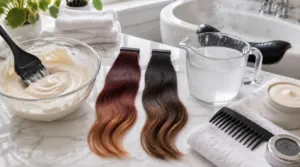
Since Loreal Hair Color Remover works through oxidation, it helps to see how Color Oops controls the same job. Color Oops uses a reducing agent, sodium hydrosulfite, instead of persulfates. It’s also important to remember that that both products only target artificial dye, so neither one restores your natural color.
Because Color Oops can still dry out your hair and weaken its bonds, it pays to read how Color Oops affects hair health and how to limit the damage before you start.
Here’s how the dye removal process feels in real life:
- Loreal Hair Color Remover is a creamy mix, sometimes paired with hydrogen peroxide, applied to dry hair for up to 20 minutes.
- Color Oops is watery, goes onto saturated hair, and demands a 20 to 25 minute rinse.
- Skip that long rinse, and your color can re-darken.
- Color Oops also needs deep conditioning right away, then a 24 to 48 hour wait.
What Results Can You Expect From L’Oréal Hair Color Remover?
You’ll notice the biggest shift with black and vivid red dyes, though they may need more than one round of hair color removal. Semi-permanent shades usually fade faster and more completely than permanent ones.
It’s notable that this isn’t a return to your natural shade. Hair pigment breakdown only clears the artificial color, so you’ll likely see warm orange, yellow, or red undertones. That’s normal.
Color remover erases only the artificial dye, so expect warm orange, yellow, or red undertones instead of your natural shade
Your hair won’t get lighter than it already was, since oxidation reversal removes deposited dye rather than lifting more. Bleached hair has little color to remove, so expect almost no change.
Plan on toning before recoloring if warmth shows up. It’s key to hair color correction and hair strand protection, giving cleaner results.
L’Oréal Hair Color Remover: Damage Risks and Safe Use

L’Oréal Hair Color Remover is gentler than bleach, but it’s notable that "gentler" doesn’t mean risk-free. Your hair can still end up dry or stressed if you skip the basics. Here are the three things to know so you can protect your strands before, during, and after you use it.
Damage Compared With Hair Bleach
Think bleach and color remover do the same job? They don’t.
Bleach destroys pigment, so bleaching effects hit your hair shaft integrity hard. Protein loss can top 30%. Color remover stays under 15%, since it targets only artificial dye, not natural melanin.
It’s also important to remember that that oxidation reversal stresses hair. Practice hair porosity management, and you’ll limit hair damage.
Strand Testing and Application Precautions
Say you box-dyed your hair black last spring and now want it softer. Before you touch the rest, run a strand test on a hidden section near your nape. Follow the box’s timing exactly, rinse, and let it dry. Check for gummy texture or breakage. Skip the scalp, too.
A patch test on your skin is separate, so do both.
Conditioning and Timing Before Recoloring
Maya removes her tint at noon, then feels her ends turn straw-like. Conditioning and Timing Before Recoloring decides what happens next. Here’s your checklist:
- Shampoo three times, then condition.
- Check for hair dryness.
- Apply a deep conditioning hair mask.
- Prioritize moisture retention in hair.
- Wait 48 hours if strands feel porous.
That’s smart hair care after chemical processing, every time.
Frequently Asked Questions (FAQs)
Is there bleach in L’Oreal hair color remover?
Two persulfate salts drive LOréal hair color remover. It has no household bleach, but pigment oxidation gives mild bleaching effects, especially when mixed with hydrogen peroxide.
Unlike reducing agents in Color Oops, it dissolves dye.
Is hair color remover the same as bleach?
Picture two jars: one lifts your pigment, the other strips only dye. Hair color remover isn’t bleach. Bleach is an oxidizing agent lightening natural melanin, while reducing agents offer a much gentler color stripping alternative.
Does hair color remover contain bleach?
Not exactly. Most color removers contain no hydrogen peroxide in the hair color remover powder. Persulfate versions work as oxidizing agents, while Color Oops uses reducing agents. Add developer, though, and it acts like bleach.
Can I use hair color remover on natural hair?
A client once asked me why her roots stayed put after remover. Simple: natural hair has no artificial dye to lift. Hair color remover only targets dyed strands, so apply it just there, and strand test first.
How long should the remover stay on my hair?
Lifting 1-2 levels takes about 20 minutes. Run a strand test, watch your hair color remover closely, and never exceed an hour. Bleaching effects can overprocess, so prioritize cuticle layer protection and posttreatment hair care.
Can I dye my hair black after using remover?
One client rushed to black dye an hour after rinsing, and it grabbed beautifully. Yes, you can dye it black the same day once it’s rinsed and conditioned, but waiting 24 hours helps cuticles recover.
Does hair color remover work on box dye?
Yes, it works on box dye, though you won’t get your virgin shade back. L’Oréal Hair Color Remover shrinks permanent dyes so they rinse out, but stubborn buildup may need a second round.
Conclusion
Worried that "not bleach" means "not risky"? Fair concern. Persulfates still stress your hair, so test a small strand first.
So, is L’Oréal Hair Color Remover bleach? No. It lifts artificial dye and leaves your natural pigment mostly alone, which makes it the kinder reset. Rinse thoroughly, condition deeply, and wait 48 hours before recoloring. Do that, and you’ll keep your hair healthy while you fix the shade, instead of trading one problem for another.