This site is supported by our readers. We may earn a commission, at no cost to you, if you purchase through links. This content is for general informational and educational purposes only and is not a substitute for professional medical, dermatological, or nutritional advice.
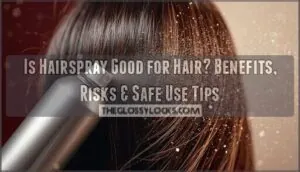
Your hair holds its shape for hours after a few quick sprays, but that stiffness comes with a trade-off. Hairspray locks styles in place using polymers and alcohol, ingredients that can strip moisture from your strands over time.
The question isn’t whether hairspray works—it does—but whether it’s helping or harming your specific hair type. Fine hair flattens under heavy formulas, curly textures turn brittle without conditioning agents, and color-treated locks fade faster with high-alcohol sprays.
Understanding what’s actually in that aerosol can and how it interacts with your hair helps you style with confidence instead of risking long-term damage.
Table Of Contents
- Key Takeaways
- Is Hairspray Good for Hair?
- How Hairspray Works on Hair
- Common Side Effects of Hairspray
- Tips for Safe Hairspray Use
- Maintaining Healthy Hair With Hairspray
- Frequently Asked Questions (FAQs)
- Can hairspray cause hair loss?
- Is there a specific hairspray that is safe for color-treated hair?
- Can hairspray be used on all hair types?
- How often should I wash my hair if I use hairspray regularly?
- Are there any natural alternatives to hairspray that provide similar hold?
- Can hairspray cause permanent hair loss over time?
- Is hairspray safe to use during pregnancy?
- Does hairspray expire or lose its effectiveness?
- Can hairspray trigger allergies or respiratory problems?
- Does hairspray protect hair from sun damage?
- Conclusion
Key Takeaways
- Hairspray works through polymers and alcohol that create flexible films around your strands, but those same ingredients strip moisture over time and can lead to dryness, breakage, and buildup if you’re not careful with how often you use it.
- Your hair type determines which formula you need—fine hair flattens under heavy sprays, curly textures need conditioning agents to avoid brittleness, and color-treated locks require low-alcohol options to prevent fading and excessive damage.
- Safe hairspray use comes down to three habits: spray from 6-12 inches away in light layers, wash thoroughly every 2-3 days to remove residue, and give your hair a few spray-free days each week to restore moisture and prevent buildup.
- You can maintain healthy hair while using hairspray by choosing the right formula for your texture, following up with leave-in conditioners or amino acid treatments to replace lost moisture, and rotating in alternatives like styling creams or texturizing sprays when you don’t need maximum hold.
Is Hairspray Good for Hair?
Hairspray isn’t inherently good or bad for your hair—it depends on how you use it. Like most styling products, it offers real benefits when applied correctly, but it can cause damage if you overdo it or skip proper hair care.
Let’s break down what hairspray actually does for your hair, the risks you should know about, and how different hair types respond to it.
Before reaching for that bottle as a quick fix, it’s worth understanding why hairspray won’t actually eliminate a lice infestation, since relying on it could delay proper treatment.
Benefits of Hairspray for Styling
Hairspray gives you the style hold you need to keep your look intact all day. It works by creating flexible films around each strand, locking your hair texture in place without the stiffness. Here’s what makes this styling product a go-to for hair care:
- Quick drying formulas speed up your morning routine
- Different hold levels match any hairstyle you create
- Color protection options keep treated hair vibrant longer
- Frizz control smooths flyaways for polished results
Potential Drawbacks and Risks
While hairspray delivers hold, it comes with trade-offs you should know about. Alcohol-based formulas can strip moisture from your strands, leading to hair breakage and dullness over time.
Product buildup on your scalp may trigger irritation or flaking, especially if you’re dealing with chemical sensitivity.
Some sprays release volatile compounds that cause respiratory issues in poorly ventilated spaces, so hairspray safety matters beyond just hair damage.
Impact on Different Hair Types
Your hair texture determines how hairspray performs on your strands. Fine hair is prone to getting weighed down easily, while curly styles need flexible formulas that won’t crush natural bounce. Understanding your hair porosity helps you pick products that won’t compromise hair health. To better organize hair care information, consider exploring main topic branches for more specific advice.
Here’s how hairspray affects different hair types:
- Straight and fine hair holds styles well but risks flattening, especially with heavy formulas
- Thick or coarse strands need stronger polymers to maintain shape in humidity
- Curly hair requires conditioning agents alongside hold to prevent frizz and preserve definition
- Color-treated locks demand low-alcohol options to prevent excessive dryness and damage control issues
- Chemically processed textures show increased vulnerability to brittleness from alcohol-rich sprays
How Hairspray Works on Hair

Hairspray isn’t magic—it’s chemistry at work. When you spray it on, a blend of polymers, solvents, and alcohol creates a light film that keeps your style locked in place.
Here’s what’s really happening to your hair when you reach for that can.
Key Ingredients and Their Effects
Understanding what’s inside your styling product matters for hair health. Most hairsprays rely on film-forming polymers like PVP and resin types such as acrylates, which lock your style in place without heavy buildup. Solvents, often alcohol-based, evaporate quickly but can affect moisture balance.
Humectants like glycerin help retain hydration and fight static, though their impact on long-term scalp health stays minimal. To maintain clarity in scientific explanations, such as those about hair care, it’s vital to use proper science writing guides.
How Polymers Hold Hair in Place
The magic happens when polymers dry and form tiny bridges, or “spot welds,” between neighboring hair strands. These invisible links lock fibers together at contact points, creating a lightweight network that resists movement.
Hairspray polymers form tiny bridges between strands, creating an invisible network that locks your style in place
Think of it like a delicate web that keeps your style intact without weighing you down—all thanks to polymer film formation and strategic hair fiber adhesion.
Alcohol Content and Hair Health
Most hairsprays pack up to 50% alcohol—ethanol or isopropanol—that evaporates fast but strips moisture from your hair shaft along the way. That drying effect can make strands brittle over time, especially with daily use.
The good news? Many brands now blend conditioning polymers with their alcohol base to lock in shine and counteract immediate dryness, protecting your scalp and overall hair health.
Common Side Effects of Hairspray

Hairspray isn’t always gentle on your hair, especially when you use it regularly. The ingredients that give you hold can also cause some unwanted effects, from dry strands to an uncomfortable scalp.
Let’s look at the most common side effects you might experience.
Dryness, Breakage, and Dullness
When you overuse styling spray, you’re asking for trouble. That polymer film traps moisture loss and makes strands brittle, especially if you’re reaching for alcohol-based formulas. Here’s what happens:
- Hair moisture drops as the film blocks natural hydration, leaving your locks parched and prone to hair damage.
- Breakage increases when rigid coatings create friction during combing, weakening each strand.
- Dullness settles in as buildup obscures your hair’s natural shine, making hair health suffer.
Scalp Irritation and Buildup
Your scalp isn’t designed to handle heavy product buildup. When hairspray settles near the roots, it can trigger scalp irritation, itching, or flaking—especially if you’re prone to scalp sensitivity.
That sticky residue mixes with natural oils, creating a layer that clogs follicles and compromises hair health.
Look for gentle formulas with less alcohol, and prioritize buildup removal through regular clarifying washes for effective residue prevention.
Effects of Daily and Excessive Use
Using hairspray every single day puts your hair through repeated drying cycles that add up fast. Excessive use leads to compounding damage that’s hard to reverse, especially if you’re skipping proper cleansing between applications.
Daily risks include:
- Hair damage from alcohol stripping moisture with each spray
- Product buildup weighing down strands and blocking natural oils
- Hair breakage at stress points where residue accumulates
- Loss of elasticity making hair feel brittle and lifeless
Prioritize hair damage prevention through mindful hairspray usage and styling product safety practices for better hair health maintenance.
Tips for Safe Hairspray Use
You don’t have to give up hairspray to keep your hair healthy. A few simple adjustments in how you use it can make all the difference.
Here’s what you need to know to protect your hair while still getting the hold you want.
Proper Application Techniques
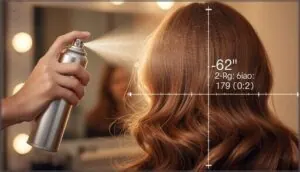
Think of hairspray like painting—light coats beat one heavy layer every time. Hold the can 6 to 12 inches from your head, spraying in quick, even bursts. Let each layer dry for 10 to 20 seconds before adding more. Focus on styled areas rather than your entire head to avoid buildup and keep movement natural.
| Technique | How To Do It | Why It Matters |
|---|---|---|
| Spray Distance | Hold 6-12 inches away | Prevents sticky buildup and stiffness |
| Layering Techniques | Apply light coats, pause between | Creates flexible hold with movement |
| Targeted Application | Focus on styled sections only | Reduces residue and tangling |
Choosing The Right Hairspray for Your Hair
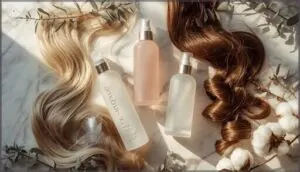
Once you know how to apply it, picking the right hairspray for your hair type makes all the difference. Fine hair needs lightweight formulas with flexible hold—look for levels 2 to 3—while thick or coarse hair can handle stronger hold sprays, around 6 to 10.
Check the ingredient review: avoid high alcohol content if your hair’s already dry, and choose conditioning polymers to protect your strands.
How Often to Use Hairspray

Beyond picking the right formula, hairspray frequency matters for damage control. Using it daily is fine if you’re washing regularly, but skipping breaks can lead to buildup and brittleness.
Aim for every other day when possible, rotate with lighter styling products, and give your hair two or three spray-free days each week to restore moisture and maintain hair health.
Maintaining Healthy Hair With Hairspray

You can still use hairspray and keep your hair healthy, but it takes a little effort. The key is removing buildup, replacing lost moisture, and knowing when to switch things up.
Here’s what you need to focus on to keep your hair looking and feeling its best.
Washing and Removing Residue
Washing away hairspray doesn’t have to be complicated—your regular shampoo routine does most of the heavy lifting. Lather up with a gentle shampoo for about a minute, focusing on your scalp where buildup loves to hide. Warm water helps break down those stubborn polymers, and rinsing for at least 60 seconds ensures complete residue removal.
For deeper scalp cleansing and polymer breakdown, add a clarifying treatment once a week to keep your hair fresh and your hair care game strong.
Moisturizing and Repairing Hair
After you’ve washed away the residue, your hair needs serious moisture balance to bounce back. Hairspray’s alcohol content strips hydration, so rebuilding hair elasticity and supporting repair mechanisms is key to damage prevention.
Here’s your hair care recovery plan:
- Apply a leave-in conditioner with panthenol to boost hair health and improve tensile strength by up to 20%.
- Use amino acid treatments weekly to replenish keratin-like proteins within damaged strands.
- Seal moisture with lightweight oils to reduce water loss and maintain hair hydration for better hair growth.
Alternatives to Hairspray for Styling
You don’t need to rely on hairspray alone. Styling creams and lightweight gels offer flexible hold without the stiffness, while hair wax delivers targeted control where you need it.
Texturizing sprays and sea salt spray create natural movement, and texturizing powder adds lift at the roots. Even dry shampoo doubles as a volumizer.
These styling products work with your hair, not against it.
Frequently Asked Questions (FAQs)
Can hairspray cause hair loss?
Hairspray won’t trigger permanent hair loss, but heavy use can lead to scalp buildup and dryness.
If buildup is a concern, choosing one of the best hairsprays for women with lightweight, flake-free formulas can keep your style locked in without weighing your scalp down.
These styling risks increase hair breakage and shedding, affecting scalp health without damaging hair follicles themselves.
Is there a specific hairspray that is safe for color-treated hair?
Yes, look for sulfate-free color safe sprays with gentle hold formulas. Color protect hairsprays paired with hair serum help maintain vibrancy. These products minimize damage while preserving your color-treated hair’s health and shine.
Can hairspray be used on all hair types?
Most hairsprays work across hair types, but choosing the right formula matters. Fine hair needs lightweight options, while curly or frizzy hair benefits from humidity-resistant sprays. Sensitive scalps do best with alcohol-free formulations.
How often should I wash my hair if I use hairspray regularly?
Think of hairspray residue like daily dust—it accumulates. Washing frequency depends on your hair type and scalp health, but most people benefit from cleansing every 2–3 days with gentle products to prevent buildup.
Are there any natural alternatives to hairspray that provide similar hold?
You can switch to plant-based polymers or alcohol-free formulas for a gentler hold.
Natural styling products using starches, gums, or fruit extracts work well, though you might need to layer them for stronger, eco-friendly hair care results.
Can hairspray cause permanent hair loss over time?
No credible evidence links hairspray to permanent hair loss when used properly. Temporary shedding from scalp irritation or breakage can happen, but healthy hair follicles remain unaffected by routine application.
Is hairspray safe to use during pregnancy?
Most guidelines recommend caution, not complete avoidance. When you’re expecting, your body becomes a sanctuary worth protecting.
Spray in well-ventilated areas, keep distance from your face, and limit frequency to minimize aerosol risks and fetal exposure concerns.
Does hairspray expire or lose its effectiveness?
Yes, hairspray expires. Most styling products lose effectiveness 12–24 months after opening. Check the expiration dates on your can, and toss it if you notice changes in scent, texture, or hold—proper storage tips help extend shelf life.
Can hairspray trigger allergies or respiratory problems?
Hairspray can absolutely spark allergic reactions and respiratory issues, especially if you’re fragrance-sensitive. Inhalation risks from aerosol hairsprays include throat irritation, coughing, and even asthma flare-ups, while skin irritation and scalp irritation affect about 1–2% of users.
Does hairspray protect hair from sun damage?
Most standard hairsprays don’t shield your hair from UV rays. They lack tested SPF claims or proven UV filters, so rely on dedicated hair sunscreens, hats, or UV-protecting sprays for real sun defense instead.
Conclusion
Your strands don’t have to suffer for the sake of style. Whether hairspray is good for hair depends entirely on how you use it—choosing formulas that match your texture, applying sparingly, and washing thoroughly afterward keeps damage at bay.
Think of it as borrowing hold, not stealing health. When you respect your hair’s limits and give it the moisture it needs between styling sessions, you can lock in looks without locking out vitality.