This site is supported by our readers. We may earn a commission, at no cost to you, if you purchase through links.
You catch a whiff of something unpleasant when you flip your hair, and suddenly you’re wondering if you’ve been secretly harboring a damp golden retriever on your head. That musty, animal-like scent isn’t just embarrassing—it’s your scalp’s way of waving a red flag about what’s happening beneath the surface.
The smell usually comes from a combination of bacterial overgrowth, fungal activity, and trapped moisture, all creating the perfect storm for that distinctive wet dog odor. While your first instinct might be to wash more frequently or pile on the dry shampoo, the real solution requires understanding what’s actually causing the problem, from your scalp’s microbiome balance to the specific hair care habits that might be making things worse.
Table Of Contents
- Key Takeaways
- Why Does My Hair Smell Like Wet Dog?
- Common Causes of Smelly Hair
- How Scalp Health Affects Hair Odor
- Hair Care Habits That Worsen Odor
- Effective Solutions for Wet Dog Hair Smell
- Preventing Hair From Smelling Like Wet Dog
- When to Seek Professional Help
- Frequently Asked Questions (FAQs)
- Can diet influence hair odor?
- Does stress affect scalp smell?
- Are certain hair types more prone to odors?
- How does seasonal weather impact hair smell?
- Can medications contribute to scalp odor?
- Can diet affect how my hair smells?
- Does hair type influence wet dog odor?
- Can stress cause my scalp to smell?
- Do hair masks help eliminate stubborn odors?
- Is smelly hair linked to vitamin deficiencies?
- Conclusion
Key Takeaways
- The wet dog smell comes from bacterial and fungal overgrowth (especially Malassezia yeast) breaking down sebum and sweat into volatile compounds, not from poor hygiene alone.
- Leaving hair damp after washing creates the perfect breeding ground for odor-causing microbes, so thorough drying—especially at the roots—is just as critical as using the right shampoo.
- Regular clarifying shampoos remove the buildup of product residue, hard water minerals, and oxidized oils that trap bacteria and intensify scalp odor over time.
- Persistent smell despite proper care signals deeper issues like seborrheic dermatitis or fungal infection that require professional diagnosis and prescription antifungal treatments to resolve.
Why Does My Hair Smell Like Wet Dog?
That wet dog smell isn’t just in your head, and it’s not something you have to live with. The odor usually comes from a combination of scalp issues that create the perfect environment for bacteria and fungi to thrive, breaking down oils and sweat into compounds that smell distinctly musty or animal-like.
Let’s look at the main culprits behind this frustrating problem.
Bacterial and Fungal Scalp Overgrowth
Your scalp microbiome is a delicate ecosystem, and when bacterial imbalance or fungal infections take over, that wet dog smell appears. Malassezia overgrowth, the primary culprit in dandruff and many scalp conditions, breaks down sebum into rancid-smelling compounds, while bacterial growth from Staphylococcus and other strains feeds on sweat and dead skin.
When bacterial imbalance or fungal infections take over your scalp, they break down sebum and sweat into the rancid compounds that create that wet dog smell
- Malassezia species release over 54 volatile compounds that create musty, sour odors
- Bacterial imbalance thrives in warm, moist conditions after incomplete drying
- Fungal growth produces rancid metabolites when breaking down your scalp’s natural oils
Understanding the causes of smelly scalp, including scalp fungus issues, is essential for effective treatment.
Excess Sebum and Oily Scalp Conditions
When your scalp produces excess sebum—roughly 1 mg per 10 cm² every three hours—this oily buildup becomes prime real estate for odor-causing microbes. Seborrhea treatment often targets this lipid imbalance, because Malassezia and bacteria feast on these oils, breaking them down into volatile compounds that smell unmistakably like wet dog.
Hormonal shifts, particularly androgens, can trigger overactive sebaceous glands, worsening both oily scalp conditions and hair smell. Understanding the role of scalp microbiome is essential in addressing these issues.
Product Buildup and Poor Hygiene
Beyond your scalp’s natural oils, poor hygiene habits and hair product buildup create a stubborn film that traps sebum, sweat, and dead skin. This scalp residue becomes a feast for odor-causing bacteria, and regular shampoos often can’t cut through it. That’s when hair smell gets persistent, no matter how often you wash.
If you’re considering switching to natural dyes like henna, knowing how long to leave henna on hair helps you prep with a clean, residue-free scalp for better color absorption.
- Silicones and conditioning agents stick to your hair shaft, layering up wash after wash
- Infrequent washing lets sebum accumulation undergo chemical changes that intensify odor
- Clarifying shampoos use stronger surfactants to dissolve stubborn buildup and restore scalp health
Dandruff and Scalp Irritation
When dandruff shows up, it’s not just flakes you’re dealing with—fungal overgrowth (especially Malassezia) drives scalp inflammation and an itchy scalp that smells musty. Studies show dandruff scalps harbor up to twice the yeast levels of healthy ones, and that overgrowth breaks down sebum into odor-causing acids.
Medicated shampoo with antifungals addresses the root cause, restoring scalp health through targeted Malassezia treatment and gentle scalp exfoliation to clear dead cells and reduce scalp irritation.
Hard Water and Environmental Factors
In regions with limestone-rich groundwater like Ashburn, hard water and air pollution create a perfect storm for wet dog smell by trapping sebum, sweat, and odor-causing bacteria against your scalp through mineral deposition that regular shampoo can’t clear.
- Water quality varies dramatically by zip code, affecting your hair smell more than you realize
- Humidity effects prolong moisture on your scalp, feeding mold growth and microbial activity
- Calcium films from mineral deposition trap sebum and sweat, creating a breeding ground for odor
- Air pollution particles stick to damp hair, intensifying musty smells when your scalp microbiome is off-balance
- Environmental factors outside your control still need inside solutions—targeted cleansing breaks the cycle
Common Causes of Smelly Hair
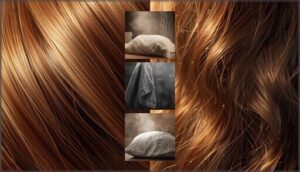
Now that you understand what’s happening on your scalp, let’s look at the everyday habits and conditions that make the problem worse. The most common culprits aren’t mysterious or rare, they’re things you might be doing without realizing the impact.
Here are three factors that can turn your hair into a breeding ground for that wet dog smell.
Sweat and Apocrine Gland Activity
Ever wonder why your hair smells funky after a long, sweaty day? The answer’s hiding in your apocrine glands. When sweat mixes with sebum on your scalp, it creates the perfect buffet for odor-breeding bacteria.
That bacterial buildup isn’t the only culprit, though—how alcohol metabolites end up trapped in your hair shaft plays a surprisingly big role in that lingering scalp funk too.
Hormonal shifts can crank up sweat composition, tipping your microbial balance and making these smells stronger. This isn’t your fault—it’s pure science, not just hygiene.
Infrequent Hair Washing
Skipping wash days might feel like freedom, but your scalp sees it differently. When you let too much time pass between shampoos, scalp sebum and sweat pile up, feeding the bacteria and yeast in your hair microbiome that generate that unmistakable wet dog smell.
- Oil accumulation traps dead skin cells, creating a breeding ground for odor
- Low wash frequency lets Malassezia yeast thrive, breaking down sebum into smelly compounds
- Poor scalp hygiene allows oxidized lipids to intensify hair smell over days
Studies show washing five to six times weekly optimizes scalp condition and controls odor.
Improper Hair Drying Techniques
How you dry your hair matters more than you think. Leaving strands damp—especially at the roots—gives bacteria and fungi the warm, moist environment they love, triggering that wet dog smell you’re battling.
Sleeping with wet hair, wrapping it up too soon, or skipping the blow-dryer lets excess moisture linger for hours, fueling microbial growth and mold-like odors that proper hair hygiene should prevent.
How Scalp Health Affects Hair Odor
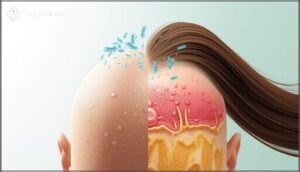
Your scalp isn’t just the foundation for your hair—it’s a living ecosystem, and when that ecosystem gets out of balance, the odor can become impossible to ignore.
The microbes living on your scalp, the oil your skin produces, and even your hormones all play a direct role in whether your hair smells fresh or funky.
Let’s break down the three main ways scalp health drives that wet dog smell.
Microbial Imbalance and Malassezia
Your scalp is home to a bustling ecosystem, and when Malassezia yeast populations spike, they trigger a cascade of problems. This fungal overgrowth thrives on sebum, breaking down oils through lipid metabolism and releasing volatile compounds that create that unmistakable musty smell.
The microbe balance shifts—healthy bacteria decline while odor-causing strains multiply—turning minor scalp health issues into persistent yeast infections and mold growth that regular shampoo can’t touch.
Seborrheic Dermatitis and Fungal Infections
When seborrheic dermatitis strikes, you’ll notice greasy yellow flakes, relentless itching, and a sour or rancid odor that won’t quit—this condition affects up to 10 percent of people and stems from Malassezia yeast feeding on your scalp’s oils. The good news? Antifungal therapies work:
- Ketoconazole shampoos reduce failed clearance by 31 percent
- Ciclopirox treatments target fungal overgrowth effectively
- Medicated formulas control smelly hair syndrome
- Maintenance routines prevent flare-ups
- Professional diagnosis confirms scalp infections versus simple dandruff
Hormonal Influences on Scalp Oil Production
Your hormones act like invisible conductors of your scalp’s oil orchestra, and when androgen effects spike—think puberty, PCOS, or menstrual shifts—sebum regulation goes haywire, cranking up scalp oil production by over 30 percent.
Meanwhile, estrogen’s role during pregnancy or menopause flips the script entirely, sometimes drying things out or restoring hormone balance, directly influencing hair smell causes and overall scalp health issues tied to hormonal imbalance.
Hair Care Habits That Worsen Odor
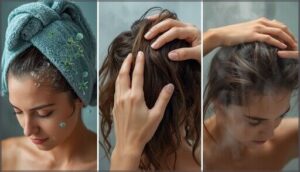
Sometimes your best intentions backfire, especially regarding keeping your scalp fresh and clean. Certain everyday habits, even ones that seem harmless or helpful, can actually create the perfect breeding ground for odor-causing bacteria and fungi.
Let’s look at three common mistakes that might be sabotaging your efforts to keep your hair smelling fresh.
Hot Water and Overwashing
You might crank up the heat thinking you’re getting cleaner, but hot water actually strips your scalp barrier and disrupts sebum regulation, leaving your hair more porous and prone to holding odors.
Overwashing with harsh products can backfire too, triggering rebound oil production and trapping sweat in damaged strands.
Adjusting your water temperature and wash frequency helps balance your scalp’s natural defenses and keeps that wet dog smell at bay.
Leaving Hair Damp After Washing
Even after adjusting your wash routine, you can still trap moisture at the roots if you don’t dry your hair completely. Leaving hair damp after washing creates a warm, humid zone where bacteria and fungi multiply, breaking down sweat and sebum into that musty wet dog smell you’re trying to avoid.
Here’s why damp hair risks escalate quickly:
- Sleeping with wet hair turns your pillow into a breeding ground for Malassezia yeast and other odor-causing microbes in a dark, enclosed environment.
- Moisture at the roots lingers near sebaceous glands, giving bacteria more time to metabolize oils into smelly compounds even after you’ve washed.
- Incomplete drying sustains high humidity for hours, especially in thicker hair, prolonging the window for microbial overgrowth and dandruff flare-ups.
- Mildew-like buildup develops when your scalp stays damp repeatedly, shifting your microbiome from balanced to overpopulated with odor producers.
Thorough hair drying tips—like squeezing out excess water, using a microfiber towel, and blow-drying on cool at the roots—help restore scalp ventilation, support microbial balance, and cut off the moisture control issues that fuel persistent hair smell.
Covering Hair and Reduced Ventilation
Occlusive headgear—think hijabs, helmets, or even tight hats—traps heat and moisture against your scalp, creating a microclimate where microbial proliferation thrives. Reduced hair ventilation means sweat and sebum can’t evaporate, so bacteria metabolize those oils into the wet dog smell you’re battling.
If you’re covering damp hair or wearing the same unwashed covering repeatedly, you’re layering moisture accumulation on top of existing odor control challenges, worsening scalp imbalance fast.
Effective Solutions for Wet Dog Hair Smell
Now that you know what’s causing the problem, let’s talk about what actually works to get rid of that wet dog smell once and for all. The good news is you don’t need expensive treatments or a complete overhaul of your routine, just a few targeted adjustments that address the root causes we’ve covered.
Here are the most effective solutions you can start using today.
Using Clarifying or Anti-Residue Shampoos
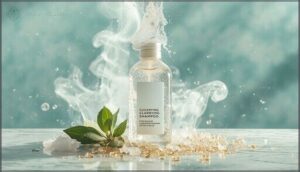
Think of clarifying shampoo as your scalp’s reset button—it cuts through the buildup that regular shampoo leaves behind. These anti-residue products use stronger surfactants to tackle accumulated sebum, product film, and hard water deposits that trap bacteria and intensify wet dog smell.
A deep cleansing scalp detox once or twice monthly removes the congestion fueling odor, giving your hair purification that actually lasts.
Drying Hair Thoroughly After Washing

Your scalp becomes a bacteria breeding ground when moisture lingers after washing, so drying techniques matter just as much as the shampoo you choose.
If you have thick or textured hair, air drying alone may leave roots damp for hours, triggering that wet dog smell—microfiber towels absorb excess water gently, while blow drying on low heat ensures scalp ventilation and stops sebum from mixing with trapped moisture.
Applying Essential Oils for Freshness

Essential oils work best when you follow proper oil dilution methods, because applying concentrated tea tree or lavender directly to your scalp can irritate skin and worsen odor instead of masking it.
Here’s how to integrate aromatherapy benefits into your hair care routines safely:
- Dilute 2–4 drops of essential oil blends in a tablespoon of carrier oil before massaging into your scalp for fragrance enhancement.
- Apply pre-shampoo using scalp massage techniques to loosen buildup.
- Rinse thoroughly to avoid greasiness.
This approach complements personal hygiene and tackles hair smell solutions without replacing regular washing.
Preventing Hair From Smelling Like Wet Dog

Prevention is where you take back control and stop the smell before it even starts. Once you’ve identified the cause and treated the problem, the next step is building habits that keep your scalp balanced, your hair fresh, and that wet dog odor from making a comeback.
Let’s walk through the daily and environmental practices that protect your hair from odor triggers, so you can feel confident every single day.
Maintaining a Regular Wash Schedule
Ever feel like your hair’s staging a rebellion, no matter how often you wash? Here’s the secret: Scalp balance thrives on a regular wash schedule, not random shampoo timing.
Solid hair care routines—whether daily or every few days—keep sebum, sweat, and microbes in check. Nail your ideal wash frequency, and you’re tackling hair hygiene at its roots—literally—delivering real results in the area of hair smell solutions.
Avoiding Bedtime With Wet Hair
Hitting the pillow with damp strands might seem harmless, but overnight moisture creates a warm, enclosed breeding ground for bacteria and fungi—the exact recipe for that musty “wet dog” smell you’re trying to escape.
Your nighttime hair care routine matters more than you think, affecting both scalp health issues and sleep hygiene. Blow-dry thoroughly before bed, or if you’re short on time, try a quick morning hair routine instead—your nose will thank you.
Protecting Hair in Humid Conditions
Humidity ramps up sebum production and scalp moisture, turning your head into a damp breeding ground for odor-causing microbes like Malassezia. If you’re wearing tight buns or braids in humid conditions, you’re trapping moisture against your scalp and blocking scalp ventilation—exactly what bacteria love.
Switch to looser, breathable styles, and build a humid hair care routine that prioritizes moisture control and quick drying to protect your scalp health.
When to Seek Professional Help

Sometimes your scalp sends signals that go beyond a simple hygiene tweak, and that’s when it’s time to bring in the experts.
If you’ve tried all the right products, adjusted your washing routine, and still can’t shake that persistent wet dog smell, you’re likely dealing with something that needs professional diagnosis. Here are the key signs that it’s time to book an appointment with a dermatologist or trichologist.
Persistent Odor Despite Proper Care
When you’ve tried every shampoo, mastered the art of thorough drying, and followed every hygiene rule in the book—yet that stubborn wet dog smell still clings to your hair—frustration can quickly turn into real concern about what’s happening beneath the surface of your scalp.
Persistent hair odor despite diligent care often signals deeper scalp health issues, like an imbalanced scalp microbiome or fungal resistance that won’t respond to standard sulfur shampoos, making professional evaluation absolutely necessary.
Signs of Scalp Infection or Dermatitis
If that lingering smell comes bundled with itching, visible flakes, redness, or patches that feel tender to the touch, your scalp might be sending you clear signals that something more serious—like seborrheic dermatitis or a fungal infection—is brewing underneath.
Watch for these dermatitis symptoms and infection warning signs:
- Persistent scalp redness with greasy, yellowish flakes
- Intense itching that won’t ease, even after washing
- Crusted patches or weeping areas where fungal spores thrive
Consulting a Dermatologist for Diagnosis and Treatment
Once you’ve spotted those red flags—redness, crusting, or relentless itch—it’s time to book a visit with a board-certified dermatologist who can pinpoint the exact microbe causing the chaos and prescribe targeted antifungal or antibacterial treatments that actually work. During your dermatologist consult, expect a thorough scalp analysis, possibly skin testing, and a medical diagnosis that leads to customized treatment options addressing your scalp health issues.
| What Your Dermatologist Will Do | How It Helps Your Smelly Hair Problems |
|---|---|
| Perform detailed scalp examination | Identifies bacterial, fungal, or yeast overgrowth causing odor |
| Review your hair care routine | Pinpoints habits worsening scalp care and contributing to smell |
| Order culture or biopsy if needed | Confirms exact organism for precise dandruff treatment |
| Prescribe medicated shampoos or topicals | Targets root cause with antifungals, antibacterials, or steroids |
| Provide ongoing dermatologist advice | Monitors progress, adjusts therapy, prevents recurrence |
Frequently Asked Questions (FAQs)
Can diet influence hair odor?
Your food intake directly affects scalp health and odor control.
Nutrient balance influences sebum production, hormonal imbalance, and overall hair nutrition, so dietary changes toward whole foods can genuinely improve hair smell.
Does stress affect scalp smell?
Stress hormones throw your scalp balance off-kilter, triggering excess oil production and sweat that feeds bacteria around hair follicles, intensifying odor through hormonal imbalance and creating scalp health issues needing targeted scalp care.
Are certain hair types more prone to odors?
Yes, certain hair types are more susceptible to odor. Curly hair and porous strands trap moisture and sebum more readily, creating ideal conditions for bacterial growth, while oily locks retain sweat and environmental debris longer.
How does seasonal weather impact hair smell?
Seasonal weather directly influences scalp health through humidity effects and temperature control.
Summer heat increases sweat and sebum production, while winter moisture levels from hats and damp conditions create ideal environments for bacteria causing wet dog smell.
Can medications contribute to scalp odor?
Certain prescription drugs can intensify scalp odor by increasing sweat production, altering your scalp microbiome, or releasing odor metabolites through skin secretions, making existing fungal infections or seborrheic dermatitis more noticeable.
Can diet affect how my hair smells?
Your food intake absolutely influences hair smell, because nutrient balance directly impacts sebum production and scalp health.
Dietary changes promoting hair nutrition and improved smell reduction include reducing processed foods, sugar, and excessive oils while increasing zinc and B vitamins.
Does hair type influence wet dog odor?
Hair type absolutely shapes how smell develops, with thicker curl patterns trapping moisture and sebum more easily, creating ideal conditions for bacterial growth, while high-porosity strands retain odor-causing compounds longer than smoother hair textures.
Can stress cause my scalp to smell?
Absolutely. When you’re under pressure, cortisol levels rise and trigger emotional sweating plus sebum overproduction on your scalp, disrupting the scalp microbiome and creating conditions where odor-causing bacteria thrive, leading to noticeable hair smell.
Do hair masks help eliminate stubborn odors?
It depends on the mask ingredients. Charcoal-based hair purification masks absorb odor compounds, while antimicrobial scalp treatments help restore microbial balance—but they’re adjuncts, not stand-alone hair care solutions for persistent smelly hair problems.
Is smelly hair linked to vitamin deficiencies?
Nutrient imbalance, particularly vitamin D deficiency, can weaken your scalp’s barrier and fuel microbial overgrowth, indirectly worsening hair smell through disrupted scalp microbiome and compromised hair follicle health.
Nutrient imbalance, including biotin and zinc deficiency, can also play a role in this process.
Conclusion
Your scalp’s ecosystem won’t fix itself overnight, but now you’ve got the roadmap to reclaim fresh-smelling hair and actually keep it that way.
Understanding why your hair smells like wet dog transforms this frustrating mystery into a solvable problem—one that yields to consistent care, proper drying techniques, and addressing the microbial balance beneath the surface.
Your hair can smell clean hours after washing, not minutes, once you stop fighting symptoms and start targeting causes.