
This site is supported by our readers. We may earn a commission, at no cost to you, if you purchase through links.

Most people wash their face and call it a daily routine. Then they wonder why their skin feels tight by noon or breaks out despite spending a fortune on trendy serums.
The truth is, basic daily skin care steps aren’t about buying the latest miracle product—they’re about creating a simple, consistent routine that works with your skin’s natural rhythm. Your skin needs different things in the morning than it does at night.
A gentle cleanser removes the oil and sweat that accumulate while you sleep, while your evening routine clears away makeup, sunscreen, and pollution before giving your skin the hydration it needs to repair itself overnight. Get these fundamentals right, and you’ll see more improvement than any expensive treatment can deliver on its own.
Table Of Contents
- Key Takeaways
- Daily Skin Care Routine
- Top 4 Daily Moisturizers
- Skin Care Steps and Considerations
- Effective Skin Care Habits
- Frequently Asked Questions (FAQs)
- What should be a daily skin care routine?
- What are the 5 basics of skin care?
- What should a daily skin care routine be?
- What are the 7 steps of a skincare routine?
- What is the 4 2 4 rule in skincare?
- How long should sunscreen be left on skin?
- What order should skincare products be applied?
- How to store skincare products for effectiveness?
- Can makeup be worn immediately after moisturizing?
- How often should skincare tools be cleaned?
- Conclusion
Key Takeaways
- Your skin needs just four essentials—gentle cleanser, moisturizer, SPF 30 sunscreen, and targeted treatments—not a dozen expensive products or complicated routines.
- Morning routines focus on protection with cleansing and sunscreen, while evening routines prioritize repair with double cleansing and richer moisturizers that work while you sleep.
- Consistency matters more than innovation because your skin takes 28 to 40 days to renew, so stick with your routine for at least 4 to 6 weeks before expecting visible results.
- Daily habits beyond products—getting seven to nine hours of sleep, drinking two liters of water, eating omega-3 rich foods, and managing stress—directly impact how well your skin care routine actually works.
Daily Skin Care Routine
Your skin doesn’t need a 12-step routine to look healthy—just a consistent morning and evening approach that works with your schedule.
A solid skincare routine for teenagers typically includes just cleanser, moisturizer, and sunscreen—nothing overwhelming.
The key is understanding what your skin needs at different times of day, then sticking with those basics long enough to see results. Let’s break down the essential steps that form the foundation of effective daily skin care.
Morning Cleansing and Makeup Removal
Every morning, your face carries a layer of sweat, oil, and dead cells that built up overnight. Start with a gentle cleanser—choose a low-foam formula that lifts impurities without stripping your skin. Lukewarm water works best; hot water increases dryness and irritation.
If you wore makeup the previous day, double cleansing helps guarantee complete removal: use an oil-based makeup remover first to dissolve stubborn products, then follow with your regular cleanser.
Pat your face dry with a clean towel to minimize friction and redness, prepping your skin for moisturizer and sunscreen. For guidance customized to your needs, explore the benefits of a morning skincare routine.
Evening Cleansing and Moisturizing
Your evening skin care routine is where nighttime skin repair truly begins.
Start by double cleansing: use an oil-based cleanser first to break down makeup and sunscreen, then follow with a gentle, water-based wash to clear away dirt without stripping natural oils. This two-step approach ensures your skin barrier care stays intact while thoroughly removing the day’s buildup. Double cleansing is recommended to reduce the risk of breakouts and achieve a deep clean for pores.
After patting dry, apply your nighttime routine treatments—serums with retinoids or AHAs work best now because your skin regenerates while you sleep. Finish with a richer moisturizer for an evening moisture boost.
If your skin feels tight after washing, switch to a cream or balm cleanser.
Importance of Consistency and Patience
Your skin cells take 28 to 40 days to renew, so patient routines matter more than quick fixes. Stick with your morning routine and nighttime routine for at least 4 to 6 weeks—that’s when you’ll notice steady progress.
Skin cells renew every 28 to 40 days, so give your routine at least 4 to 6 weeks before expecting results
Here’s what consistent care delivers:
- Smoother texture and fewer dry patches within one skin renewal cycle
- Faded dark spots after 8 to 12 weeks of targeted treatments
- Long term benefits like stronger barriers and slower aging signs
Don’t chase every new product. Trust the process.
Top 4 Daily Moisturizers
Finding the right moisturizer doesn’t have to feel overwhelming. The best daily moisturizers balance hydration with protection, working alongside your cleanser and sunscreen to keep your skin barrier healthy.
Here are four dermatologist-recommended options that deliver consistent results across different skin types and concerns.
1. La Roche Posay Toleriane Double Repair Moisturizer

If you struggle with dryness and irritation, La Roche Posay’s Toleriane Double Repair Moisturizer deserves your attention. This dermatologist-tested formula delivers 48-hour hydration while restoring your skin barrier in just one hour. The magic comes from ceramide-3, which replenishes natural lipids, niacinamide to calm and even tone, and glycerin to lock in moisture.
For anyone building a complete routine on a budget, this moisturizer pairs beautifully with the affordable skin care routine for teenagers that emphasizes SPF protection.
Their prebiotic thermal water balances your microbiome for stronger, more resilient skin. You’ll appreciate the lightweight cream texture—it spreads easily and absorbs without greasiness. The formula is fragrance-free, oil-free, and non-comedogenic, making it safe for sensitive skin and post-procedure care.
While the bottle runs smaller than some competitors at this price point, users consistently report that the long-lasting results justify the investment.
| Best For | People with sensitive, dry, or combination skin looking for a lightweight daily moisturizer that repairs the skin barrier without clogging pores or causing irritation. |
|---|---|
| Skin Type | Sensitive, dry, combination |
| Texture | Lightweight cream |
| Fragrance-Free | Yes |
| Non-Comedogenic | Yes |
| Oil-Free | Yes |
| Size | 3.2 oz |
| Additional Features |
|
- Provides 48-hour hydration with barrier repair in just one hour thanks to ceramide-3, niacinamide, and glycerin
- Lightweight, oil-free texture absorbs quickly without greasiness and works well under makeup
- Fragrance-free, non-comedogenic formula with prebiotic thermal water is safe for sensitive skin and post-procedure use
- Small bottle size (3.2 oz) may not offer the best value at $24.99 compared to competitors
- May not provide sufficient hydration for very dry skin types or stubborn dry patches
- Can feel slightly sticky on application and may pill if too much product is used at once
2. Neutrogena Hydro Boost Water Gel Moisturizer

Looking for lightweight hydration? Neutrogena’s Hydro Boost Water Gel Moisturizer packs a punch with hyaluronic acid that binds water to your skin’s surface. You’ll get clinically proven 24-hour hydration without the greasy feel that heavier creams leave behind.
The gel texture absorbs quickly and feels cool on contact—perfect if you have normal, oily, or combination skin. It’s oil-free and non-comedogenic, so it won’t clog your pores or trigger breakouts. Apply one to two pea-sized amounts after cleansing on slightly damp skin for best results.
The 1.7-ounce jar usually lasts about a month with twice-daily use.
| Best For | People with normal, oily, or combination skin who want lightweight, non-greasy hydration that won’t clog pores or cause breakouts. |
|---|---|
| Skin Type | Normal, oily, combination |
| Texture | Cooling gel |
| Fragrance-Free | No |
| Non-Comedogenic | Yes |
| Oil-Free | Yes |
| Size | 1.7 oz |
| Additional Features |
|
- Absorbs fast with a cooling gel texture that doesn’t leave any oily residue
- Locks in moisture for a full 24 hours thanks to hyaluronic acid
- Won’t clog pores or trigger acne since it’s oil-free and non-comedogenic
- Not hydrating enough for truly dry or sensitive skin
- The 1.7-ounce size runs out quickly if you use it twice daily
- Costs more than many drugstore moisturizers for a pretty small amount of product
3. EltaMD AM Therapy Facial Moisturizer with Niacinamide
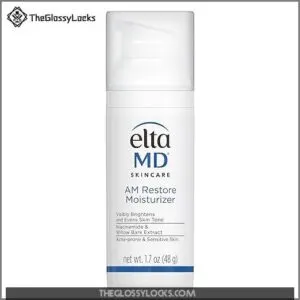
Here’s a multitasker that works overtime: EltaMD AM Therapy Facial Moisturizer combines niacinamide (vitamin B3) with hyaluronic acid to brighten uneven tone while keeping your skin hydrated all day. The oil-free formula spreads easily without pilling under sunscreen—a common frustration with layered morning products.
Niacinamide strengthens your skin barrier and reduces the look of enlarged pores, while willow bark extract gently aids cell turnover for smoother texture. You’ll also get antioxidant protection from vitamin C ester, which helps fight free radical damage throughout the day.
Apply a pearl-sized amount to clean, slightly damp skin each morning, then massage in with upward circular motions. The lightweight finish works well under makeup, and because it’s fragrance-free and non-comedogenic, it suits sensitive and acne-prone skin types.
| Best For | People with sensitive or acne-prone skin who want a lightweight morning moisturizer that layers well under sunscreen and makeup without causing breakouts. |
|---|---|
| Skin Type | Sensitive, acne-prone |
| Texture | Lightweight lotion |
| Fragrance-Free | Yes |
| Non-Comedogenic | Yes |
| Oil-Free | Yes |
| Size | 1.69 oz |
| Additional Features |
|
- Oil-free formula with niacinamide helps minimize pores and even out skin tone while providing all-day hydration
- Fragrance-free and non-comedogenic, making it gentle enough for sensitive skin types
- Lightweight texture absorbs quickly and doesn’t pill under sunscreen or makeup
- Higher price point at $48 for a small 1.69-ounce container
- May not provide enough moisture for very dry skin without layering additional products
- Packaging can arrive damaged during shipping
4. CeraVe Hydrating Cream to Foam Cleanser for Dry Skin
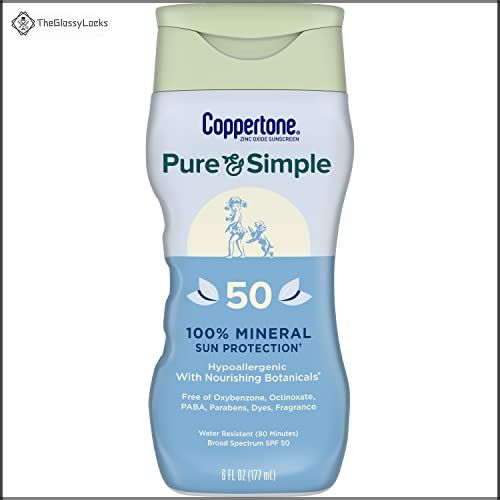
If your face feels tight and uncomfortable after washing, you’re probably stripping away moisture barrier your skin needs. CeraVe Hydrating Cream to Foam Cleanser changes that. This hybrid formula starts as a rich cream that transforms into a gentle foam when water activates it, lifting away dirt, oil, and makeup without leaving your skin parched.
The formula delivers three essential ceramides plus hyaluronic acid—ingredients that rebuild your moisture barrier while you cleanse. Amino acids and glycerin pull water into your skin and hold it there, even after rinsing. The pH-balanced, fragrance-free formula won’t clog pores or trigger irritation, making it safe for sensitive skin and even eczema-prone types.
Apply it morning and night on damp skin, massage gently, then rinse with lukewarm water and pat dry.
| Best For | People with dry or sensitive skin who need a gentle daily cleanser that won’t strip moisture or leave their face feeling tight after washing. |
|---|---|
| Skin Type | Sensitive, delicate |
| Texture | Thick white cream |
| Fragrance-Free | Yes |
| Non-Comedogenic | Hypoallergenic |
| Oil-Free | N/A |
| Size | 6 oz |
| Additional Features |
|
- Hybrid cream-to-foam texture removes makeup and impurities without drying out skin
- Contains three ceramides and hyaluronic acid to restore and protect your moisture barrier while cleansing
- Fragrance-free and pH-balanced formula works safely for sensitive skin and eczema-prone types
- May not provide enough cleansing power for very oily skin or heavy makeup
- Cream-to-foam texture takes some getting used to compared to traditional foaming cleansers
- Higher price point than basic drugstore cleansers
Skin Care Steps and Considerations
Getting the steps right matters, but so does knowing what works for your unique skin.
The cleanser you choose, how you protect yourself from the sun, and whether you exfoliate all shape your results.
Let’s walk through the key considerations that make or break a daily routine.
Choosing Gentle and Hydrating Cleansers

Your cleanser sets the stage for everything else in your morning routine. Look for gentle formulas with a pH between 4.5 and 6—this range protects your skin barrier instead of stripping it bare.
Hydrating products that contain ceramides and glycerin keep moisture locked in after you rinse. If you have dry skin, cream cleansers work beautifully; oily skin types often prefer lightweight gels.
Skip anything with harsh sulfates or strong fragrance, because those ingredients can trigger redness and tightness that no moisturizer can fully fix.
Importance of Sun Protection and Sunscreen

Sunscreen Benefits go far beyond preventing a painful burn. Daily Application of broad spectrum SPF 30 drops your melanoma risk by about 50 percent and shields skin from the UVA rays that silently drive wrinkles, dark spots, and sagging. That makes sun protection and safety your strongest anti-aging move.
Here’s what smart UV Protection looks like:
- Apply a nickel-sized amount to your face each morning
- Choose broad spectrum formulas that block UVA and UVB
- Don’t skip cloudy days—89 percent of UV rays break through
- Reapply every two hours outdoors
- Cover your ears, hairline, and neck for complete skin protection
Consistency turns sunscreen into your daily defense against skin cancer and premature aging.
Exfoliation and Spot Treatment for Specific Skin Concerns

Chemical exfoliants like AHA and BHA work smarter than harsh scrubs when you’re smoothing rough texture or clearing clogged pores. Start with glycolic or lactic acid two to three times weekly for skin texture improvement, or reach for salicylic acid if you’re managing acne-prone skin.
For dark spot removal after breakouts, layer azelaic acid or five percent niacinamide nightly to fade hyperpigmentation over eight to twelve weeks. Sensitive skin care demands patience—introduce one exfoliating product at a time and dial back if you see redness.
Tailoring Skin Care Routine to Individual Skin Type

Once you’ve dialed back exfoliation to suit your tolerance, the next move is matching every product to your actual skin type. Oily complexions thrive with lightweight gel moisturizers and foaming cleansers, while dry patches demand creamy formulas rich in ceramides.
Here’s how to refine your morning skin care routine and nighttime skin care routine through smart skin type analysis:
- Identify your baseline—oily, dry, combination, sensitive, or normal—by observing midday shine and post-cleanse tightness.
- Choose ingredient selection carefully: salicylic acid for oil control, hyaluronic acid for hydration.
- Layer product customization into AM and PM steps—lighter textures by day, richer repair at night.
- Adjust routine refinement seasonally, swapping gel for cream when cold air hits.
- Track what works over four weeks to build tailored regimens that deliver real results.
Skin care for different skin types isn’t one-size-fits-all—your routine should flex with your face.
Effective Skin Care Habits

Building a solid routine is just the beginning—your daily habits beyond the bathroom sink matter just as much for healthy skin. What you eat, how you sleep, and even the stress you carry can show up on your face faster than you’d think.
Let’s look at the key lifestyle factors that’ll help your skin care products actually do their job.
Avoiding Harsh Ingredients and Over-Exfoliation
Over-exfoliation strips away healthy cells and weakens your skin barrier, leaving you vulnerable to redness and irritation. Choose gentle exfoliants like low-strength AHAs or BHAs only two to three times per week—not daily.
Harsh chemicals such as strong detergents and denatured alcohol can dry out even resilient skin types. Avoid product layering multiple actives in one skincare routine, and always pair your cleanser and moisturizer with patience, not aggression.
Getting Enough Sleep and Maintaining a Balanced Diet
You’re already skipping harsh ingredients—now let’s talk about the rest of your lifestyle. Sleep patterns matter more than you think: adults who regularly get seven to nine hours show stronger skin barriers and fewer visible fine lines.
Diet quality counts too. Eating colorful fruits, vegetables, and omega-three-rich fish like salmon promotes skin hydration, calms inflammation, and protects collagen. Your morning skin care routine and nighttime skin care routine work harder when your gut health and nutrition benefits back them up—so aim for balanced meals, not just balanced products.
Staying Hydrated and Managing Stress for Healthy Skin
Your diet and sleep are only half the picture—hydration tips and stress reduction complete it. Drinking around two liters daily boosts deep skin hydration and helps your moisturizer work better. Chronic stress raises cortisol, which clogs pores and weakens your skin barrier.
For skin balance, try these mindful habits:
- Keep a water bottle nearby for steady water intake throughout your morning skin care routine
- Practice short breathing exercises to lower cortisol
- Pair hydration with three deep breaths before skincare tips application
- Space fluids evenly—don’t chug all at once
- Build a calming nighttime ritual for lasting skin health
Consulting a Dermatologist for Personalized Skin Care Advice
Sometimes even the best routine hits a wall, and that’s when a dermatologist becomes your strongest ally. During a skin analysis, they examine your skin type, review your medical histories, and build customized plans that target stubborn concerns faster than trial and error. They prescribe treatments you can’t buy over the counter and offer skin care tips backed by real science.
| Dermatologist Benefits | What You Get | Typical Dermatology Costs |
|---|---|---|
| Custom treatment plans | Prescription creams, in-office peels | $100–$250 per visit (US) |
| Early skin cancer detection | Full-body exams, mole tracking | Often covered by insurance |
| Faster results | Shortened trial-and-error phase | Virtual consults around $70–$155 |
A professional evaluation cuts through confusion and gives your skin care routine the precision it deserves.
Frequently Asked Questions (FAQs)
What should be a daily skin care routine?
Think of your skin as needing two shifts—morning skin care defends with cleanser, vitamin C serum, moisturizer, and SPF 30 sunscreen;
nighttime skin care repairs using gentle cleanser, treatment serums, then moisturizer sealed over clean skin.
What are the 5 basics of skin care?
Your daily routine rests on five core steps: core steps to remove dirt, moisturize for skin hydration, protect with sunscreen, treat specific concerns with targeted products, and maintain consistency.
Simple, effective skin care begins here.
What should a daily skin care routine be?
Many people assume an effective skin care routine requires ten steps or expensive treatments.
Actually, your daily routine just needs four essentials: cleanse gently twice daily, moisturize morning and night, apply SPF 30 sunscreen each morning, and add targeted treatments as needed.
What are the 7 steps of a skincare routine?
A complete routine follows seven key steps: cleanse, tone, treat with serum, apply eye cream, moisturize, spot-treat breakouts, then finish with sunscreen during morning hours or night cream before bed.
What is the 4 2 4 rule in skincare?
You massage an oil cleanser for 4 minutes, wash with gentle gel for 2, then rinse with warm water for 4—this double cleanse clears makeup and sunscreen without stripping your skin barrier.
How long should sunscreen be left on skin?
Sunscreen should stay on throughout your sun exposure—usually your full waking day—but reapply every two hours outdoors for steady protection.
Always remove it completely during your evening cleanse to prevent clogged pores.
What order should skincare products be applied?
The secret to unlocking your most radiant skin lies entirely in your product layering strategy.
Apply skincare from thinnest to thickest—cleanser, toner, serums, treatments, moisturizer, then sunscreen—so lightweight formulas absorb before heavier creams seal everything in.
How to store skincare products for effectiveness?
Keep your skin care products in a cool, dry spot away from sunlight—like a drawer or cabinet. Heat, humidity, and light break down active ingredients.
For vitamin C serums, refrigeration helps preserve potency.
Can makeup be worn immediately after moisturizing?
You can apply makeup right after moisturizing, but waiting five minutes ensures full absorption and prevents pilling. This creates a smooth base for foundation and reduces clumping during blending.
How often should skincare tools be cleaned?
Dermatologists note that makeup brushes harbor bacteria fast—foundation brushes need weekly washing, while sponges demand cleaning after every use.
Jade rollers and facial cleansing brushes benefit from gentle soap rinses following each application to prevent breakouts and maintain ideal skin care hygiene.
Conclusion
The irony? The most impactful thing you can do for your skin isn’t buying another product—it’s actually using what you already have. Basic daily skin care steps work because they’re repeatable, not groundbreaking.
Your cleanser can’t repair years of sun damage in a week, but it can prevent tomorrow’s breakout. Your moisturizer won’t erase wrinkles overnight, but it will keep your skin barrier intact. Consistency beats novelty every single time.
Start tonight, and your future skin will thank you.
- https://www.waxingthecity.com/beauty-buzz/how-to/the-ultimate-skincare-routine-order-of-product-operations-explained/
- https://dermamade.com/derma-blog/what-is-the-correct-order-of-products-for-skin-care/
- https://www.cosmopolitan.com/style-beauty/beauty/a25372431/what-order-to-apply-skincare-products/
- https://www.biossance.com/blog/how-often-to-reapply-sunscreen/
- https://health.clevelandclinic.org/what-products-do-i-actually-need-for-a-simple-everyday-skin-care-routine