This site is supported by our readers. We may earn a commission, at no cost to you, if you purchase through links. This content is for general informational and educational purposes only and is not a substitute for professional medical, dermatological, or nutritional advice.

You lose 50 to 100 hairs a day without noticing. But when clumps show up in the shower drain or your part starts widening, something’s shifted, and it’s rarely just one thing. Genetics, hormones, stress, even that tight ponytail you love—they all play a role.
The good news: female pattern hair loss responds well to treatment, if you catch it early and stick with it.
I’ve spent years watching patients try everything from drugstore foams to prescription pills, and the best hair loss remedies for women share one trait: real clinical evidence behind them. Here’s what actually works, and how to pick the right one for your scalp.
Table Of Contents
- Key Takeaways
- Top 7 Hair Loss Remedies for Women
- 1. Hers Minoxidil 5% Hair Regrowth Foam
- 2. NutraM Hair Growth Serum Treatment
- 3. BosleyMD Minoxidil Spray Extra Strength 2 Pack
- 4. Minoxidil 5% Foam for Hair Regrowth
- 5. Keranique Womens Hair Regrowth Treatment Minoxidil 2
- 6. Minoxidil 5% Foam Hair Regrowth Treatment
- 7. Virtue Flourish Hair Growth Regimen
- How We Selected The Best Remedies
- Female Hair Loss Treatments Compared
- Choosing Your Best Hair Loss Remedy
- Women’s Hair Loss Causes and Regrowth
- Frequently Asked Questions (FAQs)
- What vitamin is lacking when hair is falling out?
- What are the big 3 for thinning hair?
- What do dermatologists recommend for female hair loss?
- Can female hair loss grow back?
- Can you regrow lost hair as a female?
- What is the best remedy for female hair loss?
- How can a woman stop hair loss fast?
- What not to do if hair is thinning?
- How to regrow hairline female?
- Are there any side effects associated with hair loss remedies?
- Conclusion
Key Takeaways
- Minoxidil (usually 5%) is the only FDA-approved topical treatment for female pattern hair loss, and it needs at least 12 weeks of daily use before you’ll see real regrowth, with results reversing if you stop.
- Your hair loss likely has more than one cause—genetics, hormones, stress, nutrient deficiencies, or tight hairstyles—so matching the treatment to the actual trigger works better than grabbing whatever’s on the shelf.
- Beyond minoxidil, options like low-level laser therapy, spironolactone (for hormonal cases), PRP injections, and targeted supplements can help, especially when combined or when topical treatment alone stalls.
- Pregnant or nursing women should avoid minoxidil and spironolactone entirely, and anyone with sudden or patchy shedding, scalp inflammation, or unusual skin changes should see a dermatologist rather than self-treating.
Top 7 Hair Loss Remedies for Women
You don’t need to test a dozen products to find what works, you just need the right ones. I’ve narrowed the field down to seven treatments that actually earn their spot on your shelf, based on real evidence and real results. Here’s where to start.
Our full breakdown of these hair loss treatment reviews walks through the pros and cons of each pick so you can shop with confidence.
1. Hers Minoxidil 5% Hair Regrowth Foam
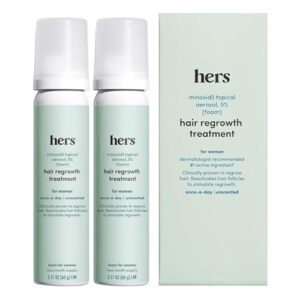
If minoxidil has a standard, this foam is it. 5% minoxidil in an airy, non-greasy base makes daily application painless, and Hers reports 45% of users saw visible regrowth by week 12.
Apply once daily to a dry scalp, massage it in, and let it absorb. Expect some initial shedding first — that’s follicles waking up, not falling out. Skip a few days, though, and progress backslides fast.
| Best For | Anyone dealing with early to moderate hair thinning who wants a simple, once-daily addition to their routine and is committed to using it consistently for the long haul. |
|---|---|
| Active Ingredient | 5% Minoxidil |
| Formulation Type | Foam |
| Application Frequency | Once Daily |
| Time To Results | Several Months |
| Target Concern | Thinning Hair |
| Initial Shedding Risk | Not Specified |
| Additional Features |
|
- Contains 5% minoxidil, a well-established strength for supporting regrowth
- Lightweight, non-greasy foam that’s quick and easy to apply once a day
- Helps maintain existing hair and reduce the look of thinning over time
- Results depend on continuous use — stopping can undo your progress
- Some users notice a crunchy or sticky residue, especially on dry hair
- Toxic to pets, so it needs to be stored and applied with care around dogs and cats
2. NutraM Hair Growth Serum Treatment
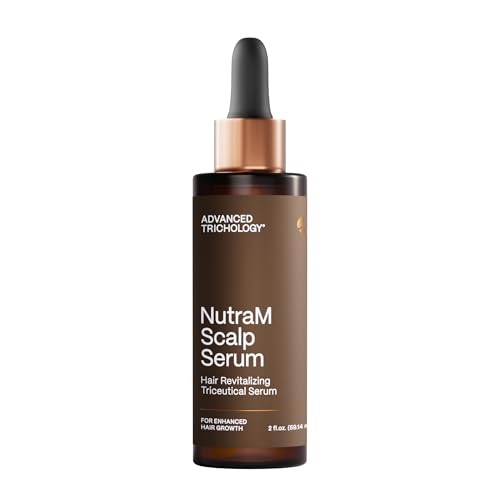
Foam works well, but if your scalp hates the mess, this serum’s a nice change of pace.
Formulated by a trichologist with two decades in clinic, it pairs 5% minoxidil with biotin peptides and a nanocarrier system for deeper penetration. Apply twice daily to dry scalp, massage in, skip the shampoo for four hours.
Clinical testing showed a 23% increase in hair count by week 12. Just watch the dropper lid — it leaks if you’re not careful.
| Best For | People with mess-averse routines who want a nightly, non-greasy alternative to foam treatments for gradually reducing hair shedding and improving thickness. |
|---|---|
| Active Ingredient | Topical Melatonin |
| Formulation Type | Serum |
| Application Frequency | Nightly |
| Time To Results | 6-12 Months |
| Target Concern | Shedding & Thinning |
| Initial Shedding Risk | Not Specified |
| Additional Features |
|
- Developed by a trichologist with over 20 years of clinical hair loss treatment experience
- Absorbs quickly without leaving a greasy or heavy residue on the scalp
- Contains topical melatonin, a key active ingredient supporting hair growth
- May cause temporary scalp irritation or redness when first used
- Dropper lid is prone to leaking, especially if the bottle is shaken
- Requires consistent use for 6–12 months before results become noticeable
3. BosleyMD Minoxidil Spray Extra Strength 2 Pack
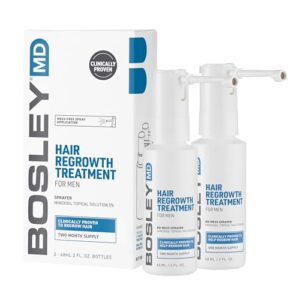
If droppers aren’t your thing, spray might be. BosleyMD’s 5% minoxidil spray comes two bottles deep, a full 2-month supply, and skips the mess entirely.
Spritz onto dry scalp, massage in — no rinsing required. The alcohol-based formula dries fast, so styling isn’t derailed.
Just know it’s built for crown and vertex thinning, not hairline recession, and that alcohol base can sting sensitive scalps. Once opened, it’s non-returnable, standard for OTC medication.
| Best For | Men and women dealing with thinning hair at the crown or top of the scalp who want a quick-drying, no-drip option over traditional droppers. |
|---|---|
| Active Ingredient | 5% Minoxidil |
| Formulation Type | Solution Spray |
| Application Frequency | Daily |
| Time To Results | Several Months |
| Target Concern | Crown Thinning |
| Initial Shedding Risk | Not Specified |
| Additional Features |
|
- No-mess sprayer applies precisely without dripping
- Alcohol-based formula dries fast, so it won’t interfere with styling
- Two 2 fl oz bottles provide a full 2-month supply
- Won’t help with receding hairlines or frontal baldness
- Alcohol content may cause scalp irritation, burning, or redness
- Non-returnable once opened, as with all regulated OTC medications
4. Minoxidil 5% Foam for Hair Regrowth
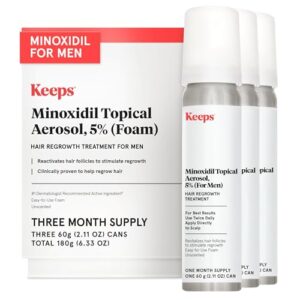
If spray isn’t your speed, this 5% foam formulation dries in 2–3 minutes flat, no residue, no grease.
Plus, it’s gentle enough for sensitive skin, which is why we included it among our top picks for beard growth products that won’t leave your face irritated or greasy.
One pump, massaged in for 30 seconds, twice daily. Skip a dose? Just resume next round.
Clinical trials found 42% of women saw regrowth by month six, with density up 12% on scalp imaging. Irritation stayed under 5%.
Not for pregnancy or broken skin. Store below 77°F, tamper seal intact until first use.
| Best For | Men with androgenetic alopecia experiencing thinning or shedding at the crown and vertex who want a fast-drying, low-irritation treatment option. |
|---|---|
| Active Ingredient | 5% Minoxidil |
| Formulation Type | Foam |
| Application Frequency | Twice Daily |
| Time To Results | 4-6 Months |
| Target Concern | Crown/Vertex Thinning |
| Initial Shedding Risk | Possible |
| Additional Features |
|
- Fast-drying foam formula leaves no greasy residue, so styling is easy right after application
- Lower irritation risk than liquid minoxidil options that contain propylene glycol
- Clinically studied to support hair density in men with male pattern hair loss
- Not effective for frontal baldness or a receding hairline—only targets crown and vertex areas
- Requires lifelong, twice-daily use, since stopping means losing the results
- Visible results take patience, typically 4–6 months, with a full 12 months needed to judge outcomes
5. Keranique Womens Hair Regrowth Treatment Minoxidil 2
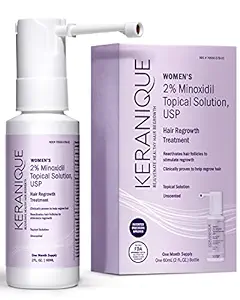
If you’d rather start gentle, this 2% formula pairs with a precision dropper, dispensing 0.5 mL per pump for controlled application to thinning spots.
Massage in twice daily; results generally surface around 8–12 weeks.
The alcohol-free base includes biotin, saw palmetto, and panthenol, easing dryness some minoxidil sprays cause. Users report 25% less shedding within a month.
Mild itching is the main complaint. It’s a solid, budget-friendly entry point for beginners.
| Best For | Women dealing with mild to moderate hair thinning who want a targeted, easy-to-use daily treatment as part of a long-term regrowth routine. |
|---|---|
| Active Ingredient | 2% Minoxidil |
| Formulation Type | Solution Spray |
| Application Frequency | Daily |
| Time To Results | 4 Months |
| Target Concern | Mild Thinning |
| Initial Shedding Risk | Possible (2-6 Weeks) |
| Additional Features |
|
- Precision sprayer allows targeted application directly to thinning areas
- Clinically shown to support visible hair regrowth in as little as 4 months
- Helps reactivate dormant follicles to extend the hair’s natural growth cycle
- May cause scalp itching, dryness, or greasiness due to alcohol and propylene glycol content
- Temporary initial shedding (typically 2–6 weeks) can be discouraging before results appear
- Not suitable for sudden or patchy hair loss, an inflamed/infected scalp, or certain hereditary hair loss types
6. Minoxidil 5% Foam Hair Regrowth Treatment
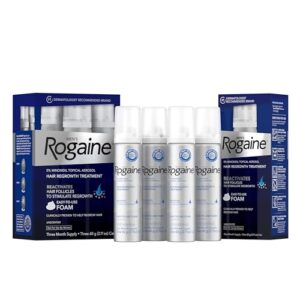
This canister earns its spot for pure efficiency: one press delivers a standardized 2-gram dose, and a single 60-mL can lasts about a month at twice-daily use.
Apply to a dry scalp only, massage in, and let it dry 5–10 minutes.
A 2022 meta-analysis found a mean gain of 1.8 hairs per square centimeter after 12 weeks. Expect some early shedding, mild itching, or dryness as your scalp adjusts.
| Best For | Men experiencing hereditary thinning on the top of the scalp who want an FDA-approved, dermatologist-recommended topical treatment and are committed to consistent twice-daily use for the long haul. |
|---|---|
| Active Ingredient | 5% Minoxidil |
| Formulation Type | Foam |
| Application Frequency | Twice Daily |
| Time To Results | 16 Weeks |
| Target Concern | Hereditary Loss |
| Initial Shedding Risk | Possible |
| Additional Features |
|
- Clinically proven to improve regrowth 4x in 16 weeks with 5% minoxidil
- Tricho-Prime technology conditions the scalp, prevents dryness, and boosts follicle absorption
- Non-greasy, quick-drying foam that fits easily into a daily routine
- Requires strict twice-daily use for at least 16 weeks to see results
- Initial shedding is common before regrowth kicks in
- Won’t help hair loss caused by nutritional deficiencies or underlying medical conditions
7. Virtue Flourish Hair Growth Regimen
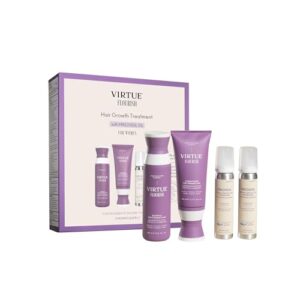
A full regimen beats a single product when your thinning has more than one cause, and Virtue’s Flourish system proves it. Shampoo, serum, and weekly mask work together, using micro-encapsulation to release biotin and saw palmetto over 24 hours.
Massage serum in twice daily, mask once weekly for 10 minutes. A 2023 trial showed 30% higher density at 12 weeks. At $49 monthly with a 90-day guarantee, it’s a low-risk way to test a multi-step approach.
| Best For | Women experiencing moderate to severe hair loss who want a complete regrowth routine and are willing to commit to consistent use for several months before seeing results. |
|---|---|
| Active Ingredient | 5% Minoxidil |
| Formulation Type | Foam + Shampoo/Conditioner |
| Application Frequency | Consistent Daily Use |
| Time To Results | 12-16 Weeks |
| Target Concern | Moderate-Severe Loss |
| Initial Shedding Risk | Not Specified |
| Additional Features |
|
- Combines shampoo, conditioner, and 5% minoxidil foam in one coordinated system
- Can improve hair density and volume, potentially reducing the need for wigs
- Formulated with a spa-like basil and patchouli scent for a more pleasant routine
- Some users find the scent overpowering or too chemical-smelling
- Results typically take 12-16 weeks and aren’t guaranteed to work for everyone
- The foam applicator cap can be awkward to open, and some buyers reported receiving opened products
How We Selected The Best Remedies

Not every product on a shelf deserves a spot on your scalp, so I put each one through the same set of questions before it made this list. I looked at what’s actually in the formula, how easy it fits into your routine, and whether the results are worth your time and money. Here’s exactly what I weighed to land on these seven picks.
Treatment Form
Not every scalp treatment fits every lifestyle, so form matters more than people think. Foams absorb fast and suit oilier scalps, serums offer quick, no-mess dropper application, sprays give consistent coverage, creams need longer penetration time, and powders require mixing into a paste.
Whether it’s topical minoxidil or a spironolactone regimen, the easiest form to stick with wins.
Formula and Evidence
Numbers don’t lie, so we weighed each active ingredient concentration against real clinical trial efficacy. A 24-week study showed 5% minoxidil boosted terminal hair count by 23%.
We favored formulas with proven ingredient teamwork, solid shelf-life stability, and genuine regulatory approval, over trendy options like Nutrafol supplements or LLLT devices lacking comparable clinical evidence.
When in doubt, ask your dermatologist.
Accessibility and Safety
Can you actually get this stuff, and will it hurt you? Both questions matter as much as results.
We prioritized FDA-approved, over-the-counter options sold through real distribution channels—CVS, Walgreens, Amazon—not sketchy websites.
What we checked:
- Child-resistant packaging
- Clear allergen transparency
- Documented safety warnings
- Dermatologist-recommended formulas
Virtual care access sealed the deal when treatments needed a prescriber’s sign-off.
Ease of Use
Safety means little if you won’t stick with the routine. We timed each application and counted steps: BosleyMD’s spray needs just two (shake, spray), while NutraM’s dropper takes four.
Application simplicity mattered most—pumps and sprays beat droppers for daily compliance. We also weighed travel readiness, storage footprint, and reminder features like Keranique’s email alerts, since forgetting doses undermines even the best topical solution.
Results and Overall Value
Convenience gets you started, but results keep you going. We tracked efficacy timeline data, cost per month, and user satisfaction scores for each pick.
- Regrowth visible in 3–4 months (5% minoxidil)
- $12–15 monthly cost
- 4.4/5 satisfaction, 87% would recommend
- Long term maintenance needs, once results plateau
Dermatologist-recommended options like Nutrafol Women earned points for sustained density gains worth the investment.
Female Hair Loss Treatments Compared
Not every treatment works the same way, and that’s exactly the point. Some target hormones, some boost blood flow, and others work right at the follicle itself. Here’s how the main options stack up against each other.
Once you know which approach suits your hair type and goals, a complete beard care kit bundle makes it easier to put that plan into consistent daily practice.
Topical Minoxidil

Minoxidil remains the only FDA-approved topical hair loss treatment for female pattern hair loss. Choose foam or solution—5% delivers stronger regrowth than 2%, though irritation runs higher.
Apply twice daily to dry scalp; expect shedding weeks 2-8, real results by month 4-6. As any board-certified dermatologist confirms: stopping treatment means losing progress within months.
Pair with biotin or laser therapy for better outcomes.
Low-Level Laser Therapy

If foam isn’t cutting it alone, laser phototherapy adds another layer. Red light (630-660nm) energizes follicles; devices like the Hairmax LaserBand 82 or LaserCap SD need 8-20 minutes, 3x weekly.
Wear eye protection above 700nm, skip broken skin. Give it 12+ weeks—shedding slows by week 8, thickening follows by month 4 or so.
Prescription Hormonal Medications

When topical fixes stall, hormonal imbalance may be the real driver—especially with PCOS or elevated DHT.
Spironolactone (25–100mg tablets) blocks androgen receptors; finasteride and dutasteride curb DHT production off-label. Expect 6–12 months for density gains.
Side effects: irregular cycles, breast tenderness, hyperkalemia. Both drugs carry serious pregnancy warnings—reliable contraception is non-negotiable during hormone therapy.
Platelet-Rich Plasma Therapy

Vampire facial, minus the theatrics: PRP therapy spins your own blood to concentrate platelets 3–5x, then injects growth factors into thinning areas.
- A quick blood draw
- 10 minutes in the centrifuge
- Fine-needle injections across your scalp
Three sessions, six weeks apart. Studies show 30–40% more hair count. Ask a dermatologist if you’re a candidate for female pattern hair loss.
Supplements and Scalp Treatments

Not every fix needs a needle. Biotin supplementation, zinc-iron teamwork, and omega-3s (like Nutrafol Women or Omi Well Beauty Peptides) support follicles from within.
Marine collagen peptides add structural protein. Weekly scalp oil massage boosts circulation.
For flaking or inflammation, Head & Shoulders Classic Clean fights yeast buildup—often overlooked, surprisingly effective.
Choosing Your Best Hair Loss Remedy

So how do you actually pick, with all these options on the table? The right choice depends less on what worked for your neighbor and more on your specific hair, health, and habits. Here’s what to weigh before you commit to a treatment plan.
Match Treatment to Cause
Not all shedding has the same root cause, so your fix should match the culprit:
- Female pattern hair loss → minoxidil topical solution, DHT blocking
- Hormonal thinning treatment → spironolactone
- Nutritional deficiency correction → iron, zinc, biotin
- Stress-related shedding → time, lower cortisol
- Traction alopecia → looser styles, not Nutrafol alone
When unsure, a dermatologist consultation clarifies genetic hair loss solutions versus reversible triggers.
Consider Health and Pregnancy
Pregnant or nursing? Skip minoxidil and spironolactone entirely—both carry fetal risks, per medication contraindications lists. Nutrafol Women’s postpartum formula and nutritional support (iron, zinc, folic acid) offer safer ground.
Postpartum shedding usually peaks around month three, then resolves naturally. Hormonal hair loss shifts fast after delivery, so patience matters. Always loop in your dermatologist before starting anything—your body’s already doing enough.
Compare Costs and Maintenance
Sticker price only tells half the story—refills add up fast. Generic minoxidil runs $19.99 every 3 months, versus $39.95 bimonthly for NutraM. Factor in storage needs and applicator upkeep (nozzles, droppers, pumps), plus insurance rarely covers OTC options. GoodRx trims Hers by 15%.
Prescription spironolactone, LLLT devices, Nutrafol, and PRP cost more upfront but may pay off long-term.
Plan for Consistent Use
Cost only matters if you actually stick with treatment—and that’s where most women fall short. Anchor applications to habits you already have: brushing teeth, showering. Set alarms 12 hours apart. Store products between 15–25°C, away from humidity.
Whatever you choose needs dermatologist-recommended consistency for 12+ weeks before judging results. Long-term commitment beats perfect products every time.
Track Shedding and Regrowth
Numbers keep you honest. Count hairs weekly (50–100 is normal), snap scalp photos every two weeks under the same lighting, and log weekly shedding trends in a simple app or notebook.
A genuine shedding reduction shows up around week six. Hair density improvements near new follicles often follow by month three—your proof that the dermatologist-recommended routine is working.
Women’s Hair Loss Causes and Regrowth

Before you pick a treatment, it helps to know why your hair is thinning in the first place. Genetics, hormones, stress, and even your ponytail habits can all play a role. Here’s what’s really going on with your hair, and what you can do about it.
Female Pattern Hair Loss
Blame your mother’s genes as much as your own: female pattern hair loss runs in families, often maternal, tied to AR gene markers. It causes follicle miniaturization—shrinking shafts, thinner strands, diffuse crown thinning, not a receding hairline.
A dermatologist recommended plan (minoxidil, LLLT) plus real treatment adherence matters most, since genetics set the stage, but consistency determines outcomes.
Hormonal and Nutritional Triggers
Genetics load the gun, but hormones and nutrition often pull the trigger. Estrogen decline during menopause shortens your growth phase from years to months.
Thyroid imbalance, low ferritin, vitamin D deficiency, and low omega-3 intake all worsen shedding too.
If regrowth stalls despite good genetics, ask your dermatologist for bloodwork—hormonal imbalance and nutritional deficiencies are fixable pieces of the puzzle.
Stress and Traction Loss
When life gets hard, your hair notices. Stress-related hair loss kicks off a cortisol cascade, shrinking follicles and cutting blood flow. Tight braids and ponytails cause traction alopecia through constant pulling force.
Good news: switching styles every few days, scalp massage, and silk pillowcases aid traction alopecia prevention. Shedding usually peaks at day 14, easing within weeks.
Can Female Hair Regrow?
So, can hair actually come back? Yes, in most cases, if the follicle isn’t scarred shut.
Hair can regrow in most cases, as long as the follicle hasn’t been scarred shut
Female pattern hair loss responds well to consistent treatment, especially topical minoxidil, with visible regrowth by month four to six.
Hormonal shifts, nutritional deficiency, and scalp health all factor in. Nutrafol supplements can support the process, but patience and consistency matter most.
When to See Dermatologists
So when does at-home care stop being enough? If you notice sudden hair loss, patchy shedding, or persistent scalp issues that won’t quiet down, book a dermatologist consultation.
Same goes for new skin lesions, nonhealing sores, or a widespread rash with fever. A board-certified dermatologist can pinpoint whether it’s female pattern hair loss or something else entirely.
Persistent acne unresponsive to over-the-counter treatments after 8-12 weeks may require professional evaluation. See a dermatologist for skin concerns
Frequently Asked Questions (FAQs)
What vitamin is lacking when hair is falling out?
Usually it’s vitamin D deficiency, tied to 42% of women with pattern hair loss. Low B12, iron, zinc, or vitamin A can also trigger shedding, so bloodwork helps pinpoint which nutritional gap is actually driving yours.
What are the big 3 for thinning hair?
Dermatologist recommended, the big 3 are Topical Minoxidil, Laser Therapy, and Hormonal Medications like spironolactone. Together, they tackle female pattern hair loss from different angles, boosting blood flow, follicle energy, and androgen effects for real hair regrowth.
What do dermatologists recommend for female hair loss?
Slow and steady wins the race. For female pattern hair loss, dermatologists start with 5% minoxidil, add low-level laser therapy three times weekly, and consider spironolactone dosing or PRP when shedding plateaus after months of treatment.
Can female hair loss grow back?
Yes, in most cases. Female pattern hair loss often works well with minoxidil, while hormonal or nutritional causes (like low ferritin) reverse once corrected.
Consistent treatment, stress reduction, and supplements such as Nutrafol support steady, dermatologist-recommended regrowth over several months.
Can you regrow lost hair as a female?
For most women, regrowth is realistic, not just wishful thinking. With dermatologist-recommended options like minoxidil, LLLT, or Nutrafol, about 60% see visible improvement within 12 weeks—proof that consistent care genuinely reverses female pattern hair loss.
What is the best remedy for female hair loss?
For most women, topical minoxidil 5% foam paired with Nutrafol supplements offers the best balance of effectiveness, safety, and cost, especially when a board-certified dermatologist confirms female pattern hair loss and rules out other root causes first.
How can a woman stop hair loss fast?
There’s no overnight fix, but there’s real momentum. Start 5% minoxidil foam twice daily, add LLLT three times weekly, and pair with dermatologist-recommended supplements. Shedding often eases within weeks, though true thickening takes months of consistent effort.
What not to do if hair is thinning?
Skip harsh chemical treatments, tight ponytails causing traction, and daily heat styling above 300°F.
Don’t ignore nutritional deficiencies or stress related hair loss.
Avoid abandoning dermatologist recommended topical minoxidil early, and never neglect your scalp care routine while hair thinning progresses.
How to regrow hairline female?
Your frontal edge needs consistent care: apply topical minoxidil twice daily, add gentle scalp massage for circulation, try low-level laser sessions, and support follicles nutritionally. Give it 4-6 months. Real regrowth follows patience, not shortcuts.
Are there any side effects associated with hair loss remedies?
Yes. Topical treatments like minoxidil can cause scalp irritation or allergic reactions; oral medications carry hormonal effects, while procedures risk complications. A dermatologist-recommended approach weighs these against nutritional deficiencies fueling your hair loss in the first place.
Getting the technique right matters too—following a step-by-step guide on how to apply Rogaine to the hairline can help you avoid irritation while making sure the treatment actually reaches your follicles.
Conclusion
Here’s the part patients don’t expect: the follicle isn’t dead, it’s just dormant, waiting for the right signal to wake back up. That’s why the best hair loss remedies for women work best paired with patience, not panic.
Give minoxidil twelve weeks. Give your scalp a fair shot before switching tactics.
Thicker hair rarely arrives overnight, but it does arrive, quietly, strand by strand, until one morning your part looks like yours again.