This site is supported by our readers. We may earn a commission, at no cost to you, if you purchase through links. This content is for general informational and educational purposes only and is not a substitute for professional medical, dermatological, or nutritional advice.
PSA: those white flakes on your black shirt aren’t "just dandruff" — they might be your scalp screaming for moisture, while your coworker’s oily, yellow-tinged flakes point to something completely different (hello, Malassezia yeast). Same symptom, opposite causes, and slapping the wrong treatment on either one can make things worse. That’s the trap most people fall into with the best hair oils for dry scalp and dandruff: they grab whatever’s trending without knowing what their scalp actually needs.
Below, we’re breaking down which oils calm inflammation, which fight fungus, and how to tell the difference before you buy.
Table Of Contents
- Key Takeaways
- Top 8 Hair Oils for Dandruff
- Match Oil to Scalp Needs
- Best Ingredients for Flaking
- How to Apply Scalp Oil
- Hair Oil Buying Guide
- Frequently Asked Questions (FAQs)
- What is the best oil for dry hair and dandruff?
- What oils not to use on scalp?
- Should I oil my hair if I have a dry scalp?
- What is best for dry scalp and dandruff?
- What is the best oil for dry scalp and dandruff?
- Is oiling good for dry dandruff?
- What is the best oil for scalp inflammation?
- How often should I use hair oil for dry scalp?
- Are there any hair oils that can help with lice?
- Are hair oils safe for use on childrens scalps?
- Conclusion
Key Takeaways
- White, powdery flakes usually signal dehydration and respond to hydrating ingredients like jojoba oil, while yellow, oily flakes point to Malassezia yeast overgrowth and need antifungal treatments like tea tree oil or pyrithione zinc.
- Using the wrong treatment for your flake type can actually make symptoms worse, so identifying dry scalp versus dandruff correctly is the essential first step before buying any product.
- Application technique matters as much as the product itself, since warming the oil, applying it before shampooing, and massaging it in gently all improve how well the treatment works.
- If flakes, redness, or irritation persist beyond 2–3 weeks of consistent treatment, it’s time to see a dermatologist rather than continuing to try more oils or serums.
Top 8 Hair Oils for Dandruff
Listen, not every scalp oil on the shelf is actually built to fight flakes—some are just glorified shine serums in disguise.
If you’re unsure what your scalp actually needs, this guide on how often you should oil your scalp breaks down how to match the routine to your scalp type instead of guessing.
The eight below earned their spot because they pair real antifungal or exfoliating power with ingredients your scalp will actually tolerate.
Here’s exactly what’s worth adding to your routine, starting with a fan favorite.
1. Mielle Organics Rosemary Mint Hair Oil
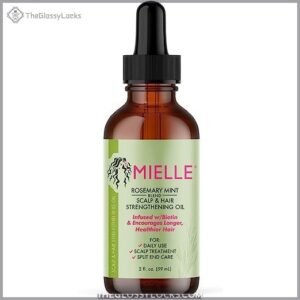
Chances are you’ve seen this bottle all over your feed, and the hype’s mostly earned. The biotin and rosemary combo targets scalp circulation, though don’t expect miracles overnight — results usually show up around six months in.
Peppermint and tea tree add a cooling, almost tingly relief that’s genuinely satisfying on an itchy scalp. Use four to five drops, massage for five minutes. It’s lightweight, budget-friendly, and a solid entry point if you’re new to scalp oiling.
| Best For | Anyone new to scalp oiling who wants a lightweight, budget-friendly treatment to help with dryness, flaking, and an itchy scalp. |
|---|---|
| Volume | 2 fl oz |
| Key Ingredient | Biotin & Rosemary |
| Primary Benefit | Scalp Circulation |
| Usage Type | Multi-use |
| Model Number | 30679 |
| Cruelty-Free Status | Not specified |
| Additional Features |
|
- Cooling peppermint and tea tree offer genuinely satisfying relief for an itchy, irritated scalp
- Lightweight formula that works as a scalp oil, pre-wash treatment, or split-end treatment
- Affordable entry point for anyone just starting out with scalp oiling
- Essential oils may irritate sensitive scalps, so a patch test is recommended before regular use
- Not a standalone conditioner — works best as part of a fuller hair care routine
- Requires consistent, long-term use to see noticeable results
2. Head and Shoulders Hydrating Scalp Serum
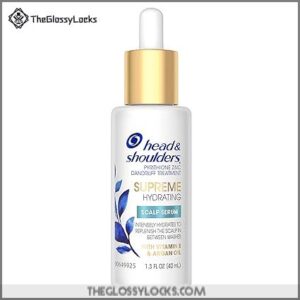
If oiling isn’t your thing, this one’s a total lifesaver. It’s a lightweight serum, not an oil, delivering pyrithione zinc to fight dandruff-causing microflora while glycerin and panthenol hydrate. Argan oil and niacinamide round it out, softening dry patches and supporting your scalp barrier.
FYI: it absorbs fast, no greasy residue, so it layers well with your regular routine. Apply via dropper, massage gently, and use it between washes for a moisture boost without the commitment.
| Best For | People who want a quick, no-mess way to soothe an itchy, flaky scalp without committing to a full oil treatment. |
|---|---|
| Volume | 1.3 fl oz |
| Key Ingredient | Argan Oil |
| Primary Benefit | Scalp Hydration |
| Usage Type | Leave-on |
| Model Number | N/A |
| Cruelty-Free Status | Not specified |
| Additional Features |
|
- Lightweight, fast-absorbing formula that won’t leave hair greasy
- Combines hydrating ingredients like glycerin, panthenol, and argan oil with dandruff-fighting pyrithione zinc
- Easy dropper application makes it simple to use between washes
- Needs consistent, regular use to keep seeing results
- Meant purely as a scalp treatment, not a styling product
- Small 1.3 fl oz size may mean frequent repurchasing for daily users
3. Organic Cold Pressed Castor Oil
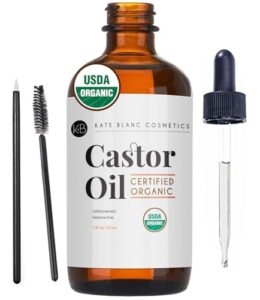
Now, if serums aren’t cutting it and you want something richer, go old-school: castor oil, cold-pressed and organic. It’s thick, viscous, and packed with ricinoleic acid (often 92%+ on quality labels), which boosts circulation and calms the inflammation behind flaking.
PSA: a little goes a long way. Warm a few drops between your palms, massage into the scalp pre-wash, and let it work as an overnight mask. Hexane-free, no synthetic fillers — just gunk-fighting goodness.
| Best For | anyone dealing with a dry, flaky scalp or brittle hair who wants a rich, old-school oil treatment over a lightweight serum. |
|---|---|
| Volume | 2 oz |
| Key Ingredient | Castor Oil |
| Primary Benefit | Scalp Softening |
| Usage Type | Pre-wash |
| Model Number | N/A |
| Cruelty-Free Status | Not specified |
| Additional Features |
|
- Cold-pressed and USDA organic with no hexane or synthetic fillers
- High ricinoleic acid content helps boost circulation and calm scalp inflammation
- Versatile enough for hair, lashes, brows, skin, and cuticles
- Thick, viscous texture can feel heavy and may need blending with lighter carrier oils
- Requires consistent, regular use before you’ll see visible results
- For external use only, so it won’t help with internal or dietary needs
4. Fable and Mane Amla Soothing Serum
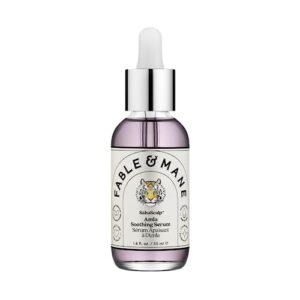
Not into thick oils weighing you down? Fable and Mane’s Amla Soothing Serum is your lightweight alternative, built around amla (Emblica officinalis) — a vitamin C powerhouse that calms irritation without residue.
Rosemary, turmeric, and basil extracts round out the antimicrobial, anti-inflammatory profile, while aloe keeps things hydrated. It’s vegan, silicone-free, and genuinely non-greasy.
FYI: this is a pre-shampoo treatment, not a leave-in. Massage a few drops in, let it sit, then wash — simple as that.
| Best For | Anyone dealing with an itchy, flaky, or product-clogged scalp who wants a lightweight, weekly pre-wash treatment instead of a heavy oil. |
|---|---|
| Volume | 4.59 oz (wt) |
| Key Ingredient | Amla & Bakuchi |
| Primary Benefit | Scalp Purifying |
| Usage Type | Pre-wash |
| Model Number | 2489110 |
| Cruelty-Free Status | Cruelty-free |
| Additional Features |
|
- Formulated with Amla and Bakuchi to support skin cell renewal and scalp health
- Lightweight, silicone-free, vegan, and cruelty-free formula that won’t weigh hair down
- Soothes irritation, dryness, and itchiness while purifying away product build-up
- Only intended for pre-wash use, so it can’t double as a leave-in treatment
- Needs to be used at least once a week to see visible results
- Formulated specifically for the scalp, not for treating the hair strands themselves
5. Kiehl’s Magic Elixir Hair Oil
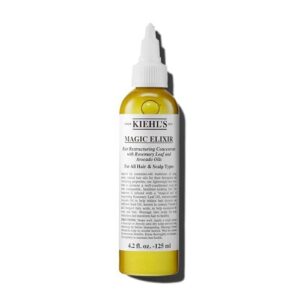
Ten minutes is all this one asks for, and honestly, that’s the whole appeal. Kiehl’s blends avocado, safflower, and rosemary leaf oils into a lightweight pre-shampoo treatment that softens dry strands without weighing hair down.
If you’re also focused on length and thickness, pairing this treatment with a few castor oil tips for 4c hair growth can round out your routine nicely.
Apply to dry hair, massage in circles to boost circulation, then let it sit before rinsing. Sulfate-free and dye-free, it’s a solid pick if your scalp feels tight or dull rather than actively flaky — think maintenance, not medicated intervention.
| Best For | Anyone with dry, dull, or fine hair looking for a lightweight, natural pre-shampoo treatment to boost softness and shine without heavy residue. |
|---|---|
| Volume | 4.2 fl oz |
| Key Ingredient | Rosemary Leaf Oil |
| Primary Benefit | Scalp Moisture |
| Usage Type | Pre-shampoo |
| Model Number | 3605970251314 |
| Cruelty-Free Status | Not specified |
| Additional Features |
|
- Nourishes with avocado, safflower, and rosemary leaf oils for softer, more manageable hair
- Sulfate-free, dye-free, and free of synthetic fragrance and mineral oils
- Works for all hair types, including fine hair, without weighing strands down
- Must be applied to dry hair only, which limits flexibility in your routine
- Requires a ten-minute wait before rinsing, adding extra time to your shower routine
- Not a leave-in product, so it only fits in as a pre-shampoo step
6. Aunt Jackies Hair and Scalp Oil
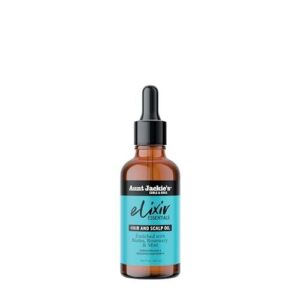
If your scalp practically screams by mid-week, this one’s your peppermint-and-eucalyptus fix. Castor and soybean oils moisturize while biotin targets breakage, and menthol delivers that instant cooling relief you feel within seconds.
Jojoba and coconut oils seal it all in without the greasy aftermath. FYI: warm a dime-sized amount between your palms first, massage into the scalp for 2-5 minutes, then rinse thoroughly post-wash. It’s budget-friendly relief for irritation, not a medicated dandruff treatment.
| Best For | Anyone dealing with an itchy, irritated scalp who wants a quick cooling fix along with some extra support for thinning or breaking hair. |
|---|---|
| Volume | 2 oz |
| Key Ingredient | Biotin & Rosemary |
| Primary Benefit | Scalp Soothing |
| Usage Type | Leave-on |
| Model Number | 1-627-02-2446 |
| Cruelty-Free Status | Not specified |
| Additional Features |
|
- Menthol and peppermint deliver fast, noticeable cooling relief for scalp irritation
- Biotin and collagen help target breakage while supporting growth and thickness
- Jojoba and coconut oils lock in moisture without leaving hair greasy
- Not a medicated treatment, so it won’t address underlying dandruff or scalp conditions
- Part of a larger line with varying formulas, so it’s easy to grab the wrong one for your needs
- Requires a few minutes of massaging in and rinsing out, which adds a step to your routine
7. Moroccanoil Dry Scalp Treatment
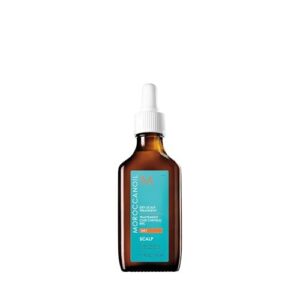
Five minutes is all this one asks of you, and honestly, that’s the whole selling point. Moroccanoil’s treatment pairs salicylic acid exfoliation with argan oil, geranium, and lavender to loosen flakes while calming the itch that comes with them.
Use a dropper for 3-6 drops per section, massage it in, then let it sit before your regular wash. Vitamin E adds antioxidant support, so your scalp doesn’t just feel treated—it actually gets some repair benefits too.
| Best For | Anyone dealing with a dry, flaky, or itchy scalp who wants a quick weekly treatment rather than a long, involved routine. |
|---|---|
| Volume | 1.5 fl oz |
| Key Ingredient | Argan Oil |
| Primary Benefit | Scalp Exfoliation |
| Usage Type | Pre-shampoo Mask |
| Model Number | MO-SCALPDRY45 |
| Cruelty-Free Status | Cruelty-free |
| Additional Features |
|
- Gently exfoliates while calming irritation and itchiness
- Infused with argan oil, antioxidants, and essential fatty acids for added nourishment
- PETA certified cruelty-free
- Needs to sit for 5–10 minutes before rinsing, so it takes a bit of planning
- Requires shaking well before each use
- Must be followed up with shampoo and conditioner, adding a step to your routine
8. SheaMoisture Tea Tree Scalp Serum
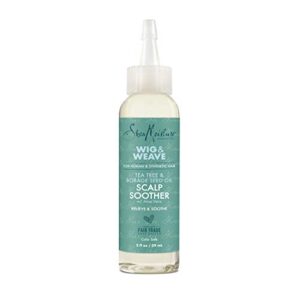
Wigs and braids feel great until your scalp starts screaming underneath them—that’s where this one earns its spot. The lightweight formula absorbs fast without residue, and tea tree oil does the heavy lifting: antifungal action against Malassezia, plus a cooling effect that calms itch on contact.
It’s paraben-free and dropper-dispensed for precise application. FYI, it’s a leave-in, not a rinse-out, so massage gently and reapply as needed—especially handy for tension relief under protective styles.
| Best For | Anyone rocking braids, wigs, or weaves who deals with an itchy, tight, or dry scalp and needs quick relief without disturbing their style. |
|---|---|
| Volume | 2 oz |
| Key Ingredient | Tea Tree Oil |
| Primary Benefit | Scalp Relief |
| Usage Type | Leave-in |
| Model Number | 764302017196 |
| Cruelty-Free Status | Not specified |
| Additional Features |
|
- Tea tree oil offers antifungal action and a cooling effect that calms itching fast
- Lightweight, dropper-dispensed formula absorbs quickly with no greasy residue
- Free of parabens, sulfates, phthalates, mineral oil, and petrolatum
- Requires gentle massaging into the scalp, which can be tricky to do under tight protective styles
- It’s a leave-in only—not meant to be rinsed out, so it’s not for everyone’s routine
- May need frequent reapplication for lasting relief throughout the day
Match Oil to Scalp Needs
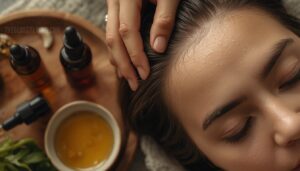
Listen, not all flakes are created equal, and slathering on the wrong oil can actually make things worse.
Before you grab any bottle off that top 8 list, you need to know what’s actually happening on your scalp—dry, dandruff-prone, or something else entirely.
Here’s how to read the signs and match your fix accordingly.
Dry Scalp Vs Dandruff
Dry scalp or dandruff — which one’s actually yours? Here’s the quick tell:
- Flakes: white/small (dry) vs. yellow/oily (dandruff)
- Feel: tight, thirsty skin vs. greasy, intensely itchy
- Cause: dehydration/weather vs. microbiome imbalance
- Fix: hydration vs. antifungal treatment
- Pattern: fades with less washing vs. chronic recurrence
Understanding the dandruff root cause is essential for choosing the right treatment.
Know your type first — treating dandruff like dry scalp just feeds the flakes.
Oily Flakes and Yeast
Ever wonder why some flakes look almost greasy? Blame Malassezia yeast — it feeds on sebum lipids, converting oil into irritating fatty acids that trigger barrier permeability and inflammation (hello, seborrheic dermatitis).
This feeding cycle disrupts your scalp microbiome, fueling fungal scalp infections.
Tea tree oil’s antifungal properties interrupt that loop directly, calming the yeast overgrowth causing those oily, yellow-tinged flakes in the first place.
White Flakes and Dehydration
Now flip that coin: white, powdery flakes usually mean dehydration, not excess oil. Your scalp’s barrier isn’t retaining water, so cells shed in dry clusters instead of individually.
Cold weather, indoor heating, and hot showers all strip moisture further. That’s where humectants (drawing water in) paired with emollients (sealing it) restore real scalp hydration — not just surface shine.
Itchy Scalp Triggers
Itch has more than one culprit, so an oil alone won’t always fix it. Consider:
- Malassezia yeast overgrowth — feeds on scalp oil, fueling flakes
- Contact dermatitis — new shampoo or product chemicals irritating skin
- Psoriasis flares — stress-triggered, silvery scaling patches
- Ringworm or lice — infections needing more than oil alone
If home fixes fail, that’s a red flag worth watching.
When to See Dermatologists
PSA: give any oil 2 to 3 weeks before judging it. If flakes, redness, or scalp irritation persist beyond that (or you notice systemic rash symptoms, nonhealing sores, a changing mole, or recurring hair loss), stop DIYing.
That’s dermatology territory—possibly seborrheic dermatitis. As trichology reminds us: chronic, recurring scalp issues need professional eyes, not another serum.
Best Ingredients for Flaking
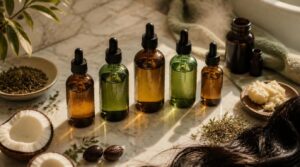
So once you know whether you’re dealing with dandruff or plain old dry scalp, the next question is: what actually fixes it? Turns out, the label on that bottle matters way more than the pretty packaging. Here are the five ingredients worth hunting for—and exactly what each one’s doing up there.
Tea Tree Oil Benefits
Tea tree oil earns its spot through antifungal microbe reduction — its terpinen-4-ol content targets the yeast-like organisms behind dandruff flaking. This same compound calms scalp redness and eases sensitivity, making it a smart pick if your scalp’s angry, not just flaky.
Just dilute it properly; undiluted essential oils can irritate rather than heal. Balance is everything here.
Jojoba Oil for Moisture
Here’s the science bit: jojoba oil isn’t technically an oil at all — it’s a liquid wax ester, chemically close to your scalp’s own sebum. That sebum mimicry lets it form a light occlusive barrier, reducing water loss without clogging follicles.
For dry scalp battling constant dehydration, this means better hydration balance and fewer flakes from surface dryness alone.
Castor Oil for Irritation
Grab castor oil when your scalp feels raw, not just flaky. Its ricinoleic acid calms irritation while forming an occlusive moisture barrier that locks hydration in—thick, sure, but effective.
- Soothes redness
- Binds moisture (humectant)
- Helps antimicrobial healing
- Delivers tocopherol antioxidants
- Calms compromised skin
Use it sparingly on dandruff-prone or dry scalp for genuine irritation relief, not an all-over drench.
Salicylic Acid Exfoliation
Think of salicylic acid as your scalp’s tiny demolition crew—it’s oil-soluble, so it slips past sebum for lipophilic pore entry and gets to work on keratin bond breakdown, the "glue" holding dead skin together. That’s what makes real scalp exfoliation possible.
Salicylic acid slips past sebum to break the keratin bonds gluing dead skin together, making real scalp exfoliation possible
Concentration strength selection matters, though: start low. And choose rinse-off vs leave-on wisely—leave-on treatments exfoliate longer but risk compromising your scalp barrier if overused.
Pyrithione Zinc for Dandruff
Public enemy number one for dandruff? Malassezia yeast, and pyrithione zinc is its kryptonite—disrupting fungal metabolic processes and starving cells of zinc balance.
- Inhibits Malassezia growth
- Alters zinc cellular mechanisms
- Delivered via microparticles
- Pairs well in antidandruff hair oils
FYI: some scalps report stinging or irritation risks, so patch test before going all-in on your new scalp oil routine.
How to Apply Scalp Oil
Here’s the thing: even the fanciest oil won’t do much if you’re just dumping it on and hoping for the best.
Application technique actually matters—how much you use, how warm it’s, how you work it in—all of it changes the results you get.
So before you grab a bottle, let’s walk through the five habits that separate "meh" from "wow, my scalp actually feels better.
Use Precise Dropper Application
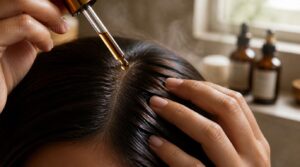
Precision beats pouring, every time. A dropper’s tip orifice controls how fast (and how much) product releases, so aim close to the scalp for targeted delivery instead of soaking your strands.
This calibrated dispensing technique gives repeatable dosing accuracy for both dry scalp and dandruff treatments, while minimizing cross-contamination between applications—no double-dipping into your scalp oil, please.
Warm Oil Before Applying
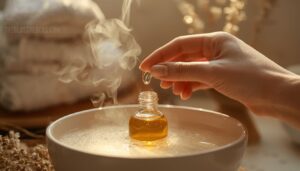
Cold oil just sits there, but warm oil glides—and glide matters when you’re trying to coat every dry patch evenly.
Warm your bottle in a bowl of hot water (never the microwave—hot spots cause burns). Test on your wrist first: comfortable, not scalding. This safe heating method boosts nutrient penetration into your scalp, so your scalp oils actually work instead of sitting on the surface doing nothing.
Massage Scalp Gently
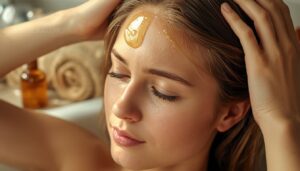
Now that your oil’s warmed and ready, don’t just slap it on and walk away—massage it in with fingertips, not nails. Use gentle circular motions, light pressure only. This boosts circulation, helps loosen flakes, and avoids scratching irritated skin. If your scalp starts burning or turning red, ease up.
Short, rhythmic strokes work best; aggressive rubbing just aggravates dandruff and dry patches further.
Pre-shampoo Oiling Method
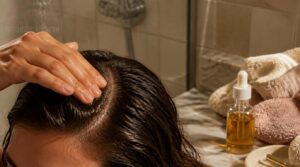
Massaging’s great, but timing matters too. Applying scalp oils before shampooing—not after—creates a protective lipid barrier, reducing water absorption and swelling during washing.
- Improves detangling slip
- Prevents cuticle damage
- Reduces breakage risk
- Helps with oil buildup
FYI: warm oil spreads evenly, covering flaky patches shampoo would otherwise strip bare. Rinse thoroughly—no one wants greasy roots.
Overnight Treatment Tips

Skipping the pre-shampoo rinse for a full overnight treatment? That’s when the real magic happens.
Extended overnight contact time boosts moisture retention, letting oils fully coat dry scalp and dandruff flakes while you sleep.
Apply lightly to avoid pooling, cover hair with a breathable cap for bedding hygiene, and wash thoroughly each morning—lukewarm water, gentle hands—to prevent irritation and support real hair nourishment.
Hair Oil Buying Guide
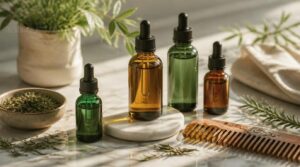
Okay, so you’ve got a shortlist of oils and some science on ingredients—now what? Picking the right bottle isn’t just about grabbing whatever smells nice at Sephora. Here’s what actually separates a smart buy from a scalp full of regret.
Choose Lightweight Formulas
Texture matters more than you’d think. Look for an oil-in-water emulsion—it spreads thin, absorbs fast, and won’t sit there being greasy all day.
Lightweight scalp oils rinse clean, so you dodge residue buildup that traps flakes. That’s the difference between a nongreasy hair formula you’ll actually use daily and a heavy oil collecting dust in your cabinet.
Avoid Harsh Synthetic Fillers
Ingredient labels don’t lie, even when marketing does. Flip the bottle before you buy: fragrance, mineral oil, PEGs, and silicones can trigger irritation, clog follicles, or leave residue that worsens dandruff. Synthetic preservatives add sensitivity risk too.
Your scalp deserves natural ingredients that actually treat flaking—not fillers padding an ingredient list while doing nothing for dry scalp.
Prioritize Cold-pressed Oils
Ever wonder why cold-pressed oils cost more? They’re mechanically extracted—no chemical solvents, minimal heat—which means less thermal stress on delicate compounds.
That preserves natural aroma, antioxidants, and essential fatty acids (linoleic, linolenic) your scalp actually craves.
- Deeper nourishment for stressed, flaking skin
- Chemical-free peace of mind
- Real scalp health, not marketing hype
FYI: refined oils lose this magic entirely.
Match Your Hair Type
Not all scalps—or strands—want the same oil. Curl pattern moisture needs differ wildly: coily hair craves richer emollients close to the roots, while straight hair shows every drop of residue, so lighter serums win there.
Fine hair? Go featherweight to dodge greasy flatness. Thicker, coarser textures handle heavier oil texture weight just fine, absorbing what fine strands would reject outright.
Always Patch Test First
PSA: skip patch testing and you’re gambling with your scalp. Dab a small amount behind your ear or inner arm—not your whole head—and wait.
If your scalp reacts, you’ll want to rethink your timeline anyway, so check how long bleaching black hair actually takes before committing.
Watch for redness, itching, or swelling over 24 hours, then check again at 48-72 hours since delayed sensitivity is sneaky and shows up late.
No reaction? You’re clear. Any flare-up means that "natural" ingredient isn’t natural for your sensitive scalp.
Frequently Asked Questions (FAQs)
What is the best oil for dry hair and dandruff?
Honestly? Tea tree oil blended with jojoba wins for most people—jojoba’s sebum mimicry moisturizes deeply, while tea tree’s antifungal punch fights dandruff-causing yeast, boosts circulation, and prevents follicle damage from constant scratching and flaking.
What oils not to use on scalp?
Skip undiluted essential oils (tea tree, menthol) and citrus varieties—UV sensitivity plus scalp irritation aren’t worth it.
Petroleum-based formulas trap heat like plastic wrap, while heavy, greasy oils cause buildup and worsen dandruff instead of soothing your already-stressed scalp.
Should I oil my hair if I have a dry scalp?
Yes—think of it like watering a thirsty plant, not drowning it. A quality scalp oil works as an emollient, sealing in moisture, easing dehydration, and calming flakes, provided you use it sparingly to dodge residue buildup.
What is best for dry scalp and dandruff?
Figure out yeast vs dehydration first: oily flakes mean dandruff, needing pyrithione zinc or antifungal actives; dry, white flakes need moisturizing scalp oils like jojoba. Match your fix to the actual cause, not the symptom.
What is the best oil for dry scalp and dandruff?
Depends on your diagnosis: tea tree oil fights microbial growth for dandruff, while jojoba oil’s sebum-mimicking properties moisturize dry, white flakes. Match ingredients to your scalp’s actual trigger—environmental dryness or yeast overgrowth—rather than grabbing whatever smells nice.
Is oiling good for dry dandruff?
It’s genuinely a mixed bag — good for loosening dry flakes and boosting your moisture barrier, but risky if it’s true dandruff, since oil can feed Malassezia yeast and worsen greasy, itchy flaking. Know your flake type first!
What is the best oil for scalp inflammation?
Angry scalp, itchy scalp, inflamed scalp — castor oil is your go-to. Its ricinoleic acid boosts blood circulation and calms irritation, while tea tree oil brings antifungal, anti-inflammatory backup for stubborn redness and flaking.
How often should I use hair oil for dry scalp?
Aim for 2 to 3 times weekly if truly dry, dropping to once weekly for mild, seasonal flaking. Oily scalps stretch to every 7–14 days, protective styles call for root touch-ups only, and dandruff needs weekly, symptom-driven applications instead.
Are there any hair oils that can help with lice?
Picture a mom coating her kid’s hair in diluted tea tree and olive oil, sealing it under a shower cap—suffocation method in action. Follow with thorough nit combing while oily, then rinse. Oils help, but always pair with proven treatments, not miracle cures.
Are hair oils safe for use on childrens scalps?
Not always. Kids’ thinner skin barriers react faster to essential oil irritation and contact dermatitis.
Skip undiluted tea tree oil—opt for pediatric-formulated, lightly diluted natural remedies, and patch test first to catch scalp rashes before they start.
Conclusion
Your scalp is a compass, not a mystery — it’s been pointing toward the answer all along, whether that’s a plea for moisture or a fungal flare-up.
The best hair oils for dry scalp and dandruff work because they listen to that signal instead of ignoring it. Tea tree calms yeast. Castor soothes irritation. Jojoba replenishes what’s missing.
Once you match ingredient to cause, flakes stop being a mystery. They become manageable, predictable, gone.