
This site is supported by our readers. We may earn a commission, at no cost to you, if you purchase through links.
Your skin doesn’t need a chemistry degree to heal itself. While pharmaceutical acne treatments promise quick fixes with ingredient lists you can’t pronounce, your face might respond better to what nature’s been using for centuries—clay, honey, charcoal, and botanical oils that work with your skin’s natural defenses instead of stripping them away.
The best natural face masks for acne target the root causes (excess oil, inflammation, bacterial overgrowth) without the harsh side effects that leave your skin red, flaky, or even more irritated than before. These plant-based treatments absorb sebum, calm angry pimples, and prevent future breakouts through mechanisms your skin actually recognizes—because unlike synthetic alternatives, they’re speaking your body’s language.
Table Of Contents
- Key Takeaways
- Key Benefits of Natural Face Masks for Acne
- Essential Ingredients in Natural Acne Masks
- Top 6 Best Natural Face Masks for Acne
- How to Use Natural Face Masks Effectively
- Additional Tips for Managing Acne Naturally
- Frequently Asked Questions (FAQs)
- What homemade face mask is best for acne?
- How to clear acne on face naturally?
- How to 100% clear acne?
- Does a natural face mask work for acne?
- What is a good DIY face mask for acne?
- Can oatmeal be used in homemade acne face masks?
- What is the best homemade face mask for pimples?
- What is a good face mask for oily skin?
- What are some alternatives to acne face masks?
- Which face mask is the best for acne?
- Conclusion
Key Takeaways
- Natural face masks with clay, honey, and charcoal target acne’s root causes—excess oil, inflammation, and bacterial overgrowth—by working with your skin’s biology instead of stripping away its protective barrier like synthetic treatments do.
- Clay-based masks (bentonite for oily skin, kaolin for sensitive types) absorb up to 20 times their weight in sebum and toxins, while maintaining your skin’s ideal pH of 4.5-5.5 prevents pore clogging and bacterial overgrowth that trigger breakouts.
- Honey’s natural antibacterial properties and aloe vera’s anti-inflammatory compounds deliver real results without harsh side effects, but you’ll need 4-6 weeks of consistent use (1-3 times weekly) to see meaningful improvement in acne and skin clarity.
- If six to eight weeks of home care doesn’t show progress, or if you’re dealing with deep cysts, spreading infections, or emotional distress from your skin, it’s time to see a dermatologist—some acne requires professional intervention beyond natural remedies.
Key Benefits of Natural Face Masks for Acne
Natural face masks aren’t just trendy—they target acne through science-backed mechanisms that work with your skin, not against it.
Honey’s antibacterial properties make it a standout ingredient in natural face masks for acne, working to eliminate harmful bacteria while preserving your skin’s healthy microbiome.
From reducing inflammation to preventing future breakouts, these plant-based treatments offer tangible results without the harsh side effects of synthetic alternatives. Here’s how they tackle acne at every stage (and why your skin might actually thank you for making the switch).
Absorbing Excess Oil and Reducing Inflammation
Your skin’s oil production doesn’t have to rule your life. Natural face masks with bentonite or kaolin clay work as powerful oil control methods, literally pulling excess sebum from pores—people with acne-prone skin produce about three times more oil than clear-skinned folks.
Meanwhile, ingredients like aloe vera and green tea deliver anti-inflammatory relief, calming angry breakouts while supporting skin purification without harsh chemicals. For more on the benefits of aloe vera, see how its vitamin-rich anti-inflammatory properties support natural acne treatment.
Preventing Breakouts and Balancing Skin PH
Keeping your skin in that ideal acidic range around pH 4.5 to 5.5 isn’t just chemistry class talk—it’s your secret weapon for breakout control. When pH drifts too high, pores clog faster and acne-causing bacteria throw a party on your face.
Maintaining your skin’s ideal pH around 4.5 to 5.5 is your secret weapon against clogged pores and acne-causing bacteria
Natural ingredients like apple cider vinegar and honey in DIY skincare recipes help restore pH leveling, creating conditions where acne prevention actually works long-term.
Treating Acne Scars and Hyperpigmentation
Once breakouts heal, those stubborn dark marks and uneven patches remain.
Natural Exfoliants like yogurt with lactic acid gently speed cell turnover for Acne Scar Removal, while vitamin C and niacinamide tackle Hyperpigmentation Treatment by blocking excess pigment formation.
Turmeric, honey, and aloe vera in your DIY face mask deliver antiinflammatory Skin Brightening support, though deep pitted scars need professional care for true Facial Renewal.
For persistent concerns, consider learning more about advanced solutions for acne scars.
Supporting a Chemical-Free Skincare Routine
Beyond fading marks, you’re choosing ingredients that respect your skin’s biology. A Chemical Free approach built on Natural Ingredients like clay, honey, and oatmeal keeps your Skin Barrier intact while Gentle Exfoliants (sugar, ground coffee, or oat powder) clear pores without harsh microbeads.
Homemade Face Masks give you full control over what touches your face:
- Fewer synthetic preservatives means less irritation
- Anti-inflammatory botanicals calm redness naturally
- DIY Skincare aligns with Sustainable Skincare values you care about
Essential Ingredients in Natural Acne Masks
The best natural face masks for acne start with ingredients that actually work—not just pretty-sounding botanicals. Each one targets a specific acne mechanism, whether that’s absorbing excess oil, killing bacteria, or calming inflammation.
Let’s break down the key players that’ll give you real results (without the sketchy chemicals).
Bentonite and Kaolin Clay
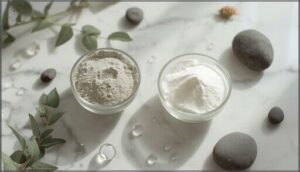
Think of clay as your skin’s personal oil-absorbing sponge. Bentonite clay swells up to 20 times its size when wet, pulling excess sebum and debris from deep within your pores—perfect for aggressive oil control. Kaolin offers a gentler touch for sensitive skin concerns while still minimizing pores effectively.
Both work beautifully in homemade face masks, giving you a chemical-free skin detox without harsh ingredients.
| Clay Type | Best For |
|---|---|
| Bentonite | Very oily, congested acne-prone skin |
| Kaolin | Sensitive or combination skin with breakouts |
| Green/White | Balanced purifying and sebum regulation |
Activated Charcoal and Tea Tree Oil
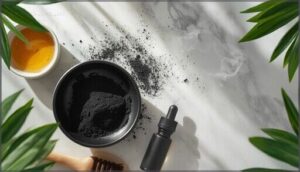
Activated charcoal‘s porous structure traps acne-causing bacteria and environmental pollutants on your skin’s surface, offering powerful oil control and skin detox benefits.
Tea tree oil delivers concentrated antimicrobial action—just a drop or two in DIY face mask recipes helps shrink inflamed pimples fast.
Together, they provide serious acne relief without synthetic ingredients, giving you natural control over stubborn breakouts.
Honey and Aloe Vera
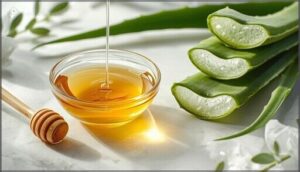
Honey benefits your acne-prone skin through natural antibiotic action. Its high sugar content and low water activity create an unfriendly environment for pimple-causing bacteria.
Aloe vera gel delivers hydrating polysaccharides that calm redness without clogging pores.
Together, these natural moisturizers and skin soothers with anti-inflammatory properties make powerful homemade face masks that heal breakouts while supporting your skin barrier beautifully.
Apple Cider Vinegar and Jojoba Oil

Apple cider vinegar supplies gentle alpha hydroxy acids that increase cell turnover and help fade clogged pores while balancing your skin’s pH. Jojoba oil closely mimics human sebum, so it moisturizes without triggering breakouts.
- Acne treatment: Acetic acid creates an environment less friendly to acne-causing bacteria
- Oil control: Natural remedies that regulate sebum without stripping your skin
- Skin balancing: DIY skincare solutions maintain ideal pH for clearer complexion
- Face care: Homemade face masks combining both ingredients support healthy skin barrier function
Top 6 Best Natural Face Masks for Acne
Now that you know which ingredients work best for acne, let’s look at specific products you can actually use.
These six natural face masks combine the powerhouse ingredients we’ve discussed into ready-to-use formulas (or easy DIY options). Each one targets acne through a different mechanism, so you can pick what matches your skin’s needs.
1. Nates Organic Raw Honey
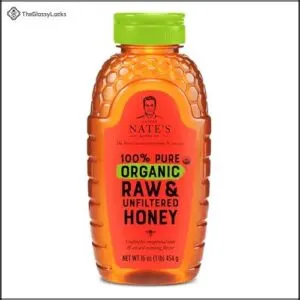
When you’re battling acne without harsh chemicals, raw honey becomes your gentle ally. Nate’s Organic Raw Honey offers USDA-certified organic honey with natural antibacterial properties that tackle acne-causing bacteria while hydrating your skin (it’s a humectant, pulling moisture right in).
The unfiltered formula retains enzymes that gently exfoliate dead cells clogging your pores. Simply spread a thin layer over damp skin, wait 10-20 minutes, and rinse. You can even mix it with aloe vera for extra soothing power on inflamed breakouts.
| Best For | Anyone looking for a natural, chemical-free solution to acne that also doubles as a gentle moisturizer and exfoliant for sensitive or breakout-prone skin. |
|---|---|
| Form | Liquid |
| Organic/Natural | USDA Organic |
| Primary Use | Face mask, sweetener |
| Package Size | 16 oz |
| Additives | None |
| Skin Benefits | Moisturizing, antibacterial |
| Additional Features |
|
- Natural antibacterial properties help fight acne-causing bacteria without harsh chemicals
- Unfiltered formula with enzymes gently exfoliates while acting as a humectant to keep skin hydrated
- USDA-certified organic and unpasteurized, so you’re getting pure honey with all the beneficial pollens and nutrients intact
- Strong flavor might overpower delicate recipes if you’re using it in cooking or baking
- Higher price point compared to regular non-organic honey options
- Packaging issues like leaks or broken lids have been reported during shipping
2. Bentonite Clay Face And Body Detox Mask
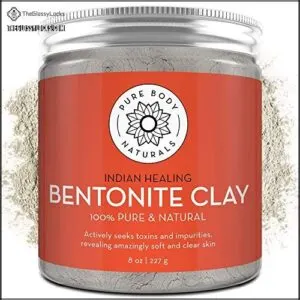
You’ll find real pore-clearing power in bentonite clay—this Wyoming volcanic ash carries a negative charge that literally pulls out positively-charged toxins, excess oil, and makeup residue from your pores.
Mix the powder with apple cider vinegar (not water alone) using non-metal utensils to preserve its magnetic properties. Apply to your T-zone or full face for 10-20 minutes once or twice weekly.
Your skin might feel tight afterward, so follow up with a lightweight moisturizer (jojoba oil works beautifully).
| Best For | People with oily or acne-prone skin who want a natural, deep-cleaning mask that pulls out impurities without harsh chemicals. |
|---|---|
| Form | Powder |
| Organic/Natural | 100% Pure |
| Primary Use | Face mask, detox |
| Package Size | 8 oz |
| Additives | None |
| Skin Benefits | Detoxifies, reduces breakouts |
| Additional Features |
|
- Pure Wyoming volcanic ash with natural detoxifying properties that actually draw out oil and toxins from your pores
- Versatile enough to use as a face mask, full-body detox bath, or underarm treatment
- Free from parabens and phthalates, so you’re getting just the clay with nothing extra
- Requires specific mixing instructions (apple cider vinegar and non-metal tools) which adds extra steps
- Can be tricky to get the right consistency when mixing the powder
- Leaves skin feeling tight and dry, so you’ll need a good moisturizer on hand
3. NewRhythm Probiotics Supplement
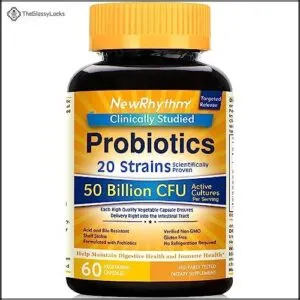
Clear skin starts from within—that’s where NewRhythm Probiotics steps in with 50 billion CFU and 20 strains to rebalance your gut microbiome (yes, your digestive health directly affects your complexion).
Take one targeted-release capsule daily with food to help reduce inflammation that triggers breakouts. The shelf-stable formula includes organic prebiotic fiber to feed beneficial bacteria, and it’s free from gluten, GMOs, and common allergens.
Give it 4-6 weeks of consistent use to see improvements in both digestion and skin clarity.
| Best For | Anyone dealing with breakouts or digestive issues who wants to improve gut health and skin clarity naturally. |
|---|---|
| Form | Capsule |
| Organic/Natural | Natural, Non-GMO |
| Primary Use | Internal supplement |
| Package Size | 60 count |
| Additives | Gluten-free |
| Skin Benefits | Indirect via gut health |
| Additional Features |
|
- 50 billion CFU with 20 strains targets gut inflammation that triggers acne
- Shelf-stable and allergen-free—no refrigeration or worry about sensitivities
- Includes prebiotic fiber to support long-term digestive balance
- Takes 4-6 weeks of consistent use to see noticeable skin improvements
- Some users report loose stools when starting or needing to adjust dosage
- Quality control issues reported, including inconsistently filled capsules
4. Bragg Organic Apple Cider Vinegar
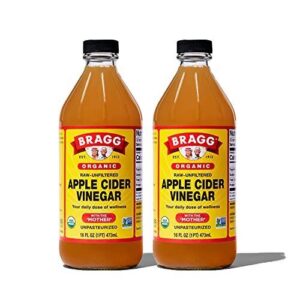
You’ve probably spotted Bragg’s cloudy vinegar at the store—that murky “Mother” inside holds live cultures that can support your skin from multiple angles.
Mix one part of this organic, raw ACV with three parts water to create a simple toner (never apply it straight, or you’ll risk irritation). The 5% acetic acid helps balance pH and dry out active pimples faster.
Dab it on with a cotton pad after cleansing, then follow with moisturizer to keep your barrier happy.
| Best For | People looking for a natural, affordable way to balance skin pH and target acne with a gentle toner that doubles as a pantry staple. |
|---|---|
| Form | Liquid |
| Organic/Natural | USDA Organic |
| Primary Use | Toner, digestive aid |
| Package Size | 16 oz |
| Additives | Unpasteurized |
| Skin Benefits | Toning, pH balancing |
| Additional Features |
|
- Contains live “Mother” cultures that may support skin health and help dry out active breakouts
- USDA Organic, non-GMO, and multipurpose (works for skin, hair, cooking, and cleaning)
- Budget-friendly option with a long shelf life
- Strong vinegar smell that some people find unpleasant
- Must be diluted properly or it can irritate skin and damage tooth enamel
- Can strip hair color and cause dryness if overused as a rinse
5. NOW Tea Tree Essential Oil
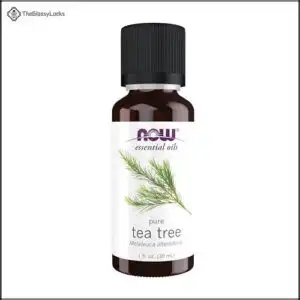
NOW’s 100% pure tea tree essential oil packs an antimicrobial punch strong enough to target acne bacteria—but only when you dilute it properly. Mix one or two drops with a tablespoon of jojoba or grapeseed oil before applying to blemishes (straight application will irritate your skin, trust me).
The steam-distilled Melaleuca alternifolia oil offers that signature warm, spicy scent while calming inflamed breakouts.
Patch test on your inner elbow first, then dab onto problem spots with a cotton swab after cleansing—your skin will thank you for the careful approach.
| Best For | Anyone dealing with acne or oily skin who wants a natural, potent treatment option and doesn’t mind taking the time to dilute it properly. |
|---|---|
| Form | Liquid |
| Organic/Natural | 100% Pure |
| Primary Use | Topical treatment, aromatherapy |
| Package Size | 1 oz |
| Additives | Undiluted |
| Skin Benefits | Anti-acne, antibacterial |
| Additional Features |
|
- 100% pure and undiluted formula means you’re getting maximum strength without fillers or additives
- Multi-purpose oil works beyond skincare—great for cleaning, aromatherapy, and even repelling insects
- Steam distillation method preserves the natural antimicrobial properties that actually fight acne-causing bacteria
- Requires dilution before every use, which adds an extra step to your skincare routine
- Strong concentration can cause irritation or allergic reactions if you’re not careful with application
- Quality and scent can be inconsistent compared to other brands, so your experience may vary batch to batch
6. Organic Jojoba Oil for Hair and Skin
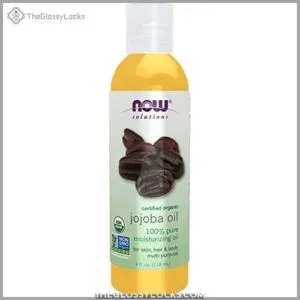
NOW’s organic jojoba oil brings something your other acne fighters need: moisture without the grease. With a comedogenic rating around 2, it mimics your skin’s natural sebum (so it sinks right in without clogging pores).
One study showed that clay masks with jojoba reduced acne lesions by 54% over six weeks.
Apply two or three drops to damp skin after cleansing, or blend it into your clay masks to keep them from over-drying. Your barrier will stay intact while you tackle breakouts.
| Best For | Anyone dealing with acne who wants to add moisture back without making breakouts worse, especially if clay masks or other treatments are drying out your skin. |
|---|---|
| Form | Liquid |
| Organic/Natural | USDA Organic |
| Primary Use | Moisturizer, carrier oil |
| Package Size | 4 oz |
| Additives | Non-GMO |
| Skin Benefits | Moisturizing, softening |
| Additional Features |
|
- Won’t clog pores since it’s similar to your skin’s natural oils
- Works well mixed into clay masks to prevent over-drying
- USDA organic and cruelty-free
- Gets greasy if you use too much
- Dispenser can be messy and hard to control
- More expensive than other carrier oils
How to Use Natural Face Masks Effectively
You can have the best natural face mask in your cabinet, but if you’re not using it correctly, you’re leaving results on the table. The difference between clear skin and ongoing breakouts often comes down to three simple factors: how you prep, what you choose, and how often you apply.
Let’s break down each step so you can optimize every mask you use.
Preparing Your Skin for Application
Think of your face as a canvas—you can’t paint over grime and expect a masterpiece. Start with gentle cleansing using lukewarm water to remove oil without stripping your barrier. Dermatologists often recommend pre-mask exfoliation a few times weekly to help homemade face masks penetrate better, but always patch testing new recipes protects your skin health from unexpected reactions, regardless of skin type.
| Prep Step | Purpose | Acne-Prone Benefit |
|---|---|---|
| Gentle Cleansing | Removes surface debris and makeup | Allows mask ingredients to reach pores directly |
| Exfoliation (2-3x/week) | Clears dead cells blocking absorption | Clay masks pull out deeper buildup |
| Patch Testing | Checks for allergic reactions | Prevents widespread irritation or breakouts |
Choosing The Right Mask for Your Skin Type
Your skin type dictates which homemade face masks work best for acne skin. Oily skin thrives with bentonite clay and charcoal, while dry, acne-prone faces need honey and aloe to avoid flaking.
Dermatologists emphasize that combination skin benefits from zone-specific masking—thick clay on your T-zone, lighter formulas on cheeks. Sensitive types should stick to short ingredient lists with natural ingredients like oatmeal, skipping fragrances entirely.
Frequency and Duration of Use
Most natural acne masks work best at one to three times weekly—overusing strips your barrier and triggers rebound oil.
Clay and charcoal formulas demand shorter session guidelines (10 to 15 minutes) for skin sensitivity, while honey blends tolerate 20.
Track your treatment timeline over six to eight weeks, adjusting mask application and usage limits as your skin type reacts to these homemade face masks with natural ingredients.
Additional Tips for Managing Acne Naturally

Natural face masks work best when they’re part of a bigger picture. Your skin doesn’t exist in isolation—it reacts to how you treat it daily, what you eat, and when something needs more than DIY fixes.
Here are three essential strategies that’ll help you manage acne beyond the mask itself.
Maintaining Skin Hygiene
You can’t mask your way out of dirty habits. Daily cleansing with gentle, natural ingredients prevents acne by removing pore-clogging debris.
Change your pillowcase twice weekly—old fabric harbors bacteria that undo your best efforts. Clean brushes regularly (they’re bacteria magnets with surprising antibacterial properties when sanitized).
Wipe your phone clean before calls, because pressing germ-covered screens against your cheek undermines even the smartest skin hygiene routine.
Diet and Lifestyle Adjustments
Your diet fights acne from the inside out—switching to a Low Glycemic Diet stabilizes insulin spikes that trigger breakouts. Load your plate with Anti Inflammatory Foods like salmon, berries, and leafy greens to calm inflamed skin.
Prioritize Sleep Quality and Stress Management through regular exercise and consistent bedtimes, because cortisol wreaks havoc on pores.
These Healthy Habits boost every natural ingredient you apply topically.
When to Seek Professional Advice
Six to eight weeks of consistent home care should show progress—if not, schedule a Dermatologist Visit. Deep cysts, spreading Skin Infections, or worsening inflammation signal Severe Acne that natural masks can’t control alone.
Acne Scarring, new dark marks after every breakout, or emotional distress warrant professional help.
Thoughts of self-harm require Emergency Care immediately, not skincare tweaks.
Frequently Asked Questions (FAQs)
What homemade face mask is best for acne?
A honey and aloe mask works exceptionally well because raw honey fights acne-causing bacteria while aloe vera calms inflammation.
This simple DIY face mask recipe delivers effective acne treatment using natural ingredients available at home.
How to clear acne on face naturally?
You can clear facial acne naturally by combining gentle daily cleansing with herbal treatments like tea tree oil, face mapping your breakouts to identify triggers, and supporting skin nutrition through whole foods—these natural acne remedies work together effectively.
How to 100% clear acne?
Complete acne clearance requires professional care—prescription retinoids, hormonal therapy, or isotretinoin—paired with gentle cleansing, non-comedogenic products, stress management, and dietary adjustments.
Natural remedies support this comprehensive healing, not replace dermatologist-guided acne treatment.
Does a natural face mask work for acne?
There’s no magic bullet, but natural face masks with clay, honey, or tea tree oil genuinely calm inflammation, absorb excess sebum, and fight acne-causing bacteria—making them a valuable organic skincare step for mild breakouts.
What is a good DIY face mask for acne?
Several DIY face mask recipes tackle acne causes effectively: mix bentonite clay with apple cider vinegar to absorb oil, or blend raw honey with oatmeal for gentle exfoliation—both natural acne remedies suit different skin types.
Can oatmeal be used in homemade acne face masks?
Yes, oatmeal works beautifully in homemade face masks for acne. Its anti-inflammatory compounds calm redness, while gentle exfoliation removes dead cells.
Mix ground oats with honey or yogurt for soothing, natural remedies that support clearer skin.
What is the best homemade face mask for pimples?
A honey, yogurt, and turmeric mask addresses pimples beautifully—the honey fights bacteria, yogurt gently exfoliates, and turmeric calms inflammation.
Apply this DIY mask once or twice weekly for clearer, balanced skin without harsh chemicals.
What is a good face mask for oily skin?
Clay-based face masks work brilliantly for oily skin because bentonite or kaolin absorbs excess sebum without stripping moisture.
Adding tea tree oil targets acne while aloe vera soothes inflammation, creating perfect balance for acne prevention.
What are some alternatives to acne face masks?
You can skip face masks and reach for acne spot treatment with benzoyl peroxide, or add skin exfoliation using salicylic acid.
Alternatively, try herbal remedies like green tea compresses with anti-inflammatory properties.
Which face mask is the best for acne?
People say one mask rules them all, but here’s the truth: the best natural face mask for acne depends on your skin type—bentonite clay for oily skin, honey and aloe for sensitive types.
Conclusion
Think of your skin as a garden—it doesn’t need synthetic fertilizers when the soil’s already rich with natural defenses.
The best natural face masks for acne work because they boost what’s already there: clay pulls toxins, honey fights bacteria, oils restore balance. You’re not covering up the problem; you’re giving your skin the tools it recognizes to heal itself.
That’s not just skincare—it’s working with your biology, not against it.
- https://lilyananaturals.com/blogs/news/the-7-best-homemade-anti-acne-face-masks
- https://livesimply.me/homemade-honey-oatmeal-acne-mask-recipe/
- https://www.urbancompany.com/blog/turmeric-for-acne-5-diy-face-masks-for-acne
- https://www.healthline.com/health/skin/tea-tree-oil-for-acne
- https://www.forestessentialsindia.com/blog/diy-face-masks-for-acne.html