This site is supported by our readers. We may earn a commission, at no cost to you, if you purchase through links. This content is for general informational and educational purposes only and is not a substitute for professional medical, dermatological, or nutritional advice.

Somewhere between your kitchen pantry and a $60 skincare serum sits one of the oldest beauty secrets on the planet. Raw honey has been smoothed onto skin since ancient Egypt, not because it smelled nice or felt luxurious, but because it genuinely worked.
Modern science has since confirmed what those early beauty routines already knew—honey carries natural hydrogen peroxide, gentle acids, and antioxidants that cleanse, hydrate, and protect skin all at once. The right honey face mask can calm a breakout, soften dry patches, or brighten dull skin, depending on what you mix in and how you apply it.
Table Of Contents
- Key Takeaways
- Why Raw Honey Works on Your Skin
- Top 4 Best Honeys for Face Masks
- Honey Face Mask Recipes by Skin Type
- How to Apply a Honey Face Mask
- Honey Face Mask Safety and Precautions
- Frequently Asked Questions (FAQs)
- Do honey masks help with eczema?
- Is honey mask good for the face?
- How is honey good for your face?
- What is best to mix with honey for the face?
- Do dermatologists recommend honey on face?
- Is a honey mask good for your face?
- What is best to mix with honey for face?
- How long should you leave honey on your face?
- How to make a honey mask for the face?
- How often should I use honey face masks?
- Conclusion
Key Takeaways
- Raw honey does real skincare work — its natural hydrogen peroxide, gentle acids, and antioxidants cleanse, hydrate, and protect your skin all at once.
- Not all honey is equal: Manuka is best for acne and irritation, buckwheat wins on antioxidants, and wildflower or thyme honey suits sensitive and dry skin well.
- Your skin type should drive your mask recipe — clay and tea tree for oily or acne-prone skin, oats and milk for dry skin, and egg white with frankincense for anti-aging.
- How you apply and remove the mask matters as much as what’s in it — prep damp skin, leave the mask on 15–20 minutes, rinse gently with lukewarm water, and moisturize right after.
Why Raw Honey Works on Your Skin
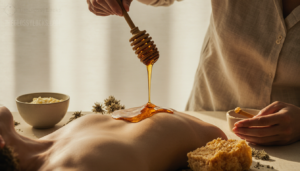
Raw honey isn’t just sweet — it’s doing a lot of quiet, steady work every time you put it on your skin. The reasons it actually works come down to a handful of specific biological actions that benefit your skin in different ways. Here’s a closer look at what’s happening beneath the surface.
Think of it as nature’s most versatile skin care remedy — one ingredient quietly tackling multiple skin concerns at once.
Antibacterial Hydrogen Peroxide Action
Raw honey contains a quiet but powerful secret: glucose oxidase enzyme that reacts with oxygen on your skin to produce a steady, low-level stream of hydrogen peroxide. This gentle antibacterial action works in three ways:
- Oxidative bacterial kill damages cell membranes and internal proteins
- Disrupts biofilm-forming bacteria through oxidative membrane penetration
- Maintains antibacterial effect at skin-safe peroxide concentration levels
The strength of these effects can vary depending on the botanical origin honey used.
Humectant Moisture-Drawing Properties
Honey’s antibacterial action is just one part of the story.
It also works as a natural humectant, meaning it actively draws water toward your skin. The glucose and fructose in raw honey act as a water binding mechanism, pulling moisture in and keeping it there — so your honey face mask delivers real, lasting skin hydration.
Natural Acids for Gentle Exfoliation
Moisture is just the beginning — your skin also needs regular, gentle renewal.
Raw honey naturally contains lactic, gluconic, malic, and citric acids, which quietly loosen the bonds between dead skin cells without harsh scrubbing. Think of them as nature’s soft reset for your complexion.
Here’s what makes honey’s acid blend so effective for DIY skincare:
- Lactic acid chemically separates dead cells from the surface, supporting smoother skin without irritation.
- Gluconolactone releases gluconic acid slowly, making it ideal for sensitive skin types needing mild exfoliation.
- Papain enzyme action from botanical sources breaks down surface proteins gently, similar to how a honey face mask with apple cider vinegar targets buildup.
Because honey stays pH balanced, these acids work within a skin-friendly range, so exfoliation feels comfortable rather than harsh.
Antioxidants That Fight Free Radicals
Your skin is constantly under attack from free radicals — unstable molecules triggered by UV exposure and pollution. Raw honey fights back naturally, delivering flavonoids and phenolic acids that donate electrons to neutralize these molecules before they damage skin proteins and cells.
| Antioxidant | What It Does for Skin |
|---|---|
| Flavonoids | Scavenge reactive oxygen species |
| Phenolic acids | Reduce oxidative stress |
| Vitamin C (ascorbic acid) | Targets UV-related damage |
| Vitamin E equivalents | Protects surface lipids and barrier |
| Polyphenols | Support defense against environmental damage |
Manuka honey is especially rich in these compounds, making it a smart choice for DIY honey face mask recipes targeting dull or stressed skin.
Balancing Skin PH Naturally
Think of your skin as a finely tuned ecosystem. Its acid mantle naturally sits around pH 4.5 to 5.5, and raw honey — with a pH between 3.2 and 4.5 — gently reinforces that balance.
Manuka honey’s antimicrobial edge makes it especially worth exploring alongside nourishing body butters for melanin-rich skin, where maintaining that delicate pH balance matters most.
Raw honey’s naturally acidic pH mirrors your skin’s own acid mantle, quietly reinforcing its balance
Regular use of a honey face mask promotes microbiome harmony, keeping surface conditions stable and your skin feeling calm, comfortable, and resilient every day.
Top 4 Best Honeys for Face Masks
Not all honey is created equal, and when considering your skin, the variety you choose really does matter. Some types bring stronger antibacterial power, while others shine when considering antioxidants or gentle hydration. Here are the top four honeys worth keeping in your skincare routine.
1. Sandt’s Unfiltered Raw Buckwheat Honey
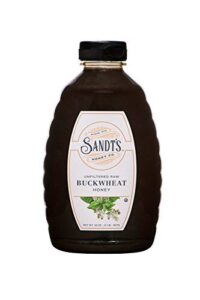
If you want serious antioxidant power in your face mask, Sandt’s Unfiltered Raw Buckwheat Honey is worth reaching for. Buckwheat honey contains up to eight times more antioxidants than clover honey, making it a standout choice for brightening and protecting your skin.
Because it’s completely unfiltered, it keeps its natural enzymes and phytochemicals fully intact. No additives, no preservatives — just pure honey, exactly as the bees made it.
| Best For | Anyone who wants a rich, unprocessed honey that pulls double duty — great for natural health remedies and adding bold, complex flavor to everyday food and drinks. |
|---|---|
| Processing | Raw, Unfiltered |
| Preservative Free | Yes |
| Gluten-Free | Yes |
| Net Weight | 2 lbs |
| Honey Variety | Buckwheat |
| Price Point | Standard |
| Additional Features |
|
- Completely unfiltered, so all the natural enzymes, pollen, and antioxidants stay intact — nothing’s been stripped out
- Versatile in the kitchen — works beautifully in coffee, tea, oatmeal, or as a natural cough remedy
- Clean label you can trust: no GMOs, no dyes, no preservatives, no added flavors, and it’s kosher certified
- It will crystallize over time, which is totally normal but means you’ll need to gently warm it up to get it flowing again
- The packaging and lid have had some durability complaints, so handle with a little care
- The bold, molasses-like flavor of buckwheat honey isn’t for everyone — it’s much stronger than your typical clover honey
2. Oregon Growers Organic Wildflower Honey
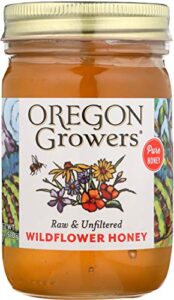
Oregon Growers Organic Wildflower Honey brings something genuinely special to your skincare routine. Sourced from the Columbia River Gorge region, its bees collect nectar from a mosaic of clover, blackberry, and native Oregon blooms — which means you’re getting diverse antioxidants from multiple botanical sources in every jar.
It’s raw and unfiltered, so the natural enzymes stay intact. For sensitive or balanced skin types, this honey offers gentle, flexible nourishment without being too intense.
| Best For | Home cooks, tea lovers, and health-conscious eaters who want a clean, minimally processed sweetener that fits keto, paleo, or low-carb lifestyles. |
|---|---|
| Processing | Raw, Unfiltered |
| Preservative Free | Yes |
| Gluten-Free | Yes |
| Net Weight | 1.13 lbs |
| Honey Variety | Pure Wildflower |
| Price Point | Premium |
| Additional Features |
|
- Raw and unfiltered, so the natural enzymes and antioxidants are fully intact
- Certified organic, gluten-free, and dairy-free with zero preservatives — just pure honey
- Versatile enough for everything from morning oatmeal to marinades and hot tea
- Costs more than your average grocery store honey
- Flavor can vary jar to jar depending on which wildflowers were in bloom
- Not ideal if you need a completely consistent taste every time
3. Organic Greek Thyme Honey
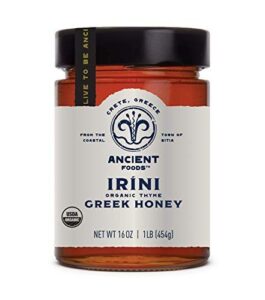
Greek thyme honey is a quiet powerhouse you mightn’t have considered yet. Harvested from the mountainous fields of Crete, it’s raw and cold-pressed, meaning those beneficial enzymes and antioxidants stay fully intact.
It’s naturally rich in pollen, flavonoids, and vitamin C, which give it real antibacterial and brightening potential. The high fructose content also makes it an excellent humectant, drawing moisture into your skin. It’s a beautiful choice for dull or dehydrated skin that needs a little revival.
| Best For | Anyone who wants a high-quality, natural sweetener with real depth of flavor — especially home cooks, food enthusiasts, and health-conscious eaters who don’t mind paying a little more for something genuinely special. |
|---|---|
| Processing | Raw, Unfiltered |
| Preservative Free | Yes |
| Gluten-Free | Yes |
| Net Weight | 1 lb |
| Honey Variety | Thyme |
| Price Point | Premium |
| Additional Features |
|
- Raw and unfiltered, so all those good enzymes and antioxidants stay intact
- The thyme flavor is complex and savory — way more interesting than your average grocery store honey
- USDA-certified organic and gluten-free, straight from traditional Cretan beekeeping
- It’s pricier than the honey you’d grab off a supermarket shelf
- Crystallization is likely over time, though it’s still perfectly usable as a thick spread
- You probably won’t find it locally — specialty shops or online ordering is usually your best bet
4. Wedderspoon Raw New Zealand Manuka Honey
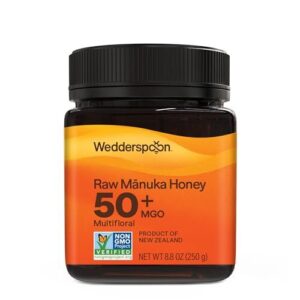
If you’re serious about results, Wedderspoon Raw Manuka Honey deserves a spot in your skincare routine. Sourced from a single Manuka flower hive in New Zealand, it’s raw, unpasteurized, and batch-tested for purity — so you know exactly what you’re putting on your skin.
Its natural antibacterial compounds help calm irritation and regulate breakouts, while its antioxidants fight the daily damage that dulls your complexion. It’s a quiet, steady worker your skin will thank you for.
| Best For | Anyone who wants a clean, natural sweetener or a simple wellness boost without a bunch of added ingredients. |
|---|---|
| Processing | Raw, Unfiltered |
| Preservative Free | Yes |
| Gluten-Free | Yes |
| Net Weight | 8.8 oz |
| Honey Variety | Manuka |
| Price Point | Premium |
| Additional Features |
|
- Raw and unpasteurized, so you’re getting honey the way it actually comes out of the hive
- Batch-tested for purity, which is reassuring when you’re paying a premium
- Versatile enough to stir into tea, spread on toast, or just take straight off the spoon
- It’s pricier than your average grocery store honey
- The sweetness is pretty intense, so a little goes a long way
- The small serving sizes might feel limiting if you’re used to being generous with your honey
Honey Face Mask Recipes by Skin Type
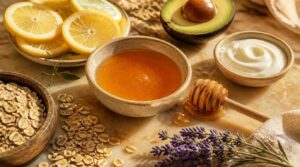
Not all skin is the same, and the right honey mask recipe really does depend on what your skin actually needs. Whether you’re dealing with breakouts, dryness, or early signs of aging, there’s a straightforward recipe that fits. Here are five honey face mask recipes, each built for a specific skin type.
Acne-Prone Skin Mask Recipe
If your skin is constantly battling breakouts, a Manuka honey mask might be exactly what it needs. Mix one tablespoon of manuka honey with a teaspoon of bentonite clay and two drops of tea tree oil. These antibacterial ingredients work together to clear pores and calm inflammation.
Always do a patch test first — your skin will thank you.
Apply it to a small area 24 hours before full use — especially when trying any of these homemade body scrub recipes made from pantry staples.
Dry Skin Mask Recipe
When acne-prone skin gets its recipe, dry skin deserves equal love. This honey oatmeal blend is your skin’s version of a warm hug.
- Use organic raw honey as your moisturizing base mix
- Add plain oats and whole milk for a creamy paste
- Apply to clean, damp skin for better absorption
- Leave on for 15 to 20 minutes
- Follow with a moisturizer for post mask hydration
Always follow your patch test protocol before applying this honey face mask fully to support lasting skin hydration and dry skin relief.
Sensitive Skin Mask Recipe
Dry skin drinks up rich ingredients, but sensitive skin needs something quieter and kinder. This gentle oat base and honey yogurt blend keeps things simple—just colloidal oatmeal, organic raw honey, and plain yogurt mixed into a smooth paste.
- Patch test protocol first—24 hours before full application
- Apply to clean, damp skin
- Leave on for 10 to 15 minutes
- Cool water rinse only
- Follow with your moisturizer lock-in
This DIY skin care routine soothes sensitive skin without fuss.
Oily Skin Mask Recipe
Oily skin needs a different approach — one that pulls out excess oil without stripping your skin bare.
Honey clay combination delivers exactly that. Mix organic raw honey with bentonite clay and a spoonful of plain yogurt. The clay manages sebum control benefits, while the honey keeps things comfortable. Apply this honey face mask for 15 minutes, then rinse. Simple, effective DIY skin care.
Anti-Aging Skin Mask Recipe
Now, if aging is your main concern, this is where honey really earns its place in your routine.
Mix organic raw honey with a few drops of frankincense oil and one egg white. This antiaging honey face mask promotes collagen synthesis boost and skin firmness improvement, while antioxidants drive visible skin rejuvenation — leaving your complexion brighter and fine lines noticeably softer.
How to Apply a Honey Face Mask
Getting the most out of your honey mask isn’t just about the ingredients—how you apply it matters just as much. A few simple steps can make the difference between a mask that works and one that just sits on your skin. Here’s exactly what to do, from prep to finish.
Preparing Skin Before Applying
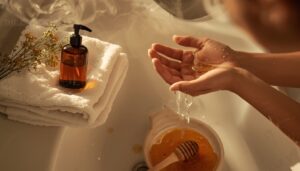
Think of this step as laying the groundwork—because even the best honey mask won’t perform well on skin that isn’t ready for it.
- Use a gentle cleanser to remove dirt, oil, and sunscreen without stripping your skin barrier.
- Rinse with lukewarm water, then leave skin slightly damp, not fully dry.
- Do a patch test 24 hours before applying a new recipe, especially if your skin type runs sensitive.
- If needed, do light pre-mask exfoliation to clear flaky patches so the mask sits evenly.
- Skip heavy creams beforehand—thick layers can stop honey from making real skin contact.
Applying The Mask Evenly
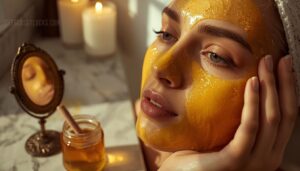
Getting the mask onto your skin properly matters just as much as what’s in it.
Start from the center of your face and work outward, using clean fingertips or a mask brush for even coverage. This Even Layer Technique prevents thick patches from forming on your cheeks while thinner spots appear on your forehead.
| Area | Common Mistake | Fix |
|---|---|---|
| Forehead | Rushing application | Use slow, steady strokes |
| Jawline | Missing edges | Press mask gently to seal |
| Nose sides | Skipping contours | Use fingertip, not brush |
Use a mirror throughout — your Coverage Check Mirror moment — so you can catch any streaks or gaps before the mask sets. Press lightly along your hairline and jawline using the Edge Sealing Method to keep the honey face mask in full skin contact.
Keep your pressure gentle and consistent across every facial zone. Rushed, uneven strokes leave bald spots that reduce the topical application’s effectiveness for your skin type.
How Long to Leave It On

Most honey face masks work best with a 15 to 20 minute dwell time — long enough for the humectant and antibacterial properties to absorb into your skin. If your DIY honey facial mask includes active ingredients like lemon juice or acids, shorten application thickness exposure to around 10 minutes.
Trust how your skin feels, and remove it sooner if any discomfort builds.
Removing Mask Without Irritation
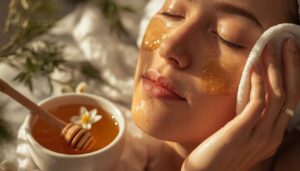
Rinsing off your honey face mask the wrong way can undo all the good work. Start at the edges — chin or forehead — and peel slowly if it’s a peel-off formula. For rinse-off masks, these four steps keep soothing skin safe:
- Rehydrate with a damp cloth before wiping to loosen residue gently
- Use lukewarm water only — never hot, which can sting sensitive skin
- Remove with soft circular motions, not scrubbing or pulling
- Pat — don’t rub — dry to protect your skin barrier repair process
Natural skincare works best when removal is just as mindful as application.
Moisturizing After Mask Removal
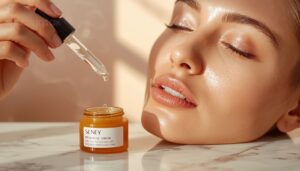
Your skin is most receptive right after a honey face mask comes off — so don’t wait. Apply moisturizer while skin is still slightly damp to lock in hydration fast.
Your internal habits matter just as much — explore these skin cancer recovery skincare tips to understand how diet, stress, and medication quietly shape how well your skin bounces back.
Reach for ingredients like hyaluronic acid and ceramides, which draw in moisture and support your barrier. A gentle, fragrance-free formula works best to keep things calm and comfortable.
Honey Face Mask Safety and Precautions
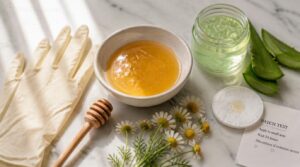
Honey is gentle, but that doesn’t mean anything goes. A few simple precautions can keep your skin safe and your results consistent. Here’s what to keep in mind before you mask.
For the most effective results, opt for raw, unfiltered honey — and if you’re curious about other skin-loving kitchen staples, using apple cider vinegar for wrinkles is another natural approach worth exploring.
Avoiding Eye and Sensitive Areas
The area around your eyes needs extra care during any facial mask. The skin there is thinner and far more reactive than your cheeks or forehead.
Always maintain an eye contour buffer — leave roughly a finger-width gap between the mask edge and your eye area. Mind the lash line gap too, since moist masks can slide toward lashes and cause stinging.
Sun Sensitivity With Citrus Additives
Citrus is where things get a little tricky. If your DIY honey facial mask includes lemon juice or lemon essential oil for skin brightening, you need to plan around sunlight.
Citrus contains furanocoumarins like bergapten, which react with UV light and can trigger a phototoxic reaction — think redness, burns, or lasting discoloration.
Always apply these masks at night, then rinse thoroughly and use sunscreen the next morning.
Recognizing Allergic Reactions Early
Even if you’ve used honey for face masks before, an allergic reaction can catch you off guard.
Watch for early itching signs or tingling where the mask touched your skin. Hives identification matters too — raised, red bumps spreading across your face signal trouble. Facial redness detection, swelling, or throat tightness warning means stop immediately and rinse with cool water.
Frequently Asked Questions (FAQs)
Do honey masks help with eczema?
Think of your skin barrier like a cracked window—eczema breaks the seal. Raw honey’s anti-inflammatory properties help soothe irritation, retain moisture, and limit bacterial overgrowth, making it a gentle, supportive option for eczema-prone skin.
Is honey mask good for the face?
Yes, honey is genuinely good for your face. It offers antibacterial and anti-inflammatory benefits, enhances your skin barrier, and suits nearly every skin type — making it a simple, science-backed skincare staple.
How is honey good for your face?
Raw honey is basically a multitasking skincare ingredient. It’s antibacterial, anti-inflammatory, and acts as a humectant, pulling moisture into your skin while supporting your microbiome balance and natural glow.
What is best to mix with honey for the face?
What you mix with raw honey depends on your skin’s needs. Avocado moisturizes, cinnamon fights bacteria, lemon brightens, oatmeal soothes, and turmeric delivers antioxidants — each natural ingredient targets a specific concern.
Do dermatologists recommend honey on face?
Most dermatologists don’t officially endorse honey as a proven skin treatment. Clinical evidence is limited, so think of it as a gentle, optional boost — not a replacement for dermatologist-approved skincare.
Is a honey mask good for your face?
Think of honey as nature’s multitasker — antibacterial, humectant, anti-inflammatory — all in one jar. It hydrates, protects your skin barrier, and fights bacteria, making it genuinely good for your face.
What is best to mix with honey for face?
What you add to honey matters just as much as the honey itself. Yogurt and clay are top picks — yogurt brings lactic acid for gentle exfoliation, while clay draws out impurities.
How long should you leave honey on your face?
Most people do fine leaving honey on for 15 to 20 minutes. Oily or acne-prone skin benefits from shorter sessions, around 5 to 10 minutes.
How to make a honey mask for the face?
Start with a tablespoon of raw honey, spread it evenly over clean skin, and let it sit for 15 minutes before rinsing with warm water.
How often should I use honey face masks?
Most skin types do well with 2 to 3 times weekly. Sensitive or dry skin benefits from once a week. Cut back if you notice tightness, flaking, or irritation after use.
Conclusion
A single jar of raw honey holds more skincare wisdom than an entire shelf of trendy products combined. Every honey face mask you make at home puts that ancient, science-backed power directly in your hands—adapted to your skin, your needs, your routine.
You don’t need a complicated regimen or expensive ingredients to see real results. Start simple, stay consistent, and let honey do what it’s done for thousands of years: quietly transform your skin.