This site is supported by our readers. We may earn a commission, at no cost to you, if you purchase through links. This content is for general informational and educational purposes only and is not a substitute for professional medical, dermatological, or nutritional advice.

Your bathroom cabinet probably holds more skincare power than you realize. A jar of raw honey, some aloe vera, even leftover green tea—these aren’t just pantry staples. Science has confirmed what traditional healers knew for centuries: whole-food ingredients often outperform their synthetic counterparts for calming, balancing, and repairing skin.
The shift toward natural skin care remedies isn’t just a trend. With growing concern over harsh preservatives and synthetic fragrances, more people are choosing ingredients they can actually pronounce. And the results speak for themselves.
From antibacterial honey masks to mineral-rich clay treatments, the five remedies ahead work across every skin type—whether you’re battling breakouts, dryness, or sensitivity.
Table Of Contents
- Key Takeaways
- Best Natural Skin Care Remedies
- Top 5 Natural Skin Care Products
- Natural Remedies by Skin Type
- Safe Natural Skin Care Tips
- Frequently Asked Questions (FAQs)
- How to improve skin care naturally?
- How long do homemade natural remedies last?
- Can natural ingredients cause allergic reactions?
- Whats the difference between organic and natural?
- Are natural remedies safe during pregnancy?
- How do you properly patch test ingredients?
- How do natural ingredients interact with skin medications?
- Are natural skin care products safe during pregnancy?
- How long before natural remedies show visible results?
- Can diet and nutrition improve skin health naturally?
- Conclusion
Key Takeaways
- Raw honey, aloe vera, green tea, colloidal oatmeal, and bentonite clay are science-backed kitchen ingredients that can genuinely address common skin concerns like acne, dryness, and sensitivity.
- Your skin type should guide every ingredient choice — what balances oily skin (clay, salicylic acid) can worsen dry or sensitive skin, so treating each zone individually matters.
- "Natural" on a label means nothing legally, so look for third-party certifications like BDIH or NATRUE and always read the full ingredient list before trusting a product.
- Visible results from natural remedies take 4 to 12 weeks of consistent use, and patch testing every new ingredient for 48 hours beforehand is non‑negotiable.
Best Natural Skin Care Remedies

Your kitchen and medicine cabinet might already hold some of the most effective skin care ingredients out there. Natural remedies have real science behind them, and the right ones can work surprisingly well for everyday skin concerns. Here are five worth trying first.
From soothing oat masks to honey cleansers, simple natural skin solutions using pantry staples can genuinely transform your everyday routine.
Raw Honey Face Mask
Raw honey is one of the simplest, most effective ingredients you can pull from your kitchen. It works on three levels at once: antibacterial properties help limit acne‑causing bacteria, natural enzymes provide gentle enzymatic exfoliation, and its humectant quality draws moisture into the skin.
Apply a thin layer, leave it on for 10–20 minutes, then rinse with lukewarm water.
raw unpasteurized honey offers the highest topical potential for skin health.
Aloe Vera Gel Treatment
Where honey seals and feeds, aloe vera cools and calms. Pure aloe vera gel penetrates the epidermis faster than water, which means active compounds reach irritated cells quickly. It’s especially effective for:
- Sunburn relief — apply generously after sun exposure
- Acne inflammation — dab onto blemishes to reduce redness
- Skin hydration — strengthens your moisture barrier without greasiness
Always choose pure formulations with minimal added ingredients.
Green Tea Toner
Aloe vera calms inflammation, but green tea toner takes things a step further by fighting the free radicals that age skin in the first place. Green tea polyphenols deliver antioxidant activity that neutralizes UV-triggered damage, while salicylic acid clears pores — a pairing that works especially well for oily or acne-prone skin.
| Benefit | Key Ingredient | Best For |
|---|---|---|
| Sebum balancing | Green tea extract | Oily skin |
| Pore cleansing | Salicylic acid (1.5–2%) | Acne-prone skin |
| Skin hydration | Glycerin, panthenol | Dry or combination skin |
Colloidal Oatmeal Soak
Where green tea toner targets surface-level oxidative stress, colloidal oatmeal works deeper — rebuilding what’s been stripped away.
Finely milled oats disperse in warm water to coat skin with a moisture-retaining film, calming itch, reducing redness, and supporting skin barrier repair from the inside out. Starches and beta-glucans lock hydration in, making it a go-to for dry, reactive, or eczema-prone skin.
Bentonite Clay Mask
Formed from volcanic ash deposits, bentonite clay is one of the most effective tools in natural skincare. Mixed with water into a smooth paste, it absorbs excess oil and draws impurities from pores as it dries — a true DIY skincare skin detox.
- Mix equal parts clay and water
- Apply a thin, even layer to clean skin
- Leave on 10–15 minutes
- Rinse gently — no scrubbing needed
Top 5 Natural Skin Care Products
When you’re ready to move beyond DIY, having the right products in your routine makes a real difference. These five picks cover a range of skin needs, from deep cleansing to daily hydration, all with clean, natural ingredients you can trust. Here’s what made the list.
If you want a deeper dive into finding the right formula for your skin tone, this guide to the best body wash for Black skin breaks down exactly what ingredients to look for and why they matter.
1. Tata Harper Nourishing Oil Cleanser
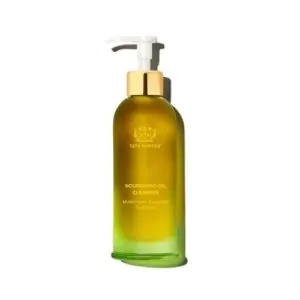
The Tata Harper Nourishing Oil Cleanser earns its $78 price tag by doing real work. A mix of sunflower, argan, and avocado oils dissolves makeup, sunscreen, and daily grime in one step, while jojoba esters mimic your skin’s natural sebum so it never feels stripped.
Arnica and calendula extracts calm any redness left behind. It rinses clean without residue, leaving a smooth, hydrated finish.
If you’re fragrance-sensitive, patch test first — the essential oil mix is light but present.
| Best For | Anyone with normal, combination, or dry skin who wants a gentle, effective one-step cleanser to kick off a double-cleanse routine — especially those who wear heavy makeup or SPF daily. |
|---|---|
| Primary Use | Facial Cleanser |
| Net Size | 125 ml |
| Skin Concerns | Clogged Pores, Makeup |
| Cruelty-Free Status | Not Specified |
| Sensitivity Caution | Possible Eye Irritation |
| Multi-Use Versatility | Double-Cleanse Step |
| Additional Features |
|
- Dissolves makeup, sunscreen, and daily pollutants in a single step without leaving residue
- Leaves skin feeling soft, smooth, and hydrated — never stripped or tight
- Plant-based, non-comedogenic formula that’s kind to pores and skin barrier
- At $78, it’s a premium investment compared to most oil cleansers on the market
- The essential oil fragrance may irritate highly fragrance-sensitive skin — patch testing is a good idea
- Some users, particularly those with beard-prone skin, report increased dryness or occasional eye irritation
2. Aztec Secret Healing Clay Mask
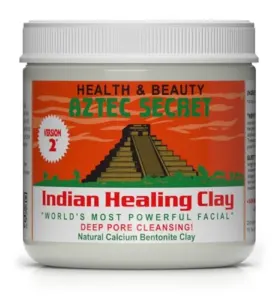
At just $14.95, the Aztec Secret Healing Clay punches well above its price. It’s 100% calcium bentonite clay — one ingredient, no fillers — mixed with apple cider vinegar or water to form a paste that fizzes gently on contact.
Apply a thin layer, leave it 5–10 minutes, then rinse. Your pores come out cleaner, blackheads reduced, and skin noticeably smoother. Sensitive skin types should stick closer to five minutes, since some tingling and mild redness are normal.
Skip metal spoons — they react with the clay.
| Best For | Anyone looking for an affordable, no-fuss deep-cleansing treatment — especially those dealing with oily skin, blackheads, or clogged pores. |
|---|---|
| Primary Use | Clay Mask/Soak |
| Net Size | 1.17 lb |
| Skin Concerns | Oil, Acne, Blackheads |
| Cruelty-Free Status | Not Specified |
| Sensitivity Caution | Patch Test Recommended |
| Multi-Use Versatility | Face, Hair, Feet, Bites |
| Additional Features |
|
- Pure single-ingredient formula with no fillers or additives
- Versatile enough to use as a face mask, hair mask, foot soak, or bug-bite remedy
- Excellent value at $14.95 for over a pound of product
- Can cause dryness, tingling, or mild redness, especially for sensitive skin types
- Mixing and removal is messy, and metal utensils must be avoided
- Requires a patch test before full use, which adds a step for first-time users
3. Pure Organic Aloe Vera Gel
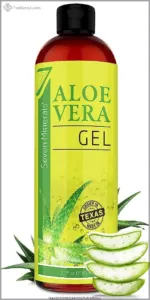
Aloe vera is one of those rare ingredients that earns every claim made about it. This NSF/ANSI 305 certified gel is grown from freshly cut leaves in Southern Texas — no powder, no fillers — and comes out 98.7% pure. It uses agar as a natural thickener instead of xanthan gum or carbomers, so it absorbs quickly without stickiness.
Use it on sunburn, razor irritation, or dry patches, or fold it into DIY recipes. Patch test first if your skin runs sensitive.
| Best For | Anyone who wants a clean, no-filler aloe gel for soothing skin irritation, daily moisturizing, or DIY skincare recipes. |
|---|---|
| Primary Use | Soothing Gel |
| Net Size | 12 fl oz |
| Skin Concerns | Sunburn, Irritation, Dryness |
| Cruelty-Free Status | Vegan Formula |
| Sensitivity Caution | Patch Test Recommended |
| Multi-Use Versatility | Face, Body, Hair, DIY |
| Additional Features |
|
- Made from freshly cut aloe leaves (no powder) and certified 98.7% pure — as close to straight-from-the-plant as you’ll get
- Absorbs fast without stickiness thanks to a natural agar thickener, skipping the carrageenan and carbomers found in most drugstore gels
- Versatile enough for sunburn, razor burn, frizz control, scalp care, and homemade recipes like baby wipes or conditioners
- Pricier than standard aloe gels, and the thin, liquid texture before it sets can feel a little messy to apply
- No pump dispenser, which makes dispensing less convenient — especially for larger areas
- Sensitive skin types should patch test first, since even pure aloe can trigger a reaction in some people
4. Organic Colloidal Oatmeal Powder
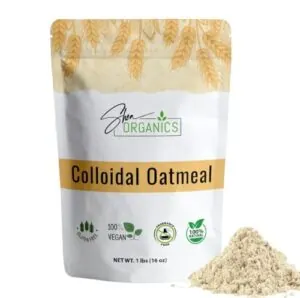
If your skin feels raw, itchy, or just plain angry, this powder is worth keeping on hand. Beta-glucans in colloidal oatmeal act as humectants, drawing moisture in while a fine protective film reduces water loss — gentle relief without any synthetic additives.
Stir it into a warm bath, mix it into a mask at up to 25%, or use it as a DIY soap base. One caveat: skip it if you have an oat allergy.
| Best For | Anyone with sensitive, dry, or eczema-prone skin — from babies to adults — who wants a clean, natural way to soothe irritation at home. |
|---|---|
| Primary Use | Bath Soak Powder |
| Net Size | 16 oz |
| Skin Concerns | Itchy, Eczema-Prone Skin |
| Cruelty-Free Status | Cruelty-Free Certified |
| Sensitivity Caution | Oat Allergy Caution |
| Multi-Use Versatility | Bath, Soaks, DIY Base |
| Additional Features |
|
- 100% pure colloidal oatmeal with no fillers or additives, so you know exactly what’s going on your skin
- Incredibly versatile — works as a bath soak, face mask ingredient, or DIY soap and lotion base
- USDA-organic and cruelty-free, with a resealable bag that keeps it fresh between uses
- Pricier per ounce than buying regular bulk oatmeal
- Needs warm water and some stirring to dissolve properly — it won’t just drop in and disappear
- A complete no-go for anyone with an oat allergy
5. Pura D Or Vitamin E Organic Oil
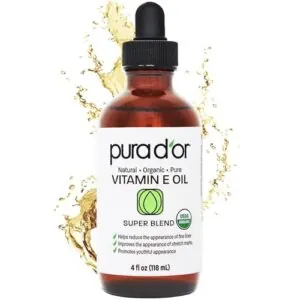
Seven oils in one bottle sounds like overkill — until you see what each one brings. Pura D’Or blends argan, jojoba, rosehip, and four more USDA-certified organic oils into a lightweight serum delivering 70,000 IU of Vitamin E.
It absorbs quickly, leaves no grease, and works on your face, cuticles, hair, and body. A few drops go a long way.
If you’re oily or acne-prone, apply sparingly — overuse can cause congestion.
| Best For | Anyone with dry, sensitive, or combination skin who wants a clean, multi-use oil treatment for face, body, hair, and cuticles in one bottle. |
|---|---|
| Primary Use | Moisturizing Oil |
| Net Size | 4 oz |
| Skin Concerns | Dryness, Scars, Dullness |
| Cruelty-Free Status | Vegan & Cruelty-Free |
| Sensitivity Caution | Fragrance-Sensitive Caution |
| Multi-Use Versatility | Serum, Body, Hair, Cuticles |
| Additional Features |
|
- Seven USDA-certified organic oils in one lightweight formula that absorbs fast without a greasy finish
- Truly multi-use — works as a facial serum, body moisturizer, hair treatment, bath oil, and cuticle care
- Clean formula (vegan, cruelty-free, no parabens, sulfates, or synthetic fragrance) that’s gentle enough for sensitive and eczema-prone skin
- Can clog pores or trigger breakouts if over-applied on oily or acne-prone skin
- The 4 oz bottle goes quickly if you’re using it on multiple areas regularly
- Natural oil scent may still bother people who are highly sensitive to fragrance
Natural Remedies by Skin Type
Your skin type shapes everything about how it reacts to natural ingredients. What works beautifully for dry skin can send oily skin into overdrive, and sensitive skin has its own rules entirely. Here’s what actually helps for each type.
Oily Skin Balance
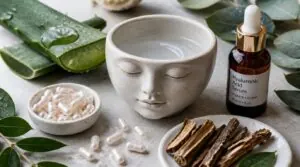
Oily skin doesn’t need aggressive treatment — it needs balance. Sebum regulation starts with gentle cleansing; stripping the skin triggers rebound oiliness as it compensates.
Niacinamide and salicylic acid are plant‑compatible pore‑clearing ingredients that work without disrupting your skin microbiome balance.
Pair them with a non‑comedogenic moisturizer containing hyaluronic acid. Skipping hydration makes oiliness worse, not better.
Dry Skin Relief
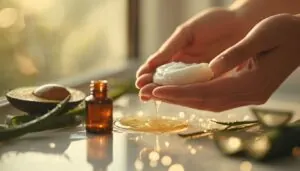
Where oily skin craves balance, dry skin craves replenishment. Apply moisturizer immediately after a warm shower — not hot — while your skin is still slightly damp, locking hydration into the outer layers before it escapes.
Choose creams or ointments over lotions; their occlusive base — think shea butter, jojoba oil, or petroleum jelly — seals moisture far more effectively. A bedroom humidifier helps counter dry indoor air, especially in winter.
Acne-Prone Skin Support
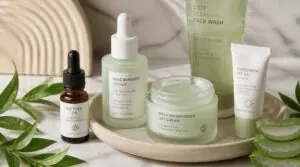
Dry skin seals moisture in — acne-prone skin works differently. Your goal is clearing congestion without stripping your barrier raw.
- Cleanse with a salicylic acid wash to exfoliate inside pores where blackheads form
- Apply niacinamide (2–5%) to regulate sebum and visibly tighten enlarged pores
- Dab tea tree oil as a natural antiseptic directly on active breakouts
- Hydrate with a lightweight noncomedogenic moisturizer to prevent dryness from acne treatments
- Finish mornings with broad spectrum SPF 30+ to protect healing skin
Sensitive Skin Protection
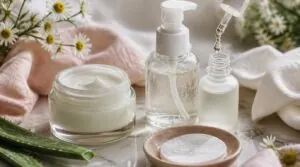
Acne-prone skin can handle active treatments — sensitive skin can’t always. Your barrier is fragile, so minimize product rotation and introduce changes one at a time.
Stick to fragrance-free, gentle cleansers and follow with a ceramide-based moisturizer. Niacinamide calms redness without irritating. A 2018 study linked fragrance exposure directly to increased sensitivity risk, so that’s one ingredient worth skipping entirely.
Combination Skin Care
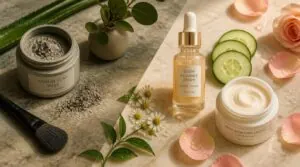
Combination skin plays by two sets of rules at once — your T-zone needs oil control while your cheeks crave hydration.
Target each zone separately:
- Clay mask on the forehead and nose
- Hydrating mask on dry cheeks
- Lightweight gel moisturizer for the T-zone
- Richer cream for cheek areas
- Gentle exfoliation once weekly to protect the skin barrier
Safe Natural Skin Care Tips
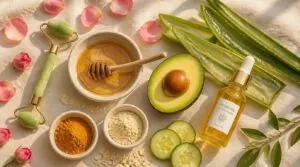
Natural ingredients can be powerful, but a few simple habits make all the difference in keeping your skin safe. Even the gentlest remedies need the right handling to work well and avoid irritation. Here’s what to keep in mind before and after you apply anything to your skin.
Patch Test First
Before trying any new natural ingredient, patch test first — no exceptions. Dab a small amount on your inner wrist or behind your ear, leave it on for 48 hours, and then watch for redness, raised skin, or blistering over the next 48–96 hours.
Reactions are graded from weak to strong, so even mild irritation counts. A clear result means you’re good to go.
Avoid Fragrance Irritants
Fragrance is one of the sneakiest irritants in skin care — even in "natural" products. Botanical scent allergens like linalool, limonene, and geraniol can trigger contact dermatitis just as readily as synthetic ones.
Leave-on products carry stricter thresholds (above 0.001%) for allergen disclosure, so check the ingredient list carefully. If you see "parfum" or "fragrance", that’s often a catch-all hiding multiple undisclosed compounds — a real risk for sensitive skin.
Check Natural Labels
The word "natural" isn’t regulated the way you might expect — any brand can print it freely. That’s why third-party certification logos like BDIH or NATRUE carry real weight over vague marketing buzzwords like "pure" or "green."
Any brand can call itself natural, but only third-party certifications like BDIH or NATRUE actually prove it
- Ingredient list order reveals concentration: top ingredients dominate
- Watch for "fragrance" or "parfum" hiding synthetic compounds
- Multiple "free-from" claims signal synthetic exclusions
- Certified organic ingredients appear explicitly named
Always read past the headline claim.
Store Remedies Properly
How you store a remedy matters as much as what’s inside it.
| Remedy Type | Best Container | Storage Tip |
|---|---|---|
| Oils | Dark glass bottle | Away from heat |
| Clay masks | Airtight jar | Cool, dry shelf |
| Aloe gel | Opaque tube | Refrigerate after opening |
| DIY blends | Labeled glass jar | Use within 2 weeks |
| Powders | Sealed tin | Keep moisture-free |
Date your batches. Discard anything off.
Use Mineral Sunscreen
Sunscreen isn’t optional — it’s the final layer your natural routine needs to hold.
Mineral UV filters like zinc oxide and titanium dioxide sit on the skin surface, deflecting rays without absorbing into your body. That physical barrier protection makes them a popular choice in nontoxic cosmetics.
Three reasons tinted formulas work well:
- Iron oxides reduce white cast
- They protect against visible light
- They merge into darker skin tones easily
No waiting — mineral sunscreen works immediately on application.
Frequently Asked Questions (FAQs)
How to improve skin care naturally?
Ironically, the best skin improvements often start with doing less. Strip back your routine, lean on proven botanicals, and let your skin’s natural barrier rebuild — consistency matters more than complexity.
How long do homemade natural remedies last?
Water-based recipes spoil within a week, while oil-based balms hold up six to twelve months. Clay masks stay safe for two to four weeks. Alcohol tinctures last two to five years — far outlasting anything fresh.
Can natural ingredients cause allergic reactions?
Yes, natural ingredients can cause allergic reactions. Essential oil dermatitis, bee products, and botanical allergens are common triggers.
Even fragrance compounds in plant-based formulas affect sensitive skin. Patch testing before full use protects your skin type.
Whats the difference between organic and natural?
Like two products sitting side by side on the shelf, "organic" and "natural" look similar but follow very different rules. Organic requires certified standards; natural doesn’t. Any brand can define "natural" however they like.
Are natural remedies safe during pregnancy?
Not always. Some plant-based ingredients carry bioactive compounds that absorb through skin and may affect pregnancy hormones or trigger uterine contractions, so checking with your doctor before using any natural remedy matters.
How do you properly patch test ingredients?
Apply a pea-sized amount to your inner forearm or behind the ear. Leave leave-on products overnight. Watch for redness, stinging, or swelling over 24 to 48 hours before applying to your face.
How do natural ingredients interact with skin medications?
Some natural ingredients act as permeation enhancers, meaning they can push medication deeper into skin than intended — raising side effect risk. Terpenes, fatty acids, and phytochemicals all affect absorption. When in doubt, ask a dermatologist before combining.
Are natural skin care products safe during pregnancy?
Many natural products are safe, but pregnancy demands closer label reading. Avoid retinoids, hydroquinone, and high-concentration salicylic acid. Skip strong essential oils. When uncertain, consult your doctor before applying anything new.
How long before natural remedies show visible results?
Patience isn’t just a virtue — it’s the active ingredient. Skin renewal cycles run 4 to 12 weeks, so visible results depend on consistency over time, not how often you apply in a single week.
Can diet and nutrition improve skin health naturally?
Yes, what you eat directly affects your skin. Foods rich in omega-3s, antioxidants, and low-GI choices reduce inflammation, support hydration, and improve texture — working from the inside out.
Conclusion
The best skincare doesn’t always come in a sleek bottle with a lengthy ingredient list. Natural skin care remedies have stood the test of time because they work with your skin, not against it.
Start small—one mask, one toner, one simple swap. Your skin will tell you what it loves. Give it clean, honest ingredients, and it’ll return the favor.
That’s not a promise from a label. That’s just biology doing its job.