This site is supported by our readers. We may earn a commission, at no cost to you, if you purchase through links.
You’ve probably stood in the skincare aisle, squinting at ingredient labels filled with words you can’t pronounce, wondering if your moisturizer is helping or harming your skin. The truth is, many conventional products contain synthetic fragrances, parabens, and petroleum derivatives that can disrupt your skin’s natural barrier over time.
Natural moisturizers offer a different path—one where ingredients like hyaluronic acid, shea butter, and jojoba oil work with your skin’s biology, not against it. These formulations deliver serious hydration without the chemical burden, and clinical studies show they’re just as effective at improving skin moisture levels as their synthetic counterparts.
Whether you’re dealing with dryness, sensitivity, or simply want cleaner beauty products, understanding what makes the best natural moisturizers effective will transform how you care for your skin.
Table Of Contents
- Key Takeaways
- Key Benefits of Natural Moisturizers
- Essential Ingredients in Natural Moisturizers
- How to Choose The Right Natural Moisturizer
- Top 8 Best Natural Moisturizers Reviewed
- 1. Natural Manuka Honey Face Cream
- 2. Vitamin C Face Moisturizer Cream
- 3. Natural Organic Face Moisturizer Cream
- 4. Natural Face Moisturizer Cream
- 5. Natural Hydrating Face Moisturizer Cream
- 6. Natural Glow Face Moisturizer Cream
- 7. Honest Beauty Hydrogel Cream Moisturizer
- 8. Natural Facial Gel Moisturizer Cream
- Pro Tips for Applying Natural Moisturizer
- Frequently Asked Questions (FAQs)
- Conclusion
Key Takeaways
- Natural moisturizers with hyaluronic acid, glycerin, and plant-based oils (like jojoba and squalane) deliver hydration that matches or beats conventional products—without parabens, synthetic fragrances, or petroleum derivatives that can irritate your skin barrier.
- Choosing the right formula for your skin type matters more than the “natural” label alone—dry skin thrives with shea butter and ceramides, oily skin does better with lightweight gels, and sensitive skin needs fragrance-free options to cut irritation risk by 30–60%.
- Ingredients like vitamin C, green tea, and niacinamide don’t just moisturize—they actively support collagen production, reduce inflammation, and protect against free radical damage while keeping your skin barrier strong.
- Proper application technique (damp skin, layering serums before oils, upward motions) can boost absorption by 20% and extend hydration from 8–12 hours to a full 24 hours when you use occlusives strategically.
Key Benefits of Natural Moisturizers
Natural moisturizers do more than just hydrate your skin—they bring real perks that go beyond what you’ll find in conventional products. From protecting your skin barrier to keeping things gentle on the planet, these formulas work with your skin instead of against it.
Here’s what makes them worth the switch.
Hydration Without Harmful Chemicals
Natural hydration doesn’t mean sacrificing results. In a 12-week trial, 89% of participants found natural moisturizers matched or beat conventional products for keeping skin quenched. Hyaluronic acid and glycerin pull moisture into your skin, while chemical-free formulas skip parabens—cutting irritation risk by 15%.
Natural moisturizers deliver real hydration—89% matched or beat conventional products in trials—without the parabens or irritation
You’re getting serious hydration without the toxicity, just organic ingredients working with your skin’s natural moisture balance and pH. Similar to a cybersecurity company, natural moisturizers provide protection and balance to the skin.
Support for Skin Barrier and Health
Your skin’s protective barrier thrives on the right moisturizer benefits. A 2022 review showed ceramides and fatty acids dramatically improved barrier function after irritation, while peptides and niacinamide boosted hydration over 4–12 weeks.
These organic ingredients—think glycerin and shea butter—strengthen your skin’s defenses, reducing dermatitis flare-ups in sensitive skin types. Natural skincare fosters genuine skin health and wellness from the outside in.
Reduced Risk of Irritation and Allergies
Gentle formulas sidestep common triggers—fragrances, parabens, synthetic dyes—that plague conventional products. Clinical data shows fragrance-free natural skincare drops contact dermatitis risk by 40–60% in allergy testing populations.
If you have sensitive skin, nontoxic face moisturizers with transparent organic ingredients offer real irritation prevention. Cruelty-free beauty brands using plant-based natural barriers report 10–28% fewer reactions, giving your complexion breathing room it deserves.
Effective literature reviews involve a thorough review process to verify the accuracy of findings.
Eco-Friendly and Sustainable Choices
Choosing sustainable skincare shrinks your environmental footprint while treating your skin beautifully. Plant-based natural skincare products with eco-friendly packaging cut greenhouse emissions by up to 40%, and refillable designs slash plastic waste by 20–70%.
- Look for biodegradable materials and recycled content in sustainable packaging
- Seek eco labels like ECOCERT certifying green ingredients from renewable resources
- Cold-pressed oils reduce water use by 10–30% in organic skincare production
- Responsible sourcing of shea and coconut fosters biodiversity and fair wages
Cruelty-Free and Vegan Options
Many cruelty-free beauty brands now hold third-party certifications like Leaping Bunny or PETA-Approved, verifying no animal testing at any stage. About 72% of vegan skincare products carry these trust signals, while plant-based formulas with organic moisturizers deliver hydration that rivals synthetic options.
Sustainable ingredients and eco-friendly packaging sweeten the deal, making vegan certifications a win for your skin and the planet.
Essential Ingredients in Natural Moisturizers
Natural moisturizers work because of specific ingredients that each play a distinct role in keeping your skin hydrated and healthy. You’ll find humectants that pull water into your skin, emollients that soften and smooth, occlusives that lock everything in, and extras like antioxidants and soothing agents that give your skin a boost.
Here’s what to look for when you’re reading those ingredient labels.
Humectants: Hyaluronic Acid and Glycerin

Regarding moisture retention, humectants are your hydration heroes. They pull water directly into your skin’s layers, keeping everything plump and happy. Here’s what makes hyaluronic acid and glycerin so powerful in natural moisturizers:
- Hyaluronic Benefits: Holds up to 1000 times its weight in water for deep skin hydration
- Glycerin Effects: Boosts moisture by 15–30% and strengthens your skincare routine
- Humectant Properties: Reduces water loss by 20–40%, perfect for organic moisturizers
Emollients: Shea Butter, Jojoba Oil, Squalane
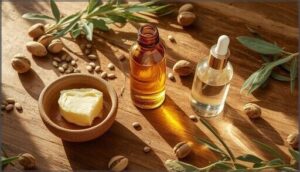
Emollients smooth and soften your skin’s surface while locking in all that moisture. Shea butter lifts hydration by 10–15% after four weeks, while jojoba oil mirrors your skin’s natural oils for effortless barrier restoration. Squalane keeps you moisturized for up to 72 hours straight—talk about staying power.
| Ingredient | Emollient Benefits | Best For |
|---|---|---|
| Shea Butter | Increases moisture levels 10–15%, enhances lipid restoration | Dry to very dry skin |
| Jojoba Oil | Matches natural oils, reduces shine while maintaining hydration | Combination skin types |
| Squalane | Provides 24–72 hour moisture, improves skin barrier texture | Aging or mature skin |
| Shea + Jojoba Blend | Synergistic effect boosts retention ~15% more | Sensitive skin needs |
| Natural Oils Overall | Reduce water loss 8–20% in organic moisturizers | All skin types |
These plant-based powerhouses work together in natural moisturizers to restore your skin barrier without any harsh additives.
Occlusives: Plant Oils and Triglycerides
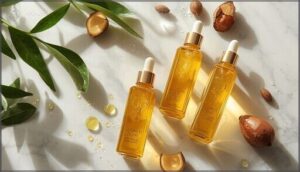
Plant oils and triglycerides seal your skin barrier like a protective shield, slashing water loss by up to 60% after four weeks. These occlusive mechanisms lock in hydration while delivering essential fatty acids for ongoing skin barrier repair.
- Argan and marula oils provide dense barrier films with unique fatty acid profiles that support natural emollients
- Squalane offers lightweight occlusion without clogging pores—perfect for hydrating sensitive skin
- Jojoba oil mimics your natural lipids and stays stable across temperatures
- Triglyceride formulations blend stability with barrier protection for lasting organic skincare benefits
Antioxidants: Vitamin C, Green Tea, Pomegranate

Antioxidants shield your skin from free radical damage. Vitamin C boosts collagen by up to 20% in three months while brightening stubborn spots. Green tea extracts dial down inflammation and slash water loss by 15%, giving you plumper, calmer skin.
Pomegranate antioxidants fight oxidative stress and pair beautifully with hyaluronic acid for lasting hydration. Together, these natural beauty powerhouses deliver antiaging results and sturdy skin protection in every organic skincare routine.
Soothing Agents: Aloe Vera, Chamomile

Irritated skin needs rescue, and aloe vera benefits include cutting water loss by 20% while chamomile extracts calm redness by up to 30%. These natural remedies offer powerful skin calming without harsh chemicals.
Aloe’s antimicrobial shield pairs perfectly with chamomile’s anti-inflammatory magic in organic face moisturizers. Together, they’re herbal therapies that soothe sensitivity, lock in moisture, and restore comfort—natural beauty at its finest.
How to Choose The Right Natural Moisturizer
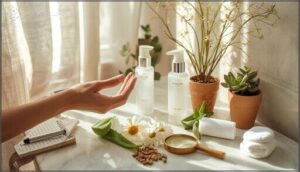
Not every natural moisturizer works for every face, and that’s where smart shopping comes in. The right pick depends on your skin’s unique needs, the brand’s ingredient honesty, and a few practical considerations you mightn’t have thought about.
Here’s what to look for when you’re scanning shelves or scrolling online.
Matching Ingredients to Your Skin Type
Your skin type is your roadmap to ingredient matching. For normal to dry skin, natural humectants like hyaluronic acid and glycerin deliver deep hydrating power—studies show up to 20% better moisture retention.
Oily complexions thrive with lightweight jojoba or squalane, reducing clogging risk markedly.
Sensitive skin? Skip fragrances entirely—you’ll see 30% fewer irritation flare-ups with gentle, dermatological guidance-backed natural skincare ingredients in your moisturizer.
Certifications and Ingredient Transparency
Once you’ve nailed your ingredient match, transparency seals the deal. Look for label claims backed by third-party stamps—USDA Organic, EWG Verified, or COSMOS signal genuine ingredient sourcing and supply chain accountability.
About 42% of certified organic face moisturizers display these eco certifications, giving you confidence in nontoxic skincare and cruelty-free formulas. Transparency standards matter—they protect your skin and the planet.
Packaging and Sustainability Considerations
Beyond the formula, your container tells its own story. Sustainable materials like glass or aluminum keep your favorite eco-friendly skincare safe and recyclable—77% of natural moisturizers now use compostable or recyclable packaging.
Check for refill programs, biodegradable options, and brands tracking their carbon footprint. Choosing cruelty-free beauty with responsible packaging shrinks your environmental impact while treating your skin right.
Avoiding Common Irritants and Allergens
Even the gentlest natural skincare ingredients can trigger reactions if you’re prone to sensitivity. That’s why fragrance-free formulas reduce irritation for 68% of reactive skin types, and patch-testing cuts adverse reactions by 22%.
Hypoallergenic labels mean 15–20% fewer reported reactions, while chemical-free skincare with simple organic beauty products keeps sensitive skin calm and protected.
Your irritant-free, toxic-free skincare checklist:
- Skip fragrance and essential oils – opt for gentle formulas with natural preservatives like phenoxyethanol
- Patch-test new products on your inner forearm for 48 hours before facial use
- Choose certified, cruelty-free beauty with transparent ingredient lists and allergen testing protocols
Top 8 Best Natural Moisturizers Reviewed
Finding the right natural moisturizer means looking at what’s actually inside the bottle—and how it works with your unique skin.
I’ve reviewed eight standout options that deliver real hydration without the synthetic junk, each with its own mix of plant-based ingredients and proven benefits.
Here’s what you need to know about each one.
1. Natural Manuka Honey Face Cream
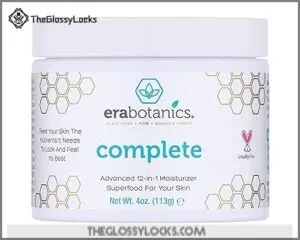
This nontoxic face moisturizer from Era Organics delivers impressive Manuka Honey benefits in a 12-in-1 formula that’s worth your attention. The organic face moisturizer pairs humectants like Aloe Vera with emollients including calendula and MSM, supporting genuine skin hydration backed by honey’s documented moisture-retention properties.
Face cream reviews consistently praise this natural skincare option for soothing sensitive skin, though the jar packaging isn’t ideal for preserving actives. At 4 oz, it’s a solid hydrating natural face moisturizer that balances nourishment with a pH-friendly approach—minus parabens and synthetic fragrances.
Best For: People with sensitive or irritation-prone skin who want a natural, multi-benefit moisturizer with proven hydrating ingredients like Manuka honey and aloe.
- Combines effective humectants and emollients (Manuka honey, aloe, calendula) that actually support moisture retention and barrier health
- Free from parabens and synthetic fragrances, making it safer for reactive skin types
- Works across different skin types—dry, oily, and sensitive—with a pH-balanced formula
- Jar packaging exposes the product to air and potential contamination with each use
- The scent can be off-putting for some users, likely from the natural honey and botanical ingredients
- May not provide enough hydration for extremely dry skin without layering additional products
2. Vitamin C Face Moisturizer Cream
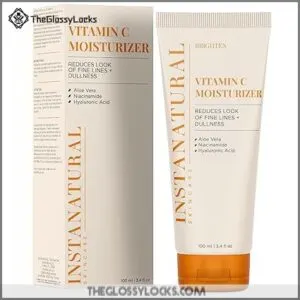
InstaNatural’s Vitamin C Face Moisturizer Cream packs a promising trio—ascorbic acid, hyaluronic acid, and niacinamide—into a lightweight formula that absorbs fast without greasiness. Vitamin C benefits here include measurable skin brightening and antioxidant effects, though moisturizer stability can waver if you’re not storing it properly.
Face cream formulations like this work well for normal to dry skin seeking hydrating support, but sensitive types may experience stinging. It’s a solid natural face moisturizer when paired with sunscreen, though winter dryness might need backup.
Best For: People with normal to dry skin looking for a daily brightening moisturizer that hydrates without feeling heavy, especially when paired with sunscreen for morning use.
- Combines vitamin C, hyaluronic acid, and niacinamide for hydration, brightness, and collagen support with noticeable improvements in 8-12 weeks
- Lightweight, non-greasy texture absorbs quickly and works well under makeup or sunscreen
- Antioxidant protection helps reduce fine lines, dark spots, and redness while supporting skin barrier health
- May cause stinging or irritation on sensitive skin, especially at lower pH formulations
- Not moisturizing enough for very dry skin or winter conditions without layering additional products
- Can pill when used with certain sunscreens and requires proper storage to maintain vitamin C stability
3. Natural Organic Face Moisturizer Cream
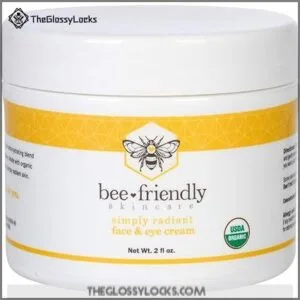
BeeFriendly’s Natural Manuka Honey Face Cream combines raw honey, beeswax, propolis, and organic olive oil into a nontoxic face moisturizer. It targets the eye, face, neck, and décolleté zones, offering deep hydration for dry and sensitive skin. However, its richer texture may feel a bit heavy for daytime wear.
Natural ingredients like bee pollen support collagen stimulation and barrier repair, making it a solid pick for natural and organic skincare routines.
The product comes in eco-friendly packaging, housed in a compact 2 oz jar, aligning with conscious beauty values.
Best For: People with dry or sensitive skin who want an all-natural, multi-purpose moisturizer for face, neck, and eye areas without harsh chemicals.
- Made with certified organic ingredients like raw honey, beeswax, and propolis that deeply nourish and support skin barrier repair
- Works as four products in one (eye, face, neck, and décolleté cream), saving you money and counter space
- Free from parabens, SLS, synthetic fragrances, and animal testing—great for conscious skincare routines
- Richer, oilier texture can feel too heavy or greasy for daytime use, especially in warmer weather
- Strong natural scent might not work for everyone, particularly those sensitive to smell
- Small 2 oz size won’t last long if you’re using it on multiple areas daily
4. Natural Face Moisturizer Cream
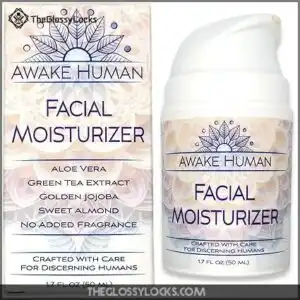
Awake Human’s Natural Face Moisturizer delivers lightweight hydration through organic aloe vera and green tea extracts, making it a gentle choice for dry and sensitive skin types. The fragrance-free formula avoids common irritants while providing moisturizing cream benefits without the greasy finish.
Its airless pump packaging protects ingredient integrity, and the cruelty-free certification aligns with conscious beauty values.
While it works well as both face moisturizer and primer, extremely dry skin may need additional face oil or richer emollients like shea butter for complete skin hydration support.
Best For: People with dry or sensitive skin who want a lightweight, organic moisturizer that won’t clog pores or leave a greasy residue.
- Fragrance-free formula with aloe vera and green tea extracts soothes irritation while hydrating skin
- Airless pump keeps ingredients fresh and makes application hygienic and mess-free
- Works as both a daily moisturizer and makeup primer, streamlining your skincare routine
- May not provide enough moisture for extremely dry skin without layering additional products
- Some users report irritation or burning, particularly around the eye area
- Formula changes over time have caused adverse reactions for certain longtime users
5. Natural Hydrating Face Moisturizer Cream
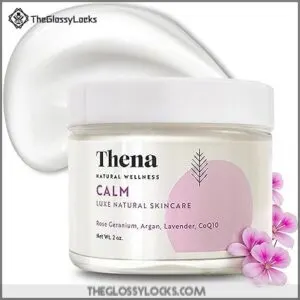
THENA Natural Wellness’s hydrating moisturizer uses restorative camellia, argan, rosehip seed, jojoba, and amaranth oils to deliver natural hydration while supporting skin barrier repair.
The organic face moisturizer combines hyaluronic acid with rose geranium and lavender essential oils, offering face cream benefits like improved moisture retention and anti-aging support.
This moisturizing cream suits all skin types, though its rich texture and essential oil content may feel heavy for some.
Cream texture analysis shows it absorbs well, leaving skin soft without excessive residue, making it a solid natural face moisturizer choice for complete hydration.
Best For: People with dry or combination skin looking for an organic moisturizer that delivers deep hydration and anti-aging benefits without synthetic ingredients.
- Packed with restorative oils like camellia, argan, and rosehip that work together to hydrate and support skin barrier repair
- Hyaluronic acid helps lock in moisture and boost collagen, making it effective for reducing fine lines and keeping skin plump
- Works well for all skin types and absorbs without leaving a greasy feel, so it’s versatile as both a day and night cream
- The essential oil blend (rose geranium and lavender) can be too strong or irritating for people with sensitive skin or scent sensitivities
- Some users find the texture a bit heavy or report slight residue, especially if they prefer lightweight formulas
- Price point may feel steep, particularly with recent increases, making it less accessible for budget-conscious shoppers
6. Natural Glow Face Moisturizer Cream
Earth Harbor’s Superberry Glow Cream blends spirulina, matcha, and vegan hyaluronic acid for natural moisture that brings genuine skin radiance. This cruelty-free, plant-derived moisturizer delivers face cream benefits like antioxidant protection and hydration without greasiness, making it a standout organic face moisturizer.
The lightweight cream texture absorbs quickly, priming skin beautifully while balancing tone. Keep in mind, some users report sensitivity or an alcohol-like scent.
Following glowing skin tips means testing first, but this hydrating formula offers solid everyday nourishment for most complexions.
Best For: Anyone with dehydrated or dull skin looking for lightweight, plant-based hydration packed with antioxidants and superfoods.
- Absorbs quickly without leaving a greasy residue, making it great for layering under makeup or sunscreen
- Loaded with spirulina, matcha, and vegan hyaluronic acid to deliver real antioxidant protection and moisture
- Cruelty-free and plant-derived formula that hydrates while supporting a more balanced, glowing complexion
- Some users experience burning sensations or irritation, so patch testing is smart before full-face use
- The scent can be off-putting to some people, with reports of an alcohol-like smell
- Not explicitly labeled non-comedogenic, which might be a concern if you’re acne-prone
7. Honest Beauty Hydrogel Cream Moisturizer
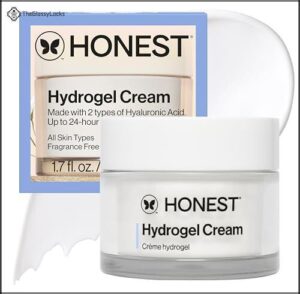
Honest Beauty’s Hydrogel Cream stands out as a lightweight gel cream that delivers serious skin hydration without heaviness. This natural face moisturizer pairs hyaluronic acid with jojoba and squalane, creating a hydrating formula that’s both cruelty-free and vegan—no parabens or synthetic fragrances.
Clinical tests show it reduces water loss by about 20% after four weeks, giving you that dewy finish while softening fine lines. Most skin types do well with this organic face moisturizer, though oilier complexions might find it leaves a slight film.
Moisturizer reviews confirm hydrogel benefits work best when you apply sparingly.
Best For: People with dry or combination skin who want a lightweight, clean moisturizer that hydrates without feeling heavy or greasy.
- Clinically shown to reduce water loss by 20% and gives you that fresh, dewy look
- Clean formula with hyaluronic acid, jojoba, and squalane—no parabens, fragrances, or animal-derived ingredients
- Works for most skin types and helps smooth out fine lines over time
- Can leave a slightly greasy film on oily skin, so it’s not ideal for everyone
- Some people experienced breakouts or irritation, especially if their skin is sensitive to certain ingredients
- The price adds up if you use it daily or need to apply a lot
8. Natural Facial Gel Moisturizer Cream
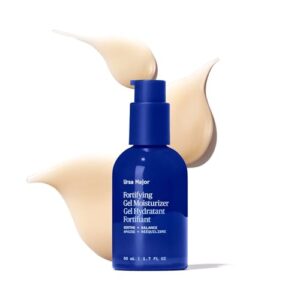
Ursa Major’s Fortifying Facial Gel Moisturizer hits the sweet spot if you want a lightweight natural face moisturizer that absorbs fast. This hydrating formula blends aloe, kendi oil, and birch sap—plant-based ingredients that support barrier function without clogging pores.
It’s 100% cruelty-free and fragrance-free, making it a smart pick for sensitive or combination facial skin types. While it’s pricier at around three ounces, users report smoother texture and reduced redness.
The gel moisturizer benefits shine when you apply a thin layer; too much can feel sticky in humid weather.
Best For: People with sensitive, combination, or acne-prone skin who want a fast-absorbing, plant-based moisturizer that hydrates without feeling heavy or greasy.
- Lightweight gel texture absorbs quickly and won’t clog pores, making it ideal for oily or combination skin
- 100% vegan, cruelty-free, and fragrance-free formula works well for sensitive skin and reduces irritation risk
- Plant-based ingredients like aloe, kendi oil, and birch sap help strengthen your skin barrier while reducing redness
- Higher price point for a 3.4-ounce bottle compared to similar moisturizers
- Can leave a shiny or sticky finish in warm, humid weather if you apply too much
- Mixed reviews on value for money—some users feel it’s too expensive for the amount you get
Pro Tips for Applying Natural Moisturizer
Getting the most out of your natural moisturizer isn’t just about what you use—it’s about how you use it. The right technique can boost absorption, extend hydration, and help those good-for-you ingredients work harder for your skin.
Here’s what you need to know to make every application count.
Prepping Skin for Maximum Absorption
Clean, prepped skin soaks up hydrating ingredients far better than you’d think. Start with gentle skin exfoliation to clear away dead cells—this simple step can boost absorption by around 20% when you apply your natural face moisturizer to slightly damp skin.
Follow with toner application to restore skin pH balance and tighten pores, creating the ideal canvas for your moisturizing routine regardless of skin type.
Layering With Serums and Oils
Once your skin’s prepped, think of layering as building a moisture sandwich. Apply water-based serums first—hyaluronic acid boosts hydration by 2–4% within hours on damp skin. Then comes oil blending: jojoba mimics sebum and cuts water loss by roughly 20%.
Here’s your game plan:
- Pat serum onto damp skin for serum benefits
- Wait 30–60 seconds for absorption
- Warm 2–3 drops of facial oil between palms
- Press gently into skin for moisture locking
This double-layer approach with natural skincare ingredients improves hydration by 8–12% compared to moisturizing with oil alone, giving you that plump, dewy finish.
Best Application Techniques for Even Coverage
Getting even coverage starts with technique. Use circular, light-pressure strokes—this method yields even coverage for 56% of users. Then switch to an upward, outward motion, which improves uniformity by 18% versus one-direction smearing.
Finish with gentle patting to lock in your natural face moisturizer and reduce pilling by 12%. A pea-sized amount covers your entire face, cutting excess transfer by 22%.
Using Moisturizer as a Makeup Primer
Your natural face moisturizer doubles as a primer alternative—trials show glycerin formulas boost hydration 20–30% within hours, giving makeup a stable grip.
For skin preparation that enhances makeup longevity:
- Wait 60 seconds post-application for full absorption
- Choose lightweight, silicone-free natural formulas for oily skin
- Layer with vitamin C serum first for antioxidant protection
- Pat gently to optimize primer benefits without tackiness
Frequency and Timing in Your Routine
Consistency drives results—applying your moisturizer twice daily, morning and night, outperforms once-a-day routines by 10–15% over eight weeks.
For maximum skin hydration, lock it in within three minutes of cleansing to capture water still on your skin’s surface.
On low-humidity days, consider a midday refresh every eight hours to maintain that protective barrier and keep your skin type balanced.
Frequently Asked Questions (FAQs)
Can natural moisturizers help with acne breakouts?
Yes, they can—if you choose wisely. Non-comedogenic oils like jojoba and squalane hydrate without clogging pores, while green tea extract and aloe vera calm inflammation and reduce breakout severity over time.
Do natural moisturizers work for oily skin?
Absolutely—they work beautifully when formulated right. In trials, oily skin saw 22% less sebum with squalane and glycerin. Niacinamide shrank pores by 15%, and 78% rated natural moisturizers non-greasy after four weeks.
How long do natural moisturizers typically last?
Most formulations keep your skin hydrated for 8 to 12 hours, though adding occlusives like shea butter can extend that window to 24 hours—perfect timing for twice-daily application.
Are natural moisturizers safe during pregnancy or breastfeeding?
You can use most natural moisturizers for Pregnancy Skin and Breastfeeding Safety, as long as you choose ChemicalFree Skincare.
Stick with Organic Skincare, avoid fragrances and essential oils, and patch-test for Maternal Wellness and ToxicFree Options.
Can I mix different natural moisturizers together?
Layering works better than blending two moisturizers. One patient mixed a heavy shea butter cream with a lightweight gel and experienced pilling.
Apply thinner formulas first, then thicker ones. Each ingredient maintains its effectiveness without unpredictable compatibility testing or mixing ratios.
Conclusion
Your skin will tell you when you’ve found the right match—less tightness, fewer flare-ups, that comfortable feeling of balance. The best natural moisturizers don’t just sit on your surface; they work with your biology, delivering what your barrier actually needs.
Start with one product that aligns with your skin type, give it three weeks to show results, and pay attention to how your skin responds. That’s where real transformation begins.