This site is supported by our readers. We may earn a commission, at no cost to you, if you purchase through links. This content is for general informational and educational purposes only and is not a substitute for professional medical, dermatological, or nutritional advice.

Most people assume good skin requires a 10-step routine and a bathroom shelf that looks like a Sephora display. It doesn’t.
A dermatologist’s honest take: the patients who see the most consistent improvement aren’t the ones using the most products—they’re the ones who master a simple, repeatable routine and actually stick to it. Overloading your skin with actives, acids, and serums before you understand your skin type is one of the fastest ways to trigger breakouts, irritation, or a damaged moisture barrier.
Simple skin care for beginners works precisely because it removes the guesswork. Three steps, the right order, and products matched to your skin type—that’s the foundation everything else builds on.
Table Of Contents
- Key Takeaways
- Why Beginners Need a Simple Skincare Routine (and How to Start)
- How to Identify Your Skin Type at Home
- Simple Skincare Routine for Beginners: Step-by-Step
- Top 5 Beginner-Friendly Skincare Products
- Frequently Asked Questions (FAQs)
- What is a good skincare routine for beginners?
- What skincare is good for beginners?
- What are the basic skincare products for beginners?
- What is the simplest skincare routine?
- Can I skip moisturizer if I have oily skin?
- How long until I see visible results?
- Should I use different products in different seasons?
- Whats the right age to start a skincare routine?
- Can I share skincare products with family members?
- Can you layer multiple serums at once safely?
- Conclusion
Key Takeaways
- A three-step routine—cleanser, moisturizer, and SPF 30+ sunscreen—is all you need to start, because fewer products mean fewer ingredients reacting against each other.
- Knowing your skin type before buying anything is the single most important step, since oily, dry, combination, and sensitive skin each respond differently to the same ingredients.
- Consistency beats complexity: sticking with your routine for 4–8 weeks drives real results, while switching products too soon resets your skin’s renewal cycle and delays progress.
- Skipping sunscreen or over-exfoliating are the two mistakes that quietly undo everything else, because UV damage continues even indoors and a weakened barrier makes all other products less effective.
Why Beginners Need a Simple Skincare Routine (and How to Start)
Starting a skincare routine doesn’t have to mean a 10-step regimen or a bathroom full of serums. In fact, the simpler you keep it, the better your skin will likely respond. Here’s what every beginner needs to understand before buying a single product.
If you’re not sure where to begin, this beginner’s guide to starting a skincare routine breaks it down into straightforward, stress-free steps.
The Case for a 3-Step Routine
Three products. That’s genuinely all you need to start.
A beginner skincare routine built on cleansing, moisturizing, and sun protection does the real work without overwhelming your skin or your schedule.
- Cleansing removes daily buildup
- Moisturizing seals in hydration
- Sunscreen blocks UV damage
When adding more steps, always apply thin to thick products to make sure they absorb properly.
Fewer products also means fewer ingredients reacting against each other — making it easier to spot what’s actually helping.
How Consistency Transforms Your Skin
Once you have those three steps in place, the next question is simple: how long do you stick with them?
Longer than you think — and that’s actually good news. Your skin doesn’t reset overnight. It renews in cycles, so building skin barriers and improving texture happen gradually, not all at once. Consistent use of a cleanser and moisturizer can cut dryness by nearly 80% within two weeks. Ceramides and humectants are your biggest allies in that process — understanding how facial moisturizers support aging skin’s barrier repair explains exactly why the right ingredients make that two-week turnaround possible.
Skin renews in cycles, and consistency alone can cut dryness by nearly 80% in just two weeks
Avoiding product hopping matters here. Switching too soon breaks the cycle and delays real progress. Give your daily skin regimen 4–8 weeks before judging results.
Common Beginner Skincare Mistakes to Avoid
Staying consistent is half the battle — but the other half is avoiding habits that quietly undo your progress.
The most common mistakes beginners make:
- Over-exfoliating more than 2–3 times weekly, which weakens your skin barrier
- Skipping sunscreen on cloudy or indoor days, allowing UV damage to continue
- Layering actives too fast, overwhelming skin before it can adjust
Realistic Results Timeline: What to Expect
Avoiding those mistakes sets you up — but knowing what to expect keeps you from quitting too soon.
Your skin hydration improves within days. Texture often feels smoother by weeks one or two. Breakouts and tone changes take longer — most active ingredients need 8 to 12 weeks before you can fairly judge results. Track changes weekly so small wins don’t go unnoticed.
How to Identify Your Skin Type at Home
Before you buy a single product, you need to know what you’re actually working with. Your skin type shapes every decision — from which cleanser to reach for to how your skin reacts to new ingredients. Here’s how to figure it out at home, starting with two simple methods.
If you’re starting from scratch, this Korean skincare routine for beginners breaks down exactly how to build a regimen once you know your skin type.
Once you’ve identified your skin type, building the right routine gets much easier — especially if you tend toward tightness or flaking, where following a dry skin care routine for winter built around barrier-repairing ingredients like ceramides and hyaluronic acid can make a real difference.
The Bare Face Test Explained

Think of the bare face test as a reset button for your skin. After cleansing with a gentle cleanser, you leave your face completely bare and wait 30 to 60 minutes. Here’s what to do:
- Wash and pat dry
- Skip all products
- Observe shine, tightness, or irritation
That waiting period matters — it lets your skin settle into its natural sebum rhythm, giving you honest, unfiltered data.
Oily, Dry, Combination, Sensitive, and Normal Skin Signs
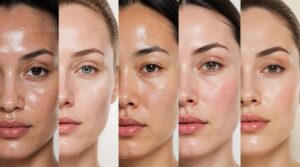
What does your skin actually tell you after the bare face test? Identifying sebum levels and dryness signals is easier than you think.
| Skin Type | Key Signs |
|---|---|
| Oily | Shine, enlarged pores, blemishes |
| Dry | Tightness, flaking, dull look |
| Combination | Oily T-zone, drier cheeks |
| Sensitive | Stinging, redness after cleansing |
Your skin type drives every product decision in your beginner skincare routine.
Simple Skincare Routine for Beginners: Step-by-Step
Now that you know your skin type, it’s time to put that knowledge to work. A good routine doesn’t have to be complicated — in fact, three steps done consistently will take you further than ten steps done randomly. Here’s exactly what to do, morning and night, and when to add more once you’ve got the basics down.
Step 1 — Cleanse Gently Without Stripping Your Skin
Your cleanser should clean your skin, not punish it. Use lukewarm water — hot water strips natural oils, leaving your skin feeling tight and reactive. Massage gently for 20 seconds, then rinse well.
Pick the right formula:
- Gel cleansers suit oily skin
- Cream cleansers work for dry or sensitive skin
- Micellar water lifts sunscreen without scrubbing
Pat skin dry. Never rub.
Step 2 — Moisturize to Lock in Hydration
Apply moisturizer while your skin is still slightly damp — this traps water before it evaporates. Pat dry first, then apply immediately.
Before moisturizing, try buffing away dead skin with a set of exfoliating gloves for body scrub routines, so lotion absorbs more evenly and effectively.
Choose based on your skin type: gel or lotion for oily skin, cream or balm for dry. Look for glycerin or hyaluronic acid to draw in moisture, plus ceramides to seal and protect your barrier.
Step 3 — Apply Sunscreen Every Morning
Sunscreen isn’t optional — it’s the step that protects everything else you’ve just done. Use broad-spectrum SPF 30 or higher every morning, even on cloudy days. UVA rays penetrate clouds and cause photoaging.
Apply about one teaspoon across your face, neck, and ears. Too little means less protection than the label promises. If you’re outdoors, reapply every two hours.
Morning Vs. Night Routine Essentials
Think of your day as two separate shifts — your skin has different jobs during each one.
Your AM routine is about defense. Cleanse away overnight oils, apply a lightweight moisturizer to meet your morning hydration needs, then finish with daytime UV shielding using SPF 30 or higher.
Your PM routine switches to repair:
- Cleanse thoroughly to remove sunscreen and pollution
- Apply any treatment serums for nighttime active timing
- Seal everything with a richer moisturizer
Your simple skincare routine works best when each cycle does its specific job.
When and How to Introduce Serums and Actives
Once your three-step base feels comfortable, serums are your next move.
Start with one active ingredient — hyaluronic acid is a safe first choice. Apply it to damp skin after cleansing, wait 2–3 minutes, then moisturize. This moisture sandwich technique locks hydration in and reduces irritation.
Potent actives like retinol or niacinamide? Twice weekly only. Patch test first on your jawline for 48 hours.
Top 5 Beginner-Friendly Skincare Products
Finding the right products doesn’t have to mean scrolling through hundreds of reviews or spending a fortune. These five picks are straightforward, well-researched, and chosen specifically for skin that’s just getting started with a routine. Here’s what made the cut.
1. Gentle Salicylic Acid Face Cleanser
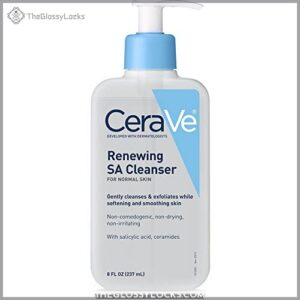
Most beginners overlook what a cleanser can actually do beyond removing dirt. A salicylic acid cleanser — at 2% concentration — works as a beta hydroxy acid, meaning it penetrates oily pores and dissolves the debris that causes blackheads and breakouts from the inside out.
That’s why it’s especially effective if your skin runs oily or acne-prone. Use it once or twice daily, massaging gently onto damp skin for about 20–30 seconds before rinsing with lukewarm water.
If your skin is dry or sensitive, start with every other day. Look for a formula that includes ceramides and niacinamide — they exfoliate without dismantling your skin barrier.
| Best For | People with oily, acne-prone, or blackhead-prone skin who want a daily cleanser that exfoliates and supports the skin barrier at the same time. |
|---|---|
| Product Type | Exfoliating Cleanser |
| Target Skin Type | Oily, Acne-Prone |
| Key Ingredient | Salicylic Acid 2% |
| Fragrance-Free | Yes |
| Barrier Support | Yes |
| Use Frequency | Once or Twice Daily |
| Additional Features |
|
- The 2% salicylic acid dives deep into pores to clear out the buildup that leads to blackheads and breakouts
- Ceramides and niacinamide keep your skin barrier intact, so you get exfoliation without the dryness that usually comes with it
- Fragrance-free, non-comedogenic, and dermatologist-developed — a solid pick for sensitive or acne-prone skin
- Won’t cut through heavy or waterproof makeup on its own — you’ll likely need a separate pre-cleanser first
- Daily use can cause dryness or irritation if your skin is very sensitive, so starting every other day is a smarter move
- Lathers less than a traditional foaming cleanser, which might feel underwhelming if you’re used to a big, sudsy wash
2. Hydrating Face Moisturizer Cream
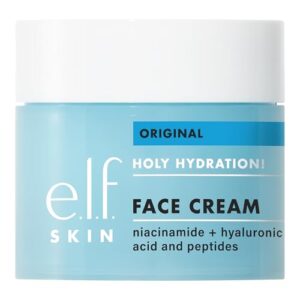
After cleansing, your skin is primed to absorb — and that’s exactly when a hydrating moisturizer earns its place.
This cream works through a layered approach. Hyaluronic acid draws water into the outer skin layers, while squalane seals that moisture in by mimicking your skin’s natural oils. Niacinamide and panthenol round things out by calming and softening as they hydrate.
Apply a pea-to-nickel sized amount to slightly damp skin using gentle circular motions. This matters because humectants like hyaluronic acid bind environmental moisture — dry skin gives them nothing to work with.
The formula is non-comedogenic and lightweight, so it sits comfortably under sunscreen or makeup without pilling.
| Best For | Anyone looking for a lightweight daily moisturizer that works across most skin types — especially those who want hydration without heaviness or a high price tag. |
|---|---|
| Product Type | Daily Moisturizer |
| Target Skin Type | All Skin Types |
| Key Ingredient | Hyaluronic Acid |
| Fragrance-Free | Yes |
| Barrier Support | Yes |
| Use Frequency | Once Daily |
| Additional Features |
|
- Packed with skin-loving ingredients like hyaluronic acid, squalane, and niacinamide that hydrate, plump, and calm all at once
- Lightweight, non-comedogenic formula that layers well under makeup or sunscreen without pilling
- Vegan and cruelty-free, certified by both Leaping Bunny and PETA
- May not deliver enough richness for very dry skin types, especially in colder months
- Heavy sweaters may experience some eye irritation with regular use
- Can feel slightly greasy at first, though it absorbs fully with a little time
3. Niacinamide Face Serum For Brightening
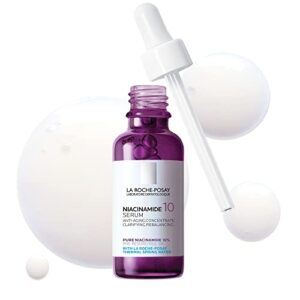
Your moisturizer hydrates — a niacinamide serum takes things further by targeting uneven tone and dullness directly.
Niacinamide works by interfering with pigment transfer between skin cells, which gradually fades dark spots and post-inflammatory marks. At 10% concentration, it also regulates sebum and visibly refines pore appearance, making it a strong fit for oily or combination skin.
Apply it after cleansing, before your moisturizer, so it absorbs fully rather than sitting on top of heavier products. Patch test first — 24 hours on your jawline tells you what you need to know.
If you’re wondering how often your skin can handle this routine, this guide on how often you should use facial sheet masks helps you find a schedule that suits your skin type.
Expect brighter, more even skin around 4 to 6 weeks in, with continued improvement through the third month.
| Best For | Anyone dealing with dark spots, uneven skin tone, or post-breakout marks — especially those with oily or combination skin looking for a lightweight, no-fuss treatment serum. |
|---|---|
| Product Type | Treatment Serum |
| Target Skin Type | Oily, Combination |
| Key Ingredient | Niacinamide 10% |
| Fragrance-Free | No |
| Barrier Support | Yes |
| Use Frequency | AM and PM |
| Additional Features |
|
- High 10% niacinamide concentration targets dark spots, dullness, and enlarged pores in one step
- Oil-free, non-comedogenic, and paraben-free formula works for sensitive and acne-prone skin types
- Fits seamlessly into both AM and PM routines, absorbing quickly without a greasy finish
- Noticeable fragrance may be a drawback for those sensitive to scented skincare products
- Results vary between users and require consistent daily use over several weeks to see meaningful improvement
- Some users have noticed differences in effectiveness between formula batches or versions
4. Paula’s Choice Hydrating Face Cleanser
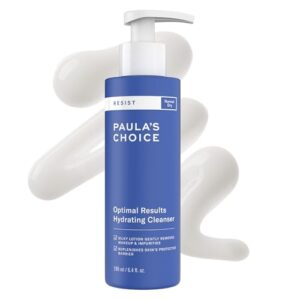
Tight, squeaky skin after washing is a sign your cleanser is doing too much damage. Paula’s Choice Hydrating Face Cleanser takes the opposite approach — its gentle surfactant mix lifts dirt and makeup without pulling essential lipids from your barrier.
Glycerin is the key player here. As a humectant, it draws water into the outer skin layer while you rinse, so your face feels hydrated rather than stripped. That’s why this cleanser suits dry, sensitive, and reactive skin particularly well.
Use it twice daily — morning and evening — then follow immediately with your moisturizer to seal that hydration in. The texture is creamy rather than foamy, which can feel unfamiliar at first, but your skin will adjust quickly.
| Best For | People with dry, sensitive, or aging skin who want a gentle daily cleanser that hydrates rather than strips. |
|---|---|
| Product Type | Hydrating Cleanser |
| Target Skin Type | Dry, Sensitive |
| Key Ingredient | Glycerin |
| Fragrance-Free | Yes |
| Barrier Support | Yes |
| Use Frequency | Twice Daily |
| Additional Features |
|
- Fragrance-free and paraben-free, making it a safe pick for reactive or sensitive skin
- Leaves skin feeling hydrated after washing instead of tight or uncomfortable
- Gentle enough for use around the eyes, so it doubles as a makeup remover
- Low lather may make it feel like it’s not cleaning thoroughly, especially for users used to foamy cleansers
- May not fully remove heavy or waterproof makeup on its own
- Creamy texture can clog pores for some skin types, potentially leading to breakouts
5. CeraVe Foaming Facial Cleanser For Oily Skin
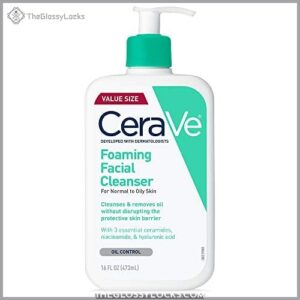
Oily skin has one persistent enemy: a cleanser that removes too much and triggers your skin to produce even more sebum in response. CeraVe Foaming Facial Cleanser breaks that cycle. Its gel-to-foam formula lifts excess oil and surface debris without stripping your barrier — and that distinction matters.
Three ceramides work during every wash to replenish the lipids your skin naturally loses, while niacinamide helps calm any existing redness. Hyaluronic acid keeps moisture anchored so you don’t finish cleansing feeling tight.
Use it morning and night, then follow with a lightweight moisturizer. It’s fragrance-free, non-comedogenic, and straightforward — exactly what a beginner routine needs.
| Best For | People with oily, combination, or sensitive skin who want a gentle daily cleanser that removes excess oil and impurities without disrupting their skin barrier. |
|---|---|
| Product Type | Foaming Cleanser |
| Target Skin Type | Normal to Oily |
| Key Ingredient | Ceramides |
| Fragrance-Free | Yes |
| Barrier Support | Yes |
| Use Frequency | AM and PM |
| Additional Features |
|
- Gel-to-foam formula effectively removes oil, dirt, and makeup without stripping or leaving skin feeling tight
- Packed with three ceramides, hyaluronic acid, and niacinamide to actively support and calm the skin while you cleanse
- Fragrance-free and non-comedogenic, making it a safe pick for even the most sensitive or acne-prone skin
- May not fully cut through heavy waterproof mascara or stubborn mineral sunscreens on its own
- Over-washing can lead to dryness, so it’s best kept to twice daily
- The pump cap’s open/close markings can be hard to read, and the import price point may feel steep for some budgets
Frequently Asked Questions (FAQs)
What is a good skincare routine for beginners?
A good beginner routine needs just three products: a cleanser, a moisturizer, and a broad-spectrum SPF 30 sunscreen. Use them consistently every day, and your skin will respond.
What skincare is good for beginners?
Three essential products lay the groundwork: a gentle cleanser, a hydrating moisturizer, and a broad-spectrum SPF 30 sunscreen. Start there, stay consistent, and your skin will respond.
What are the basic skincare products for beginners?
Cleanser, moisturizer, and sunscreen are the three products you need. A gentle cleanser removes daily buildup, moisturizer seals in hydration, and SPF 30+ shields your skin from UV damage every morning.
What is the simplest skincare routine?
Cleanse, moisturize, and apply sunscreen. That’s it. Those three steps protect your skin from daily damage, support your barrier, and prevent dryness — without overwhelming you or your skin.
Can I skip moisturizer if I have oily skin?
No — skipping moisturizer when you have oily skin can actually increase shine. Your skin separates sebum from water, and when it’s dehydrated, it produces more oil to compensate. A lightweight, non-comedogenic moisturizer keeps that cycle in check.
How long until I see visible results?
Most beginners see texture and hydration improve within two to four weeks. Acne, dark marks, and uneven tone take longer — expect eight to twelve weeks of consistent use before judging real progress.
Should I use different products in different seasons?
Yes — your skin’s needs genuinely shift with the seasons. Richer moisturizers combat winter dryness, while lighter sunscreen textures prevent summer stickiness. Keep protection consistent at SPF 30 or higher regardless of the month.
Whats the right age to start a skincare routine?
Skin doesn’t wait for a big birthday. Sun protection can start as early as 6 months, and a simple cleanse-and-moisturize habit fits naturally around ages 8–10, when pores begin responding to early hormonal shifts.
Can I share skincare products with family members?
Technically, you can — but it’s not a great idea. Shared products pick up bacteria, dead skin cells, and residue from repeated finger contact, which can lead to breakouts or infection even within your own household.
Can you layer multiple serums at once safely?
You can, but limit yourself to 2–3 serums. More layers dilute each product’s effect and make it harder to pinpoint what’s causing irritation. Always wait 1–2 minutes between applications.
Conclusion
Hippocrates built medicine on one rule: first, do no harm. That principle applies here too.
Simple skin care for beginners isn’t about doing less because you don’t know better—it’s about doing less because it works. Three steps, matched to your skin type, repeated without fail.
Your skin doesn’t reward complexity; it rewards consistency. Start small, stay patient, and trust the process. The results won’t come overnight, but they’ll come.