This site is supported by our readers. We may earn a commission, at no cost to you, if you purchase through links. This content is for general informational and educational purposes only and is not a substitute for professional medical, dermatological, or nutritional advice.
Most people stumble into Korean skincare the same way: a friend’s glass-skin selfie, a Reddit rabbit hole at midnight, a ten-step routine that sounds both fascinating and slightly unhinged.
Here’s what nobody tells you upfront. You don’t need ten steps. You need the right four, applied in the right order, with patience on top.
Korean skincare philosophy treats skin like something worth maintaining rather than fixing when it breaks. That shift changes everything. A solid korean skincare routine for beginners doesn’t demand a bathroom overhaul. It starts with understanding what your skin needs, then building from there.
Table Of Contents
- Key Takeaways
- Identify Your Skin Type First
- Start With Four Essential Steps
- Follow This Morning Routine Order
- Follow This Evening Routine Order
- Add Treatments Without Damaging Skin
- Adjust Your Routine by Season
- Top 9 Beginner Korean Skincare Products
- 1. COSRX Low pH Good Morning Gel Cleanser
- 2. COSRX Snail Mucin 96 Repairing Serum
- 3. DearKlairs Rich Soothing Cream for Dry Skin
- 4. Relief Sun Organic Korean SPF50+ PA++++
- 5. Anua Heartleaf Pore Control Cleansing Oil
- 6. Illiyoon Gentle Deep Facial Cleanser
- 7. Skintific Gentle Exfoliating Pads
- 8. Anua Heartleaf 77 Soothing Toner
- 9. Beauty of Joseon Revive Eye Serum
- Avoid Mistakes and Track Results
- Frequently Asked Questions (FAQs)
- What are the 7 steps of Korean skincare?
- What is the 4 2 4 rule in skincare?
- What is Korea’s No. 1 skincare?
- How to get Korean glass skin?
- What is a Korean skin care routine?
- What is the 10-step Korean skin care routine?
- How do you use Korean skincare?
- What is the Korean skincare 3 second rule?
- What are the 10 steps in Korean skincare?
- What is the Korean 7 skin routine?
- Conclusion
Key Takeaways
- You don’t need ten steps to get results — just four core ones (cleanser, hydrating layer, moisturizer, sunscreen done consistently will take you further than a complicated shelf full of products used randomly.
- Knowing your skin type before buying anything saves you from wasting money on products that work against you, not with you.
- Introducing one new product at a time, with two weeks between additions, is what separates a routine that works from one that breaks you out and leaves you guessing why.
- Real results — better texture, fewer breakouts, that calm, even tone — take about six weeks to show up, so consistency matters far more than chasing the perfect routine from day one.
Identify Your Skin Type First
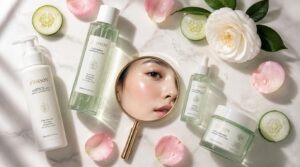
Before you buy a single product, you need to know what you’re actually working with. Your skin type shapes everything — which cleanser won’t strip you dry, which moisturizer won’t clog your pores, and how many steps you can realistically handle. Here’s how to figure out which category you fall into.
If you want a deeper breakdown, this guide on choosing the right skincare set for your skin type walks you through the whole process step by step.
Normal Skin Signs
Normal skin signs are easy to spot. Your face feels smooth and supple, pores are barely visible, and you’re not fighting shine or tightness by midday. Count yourself lucky. This balance is maintained through cutaneous homeostasis and barrier function, which keeps sebum, hydration, and pH in steady equilibrium.
- Even complexion, no significant redness patches
- Balanced oil production, no midday grease
- Comfortable and hydrated feel throughout the day
- Pores stay fine and nearly invisible
- No significant blemishes, quick recovery time
Oily Skin Signs
Oily skin tells on itself fast. Sebum production goes into overdrive, leaving your face shiny within hours of cleansing. Pore visibility increases on the nose and forehead, makeup breakdown hits by noon, and breakout tendency climbs as excess oil clogs pores.
These oiliness patterns call for double cleansing, an oil cleanser, and a noncomedogenic routine as your first acne treatment.
Dry Skin Signs
Dry skin is the other end of that spectrum. Instead of overproducing, dry skin loses moisture faster than it can hold it. The surface feels tight after cleansing, looks flaky or rough, and itches. Over time, that dehydration makes fine lines more visible. In serious cases, the barrier cracks and bleeds, which is your skin asking loudly for repair.
Combination Skin Signs
Combination skin is the "both" situation. Your T-zone runs oily while your cheeks feel tight or rough. After cleansing, wait 30 minutes. The nose shines. The cheeks don’t.
Watch for:
- Blackheads forming mostly along the nose and chin
- Cheeks that feel dry but never break out
- Pores that look visibly bigger in the center of your face
That’s combination skin.
Sensitive Skin Signs
Sensitive skin catches you off guard. A product that worked fine last week suddenly causes redness, itching, or burning with no clear reason.
Watch for dryness and tightness after cleansing, or skin that stings when you layer products. That stinging signals a compromised barrier, letting irritants slip in faster. Fragrance-free formulas are usually your safest starting point.
Start With Four Essential Steps
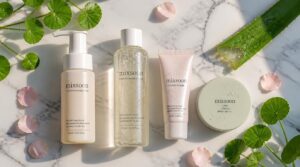
Before you buy anything, know this: you only need four things to get started. Not seven, not ten — just the basics that actually build a working routine. Here’s where to begin.
Choose a Gentle Cleanser
Your cleanser sets the tone for everything that follows.
A gentle, low-pH cleanser (pH 5.5-6.5) won’t strip your skin’s natural barrier:
- Mild surfactants like decyl glucoside clean effectively without over-drying
- Fragrance-free formulas lower irritation risk
- Glycerin or panthenol keeps moisture in while rinsing off
- Match your skin type: gel for oily, cream for dry
- Always patch test before committing
Add One Hydrating Layer
After cleansing, your skin is thirsty. That’s where the hydrating layer comes in. A toner, essence, or serum floods your skin with moisture before the moisturizer seals it in.
Look for hyaluronic acid or glycerin, both humectants that pull water into your skin. Start with just one product. A single pump, spread on slightly damp skin, and you’re already ahead.
Protect Your Moisture Barrier
Your moisturizer isn’t just the last step. It’s the one that makes everything else stick.
After your hydrating layer, your skin needs something to seal that moisture in. A good moisturizer does this by reinforcing the stratum corneum, the outermost layer of your skin, with emollients and occlusives that slow water from escaping. Ceramide-based formulas are worth seeking out. They actively support barrier repair and structure instead of just sitting on top.
Skipping this step means your toner and essence evaporate. All that work, gone.
Apply Sunscreen Every Morning
Sunscreen isn’t the cherry on top. It’s the whole point.
Without daily SPF protection, every serum you apply gets undone. Go broad-spectrum, SPF 30 or higher, every morning.
- Apply 15 minutes before going outside
- Layer after moisturizer, before makeup
- Reapply every two hours outdoors
Year-round UV protection is what makes the rest of your routine work.
Patch Test Before Starting
Before you put anything new on your face, patch test it first. Every single product, every time.
Dab a quarter-sized amount on the inside of your elbow. Leave it alone for 48 hours, keeping the area dry and away from sunlight. Then check for redness, itching, or swelling.
Any reaction? Stop using it. That ingredient isn’t right for your skin.
Follow This Morning Routine Order
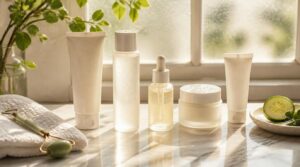
Your morning routine doesn’t need to be complicated — it just needs to happen in the right order. Each step sets up the next one, so skipping around actually costs you results. Here’s exactly how to layer your products from the moment you wake up.
Use Water-based Cleanser
Kick off with a water-based cleanser every morning. It lifts sweat and grime without stripping your barrier.
Look for "aqua" first on the label. Gel formulas suit oily skin; glycerin picks help dry.
- Confirm "aqua" as first ingredient
- Gel for normal to oily skin
- Glycerin for dry skin types
- Rinse fast, no residue
- Safe for daily use
Apply Toner or Essence
Once your cleanser rinses off, skin pH shifts slightly. Toner corrects that quickly. Pat it on with fingertips or a cotton pad. Wait a few seconds until your skin feels damp, not dripping.
Got essence? Layer it right after toner. It’s a silky, concentrated hydration step that helps everything absorb deeper. Think of it as priming before painting.
| Product | Best For | How to Apply |
|---|---|---|
| Hydrating toner | Dry and sensitive skin | Fingertips, gentle patting |
| Exfoliating toner | Oily or textured skin | Cotton pad, light sweep |
| Essence | All skin types | Pat in after toner |
Add Serum When Tolerated
Serum isn’t a day-one step. Wait two full weeks of calm skin before adding one.
Apply just 2-3 drops to damp skin right after your essence. Press in gently with your fingertips, no rubbing. Start evenings only, two or three times per week. If no redness or stinging shows up after a full week, you’re ready to go more often.
Seal Hydration With Moisturizer
Once your serum absorbs, moisturizer locks everything in. It creates an occlusive barrier that improves moisture retention.
Good formulas hit all three: humectants attract water, occlusives lock moisture, emollients soften skin. Barrier lipids repair your skin barrier too.
- Cream texture seals hydration best for dry skin
- Gel suits oily skin types
- Press into damp skin, don’t rub
- Wait one full minute before the next step
Finish With Daily Sunscreen
Sunscreen isn’t optional. It’s the whole point.
Broad-spectrum SPF 30 or higher blocks both UVA and UVB rays. Use roughly one teaspoon across your face, neck, and ears, 15-20 minutes before stepping outside. The Beauty of Joseon Relief Sun Rice Probiotics SPF 50 PA++++ layers without pilling. Reapply every two hours outdoors. Daily UV protection makes everything else worth it.
Follow This Evening Routine Order
Your evening routine is where real repair happens — your skin finally gets a chance to reset without fighting UV rays, pollution, or whatever the day threw at it. The steps are simple, but the order matters more than most people think. Here’s exactly how to do it right.
Remove Sunscreen With Oil Cleanser
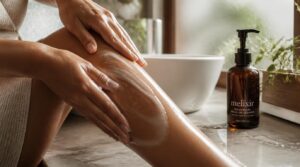
Your PM routine always starts here. Oil cleansers work best on a completely dry face. Water applied first interferes before the oil can bind with sunscreen and sebum.
Pump one or two pumps onto dry hands, then massage gently for 45 to 60 seconds, and add water. The cleanser turns milky. That’s emulsification, and it’s what rinses sunscreen away cleanly.
Complete Your Second Cleanse

After the oil cleanser rinses clean, your skin still carries water-soluble residue, sweat, and leftover pollutants. That’s where the water-based cleanser earns its place in the double cleanse.
Reach for a pH-balanced formula around 5.5, like the COSRX Low pH Good Morning Gel Cleanser or Klairs Rich Moist Foaming Cleanser. Apply to damp skin, massage gently, and rinse clean.
Layer Toner, Essence, Serum
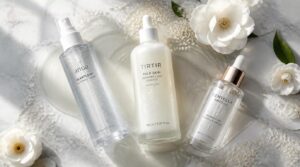
Think of this trio as your skin’s nightly reset. Toner preps and hydrates first, essence layers in deeper hydration, and serum delivers concentrated actives to your specific concern.
- Pat toner gently into skin to boost absorption
- Apply essence after toner for a deeper hydration boost
- Add serum last to target your main skin concern
Lighter textures always go before heavier ones.
Finish With Nighttime Moisturizer
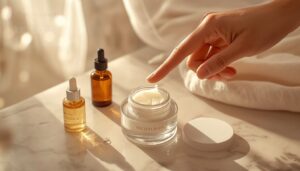
Your moisturizer is the final lock on everything you just layered. It seals in your toner, essence, and serum so none of that hydration escapes overnight.
Warm a small amount between your fingers, then press it gently into your skin. Pat, don’t rub. Your skin type decides the texture: gel cream for oily, rich cream for dry.
Exfoliate Once or Twice Weekly
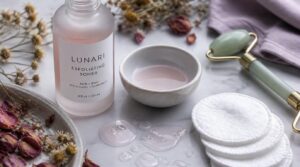
Exfoliation clears dead skin and speeds up skin cell turnover, but more isn’t better. Once or twice weekly works for most beginners; oily skin can handle three times.
Skip harsh scrubs. Chemical exfoliants like AHA/BHA are gentler and more targeted. Always patch test a new exfoliant on your inner arm for 24 hours before taking it to your face.
Add Treatments Without Damaging Skin
Adding treatments is where most beginners go wrong — not because the products are bad, but because the timing is off. Your skin needs room to adjust before you start layering in actives, brighteners, or anything with a long ingredient name. Here’s how to introduce treatments without sending your skin into full revolt.
Wait Two Weeks Between Additions
Patience is the real strategy. Give each new product two full weeks before adding anything else.
During that window, watch for:
- New redness or itching
- Breakouts outside your usual pattern
- Stinging during application
- Unexpected dryness after cleansing
Delayed reactions don’t always show immediately. Introduce one new product at a time, patch test everything, and let your skin adjust.
Target One Concern First
While those two weeks pass, target one concern first. Pick one: dryness, acne, or dark spots. Track progress weekly, introduce one new product, and adjust based on results. Avoid ingredient overload.
| Concern | Product | Ingredient |
|---|---|---|
| Dryness | Essence | Hyaluronic acid |
| Acne | Serum | Niacinamide |
| Dark spots | Serum | Vitamin C |
| Redness | Toner | Centella asiatica |
| Dullness | Essence | Snail mucin |
Introduce Active Ingredients Gradually
Once you’ve picked your concern, go slow. Active ingredients like vitamin C serum, AHA/BHA, or retinol backfire fast if you rush. Introduce one new product at a time.
- Patch test first: 5-7 days before full use
- Start low frequency: once or twice weekly
- Buffer with moisturizer to soften the hit
- Build frequency slowly before increasing strength
Avoid Mixing Strong Actives
Going slow is one thing. Mixing the wrong actives is another problem entirely.
Vitamin C and retinol are the classic clash. Their pH needs are incompatible, vitamin C wants pH 3.0-3.5 while retinol works at 5.5-6.5. Layer them and both underperform. They also have a solubility conflict: one is water-based, the other oil-based. Keep them separated by time of day.
Combine Compatible Skincare Brands
Most people assume mixing brands is risky. It’s not, as long as you follow texture and pH logic. Layer thinnest to thickest, pair ingredients that play well together, niacinamide with hyaluronic acid, ceramides with peptides.
Introduce one new product every two to four weeks. Patch test everything. The brand on the label matters far less than what’s in the formula.
Adjust Your Routine by Season

Your skin doesn’t care that you built a solid routine — it’ll still react to the weather changing around you. Korean skincare actually accounts for this, with tweaks that shift depending on the season and what your environment is throwing at you. Here’s how to adjust so your routine keeps working no matter what’s outside.
Double Cleanse During Yellow Dust
Yellow dust season hits different. Those ultra-fine particles embed into pores, dragging heavy metals along.
Double cleansing is non-negotiable here. Start with an oil-based cleanser on dry skin, massage it in, then emulsify with water. Follow with a pH-balanced water-based cleanser to catch what oil missed. Together, they remove deep pollutants while keeping your barrier intact.
Layer Hydration During Ondol Heating
Ondol heating drags indoor humidity down to around 15%, and your skin feels every degree of it. The fix? Layered hydration. Apply products thinnest to thickest: hydrating toner, then essence, then moisturizer to lock it all in.
This skin flooding method stacks 3-5 lightweight water-based layers to build a reservoir dry heat can’t easily strip. Humectants first, occlusives to seal.
Choose Gels During Rainy Season
장마 season flips the script entirely. Where winter dried you out, summer humidity sits heavy on your skin.
Switch your whole lineup to gel-based textures: gel cleanser, gel essence, lightweight gel moisturizer. They hydrate without the weight, absorb fast, and won’t clog pores when you’re already sweating through August. Even your gel sunscreen needs to feel like water, not armor.
Wear Sunscreen Year-round
UV doesn’t clock out when the seasons change. Seoul’s UV index rivals Washington D.C. year-round, making daily broad-spectrum SPF 30+ a non-negotiable step.
- Guards against both UVA and UVB rays
- Preserves your brightening and anti-aging results
- Apply 15 minutes before heading outside
- Reapply every two hours during outdoor exposure
The Beauty of Joseon Relief Sun sits light right on top.
Match Textures to Humidity
The texture of what you put on your skin matters as much as what’s in it. In winter, heavier, richer formulas lock in moisture against dry indoor heating. Come summer, swap to lightweight gel moisturizers that let skin breathe without clogging pores.
Water-based serums layer beautifully in high humidity. No stickiness, no sweat mixing with leftover product residue.
Top 9 Beginner Korean Skincare Products
You don’t need a shelf full of products to build a solid routine. These beginner-friendly picks cover the basics, with a few optional extras for when your skin feels ready. Start with the products that fit your skin type and current routine.
1. COSRX Low pH Good Morning Gel Cleanser
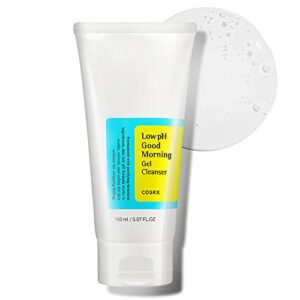
Start simple with this gentle daily cleanser. Its low-pH formula, around 5.0 to 6.0, cleans without leaving your face tight, squeaky, or oddly thirsty.
The light gel creates a soft foam that rinses clean. Tea tree oil and BHA help manage shine and rough texture, so it suits oily, combination, and beginner routines well.
Use a small amount morning and night after an oil cleanser when needed. The foam is light, which can feel unusual at first, but your skin barrier will likely appreciate the calmer approach.
| Best For | Oily, combination, or normal skin types seeking a gentle, low-pH daily cleanser that helps manage shine without stripping the skin. |
|---|---|
| Routine Step | Second cleanser |
| Skin Type | All skin types |
| Key Ingredient | Tea tree oil + BHA |
| Volume | 150 ml |
| Texture | Gel foam |
| Primary Benefit | Cleansing + clarifying |
| Additional Features |
|
- Low-pH formula cleanses while helping support the skin barrier.
- Tea tree oil and BHA can help clarify texture and reduce excess shine.
- Lightweight gel foam rinses clean without a heavy residue.
- Very oily or acne-prone skin may need a double cleanse for a deeper clean.
- The tea tree oil scent may not appeal to everyone.
- The light foam may feel less satisfying for those who prefer a rich, dense lather.
2. COSRX Snail Mucin 96 Repairing Serum
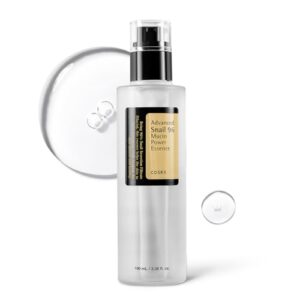
Once your cleanser stops leaving skin tight, add this hydration-first serum. It contains 96.3% snail secretion filtrate, plus glycerin, panthenol, and sodium hyaluronate to pull in moisture and support a calmer-looking barrier.
Apply one or two pumps after toner, then follow with moisturizer. The lightweight formula absorbs quickly and sits well under makeup, though it may feel slightly tacky at first. Patch test, gentle snail mucin can trigger breakouts or irritation occasionally.
| Best For | People with dehydrated, dull, or barrier-stressed skin who want a lightweight, hydrating serum that layers easily under moisturizer and makeup. |
|---|---|
| Routine Step | Essence |
| Skin Type | All skin types |
| Key Ingredient | Snail secretion filtrate |
| Volume | 100 ml |
| Texture | Lightweight essence |
| Primary Benefit | Hydration + repair |
| Additional Features |
|
- Contains 96.3% snail secretion filtrate to support hydration, skin repair, and a healthier-looking glow.
- Lightweight, fast-absorbing texture provides lasting moisture without feeling heavy.
- Dermatologist-tested, hypoallergenic formula layers well without pilling.
- Can cause breakouts or irritation for some people, so patch testing is still important.
- The high-mucin texture may initially feel unusual or slightly tacky.
- Best for general hydration and barrier support rather than targeted acne or hyperpigmentation treatment.
3. DearKlairs Rich Soothing Cream for Dry Skin
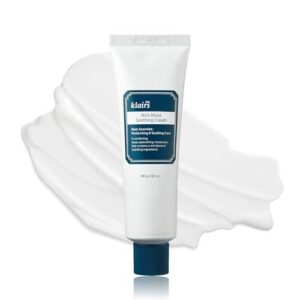
After a hydrating serum, your skin may need something to hold that moisture in. DearKlairs Rich Soothing Cream suits dry, sensitive, or retinoid-stressed skin because it combines glycerin, ceramide NP, beta-glucan, and centella to cushion a weakened barrier.
Use a pea-sized amount after your hydrating layers, pressing it over cheeks and any flaky spots. It absorbs without a sticky finish and layers comfortably under daytime products. Still, very oily skin may find it too rich, especially during humid weather.
If flakiness persists, review these signs of over-exfoliating your face before adding more active products.
| Best For | Dry, sensitive, or retinoid-stressed skin needing fragrance-free barrier support and lasting hydration. |
|---|---|
| Routine Step | Moisturizer |
| Skin Type | Sensitive, dry |
| Key Ingredient | Ceramide + Centella Asiatica |
| Volume | 80 g |
| Texture | Cream |
| Primary Benefit | Barrier moisture support |
| Additional Features |
|
- Ceramide, centella, and beta-glucan help soothe and reinforce a compromised moisture barrier
- Provides clinically tested 24-hour hydration with a fast-absorbing, non-sticky finish
- Fragrance-free, dye-free, and essential oil-free, making it suitable for sensitive and post-procedure skin
- May feel too rich for very oily or acne-prone skin
- Can leave a slightly greasy feel when over-applied or used in humid weather
- Does not include targeted treatment actives such as niacinamide or antioxidants
4. Relief Sun Organic Korean SPF50+ PA++++
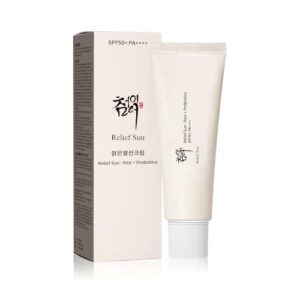
After moisturizer, finish with Relief Sun SPF50+ PA++++ every morning. Its rice extract and probiotics give skin a comfortable, lightly dewy feel while broad-spectrum filters protect against UVA and UVB exposure.
The cream spreads quickly, sits well under makeup, and usually avoids a heavy white cast. Apply two finger lengths to your face and neck. Reapply every two to three hours outdoors.
Very oily skin may find the finish too glowy, and deeper tones should check for cast first.
| Best For | Daily sunscreen users who want lightweight SPF 50+ protection with a hydrated, dewy finish that layers well under makeup. |
|---|---|
| Routine Step | Sunscreen |
| Skin Type | Dry, oily, sensitive |
| Key Ingredient | Rice extract + probiotics |
| Volume | 50 ml |
| Texture | Lightweight fluid |
| Primary Benefit | UV protection |
| Additional Features |
|
- Broad-spectrum SPF 50 PA protection against UVA and UVB rays
- Rice extract and probiotics help support a nourished, comfortable skin barrier
- Lightweight texture absorbs quickly and works well for everyday wear
- May leave a visible white cast on deeper skin tones
- The dewy finish can feel too shiny for very oily skin
- Blending and moisture levels may feel inconsistent for some users
5. Anua Heartleaf Pore Control Cleansing Oil
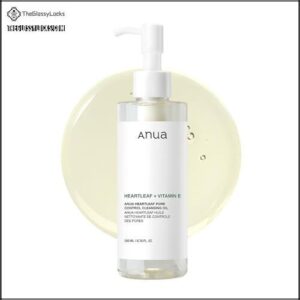
Makeup, sunscreen, and that persistent end-of-day grimy feeling don’t stand much chance against Anua Heartleaf Pore Control Cleansing Oil. This lightweight 200 mL oil melts through waterproof mascara, sebum, and sunscreen without leaving skin slick or tight.
Massage one or two pumps over dry skin for a minute. Add water until it turns milky, then rinse well. Heartleaf helps soothe easily irritated, breakout-prone skin, though fragrance-sensitive users should patch test first. Some users report clogged pores, so introduce it slowly.
| Best For | Sensitive or breakout-prone skin types seeking a lightweight first cleanse that removes sunscreen and stubborn makeup without a greasy finish. |
|---|---|
| Routine Step | First cleanser |
| Skin Type | Sensitive, acne-prone |
| Key Ingredient | Heartleaf extract |
| Volume | 200 ml |
| Texture | Oil balm |
| Primary Benefit | Makeup removal |
| Additional Features |
|
- Removes waterproof makeup, sunscreen, and excess sebum effectively with minimal product.
- Emulsifies with water and rinses clean, leaving skin soft without tightness.
- Hypoallergenic and designed for gentle use around the eyes.
- Fragrance may be too strong or unpleasant for some users.
- A subset of users reports clogged pores or breakouts.
- Must be thoroughly emulsified and rinsed to avoid a lingering residue.
6. Illiyoon Gentle Deep Facial Cleanser
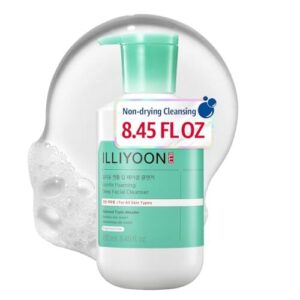
If your skin feels tight after washing, your cleanser is the problem. Illiyoon’s gel-to-foam formula uses hyaluronic acid and ceramide NP to clean without stripping. That’s the whole idea behind its low-pH design, sitting close to your skin’s natural acid mantle so your barrier stays intact.
Fragrance-free and dermatologist-tested, it suits sensitive and acne-prone skin well. Use it as your second cleanse at night, or your solo wash in the morning. The 250 ml pump bottle lasts months.
| Best For | Anyone with sensitive, acne-prone, or easily irritated skin who wants a gentle daily cleanser that removes makeup and buildup without leaving skin feeling dry or tight. |
|---|---|
| Routine Step | Second cleanser |
| Skin Type | Sensitive, acne-prone |
| Key Ingredient | Hyaluronic acid + phytosterols |
| Volume | 250 ml |
| Texture | Gel to foam |
| Primary Benefit | Deep pore cleansing |
| Additional Features |
|
- Cleans deeply without stripping — hyaluronic acid and phytosterols keep skin hydrated and comfortable after every wash
- Safe for sensitive skin and contact lens wearers, backed by dermatological testing and a fragrance-free, 15-FREE formula
- Versatile enough for morning and evening use, and the 250 ml pump bottle lasts a long time
- The gel formula is on the runny side, so you’ll need a light touch on the pump to avoid wasting product
- Lather is moderate — if you love a big, foamy cleanse, this one might feel underwhelming
- Results vary; while it helps reduce breakouts over time, it’s not a guaranteed fix for acne or sensitivity issues
7. Skintific Gentle Exfoliating Pads
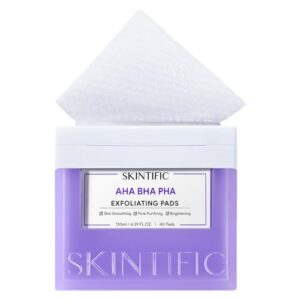
Exfoliating pads sound intimidating, but these make the process almost foolproof. Each pad has two sides: textured for deep exfoliation, smooth for calming things down after. The formula blends AHA, BHA, and PHA acids with niacinamide and hyaluronate, so you’re not just removing dead cells, you’re also supporting your barrier.
Use them once or twice a week, not daily. The cooling tingle from menthyl lactate is mild but real. Patch test first if you’re new to acids.
| Best For | Anyone with oily, acne-prone, or congested skin who wants an easy, no-fuss exfoliating routine without mixing products or rinsing anything off. |
|---|---|
| Routine Step | Toner/Exfoliator |
| Skin Type | Sensitive, acne-prone |
| Key Ingredient | AHA + BHA + PHA |
| Volume | 40 pads |
| Texture | Pre-soaked pads |
| Primary Benefit | Chemical exfoliation |
| Additional Features |
|
- Combines AHAs, BHA, and PHA in one pad, so you get both surface smoothing and pore-clearing in a single step
- The dual-sided design (textured smooth) means exfoliation and soothing happen back to back, lowering the chance of post-acid irritation
- Niacinamide and hyaluronate help protect your barrier while the acids work, making it gentler than most acid pads
- The acid concentration is on the stronger side, so first-timers to chemical exfoliants should ease in slowly and patch test first
- Contains fragrance and menthyl lactate, which can irritate very sensitive or reactive skin
- Not meant for daily use — overdoing it risks stripping your barrier, so you have to be disciplined about frequency
8. Anua Heartleaf 77 Soothing Toner
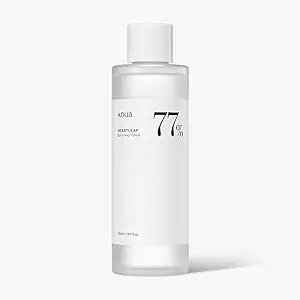
If your skin runs reactive, this toner earns its shelf space fast. 77% heartleaf extract does the heavy lifting, calming redness and that post-cleanse tightness most beginners dread. The texture is almost water-thin, so it layers without drama under your serum or moisturizer.
The pH 5.5 formula keeps your barrier comfortable. Fragrance-free, non-comedogenic, quick-drying. Soak a cotton pad for three to five minutes as a mini mask on rough days. Just know it won’t replace a real moisturizer if your skin skews dry.
| Best For | People with sensitive, reactive, or redness-prone skin who want a lightweight, calming toner to layer into their existing routine. |
|---|---|
| Routine Step | Toner |
| Skin Type | Sensitive, reactive |
| Key Ingredient | Heartleaf extract 77% |
| Volume | 250 ml |
| Texture | Watery toner |
| Primary Benefit | Soothing + hydration |
| Additional Features |
|
- Packed with 77% heartleaf extract to visibly calm redness and irritation
- Ultra-lightweight, water-thin texture that layers seamlessly without pilling or stickiness
- Fragrance-free and non-comedogenic with a skin-friendly pH 5.5 formula
- May not provide enough hydration on its own for dry skin types
- Some users experience unexpected stinging or burning despite the gentle formula
- Redness-reducing results can take extended use before becoming noticeable
9. Beauty of Joseon Revive Eye Serum
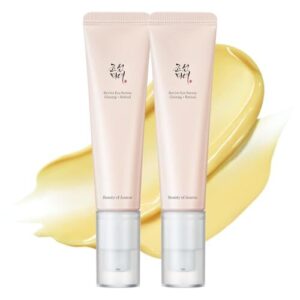
The eye area is where fine lines show up before you’re ready for them. That’s why Beauty of Joseon’s Revive Eye Serum earns a spot here.
Retinal promotes cell turnover, ginseng helps elasticity, and both work in a lightweight gel-cream that layers cleanly under your moisturizer.
Apply a tiny amount around the orbital bone with your ring finger each morning and night. If you’re new to retinal, start every other evening.
| Best For | Anyone starting to notice fine lines, dark circles, or loss of firmness around the eyes who wants a lightweight, active-ingredient formula they can layer into an existing skincare routine. |
|---|---|
| Routine Step | Eye serum |
| Skin Type | All skin types |
| Key Ingredient | Retinal + niacinamide |
| Volume | 30 ml x2 |
| Texture | Lightweight serum |
| Primary Benefit | Anti-aging eye care |
| Additional Features |
|
- Combines retinal and niacinamide in one serum, targeting wrinkles, brightness, and skin texture at the same time
- Ginseng extract adds a hydration and elasticity boost, making it more than just a basic retinol eye cream
- Lightweight, fast-absorbing formula that sits comfortably under moisturizer without pilling or heaviness
- Retinal can cause irritation, redness, or burning—especially for those with sensitive skin or no prior retinoid experience
- Results for puffiness and dark circles are hit or miss; some users see little to no improvement even after consistent use
- Requires ongoing, regular application to maintain any visible improvement, so it’s not a quick fix
Avoid Mistakes and Track Results
Even the best routine can quietly go sideways if a few key habits slip. Knowing what to watch for — and when to expect real change — makes all the difference between giving up too soon and actually seeing results. Here’s what to keep in mind as you settle into your routine.
Prevent Over-exfoliation and Irritation
Over-exfoliating is easier than you’d expect. Redness, flaking, and sudden sensitivity are your clearest warning signs.
Limit exfoliation to once or twice weekly, and never pair strong acids with retinoids on the same night.
If irritation shows up, stop all actives immediately. Return to gentle cleansing and barrier repair only, and always give your skin real time to fully recover.
Expect Results After Six Weeks
Recovery takes time, and so does progress. Once your barrier is stable again, six weeks of consistency is the real window where everything starts to show.
Hydration improvements land early, often within the first week. But texture, tone, and breakout reduction take longer to surface, usually around that four-to-six-week mark.
Prioritize Consistency Over Perfection
Consistency beats flawlessness every single time. Your Korean skincare routine for beginners truly works best when you actually show up for it, imperfections included.
A beginner skincare routine works best when you actually show up for it, imperfections and all
- Start small and build gradually
- Introduce one new product at a time
- Pat, don’t rub, products in gently
- Daily sunscreen is non-negotiable
Miss a night? Fine. Just don’t let one slip become an excuse to quit.
Frequently Asked Questions (FAQs)
What are the 7 steps of Korean skincare?
Your glow begins with order: the 7step Korean skincare routine is Cleansing oil first, oil cleanser; Water-based cleanse second, waterbased cleanser; toner balances pH, essence hydrates deeply, serum treats concerns, then moisturizer and daily sunscreen, always.
What is the 4 2 4 rule in skincare?
4 2 4 rule: massage oil cleanser four minutes, rinse two, cold-water finish four.
A skincare routine gets hydration boost phase, pore tightening finish, breakout prevention routine, skin texture improvement from double cleansing, waterbased cleanser.
What is Korea’s No. 1 skincare?
Aestura is Korea’s No. 1 dermocosmetics brand, though K-beauty trends vary. Glass skin routine: Hydration focus, Barrier protection, barrier repair, product layering, and sunscreen nonnegotiable. SPF essential for a Korean skincare routine for beginners daily.
How to get Korean glass skin?
Glass skin isn’t magic. It’s the result of hydration layering, thorough double cleansing, and a well-protected moisture barrier every day. Add daily sunscreen each morning, and that smooth, reflective finish starts to become very real.
What is a Korean skin care routine?
A Korean skincare routine is a structured, multi-step system built around layering hydration: toner, essence, moisturizer, and sunscreen form the daily foundation, with targeted serums added when your skin is ready.
What is the 10-step Korean skin care routine?
The routine stacks ten steps: cleansing oil, water cleanser, exfoliant, toner, essence, serum, sheet mask, eye cream, moisturizer, and sunscreen. Each layer builds on the last, delivering hydration and treatment from the inside out.
How do you use Korean skincare?
Think of it like layering clothes in the right order. Apply thinnest to thickest, always pat, don’t rub, and introduce one new product at a time. Good skin prep sets everything else up. Consistency beats perfect results.
What is the Korean skincare 3 second rule?
It’s simple: apply your toner within three seconds of washing your face. Don’t let your skin dry out first. That brief window is when your skin absorbs hydration most effectively.
What are the 10 steps in Korean skincare?
A full skin renewal ritual moves through ten layers: oil cleanser, water-based cleanser, exfoliator, toner, essence, serum, sheet mask, eye cream, moisturizer, and sunscreen. Each one feeds into the next, building on what came before.
What is the Korean 7 skin routine?
The 7 skin method is exactly what it sounds like: you layer a hydrating toner up to seven times, one thin coat at a time, letting each absorb before adding the next.
Conclusion
Here’s what most people never find out. The skin they’ve been chasing was always reachable.
A korean skincare routine for beginners doesn’t ask for flawlessness. It asks for patience, a gentle cleanser, and sunscreen you’ll actually use.
Six weeks from now, you’ll notice something quiet but unmistakable. Your skin will feel calmer, clearer, and different. Not because you followed every step perfectly, but because you finally stopped treating your skin like a problem to fix.