This site is supported by our readers. We may earn a commission, at no cost to you, if you purchase through links. This content is for general informational and educational purposes only and is not a substitute for professional medical, dermatological, or nutritional advice.
Most people blame their hair when it breaks. The real culprit is usually the accumulation of small daily decisions: the temperature of your shower water, the towel yanked across wet strands, the tight ponytail you wear day after day.
Hair breakage doesn’t happen all at once. Damage layers up gradually, lifting the outer cuticle until strands snap under ordinary tension. Even low humidity and sun exposure degrade the cuticle without any heat tool involved.
Knowing what’s behind the breakage changes everything. The right practices, combined with solid nutrition and consistent protection, can stop the cycle and keep your strands intact for good.
Table Of Contents
- Key Takeaways
- Prevent Hair Breakage With Gentle Care
- Identify Common Hair Breakage Causes
- Minimize Heat and Styling Damage
- Strengthen Hair Through Better Nutrition
- Protect and Maintain Hair Long-Term
- Frequently Asked Questions (FAQs)
- What is the biggest cause of hair breakage?
- Can you restore hair breakage?
- What vitamin am I lacking if my hair is breaking?
- What is the best oil to prevent hair breakage?
- How can I prevent hair breakage?
- What are the ways to stop hair fall?
- Can hair care products prevent hair breakage?
- How to repair hair breakage?
- How do I stop my hair from breaking?
- What is the main cause of hair breakage?
- Conclusion
Key Takeaways
- Hair breakage is almost always the result of small, repeated daily habits — like washing with hot water, rubbing with a rough towel, or wearing tight styles — rather than one dramatic event.
- Protecting your cuticle is the core of breakage prevention: lukewarm rinses, microfiber towels, and heat protectant before styling all work together to keep that outer layer intact.
- What you eat directly affects how strong your strands are, so consistent protein intake along with iron, zinc, and key vitamins like D and C gives your hair a real structural foundation.
- Long-term hair health comes down to consistent small choices — silk pillowcases, regular trims every 6–8 weeks, loose protective styles, and knowing when breakage signals it’s time to see a professional.
Prevent Hair Breakage With Gentle Care
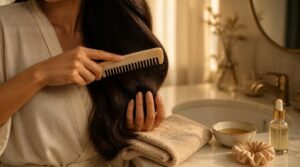
The way you handle your hair day to day makes a bigger difference than most people realize. Small habits — from how you wash to how you dry — can either protect your strands or quietly wear them down. Here are the gentle care practices worth adding to your routine.
Even something as traditional as using ghee for hair care can quietly transform dry, damaged strands when worked into a regular routine.
Wash With Warm Water
The temperature of your wash water matters more than you’d think. Water above 104°F strips scalp oils and weakens keratin, making each strand more prone to snapping.
Lukewarm water, between 98°F and 104°F, cleans effectively without cracking the cuticle or drying the scalp. Finish with a brief cold rinse to seal the cuticle and lock in moisture. Research confirms that cold water seals hair cuticles, locking in moisture and enhancing shine for all hair types.
Condition Mid-Lengths and Ends
Your scalp produces its own oil. Conditioner belongs on your mid-lengths and ends, where hair is driest and most prone to split ends.
- Squeeze out excess water before applying
- Start below chin level, work downward
- Distribute evenly with fingertips or a wide-tooth comb
- Leave rinse-out formulas on for 1–3 minutes
- Finish with a cool rinse to help seal the cuticle
Blot Hair Without Rubbing
Once you’ve rinsed out your conditioner, how you dry your hair matters just as much. Rubbing with a regular towel creates friction that roughens the cuticle and sets you up for breakage before styling even begins.
Blot with a microfiber towel instead, using a press-and-lift motion from roots to ends. Work in sections, and aim for 70-80% dryness before styling. That usually takes 3-5 minutes for most hair lengths.
Detangle Hair From Ends
Once blotted dry, start detangling ends first. Working upward loosens knots without forcing the comb through matted sections. Damp hair with leave-in conditioner gives the slip you need.
- Section hair first into 4-6 parts
- Use a wide-tooth comb as your primary tool
- Apply leave-in conditioner to detangle damp hair
- Separate tangles with fingers before any comb
- Detangle regularly to prevent stubborn buildup
Avoid Overwashing Hair
If you wash your hair daily, you may be slowly stripping natural scalp oils and triggering breakage. Two to three times a week suits most people.
| Overwashing Sign | Simple Fix |
|---|---|
| Dry, frizzy strands | Cut back wash days |
| Greasy roots return fast | Shampoo scalp only |
Lukewarm water keeps your hair’s moisture intact. Hot water strips oils and worsens damage.
For a deeper dive into protecting your strands through the colder months, winter hair care tips for damage-free hydration cover exactly why temperature choices matter so much.
Identify Common Hair Breakage Causes
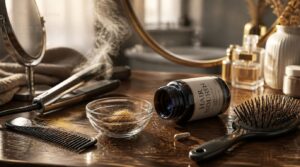
Hair breakage rarely comes from a single bad habit — it’s usually a mix of daily stressors quietly adding up over time. Knowing what’s working against your hair is the first step toward real, lasting change. Here are the most common culprits worth paying attention to.
Hair breakage is rarely one bad habit — it’s daily stressors quietly adding up
Split Ends and Short Strands
Split ends travel up the strand when left untreated. The cuticle wears away, letting the inner shaft fray into a V or Y shape, producing shorter, uneven strands that dull your hair’s appearance.
Watch for:
- Rough, tangled ends
- Dull, lifeless tips
- Short broken pieces among longer hair
- Forked or branched tips
Trimming is the only way to stop the split from spreading.
Heat and Chemical Damage
Heat does more damage than most people realize. At 150°C, the cuticle begins to lift and separate. Once the cortex is exposed, keratin proteins denature, and no conditioner can fully undo that.
Chemical treatments like relaxers and coloring break the same bonds over time. Use a heat protectant spray before styling and follow up with a protein treatment regularly.
Tight Hairstyles and Accessories
Tight ponytails and braids pull constantly on the follicle, and that sustained tension leads to traction alopecia in roughly one-third of women of African descent who wear traumatic styles long-term.
Swap rubber bands for fabric-covered hair ties to reduce friction. Keep braids in for no longer than two to three months, and position headbands without extra pulling at the hairline.
Dryness and Environmental Exposure
Your environment does more damage than most people realize. Low humidity pulls moisture out of your hair shaft, leaving strands brittle and prone to snapping.
UV exposure degrades the cuticle, and air pollution compounds that damage. Indoor heating drains the air of moisture, too.
Use a UV-protective product, sleep on a silk pillowcase, and wash with warm water, not hot.
Stress and Health Conditions
Chronic stress shifts hair follicles into a resting phase called telogen effluvium, causing visible shedding and breakage. Several health conditions compound the problem:
- Hypothyroidism slows follicle cell renewal
- Eating disorders starve the follicle of nutrients
- Disrupted sleep raises stress hormones further
- Untreated stress can progress to alopecia
Addressing the root cause is the real starting point.
Minimize Heat and Styling Damage
Heat and chemical styling are two of the biggest culprits behind weakened, brittle strands. The good news is that a few targeted habits can go a long way toward cutting down that damage. Here’s what to put into practice.
Apply Heat Protectant First

Before any hot tool touches your hair, apply heat protectant spray. It creates a barrier, limits moisture loss, and cuts down on hair breakage.
| Tool | Hair State | Method |
|---|---|---|
| Blow dryer | Damp | Spray, comb through |
| Flat iron | Dry | Section, coat evenly |
| Curling iron | Dry | Reapply if restyling |
Divide hair into 4-6 parts so lower layers stay protected.
Lower Styling Tool Temperatures
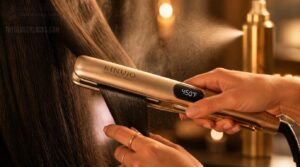
Heat protectant helps, but it’s not a substitute for using the right temperature. Fine or damaged hair does best at 250-300°F. Normal hair controls up to 350°F without much stress. Thick or coarse hair may need up to 400°F, but don’t push past that. Temperatures above 400°F cause protein breakdown and cuticle damage. A digital readout helps keep you accurate.
Space Out Chemical Treatments

Chemical treatments break down your hair’s protein bonds, and your strands need real time to recover before the next session.
Wait between treatments: at least 4-6 weeks between color services and 8 weeks between relaxers. Avoid chemical overlap by never applying relaxer to already-relaxed hair. Allow 2 full weeks before coloring after a perm or relaxer. Recovery time isn’t optional.
Choose Fabric-Covered Hair Ties

Your hair care routine doesn’t stop with chemical treatments. The accessories you reach for daily can still drive hair damage.
Pick ties that meet all four standards:
- Fabric-covered lining to lower friction on hair fibers
- Wide scrunchie design for better pressure distribution
- Smooth seams to prevent snags and hair breakage
- Strong elastic integrity so the tie holds without extra tugging
Wear Loose Protective Styles

Tight styles pull at the roots constantly, and that mechanical stress adds up faster than most people realize. Loose protective styles keep tension low by letting hair move slightly inside the style rather than being stretched taut.
Check the fit every few days. Styles tighten as hair dries, so catching that early prevents unnecessary breakage along the strand.
Strengthen Hair Through Better Nutrition

What you eat shows up in your hair — sometimes sooner than you’d expect. Nutritional gaps, especially in key vitamins and minerals, are one of the most overlooked reasons hair becomes brittle and prone to breaking. Here’s what to focus on to give your hair a stronger foundation from the inside out.
Eat Enough Protein
Your hair is made of keratin, built from amino acids your body sources daily from food. Since protein can’t be stored, you need consistent daily intake.
That’s why getting enough protein each day matters more than most people realize — explore evidence-based strategies for faster, healthier hair growth that go beyond the myths trichologists are tired of hearing.
Aim for roughly 0.8 g per kilogram of body weight if you’re under 50. Both plant and animal sources work, as long as your diet stays varied enough to cover all essential amino acids.
Prioritize Iron and Zinc
Two nutrients quietly shape whether your hair holds or breaks: iron and zinc.
- Low ferritin levels (below 30 ng/mL) trigger shedding by starving follicles of oxygen
- Zinc deficiency weakens keratin production, leaving strands brittle
- Pair iron-rich foods with vitamin C to boost absorption
Red meat, lentils, oysters, and pumpkin seeds cover both. Don’t supplement without testing first.
Get Essential Hair Vitamins
Vitamins don’t build hair on their own, but deficiencies cause real damage. Vitamin D and C work together, with D supporting follicle function and C improving iron absorption.
B vitamins, including biotin, support keratin structure, while zinc and vitamin E each offer added support. Biotin gets heavy marketing, but the evidence for extra benefit beyond correcting a deficiency is limited.
Stay Consistently Hydrated
Your scalp’s moisture level directly affects how manageable your hair feels during daily styling. When you’re dehydrated, your body prioritizes essential organs, leaving hair more brittle and prone to snapping. Dark or infrequent urination is your clearest warning sign.
Drink water consistently throughout the day, not just when thirst hits. Starting with a full glass after waking helps.
Supplement Only With Guidance
Supplements for hair health sound simple, but more isn’t always better. Before adding biotin, folic acid, iron, or magnesium to your routine, consult a healthcare provider to check whether you’re actually deficient. Self-prescribing can mask symptoms or conflict with medications. Always check supplement labels for full ingredient lists, and review medication interactions carefully. Vitamin A and vitamin C, for instance, are easy to overdo.
Protect and Maintain Hair Long-Term

Good hair care doesn’t stop at the shower or the dinner table — it carries into your sleep, your daily routine, and how closely you’re paying attention. Some of the most effective habits are simple ones you can build over time. Here’s what to focus on for lasting protection and health.
Use Satin or Silk Pillowcases
What you sleep on matters more than most people realize. A silk or satin pillowcase reduces the friction that pulls at your strands overnight, cutting down on breakage.
Silk breathes better and helps hair moisture retention more effectively, while satin, especially polyester-based versions, can trap heat and absorb moisture instead. If budget allows, silk is the stronger pick.
Protect Hair From Sunlight
UV rays break down the hair cuticle gradually, weakening hair moisture retention over time. Apply a UV-filtering leave-in spray before going outside, or wear a wide-brimmed hat for reliable shade and coverage.
On pool or beach days, rinse hair with fresh water first so strands absorb less saltwater or chlorine, which cuts overall hair damage and breakage.
Trim Split Ends Regularly
Split ends form a visible Y shape or tiny white dots at the tips. Once they appear, trimming is the only fix, since no product can reverse them.
Schedule a trim every 6 to 8 weeks, or ask for a "dusting" to remove just the frayed portion. Always use sharp scissors to keep cut ends clean and prevent new fraying.
Track Breakage and Shedding
Shedding patterns reveal a lot. Full strands with a bulb at the root signal natural shedding. Short, uneven pieces without one suggest hair breakage instead.
Check hair elasticity by stretching a wet strand. Then try the hair pull test: grip 50 hairs and pull gently. More than 5 releasing may signal weakened hair follicle health.
Seek Professional Help When Needed
Home care can only go so far. When home care fails after 6-8 weeks, see a doctor. Signs of serious breakage include:
- Sudden hair breakage, bald patches, or clumping loss
- Scalp redness, itching, or pain
- No improvement despite reducing stress and heat
A professional hair assessment rules out medical causes of loss like hypothyroidism or nutritional deficiencies.
Frequently Asked Questions (FAQs)
What is the biggest cause of hair breakage?
There’s no single villain here. Mechanical brushing damage, heat tool overuse, chemical processing, tight hairstyles, environmental dryness, and nutritional deficiencies all contribute, often working together to weaken strands faster than any one factor could alone.
Can you restore hair breakage?
No, you can’t fully restore broken hair. The hair shaft can’t heal itself once damaged. What products do is coat and smooth the fiber, buying time while healthy hair grows in.
What vitamin am I lacking if my hair is breaking?
Hair can look and feel healthy on the outside, yet vitamin C deficiency, iron deficiency, or zinc deficiency may be quietly weakening strands. Vitamin D and biotin gaps also drive breakage and slow hair growth.
What is the best oil to prevent hair breakage?
Coconut oil is a top pick. Its lauric acid molecules penetrate the hair shaft rather than just coating it, helping reduce breakage from within. Warm it slightly before applying for best results.
How can I prevent hair breakage?
Preventing breakage comes down to consistency. Gentle handling, balanced nutrition, and protective habits work together to keep strands strong. Small daily choices, not major overhauls, make the biggest difference over time.
What are the ways to stop hair fall?
Stopping hair fall starts with knowing its root cause. Hair shedding tied to the hair growth cycle responds well when you improve stress management, prioritize sleep quality, and build a routine that helps hormonal balance.
Can hair care products prevent hair breakage?
Think of hair care products as a shield, not a cure. A conditioner, heat protecting spray, or hair mask can reduce breakage when used consistently, but they work best alongside low heat and gentle handling.
How to repair hair breakage?
Repairing hair breakage means rebuilding what’s already damaged. Protein treatments restore structure, while deep conditioning adds moisture. Bond repair products work at the strand’s heart, and leave-in serums seal it all in.
How do I stop my hair from breaking?
Small, smart steps slow breakage down considerably. Gentle washing habits, consistent conditioning, and protective styling choices all work together to keep your strands stronger, less brittle, and much less likely to snap during everyday wear.
What is the main cause of hair breakage?
There’s rarely one single cause. Hair breaks down when multiple stressors combine: heat damage, chemical overprocessing, aggressive brushing, dry hair from environmental exposure, and nutritional deficiencies all weaken the strand over time.
Conclusion
Think of your hair like thread held under constant tension. Pull it too hard, too often, in the wrong conditions, and it will eventually snap. Learning how to prevent hair breakage isn’t about one big fix. It’s a collection of small, deliberate choices made each day: cooler water, looser styles, better nutrition, and consistent protection. Those choices compound quietly over time. Make them a habit, and your strands will reflect the care you’ve given them.