This site is supported by our readers. We may earn a commission, at no cost to you, if you purchase through links. This content is for general informational and educational purposes only and is not a substitute for professional medical, dermatological, or nutritional advice.

Here’s the thing nobody tells you about lidocaine: 5% is the legal ceiling for anything you can buy without a prescription. Anything stronger needs a doctor’s signature, and for good reason. Slather on too much of even the over-the-counter stuff, and you’re flirting with dizziness and a racing heart instead of a painless tattoo session.
That’s the tightrope every numbing cream walks. Done right, a good cream can take the edge off a four-hour rib piece. Done wrong, it leaves you greasy, still sore, and wondering why you bothered.
As a dermatologist, I’ve seen both outcomes. So I’ve narrowed the field to nine products worth your money, plus the timing tricks and safety rules that separate a smooth session from a miserable one.
Table Of Contents
- Key Takeaways
- Top 9 Best Numbing Creams for Tattoos and Piercings
- 1. Maximum Strength Numbing Cream
- 2. Fast Acting Numbing Cream Relief
- 3. Fast Acting Numbing Pain Relief Cream
- 4. Lidocaine Numbing Pain Relief Cream
- 5. Numbing Foaming Soap For Tattoos
- 6. Vegan Tattoo Healing Balm Cream
- 7. Fast Acting Lidocaine Numbing Cream
- 8. Lidocaine Pain Relief Cream Maximum Strength
- 9. Natural Tattoo Aftercare Moisturizing Balm
- What Makes a Numbing Cream Effective
- How to Choose The Best Numbing Cream
- How to Apply Tattoo Numbing Cream
- Numbing Cream Safety and Precautions
- Frequently Asked Questions (FAQs)
- What numbing cream is the strongest?
- What’s stronger, 20% benzocaine or 4% lidocaine?
- What is 10% lidocaine cream used for?
- Can you buy 5% lidocaine cream over-the-counter?
- How long should I wait before using a numbing cream?
- Is it safe to use numbing cream while pregnant or breastfeeding?
- How often can I use numbing cream?
- Are there any side effects to using numbing cream?
- Does numbing cream work on all skin types?
- Can numbing cream be used during pregnancy or breastfeeding?
- Conclusion
Key Takeaways
- 5% lidocaine is the strongest numbing cream you can buy without a prescription, and applying too much (especially over large areas) risks toxicity symptoms like dizziness, a racing heart, and confusion.
- For best results, apply a thick, even layer to clean, dry skin 45–60 minutes before your session, cover it with plastic wrap to boost absorption, and wipe it off completely before tattooing so it doesn’t interfere with ink placement.
- Match the product to your needs: fast-acting formulas kick in within minutes but fade quickly, while longer-lasting options take 30–60 minutes to work but deliver 2–4 hours of relief, so choose based on your session length.
- Always patch-test first, use numbing cream only on unbroken skin, watch for delayed allergic reactions over 24–72 hours, and consult your artist or doctor beforehand if you’re pregnant, nursing, or have liver or heart concerns.
Top 9 Best Numbing Creams for Tattoos and Piercings
Let’s be honest: nobody gets a tattoo for the needle part. The good news is that a 5% lidocaine cream, applied correctly, can block most of that pain before your session even starts.
The same numbing approach works wonders beyond tattoos—dermatologists rely on lidocaine before electrocautery, so check out this guide to the best natural way to remove skin tags for gentler options too.
I’ve sorted through the top products on the market and narrowed it down to nine that actually deliver. Here they are, from maximum-strength workhorses to soothing aftercare balms, so you can pick the right one for your skin and your session.
1. Maximum Strength Numbing Cream
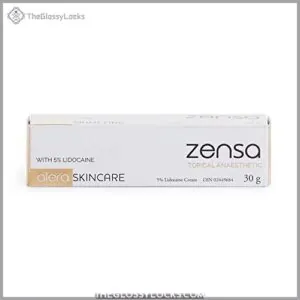
When you’re facing hours in the tattoo chair, the lidocaine concentration in your numbing cream is what separates real relief from wishful thinking. Maximum strength formulas usually pack 4-5% lidocaine, the highest level regulators allow over the counter, and they can meaningfully reduce pain during long sessions.
Why does the percentage matter so much? Lidocaine is an amide-type local anesthetic that blocks nerve signals at the skin’s surface. More drug reaching those nerves means deeper, longer numbing.
One popular option pairs 5% lidocaine with vitamin E and lecithin, plus a non-greasy base that absorbs quickly. Users report numbing lasting anywhere from 30 seconds to several hours, so results vary. Apply it thickly, wait about an hour for peak absorption, and let the formula do its work.
| Best For | Adults and teens over 12 seeking maximum-strength, over-the-counter relief from hemorrhoid pain, burning, and minor anorectal irritation—or anyone prepping for a long tattoo session. |
|---|---|
| Product Format | Cream |
| Primary Use | Tattoo numbing |
| Skin-Soothing Extras | Vitamin E and lecithin |
| Onset Time | ~60 minutes |
| Grease-Free Feel | Non-greasy |
| Sensitive Skin Suitability | Patch test advised |
| Additional Features |
|
- Maximum strength 5% lidocaine, the highest concentration available over the counter
- Skin-friendly formula with vitamin E and lecithin that absorbs quickly without greasiness
- Versatile relief for hemorrhoid discomfort, minor anorectal irritation, and tattoo pain
- Numbing duration varies widely, from as little as 30 seconds to several hours
- May cause swelling in some users during tattoo procedures
- Effectiveness is inconsistent based on user reports
2. Fast Acting Numbing Cream Relief
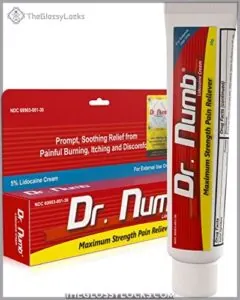
Not everyone has an hour to spare before their appointment. That’s where fast-acting formulas earn their keep. Dr. Numb leads this category with numbing that kicks in within about 15 minutes, compared to 10-25 minutes for most lidocaine creams.
Benzocaine starts even faster, around 12 minutes, but here’s the catch: it fades in roughly 25 minutes. Lidocaine wins on staying power and scores better in clinical pain studies too, averaging 2.8 versus 3.5 on the visual analog scale.
One smart pick combines 5% maximum strength lidocaine with a water-based, non-greasy texture that won’t leave your skin slick. Relief usually lasts 2-4 hours, though some users report it fading sooner. For sessions past 90 minutes, plan on reapplying.
| Best For | People who need quick, reliable numbing relief—whether for tattoo sessions, hemorrhoid discomfort, or minor skin irritations—without waiting around for the product to work. |
|---|---|
| Product Format | Cream |
| Primary Use | Tattoo numbing |
| Skin-Soothing Extras | Water-based formula |
| Onset Time | 15 minutes |
| Grease-Free Feel | Non-greasy |
| Sensitive Skin Suitability | Patch test advised |
| Additional Features |
|
- Fast-acting formula starts working in as little as 15 minutes
- Maximum strength 5% lidocaine provides 2-4 hours of numbing relief
- Water-based, non-greasy texture that won’t leave skin slick
- Some users report relief wearing off in 20-30 minutes
- Effectiveness varies, with some experiencing minimal or no pain relief
- Considered expensive relative to the tube size
3. Fast Acting Numbing Pain Relief Cream
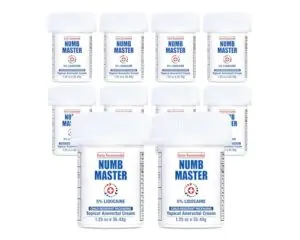
Need numbing in a hurry? Clinical Resolution’s 5% lidocaine cream starts working in 3-5 minutes, with peak effect around 20-25 minutes. That makes it the fastest option on this list when your appointment is imminent.
The oil-free, water-based formula absorbs quickly and won’t leave your skin slick or interfere with ink transfer. Vitamin E and allantoin round it out, soothing skin while the lidocaine does its job.
One honest caveat: expect roughly 60 minutes of solid numbing from peak onset. For longer sessions, you’ll want a backup plan. If you’d rather trade speed for staying power, the next pick stretches relief considerably further.
| Best For | People who need fast, reliable numbing relief before a tattoo session, medical appointment, or other time-sensitive situation. |
|---|---|
| Product Format | Cream |
| Primary Use | Tattoo numbing |
| Skin-Soothing Extras | Vitamin E and allantoin |
| Onset Time | 3-5 minutes |
| Grease-Free Feel | Oil-free |
| Sensitive Skin Suitability | Gentle soothing additives |
| Additional Features |
|
- Starts working in just 3-5 minutes, with peak effect in 20-25 minutes
- Oil-free, water-based formula absorbs quickly and won’t interfere with ink transfer
- Soothing extras like vitamin E and allantoin calm skin while the lidocaine numbs
- Numbing only lasts about 60 minutes, so longer sessions need a backup plan
- Some users report leakage and discoloration (brown color) upon receipt
- Effectiveness can vary depending on skin thickness and individual metabolism
4. Lidocaine Numbing Pain Relief Cream
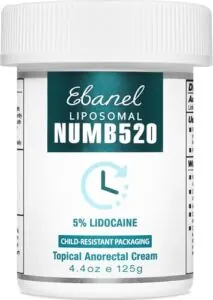
If staying power matters more than speed, Numb520 is your pick. Its 5% lidocaine concentration is the maximum available without a prescription, and it usually kicks in within 30-60 minutes on intact skin. Expect 1-2 hours of solid numbing, with relief stretching 2-4 hours overall depending on your skin thickness and metabolism.
The formula includes allantoin, vitamin E, and aloe to calm skin while the anesthetic works. It’s oil-free, fragrance-free, and non-greasy, so it won’t interfere with ink placement.
Apply a thick layer to clean, dry skin, then cover with plastic wrap. That occlusion boosts absorption. Just don’t overdo it—larger areas mean more systemic absorption. Made in the USA in an FDA-registered facility.
| Best For | Tattoo artists and clients who need maximum-strength, long-lasting numbing for procedures or aftercare. |
|---|---|
| Product Format | Cream |
| Primary Use | Tattoo numbing |
| Skin-Soothing Extras | Allantoin, vitamin E, aloe |
| Onset Time | 30-60 minutes |
| Grease-Free Feel | Non-greasy |
| Sensitive Skin Suitability | Fragrance-free |
| Additional Features |
|
- Maximum 5% lidocaine strength available without a prescription, with relief lasting 2-4 hours
- Soothing formula with allantoin, vitamin E, and aloe that won’t interfere with ink placement
- Oil-free, fragrance-free, non-greasy, and made in an FDA-registered, cGMP-certified US facility
- Takes 30-60 minutes to reach full effect, so it’s slower than some alternatives
- Numbing may require reapplication or longer application time for desired results
- Risk of toxicity if overused, especially on larger body areas
5. Numbing Foaming Soap For Tattoos
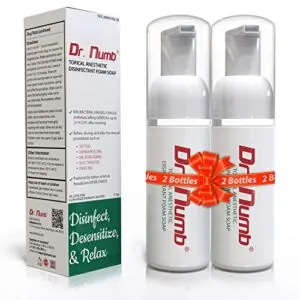
A foaming soap with 4% lidocaine takes a different approach than creams—it cleans and numbs at the same time. Think of it as a two-for-one for fresh ink. The surfactants lift away plasma, ink residue, and debris while the anesthetic calms burning, itching, and soreness on already-irritated skin.
That dual-action cleaning makes aftercare easier during healing, especially since skin and hair can complicate things—see how hair grows over a tattoo for what to expect.
You’ll use it before, during, and after sessions. Massage the foam gently over the area, let it sit 5-10 minutes for best results, then rinse with lukewarm water. The water-based lather spreads thinly and rinses clean, so there’s no greasy film to trap bacteria or interfere with healing.
One caveat: results vary. Some users report little numbing effect, and the pump can leak. Still, for gentle aftercare cleansing, it’s a solid pick at 1.7 ounces.
| Best For | Tattoo enthusiasts and artists who want a convenient two-in-one product that cleanses and numbs irritated skin during and after tattoo sessions. |
|---|---|
| Product Format | Foaming soap |
| Primary Use | Tattoo cleansing/numbing |
| Skin-Soothing Extras | Water-based lather |
| Onset Time | 5-10 minutes contact |
| Grease-Free Feel | Rinses clean |
| Sensitive Skin Suitability | No greasy residue |
| Additional Features |
|
- Cleans and numbs simultaneously, saving a step in your routine
- Water-based foam rinses clean with no greasy residue that could trap bacteria
- Compact 1.7-oz size is easy to take to the studio or on the go
- Numbing effectiveness varies, with some users reporting little to no relief
- Requires 5-10 minutes of contact time before rinsing, which can slow things down
- Pump mechanism can malfunction or leak during use
6. Vegan Tattoo Healing Balm Cream
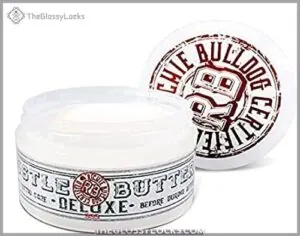
Aftercare is where healing actually happens. This vegan, petroleum-free balm combines shea butter, coconut oil, mango seed butter, and green tea extract to lock in moisture without slowing your skin’s recovery. Skipping lanolin and beeswax cuts common allergen triggers, which matters if your skin runs sensitive.
Apply a thin layer 2-4 times daily while the tattoo heals. The occlusive lipids slow moisture loss while fatty acids support barrier repair. That steady hydration also helps maintain color vibrancy long after you’ve healed.
One heads-up: some users find it greasy, and the fragrance-free version can develop a rubbery scent after application. Patch-test before committing.
| Best For | Tattoo enthusiasts with sensitive skin who prefer clean, plant-based ingredients and want to support healing while keeping their ink looking vibrant. |
|---|---|
| Product Format | Balm |
| Primary Use | Tattoo aftercare |
| Skin-Soothing Extras | Shea and coconut oil |
| Onset Time | N/A (aftercare) |
| Grease-Free Feel | Can feel greasy |
| Sensitive Skin Suitability | Lanolin and beeswax-free |
| Additional Features |
|
- Made with nourishing natural ingredients like shea butter, coconut oil, and mango seed butter that moisturize without petroleum
- Certified vegan and cruelty-free, with no lanolin or beeswax to trigger common skin sensitivities
- Doubles as a daily moisturizer for lips, hands, and feet once your tattoo has fully healed
- Some users experience skin irritation or a burning sensation after application
- Can feel greasy on the skin, depending on how much you apply and your skin type
- The fragrance-free version may develop an off-putting rubbery smell after use
7. Fast Acting Lidocaine Numbing Cream
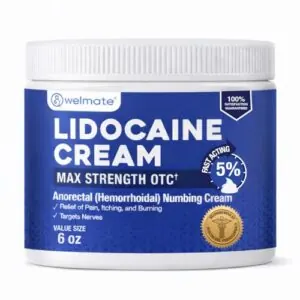
Where older formulas made you wait up to two hours, fast-acting lidocaine cream starts working within minutes. That’s the difference a well-engineered base makes.
At 5% lidocaine concentration, this is the maximum strength available over the counter, and it delivers. You’ll feel noticeable numbing before your artist even picks up the machine. It works equally well for laser hair removal and injections, not just tattoos.
The formula is non-greasy and odorless, which your skin and your artist will both appreciate.
One real caution: don’t overdo it. Excessive application raises the risk of lidocaine toxicity, including dizziness. Stick to the labeled instructions and patch-test first if your skin runs sensitive.
| Best For | Anyone who wants fast, effective numbing for tattoos, laser hair removal, or injections without waiting around for it to kick in. |
|---|---|
| Product Format | Cream |
| Primary Use | Tattoo numbing |
| Skin-Soothing Extras | Non-greasy base |
| Onset Time | Within minutes |
| Grease-Free Feel | Non-greasy |
| Sensitive Skin Suitability | Patch test advised |
| Additional Features |
|
- Maximum OTC strength at 5% lidocaine — starts working in minutes, not hours
- Non-greasy and odorless formula that won’t interfere with your skin or your session
- Versatile beyond tattoos — works well for laser hair removal, injections, and chronic discomfort like hemorrhoids or neuropathy
- Risk of lidocaine toxicity if over-applied or left on too long — dizziness and faintness are possible
- May irritate sensitive skin, so a patch test is a smart first step
- Not safe for use on open wounds or large areas of broken skin
8. Lidocaine Pain Relief Cream Maximum Strength
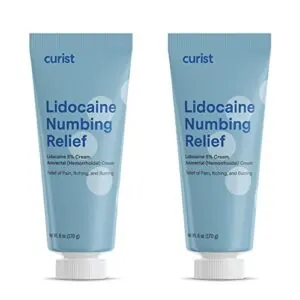
Here’s where the numbers matter, so let’s be precise. True maximum strength means 5% lidocaine, the highest concentration available without a prescription. Some products labeled "maximum strength" actually contain only 4%, so read the label before you buy.
At 5%, you’re getting five grams of lidocaine per 100 grams of cream. That translates to real relief: studies show these creams can cut perceived tattoo pain by 70 to 90%.
Expect numbing within 30 to 60 minutes, lasting 3 to 5 hours. Apply a thick, even layer, cover with plastic wrap, then wipe it clean before your artist starts.
Watch for redness or irritation, and never apply to broken skin.
| Best For | Adults and teens 12 and older looking for maximum-strength OTC numbing relief from hemorrhoid discomfort, tattoo pain, or shingles irritation. |
|---|---|
| Product Format | Cream |
| Primary Use | Tattoo numbing |
| Skin-Soothing Extras | Quick-absorbing base |
| Onset Time | 30-60 minutes |
| Grease-Free Feel | Non-greasy |
| Sensitive Skin Suitability | Patch test advised |
| Additional Features |
|
- True 5% lidocaine concentration—the highest available without a prescription
- Large 6 oz tube offers extended use and absorbs quickly without grease or odor
- Versatile relief for multiple sources of pain, itching, and burning
- External use only, with a limit of 6 applications per day
- Mixed customer feedback on value for money and long-term effectiveness
- Numbing takes 30 to 60 minutes to kick in, so it requires planning ahead
9. Natural Tattoo Aftercare Moisturizing Balm
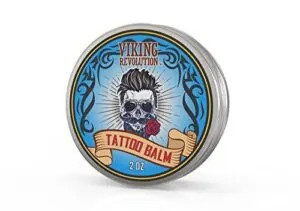
Not every product in your kit needs to numb. Once the needle stops, your skin needs healing, not anesthesia. This balm uses shea butter, jojoba oil, and beeswax, plus calendula, a plant extract dermatologists like for its anti-inflammatory properties. Beeswax forms a breathable barrier that locks in moisture without clogging pores, which matters because occluded healing skin invites problems.
You can use it before, during, and after sessions, and it doubles as a hand and cuticle balm. It even brightens older, faded tattoos with regular use.
Two cautions: apply sparingly, since excess feels greasy, and patch-test first because natural scents vary between batches. If irritation develops, stop and call your doctor.
| Best For | Anyone who wants a natural, chemical-free balm to heal fresh tattoos, revive older faded ink, and moisturize dry hands and cuticles all with one product. |
|---|---|
| Product Format | Balm |
| Primary Use | Tattoo aftercare |
| Skin-Soothing Extras | Natural balm formula |
| Onset Time | N/A (aftercare) |
| Grease-Free Feel | Can feel greasy |
| Sensitive Skin Suitability | Patch test advised |
| Additional Features |
|
- Chemical-free formula with shea butter, jojoba oil, beeswax, and soothing calendula
- Versatile enough to use before, during, and after tattooing, plus on hands and cuticles
- Beeswax creates a breathable moisture barrier without clogging pores
- Can feel greasy if too much is applied
- Scent varies between batches, so patch-testing is recommended
- Requires regular, consistent application to see results
What Makes a Numbing Cream Effective
Not all numbing creams are created equal, and the difference between a comfortable session and a wasted tube comes down to a few key factors. As a dermatologist, I look at active ingredients, formulation, and skin compatibility before anything else. Here’s what actually matters when you’re sizing up a product.
Lidocaine Strength and Concentration
Here’s the number that matters most: lidocaine concentration. This percentage tells you how much active numbing agent sits in the cream. A 5% lidocaine formula packs maximum over-the-counter strength, while 4% lidocaine options offer gentler, still-effective relief. Anything higher than 5% isn’t legal without a prescription, and for good reason.
- 5% lidocaine: strongest FDA approved OTC strength
- 4% lidocaine: effective, milder for sensitive skin
- Higher concentrations: prescription-only territory
As a topical anesthetic, lidocaine blocks nerve signals. More of it means deeper numbing, but also higher toxicity risk. Choose wisely. Once applied, numbing cream takes 60–90 minutes to take effect and usually lasts up to 3–4 hours of numbness, so timing your session matters.
Alternative Active Ingredient Blends
Lidocaine isn’t the only player. Some formulas use a natural ingredient mix with ester anesthetics like benzocaine or tetracaine, which block nerve signals similarly but metabolize differently. Others add menthol or capsaicin, which don’t block nerves at all. They trick your skin’s temperature receptors instead, creating cooling or warming sensations that compete with pain signals.
Here’s how common actives compare:
| Active | Mechanism | Best For |
|---|---|---|
| Lidocaine 5% | Blocks nerve signals | Deep, long numbing |
| Benzocaine/tetracaine | Ester-type nerve block | Shorter sessions |
| Menthol + botanical extracts | Cooling distraction | Needle anxiety |
You’ll also spot supporting players like Arnica oil, emu oil, and allantoin, which calm irritated skin rather than numb it. These soothe, so they complement anesthetics rather than replace them.
My take: mixes work well for mild discomfort or anxious first-timers. For real pain control during a long tattoo, stick with lidocaine as your anchor.
Fast-Acting Vs. Long-Lasting Formulas
So which do you pick: speed or stamina?
A fast-acting formula gets anesthetic to surface nerve endings quickly, so you feel numb in 15–20 minutes. But it clears out fast too.
Longlasting effect products release the drug more slowly, keeping effective concentrations near nerves for hours—ideal for long sessions. Match your choice to your session length, because pain relief duration is really about residence time in skin.
Water-Based Vs. Oil-Based Textures
Think of it like sunscreen: you want the kind that fully absorbs into skin, not one that just sits on top.
- Waterbased consistency absorbs fast, leaving a nongreasy texture
- Oil-based texture creates a longer barrier but often makes skin feel rubbery
- Waterbased composition is preferred for tattoos, since residue blocks ink
- Gel-based formulation absorbs best when covered with plastic wrap
Sensitive Skin Compatibility
Texture matters, but so does what else is in the formula. Sensitive skin can react to fragrance and parabens even in well-formulated products.
| Concern | Avoid | Look For |
|---|---|---|
| Allergy | Fragrance | Fragrance free |
| Irritation | Parabens | Paraben free |
| Residue | Oil base | Nonoily composition |
A hypoallergenic, sensitive skin formulation keeps reactions off the table. Patch-test first regardless.
How to Choose The Best Numbing Cream
Not every numbing cream works the same way for every person or procedure. The right choice depends on a few key factors, from how long your session runs to whether you’re numbing a sensitive area like your face. Here’s what to look for before you pick.
Pain Relief Duration
Duration matters more than most people expect. A cream’s numbing effect usually lasts one to three hours, depending on lidocaine concentration and how well you prepare your skin beforehand. For longer sessions, choose a formula with higher lidocaine concentration (4-5%) and cover it after applying. That simple step extends tattoo session endurance without scrambling for reapplication midway through your session.
Tattoo Size and Placement
Where you place your tattoo affects how your numbing cream performs.
- Large areas require more cream for even coverage
- Joints and movement zones disrupt cream contact
- Thicker skin needs deeper anesthetic penetration
- High blood-flow spots clear numbing faster
- Follicle-dense areas change how cream spreads
Tattoo pain management improves when your formula matches your placement for a reliable long-lasting effect.
Face and Piercing Suitability
Facial skin absorbs topicals more readily, so facial suitability matters. Choose a sensitive skin formulation that’s fragrance-free and hypoallergenic to reduce irritation near your eyes or mouth.
For piercings near mucous membranes, mucous membrane absorption is faster and less predictable. Products listing pediatric use restrictions usually carry lower lidocaine concentrations, often safer for delicate tissue zones.
Session Length and Timing
Timing is everything. Your application timing strategy shapes tattoo session endurance.
- Apply 45–60 minutes before your appointment
- Cover with plastic wrap to boost absorption
- Match pain relief duration to your session length
- Wipe off only when the artist is ready
Session Length and Timing matters most for longer pieces. A longlasting effect needs planning.
Price, Size, and Value
Budget shouldn’t compromise your comfort. Over-the-counter strength creams with a 4–5% lidocaine concentration run $12–$25 for a 30 g tube.
| Size | Best For |
|---|---|
| 15 g | Single sessions |
| 30 g | Regular clients |
| 60 g | Multi-session value |
Larger sizes cut your per-gram cost by up to 40%. Match size to how often you sit, not just shelf price.
How to Apply Tattoo Numbing Cream
Getting the most out of numbing cream comes down to how you apply it, not just which one you buy. A few simple steps before your appointment make the difference between real relief and a cream that barely scratches the surface. Here’s exactly what to do.
Clean and Patch-Test Skin
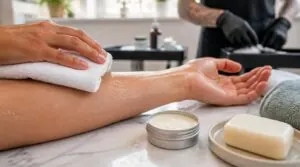
Dirty skin is the enemy here. Before applying tattoo numbing cream, clean the area well. Soap residue, sweat, or oils block absorption.
- Wash with mild soap and pat dry
- Skip lotions and oils after washing
- Patch-test a small spot on your inner arm
- Wait 24 hours and check for redness or irritation
Your skin and your dermatologist will thank you.
Apply a Thick, Even Layer
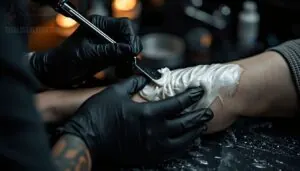
Once your skin passes the patch test, it’s time to apply a thick, even layer. Think frosting a cake, not buttering toast. A generous coat ensures enough lidocaine concentration reaches nerve endings for deep skin penetration. Thin, patchy spots mean uneven numbing and, worse, pain. Spread the cream uniformly so transdermal delivery stays consistent. Don’t skimp. Your artist will notice, and you’ll feel it.
Cover for Optimal Absorption
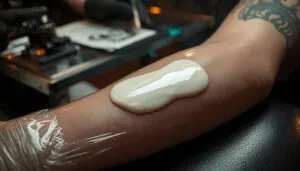
Now seal the deal. Cover the cream with plastic wrap to create occlusion, the gold-standard occlusive dressing technique. This wrap traps moisture, boosting skin permeability so lidocaine penetrates deeper.
Why covering matters:
- Stops the cream drying out too fast
- Keeps active ingredient in contact with skin
- Increases hydration for better transdermal delivery
- Prevents rubbing off on clothes
- Maximizes numbing from every application
Smooth out air bubbles and edges. Gaps mean spotty relief.
Time Application Before Tattooing
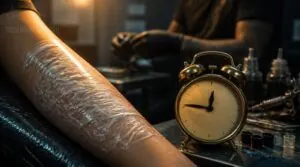
Once the wrap is on, the clock starts. Most lidocaine creams need 30 to 60 minutes of contact time. Check your product’s label, because timing varies by formulation.
| Too Early (under 20 min) | Just Right (30–60 min) | Too Late (over 2 hours) |
|---|---|---|
| Weak, patchy numbness | Deep, reliable relief | Fading effect, skin changes |
Time application before tattooing so lidocaine absorption peaks right when the needle touches skin. That’s your window.
Remove Cream Before Tattooing
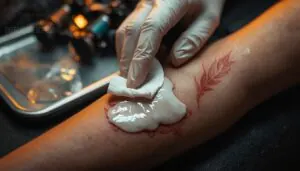
When your application time is up, remove cream before tattooing. Leftover topical anesthetic acts as a barrier, causing uneven ink placement. Here’s how:
- Peel off the plastic wrap occlusion.
- Wipe gently with clean, lint-free gauze.
- Use a fresh wipe for each pass.
- Let skin dry completely.
- Check for visible residue.
Your artist needs direct needle-to-skin contact. A lingering skin numbing agent film can smear and disrupt the whole session.
Numbing Cream Safety and Precautions
Numbing cream is safe when you respect it, but lidocaine is still a medication, and your skin absorbs more than you might think. A few smart habits separate a comfortable session from an unnecessary trip to urgent care. Here’s what you need to know before you open that tube.
Use Only on Unbroken Skin
Your skin is a shield is your skin, and numbing cream depends on that shield staying intact. Lidocaine, the most common skin numbing agent, absorbs far faster through broken skin, raising your risk of systemic toxicity. Cuts, blisters, burns, or irritation? Skip the topical anesthetic there. Use only on unbroken skin for dermatological safety. Protecting that barrier protects you.
Avoid Excessive Application Areas
More isn’t better here. Covering your whole back or several piercing sites at once can push lidocaine past the maximum safe dosage your body can handle. Stick to the area being tattooed, roughly a palm’s width per session. If you’re treating multiple sites, wait between them. Think of over-the-counter strength as a speed limit, not a starting point.
More numbing cream isn’t better—treating your whole back at once can push lidocaine past safe limits, so stick to a palm-sized area per session
Watch for Lidocaine Toxicity
Keep an eye out for trouble signs. Lidocaine toxicity happens when bloodstream absorption climbs too high, triggering central nervous system effects. FDA warning labels list these clearly:
- Ringing ears or metallic taste
- Lightheadedness or confusion
- Numbness around your mouth
- Muscle twitching
- Irregular heartbeat
Stay within the maximum safe dosage, especially with occlusion or liver issues. When in doubt, rinse off and call your doctor.
Recognize Allergic Skin Reactions
Toxicity isn’t the only worry. True allergic skin reactions are rarer, but they happen. Preservatives and fragrances cause most of them, not the lidocaine itself.
Here’s the catch: allergic contact dermatitis is delayed hypersensitivity. It builds over 24–72 hours after exposure, so a clean session can still end with an itchy, blistering rash.
Watch for spreading redness, intense itching, swelling, or weeping bumps. Do a patch test first, especially if you have sensitive skin. And remember, tattoo inks, metals, and aftercare balms can also trigger allergies, so the cream isn’t always the culprit. If symptoms appear, rinse off, avoid scratching, and see a dermatologist promptly.
Consult Your Artist or Clinician
One conversation can prevent a world of trouble. Before your appointment, have an honest tattoo artist consultation about your numbing cream.
Bring up:
- Any liver, heart, or pregnancy concerns
- Your full medication list
- Known allergies or skin sensitivity
- The exact product and lidocaine strength you plan to use
Why? These factors change how your body processes lidocaine, raising toxicity risk. Your artist and clinician can advise on patch testing, safe amounts, and whether numbing suits your placement. Skip the guesswork. Ask first.
Frequently Asked Questions (FAQs)
What numbing cream is the strongest?
In the US, the strongest numbing cream you can buy over the counter contains 5 percent lidocaine, the maximum FDA approved strength without a prescription. Products like Dr. Numb deliver a longlasting deep numb that’s tattoo artist recommended.
What’s stronger, 20% benzocaine or 4% lidocaine?
Here’s a surprising fact: most people assume 20% benzocaine beats 4% lidocaine simply because the number’s bigger. Percentages don’t tell the whole story. Lidocaine generally penetrates skin more effectively, making 4% lidocaine often the stronger topical anesthetic choice.
What is 10% lidocaine cream used for?
10% lidocaine cream is a topical anesthetic that creates a nerve conduction block in superficial skin, numbing the area. Common uses include tattooing, piercings, and minor cosmetic procedures. Because skin absorption is concentration-dependent, always follow FDA-approved guidelines.
Can you buy 5% lidocaine cream over-the-counter?
Here’s the paradox: the strongest cream you can buy is often the weakest choice. Yes, 5 lidocaine cream is sold over-the-counter, but FDA-approved OTC products cap at 4%. Higher concentrations increase skin absorption and toxicity risk. Stick with 4% or less.
How long should I wait before using a numbing cream?
How long should you wait before using a numbing cream? Plan on 45 to 60 minutes before your appointment. That window lets the topical anesthetic, usually lidocaine, penetrate deeply enough for peak skin numbing and better tattoo session comfort.
Is it safe to use numbing cream while pregnant or breastfeeding?
Using numbing cream while pregnant is like walking a familiar path with a guide—you can do it, but you want expert company. Lidocaine-based topical anesthetics are generally considered safe during pregnancy when applied as directed to small areas, with minimal fetal exposure. The FDA classifies lidocaine-prilocaine cream as pregnancy category B, meaning animal studies showed no fetal harm. Still, use it only when clearly needed, and always consult your healthcare provider first.
Breastfeeding calls for extra care. Lidocaine passes into breast milk in tiny amounts, but your baby absorbs very little of it, so problems are unlikely. The real issue is direct transfer: never apply numbing cream near the nipple or areola, and wash off any residue before feeding. Wash your hands after use, too.
Avoid benzocaine products if you’re nursing, since they carry a methemoglobinemia risk in infants. Watch for skin irritation, and skip application over large body areas to stay within safety limits.
How often can I use numbing cream?
How often can you use numbing cream? Stick to three or four applications daily, maximum. Lidocaine works by nerve impulse blocking, but exceeding safety limits risks toxicity. Space tattoo sessions twelve hours apart to allow skin regeneration.
Are there any side effects to using numbing cream?
Are there side effects from numbing cream? Yes: lidocaine causes skin irritation precautions like redness in some users; rare overuse triggers cardiac toxicity, lowered seizure threshold, or methemoglobinemia. Patch-test first, apply sparingly.
Does numbing cream work on all skin types?
Yes, numbing cream works on most skin types, but results vary. Thicker skin absorbs lidocaine slower; oily skin blocks it; sensitive skin risks irritation. Patch-test first and choose a nonirritating formula for best results.
Can numbing cream be used during pregnancy or breastfeeding?
Can you use numbing cream while pregnant or breastfeeding? Ideally, no. Lidocaine, a topical anesthetic, crosses the placenta and enters breast milk. Consult your doctor first.
Conclusion
Proper preparation prevents poor pain control. That’s the real secret here.
The best numbing cream won’t save a session if you apply it wrong, skip the patch test, or pile on more than your skin can safely handle. Follow the timing, respect the 5% lidocaine ceiling, and talk to your artist first.
Your tattoo should tell a story. Numbness done right just makes the telling easier.