This site is supported by our readers. We may earn a commission, at no cost to you, if you purchase through links. This content is for general informational and educational purposes only and is not a substitute for professional medical, dermatological, or nutritional advice.
One pump of the right oil can cut breakage by 86% after a single use. One pump of the wrong oil leaves fine hair limp, greasy, and flat by lunch.
That gap explains why the best oil to moisturize hair reviews you’ve read so far probably contradicted each other. Your strand thickness, porosity, and styling habits change everything. Some formulas deliver 125% more shine. Others leak in your bag. And no oil, however pricey, repairs a split end.
Here are 10 tested picks, plus the exact steps for matching one to your hair, so you can buy once and get it right.
Table Of Contents
- Key Takeaways
- Top 10 Oils to Moisturize Hair Reviewed
- 1. Superfruit Hair Styling Oil Protector
- 2. Olaplex Bonding Hair Oil Treatment
- 3. Nourishing Hair Oil Treatment
- 4. Lightweight Hair Hydrating Serum Oil
- 5. Curls Nourish And Shine Oil
- 6. Prickly Pear Hair Smoothing Oil
- 7. Moroccanoil Purple Hair Oil Treatment
- 8. Argan Oil Hair Repair Serum
- 9. Argan Oil Hair Treatment Serum
- 10. Organic Jojoba Oil For Skin
- How to Choose The Best Hair Oil for Your Hair Type and Porosity
- Hair Oil Benefits and Limits for Moisture, Frizz, and Damage
- How to Apply Hair Oil: Amount, Frequency, and Damp Vs. Dry Hair
- What to Check Before Buying Hair Oil: Ingredients, Scalp Sensitivity, and Value
- Frequently Asked Questions (FAQs)
- What is the best oil for hydrating dry hair?
- Which oil is hydrating for hair?
- Do oils actually hydrate hair?
- What hair oil is best for very dry hair?
- Can hair oils help with scalp dandruff issues?
- How often should I apply hair oil weekly?
- Do hair oils expire or go rancid over time?
- Can I mix different hair oils together safely?
- Will hair oils weigh down fine thin hair?
- Can hair oil cause buildup on the scalp?
- Conclusion
Key Takeaways
- The right oil for you depends on your hair texture and porosity, so test how your hair reacts to water and match a light oil to fine or low-porosity hair and a richer one to thick, coily, or high-porosity hair.
- Oil doesn’t add water to your hair; it works like a lid that slows moisture loss, so hydrate with damp hair first and seal with oil second.
- Oil can cut friction, tame frizz, add shine, and give heat protection (some formulas up to 450°F), but it only polishes damage, so split ends still need a trim and bleach or heat damage can’t be reversed.
- Start with one or two drops on mid-lengths and ends, use it just 1-3 times a week, and check the label for cold-pressed oils near the top and no heavy fragrance to avoid greasy buildup and scalp irritation.
Top 10 Oils to Moisturize Hair Reviewed
Your hair deserves an oil that actually keeps moisture in, and these 10 picks are built to do exactly that. Each one is reviewed for moisture retention, frizz control, and who it suits best, so you can match it to your texture and porosity. Read on, compare honestly, and choose the one that fits your strands.
If you have tightly coiled strands, this guide to the best oils for 4C hair shows which options seal in moisture without leaving heavy buildup.
1. Superfruit Hair Styling Oil Protector
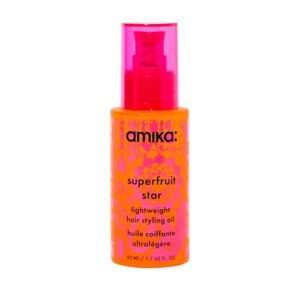
A lightweight oil that protects, smooths, and strengthens? Yes, and this one does it in a single use. Clinically, it makes hair 7x stronger, cuts breakage by 86%, and defends against heat up to 450°F. In high humidity, your hair stays 2x smoother.
Sea buckthorn oil feeds dry strands, while silicones add slip and glossy shine without grease. It’s color-safe and free of sulfates and parabens.
Apply 1-2 pumps to damp or dry hair before styling, or smooth it over a finished look.
The catch? It costs $32, and very fine hair may feel weighed down. Reapply it if you’re styling with heat beyond 450°F.
| Best For | People with dry, frizzy, or heat-styled hair of normal to thick texture who want strength, smoothness in humidity, and glossy shine without a greasy feel. |
|---|---|
| Best Hair Type | Dry, frizzy, normal to thick |
| Key Ingredient | Sea buckthorn oil |
| Heat Protection | Up to 450°F |
| Frizz Control | Yes |
| Finish | Glossy, non-greasy |
| Size | N/A |
| Additional Features |
|
- Clinically shown to make hair 7x stronger and cut breakage by 86% after one use
- Protects against heat up to 450°F and keeps hair 2x smoother in high humidity
- Controls frizz and moisturizes dry hair, leaving it soft, lightweight, and shiny
- At $32.00, some users find it pricey
- The oil can weigh down very fine hair
- Needs reapplying for prolonged heat styling beyond 450°F
2. Olaplex Bonding Hair Oil Treatment
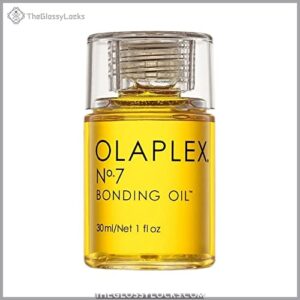
Fine hair that gets weighed down easily? Olaplex’s Bonding Hair Oil Treatment keeps things light. It’s one of the few hair repair oils built around bond repair, so it goes after hair breakage at the source.
In testing on bleached hair, it delivered a 77% reduction in breakage and 125% more shine. Your hair strength and hair elasticity get support, while frizz stays controlled for up to 72 hours. It also protects against heat up to 450°F.
Use 2-3 drops on damp or dry mid-lengths and ends, before styling or after. Flip the bottle and tap the base. It absorbs fast without greasy residue, so daily use works.
The catch? It’s a bonding oil, not a deep drink. To moisturize hair that feels parched, pair it with a rich conditioner. For a comparable alternative, No.7 Bonding Hair Oil also offers 450°F heat protection and 72-hour frizz control, with sunflower seed oil and vitamin E in its formula.
| Best Hair Type | All hair types |
|---|---|
| Key Ingredient | Six flower oils |
| Heat Protection | Up to 230°C |
| Frizz Control | N/A |
| Finish | Non-greasy, shiny, soft |
| Size | 100 ml |
| Additional Features |
|
3. Nourishing Hair Oil Treatment
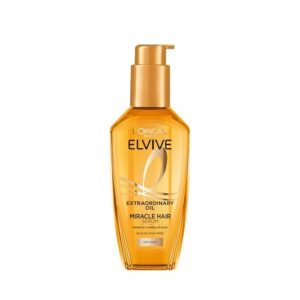
Parched ends need a real drink, and this one delivers. Nourishing Hair Oil Treatment blends six flower oil extracts into a non-greasy formula that softens dry strands without weighing them down.
Use 3-4 drops per application. Smooth it through before shampoo for a nourishing pre-wash treatment, or work it in before styling. It protects against heat up to 230°C, so styling tools do less harm.
Finish with a touch for shine and softness. The 100 ml bottle fits easily into your routine.
Two caveats. Results vary by hair type, so adjust to what your hair likes. And keep it off your scalp, since it isn’t meant for scalp treatment or dandruff.
| Best For | People with dry or parched hair of any type who want a lightweight, non-greasy oil for pre-wash nourishment, heat protection, and a shiny, soft finish. |
|---|---|
| Best Hair Type | Straight to coiled |
| Key Ingredient | Tsubaki and meadowfoam oils |
| Heat Protection | Yes, meadowfoam oil |
| Frizz Control | Yes |
| Finish | Light, shiny |
| Size | 30 ml (1 oz) |
| Additional Features |
|
- Blends six flower oil extracts into a non-greasy formula that suits all hair types
- Protects hair from heat up to 230°C before styling
- Works in several ways: before shampoo for nourishment, before styling, or as a finishing touch for shine and softness
- Needs 3-4 drops per application, so the 100 ml bottle may not last as long for some users
- Results may vary depending on hair type
- Not meant for scalp treatment or dandruff control
4. Lightweight Hair Hydrating Serum Oil
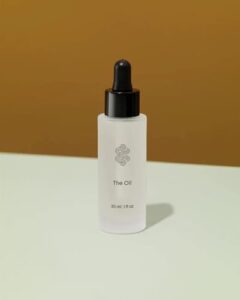
Want hydration without the heavy feel? This serum is your lighter option. It pairs Japanese Tsubaki seed oil for deep strand hydration and flexibility with meadowfoam seed oil, a natural heat protectant and emollient. The formula is clean, cruelty-free, vegan, and pregnancy-safe.
Smooth it through damp hair, mid-lengths to ends, before you style. Frizz settles, shine shows up, and your heat tools do less damage. Got a dry day? Use a drop as a quick refresh. It works on straight, wavy, curly, and coiled hair.
Know the limits. Keep it off your scalp and roots. Very coarse or severely damaged hair may need something richer. And at 30 ml (1 oz), heavy users will repurchase often, so keep a backup bottle close by.
If your ends still feel brittle between regular trims, these dry hair solutions offer richer options for restoring moisture and preventing breakage.
| Best For | People with straight, wavy, curly, or coiled hair who want light hydration, less frizz, and added shine plus heat protection, without a heavy feel. |
|---|---|
| Best Hair Type | Waves, curls, coils, kinks |
| Key Ingredient | Sunflower, coconut, argan oils |
| Heat Protection | N/A |
| Frizz Control | Yes |
| Finish | Lightweight, non-greasy, shiny |
| Size | N/A |
| Additional Features |
|
- Pairs Japanese Tsubaki seed oil for deep hydration and flexibility with meadowfoam seed oil as a natural heat protectant
- Works on damp hair before styling or as a quick dry-hair refresh, and suits all hair types
- Clean, cruelty-free, vegan, and pregnancy-safe formula
- Meant for mid-lengths to ends only, so it can’t be used on the scalp or roots
- May not be rich enough for very coarse or severely damaged hair
- The small 30 ml bottle means heavy users will need to repurchase often
5. Curls Nourish And Shine Oil
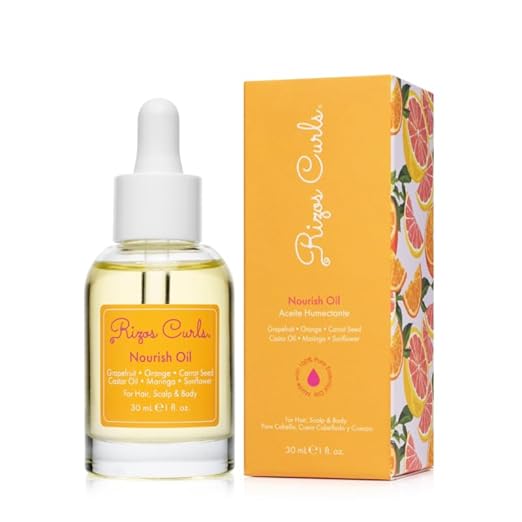
You want curls that look defined, soft, and shiny, not coated. This lightweight oil delivers. Sunflower, coconut, and argan oils work together to strengthen and repair hair, and the fast-absorbing, non-greasy formula is sulfate-free and paraben-free.
It smooths frizz, seals split ends, and adds shine and softness to waves, curls, coils, and kinks. It’s safe for daily use on all hair textures, including color-treated hair.
Use it for scalp massages, pre-shampoo treatments, or as a finishing oil. Start small, because a little goes a long way. Smooth a pea-sized amount through damp ends first, then add more only if needed.
Here’s the catch. Some users dislike the smell. Results also vary with porosity, and very dry or high-porosity hair may need richer moisture.
| Best For | People with waves, curls, coils, or kinks, including color-treated hair, who want a lightweight, non-greasy oil to smooth frizz and add shine. |
|---|---|
| Best Hair Type | Dry, frizzy, damaged |
| Key Ingredient | Prickly pear seed oil |
| Heat Protection | N/A |
| Frizz Control | Yes |
| Finish | Lightweight, shiny |
| Size | N/A |
| Additional Features |
|
- Lightweight, fast-absorbing formula that doesn’t leave hair feeling greasy or coated
- Smooths frizz, seals split ends, and adds shine and softness while strengthening and repairing hair
- Safe for daily use on all hair textures, and works as a scalp massage oil, pre-shampoo treatment, or finishing oil
- Some users find the smell unpleasant
- Results vary depending on hair porosity
- The light moisture may not be enough for very dry or high-porosity hair
6. Prickly Pear Hair Smoothing Oil
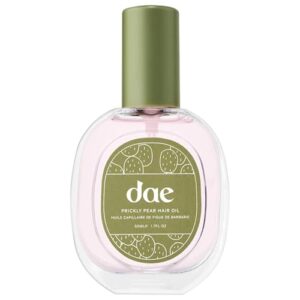
A lightweight oil can still pack a punch, and this one proves it. Prickly pear seed oil brings fatty acids, antioxidants and vitamin E to your strands, so you get smoother, shinier hair without a heavy finish. That slippery feel also eases combing and helps cut breakage.
Use it your way. Warm one pump in your palms and smooth it through dry hair to calm frizz. On damp hair, it works as a breakage remedy. Overnight, it becomes a hydration treatment for hair and skin.
Be realistic, though. The bottle leaks from the top, so store it upright. Reviewers disagree on thickness and greasiness, and opinions on value are divided. Start with one pump, and you’ll quickly learn whether it suits you.
| Best For | People with dry, frizzy, or damaged hair who want a lightweight oil that adds shine and can also be used as an overnight hydration treatment for hair and skin. |
|---|---|
| Best Hair Type | Blonde, lightened, grey |
| Key Ingredient | Argan oil, violet pigments |
| Heat Protection | N/A |
| Frizz Control | Yes |
| Finish | Shiny, smooth |
| Size | 0.85 oz |
| Additional Features |
|
- Adds shine and calms frizz without a heavy finish
- Works as a breakage remedy on damp hair and repairs hair damage
- Doubles as an overnight hydration treatment for hair and skin
- The bottle tends to leak from the top, so it needs to be stored upright
- Reviewers disagree on its thickness and greasiness
- Opinions on value for money are divided
7. Moroccanoil Purple Hair Oil Treatment
Think of this oil as a toner and a conditioner sharing one bottle.
Moroccanoil Purple Hair Oil Treatment pairs antioxidant-rich argan oil with violet pigments, so it hydrates, smooths frizz, and boosts shine while it cancels brassy yellow tones. It’s built for blonde, lightened, or grey hair.
Work 1 to 2 pumps through towel-dried mid-lengths and ends, or smooth a little over dry hair to tame flyaways. Use it two to three times a week. In consumer testing, 95% of users saw refreshed highlights after one use.
Be realistic, though. Results shift with your starting color and porosity. It won’t replace your purple shampoo, and the 0.85-ounce bottle is tiny. Plan on refilling often if you use it every wash. Dark hair? Skip it entirely.
| Best For | People with blonde, lightened, highlighted, or grey hair who want to keep brassiness in check and add shine between purple shampoo washes. |
|---|---|
| Best Hair Type | Dry, frizzy, curly, coarse |
| Key Ingredient | Water-based silk proteins |
| Heat Protection | N/A |
| Frizz Control | Yes |
| Finish | Shiny, soft |
| Size | N/A |
| Additional Features |
|
- Argan oil hydrates and smooths frizz while boosting shine.
- Neutralizes brassy yellow tones and maintains color between washes.
- Works on damp or dry hair and needs only 2–3 uses per week.
- The 0.85-ounce bottle is tiny and will need frequent refilling with regular use.
- Toning results vary depending on starting color, hair condition, and porosity.
- Doesn’t replace purple shampoo and isn’t suited to dark hair.
8. Argan Oil Hair Repair Serum
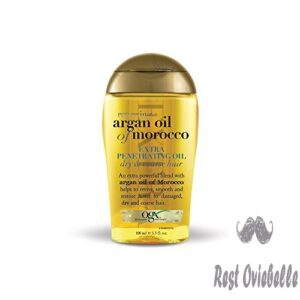
Think of this serum as a patch kit for a worn sweater: it mends the weak spots instead of hiding them.
Water-based silk proteins slip into the hair shaft to restore dry, brittle strands. You get deep repair that reduces breakage and brings back shine and softness, especially on color-treated or coarse hair. It also tames frizz and defines curls, so daily use works on dry, frizzy, or curly textures.
Start with a pea-sized drop. Use more and your hair turns greasy. Results look better on blow-dried hair than air-dried hair, so plan your styling around that. One catch: the flip-top cap gets slippery with oily hands, so dry them first.
| Best For | People with dry, frizzy, curly, coarse, or color-treated hair who want a daily serum to repair damage and add shine, especially if they blow-dry their hair. |
|---|
- Water-based silk proteins penetrate the hair shaft to repair dry, brittle, and over-processed strands
- Controls frizz and defines curls while restoring shine and softness
- Reduces breakage and strengthens hair, with gentle enough formulation for daily use
- The flip-top cap can get slippery and hard to open with oily hands
- Needs sparing use (about a pea-sized drop) or it can leave hair greasy
- May not work as well on air-dried hair as on blow-dried hair
9. Argan Oil Hair Treatment Serum
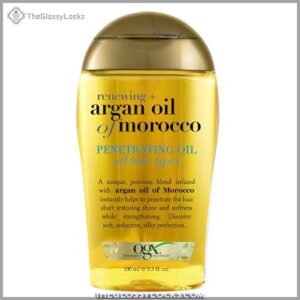
Want frizz gone without a greasy finish? This cold-pressed Moroccan argan serum is built for exactly that. It’s lightweight and non-greasy, so you can use it daily on any hair type.
Smooth a little through dry hair and flyaways settle. Your curls keep their natural pattern and bounce, and the formula seals in shine and nutrients without weighing you down. It’s also paraben-free and free of sulfated surfactants.
Go easy, though. Too much, or applying it to wet hair, can look greasy, and some users report inconsistent results. Start with a drop or two and adjust. The bottle is small too, just 3.3 fluid ounces.
| Best For | People of any hair type who want to tame frizz and flyaways and add shine with a lightweight daily oil. |
|---|
- Cold-pressed Moroccan argan oil nourishes hair and seals in shine and nutrients
- Lightweight and non-greasy when used properly, so it suits daily use on all hair types
- Smooths frizz and flyaways while enhancing natural curl pattern and bounce without weighing hair down
- Can look greasy if over-applied or used on wet hair
- Some users report inconsistent results with greasiness
- The 3.3 fluid ounce bottle is small compared to standard shampoo containers
10. Organic Jojoba Oil For Skin
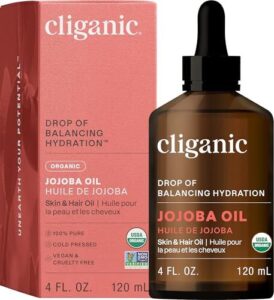
Ever wish your scalp could moisturize itself? Cliganic’s 100% organic jojoba oil comes close. It’s a USDA-certified hair oil that mimics your natural hair oils, so it sits comfortably on the scalp without clogging pores.
It absorbs fast. In controlled tests, it cut moisture loss by roughly 24% and improved elasticity by around 12%. That’s real help when you want to moisturize hair that feels thirsty.
Use it your way. Smooth a few drops over damp strands for deeper nourishment, or work it through dry ends to seal splits. It suits most hair texture types, though very fine hair may need just a single drop.
It’s a moisturizer and sealant, not a repair treatment. Still, as a multipurpose oil for scalp, ends, and skin, it earns its spot.
How to Choose The Best Hair Oil for Your Hair Type and Porosity
The best hair oil is the one that fits your hair type and porosity. Five quick steps below will help you match texture, porosity, function, ingredients, and application so you can stop guessing. Let’s walk through them, and you’ll feel confident at the shelf.
Match Your Hair Texture
You get better results when your oil matches your hair texture, not just hair porosity.
- Fine: choose lightweight oils like jojoba, and keep them off your roots.
- Thick: richer natural hair oils, like coconut, handle heavier hair oil application.
- Curly: richer blends smooth tangles and define clumps.
- Coily: dense coils take richer oils; fine coils need less.
Straight? Go light.
Assess Your Hair Porosity
Texture is half the story. Hair porosity decides how well your hair oil actually works, so test it.
Mist a dry, product-free section. Beading means low porosity, quick soaking means high.
| Porosity | Water reaction | Oil approach |
|---|---|---|
| Low | Beads up | Light oil |
| Medium | Soaks slowly | Balanced oil |
| High | Absorbs instantly | Richer oil |
Retest monthly. Color and heat change hair absorption rate.
Choose Oils By Function
Now that you know your porosity, match oils to the job you need done.
To moisturize hair that feels dry, reach for penetrating oils like coconut or avocado. They soak in and soften from within. For better moisture retention, seal with jojoba or argan after hydrating.
Fighting frizz? Choose lightweight oils like grapeseed for frizz reduction and shine. Castor oil helps strengthen breakage-prone strands.
Check Ingredients And Quality
Once you know what your hair needs, read the label. The ingredients list tells you what you’re paying for. Look for cold-pressed, unrefined oils near the top, plus Latin botanical names.
If soybean or canola leads, you’re buying filler. Skip vague "fragrance" too.
The best hair oil to moisturize hair keeps its ingredients short and its quality clear.
Adjust Amount And Application
Start with less hair oil than you think you need. Adjust Amount And Application based on length and thickness: one or two drops for short or fine strands, three for long, thick hair, and up to six for coarse lengths.
Warm it between your palms, then work it through damp mid-lengths and ends. Low hair porosity needs heat for better hair absorption.
Hair Oil Benefits and Limits for Moisture, Frizz, and Damage
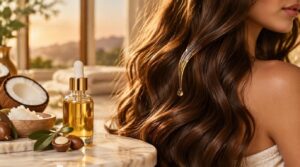
Hair oil can do a lot for your strands, but it can’t do everything. Below, you’ll see exactly where oil helps with moisture retention, frizz, shine, and breakage, and where it falls short on damage. Let’s set realistic expectations so you can pick the right oil for your hair.
Moisture Retention Versus Hydration
Oil really isn’t water. Hair hydration comes from water, while oil controls hair moisture retention by slowing water loss. Your hair absorption rate changes with humidity and damage, so across hair porosity types, oil helps most when applied after water.
Think of it as a lid, not a drink. Keep your hair moisture balance steady by hydrating first, sealing second.
Frizz Control And Shine
Frizz is like a crowd at a concert: it gets wild when humidity pushes in. Hair oil keeps order.
Here’s how it works:
- Silicone oils seal your cuticle for lasting frizz control.
- Argan and marula smooth from within.
- Light oils add slip without weight.
- Reflective oils boost hair shine.
Hair moisturization and hair hydration still matter first.
Breakage And Heat Protection
Think of oil as a raincoat for your strands. It won’t stop the storm, but it keeps you drier.
A good oil cuts friction, so hair breakage drops. It also slows heat from your flat iron, which gives you real heat protection. Silicone-based formulas work well here, with some rated to 230°C.
Keep expectations honest, though. Oil helps with hair strength and hair elasticity, but it won’t fix split ends.
Damage Repair Limitations
Here’s the truth about hair repair oils: they polish, they don’t rebuild. Hair damage from bleach, heat, or perming alters your strands for good, and no bottle reverses it.
Hair repair oils polish rather than rebuild, because damage from bleach, heat, or perming permanently alters your strands and no bottle can reverse it
Split ends? Oil can temporarily seal them and smooth the look. Only a trim removes them.
For real hair breakage prevention, use oil as a shield, then schedule regular trims.
How to Apply Hair Oil: Amount, Frequency, and Damp Vs. Dry Hair
Ever wondered why your shine fades by noon? Too much hair oil, usually. A little goes a long way, and you can moisturize hair without the grease.
Start with one or two drops, warm them between your palms, and work through midlengths and ends. Your ideal hair oil frequency depends on texture and wash schedule, so adjust slowly.
| Method | Best For | Watch Out For |
|---|---|---|
| Damp hair | Smooth, even coverage | Dripping hair repels it |
| Dry ends | Flyaways and shine | Fine hair looks oily fast |
| Prewash oils | Softening before shampoo | Needs thorough rinsing |
| Daily use | Rarely necessary | Buildup over time |
Wet vs dry hair application matters. Damp hair spreads oil easily, while dry hair needs restraint. Comb through, and shampoo when buildup shows.
What to Check Before Buying Hair Oil: Ingredients, Scalp Sensitivity, and Value
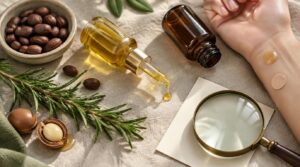
Now that you know how much to use, check what’s in the bottle. The label tells you more than the hype does.
Ingredients are listed from highest to lowest concentration, so scan the first three. If a carrier oil leads, the formula will moisturize hair as a real treatment. Look for hair nourishing ingredients like jojoba or argan, and rosemary near the middle if you want a scalp-stimulating mix.
Protect your scalp health before you commit:
- Skip fragrance or parfum, which can hide dozens of sensitizers.
- Avoid dimethicone high on the list.
- Be wary of undiluted essential oils.
- Patch test on your inner forearm for 48 hours.
- Choose jojoba if your scalp is sensitive.
Hair oil value starts with quality.
Frequently Asked Questions (FAQs)
What is the best oil for hydrating dry hair?
For dry hair, coconut oil is your best oil to moisturize hair. It penetrates the shaft, boosts hair hydration from within, and cuts protein loss. Apply it to damp strands, then seal with argan to lock in hair moisture.
Which oil is hydrating for hair?
The best oil to moisturize hair is coconut oil. Its fast hair oil absorption rate, 30–50 μm into the cortex, helps hair hydration. Avocado works too. Remember, oils lock in moisture; they don’t add water.
Do oils actually hydrate hair?
Not quite. A hair oil doesn’t add water to your strands. It seals the hair cuticle, so the moisture already there stays put. For real hair hydration tips, start with damp hair, then add squalane sparingly.
What hair oil is best for very dry hair?
Coconut oil cuts protein loss by up to 39% in damaged hair. For very dry hair, it’s your best oil to moisturize hair pre-wash.
Finish with argan oil for moisture retention, smoother split ends, shine.
Can hair oils help with scalp dandruff issues?
Ever oiled a flaky scalp, hoping the flakes would vanish?
Hair oil isn’t proven dandruff control, and it can feed yeast. Reach for medicated shampoo with ketoconazole or zinc pyrithione instead. Keep oil on lengths.
How often should I apply hair oil weekly?
Slathering on more hair oil won’t make your hair care routine shinier. Aim for just 1–3 applications weekly: fine strands need once, textured hair craves more. That’s how to use hair oil for dry ends.
Do hair oils expire or go rancid over time?
Yes, hair oil expires. Unopened bottles last 1-3 years; opened ones, 9-12 months. Oils rich in linoleic acid spoil faster than oleic acid or squalane, while vitamin E slows it.
Smell, color, texture reveal rancidity.
Can I mix different hair oils together safely?
You can safely mix hair oils. Start with a 1:1 hair rich oil mixture and patch-test first, especially for hair oil for scalp use. Keep to two or three base oils, stored cool and dark.
Will hair oils weigh down fine thin hair?
They can, but only if you overdo it. Fine hair shows excess hair oil, so choose a lightweight formula and keep it on mid-lengths and ends. Your hair type sets the dose; moisture retention follows.
Can hair oil cause buildup on the scalp?
Think of your scalp like a garden bed: too much mulch smothers it. Yes, hair oil buildup happens, especially with heavy oils applied at the roots. Rinse well, clarify weekly, and keep your hair care routine light.
Conclusion
Think of hair oil as a tailor, not a miracle worker. The right one fits your strand thickness and porosity, then seals in moisture that lasts all day.
Skip the guesswork next time you read best oil to moisturize hair reviews. Check your texture, test your porosity, and start with one pump on damp hair. Be honest about limits too, because oil softens and shields but never mends a split end.
Match first, then buy.