This site is supported by our readers. We may earn a commission, at no cost to you, if you purchase through links.
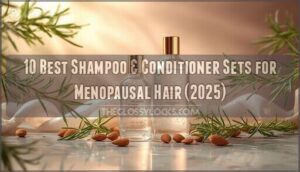
Your hair doesn’t need to thin during menopause. Hormonal shifts drop estrogen and raise androgens, which shrinks hair follicles and disrupts growth cycles. Most women notice less volume and increased breakage between ages 45 and 55.
The right shampoo and conditioner can counter these effects by delivering biotin, keratin, and scalp-stimulating ingredients directly to weakened follicles. Sulfate-free formulas protect your scalp’s natural moisture barrier while targeted actives strengthen each strand.
This guide reviews ten sets proven to restore thickness, reduce shedding, and support healthier hair through hormonal changes.
Table Of Contents
- Key Takeaways
- How Menopause Affects Your Hair
- Key Ingredients for Menopausal Hair Care
- Why Sulfate-Free Formulas Matter for Menopausal Hair
- Top 10 Shampoo and Conditioner Sets for Menopausal Hair
- 1. Loreal Paris Total Repair Shampoo Conditioner
- 2. Pura D’or Biotin Shampoo And Conditioner Set
- 3. Biotin Shampoo And Conditioner Set
- 4. Biotin Rosemary Hair Growth Shampoo
- 5. Marc Anthony Grow Long Shampoo Conditioner
- 6. Routine Wellness Anti Thinning Shampoo Set
- 7. Castor Oil Shampoo And Conditioner Set
- 8. Loreal Paris Hair Care Kit
- 9. Hers Thickening Shampoo and Conditioner Set
- 10. Charles Worthington Protein Conditioner
- How to Choose The Right Products
- Best Washing and Conditioning Practices
- Additional Hair Care Tips for Menopause
- Medical Treatments for Menopausal Hair Loss
- Supplements and Lifestyle Changes That Support Hair Health
- Frequently Asked Questions (FAQs)
- How long does it take for a shampoo for thinning hair to work?
- Can I use a shampoo for thinning hair if I’m not going through menopause?
- What is the best shampoo for thinning hair that is also affordable?
- Can I color my hair during menopause?
- Does menopause cause permanent hair texture changes?
- Are natural shampoos better than commercial brands?
- How long before I see results from new products?
- Should I wash hair differently in winter months?
- Conclusion
Key Takeaways
- Menopausal hair thinning stems from dropping estrogen and rising androgens that shrink follicles, but sulfate-free shampoos with biotin, keratin, and caffeine can counter these hormonal effects by strengthening strands and stimulating growth.
- Effective products avoid sulfates that strip natural oils your scalp desperately needs during menopause, while ingredients like argan oil, collagen, and vitamins A, C, and B3 rebuild moisture barriers and reduce breakage.
- Most shampoos for thinning hair require 8-12 weeks of consistent use before you’ll see visible improvements in thickness and reduced shedding, so patience and proper technique matter as much as product choice.
- Beyond products, washing 2-3 times weekly with cool final rinses, minimizing heat styling, using wide-tooth combs, and managing stress through sleep and exercise all protect fragile menopausal hair from further damage.
How Menopause Affects Your Hair
Menopause triggers hormonal shifts that directly impact your hair’s health and appearance. Your estrogen and progesterone levels drop while androgens rise, creating changes you’ll notice at your scalp and ends.
Here’s what happens to your hair during this phase.
Hormonal Changes and Hair Thinning
Your hormone balance shifts during menopause, and that’s when your hair follicle becomes more vulnerable. Estrogen levels drop, androgens rise, and menopausal hair starts thinning in ways you can’t ignore.
Here’s what hormonal changes do to your hair:
- Crown thinning patterns emerge as androgen activity increases after menopause.
- Growth phase shortens when estrogen and progesterone decline.
- Follicle size shrinks, producing finer strands over time.
- Shedding increases during perimenopause due to fluctuating hormones.
- Genetic factors determine how severely hair thinning affects you. Understanding the importance of scientific study summaries can help in analyzing such hormonal changes.
Increased Dryness and Brittleness
Your scalp produces less sebum as estrogen drops, which strips away natural moisture and leaves your hair parched. That brittleness you’re noticing isn’t random—higher hair porosity from reduced scalp lipids means your strands snap during combing.
Estrogen loss during menopause strips natural moisture from your scalp, leaving hair brittle and prone to breakage
Hot flashes don’t help either; they mess with blood flow and dehydration patterns.
You need sulfate-free shampoo and conditioner with intense moisture retention to repair brittle hair and restore scalp hydration.
Slower Hair Growth and Volume Loss

Beyond brittle strands, menopause actually slows down your hair growth cycle itself. Declining estrogen shortens the anagen growth phase by weeks, while androgens push follicles into shedding mode faster.
Your scalp health suffers from reduced circulation, which chokes off nutrients your hair follicle needs for hair regeneration.
The result? Thinning hair, visible scalp, and frustratingly slow regrowth that sulfate-free formulas help counter by supporting hormone balance.
Key Ingredients for Menopausal Hair Care
Your hair needs specific nutrients to stay strong during menopause. Hormonal changes strip away moisture, but the right ingredients can rebuild weakened strands and restore what’s lost. Here’s what to look for on the label.
Biotin for Strength and Growth
Think of biotin as your hair’s structural engineer. It reinforces keratin infrastructure in each strand, reducing breakage and adding resilience—exactly what menopausal hair needs.
Daily supplementation at 2.5–5 mg has improved thickness in adult studies, and biotin-enriched shampoo and conditioner sets work best when used consistently for 12 weeks. You’re giving your scalp the nutrient balance to fight back against hormonal hair loss.
Keratin and Collagen for Rebuilding
Your hair’s architecture weakens during menopause, and that’s where keratin treatments and collagen supplements step in. Keratin-based shampoo and conditioner products coat damaged cuticles, improving manageability and reducing frizz.
Hydrolyzed collagen aids moisture retention, tackling brittleness head-on. This protein therapy offers structural repair that helps rebuild thinning menopausal hair from within, though consistency matters—results build over time with dedicated use.
Natural Oils for Moisture Retention
Moisture evaporation accelerates during menopause, leaving your hair vulnerable to dryness. Natural oils create a protective barrier that locks hydration in:
- Argan oil benefits include sealing moisture with vitamin E and essential fatty acids
- Coconut oil uses extend to reducing protein loss pre- and post-wash
- Jojoba oil effects mimic your scalp’s natural sebum without weighing hair down
- Meadowfoam seed oil blocks moisture loss at the scalp surface
- Olive oil therapy improves slip and hydration without buildup
Caffeine for Scalp Stimulation
Caffeine penetrates your scalp to extend the anagen phase—the active growth window your hair follicles need. During menopause, hair loss accelerates, but caffeine-based sulfate-free formulas may counteract this. Scalp massage during application boosts circulation for better growth stimulation. However, results depend on concentration and your individual response.
| Caffeine Benefits | How It Helps Menopausal Hair |
|---|---|
| Extends anagen phase | Aids longer growth cycles |
| Penetrates scalp | Reaches hair follicle roots |
| Boosts circulation | Enhances scalp health naturally |
| Promotes thickness | Manages menopausal hair loss |
Vitamins A, C, and B3
During menopause, vitamin therapy maintains your scalp health through antioxidant benefits. Vitamin A regulates sebum production, while vitamin C protects hair follicles from oxidative stress. Vitamin B3 enhances nutrient absorption and scalp hydration. These vitamins work alongside biotin, natural oils, and other ingredients in your shampoo and conditioner to address menopausal hair loss.
- Vitamin A derivatives maintain proper sebum levels without overdoing it
- Vitamin C shields follicles from environmental damage
- Vitamin B3 strengthens your scalp’s moisture barrier
- Combined formulas maintain the follicle environment rather than forcing growth
Why Sulfate-Free Formulas Matter for Menopausal Hair
Your hair’s already fighting hormonal changes that strip moisture and weaken strands. Sulfates make this worse by removing the natural oils your scalp desperately needs to stay balanced.
Here’s why switching to sulfate-free formulas protects your hair during menopause.
Protecting Natural Oils and Moisture
Your scalp produces protective lipids that form a moisture barrier—and sulfate-free formulas preserve them. Conventional shampoos strip these natural oils, leaving your hair vulnerable to dryness and breakage.
Gentle cleansing with pH-balanced, sulfate-free products helps you retain oil and maintain moisture balance. This matters because menopausal hair can’t afford to lose its built-in hydration.
Protecting scalp health starts with what you don’t wash away.
Reducing Scalp Irritation and Sensitivity
Hormonal shifts can turn your scalp into a minefield of sensitivity—sulfate-free formulas defuse it. Gentle cleansing with milder surfactants reduces irritation that flares during menopause.
pH-balanced options offer irritation relief without the harsh stripping that triggers inflammation. These calming treatments support scalp health maintenance by honoring your skin’s new normal.
Sulfate-free means sensitive scalp protection, giving you the scalp-soothing menopausal hair care tips your follicles demand.
Top 10 Shampoo and Conditioner Sets for Menopausal Hair
Finding the right shampoo and conditioner set can help you manage menopausal hair changes more effectively.
The products below address thinning, dryness, and breakage with ingredients proven to support hair health.
Each set offers specific benefits based on your hair’s current needs.
1. Loreal Paris Total Repair Shampoo Conditioner
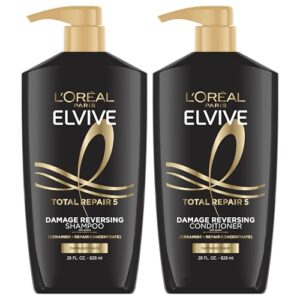
If breakage and split ends are stealing your confidence, this sulfate-free duo from Paris Hair Care could change everything. The Total Repair Benefits shine through its 9% repair concentrate packed with protein—exactly what menopausal hair craves when hormonal shifts trigger hair loss and fragility.
Best shampoos for menopausal hair don’t just cleanse; they rebuild. This repair formula analysis shows real results: stronger strands, better manageability, and visible improvements in those five damage signs.
At $17.94 for two 28-ounce bottles, you’re getting salon-quality hair repair without the salon price.
| Best For | Anyone dealing with damaged, brittle hair from heat styling, color treatments, or hormonal changes who wants an affordable repair system that actually rebuilds strength. |
|---|---|
| Price | $17.94 |
| Item Form | Cream |
| Paraben-Free | Yes |
| Sulfate-Free | No |
| Hair Type | All |
| Key Ingredient | Protein |
| Additional Features |
|
- Tackles all five damage signs at once—split ends, weakness, roughness, dullness, and dryness—with a protein-packed formula that visibly improves hair after a few washes
- Incredible value at under $18 for two large 28-ounce bottles, giving you salon-quality repair without the hefty price tag
- Works across all hair types, from curly to color-treated to fine hair, making it a versatile option for most people
- The pump mechanism can be finicky or stop working, which is frustrating when you’re dealing with large bottles
- Not ideal if you’re sensitive to fragrance or specifically need sulfate-free formulas despite the marketing claims
- Results depend on your specific hair condition, so it might take longer to see improvements if your damage is severe
2. Pura D’or Biotin Shampoo And Conditioner Set
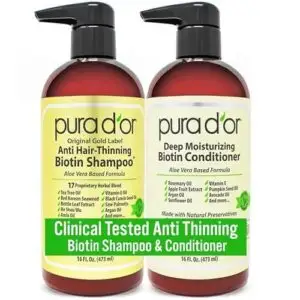
Your thinning hair needs more than basic cleansing—it needs strategic nourishment. That’s where this clinically tested formula delivers. Biotin benefits show up in strengthened strands and reduced breakage, while the sulfate-free, pH-balanced design protects your already-fragile scalp health.
Hair thickening happens gradually through biotin-infused botanical extracts that create volume without harsh chemicals. At $39.99, you’re investing in gentle cleansing designed specifically for menopausal hair. The low-lather liquid won’t strip your natural oils, and the proprietary blend targets the root cause of your shedding—not just the symptoms.
| Best For | Women experiencing menopausal hair thinning who want a gentle, biotin-enriched system that won’t strip natural oils while working to reduce breakage and improve volume over time. |
|---|---|
| Price | $39.99 |
| Item Form | Liquid |
| Paraben-Free | Yes |
| Sulfate-Free | Yes |
| Hair Type | Thin/Thinning |
| Key Ingredient | Biotin |
| Additional Features |
|
- Clinically tested formula with biotin and botanical extracts specifically targets thinning hair without harsh sulfates that can further damage fragile strands.
- Low-lather, pH-balanced design protects sensitive scalps while the proprietary blend works to reduce breakage and create thicker-looking texture.
- Made in the USA and free from parabens, sulfates, and artificial colors, making it safer for color-treated or chemically sensitive hair.
- Results take several weeks of consistent use to become noticeable, so it’s not a quick fix for immediate thinning concerns.
- At $39.99, the price point is significantly higher than standard drugstore shampoo and conditioner sets.
- Some users report the pump bottle dispenses less product per pump than expected, and a few experience increased shedding with the conditioner.
3. Biotin Shampoo And Conditioner Set
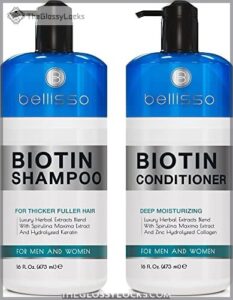
At $24.97, this sulfate-free option delivers serious value for menopausal hair that won’t quit on you. The biotin and keratin formula targets hair thickening through gentle cleansing that respects your scalp health. You’ll notice improved manageability and reduced breakage—two wins when hormones are working against you.
The gel texture won’t strip natural oils, though some users report flatness if their hair runs fine. Watch for occasional packaging issues, but the salon-grade formulation makes it worth managing those hiccups for real biotin benefits.
| Best For | Women dealing with menopausal hair thinning who want a budget-friendly, salon-quality shampoo that strengthens without harsh sulfates. |
|---|---|
| Price | $24.97 |
| Item Form | Gel |
| Paraben-Free | Yes |
| Sulfate-Free | Yes |
| Hair Type | All |
| Key Ingredient | Biotin/Keratin |
| Additional Features |
|
- Biotin and keratin formula targets breakage and promotes thicker-looking hair over time
- Sulfate-free gel texture cleanses gently without stripping natural oils from aging scalps
- Strong value at $24.97 for salon-grade ingredients that work across multiple hair types
- May leave fine hair feeling flat or overly soft instead of volumized
- Produces less lather than traditional shampoos, which takes getting used to
- Some users report leaking bottles and packaging quality issues
4. Biotin Rosemary Hair Growth Shampoo
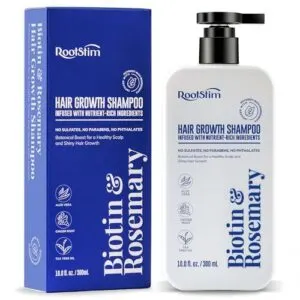
RootStim’s $22.99 ginger-herbal blend brings biotin benefits and rosemary effects together for menopausal hair that needs real support. The sulfate-free formula works on scalp health with tea tree oil and saw palmetto while targeting hair loss through multiple shampoo ingredients. You’ll get gentle cleansing that won’t irritate sensitive skin during hormonal shifts.
Clinical data on rosemary for hair regrowth remains limited, but users report reduced shedding over consistent months of use. The 14.89-ounce bottle runs small for daily washing routines.
| Best For | Women dealing with menopausal hair thinning who want a gentle, sulfate-free shampoo with natural ingredients like biotin and rosemary to support scalp health and reduce shedding. |
|---|---|
| Price | $22.99 |
| Item Form | Shampoo |
| Paraben-Free | Not specified |
| Sulfate-Free | Yes |
| Hair Type | Thinning/Damaged |
| Key Ingredient | Biotin/Rosemary |
| Additional Features |
|
- Sulfate-free formula is gentle enough for sensitive scalps going through hormonal changes
- Combines multiple hair-supporting ingredients like biotin, rosemary, saw palmetto, and tea tree oil in one product
- Natural ingredients help soothe scalp irritation and reduce flaking while nourishing hair for better shine
- Small 14.89-ounce bottle size means you’ll need to reorder frequently if you’re washing daily
- Results vary widely between users, and some may not see noticeable improvements in hair growth
- Clinical evidence for rosemary’s hair regrowth effects is still limited, so expectations should stay realistic
5. Marc Anthony Grow Long Shampoo Conditioner
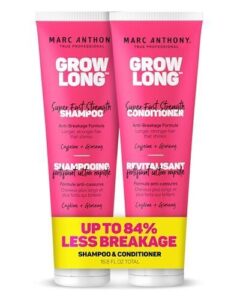
Marc Anthony’s Grow Long duo at $8-10 offers caffeine, ginseng, and vitamin E in sulfate-free, pH-balanced formulas that target hair loss through gentler cleansing. The 8.4-ounce bottles moisturize menopausal hair without stripping protective oils, reducing breakage over time. Biotin strengthens brittle strands affected by hormonal shifts.
While the product doesn’t stimulate new follicles, you’ll see improved manageability and fewer split ends with consistent use. Longevity benefits appear after weeks of regular washing. Watch for packaging leaks—some bottles arrive damaged.
| Best For | People dealing with menopausal hair thinning who want a budget-friendly, sulfate-free option that strengthens brittle strands and reduces breakage without harsh ingredients. |
|---|---|
| Price | $8.40 |
| Item Form | Liquid |
| Paraben-Free | Yes |
| Sulfate-Free | Yes |
| Hair Type | All |
| Key Ingredient | Caffeine/Ginseng |
| Additional Features |
|
- Caffeine and ginseng help stimulate the scalp while vitamin E nourishes dry, hormone-affected hair
- Sulfate-free formula cleanses gently without stripping natural oils that menopausal hair desperately needs
- At $8-10 for the set, it’s an accessible way to address breakage and improve manageability over time
- Won’t stimulate new hair growth or reverse follicle miniaturization from hormonal changes
- Results take several weeks of consistent use before you’ll notice stronger, healthier-looking hair
- Packaging quality issues mean bottles sometimes arrive with broken seals or leaking product
6. Routine Wellness Anti Thinning Shampoo Set

At $24-28, Routine Wellness delivers pea peptides, black seed oil, and biotin in pH-balanced formulas designed for hair thinning during menopause and hair loss prevention. The sulfate-free cleansers protect scalp health without irritation, while vegan ingredients hydrate strands affected by hormonal shifts.
You’ll notice improved hair thickness and reduced breakage with consistent use, though product efficacy for actual hair regrowth remains limited. Shampoo ingredients like natural hair care botanicals strengthen brittle fibers better than harsh chemicals. The 14-ounce bottles suit color-treated hair across all types.
| Best For | Women experiencing menopausal hair thinning or mild hair loss who want a clean, gentle shampoo set with scalp-friendly ingredients at an affordable price point. |
|---|---|
| Price | $14.00 |
| Item Form | Liquid |
| Paraben-Free | Yes |
| Sulfate-Free | Yes |
| Hair Type | All |
| Key Ingredient | Pea Peptides/Biotin |
| Additional Features |
|
- Sulfate-free and pH-balanced formula protects sensitive scalps while black seed oil and pea peptides strengthen brittle hair affected by hormonal changes
- Works well on color-treated hair across all types without stripping or causing irritation, making it versatile for various hair needs
- Affordable at $24-28 for a 14-ounce set that includes both shampoo and conditioner with vegan, cruelty-free ingredients
- Limited evidence for actual hair regrowth—primarily reduces breakage and improves appearance rather than stimulating new growth
- Conditioner may feel too heavy or greasy for fine hair types, potentially requiring more frequent washing
- Mild scent and gradual results mean some users won’t notice dramatic thickness improvements, especially without long-term commitment
7. Castor Oil Shampoo And Conditioner Set
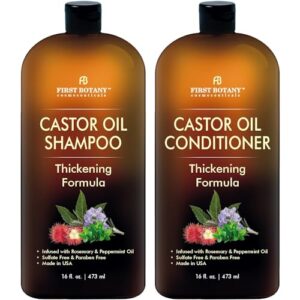
At $24.98, First Botany’s castor oil set delivers ricinoleic acid effects for moisture retention in thinning menopausal strands. The sulfate-free products blend rosemary, peppermint, and shea butter to address hair loss without harsh chemicals. You’ll find vitamin-enriched hydrolyzed keratin strengthening brittle fibers while natural oils combat dryness from hormonal shifts.
This natural hair remedy suits all types, including color-treated hair. Hair regrowth tips emphasize consistent use for reduced shedding, though some users report buildup on thicker textures. Hair care product reviews note smaller bottle sizes than expected.
| Best For | Anyone dealing with thinning hair during menopause or hormonal changes who wants a sulfate-free option that won’t strip color-treated strands. |
|---|---|
| Price | $24.98 |
| Item Form | Gel |
| Paraben-Free | Yes |
| Sulfate-Free | Yes |
| Hair Type | All |
| Key Ingredient | Castor Oil |
| Additional Features |
|
- Packed with nourishing ingredients like castor oil, shea butter, and hydrolyzed keratin that work together to strengthen weak hair and lock in moisture
- Gentle formula without sulfates or parabens makes it safe for daily use on all hair types, including curly and color-treated hair
- Infused with rosemary and peppermint oils that leave your scalp feeling refreshed while potentially reducing shedding over time
- Bottles run smaller than expected for the $24.98 price point, so you might go through them faster than you’d like
- Can leave buildup or feel heavy on very thick hair if you’re not careful with how much you use
- Results for actual hair thickening tend to be subtle rather than dramatic based on user feedback
8. Loreal Paris Hair Care Kit
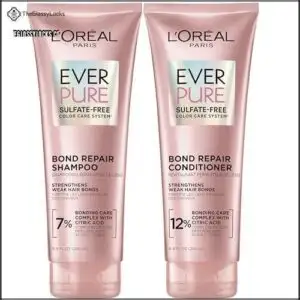
L’Oreal’s citric acid formula breaks through to your hair cortex, repairing bonds weakened by estrogen decline. At 6.8 ounces, this sulfate-free, vegan formula duo targets menopausal hair loss with aluminum-free technology that won’t strip your scalp’s protective barrier.
You’ll notice reduced breakage as the pH-balanced system strengthens damaged strands without harsh chemicals. Hair care product reviews highlight its gentle conditioners softening brittle texture, though buildup may require clarifying treatments.
The hair repair action suits color-treated hair experiencing menopause-related dryness. Hair strengthening happens gradually with consistent use.
| Best For | Women experiencing menopausal hair loss or anyone with damaged, color-treated hair looking for a gentle, sulfate-free repair system that strengthens weakened strands. |
|---|---|
| Price | $6.80 |
| Item Form | Liquid |
| Paraben-Free | Yes |
| Sulfate-Free | Yes |
| Hair Type | All |
| Key Ingredient | Citric Acid |
| Additional Features |
|
- Citric acid formula penetrates deep to repair damaged bonds without harsh sulfates or aluminum
- Works well on color-treated and bleached hair while reducing breakage and frizz
- Vegan, sulfate-free formula is gentle enough for daily use on sensitive or dry scalps
- May cause buildup or greasiness with frequent use, requiring occasional clarifying treatments
- Strong fragrance could be overwhelming for scent-sensitive users
- Packaging has been reported to leak or arrive damaged during shipping
9. Hers Thickening Shampoo and Conditioner Set

Hers pairs biotin with saw palmetto and pumpkin seed oil to combat hair thinning directly at the follicle level. This sulfate-free, pH-balanced duo promotes hair density while adding weightless moisture—essential for menopausal hair experiencing androgen-driven volume loss.
You’ll appreciate the clean formula that’s free from parabens and silicones, supporting scalp health without irritation. The thickening agents work gradually to encourage hair growth promotion, though the 6.4-ounce bottles run smaller than competitors.
Some users report buildup with daily use, so adjust frequency based on your scalp’s oil production.
| Best For | Women experiencing menopausal or postmenopausal hair thinning who want a clean, sulfate-free formula that targets follicle health with biotin and saw palmetto. |
|---|---|
| Price | $6.40 |
| Item Form | Liquid |
| Paraben-Free | Yes |
| Sulfate-Free | Yes |
| Hair Type | Adult |
| Key Ingredient | Biotin/Saw Palmetto |
| Additional Features |
|
- Combines biotin, saw palmetto, and pumpkin seed oil to address hormone-related thinning at the root level
- Sulfate-free and pH-balanced formula nourishes without stripping natural oils or causing scalp irritation
- Free from parabens, silicones, and phthalates, making it a gentle choice for sensitive or aging scalps
- Small 6.4-ounce bottles may require frequent repurchasing compared to standard-sized shampoos
- Some users find the Napa rose scent too strong or long-lasting
- Daily use can lead to oily buildup or limp hair, requiring frequency adjustments based on individual oil production
10. Charles Worthington Protein Conditioner
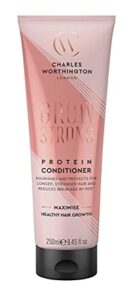
Charles Worthington Protein Conditioner delivers targeted hair strengthening through its Plex-Repair technology, rebuilding weakened menopausal hair from within. You’re getting salon-quality products at $25.18, with protein-based formulas that address hair loss while improving softness—critical when estrogen decline leaves follicles vulnerable.
Apply mid-length to ends to prevent root buildup. Balance this conditioner with moisture-rich treatments in your hair care routine, as excessive protein can stiffen already brittle strands. While not marketed as sulfate-free or pH-balanced, its hair repair benefits work well for targeted menopausal hair strengthening when used strategically twice weekly.
| Best For | Women experiencing menopausal hair thinning who need protein-based repair to strengthen weakened strands without heavy buildup. |
|---|---|
| Price | $25.18 |
| Item Form | Liquid |
| Paraben-Free | Not specified |
| Sulfate-Free | Not specified |
| Hair Type | Dry/Lifeless |
| Key Ingredient | Plex-Repair |
| Additional Features |
|
- Plex-Repair technology rebuilds hair structure from within, addressing estrogen-related follicle weakness
- Pleasant scent and silky finish make it easy to incorporate into existing routines
- Works well with other products in the Grow Strong range for comprehensive hair repair
- Not explicitly sulfate-free or formulated for color-treated hair, limiting options for chemically processed strands
- Overuse can cause protein buildup and stiffness, requiring careful rotation with moisture treatments
- Limited ingredient transparency makes it harder to identify potential allergens or irritants for sensitive scalps
How to Choose The Right Products
Not every shampoo and conditioner will work for your hair. You need to match the formula to your actual concerns—whether that’s thinning, dryness, or breakage.
Here’s how to pick products that won’t waste your time or money.
Identifying Your Specific Hair Concerns
Before you pick your products, you need to understand what’s actually happening with your hair. Menopause symptoms like hormonal shifts trigger specific changes—female hair loss, thinning hair, and dryness don’t look the same on everyone. Here’s what to assess:
- Hair thinning patterns: Notice if loss occurs at your crown, temples, or diffusely across your scalp
- Scalp sensitivity: Check for irritation, flaking, or increased reactivity to products
- Texture analysis: Determine if your strands are fine, medium, or coarse
- Porosity testing: See how quickly your hair absorbs and loses moisture
- Hair density: Evaluate overall fullness and thickness compared to your baseline
Understanding these factors helps you match products to your actual needs, not generic marketing claims.
Checking Reviews and Brand Reputation
Once you’ve identified your hair concerns, ratings matter. Consumer review platforms aggregate feedback and show star averages for shampoo and conditioner sets targeting menopausal hair and female hair loss.
Look for verified purchaser reviews that discuss real-world performance in your hair care routine. Third-party certifications and dermatologist endorsements boost brand credibility beyond marketing claims.
Best Washing and Conditioning Practices
Choosing the right products is only half the battle. How you wash and condition your hair matters just as much as what you use.
Here’s what you need to know about frequency, technique, and temperature to protect menopausal hair.
Optimal Washing Frequency for Menopausal Hair
Washing menopausal hair too often strips your scalp of protective oils, worsening dryness and hair thinning. Most women with fragile haircare needs should wash 2–3 times weekly to maintain scalp balance and moisture retention.
- Reduce frequency if your scalp feels tight or flaky
- Sulfate-free formulas protect natural lipids during menopause
- Hair porosity matters—drier strands need gentler schedules
- Active lifestyles may require adjustments for scalp health
- Over-washing accelerates hair loss and breakage
Proper Conditioning Techniques for Maximum Hydration
Conditioner isn’t optional—it’s your shield against dryness. Apply from mid-lengths to ends, skipping your scalp to avoid buildup. Leave it in for 2–3 minutes so humectants and natural oils can penetrate. A wide-tooth comb distributes product evenly and prevents breakage. pH-balanced formulas seal the cuticle and lock in moisture. Deep treatment sessions once weekly give your hair the hydration boost it craves.
| Conditioning Step | Technique | Benefit |
|---|---|---|
| Application zone | Mid-lengths to ends only | Prevents scalp buildup |
| Leave-in time | 2–3 minutes minimum | Allows moisture lock |
| Distribution method | Wide-tooth comb | Reduces breakage |
| Deep treatment | Weekly sessions | Maximum hair sealing |
Water Temperature and Rinse Methods
Your final rinse makes all the difference. Hot water strips away protective oils your scalp desperately needs, while cool water seals each cuticle shut.
Here’s your rinse protocol:
- Use warm water during shampoo and conditioner application for effective cleansing
- Lower temperature gradually as you rinse out product
- Finish with cool water to lock moisture into thinning strands
- Focus cool rinse on mid-lengths and ends for maximum cuticle sealing
- Pat dry gently—rubbing damages weakened hair cuticles
Additional Hair Care Tips for Menopause
Your hair products matter, but they’re just part of the equation. How you handle your hair day-to-day can make or break your results during menopause.
Here are four practical habits that protect your strands and keep breakage at bay.
Minimizing Heat Styling Damage
Your styling tools can quietly rob your hair of strength when estrogen levels drop. Turn heat settings low to prevent hair fiber breakdown and moisture loss.
Always apply a heat protectant before blow-drying or curling—it shields against thermal damage that worsens dryness. Limit daily styling to preserve your hair texture and support hair growth. Air-drying whenever possible protects your strands from unnecessary stress.
Using Wide-Tooth Combs to Prevent Breakage
Breakage sneaks up on fragile menopausal hair—but your comb choice makes a real difference. Wide-tooth combs distribute tension evenly and prevent snapping, especially on wet strands weakened by hormonal shifts.
- Start at the ends and work upward to release tangles without pulling roots.
- Use on damp hair with a sulfate-free conditioner to reduce friction.
- Choose rounded teeth to protect your scalp from irritation.
- Hold sections loosely to minimize stress on thinning hair.
Getting Regular Trims for Healthier Ends
Thinning menopausal hair can’t afford to lose more length to split ends. Trimming every 6–8 weeks removes damaged tips before they travel up the shaft, reducing breakage and preserving what you’ve worked to grow.
Regular maintenance keeps ends sealed, reduces frizz, and promotes better moisture retention—three essentials for hair thinning during hormonal shifts. Healthier ends mean stronger hair growth overall.
Protecting Hair During Sleep
Your pillowcase can steal moisture and snap fragile menopausal hair while you sleep. Friction worsens hair loss overnight, but simple swaps protect scalp health and preserve growth.
Here’s how to shield thinning strands:
- Switch to silk or satin pillowcases to reduce friction and breakage
- Wear a satin bonnet or scarf to lock in moisture
- Apply lightweight overnight hair masks for deep conditioning
- Use breathable sleep caps to regulate scalp temperature and minimize irritation
Medical Treatments for Menopausal Hair Loss

Sometimes shampoo and conditioner aren’t enough to reverse significant hair loss during menopause. When hormonal changes cause noticeable thinning or bald patches, medical treatments can help.
Here are proven options your doctor might recommend to restore hair growth.
Minoxidil and Topical Solutions
When hair thinning feels out of your control, minoxidil offers a clinically proven path to hair restoration. This FDA-approved topical application (commonly known as Rogaine) stimulates hair regrowth in menopausal hair loss by directly targeting follicles.
Hair regrowth usually appears after 4-6 months of consistent use. While scalp irritation can occur, foam formulations minimize this risk. Treatment outcomes improve with patient persistence and proper technique.
Oral Medications and Hormone Therapy
Beyond topical options, oral medications tackle hormonal changes driving menopausal hair loss from the inside out. Spironolactone effects include blocking androgens that trigger thinning, while finasteride therapy increases hair counts by 10–20% after 12 months.
Hormone replacement may improve thickness when estrogen deficiency is causing shedding. Each menopause treatment requires medical supervision to balance benefits against individual risks and ensure proper hormone balance for ideal hair growth.
Low-Level Laser Therapy Options
Red and near-infrared light therapy devices deliver photobiomodulation that wakes up sleepy follicles on your scalp. Low-level therapy sessions—usually several times weekly over months—have increased hair counts in clinical trials for menopausal hair loss. Here’s what you should know:
- Light therapy extends the growth phase of hair follicles
- Hair follicle stimulation improves through enhanced cellular metabolism
- Laser hair growth devices include in-clinic helmets and at-home caps
- Results appear gradually as hair thinning reverses with consistent use
Platelet-Rich Plasma Treatments
Your own blood can become a powerful ally against menopausal hair loss. PRP therapy concentrates platelets from your blood sample, then injects this plasma directly into your scalp. Growth factors released during treatment stimulate dormant hair follicles and extend the growth phase.
| Treatment Aspect | What to Expect |
|---|---|
| Session Frequency | Monthly for 3-4 months, then maintenance every 4-6 months |
| Results Timeline | Gradual improvements over several months |
| Side Effects | Mild tenderness, swelling, or soreness at injection sites |
| Best Candidates | Early to moderate hair thinning rather than severe loss |
Most women tolerate plasma injections well. Cell regeneration happens gradually as your scalp health improves and hair growth resumes.
Supplements and Lifestyle Changes That Support Hair Health
You can’t shampoo your way out of a hormone storm, but the right supplements and lifestyle tweaks give your hair the backup it needs. Think of biotin and collagen as your hair’s construction crew, while smart eating and stress control create the conditions for growth.
Here’s what actually moves the needle when your body’s working against you.
Biotin and Collagen Supplements
You’ve probably heard about biotin benefits and collagen effects for menopausal hair—but what does the science actually show? Here’s what you need to know about hair supplements:
- Biotin strengthens keratin structure and may improve hair quality, though large-scale trials confirming consistent hair regrowth remain limited
- Collagen provides amino acids that support keratin production, with some studies suggesting improved thickness
- Supplement safety is generally favorable, but high-dose biotin can interfere with lab tests—consult your doctor before starting
Combined formulas are popular, but direct evidence proving stronger efficacy for menopausal hair loss isn’t substantial yet.
Dietary Adjustments for Hair Growth
Your plate matters more than you think. Protein intake fuels keratin production—aim for 1.0–1.2 g per kilogram of body weight daily. Iron supplements may help if ferritin drops below 30 ng/mL, but test first.
Omega benefits include reduced scalp inflammation. Vitamin balance maintains healthy hydration and follicle function.
Biotin, collagen, and vitamins A, C, and D all contribute to hair growth when combined with consistent nutrition.
Stress Management and Hair Health
Emotional balance isn’t just wellness talk—it directly affects your hair follicles. Chronic stress triggers telogen effluvium, disrupting the growth cycle and accelerating menopausal hair loss tied to hormonal imbalance.
Mindful hair care starts with stress reduction:
- Practice daily mindfulness exercises to lower cortisol
- Add aerobic activity to stabilize hair growth phases
- Try scalp massage for hair relaxation and circulation
- Prioritize 7-8 hours of quality sleep nightly
- Monitor self-care routines affecting hair health
Frequently Asked Questions (FAQs)
How long does it take for a shampoo for thinning hair to work?
Most thinning hair shampoos show early scalp improvements within 4–8 weeks. Visible density gains usually emerge after 3–6 months of consistent use, since hair regrowth patterns follow your natural growth cycle.
Can I use a shampoo for thinning hair if I’m not going through menopause?
You don’t need menopause to use thinning hair shampoos. Caffeine, biotin, and keratin formulas support scalp health for anyone experiencing hair shedding or fine strands.
Menopausal hair loss isn’t the only cause requiring gentle hair care.
What is the best shampoo for thinning hair that is also affordable?
Budget-friendly options with biotin and caffeine work well for thinning hair. Sulfate-free, pH-balanced formulas under $15 support hair growth without irritation.
Pura D’or and OGX offer affordable hair loss prevention with gentle formulas.
Can I color my hair during menopause?
Color considerations can complicate menopausal hair care. Scalp sensitivity increases with hormonal changes, affecting color longevity and hair porosity.
You can color your hair during menopause, but choose ammonia-free formulas and patch-test first.
Does menopause cause permanent hair texture changes?
Yes, menopause symptoms can permanently alter hair texture. Hormone impact on hair follicles causes texture shift through follicular miniaturization.
However, targeted care may help manage menopausal hair loss and support hair health in some cases.
Are natural shampoos better than commercial brands?
The devil’s in the details“—natural shampoos avoid sulfates and harsh chemicals, benefiting sensitive scalps, yet commercial brands offer consistent results.
Neither universally wins; evaluate sulfate-free, pH-balanced, gentle formulas with natural ingredients for your menopausal hair needs.
How long before I see results from new products?
Most menopausal hair products show early scalp comfort within two to six weeks. Hair growth and fullness usually appear after eight to twelve weeks of consistent use. Patience matters—your hair health improves gradually.
Should I wash hair differently in winter months?
Cold weather tips matter because indoor heating and lower humidity strip moisture from menopausal hair.
Wash 2-3 times weekly with sulfate-free formulas, use lukewarm water, and apply deep conditioning treatments to combat winter dryness.
Conclusion
You don’t need to watch your hair thin without fighting back. The best shampoo conditioner menopausal hair products deliver biotin, keratin, and scalp-stimulating ingredients that counter hormonal shifts at the follicle level.
Pair sulfate-free formulas with proper washing techniques and lifestyle adjustments to rebuild strength and volume.
Start with one set from this list, track your progress over eight weeks, and reclaim the thickness you thought menopause had stolen for good.
- https://www.health.harvard.edu/staying-healthy/treating-female-pattern-hair-loss
- https://nwhn.org/menopause-hair-loss/
- https://pmc.ncbi.nlm.nih.gov/articles/PMC6691938/
- https://cna.st/affiliate-link/6UTpXEdi6sJuJRyZEDCRZgJ32XAMvXGpc4CKkWskZeMPHu4U7QbusBx7wMeiFa3fdHPREz5rLgWrzQ8YzfdCe3XR5WZsHpzFQFo82kWzqQUoe84f2Ryn8KHXggePWZvihp2cKgWQboA1Gq88z5xr88Pjov7X1JBmrvwNUjFGR1ky4AcHf2Yu5NwwT97e996xS7VNgNaXrHLjgqYhyD37pk6L6PxMg1EQBWLXYybiBhb21dfnuhhfrv3G5BAyn37GtKTKAi1Dx1tyRzYS2sHGxaqfsnfKSWXjQkWDW4YBZE24f3odsRhbiMpWXpguVZMhhxLNxQ6xp1QByFZKRpRWQUWXQp8MywWQMSDgJZYUZHrZwKwqbURKg
- https://www.instagram.com/_genesisabigail/?hl=en