
This site is supported by our readers. We may earn a commission, at no cost to you, if you purchase through links.

You book a waxing appointment and show up with what looks like barely-there hair. The technician takes one look and says your stubble is too short. It’s frustrating because you can see the hair and feel the prickly texture.
But waxing stubble isn’t as straightforward as it seems. The wax needs something to grip. Hair that measures less than a quarter inch often breaks at the surface instead of pulling from the root. That means you’re left with the same stubble you started with plus irritated skin.
The good news is that understanding how hair length and growth cycles affect waxing helps you time your appointments better and get smoother results that actually last.
Table Of Contents
- Key Takeaways
- Can You Wax Stubble?
- Ideal Hair Length for Waxing
- How Hair Growth Cycles Impact Waxing
- Preparing Your Skin to Wax Stubble
- Best Techniques for Waxing Stubble
- Common Reasons for Post-Wax Stubble
- How to Minimize Stubble After Waxing
- Risks of Waxing Stubble
- Alternatives to Waxing Stubble
- When to Consult a Waxing Specialist
- Frequently Asked Questions (FAQs)
- Can you wax stubble pubic?
- Can I get a wax if I shaved?
- How long does waxing stubble last?
- Can sugaring remove short hair?
- Can you wax on top of a sunburn?
- Does waxing hurt more on stubble or longer hair?
- Can certain medications affect waxing stubble results?
- How does body area affect stubble waxing success?
- Should you trim stubble before a waxing appointment?
- Can you use numbing cream before waxing stubble?
- Conclusion
Key Takeaways
- Wax needs at least a quarter inch of hair to grip properly—anything shorter usually breaks at the surface instead of pulling from the root, leaving you with the same stubble plus irritation.
- Your hair grows in three separate phases on different schedules, so only about 10% is ready to remove during any single wax, which explains why stubble appears days later even after a good session.
- Hot wax works better on short stubble than cold strips because it encapsulates hair more effectively, but dry or brittle hair will snap regardless of technique or wax type.
- Regular waxing every four to six weeks gradually syncs your hair growth cycles, catches more follicles in the right phase, and produces smoother results that last longer over time.
Can You Wax Stubble?
You’ve probably felt that scratchy regrowth and wondered if you can just wax it away. The short answer is yes, but it’s not always straightforward.
Whether stubble can be successfully waxed depends on what you mean by stubble, what’s happening beneath your skin, and who’s doing the waxing.
Definition of Stubble in Hair Removal
Stubble refers to the short, coarse hair that grows back after shaving or other hair removal methods. It has a prickly texture and visible hair shafts above the skin with follicles underneath. Understanding stubble characteristics helps you plan effective waxing:
- Light stubble measures 1-2 mm long
- Medium stubble reaches about 3 mm
- Heavy stubble extends 4-5 mm
- Regrowth appears within 2-5 days after shaving
Stubble is known for its short stiff hairs that grow after shaving.
Factors Affecting Waxing Short Hair
Getting smooth results when waxing short hair depends on several key elements. Hair length for waxing must reach at least 1/4 inch—about the size of a grain of rice—so the wax can grip properly. Beyond stubble length, your hair condition matters too. Dry or brittle hair snaps at the surface instead of pulling from the root. To guarantee effective waxing, hair must be at least 1/4-inch long.
| Factor | Impact on Waxing |
|---|---|
| Hair Length | Must be 1/4 inch minimum for wax adhesion |
| Wax Type | Hot wax grips short hair better than strips |
| Hair Condition | Brittle hair breaks instead of removing cleanly |
Wax type also plays a role in waxing short hair. Hot professional wax encapsulates even shorter stubble more effectively than cold strips. Your growth cycles create another challenge—hairs in different phases mean some follicles hold hair too firmly while others release easily. Proper skin preparation through exfoliation helps prevent breakage during removal. These waxing techniques for short hair work together to determine whether you’ll get silky skin or visible regrowth within days.
Professional Vs. At-Home Waxing for Stubble
Where you wax makes a real difference with stubble. Professional waxing services use hot wax and trained techniques that grip short hair better than at-home strips. Cost comparison shows salons charge more per visit, but their technique precision means fewer breakage issues and cleaner regrowth patterns.
Plus, hygiene standards at studios lower infection risk. Waxing at home offers convenience, though mastering waxing techniques takes practice—expect a learning curve with stubble removal.
Ideal Hair Length for Waxing
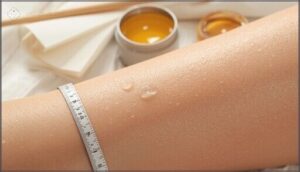
Getting the length right is the difference between smooth skin and a frustrating mess. Your hair needs to be long enough for the wax to grip properly and pull from the root.
Let’s break down the exact measurements you need and what happens when hair is too short.
Minimum Length Required
You need about a quarter of an inch—picture a grain of rice—before wax can grip hair properly. That’s roughly 6 millimeters for legs, arms, and most body areas.
Coarser zones like your bikini line or underarms may need slightly longer, closer to half an inch. Short stubble measuring only 1 to 2 millimeters won’t cut it.
Why Length Matters for Effective Removal
When wax wraps around enough of each hair shaft—about 70 to 90 percent—it grips the root instead of snapping at the surface. That’s why length matters for effective hair removal.
Wax must wrap around 70 to 90 percent of each hair shaft to pull from the root instead of breaking at the surface
- Wax adhesion improves dramatically once stubble reaches the recommended quarter-inch, letting you pull from the follicle instead of breaking mid-shaft
- Root extraction at proper lengths keeps you smooth for three to four weeks, not just days
- Uniform lengths across your treatment area mean fewer missed hairs and less need for painful repeat passes
What Happens if Hair is Too Short
Without proper length, wax can’t grip the hair shaft firmly enough. You’ll face incomplete removal that leaves patchy stubble behind and increases skin irritation from multiple passes over the same area.
Breaking hair at the surface instead of pulling from the root triggers uneven regrowth and raises your risk of ingrown hairs—wasting time, wax, and your patience.
How Hair Growth Cycles Impact Waxing
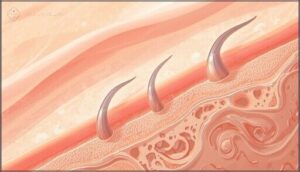
Your hair doesn’t all grow at the same rate or on the same schedule. This means some hairs are ready to be pulled while others aren’t budging yet.
Understanding these growth phases helps explain why you might see stubble after waxing and when to book your next appointment.
Anagen, Catagen, and Telogen Phases
Your hair doesn’t grow all at once—it cycles through three phases. Anagen is the active growth stage, when follicles build new hair over several years on your scalp or just weeks elsewhere. Catagen is a brief intermediate phase where growth slows and follicles shrink. Telogen is the resting phase, lasting two to three months, when hair eventually sheds naturally.
Staggered Growth and Stubble Appearance
Each follicle operates on its own schedule, so about 86% of your hairs are actively growing while 13% rest in telogen. When you wax, you only remove anagen-phase hairs—the others emerge days later as stubble after waxing.
That staggered hair growth means your first session won’t catch everything, but regular appointments gradually sync those hair growth cycles for smoother, longer-lasting results.
Timing Waxing for Best Results
Planning your waxing appointment timing around hair growth cycles makes the difference between patchy results and truly smooth skin. Book sessions every four to six weeks to catch more hairs in the right growth phases.
- Schedule waxing appointments 2-3 days before special events to let redness fade
- Wait until hair reaches ¼ to ½ inch for effective removal
- Avoid shaving between sessions—it disrupts your hair growth cycle synchronization
- Consider hormonal fluctuations that affect your waxing frequency needs
- Track skin factors like sensitivity to adjust your personal routine
Preparing Your Skin to Wax Stubble

Getting your skin ready before waxing can make the difference between smooth results and patchy stubble. You don’t need a fancy routine, but a few simple steps will help the wax grab short hairs more effectively and reduce irritation.
Here’s what you need to focus on before your appointment.
Exfoliation Tips for Short Hair
Getting rid of dead skin cells before you wax short hair makes a huge difference. Try a gentle sugar or salt scrub about 24 to 48 hours before your appointment. Rub it in small circles and rinse well. This physical exfoliation loosens trapped hairs and helps the wax grab onto stubble better.
You can also use chemical exfoliants like AHA or BHA serums twice a week to keep follicles clear and cut down on ingrown hairs. Just wait at least 24 hours between exfoliating and waxing so your skin has time to recover. Skip exfoliation on sensitive areas like the bikini line if your skin gets irritated easily.
Moisturizing for Healthier Hair Removal
Soft, well-hydrated skin lets wax grip hair more effectively and helps follicles release cleanly during removal. Start moisturizing daily at least a week before your appointment with a light, non-comedogenic lotion. This strengthens your skin barrier and reduces the chance of irritation.
- Pre-wax hydration prepares follicles for smoother removal
- Post-wax recovery speeds healing and comfort
- Ingrown prevention starts with consistent aftercare products
- Hydration habits between sessions keep skin supple
Skip heavy hydrating oil or thick creams 12 to 24 hours before waxing so the wax can stick to stubble instead of sliding off. After your session, apply a gentle moisturizer to support postwax skin care and calm any redness.
Skin Conditions to Avoid Before Waxing
Even healthy skin needs the right conditions for waxing. Active infections like folliculitis or open lesions can spread bacteria through microtears. Inflammatory dermatoses such as eczema and rosacea make skin extra sensitive.
Photosensitivity risks rise after chemical peels or retinoid use. Vascular conditions and atypical lesions demand caution.
If you notice persistent redness or irritation, see a dermatologist before booking your appointment.
Best Techniques for Waxing Stubble
Getting stubble waxed isn’t impossible, but it does require the right approach. The type of wax you use and the tools you choose can make or break your results.
Here’s what actually works when you’re dealing with shorter hair.
Hot Wax Vs. Cold Wax

When waxing stubble, hot wax removes hair as short as 1 mm and grips coarse stubble 30% more reliably than cold wax. You’ll feel 40% less pain since hot wax dilates pores during application.
Cold wax works best on hair longer than 6 mm and causes 25% more discomfort from skin adhesion.
Hot wax takes 5-10 minutes to prepare, while cold wax strips offer quicker application.
Tools and Products for Short Hair

Hard wax beads that melt at low temperatures are your best bet for waxing short hair—they shrink-wrap around stubble as short as 2 mm. Strip wax needs hair at least 2–5 mm long to grip properly.
Pre-wax cleansers remove oils that block adhesion, while post-wax aids with vitamin E soothe skin.
At-home kits include spatulas and wipes for complete stubble removal.
Professional Recommendations

Most salons won’t wax hair under one-quarter inch—their policies protect both your skin and their results. An esthetician consultation can reveal whether your stubble is long enough or if you need a specialized protocol.
If you have sensitive skin or take certain medications, ask your wax specialist about medical clearance before booking.
When waxing won’t work, alternative methods like sugaring might match your hair growth.
Common Reasons for Post-Wax Stubble
You scheduled your wax appointment and followed all the prep steps. But a day or two later you notice some stubble poking through.
Here’s why that happens and what’s actually going on beneath your skin.
Breakage Vs. Root Removal
Your waxing results come down to one thing: does the hair pull from the follicle or snap at the surface? Root removal means smoother skin and slower regrowth patterns, while breakage leaves stubble after waxing almost immediately.
Here’s what influences the outcome:
- Hair Strength: Healthy hair removes cleanly; dry hair breaks easily
- Waxing Technique: Proper application angle prevents snapping
- Hair Type: Coarse hair resists removal more than fine hair
- Skin Sensitivity: Inflamed follicles weaken hair anchoring
- Hair Growth: Anagen-phase hairs extract best from the hair follicle
Studies show 10–15% of hairs break during typical hair removal methods.
Impact of Dry or Brittle Hair
When your hair lacks moisture, waxing becomes a gamble. Dry hair snaps instead of pulling cleanly from the root, leaving you with stubble that appears within days. Brittle hair shows visible cuticle damage under microscopes—those cracks weaken the shaft, causing it to fracture during removal.
| Hair Condition | What Happens During Waxing |
|---|---|
| Healthy, moisturized | Removes from root cleanly |
| Dry or dehydrated | Breaks at surface level |
| Chemically treated | Reduced tensile strength causes snapping |
| Over-styled | Product buildup creates stiff, fracture-prone strands |
| Heat-damaged | Cuticle cracking increases breakage risk |
Hair texture also plays a significant role. Chemically processed strands lose elasticity and cannot withstand the traction required for waxing. This results in post-wax stubble as broken ends remain trapped near the skin. Low moisture content reduces flexibility, making hair stiff and prone to mid-shaft breaks instead of complete extraction.
This significantly impacts epilation outcomes. Studies demonstrate that damaged fibers require less force to snap compared to healthy hair. Conditioning treatments before waxing can reduce breakage incidents. Without proper hydration, the risks extend beyond stubble—you may experience skin complications like ingrown hairs from rough, broken ends that cannot exit the follicle properly.
Hair in Different Growth Phases
Not all your hair is on the same schedule—that’s the real problem. Your follicles move through three hair growth stages at different times, creating phase asynchrony.
About 10% of body hair is in the anagen removal-ready stage during waxing, while 90% sits in telogen prevalence. The catagen effects are brief but important.
This staggered hair cycle means stubble will appear as new hairs enter anagen after your appointment.
How to Minimize Stubble After Waxing

Getting rid of stubble after waxing isn’t about luck. It’s about working with your body and sticking to a routine that keeps hair growth in check.
Here are three practical ways to keep your skin smooth between appointments.
Scheduling Regular Waxing Sessions
Consistency is your secret weapon against stubble. Most professionals recommend scheduling waxing appointments every three to six weeks, depending on the body area.
Legs usually need attention every three to five weeks, while underarms may require sessions every two to three weeks. Pre-booking your next appointment at checkout helps you stick to a waxing regime that works.
Plan around big events by waxing three to five days ahead so any redness fades.
Synchronizing Hair Growth Cycles
Regular waxing at consistent intervals gradually trains your follicles to cycle together. When you stick to four to six week appointments, you catch more hairs in early growth stages each time. Over several sessions, this synchronizes their regrowth timing and reduces scattered stubble.
- Avoid shaving between sessions to prevent resetting individual hair growth cycles to different stages
- Book appointments every four to six weeks to target hairs as they re-enter active growth together
- Maintain the same treatment schedule for at least three to four cycles to see noticeable synchronization
Post-Wax Exfoliation Practices
Once your follicles align, exfoliation becomes your best defense against ingrown hairs. Wait 24 to 48 hours after your appointment, then gently exfoliate two to three times each week. This removes dead skin cells that trap new growth and keeps pores clear. Use light circular motions with a soft scrub or chemical exfoliant containing AHAs to reveal fresh skin underneath.
| Timing | Technique | Complementary Skincare |
|---|---|---|
| Start 24-48 hours post-wax | Use gentle circular motions | Apply aloe vera moisturizer |
| Exfoliate 2-3 times weekly | Choose fine-particle scrubs | Avoid fragranced products |
| Repeat before next session | Focus on bikini line and legs | Use non-comedogenic lotions |
Risks of Waxing Stubble
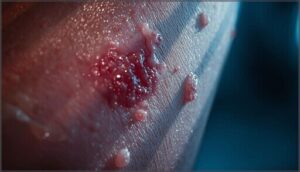
Waxing stubble might seem like a quick fix, but forcing the process when hair is too short comes with real consequences. Your skin can take a beating, and you’re more likely to deal with irritation, infection, and other unwanted side effects.
Here’s what can go wrong when you try to wax hair that isn’t ready.
Increased Skin Irritation and Trauma
Stubble trauma is a real concern when you wax hair that’s too short. Waxing micro-tears occur when the wax grips your skin more than the hair, damaging your epidermal barrier with each pass. Studies show short hair increases drag and requires repeated pulls, triggering inflammatory responses that leave you red and sore.
- Skin irritation from waxing intensifies when hair length falls below the ideal range
- Managing skin irritation becomes harder as multiple passes compound trauma and waxing side effects
- Skin sensitivity issues emerge from repeated attempts to remove resistant stubble
- Long-term damage to your skin barrier increases infection risk and pigmentation changes
Potential for Ingrown Hairs and Infection
Beyond the immediate trauma, stubble waxing greatly elevates your ingrown hair risks and folliculitis prevention challenges. Waxing hair under ideal length often breaks strands at the surface rather than removing them from the root. Those trapped fragments curl back into your follicles, creating painful ingrown hairs.
Studies show 40.9% of waxers report ingrowns as a primary side effect. Bacterial infections thrive in the micro-tears stubble removal creates, with folliculitis occurring in over half of forearm waxing cases.
When to Avoid Waxing Short Hair
Your skin conditions directly dictate whether you can wax short hair safely. Skip waxing if you’re dealing with psoriasis, dermatitis, sunburn, or any open wounds—even stubble the size of a grain of rice isn’t worth the risk.
Stop retinoid use at least a week before. If you’re on blood thinners or steroids, get medical clearance first.
When in doubt, postpone until your skin’s ready.
Alternatives to Waxing Stubble

If waxing stubble isn’t working for you, you’re not stuck with just one option. There are other hair removal methods that might give you better results when your hair is too short.
Here’s what you can try instead of forcing a wax that won’t deliver smooth skin.
Sugaring for Short Hair
If waxing stubble feels like a battle you can’t win, sugaring might be the breakthrough you need. Sugaring benefits include removing hair as short as 1/8 inch—about half what most waxes require. This alternative hair removal method grips short hair more effectively because the paste flows into follicles and adheres mainly to hair instead of skin.
Here’s why sugaring vs waxing is significant:
- Removes shorter regrowth – Sugaring can tackle hair around 3–5 mm, while many waxes need at least 6 mm
- Gentler on skin – The paste sticks less to living skin cells, reducing irritation when waxing short hair
- Less breakage – Applied against growth and removed with it, sugaring pulls more hairs from the root
- Slower regrowth patterns – Studies show sugared areas stay smoother longer and hair grows back finer over time
The technique differences matter. Sugaring paste molds around each hair at the follicle opening, so even stubble that snaps during traditional waxing often comes out cleanly. You’ll still face some risk mitigation concerns like ingrown hairs or redness, especially if your hair is under 3 mm or you work the same spot repeatedly.
For short hair removal on sensitive areas like your bikini line, sugaring’s lower temperature and reduced grip on skin offer better tolerance. Let your hair reach that 3–5 mm sweet spot before your first session, then book appointments every four to six weeks to keep regrowth soft and sparse.
Shaving Vs. Waxing Pros and Cons
When you’re weighing alternative hair removal methods, the shaving method offers quick convenience while waxing delivers longer-lasting smoothness. Here’s how waxing vs shaving benefits stack up:
| Factor | Shaving | Waxing |
|---|---|---|
| Hair regrowth | 3–7 days | 2–6 weeks |
| Skin irritation | Razor burn, nicks common | Temporary redness, less frequent |
| Pain factors | Minimal to none | Moderate initially, decreases over time |
| Cost comparison | Low upfront, frequent replacement | Higher per session, longer intervals |
Long-term effects differ dramatically. Waxing weakens follicles and produces finer regrowth, while shaving maintains the same hair thickness indefinitely.
When to Wait for Hair Growth
If your hair feels like sandpaper or looks shorter than a grain of rice, hold off on booking. Here’s why delaying your waxing appointment advice makes sense:
- Regrowth Timeline: Most areas need 3–4 weeks after shaving to reach the ideal pinch length (about ¼ inch).
- Growth Thresholds: Waxing short hair too early causes chronic irritation without better results.
- Shaving Delay: Wait until hair regrowth is visibly long enough to grasp between fingers before scheduling.
- Recovery Window: Skin needs time to heal between sessions, especially after recent trauma.
Patience delivers smoother, longer-lasting outcomes.
When to Consult a Waxing Specialist

Sometimes stubble keeps showing up no matter what you try at home. A waxing specialist can figure out what’s going wrong and help you get better results.
Here’s when it’s worth booking a professional consultation.
Identifying Persistent Stubble Issues
If you notice stubble after waxing two sessions in a row—or if breakage or root removal seems inconsistent—it’s time for a specialist consultation. Pay attention to whether regrowth is immediate vs. delayed, which hints at hair growth stage issues.
Changes in skin texture, frequent ingrown hairs, or that sandpaper feel also signal you need professional eyes on your postwax stubble to adjust technique and minimize future problems.
Customizing Waxing Routines
Your specialist will tailor a waxing routine around your skin sensitivity, hair coarseness, and pain management needs. Budget considerations and lifestyle factors matter too—whether you can commit to 2-3 week intervals initially or prefer 4-6 week maintenance.
Client education on waxing helps you understand why customization improves results. When your routine matches your body’s rhythm, client satisfaction skyrockets and stubble becomes history.
Professional Advice for Sensitive Skin
Sensitive skin demands a smarter waxing game plan. Your specialist will suggest patch testing new wax formulations before treating larger areas and customize pre-wax prep to shield your barrier.
They’ll guide post-waxing skin care using fragrance-free products that support barrier repair. If irritation persists despite adjustments, expect a professional referral to a dermatologist who can evaluate underlying skin sensitivity and recommend safer alternatives to waxing.
Frequently Asked Questions (FAQs)
Can you wax stubble pubic?
You technically can wax pubic stubble, but don’t expect a miracle. Hair needs about ¼ inch length—roughly two to three weeks of growth—for the wax to grip and pull from the root effectively.
Can I get a wax if I shaved?
Yes, but you’ll need to wait 2 to 4 weeks after shaving. Hair must reach ¼ inch for waxing to grip properly. Shorter regrowth won’t adhere to wax and increases skin sensitivity.
How long does waxing stubble last?
Here’s the deal: hair regrowth after waxing generally takes three to six weeks, depending on your body area and hair type.
Repeated waxing extends smoothness as hair growth cycles synchronize and regrowth slows over time.
Can sugaring remove short hair?
Sugaring pulls out hairs as short as 1/8 inch—half what waxing needs.
The paste grips stubble down to 3 mm and removes it from the root with less breakage than traditional wax.
Can you wax on top of a sunburn?
No. Waxing over sunburn is contraindicated and unsafe. The damaged skin is vulnerable to lifting, increased irritation, infection, and prolonged redness.
Always postpone waxing until your sunburn heals completely to avoid serious complications.
Does waxing hurt more on stubble or longer hair?
Like pulling a bandaid off twice—waxing stubble often hurts more because the wax struggles to grip short hair. This causes repeated passes and increased skin trauma.
Longer hair (5-10 mm) removes more cleanly with less irritation.
Can certain medications affect waxing stubble results?
Yes—retinoid skin thinning, antibiotic photosensitivity, corticosteroid fragility, and blood thinner bruising can all compromise waxing results. Hormonal sensitivity may heighten discomfort.
Always disclose medications to your provider for safer hair removal techniques.
How does body area affect stubble waxing success?
Different areas respond uniquely to waxing short hair. Facial hair and underarm stubble require less length than the bikini area or coarse torso hair.
Leg waxing sits in between, with results depending on hair thickness and density.
Should you trim stubble before a waxing appointment?
If your hair measures over ½ inch, trim it down to ¼ inch using scissors before your wax appointment.
Never shave stubble—it creates short hair in mismatched hair stages that breaks instead of pulling cleanly.
Can you use numbing cream before waxing stubble?
Numbing promises relief but needs timing—lidocaine creams reduce waxing pain thirty to fifty percent when applied twenty to thirty minutes before.
Always patch-test first and wipe thoroughly; residue can compromise wax adhesion on stubble.
Conclusion
Sure, you can technically wax stubble—the same way you can technically use a butter knife to chop down a tree. The wax might grab a few strands, but most will snap or stay put. Your skin won’t thank you either.
If you want smooth results that last, let your hair hit that quarter-inch mark first. Patience beats frustration every time.
When you can wax stubble properly, the difference is unmistakable.
- https://www.fuzzwaxbar.com/blogs/blog/is-there-a-perfect-hair-length-for-waxing-beginners-guide
- https://www.waxwax.com/blogs/waxing-101/how-long-should-hair-be-for-brazilian-wax
- https://www.aad.org/public/everyday-care/skin-care-basics/hair/how-to-wax
- https://blackcoralwax.com/blogs/news/waxing-101-what-s-the-ideal-hair-length-for-best-results
- https://www.youtube.com/watch?v=fetev-z2JYs